
Michelin Plate
Our verdict
Cascais has a small but serious appetite for Japanese formats, and Izakaya sits on the casual side of that conversation: counter-led, informal, and recognised with a Michelin Plate in 2025. The draw is not ceremony for its own sake, but the way an omakase structure brings kaiseki discipline into a room with neon light, client photographs, and a younger rhythm.

Pearl is the En Primeur Club membership app — saves, bookings, and concierge access live there. Same editors, same standards.
- Address
- Rua do Poço Novo 180, 2750-079 Cascais, Portugal
- Phone
- +351 21 404 5106
- Hours
- Mon–Thu 12:30–3 PM, 7 PM–12 AMFri–Sat 12:30–3 PM, 7 PM–1 AMSun 12:30–3 PM, 7 PM–12 AM
- Website
- izakayaportugal.pt
- Directions
- Get directions
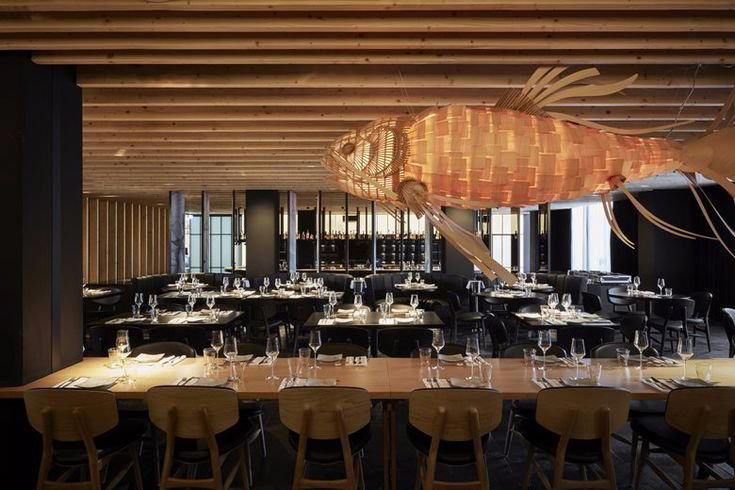
Neon light and walls covered with client photographs set the tone before the cooking does. In Cascais, where the restaurant conversation often tilts toward seafood, Atlantic views, and leisurely Portuguese dining, a Japanese tavern format changes the pace: closer, quicker, more counter-focused. Izakaya takes the informal grammar of the Japanese drinking house and pulls it toward omakase, a format that depends on sequence, appetite, and the chef’s read of the table rather than a fixed à la carte decision made at the start.
That hybrid matters. A classic izakaya is built around repetition, snacks, drinks, and social tempo; kaiseki, by contrast, is about progression, seasonality, and restraint. The Cascais version sits between those poles. The Michelin Guide’s 2025 Plate recognition signals that this is not just themed casual dining, while the room itself resists the hushed choreography associated with formal Japanese tasting menus. The result is a useful alternative in a city where premium dining can feel split between polished contemporary kitchens and traditional seafood rooms.
Omakase discipline inside a tavern room
The strongest editorial argument for Izakaya is format. The counter is central, and the Michelin description points to an omakase menu or a menu shaped by the chef according to appetite at the moment of ordering. That puts the decision-making closer to the kitchen than to the guest, a principle shared with kaiseki even when the room is looser and younger. Instead of reading the experience as a list of dishes, it is better understood as controlled pacing: small courses, changing weight, and a progression that should make sense over the meal.
Cascais does not have Tokyo’s density of specialist counters, so the relevance here is local rather than imitative. The city’s dining scene often rewards view, terrace, and produce; Japanese counter dining rewards proximity and trust. That difference is the point. A guest who usually books other Cascais dining rooms is making a different choice here: less stagecraft, more immediacy, and a menu that can move with appetite rather than category.
The kaiseki connection should not be overstated. This is not a temple of Kyoto formality, and the visual language is deliberately informal. But the philosophical overlap is clear enough: balance, sequence, and a chef-led meal built around the moment. For diners who want the Portuguese coast through a Japanese lens without turning dinner into a long ceremonial performance, that tension gives the room its interest.
Cascais dining is broader than seafood and terraces
Japanese dining in a Portuguese seaside city works only when it avoids becoming a costume. The better version borrows technique and format while accepting local dining habits: later dinners, sociable rooms, and a relaxed threshold between serious cooking and casual atmosphere. Izakaya is framed as a young and informal expression of the Japanese tavern idea in Cascais, with the counter experience placed at the centre of the meal.
That distinction is useful for planning a Cascais itinerary. Other local dining rooms speak to the city’s varied dining registers; Izakaya is a sharper choice when the evening calls for counter proximity and a chef-led sequence. For a wider view of the city’s dining range, use Our full Cascais restaurants guide, then build the rest of the stay through Our full Cascais hotels guide, Our full Cascais bars guide, Our full Cascais wineries guide, and Our full Cascais experiences guide.
The Michelin Plate is the key trust signal, not a decorative badge. In practical terms, it confirms that the restaurant has received Michelin recognition for 2025 while still allowing expectations to be set by the venue’s own description: a young, informal Japanese tavern-counter format in Cascais, not a silent luxury tasting room.
Where it fits in a Portugal itinerary
For travellers moving across Portugal, the interest lies in contrast. Lisbon’s dining circuit has long absorbed international technique and high-concept tasting menus, while northern Portugal and the wine regions can read differently again. The Algarve offers another coastal register, and Portugal’s broader premium dining map is varied enough that a Cascais stop can sit comfortably between urban, wine-country, and seaside meals.
Against that national backdrop, Cascais is useful precisely because it can handle a less predictable dinner. The town’s premium appeal often comes from sea air, hotels, and proximity to Lisbon, but the better dining choices are not all built around the same coastal script. A Japanese counter with Michelin Plate recognition gives the itinerary a different rhythm, especially for guests who have already spent several meals in other dining modes.
For context beyond Portugal, Japanese izakaya culture changes significantly by city. Some versions favour density, speed, and drinking-food momentum, while others pull the form closer to restraint and seasonality. Travellers comparing formats should read Izakaya in Cascais on its own terms: it is not trying to reproduce any single Japanese city wholesale, but it borrows enough from the chef-led Japanese counter tradition to deserve attention within a Portuguese stay.
Frequently asked questions
Can I bring kids to Izakaya?
The restaurant’s omakase counter and Michelin Plate (2025) positioning make it feel more suited to adults than to a family-style meal. For children, the safest fit is to check directly with the restaurant before booking in Cascais.
Is Izakaya formal or casual?
It leans casual in tone, with a young, informal room, neon lighting, and walls filled with client photographs. The counter omakase gives the meal a tighter sense of discipline, but the atmosphere is still closer to an informal tavern than a hushed tasting room.
What awards or recognition does Izakaya have?
Izakaya has Michelin Plate recognition for 2025. The Michelin description highlights its young, informal Japanese tavern atmosphere Cascais, the neon-lit room, client photographs on the walls, and the counter experience with omakase or a menu shaped by the chef according to appetite.
What kind of cuisine does Izakaya serve?
Izakaya is a Japanese tavern-style restaurant in Cascais, with an omakase counter format and menus that can be shaped around the guest’s appetite at the time of ordering.
What price level is Izakaya?
The provided venue information does not specify a price level for Izakaya. Check directly with the restaurant for current menu and pricing details.
What are the operating hours at Izakaya?
The provided venue information does not specify operating hours for Izakaya. Check directly with the restaurant for current opening times.
Where is Izakaya in Cascais?
Cascais.
Category Peers
| Venue | Cuisine | Price | Awards |
|---|---|---|---|
| IzakayaThis venue — the venue you are viewing | Modern Japanese Izakaya | $50–100 | Michelin Plate |
| Kappo | Modern Japanese Omakase | $100–150 | 1 Michelin Star |
| Conceito | Modern Portuguese Fine Dining | $50–100 | Michelin Plate |
| Porto de Santa Maria | Traditional Portuguese Seafood | $50–100 | Michelin Plate |
Recognition history
Dated appearances from independent guides and award organizations, with the underlying list record or original source where available.
Michelin Plate
Michelin
Full recognition history (2 entries)
Michelin Plate
Michelin
Continue exploring
More in Cascais
Restaurants in Cascais
Browse all →
Bars in Cascais
Browse all →
Hotels in Cascais
Browse all →


Details
- Lively
- Trendy
- Industrial
- Energetic
- Intimate
- Date Night
- Casual Hangout
- Solo
- Open Kitchen
- Sake Program
- Small Plates
- Counter Dining
- A La Carte
- Sake
Current opening hours
- Monday
- 12:30–3 PM, 7 PM–12 AM
- Tuesday
- 12:30–3 PM, 7 PM–12 AM
- Wednesday
- 12:30–3 PM, 7 PM–12 AM
- Thursday
- 12:30–3 PM, 7 PM–12 AM
- Friday
- 12:30–3 PM, 7 PM–1 AM
- Saturday
- 12:30–3 PM, 7 PM–1 AM
- Sunday
- 12:30–3 PM, 7 PM–12 AM
Hours can change for holidays and private events. Last verified .
Industrial-style decor with lively, energetic atmosphere, loud music, and heat from the open kitchen.