
Almadraba reads through the logic of Roses itself: sea-facing, produce-led, and shaped by the Costa Brava’s habit of treating fish and rice as serious regional language rather than resort shorthand. Its 1 Sol recognition from Guía Repsol 2026 places it in Spain’s contemporary dining conversation without pulling it away from the coastal context that matters here.
Pearl is the En Primeur Club membership app — saves, bookings, and concierge access live there. Same editors, same standards.
- Address
- Almadraba Park Hotel, Avinguda de José Díaz Pacheco, 70, 17480 Roses, Girona, Spain
- Directions
- Get directions
 Saves & bookings on Pearl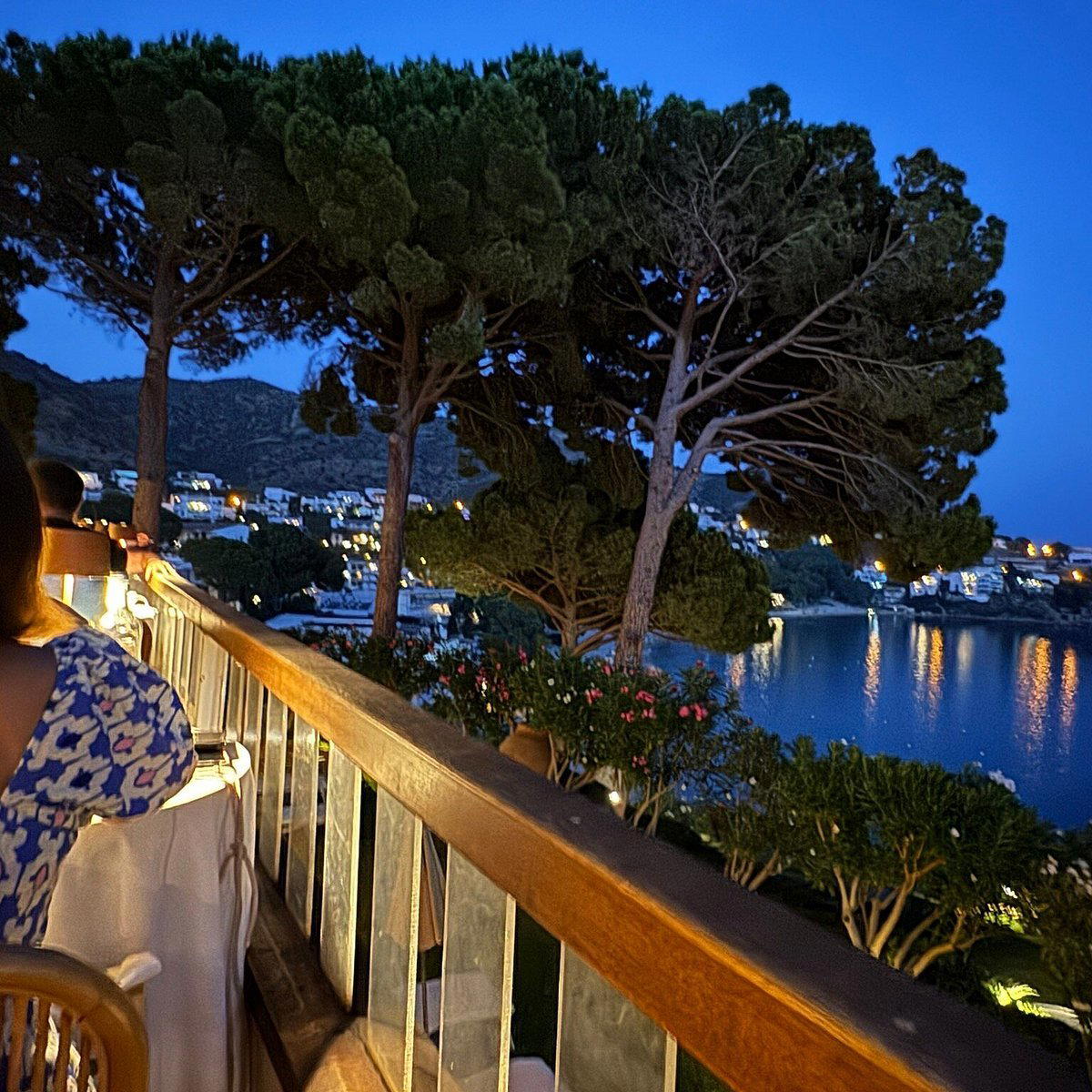
Approaching the Almadraba side of Roses, the town opens into coves, pines, and the hard blue edge of the Costa Brava. This is not the dense, tapas-first Spain of inland plazas, but a maritime dining culture built around boats, rice pans, market fish, olive oil, and the tension between summer leisure and year-round local appetite. Almadraba belongs to that coast: the meal makes sense when judged by where the ingredients come from, not by a generic luxury-resort template.
Roses carries more culinary memory than its size suggests. The shadow of El Bulli (Spanish Cuisine) still shapes how serious diners read this stretch of Girona, but today the more useful comparison is between coastal formats. Els Brancs occupies the overtly destination-minded end of local dining; Rafa (Seafood Small Plates) speaks in seafood immediacy; ROM (Traditional Cuisine) stays closer to local comfort; Sumac (Farm to table) frames the area through producer-led cooking. Almadraba sits mid-map, where hotel dining, coastal produce, and regional recognition overlap.
Roses dining is strongest when the coast sets the terms
The ingredient story matters because this part of Catalonia is often misread by visitors as scenery first, cuisine second. In practice, the Bay of Roses and wider Empordà give restaurants a demanding pantry: fish and shellfish from nearby waters, rice traditions linking coast, wetlands, and market gardens, and a Catalan habit of letting sauces and broths carry more weight than decoration. Here, a kitchen is judged less by novelty than by timing, sourcing, and restraint.
Almadraba’s 1 Sol in the Guía Repsol Soles 2026 gives it a national Spanish reference point, important in a town where dining can swing between beach-season convenience and serious culinary travel. Repsol recognition matters because the guide has long read Spanish regional cooking with attention to place. For Roses, that means coastal Catalan identity rather than imported luxury codes. The signal is not that the restaurant escapes its setting, but that the setting has enough depth to reward careful cooking.
The stronger coastal restaurants in this pocket of Girona avoid two traps: overcomplicating fish, and treating holiday diners as captive. Almadraba is better understood through that second test. Its position in Almadraba Park Hotel puts it within the bay’s hospitality rhythm, but the Repsol Sol separates it from hotel dining that relies on view and convenience alone. The editorial question is whether the kitchen has enough local specificity to justify attention beyond the room. In Roses, that usually begins with the sea and ends with how little interference the produce needs.
A hotel table with a regional, not generic, argument
Hotel restaurants along Mediterranean coasts often follow a familiar pattern: international dishes for guests, a few local references for credibility, and service built around availability rather than identity. The better Girona addresses resist that flattening by speaking directly to Catalan coastal habits. Almadraba’s interest lies there. It is not trying to replace the small seafood bar, the traditional rice house, or the contemporary tasting-menu room. It gives the hotel format a more regionally literate role.
That distinction sharpens against the local field. Rafa’s seafood-small-plates model keeps product close to counter and plate; ROM’s traditional-cuisine lane suits diners wanting familiar Catalan structures; Sumac’s farm-to-table label points inland as much as outward to the bay. Almadraba differs: it uses the calm, controlled tempo of a hotel dining room to interpret the same coastal supply chain in a longer, more composed meal. In a seasonal town, that balance has value.
Roses sits close enough to Cadaqués for comparisons to drift north. Compartir Cadaqués, with modern cuisine and a €€€ positioning, belongs to a more design-forward conversation, while Roses remains more anchored in seafood, rice, and directness. That difference explains why a meal here should be judged by clarity and regional fit rather than theatricality. The closer a kitchen stays to the coast’s logic, the more persuasive it becomes.
For planning, the restaurant belongs in a Roses itinerary that treats food, sleep, drink, wine, and local activity as connected decisions, not separate bookings. The relevant city pages are Our full Roses restaurants guide, Our full Roses hotels guide, Our full Roses bars guide, Our full Roses wineries guide, and Our full Roses experiences guide. Read the town through geography: beach-facing meals near the bay, old-town addresses for casual movement, and Cap de Creus excursions when the day calls for a slower coastal arc.
How to place it in a Spanish dining itinerary
Almadraba makes strongest sense for diners wanting a composed Roses meal rooted in coastal Catalonia, especially when the alternative is choosing between casual seafood and more ambitious destination dining. The 1 Sol recognition gives a clear trust signal, but the better reason to pay attention is its position in a town where sourcing does much of the editorial work. A good Roses restaurant should make the bay feel practical, not decorative.
In a wider Spain itinerary, read it beside regional restaurants rather than only urban dining rooms. Madrid’s "B de J" in Madrid, Andalusian references such as 12 Tapas in Castilleja de la Cuesta, Basque-country and Rioja-adjacent addresses including 144. in Vitoria-Gasteiz and 1860 Tradición in Elciego, island dining at 1742 in Ibiza, and Barcelona’s maritime-facing 1881 per Sagardi in Barcelona all show how place changes the plate’s terms. Even outside Spain, links between format and setting matter, from Jōdo Saké Bar in Los Angeles to Onigiri Time in Pasadena. Almadraba’s role is quieter: it gives Roses a polished coastal table with enough recognition to merit consideration, and enough local grounding to avoid feeling detached from the bay outside.
Side-by-Side Snapshot
Comparable venues by cuisine and price in the same metro.
| Venue | Cuisine | Price | Awards | Notes |
|---|---|---|---|---|
| AlmadrabaThis venue — the venue you are viewing | Classic Mediterranean & seafood hotel restaurant on the Costa Brava | $$$ | Not listed | Not listed |
| ROM | Modern Mediterranean Fine Dining | $$$ | Michelin Plate | Roses |
| Els Brancs | Mediterranean fine dining with sea views | $$$$ | Not listed | .null |
| Rafa | Fresh Grilled Seafood | $$$ | Not listed | Roses center |
| Sumac | Modern Catalan with Farm-to-Table Focus | $$$ | Michelin Plate | Cap Norfeu |
| El Bulli | Avant-Garde Molecular Spanish | $$$$ | World's 50 Best #1 | Cala Montjoi |
Recognition history
Dated appearances from independent guides and award organizations, with the underlying list record or original source where available.
Guía Repsol 1 Sol
Guía Repsol
Continue exploring
More in Roses
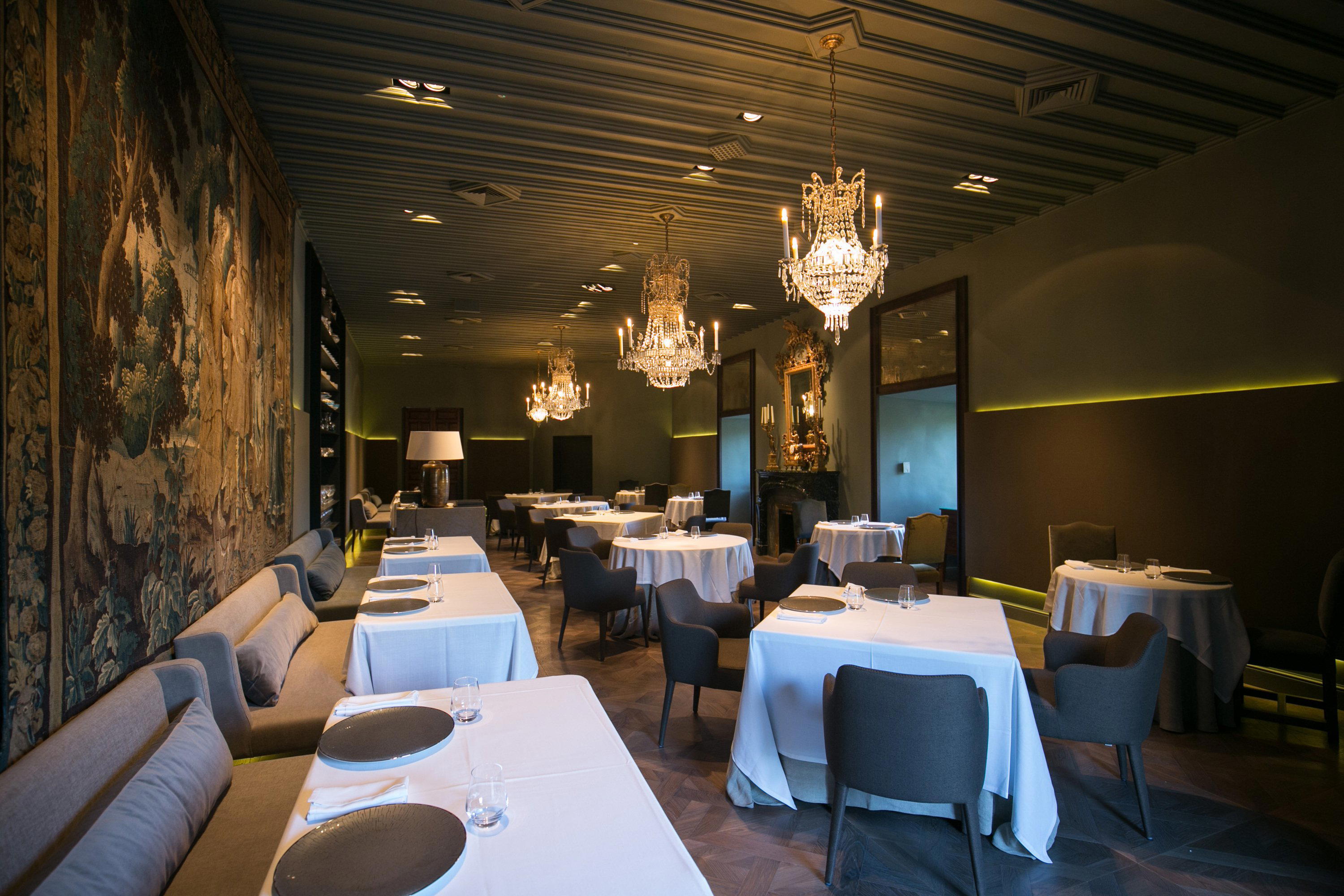
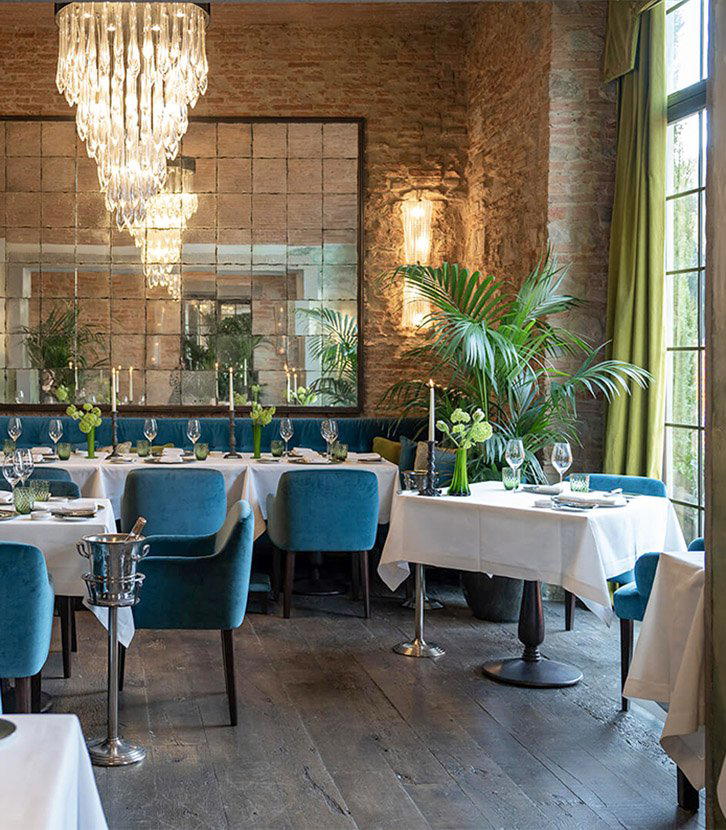
Restaurants in Roses
Browse all →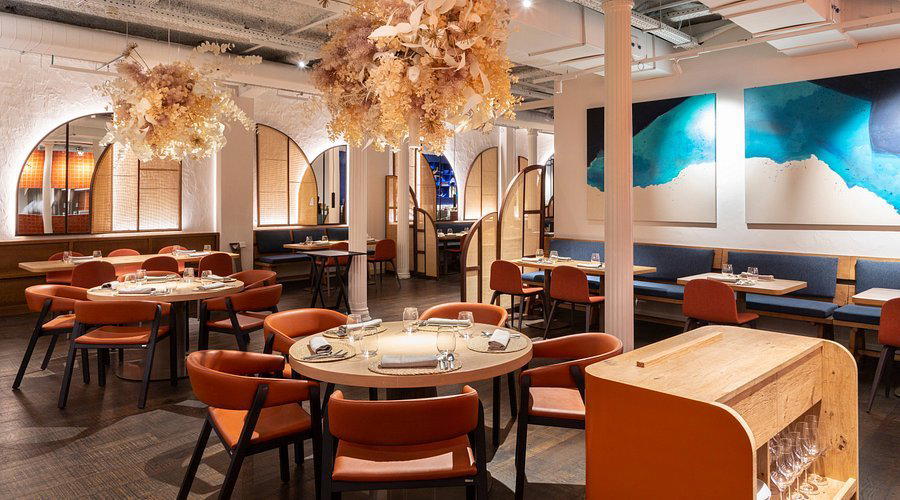
Bars in Roses
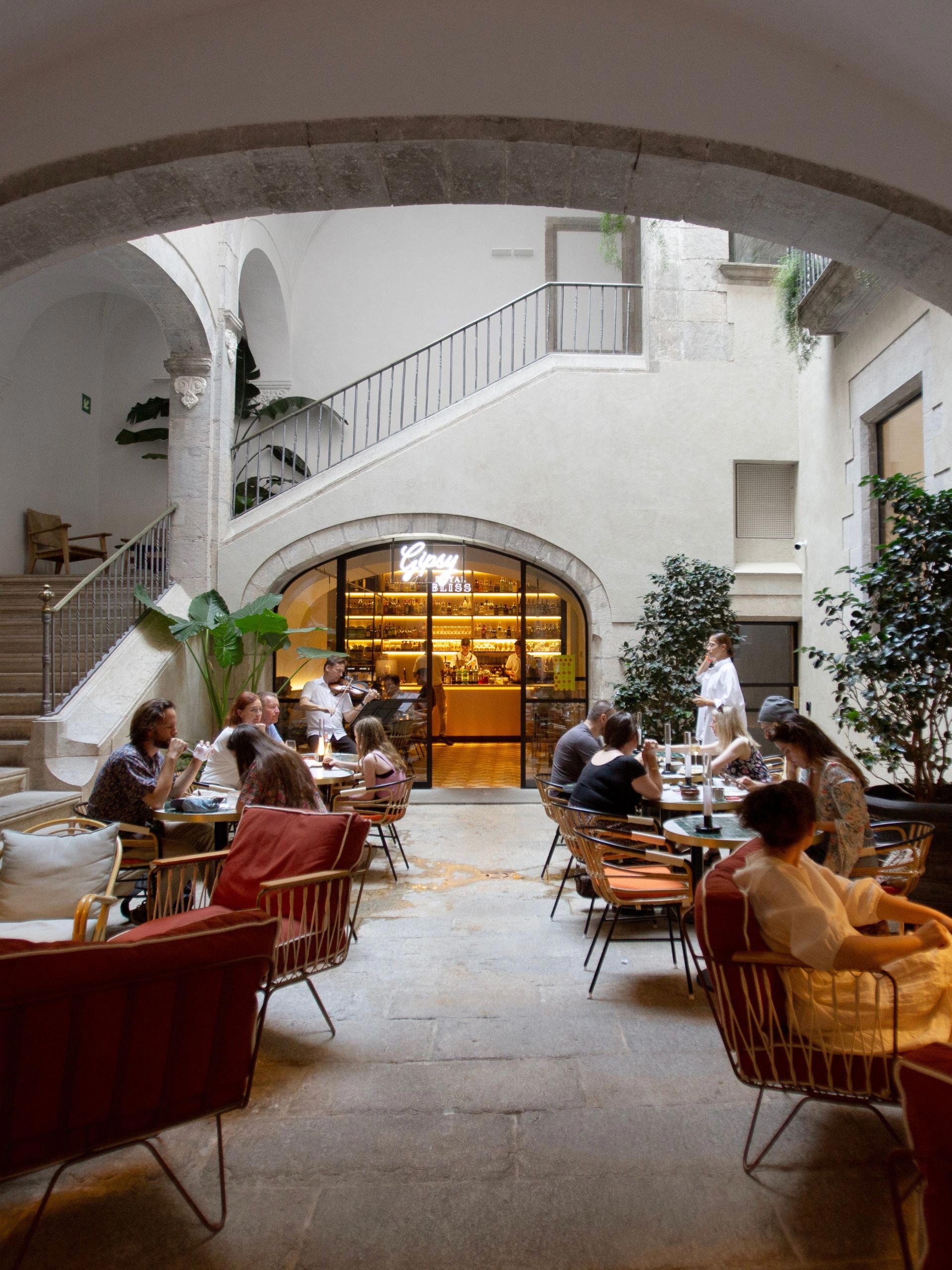
Browse all →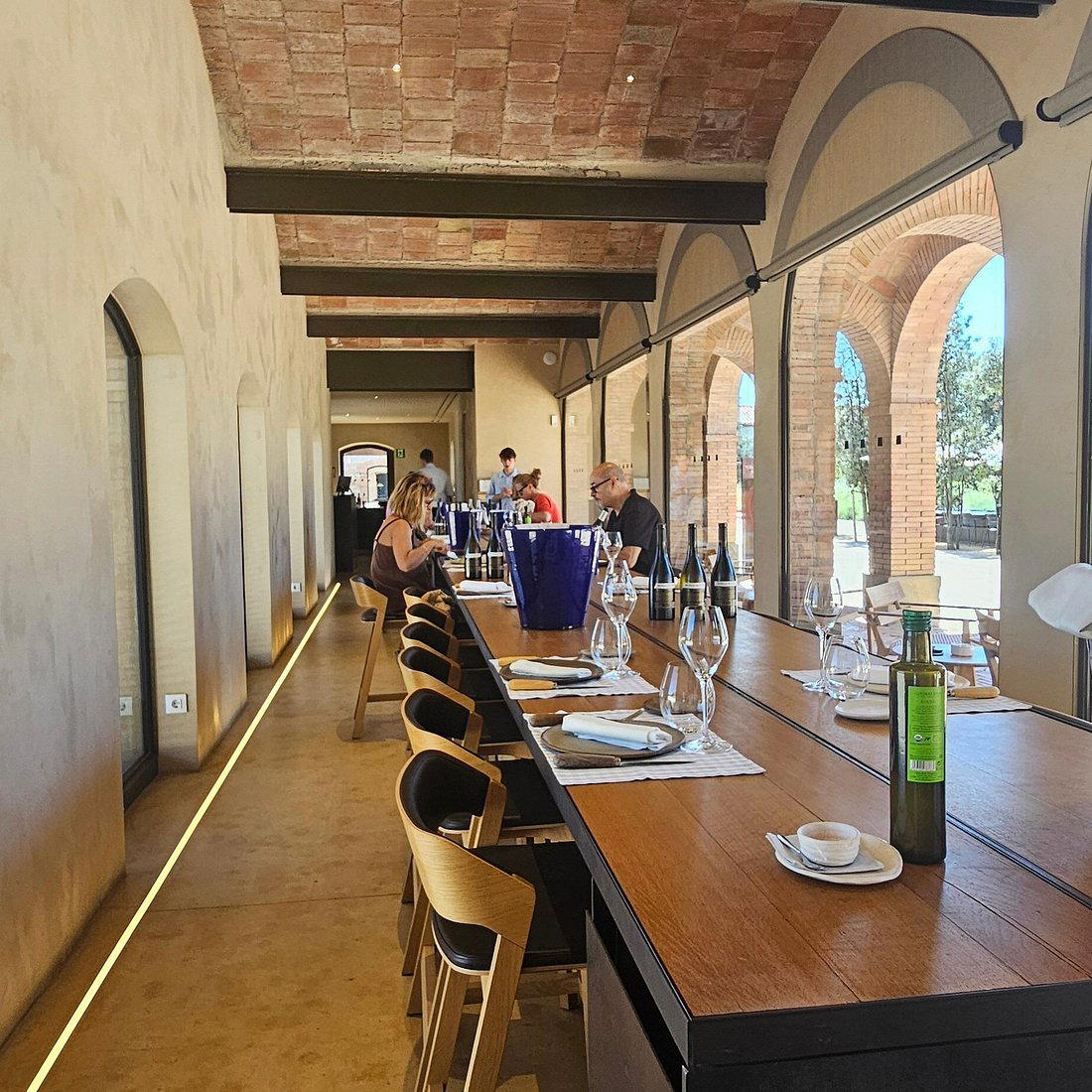
Hotels in Roses
Browse all →
Wineries in Roses
Browse all →
At a Glance
- Classic
- Scenic
- Elegant
- Quiet
- Date Night
- Family
- Special Occasion
- Celebration
- Group Dining
- Waterfront
- Panoramic View
- Hotel Restaurant
- Terrace
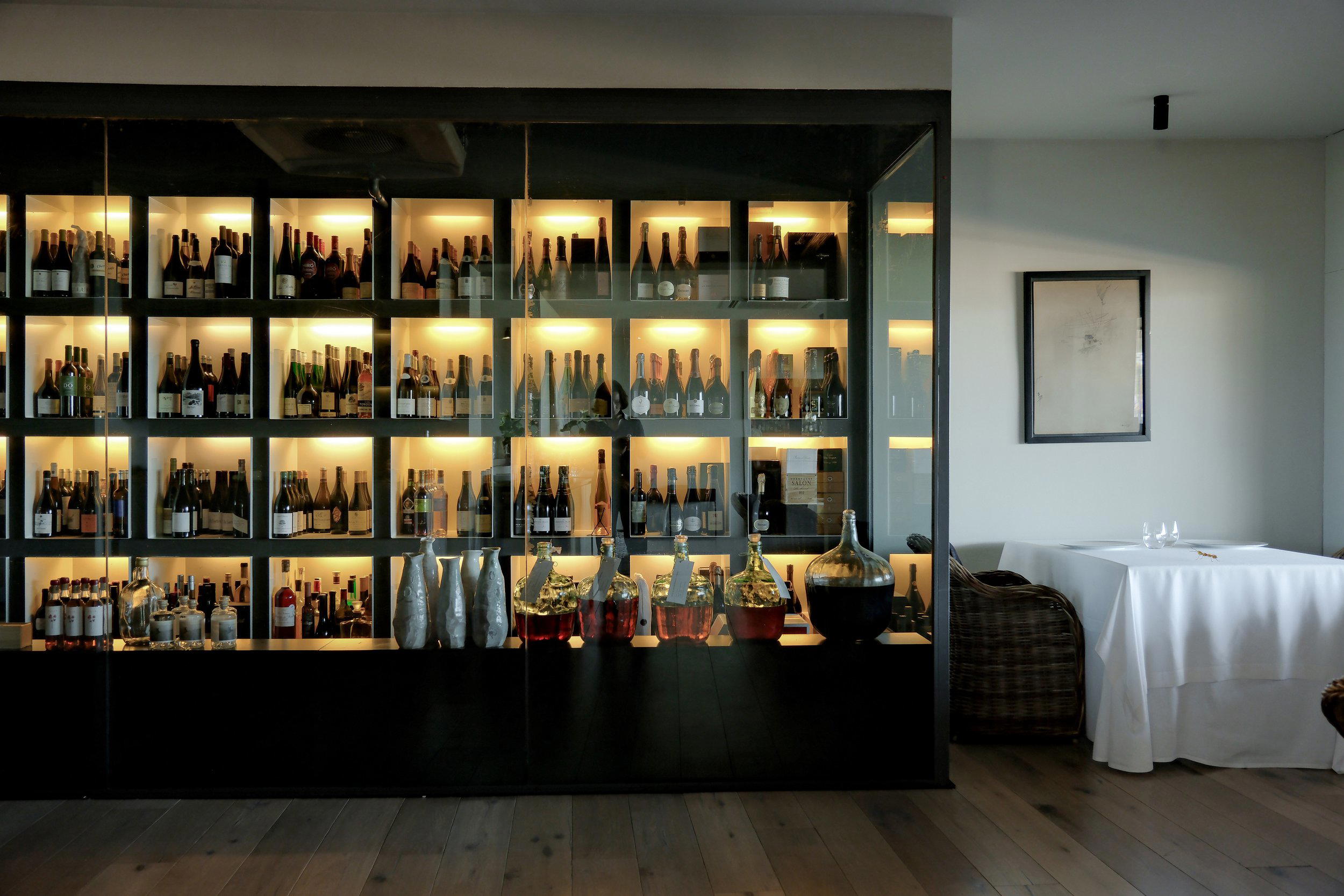
- Extensive Wine List
- Local Sourcing
- Sustainable Seafood
- Waterfront
- Mountain
- Garden
Current opening hours
- Monday
- 1–3 PM, 8–10 PM
- Tuesday
- 1–3 PM, 8–10 PM
- Wednesday
- 1–3 PM, 8–10 PM
- Thursday
- 1–3 PM, 8–10 PM
- Friday
- 1–3 PM, 8–10 PM
- Saturday
- 1–3 PM, 8–10 PM
- Sunday
- 1–3 PM, 8–10 PM
Hours can change for holidays and private events. Last verified .
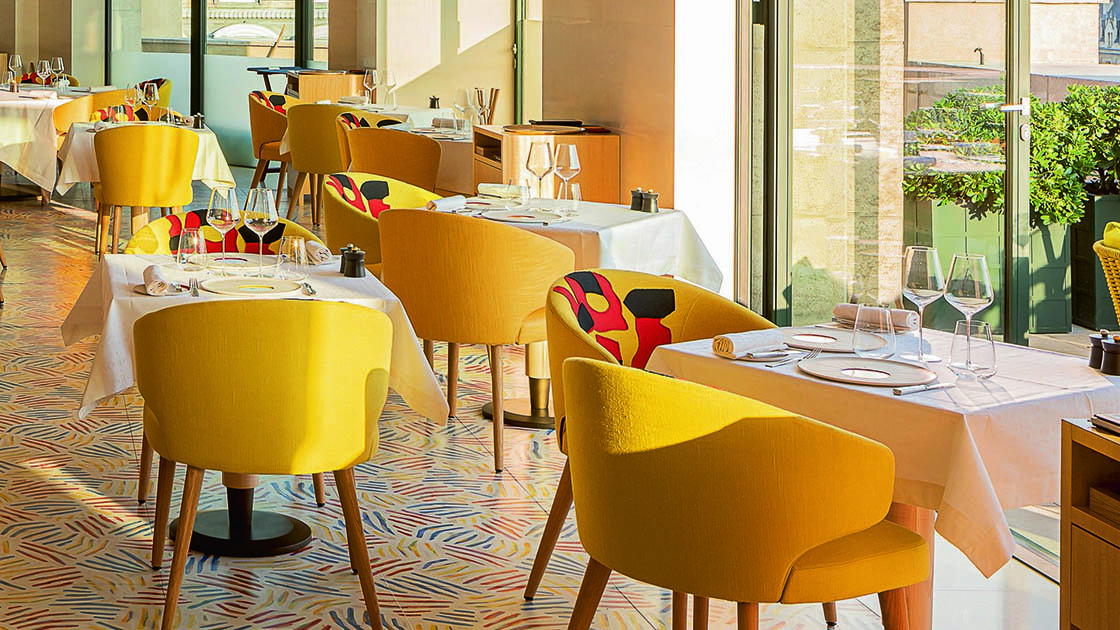
Elegant but relaxed hotel-dining-room atmosphere with classic décor, lots of natural light from large windows and terraces, and a tranquil, scenic seaside setting focused on views of the bay.