Alma Bar Restaurante belongs to Arequipa’s ingredient-led dining conversation, where volcanic soil, high-altitude produce, coastal supply routes, and picantería memory shape the table. With few public format details attached to the restaurant, the useful read is contextual: treat it as part of the city’s broader shift from heritage cooking toward polished, contemporary Peruvian dining.
Pearl is the En Primeur Club membership app — saves, bookings, and concierge access live there. Same editors, same standards.
- Address
- C. Ugarte 403, Arequipa 04001, Peru
- Phone
- +51 54 226891
- Website
- casa-andina.com
- Directions
- Get directions
 Saves & bookings on Pearl
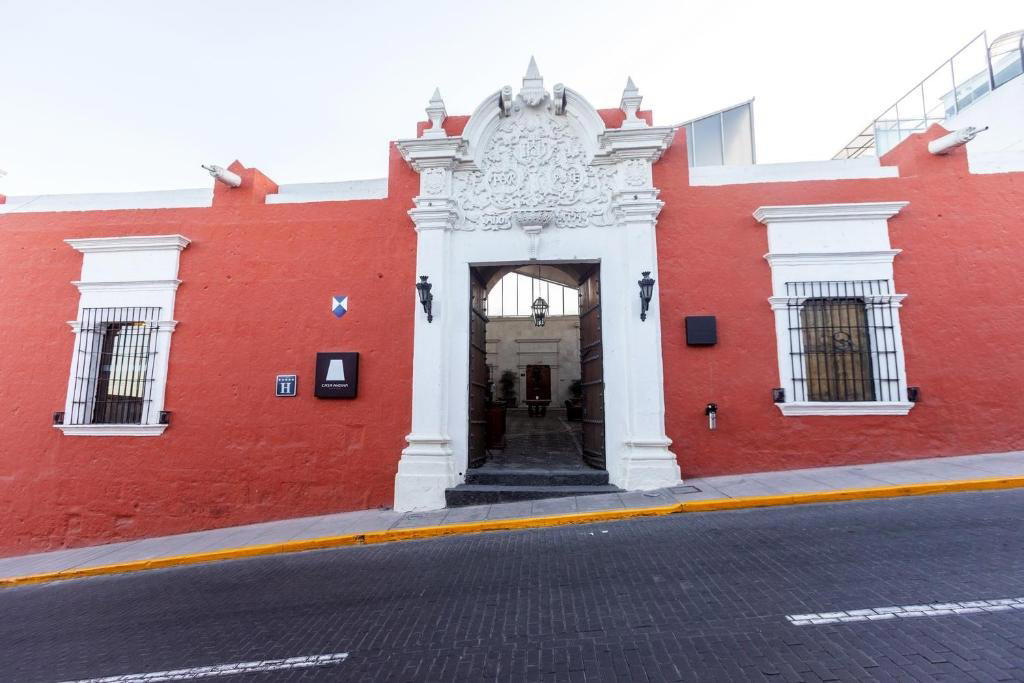
Approaching the historic centre of Arequipa, the city announces itself in pale volcanic stone, narrow colonial streets, and a dry Andean light that makes ingredients feel less like decoration than geography. Alma Bar Restaurante sits inside that conversation. The point in Arequipa is not simply what appears on the plate, but where it could have come from: valley vegetables, highland tubers, river prawns, rocoto, cheese, corn, herbs, and the long exchange between the coast and the sierra.
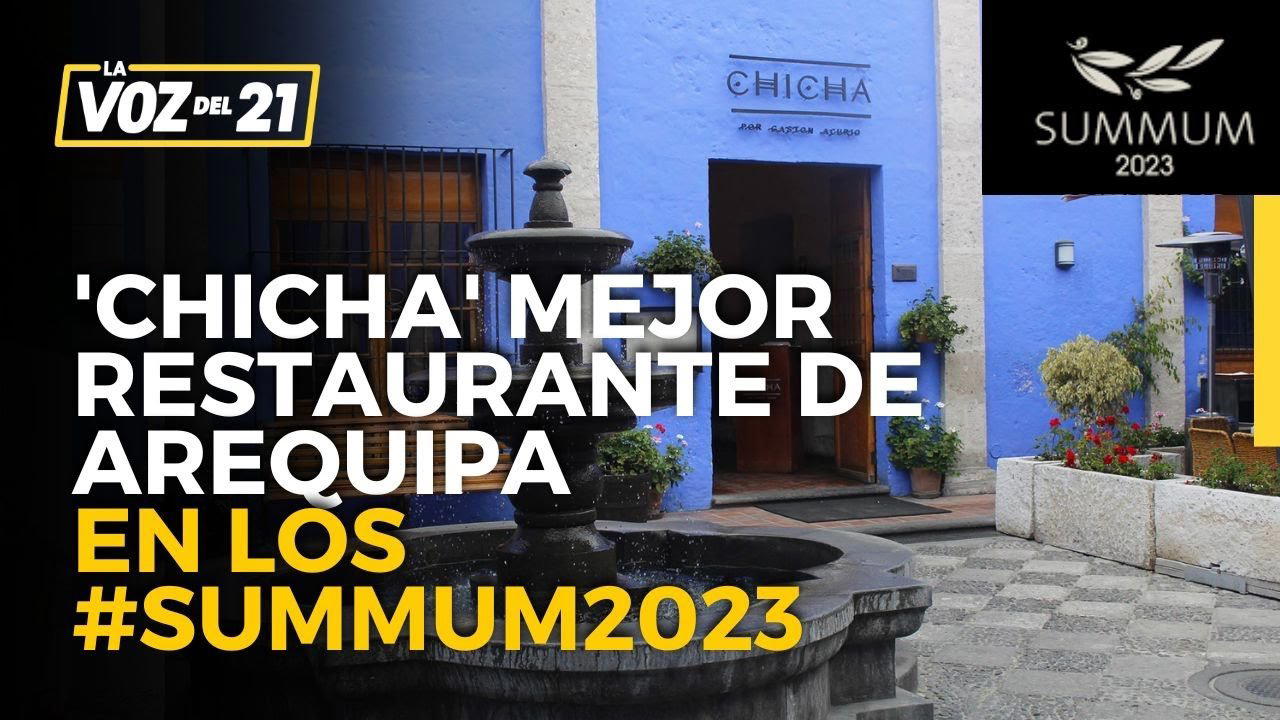
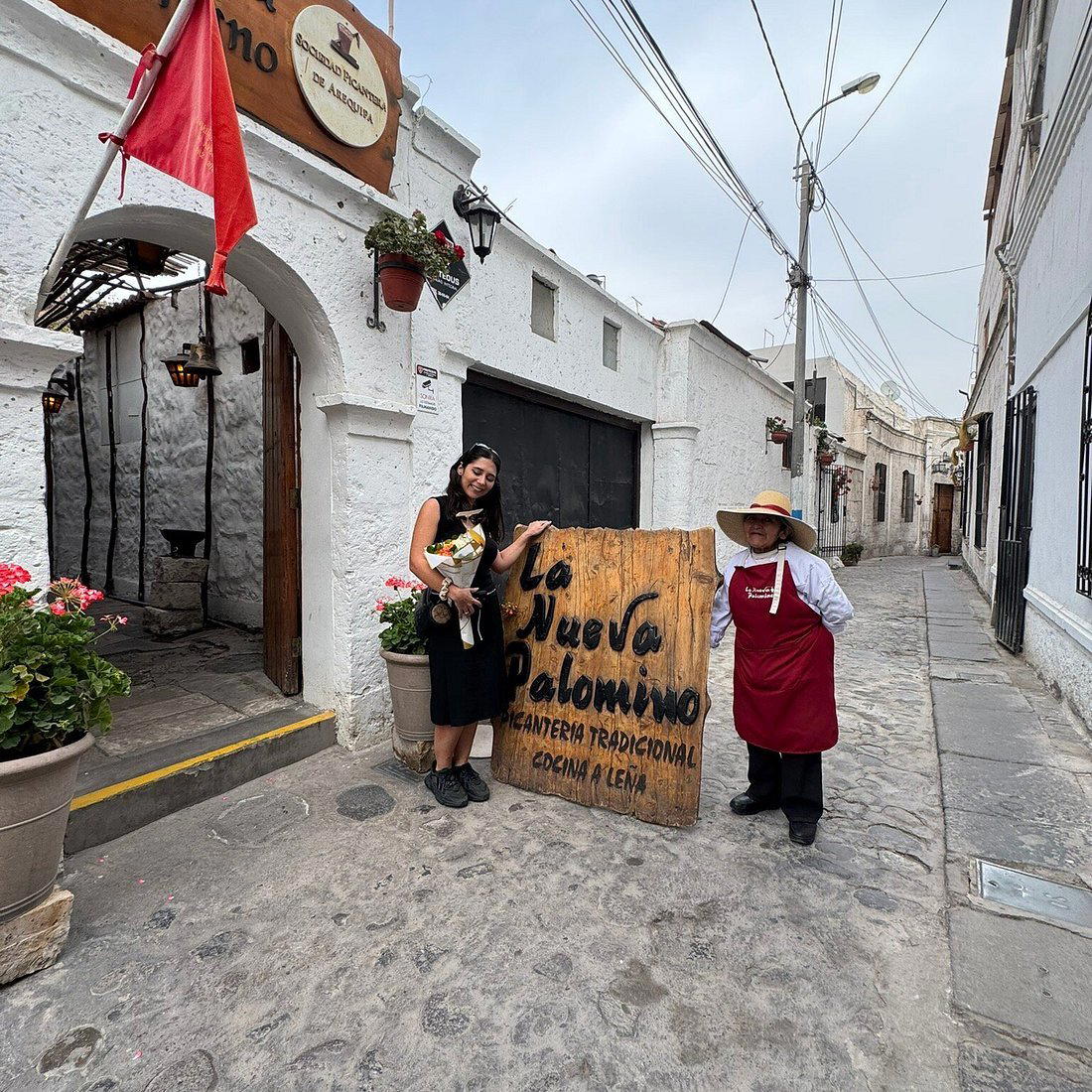
Arequipa has never needed to borrow culinary authority from Lima. Its picanterías built a grammar of their own: generous midday meals, fermented chicha, rocoto heat, chupe, adobo, solterito, and cooking that treats acidity, smoke, dairy, and chile as structural elements rather than accents. Contemporary restaurants in the city now work with that inheritance in different ways. Chicha Arequipa frames regional cooking for a national audience, while Cirqa (Peruvian Fusion) and Cirqa Restaurant (Cooking classics) point toward hotel dining’s more composed register. Alma Bar Restaurante fits the same citywide question: how much of the old Arequipa table can be carried into a restaurant room without flattening its character?
Arequipa's pantry is the argument
Ingredient sourcing matters more here than menu vocabulary. Arequipa’s food identity is tied to altitude changes within a compact region: the city draws from agricultural valleys, highland communities, and Pacific-facing supply lines without needing to present itself as cosmopolitan for its own sake. That makes the local restaurant scene unusually sensitive to produce quality. A tomato, a potato, a river shrimp, or a fresh cheese is not a neutral component; it signals whether the kitchen understands the region or is merely decorating plates with local names.
For a restaurant such as Alma Bar Restaurante, the stronger editorial lens is therefore not chef biography or trophy-counting, since public detail on those points is limited. It is whether the room participates in Arequipa’s ongoing move from picantería culture into tighter, evening-friendly dining. In that shift, sourcing is not a romantic claim. It affects seasoning, portion logic, and what kind of meal the guest should expect: less imitation-Lima tasting menu, more regional cooking translated through a bar-restaurant format.
The competitive set in Arequipa is also small enough that category distinctions matter. Curiña Restaurant reads differently from El Techo de CIRQA, just as a classic-leaning hotel dining room differs from a casual bar-restaurant. The restaurant is useful for travelers who want the city’s current dining mood rather than a purely preservationist picantería experience. That does not make it a replacement for the old institutions; it places it in the newer layer of Arequipa hospitality, where cocktails, smaller-format dining, and regional ingredients increasingly share the same table.
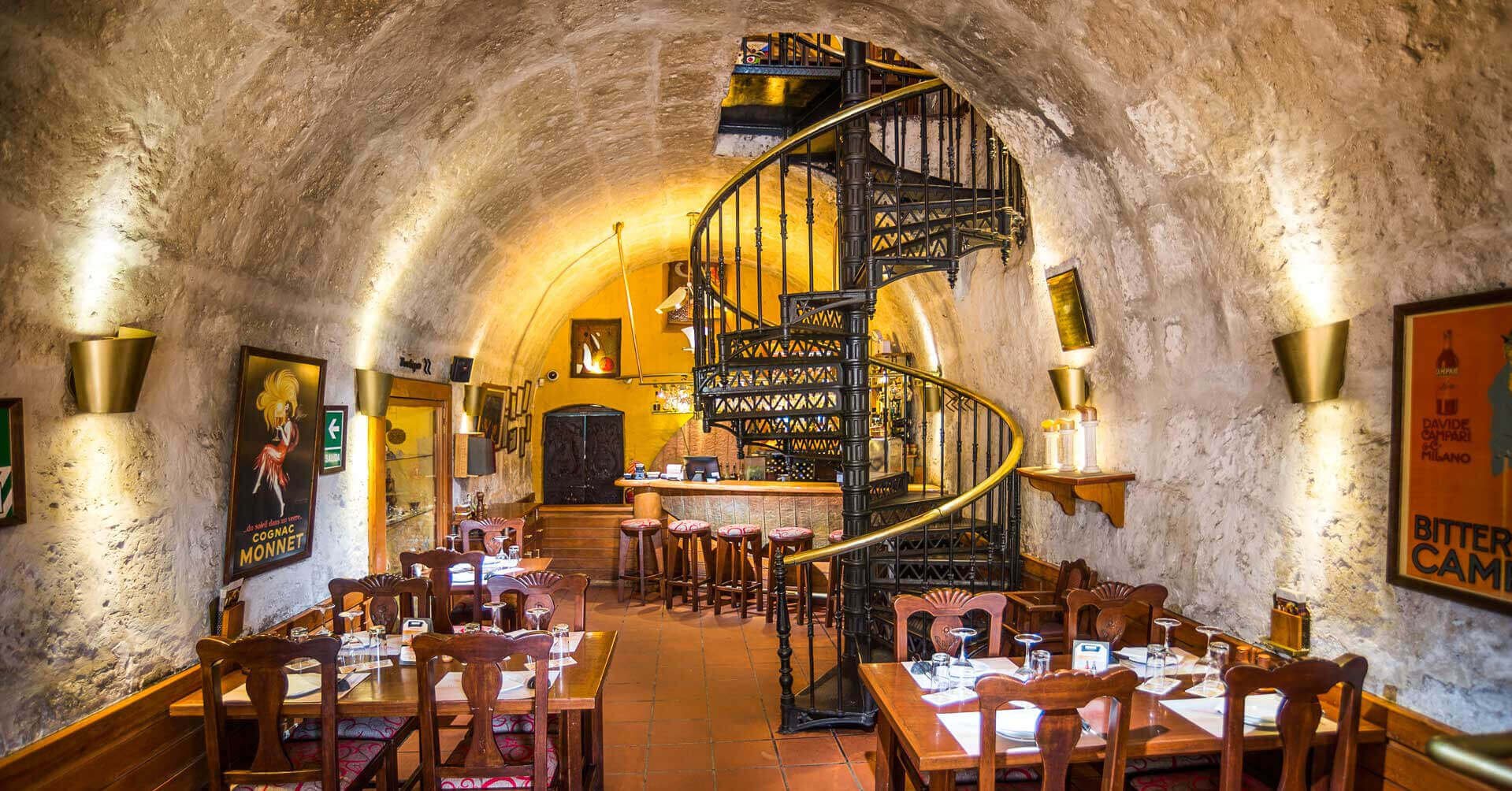
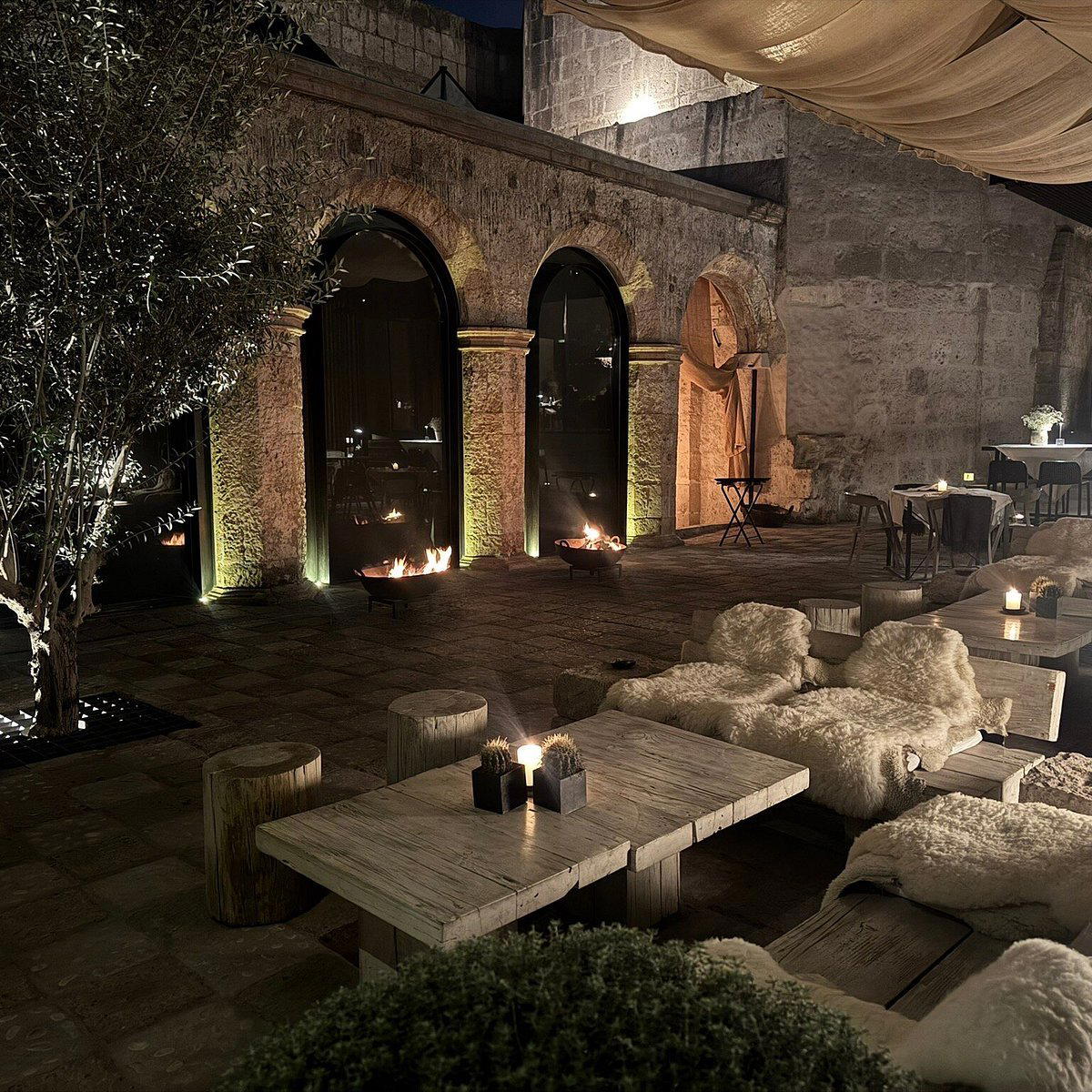
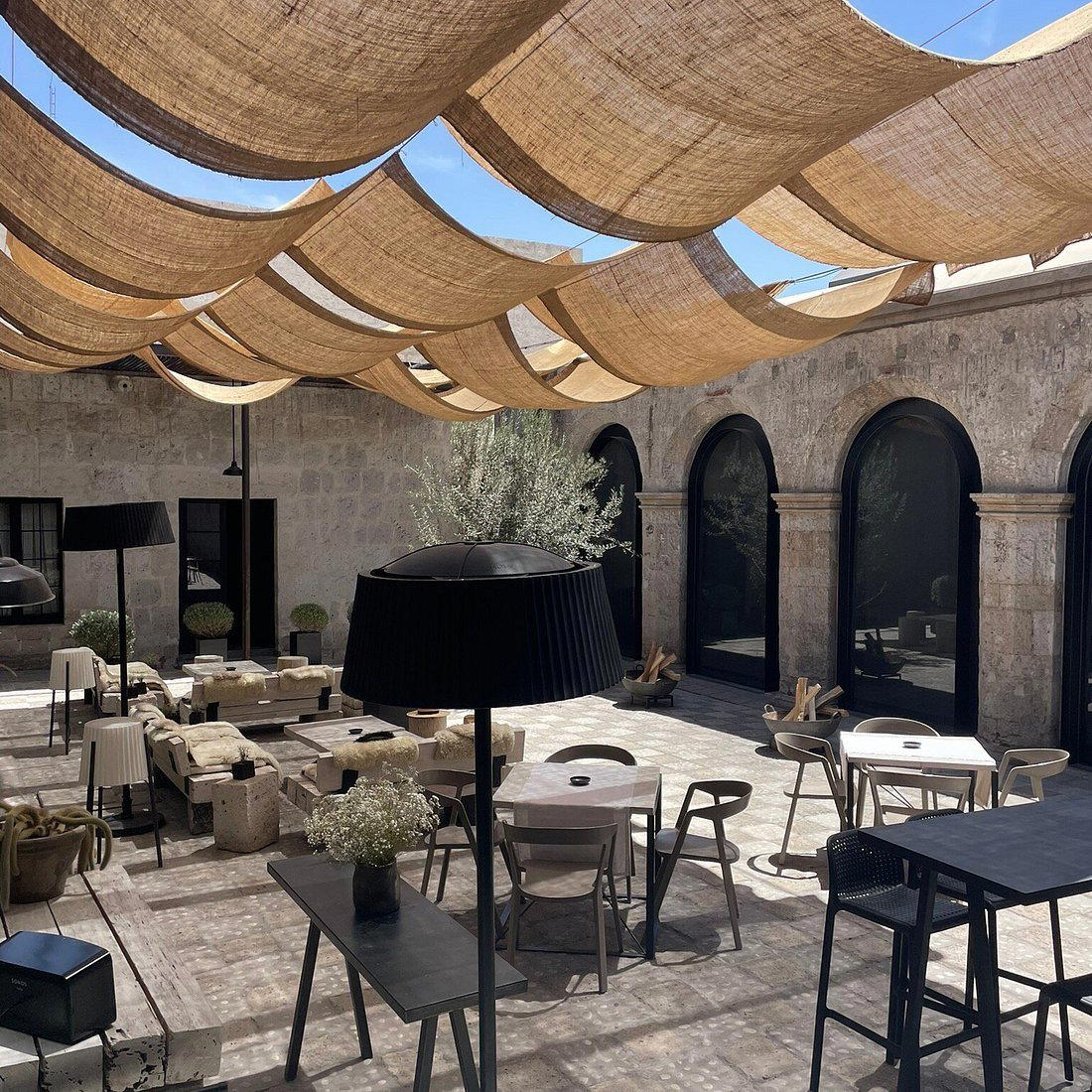
The room belongs to the city's contemporary register
Arequipa’s restaurant rhythm differs from Lima’s by scale and pressure. The capital often rewards novelty, chef branding, and high-concept tasting formats. Arequipa rewards a steadier kind of coherence: food that understands heat, dairy, corn, herbs, and acidity, served in rooms that acknowledge the city’s colonial fabric without turning dinner into a museum piece. The restaurant is better read through that local standard than through imported luxury markers.
That matters for expectations. Travelers coming from Lima may be tempted to compare every Peruvian restaurant against the capital’s export-facing dining culture. A sharper comparison runs across southern Peru and the coast: the regional cooking of Alegrîa Picantería Piurana in Lima, the seafood-and-road-trip practicality around As De Oro in Pisco, the hotel-table mode at Ballestas Restaurant in Paracas, or the travel-dining function of Café Inkaterra in Machu Picchu. Arequipa’s distinction is that regional identity is not a theme layered onto the experience; it is the baseline.
The city’s current dining map also makes room for range. A traveler can move from picantería traditions to polished hotel cooking, then into bar-led restaurants without leaving the historic core’s orbit. For broader planning, Our full Arequipa restaurants guide gives the clearest restaurant context, while Our full Arequipa hotels guide, Our full Arequipa bars guide, Our full Arequipa wineries guide, and Our full Arequipa experiences guide help place dinner within a wider stay.
Who should put it on the Arequipa shortlist
The restaurant makes sense for diners who want a contemporary Arequipa meal without reducing the city to postcard dishes. The stronger order is to think in categories rather than chase named signatures: local produce, Andean staples, Peruvian bar culture, and dishes that show how the kitchen handles regional acidity and chile. With no published award trail attached to the venue, the trust signal is contextual rather than ceremonial: location in Arequipa’s historic dining zone, proximity to a serious regional restaurant cluster, and participation in a city where ingredient identity carries more weight than decorative technique.
Travelers building a Peru itinerary should also avoid treating Arequipa as a pause between Cusco, Colca, and the coast. Its dining scene is its own reason to slow down. The contrast with Asianica in Miraflores, Bistrot Bastille in Ica, or even overseas Peruvian-adjacent drinking and snack formats such as Jōdo Saké Bar in Los Angeles and Onigiri Time in Pasadena is instructive: Arequipa is less interested in hybrid novelty than in proving how much range a regional pantry can carry. The restaurant belongs in that reading of the city.
Comparable Spots, Quickly
Comparable venues by cuisine and price in the same metro.
| Venue | Cuisine | Price |
|---|---|---|
| Alma Bar Restaurante | This venue | Not listed |
| Cirqa | Peruvian Fusion | Peruvian Fusion |
| Cirqa Restaurant | Cooking classics | Cooking classics |
At a Glance
- Modern
- Elegant
- Sophisticated
- Quiet
- Brunch
- Business Dinner
- Family
- Group Dining
- Casual Hangout
- Hotel Restaurant
- Standalone
- Local Sourcing