
Jean-Luc Rabanel's vegetable-focused address in Arles has spent more than fifteen years making the case that plant-based cooking can carry the same precision and ambition as any protein-led kitchen. Positioned at the accessible end of the Rabanel portfolio, Greenstronomie translates that philosophy into a format the wider Camargue-and-Arles circuit can engage with daily. For anyone travelling through Provence, it represents a serious stop.
Pearl is the En Primeur Club membership app — saves, bookings, and concierge access live there. Same editors, same standards.
- Address
- 7 Rue des Carmes, 13200 Arles, France
- Phone
- +33 4 90 91 07 69
- Website
- rabanel.com
- Directions
- Get directions
 Saves & bookings on Pearl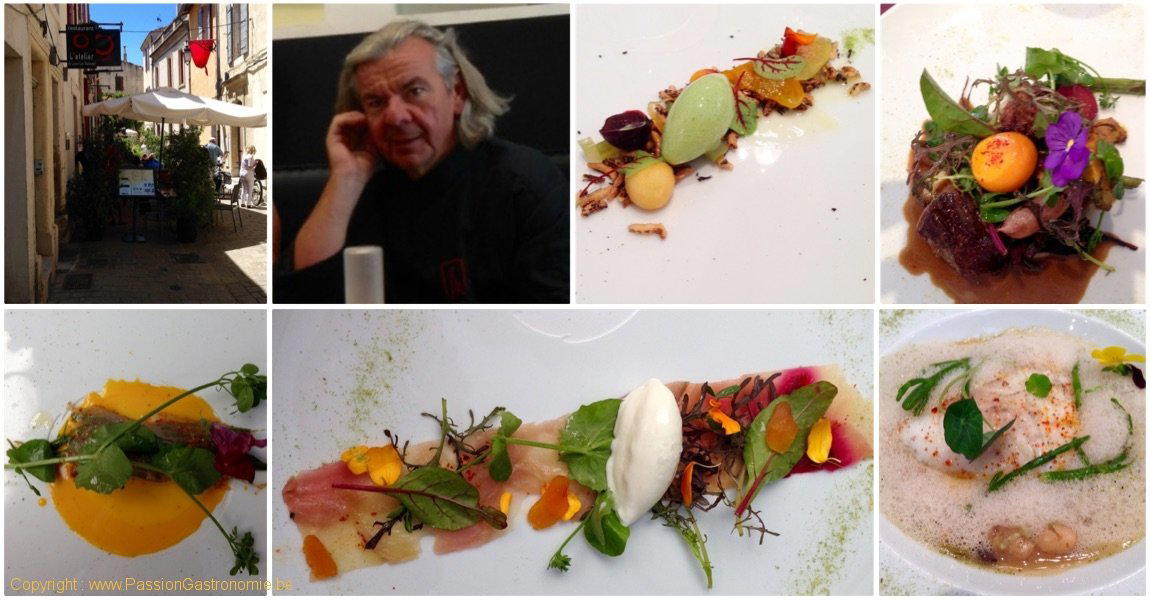
Where Provence's Market Gardens Meet a Working Kitchen
Rue des Carmes runs through one of the quieter residential pockets of Arles, away from the amphitheatre crowds and the café terraces that line Place du Forum. Arriving on foot, you feel the shift from Roman-city theatre to something more lived-in. That register, unhurried and neighbourhood-specific, shapes what Greenstronomie does. The room is a counterpoint to the city's monuments: the cooking asks you to pay attention at a different scale, to the Alpilles courgette or the Camargue-basin herb rather than to spectacle.
Southern Provence is among the more ingredient-rich corridors in French cooking. The Alpilles, the Crau plain, the Camargue wetlands, and the market gardens of the Bouches-du-Rhône together supply a range of produce that cooks elsewhere fly in at considerable cost. Greenstronomie operates within that geography rather than against it. The sourcing logic here is structural, not decorative: it is the reason the menu exists in the format it does, and it is what has sustained this address across more than fifteen years of operation.
The Greenstronome Thesis
Jean-Luc Rabanel coined the term "Greenstronome" to describe a practice that sits adjacent to but distinct from vegetarianism as a lifestyle position. The argument is culinary rather than ethical: vegetables, prepared with the same technical care applied to meat or fish, produce results that are complex, seasonally specific, and repeatedly interesting. This is not a radical claim in 2025, but Rabanel was making it when the French fine-dining establishment still treated the vegetable course as an interlude rather than a destination. The longevity of that position, sustained for more than a decade and a half, is the credential that matters most here.
Within the Rabanel portfolio, Greenstronomie occupies the accessible tier. Les Maisons Rabanel, also in Arles, operates at the €€€€ level with a creative tasting format. Greenstronomie functions as the entry point into that same ingredient sourcing logic and kitchen sensibility at a lower price threshold, closer in cost to neighbours like Le Gibolin or L'Arlatan than to the chef's flagship. That positioning makes it a practical choice for a first encounter with the Rabanel approach or a return visit that does not require a formal tasting commitment.
Sourcing as Structure
The kitchens working at the serious end of Provence's vegetable tradition draw from a geography that changes faster than most. The Camargue produces rice and wild herbs that shift week by week. The Alpilles markets in Saint-Rémy-de-Provence turn over product on a two-to-three day cycle during the growing season. Cooking to that rhythm means the menu cannot be fixed in the way a protein-focused kitchen's menu often is: the ingredient leads, and the preparation follows. This approach is common in the farm-to-table tier, represented locally by addresses like Drum Café, but at Greenstronomie it operates at a higher level of culinary ambition.
Across France's broader fine-dining conversation, the vegetable-focused kitchen has moved from marginal to mainstream over the past decade. Mirazur in Menton, which organised its menu around a biodynamic garden calendar, brought international attention to the format. Bras in Laguiole built a decades-long reputation partly on the gargouillou, a living catalogue of Aubrac's wild and cultivated plants. Greenstronomie belongs to a southern strand of the same argument, rooted in Provençal rather than Auvergnat or Ligurian soil. It does not aim for the same scale of operation or international recognition as those addresses, but it engages with the same fundamental question: how much culinary territory can a kitchen map using plants alone.
Arles as a Dining City
Arles punches above its population in hospitality terms, driven partly by the Luma Foundation's cultural infrastructure and partly by the consistent quality of its restaurant tier. The city now supports a peer group of serious independent kitchens. Chardon works the modern cuisine register. Inari operates at the €€€ level with a fusion framework. L'Arlatan anchors the Mediterranean flank. Against that comparable set, Greenstronomie holds a specific position: it is the address in Arles most clearly identified with a single ingredient philosophy sustained over time, and it carries the credentials of a kitchen that has spent fifteen years refining rather than pivoting.
For visitors plotting a multi-day itinerary through the region, the city's dining scene rewards sequencing. Greenstronomie makes sense as a lunch address on a day that begins at the amphitheatre or the Musée Réattu and continues south toward the Camargue. The address on Rue des Carmes is a ten-to-fifteen minute walk from the main tourist corridors, which means the room tends to draw a more deliberate clientele than the brasseries on the central squares.
Where Greenstronomie Sits in the Wider French Conversation
The French vegetable kitchen has produced a handful of internationally referenced addresses: Flocons de Sel in Megève for its alpine terroir depth, Troisgros in Ouches for its Loire garden integration, and at the formal end of the Paris spectrum, Alléno Paris au Pavillon Ledoyen with its extraction-based saucing that treats vegetable liquids as primary flavour carriers. Internationally, the debate has equivalents: Le Bernardin in New York and Emeril's in New Orleans have each addressed the vegetable question from a protein-centric tradition, with varying degrees of commitment. Rabanel's Arles project sits in a different register entirely: smaller, more specifically rooted, and less interested in international positioning than in the quality of what the Bouches-du-Rhône produces each season. Auberge de l'Ill in Illhaeusern offers a useful historical comparison point for understanding how regional French kitchens build identity through sustained local sourcing rather than through cosmopolitan reach.
Planning a Visit
Greenstronomie sits at 7 Rue des Carmes, 13200 Arles, within walking distance of the city's main monuments and easily combined with a day that includes the Luma Arles campus or the old town's Roman infrastructure. The address operates within the Rabanel portfolio ecosystem, which means it shares sourcing networks and kitchen sensibility with Les Maisons Rabanel while remaining the more accessible format.
Comparable Venues
Comparable venues nearby, for context on price, style, and recognition.
| Venue | Cuisine | Price | Awards | Notes |
|---|---|---|---|---|
| Greenstronomie - Jean-Luc RabanelThis venue — the venue you are viewing | Greenstronomie Fine Dining | $$$$ | Not listed | Not listed |
| Chez Bob | Traditional Provençal French | $$$ | Not listed | Camargue |
| Lou Marques | Refined French Camargue Cuisine | $$$$ | Not listed | boulevard des Lices |
| Le Seize | Modern French Bistro | $$$ | Michelin Plate | centre historique |
| Mimosa | French Fast Food & Salads | $$ | Not listed | Rue de la République |
| Le Greeniotage | Provençal Bistro | $$$ | Not listed | Historic Center |
Recognition history
Dated appearances from independent guides and award organizations, with the underlying list record or original source where available.
We're Smart World 4 Radishes
We're Smart World
Continue exploring
More in Arles
Restaurants in Arles
Browse all →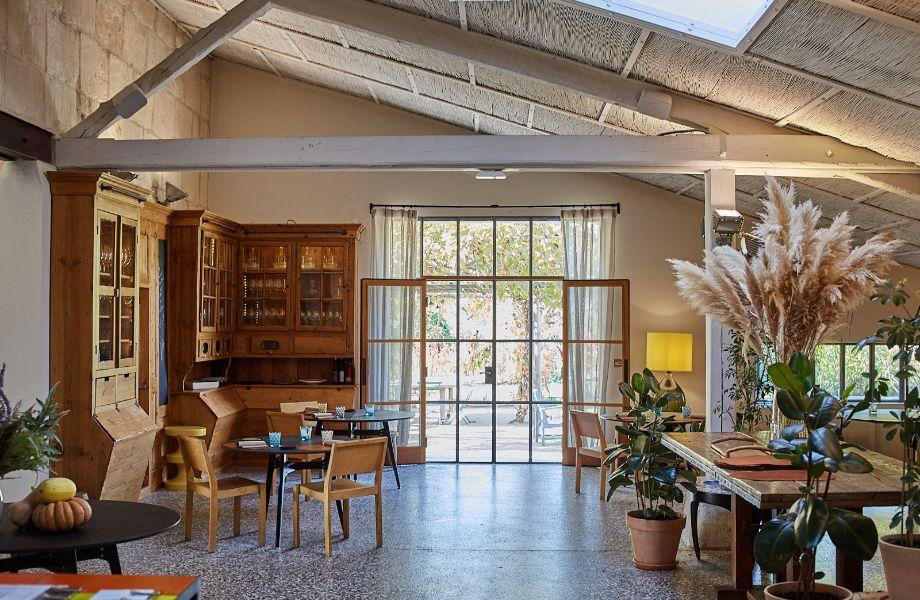
Bars in Arles
Browse all →
Hotels in Arles
Browse all →
At a Glance
- Elegant
- Sophisticated
- Intimate
- Rustic
- Special Occasion
- Date Night
- Open Kitchen
- Sommelier Led
- Local Sourcing
- Organic
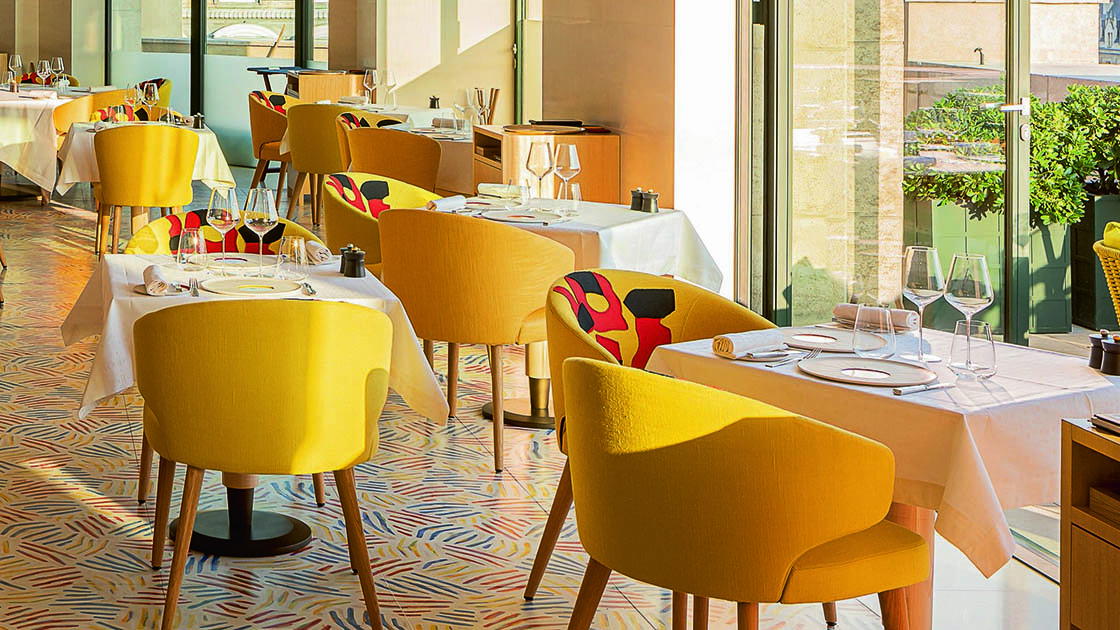
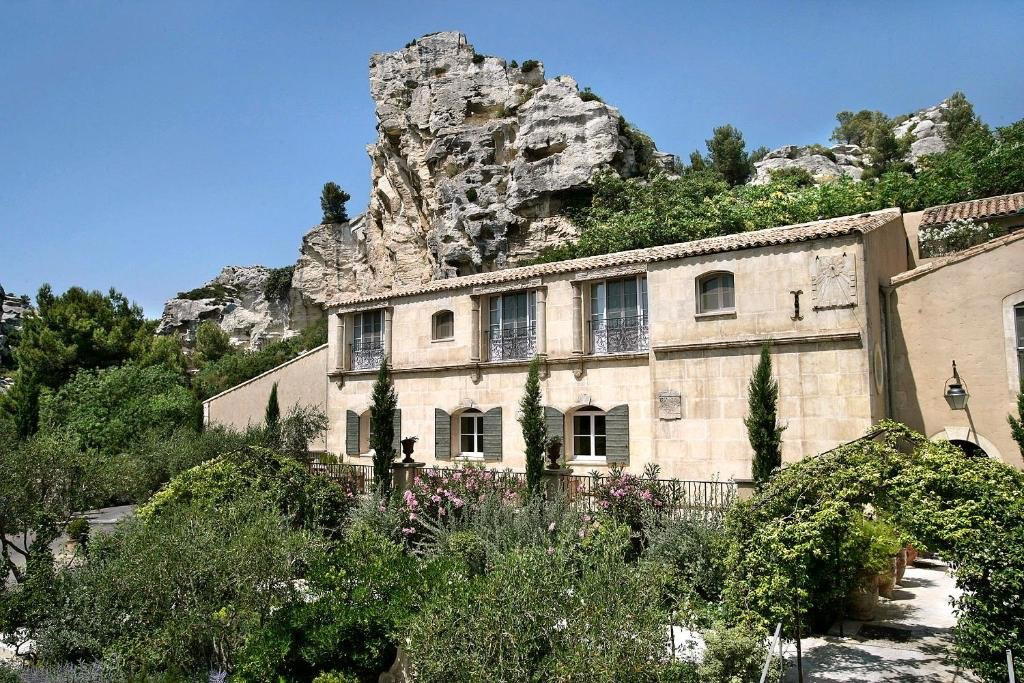
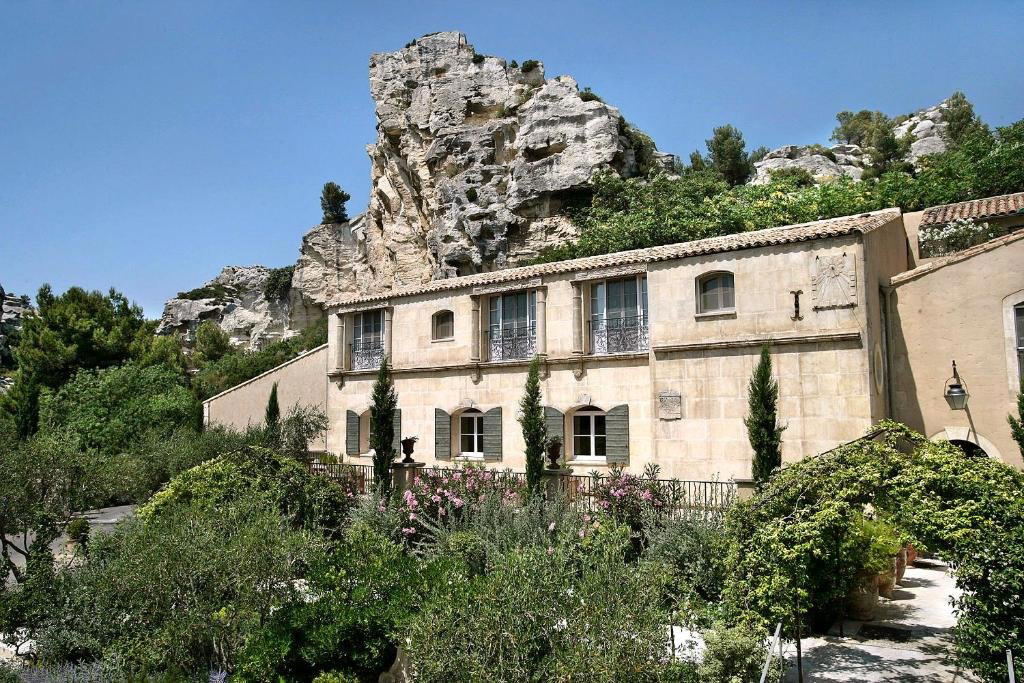
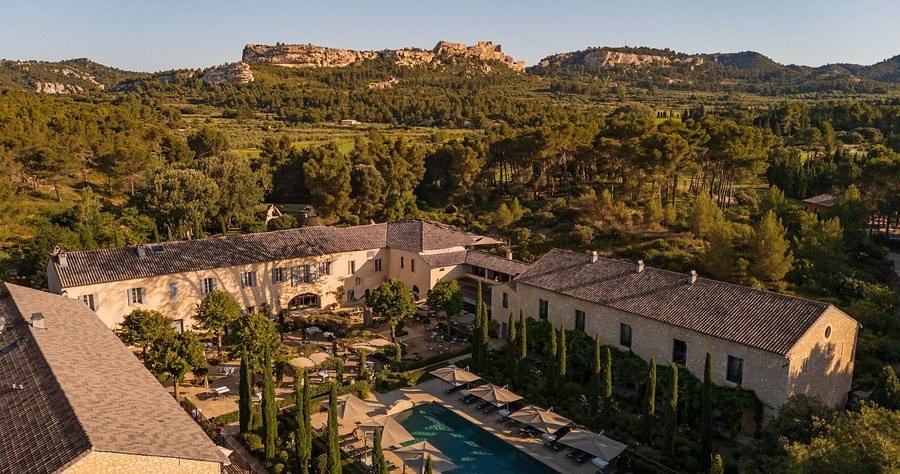
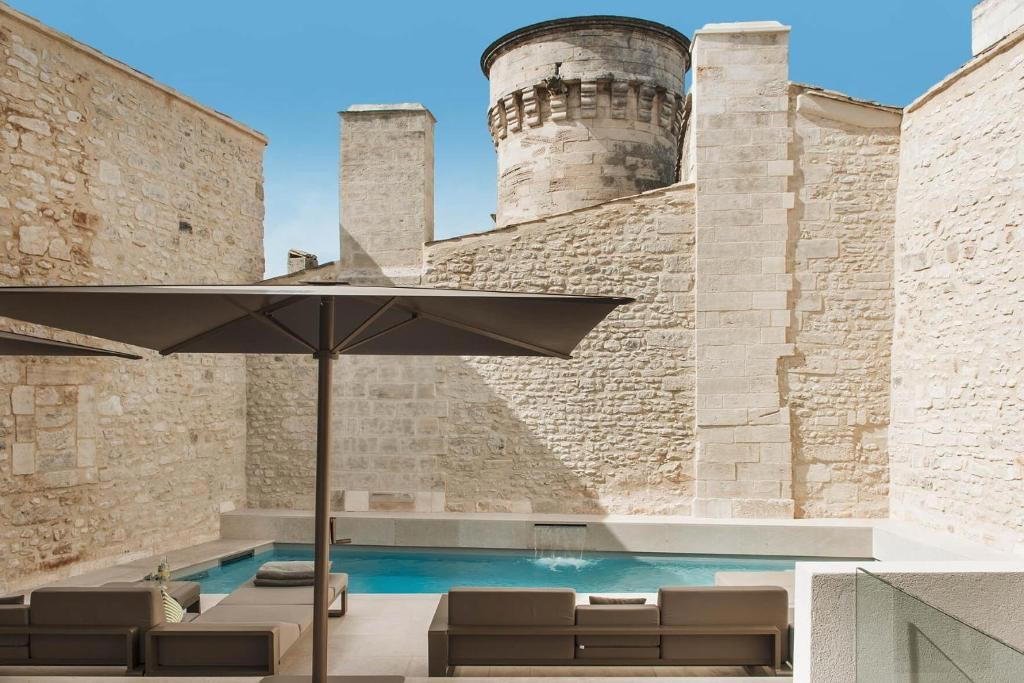
Simple, striking dining room focused on the food with an emphasis on vegetal creativity and seasonal produce.