Our verdict
All Day Dining Jurin belongs to Tokyo’s hotel dining tradition rather than the city’s counter-seat chase. Inside Keio Plaza Hotel in Nishi-Shinjuku, it suits the rhythm of an all-day room: flexible, mixed-purpose, and easier to read through service format than chef mythology or award circuitry.

Pearl is the En Primeur Club membership app, where members save venues, book tables and use the concierge.
The menu
What to order
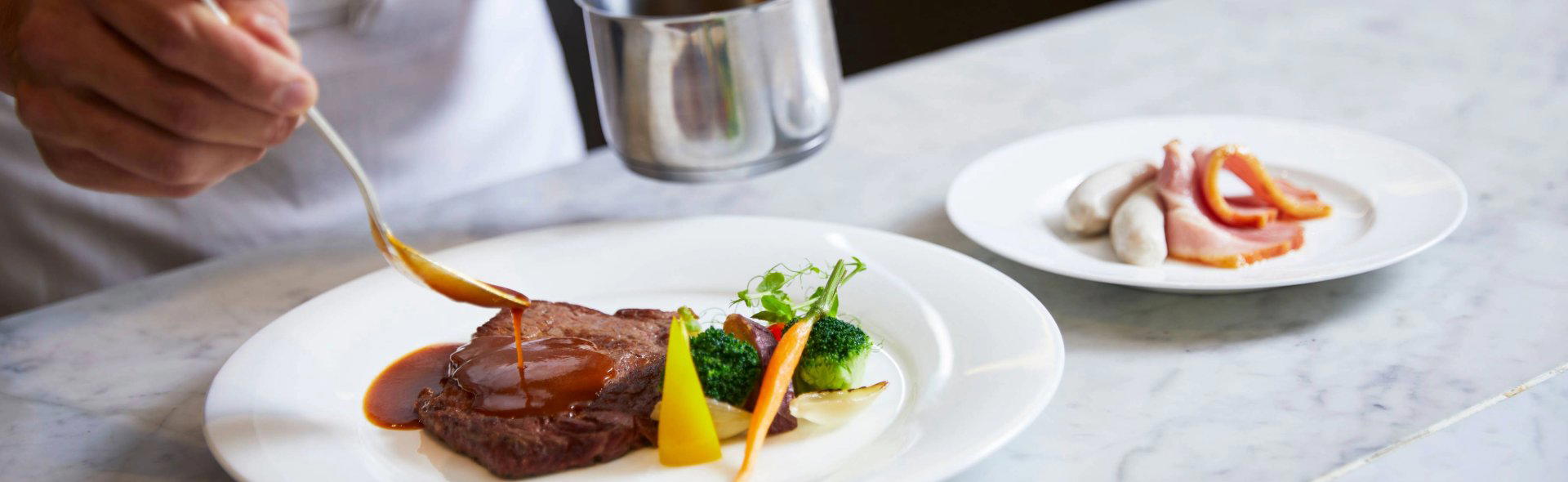
- Keio Plaza Hotel traditional beef curry
- Steak bowl
- Nasi goreng
- Seasonal sweets buffet
- American breakfast
- Japanese-style breakfast set
Approaching All Day Dining Jurin in Tokyo, the dining mood changes before the menu enters the picture. This part of the city is built on vertical movement: office towers, hotel lobbies, airport-bus routines, conference traffic, and late check-ins. All Day Dining Jurin sits inside that ecosystem, where the meal is less about ceremony at a counter and more about pacing: breakfast that can absorb jet lag, lunch that does not demand a long negotiation with the room, and dinner that works for mixed schedules.
Tokyo dining is often described through scarcity: a handful of seats, a fixed start time, a chef-facing counter, and a booking window that punishes hesitation. Hotel all-day dining belongs to a different ritual. The room has to serve guests who may be travelling with children, colleagues, elderly relatives, or luggage still in mind. That changes the social contract. The diner is not submitting to a narrow format; the room is designed to accept different appetites and levels of attention.
Tokyo hotel dining is built for tempo, not theatre
Tokyo’s dining character can shift quickly between hotels, offices, transport hubs, and busy food streets. In a major city setting, the energy can feel combustible: department-store basements, casual counters, late-night rooms, and destination dining all pull in different directions. Hotel restaurants function as stabilisers, giving visitors a readable place to eat without asking them to decode every local dining cue on arrival.
That makes All Day Dining Jurin a useful category marker. The name itself signals the format: not tasting-menu theatre, not specialist sushi, not a destination counter, but a broad hotel dining room with a service rhythm that can stretch across the day. In Tokyo, that is not a lesser category; it is a separate one. The city’s high-pressure dining culture needs these rooms because not every meal should be a reservation contest.
The comparison set inside Tokyo hotel dining often splits into specialist rooms and generalist rooms. Sushi Kyubey, Tempura Shun, Chinese Dining Nan-en, Limited Time Restaurant Washoku-an, and Super Buffet Glass Court point to the range: counter craft, tempura sequence, Chinese dining, seasonal Japanese formats, and buffet scale. Jurin occupies the flexible end of that spectrum, where usefulness comes from breadth and timing rather than a single chef-led thesis.
The ritual is choice, pacing, and low-friction dining
The all-day hotel restaurant has its own etiquette. It rewards diners who know what kind of meal they need. A solo traveller can eat without turning dinner into an event. A family can manage different appetites without forcing a single cuisine. Business diners can keep the conversation moving. That flexibility is the point, and it explains why these rooms remain relevant in a city filled with more specialised addresses.
Tokyo’s sharper dining rituals are worth seeking out when the format matters. For a more focused meal, other Tokyo dining rooms can give a different read on the city. Counter-led restaurants move the conversation toward grill culture, sushi pacing, tempura sequence, or other specialist formats. Seafood, casual cafés, and curry rooms each have their own grammar as well, while All Day Dining Jurin is better understood through hotel utility, flexible timing, and a room designed for different appetites.
For readers mapping a wider itinerary, a full Tokyo restaurants guide gives the dining spread, while a full Tokyo hotels guide is the better lens for understanding why lobby restaurants matter in a city like Tokyo. Drinking culture sits in a separate register in a full Tokyo bars guide, with broader trip planning covered by a full Tokyo experiences guide. Wine-focused readers can scan a full Tokyo wineries guide, though Tokyo is naturally stronger as a drinking and dining city than as a vineyard destination.
Where it fits in a Japan dining itinerary
The sensible way to use All Day Dining Jurin is to treat it as a logistics-friendly anchor, not the meal that defines a trip. It fits arrival days, early starts, multi-generation travel, and moments when Tokyo’s intensity needs a calmer frame. That editorial position is clear: the value is the dependable hotel-dining ritual inside Tokyo, not an awards narrative or chef biography.
Japan’s dining range becomes clearer when this kind of room is placed beside more specific formats elsewhere: regional dining rooms, cafés, curry specialists, modern Japanese restaurants, and casual counters all serve different roles across the country. Japanese dining abroad adds another layer, with overseas restaurants adapting the cuisine to local habits. Against that spread, Jurin’s role is plain: a Tokyo hotel room built around convenience, range, and the daily mechanics of travel.
Frequently asked questions
What's the address for All Day Dining Jurin?
Tokyo.
Is All Day Dining Jurin reservation-only?
All Day Dining Jurin is listed as an all-day dining room in Tokyo, which points to a standard hotel restaurant rather than a reservation-only counter format. In Tokyo, that usually means it works as a flexible meal stop inside a larger hotel setting.
What's the signature at All Day Dining Jurin?
No single signature dish is named in the venue details. The useful way to approach All Day Dining Jurin in Tokyo is as an all-day hotel dining room where the appeal is breadth and timing rather than a headline specialty.
Is All Day Dining Jurin good for vegetarians?
An all-day hotel dining room in Tokyo usually gives vegetarians more options than a specialist counter, and All Day Dining Jurin fits that pattern. The Tokyo setting makes it a practical choice for mixed groups with different meal preferences.
Is All Day Dining Jurin good for families?
Yes, the Tokyo hotel-dining setting makes All Day Dining Jurin a practical family option. All-day dining rooms are built for easy pacing, predictable service, and mixed-age tables rather than a formal dinner rhythm.
What kind of setting is All Day Dining Jurin?
It is an all-day dining room in Tokyo. The setting is hotel-led and low-friction, suited to arrivals, business lunches, and dinners that need little ceremony.
What It’s Closest To
Comparable venues by cuisine and price in the same metro.
| Venue | Cuisine | Price |
|---|---|---|
| All Day Dining JurinThis venue (the venue you are viewing) | Hotel all-day Western & Japanese-style dining with sweets buffet | $30–50 |
| Super Buffet Glass Court | International Hotel Buffet | $50–100 |
| Limited Time Restaurant Washoku-an | Seasonal Japanese Washoku | $20–30 |
| Sushi Kyubey | Traditional Sushi | $50–100 |
| Tempura Shun | Japanese Tempura | Not listed |
| Chinese Dining Nan-en | Traditional Cantonese Chinese | $50–100 |
Continue exploring
More in Tokyo
Restaurants in Tokyo
All restaurants in Tokyo →
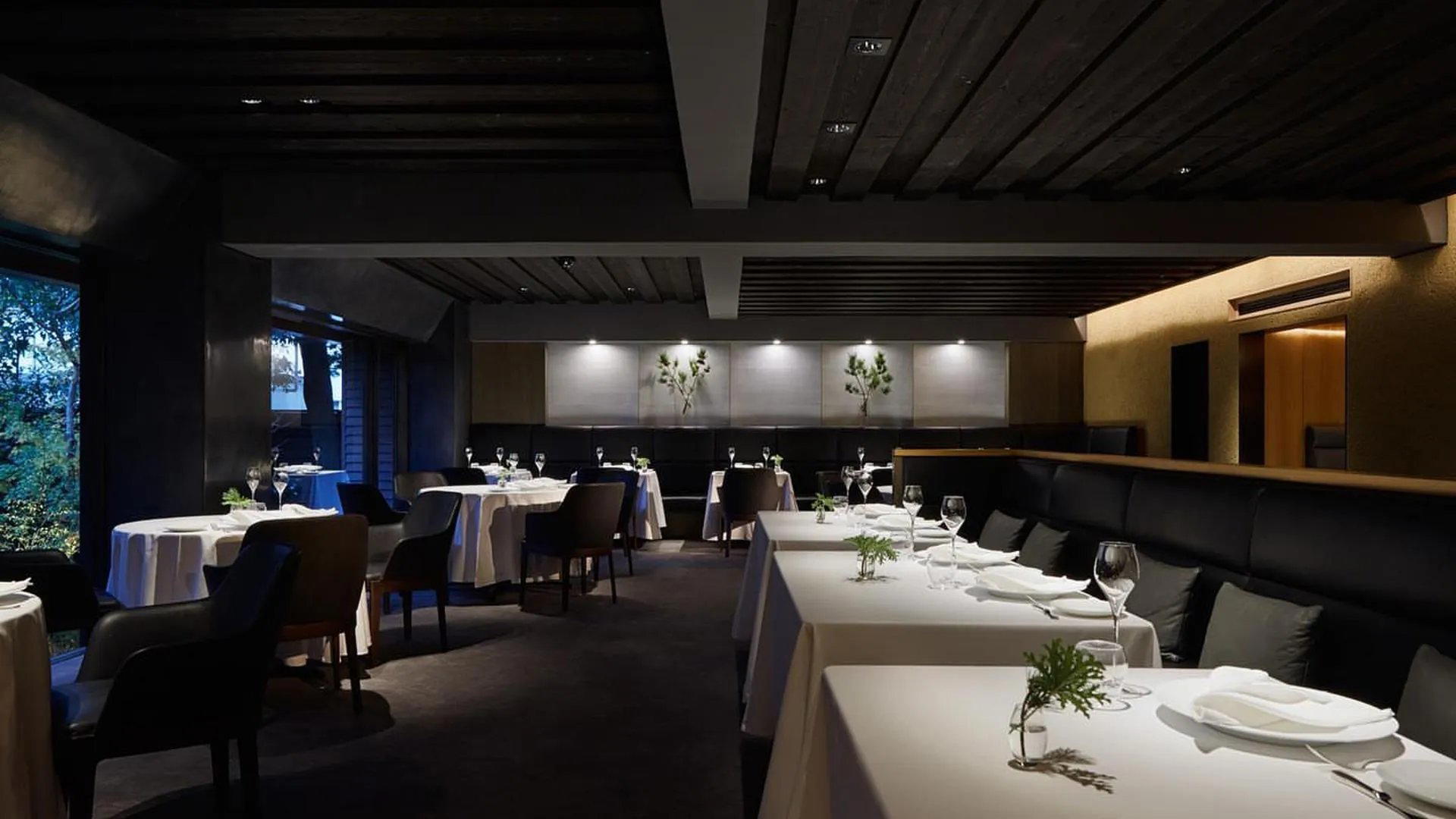
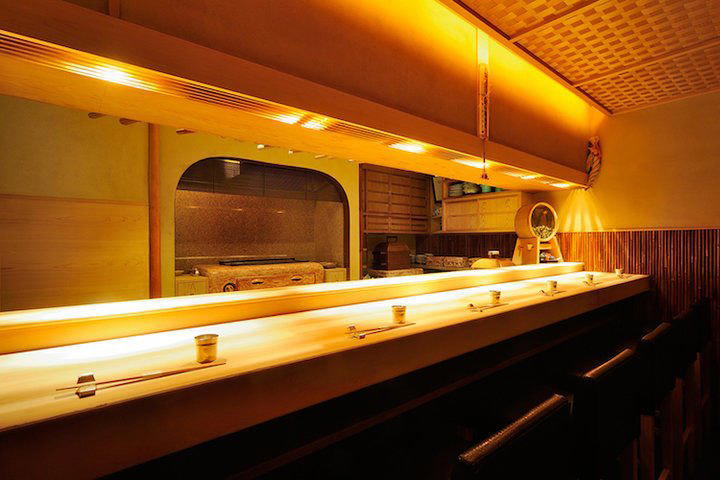
Bars in Tokyo
All bars in Tokyo →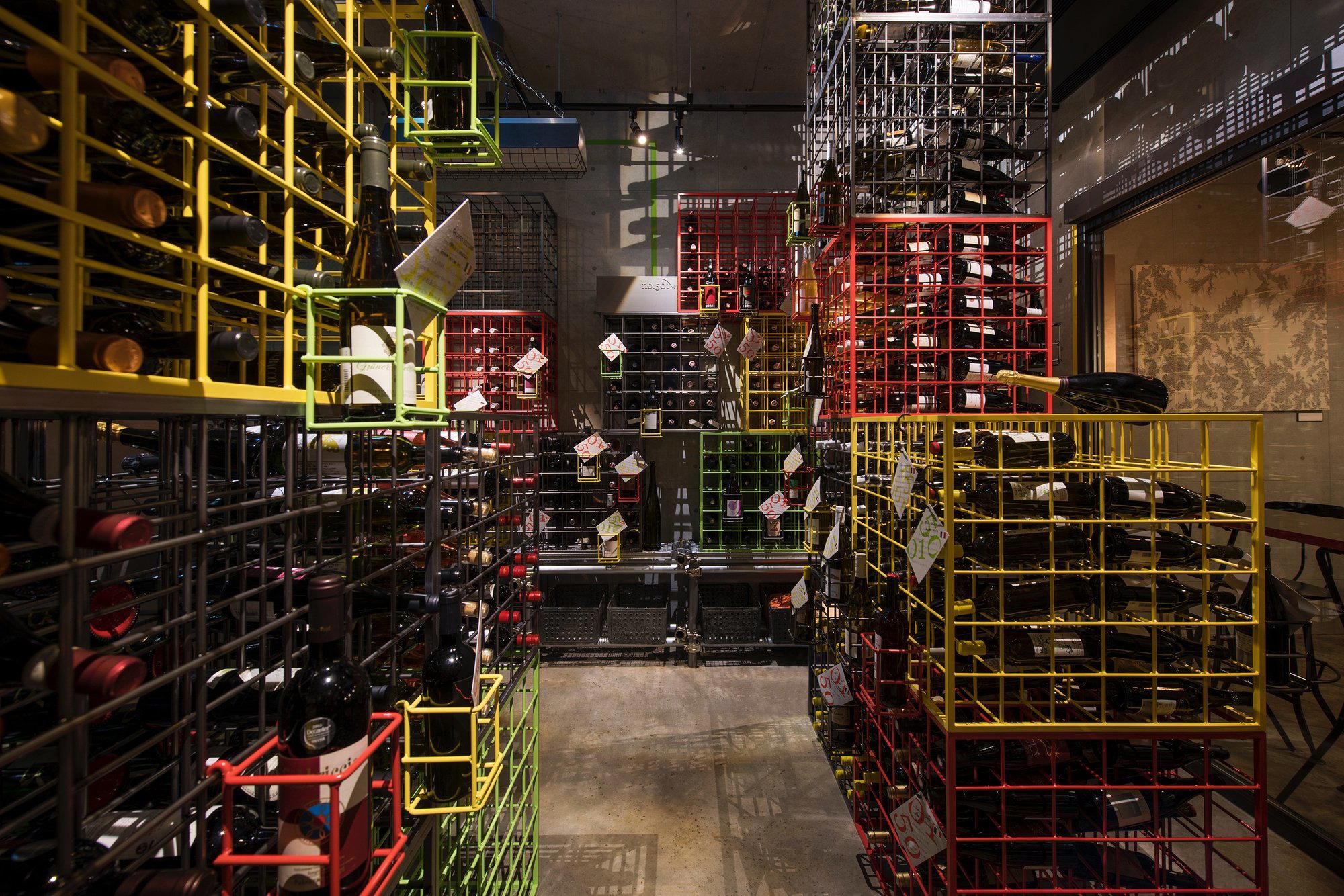
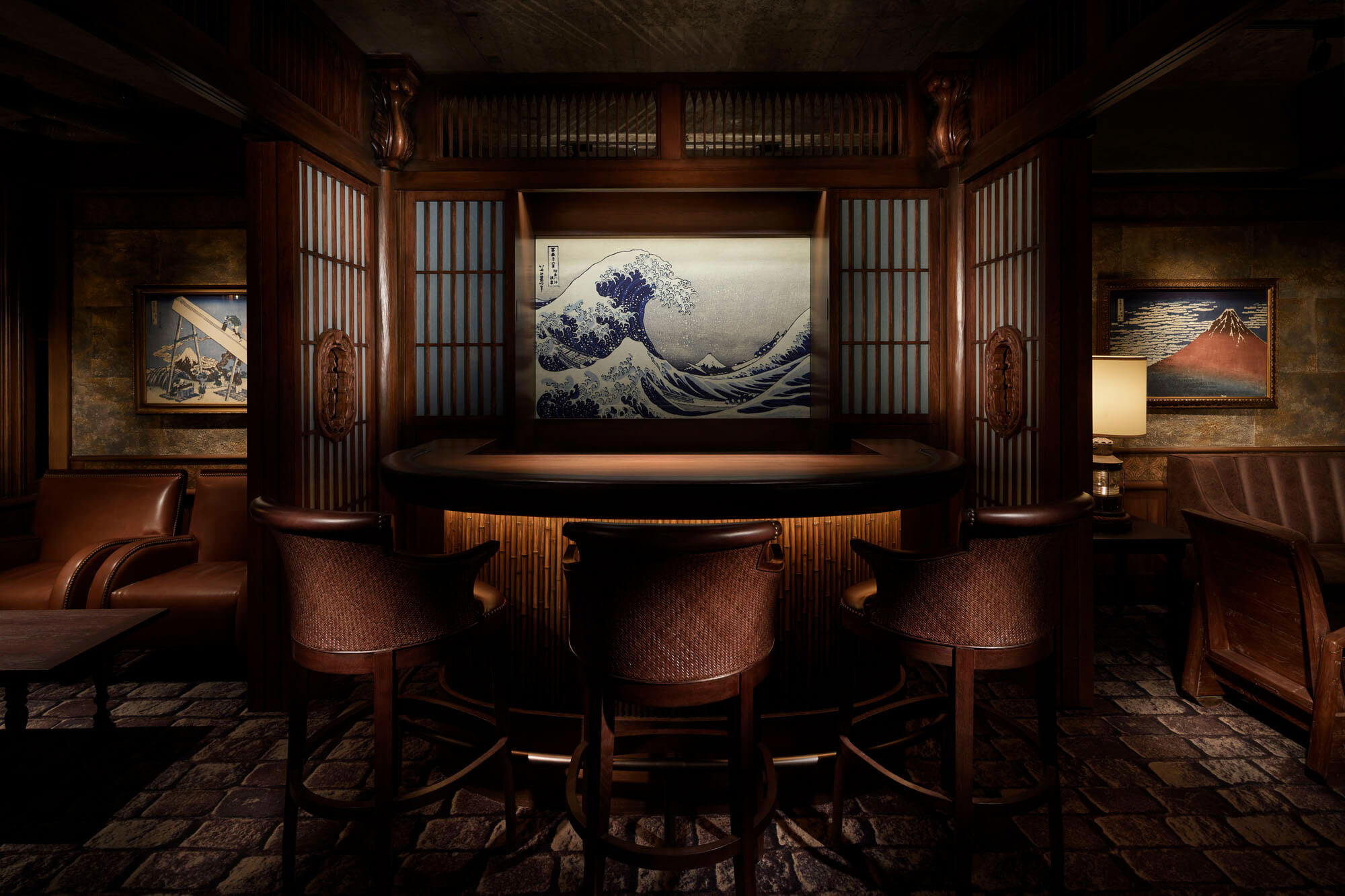
Details
- Scenic
- Modern
- Classic
- Cozy
- Well Known
- Family
- Group Dining
- Casual Hangout
- Celebration
- After Work
- Garden
- Hotel Restaurant
- Garden
- A La Carte
- Buffet
- Set Menu
- Vegetarian Friendly
- Vegan Options
Current opening hours
- Monday
- 6 AM–9 PM
- Tuesday
- 6 AM–9 PM
- Wednesday
- 6 AM–9 PM
- Thursday
- 6 AM–9 PM
- Friday
- 6 AM–9 PM
- Saturday
- 6 AM–9 PM
- Sunday
- 6 AM–9 PM
Hours can change for holidays and private events. Hours as of .
Spacious hotel dining room with large windows, plenty of natural light, marbled and wood-accented interiors, and a relaxed yet polished atmosphere overlooking lush greenery.