Alisa wine & friends
On Abbot Kinney Boulevard, Alisa wine & friends occupies a stretch of Venice where the neighborhood's casual-confident character has long shaped how people eat and drink. The focus is wine-driven, social, and rooted in the ingredient-forward ethos that defines the West Side's approach to dining.
Pearl is the En Primeur Club membership app — saves, bookings, and concierge access live there. Same editors, same standards.
- Address
- 1009 Abbot Kinney Blvd, Venice, CA 90291
- Phone
- (424) 378-5003
- Website
- alisarest.com
- Directions
- Get directions
 Saves & bookings on Pearl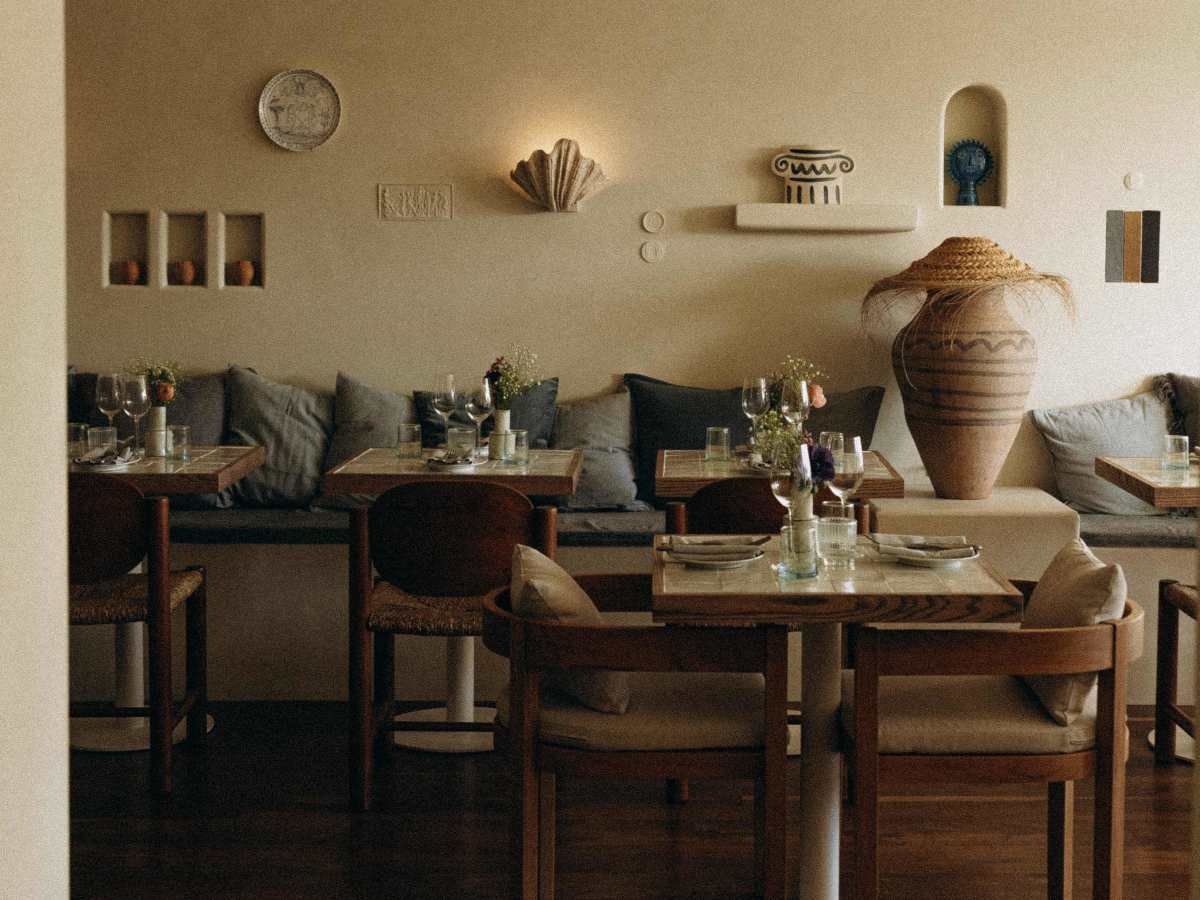
Abbot Kinney and the Ingredient-Forward West Side
Abbot Kinney Boulevard has spent two decades sorting itself into something specific: a street where the casual register and the serious palate coexist without apology. The shops are considered, the coffee is sourced, and the dining has gradually aligned with what the neighborhood's residents actually want — provenance-conscious cooking, wine lists with opinions, and rooms that don't perform formality. Alisa wine & friends, at 1009 Abbot Kinney Blvd, sits inside that logic. The address alone places it in a conversation about how Venice has positioned itself relative to the rest of Los Angeles dining, which skews either toward destination tasting menus or toward the relentlessly casual. This stretch of the West Side has carved out a middle register that neither camp fully owns.
Los Angeles as a dining city has moved decisively toward ingredient sourcing as a primary credential. The arc from mid-2000s farm-to-table signaling to the present is now complete enough that sourcing quality is table stakes rather than a differentiator at any serious address. What distinguishes venues in this environment is the specificity of those sourcing relationships and whether the wine program reflects the same rigor applied to the kitchen. At Alisa wine & friends, the name itself signals the organizing principle: wine is not an afterthought appended to a food program, but the lens through which the entire offer is framed.
Wine as Organizing Logic
The wine-and-friends format has precedents across European wine bar culture — the enoteca model in Italy, the cave à manger tradition in France, but its American translation has taken on a West Coast character that rewards looser structure and producer-driven lists over canonical regionalism. What this means practically is that a venue operating under this model in Venice will likely favor natural and low-intervention producers, smaller importers, and bottles that reward conversation rather than ceremony. The food, in this framing, exists to extend the wine experience rather than compete with it, smaller plates, ingredient clarity, and the kind of sourcing that lets a single vegetable or cured product carry its weight without architectural cooking around it.
This is a different ambition than the full-format tasting menus that define the upper tier of Los Angeles dining. Venues like Providence or Somni operate at a level of technical precision and seasonal programming that requires extended sittings and significant per-head spend. Kato and Hayato represent the city's strongest arguments for counter-format depth. Its competitive context is the wine bar and small-plates category, where the ceiling is set by how good the list is and how directly the food speaks to what's in the glass.
Sourcing and the Venice Palate
The ingredient-sourcing argument in Los Angeles has always had a geographic advantage. Southern California's proximity to year-round agriculture, the farmers' markets at Santa Monica and Hollywood supply the city's most attentive kitchens, means that a venue willing to build its food offer around what's in season at any given week has access to a depth of raw material that most American cities cannot match. The West Side's restaurant culture has internalized this: cooking that reads as simple often reflects expensive sourcing decisions rather than minimal effort.
For a wine-focused address, this matters in a specific way. The food at a wine bar is judged by how well it holds up under scrutiny, not how elaborate it is. A plate of charcuterie from a named producer, a vegetable dish built around something at peak condition from the market, a cheese selection with geographic specificity, these are the signals that separate a serious wine bar from a place that happens to sell wine alongside generic plates. The Venice audience, shaped by years of exposure to this kind of thinking at addresses across the neighborhood, reads those signals accurately.
Nationally, the sourcing-first approach that defines this format has notable reference points. Single Thread Farm in Healdsburg takes the farm-to-table relationship to its logical extreme with an on-site farm operation. Blue Hill at Stone Barns in Tarrytown has made agricultural sourcing its entire editorial identity. Smyth in Chicago and Frasca Food & Wine in Boulder show how wine-forward formats can operate at high conviction outside the coastal cities. In California, The French Laundry in Napa and Lazy Bear in San Francisco define what the premium end of wine-integrated dining looks like in the state. Alisa wine & friends operates at a different register from all of these, but the sourcing sensibility that runs through the best of them is the same cultural current that shapes what the Venice address is attempting.
Context in the Los Angeles Wine Bar Scene
Los Angeles has developed a wine bar culture that runs parallel to its restaurant scene without always intersecting with it. The city's geography, distributed across neighborhoods that function as semi-autonomous dining zones, means that a wine bar's success depends heavily on becoming a local institution rather than a destination draw. Abbot Kinney has the residential density and the spending profile to support that kind of repeat-visit loyalty, which is what a wine-focused concept requires to thrive. The list has to be good enough to bring someone back twice in a month, which is a different test than the once-a-year tasting menu calculation.
For visitors approaching Los Angeles dining for the first time, the West Side wine bar tier is often the most accessible entry point to the city's current food thinking. The tasting menu addresses require planning horizons of weeks or months, Hayato, Kato, and Osteria Mozza all require advance booking, while a wine bar format is more amenable to shorter lead times and the kind of spontaneous evening that a neighborhood like Venice naturally generates. Alisa wine & friends sits at 1009 Abbot Kinney Blvd, a location that benefits from foot traffic and the boulevard's established evening rhythm. For context on the full range of what Los Angeles offers at different formats and price points, our full Los Angeles restaurants guide maps the city's dining more comprehensively.
The broader American wine bar category has reference points worth noting. Le Bernardin in New York City and Atomix in New York City represent the high-formality end of wine integration in American fine dining. Addison in San Diego and The Inn at Little Washington show how wine programs operate inside destination-hotel formats. Emeril's in New Orleans and Osteria Francescana in Modena anchor the longer historical argument for food and wine as an integrated rather than sequential experience. None of these are direct comparisons, but they map the range within which any wine-first venue in Los Angeles is implicitly positioning itself.
Planning Your Visit
Alisa wine & friends is located at 1009 Abbot Kinney Blvd, Venice, CA 90291. Abbot Kinney is accessible by car with street parking available along the boulevard, though evenings on weekends can require patience. The street's walkability makes it well-suited to arriving early and spending time in the neighborhood before or after.
How Alisa wine & friends Los Angeles compares with similar nearby venues.
| Venue | Cuisine |
|---|---|
| Felix Trattoria | Italian |
| San Damián | Mariscos / Pacific Coast seafood |
Continue exploring
More in Los Angeles
Restaurants in Los Angeles
Browse all →
Bars in Los Angeles
Browse all →
Hotels in Los Angeles
Browse all →
Wineries in Los Angeles
Browse all →
At a Glance
- Elegant
- Modern
- Cozy
- Sophisticated
- Date Night
- Special Occasion
- Casual Hangout
- Open Kitchen
- Extensive Wine List
Current opening hours
- Monday
- 5–11 PM
- Tuesday
- 5–11 PM
- Wednesday
- 5–11 PM
- Thursday
- 5–11 PM
- Friday
- 5–11 PM
- Saturday
- 12–11 PM
- Sunday
- 12–10 PM
Hours can change for holidays and private events. Last verified .
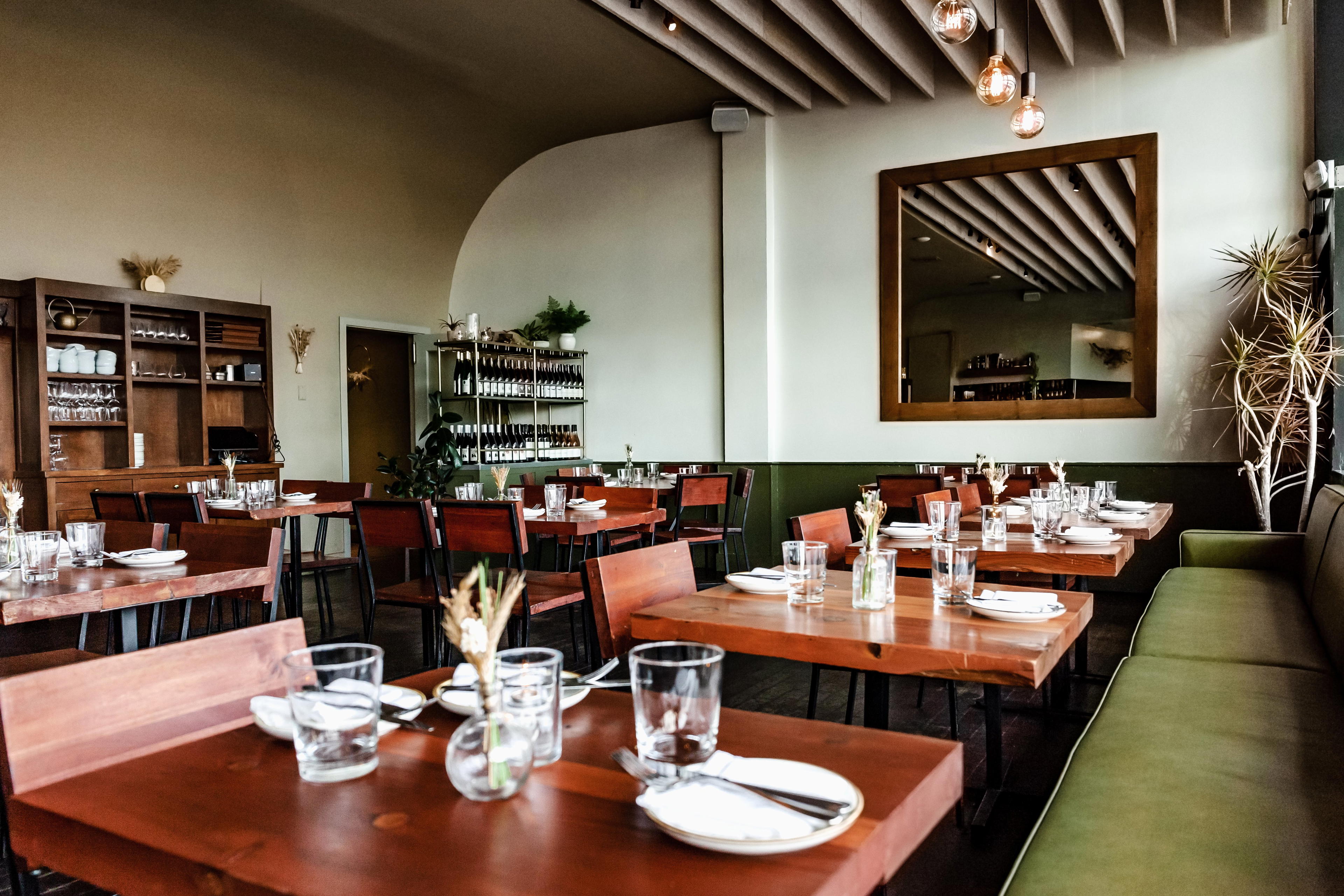
Welcoming and stylish with white terracotta walls, Grecian pottery, pops of blue, and multiple dining spaces including a patio.
Know Before You Go
- Getting there
- 1009 Abbot Kinney Blvd, Venice, CA 90291