
1 Michelin Star
Our verdict
Housed in an 18th-century palazzo steps from Amalfi's cathedral, Sensi holds a 2024 Michelin star for Mediterranean cooking that centres on the coastal catch with selective meat additions.

Pearl is the En Primeur Club membership app, where members save venues, book tables and use the concierge.
The menu
What to order
- Sea Bass with Sicilian Salt
- Risotto with Hibiscus
- Lemon Desserts
- Seafood Risotto
- Grilled Cod with Caviar
A Palazzo, a Cathedral, and the Logic of Coastal Fire
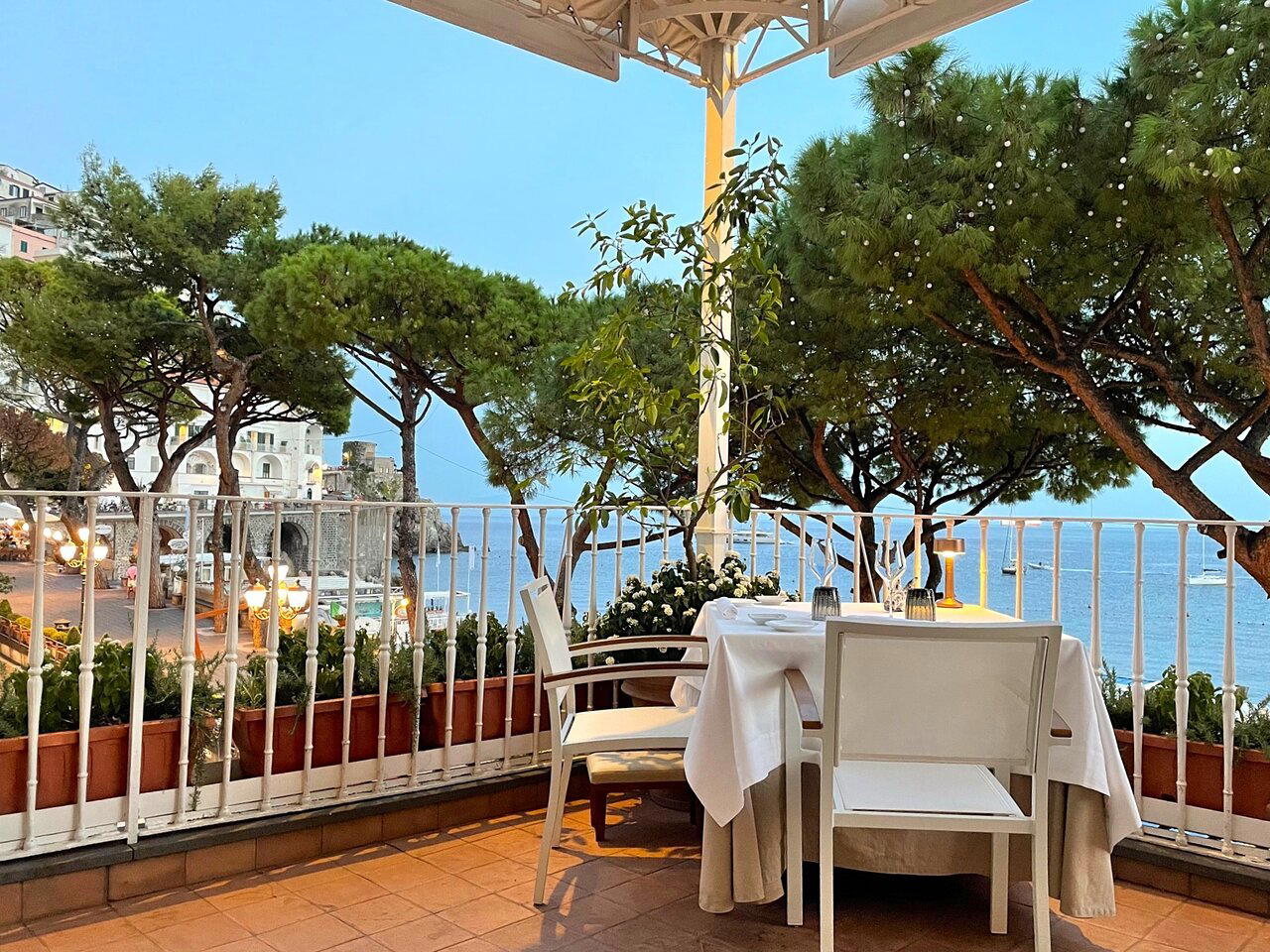
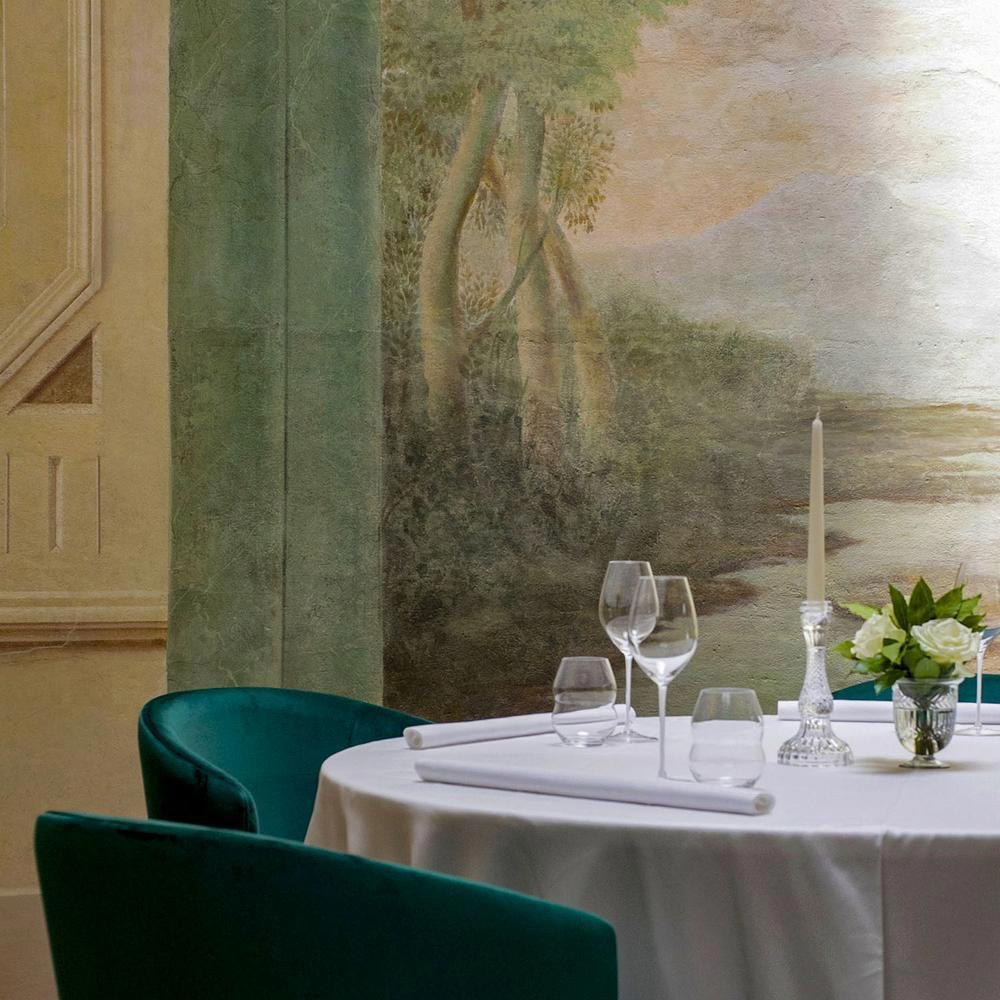
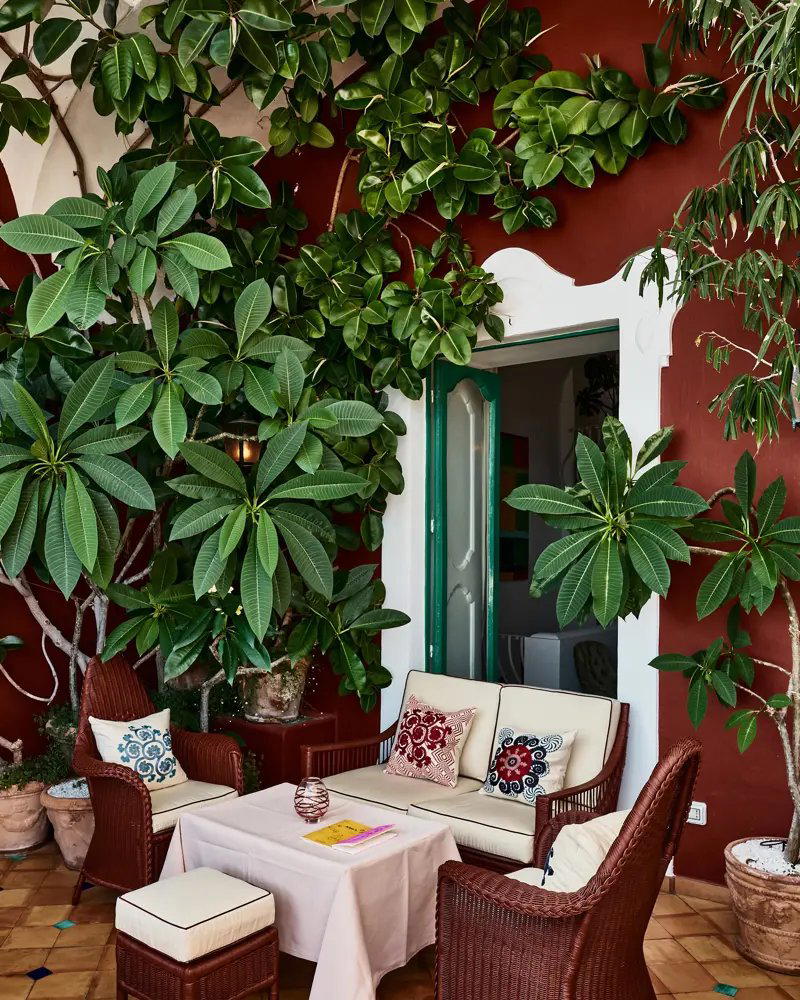
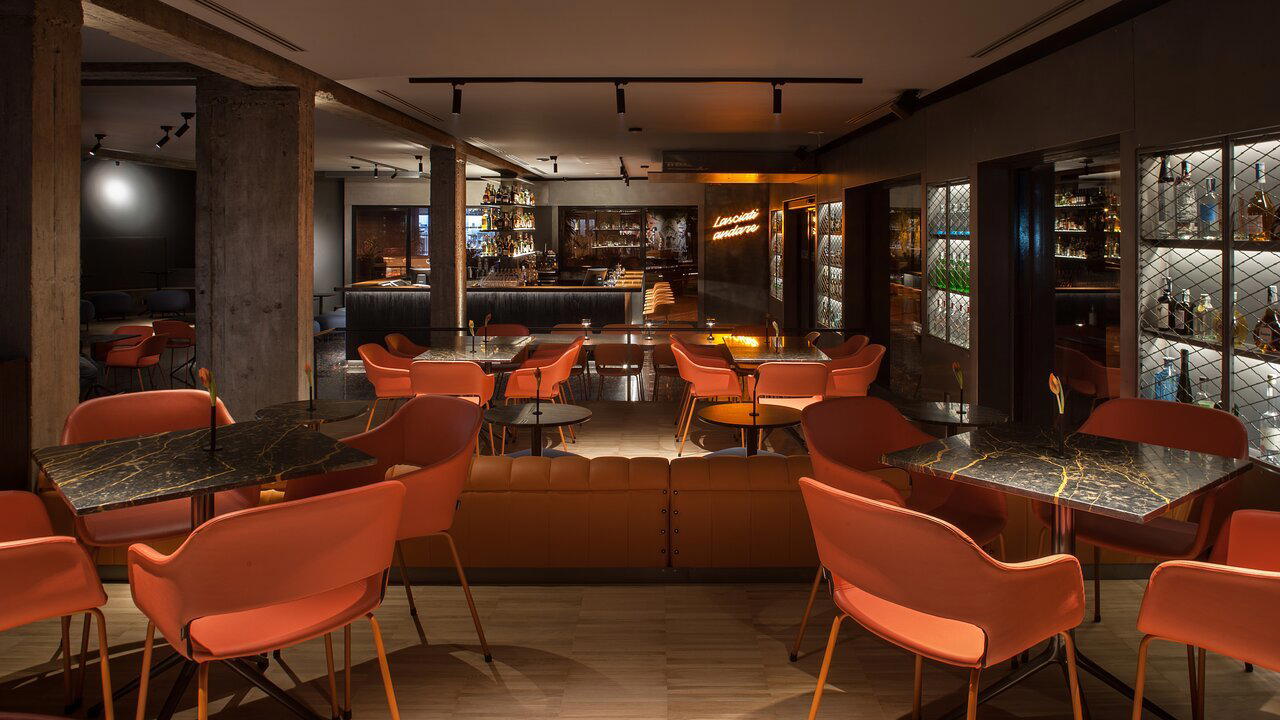
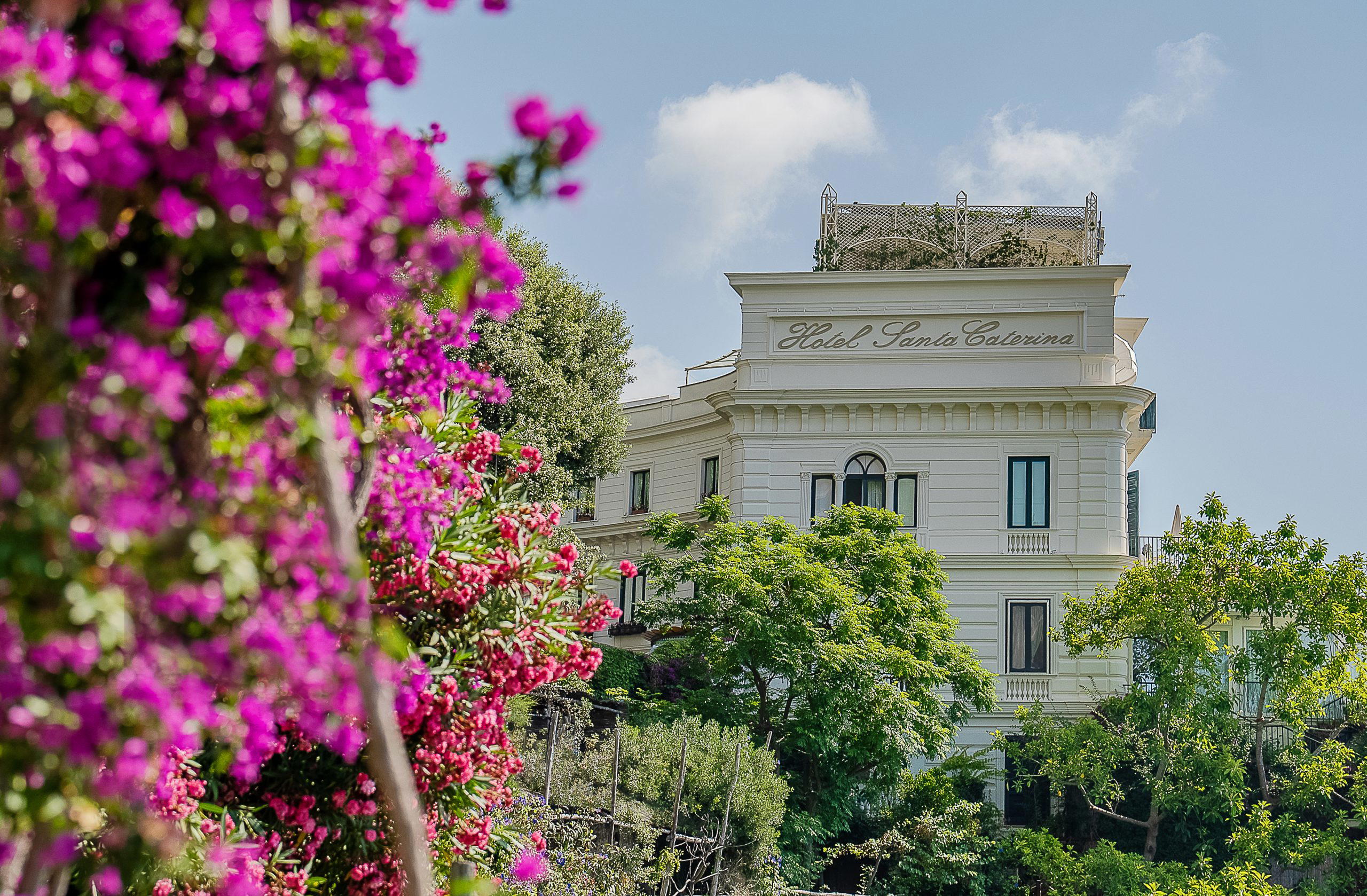
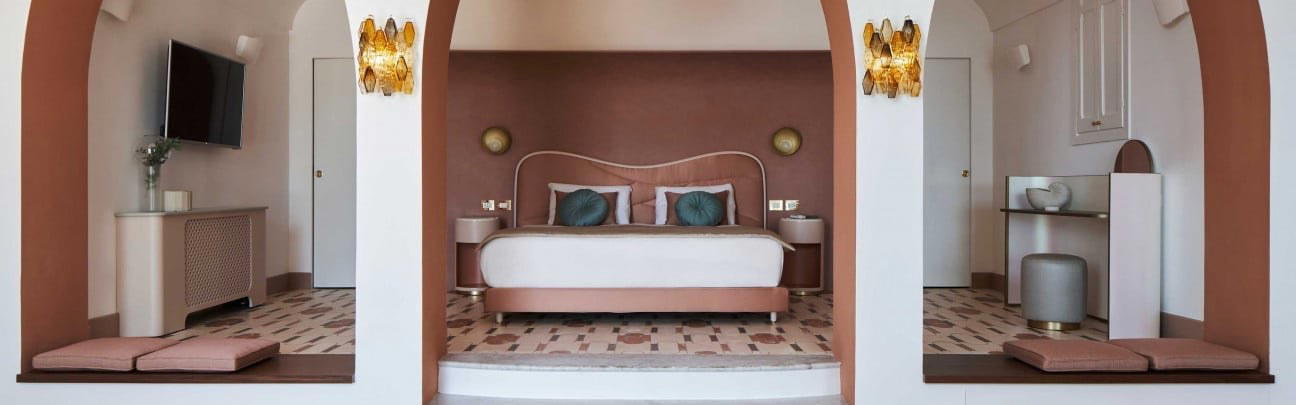
Approaching Sensi means passing through the compressed medieval geometry of central Amalfi, where Via Pietro Comite leads you within metres of the cathedral that has anchored the town since the 9th century. The restaurant occupies an 18th-century palazzo, a building type that recurs across the Campania coast as both hotel and serious dining address. Inside, the design absorbs that architectural inheritance without surrendering to it: the colour palette draws from the Amalfi Coast's characteristic coastal palette of terracotta, sea-bleached white, and deep maritime blue, while the functional layout reads as contemporary. The effect is a room that communicates its setting without staging it.
That restraint at the level of interior design mirrors what the kitchen is doing with its ingredients. The Amalfi Coast sits at the intersection of three culinary traditions: the deep seafood culture of the Tyrrhenian fishing towns, the agricultural produce of the Sorrentine Peninsula's terraced hillsides, and the broader southern Italian canon of high-acid, high-salt, high-heat cooking that has never required much intervention to be effective. The minimal-intervention approach is not a philosophy Sensi invented; it is the logic the coastline has always imposed on anyone paying attention to it.
What the Michelin Recognition Actually Signals
Sensi earned a Michelin star in the 2024 guide, which places it in a specific tier of the Campania restaurant scene. Southern Italy's Michelin map has historically been thinner than the north, making each starred address in the region a meaningful marker rather than a clustering effect. On the Amalfi Coast specifically, the star count among restaurants is modest relative to the volume of serious dining options, so the 2024 recognition positions Sensi as one of the area's reference addresses for ambitious Mediterranean cooking rather than simply one of many.
For a €€€€ restaurant in a high-season coastal destination, where tourist traffic can dilute consistency, that score reflects operational discipline. Among the area's top-tier addresses, Sensi sits alongside properties like La Caravella, which operates at the same price tier with a Venetian-inflected register, and at a step above Marina Grande, which offers a seafood-focused format at €€€. The distinction matters when deciding which meal to commit to at the top of the budget.
The Seafood-Forward Kitchen and What It Means in Practice
The editorial angle on Sensi's kitchen is Mediterranean fish and seafood as the primary register, with selective meat additions on the menu. This is not an unusual position for a coastal Campania restaurant to hold, but the Michelin recognition suggests the kitchen is executing within that frame at a level above the coastal mainstream.
The Tyrrhenian Sea off the Amalfi Coast produces a specific catch profile: anchovies, sea bream, sea bass, squid, octopus, and the red prawns that appear at most serious southern Italian seafood tables. The minimal-intervention approach that defines the leading cooking in this tradition means that what matters is sourcing quality and timing, not masking or elaborate construction. A well-handled piece of fish from this coastline, cooked directly over heat or briefly in good oil, requires very little else. The restaurants along this stretch that earn sustained recognition tend to be those that understand when to step back.
Addition of meat to the menu follows a pattern common to starred coastal restaurants in Italy that aim to serve a full evening without limiting guests who want an alternative to seafood. It is a practical rather than conceptual decision, and the kitchen's evident strength remains with the sea.
For a broader view of what the Amalfi Coast's seafood tradition looks like across price points and formats, Alici Restaurant and Borgo Santandrea represent adjacent approaches worth considering in the same trip. The full picture of what the coast is doing with its dining scene is mapped in our Amalfi Coast restaurants guide.
Sensi in the Wider Italian Starred Context
Italy's Michelin one-star tier spans an enormous range of styles, from the rigorous modernist kitchens of the north to the product-driven, tradition-respecting tables of the south. Sensi belongs to the latter category, which places it in a different conversation than the technically complex starred restaurants in Milan or Modena. Enrico Bartolini in Milan and Osteria Francescana in Modena represent the northern end of that spectrum, where the kitchen's own construction is the subject. At Sensi, the subject is the coastline.
Among Italy's seafood-focused starred addresses, the comparison set includes Uliassi in Senigallia on the Adriatic, where the kitchen has built a multi-starred reputation on Italian coastal produce, and Quattro Passi in Marina del Cantone, a two-starred address just down the coast that gives a useful benchmark for what starred ambition looks like in this specific coastal geography. Dal Pescatore in Runate and Enoteca Pinchiorri in Florence represent the depth of Italy's starred dining tradition further north, and both frame how Sensi's Mediterranean directness reads as its own coherent position rather than a lesser version of something else.
Outside Italy, the broader Mediterranean starred conversation includes Arnaud Donckele and Maxime Frédéric at Louis Vuitton in Saint-Tropez, where a French coastal luxury register shapes a very different approach to similar source ingredients, and La Brezza in Ascona, which applies a Mediterranean lens from a landlocked lakeside position. The contrast highlights how much of Sensi's authority comes from physical proximity to its ingredient supply.
For a mountain-to-coast comparison within the Italian starred tier, Atelier Moessmer Norbert Niederkofler in Brunico represents the northern Alpine end of Italian regional produce-driven cooking, a useful counterpoint to Sensi's Tyrrhenian position.
Planning a Meal at Sensi
Sensi operates Tuesday-closed across the week, with lunch service running 12:00 to 14:30 and dinner from 19:00 to 22:30. Sunday service is dinner only. That Tuesday closure is a standard operational rhythm for restaurants at this level in Italy, and it is worth confirming ahead of any trip built around a specific meal. The central Amalfi address at Via Pietro Comite, 4 is walkable from the seafront and from the main ferry and bus connections that serve the coast, though arriving in peak summer months means accounting for the town's compressed pedestrian traffic and limited vehicle access.
At €€€€, Sensi sits at the top of the coast's price tier. Lunch is available Wednesday through Saturday, which gives an alternative access point if evenings book out or if the preference is for a lighter midday format.
The broader picture of how to spend time on the coast, including where to stay and what to do beyond the table, is covered in our Amalfi Coast hotels guide, our bars guide, our wineries guide, and our experiences guide.
Frequently asked questions
What does dinner at Sensi typically cost?
Pricing at Sensi is listed as €€€€.
Where is Sensi in Amalfi Coast?
Sensi is located at Via Pietro Comite, 4, 84011 Amalfi SA, Italy, Amalfi Coast.
Accolades, Compared
| Venue | Cuisine | Price | Awards | Notes |
|---|---|---|---|---|
| SensiThis venue (the venue you are viewing) | Modern Mediterranean Fine Dining | $300–500 | 1 Michelin Star | Not listed |
| La caravella | Traditional Italian Fine Dining | $150–200 | 1 Michelin Star · Star Wine List | Venetian |
| Alici Restaurant | Modern Southern Italian Fine Dining | $150–200 | Star Wine List · Gault & Millau UAE Selected Restaurant | Seafood |
| Borgo Santandrea | Modern Amalfi Coast Italian Fine Dining | $150–200 | Relais Chateaux Award | Not listed |
| Marina Grande | Traditional Italian Seafood | $50–100 | Michelin Plate | Not listed |
Recognition history
Dated appearances from independent guides and award organizations, with the underlying list record or original source where available.
Michelin 1 Star
Michelin
Full recognition history (2 entries)
Michelin 1 Star
Michelin
Continue exploring
More in Amalfi
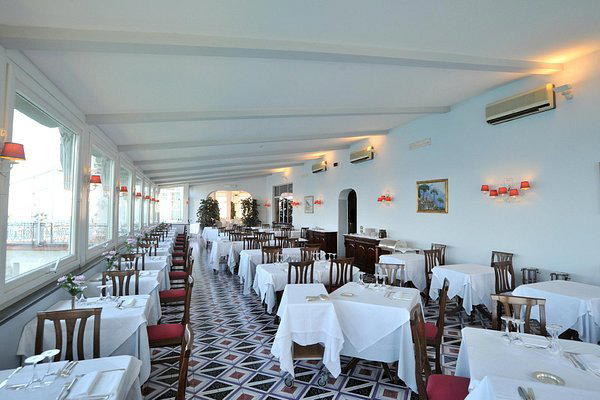
Restaurants in Amalfi
All restaurants in Amalfi →
Bars in Amalfi
All bars in Amalfi →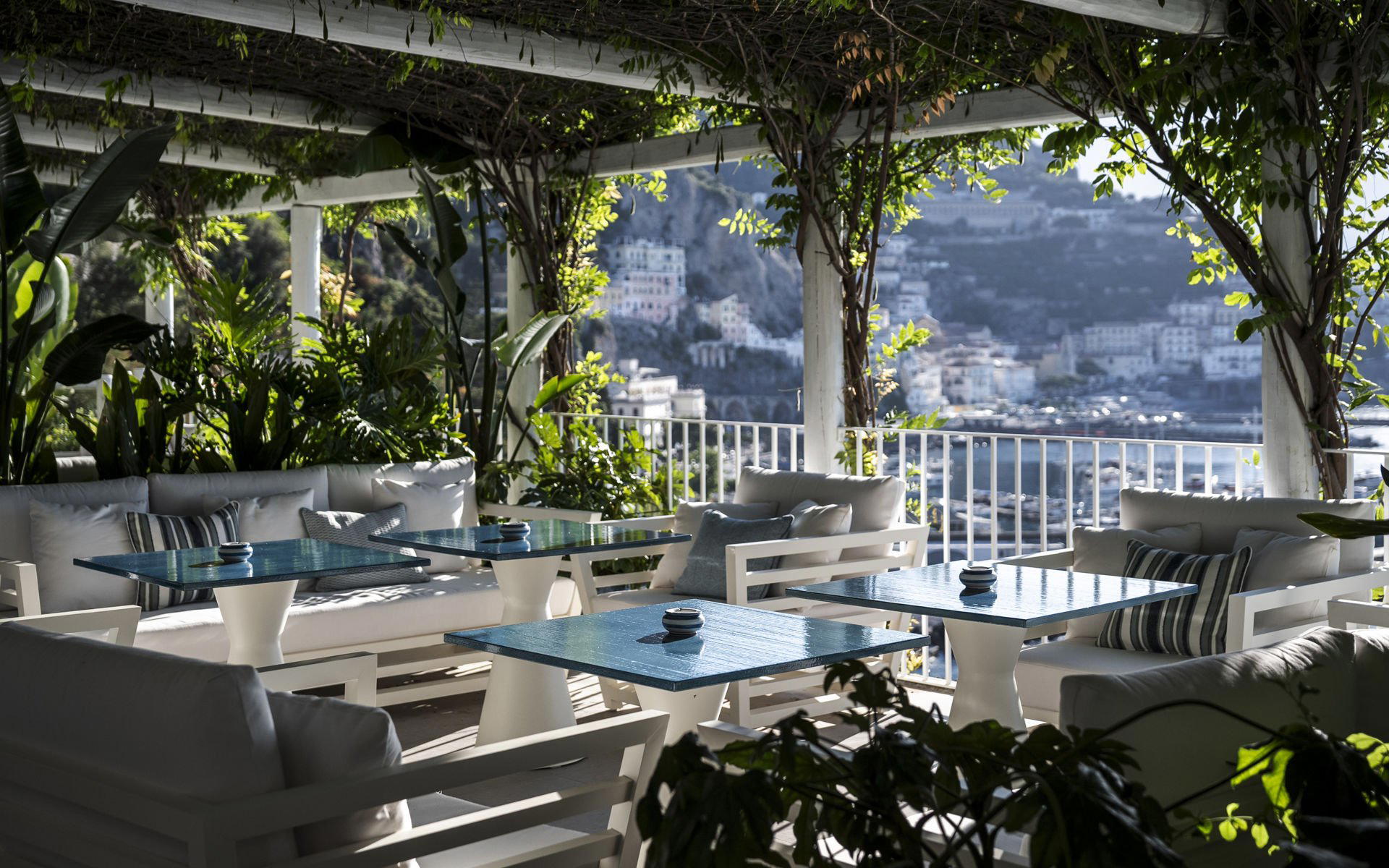

Sensi
The wine
- Wine program
- Deep wine list
- Extensive wine list
- Sommelier-led
Details
- Romantic
- Elegant
- Scenic
- Sophisticated
- Intimate
- Date Night
- Special Occasion
- Celebration
- Waterfront
- Terrace
- Historic Building
- Hotel Restaurant
- Panoramic View
- Open Kitchen
- Extensive Wine List
- Sommelier Led
- Local Sourcing
- Waterfront
- Tasting Menu
- Set Menu
- Wine Pairing
- Regional Wines
- Wine Selection
- Vegetarian Friendly
- Vegan Options
- Gluten Free Options
- Allergy Accommodating
Current opening hours
- Monday
- Closed
- Tuesday
- Closed
- Wednesday
- Closed
- Thursday
- Closed
- Friday
- Closed
- Saturday
- Closed
- Sunday
- Closed
Hours can change for holidays and private events. Hours as of .
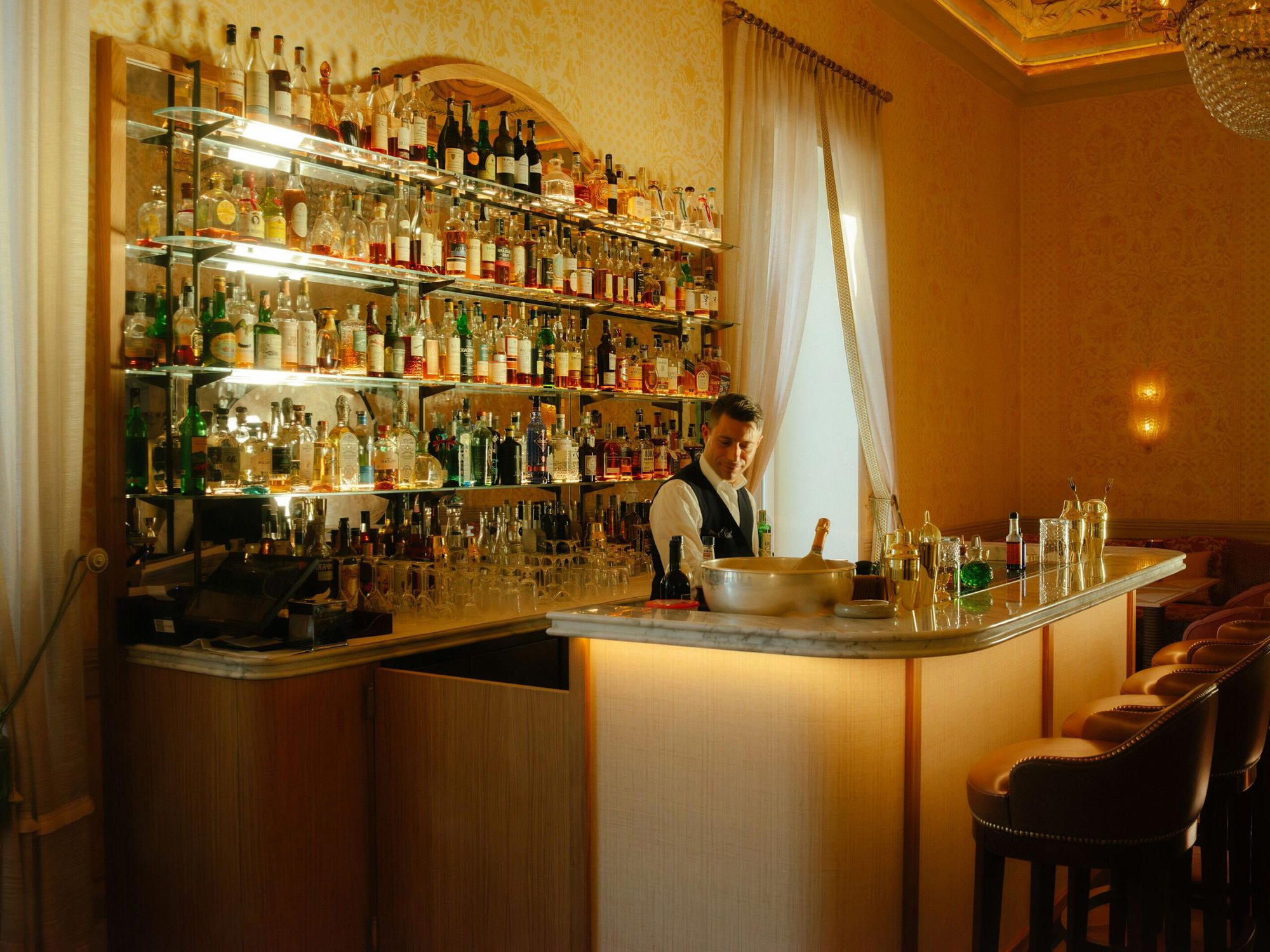
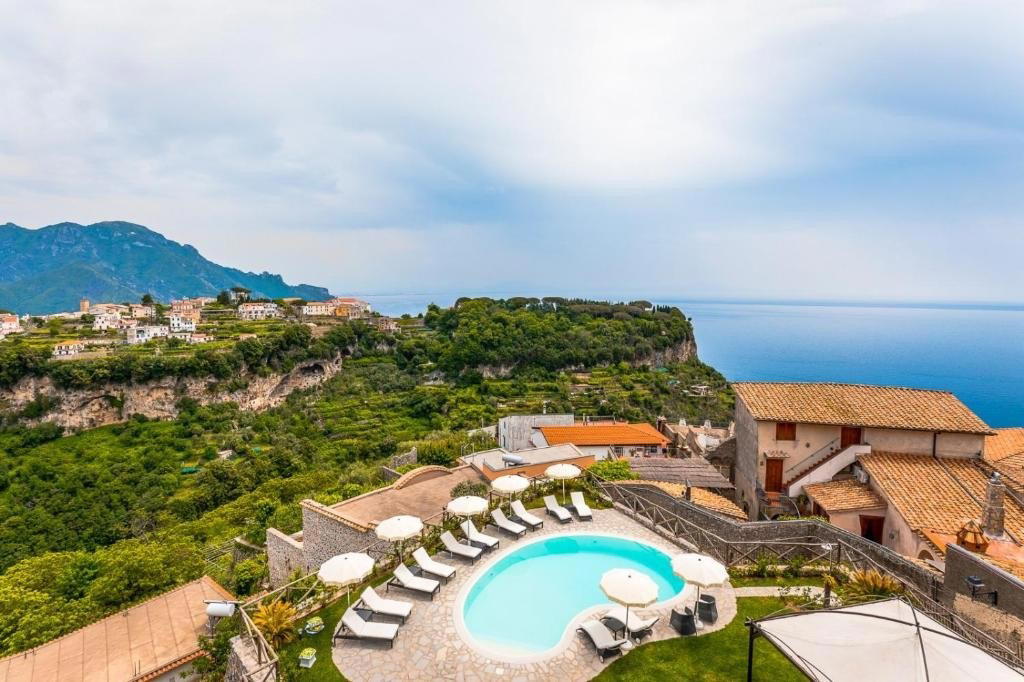
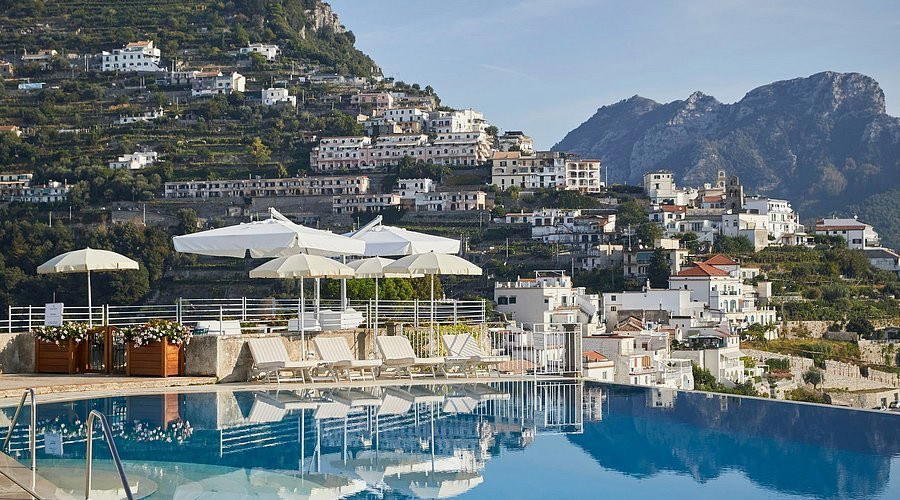
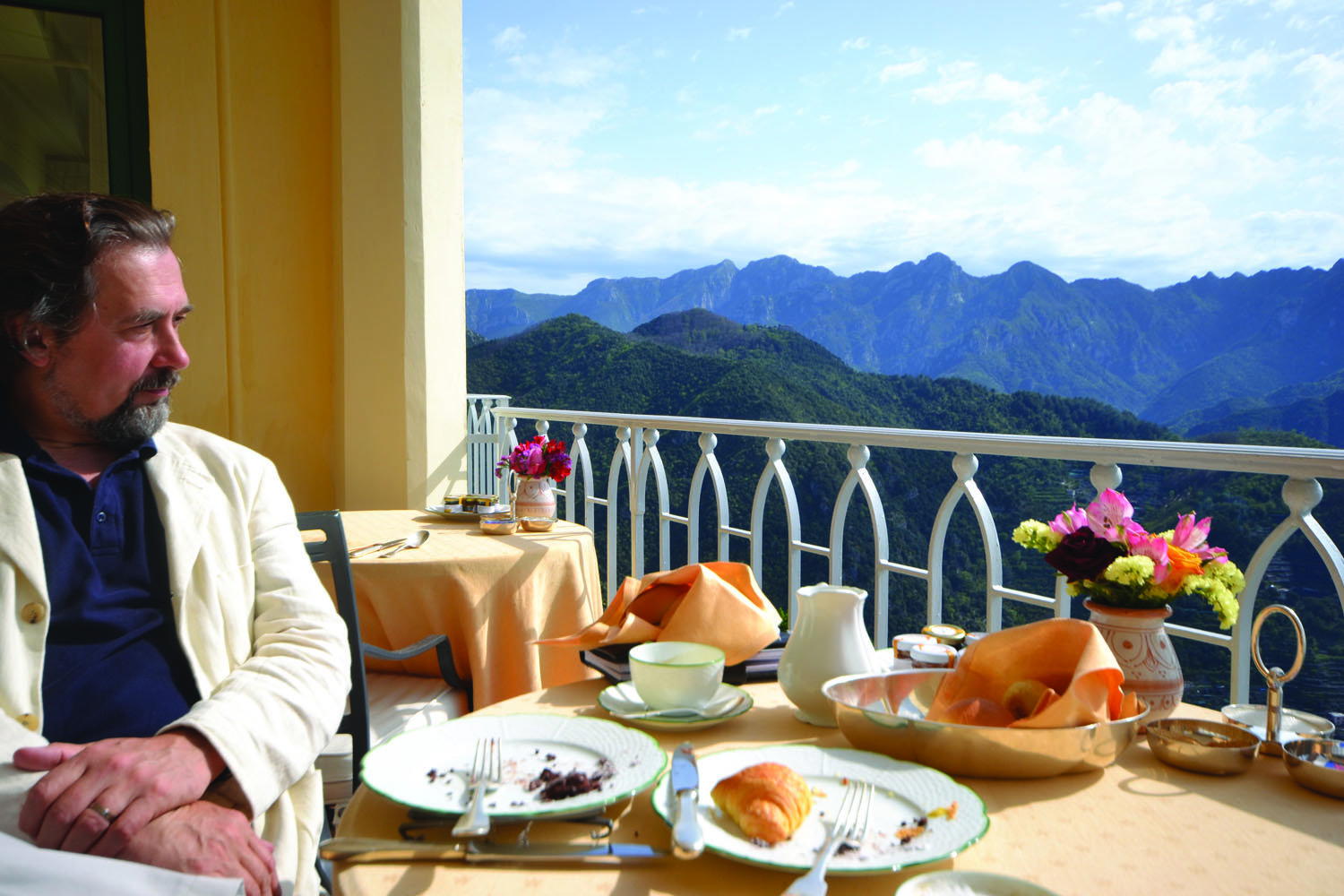
Elegant and refined with neutral color palette, modern touches blended with classic 18th-century architecture, soft lighting from terrace overlooking twinkling coastal lights and sea views.