ALGOT
Our verdict
ALGOT sits on Kyrkogatan in central Kungsbacka, a small coastal town roughly 25 kilometres south of Gothenburg that has quietly built a reputation for serious dining beyond what its size might suggest. The address places it within the older town fabric, where the scale is intimate and the dining culture leans toward considered, produce-led cooking rather than high-volume tourism trade.

Pearl is the En Primeur Club membership app — saves, bookings, and concierge access live there. Same editors, same standards.
- Address
- Kyrkogatan 13C, 434 30 Kungsbacka, Sweden
- Phone
- +46300939595
- Website
- algothalland.se
- Directions
- Get directions
- Booking
- Book on the venue's website
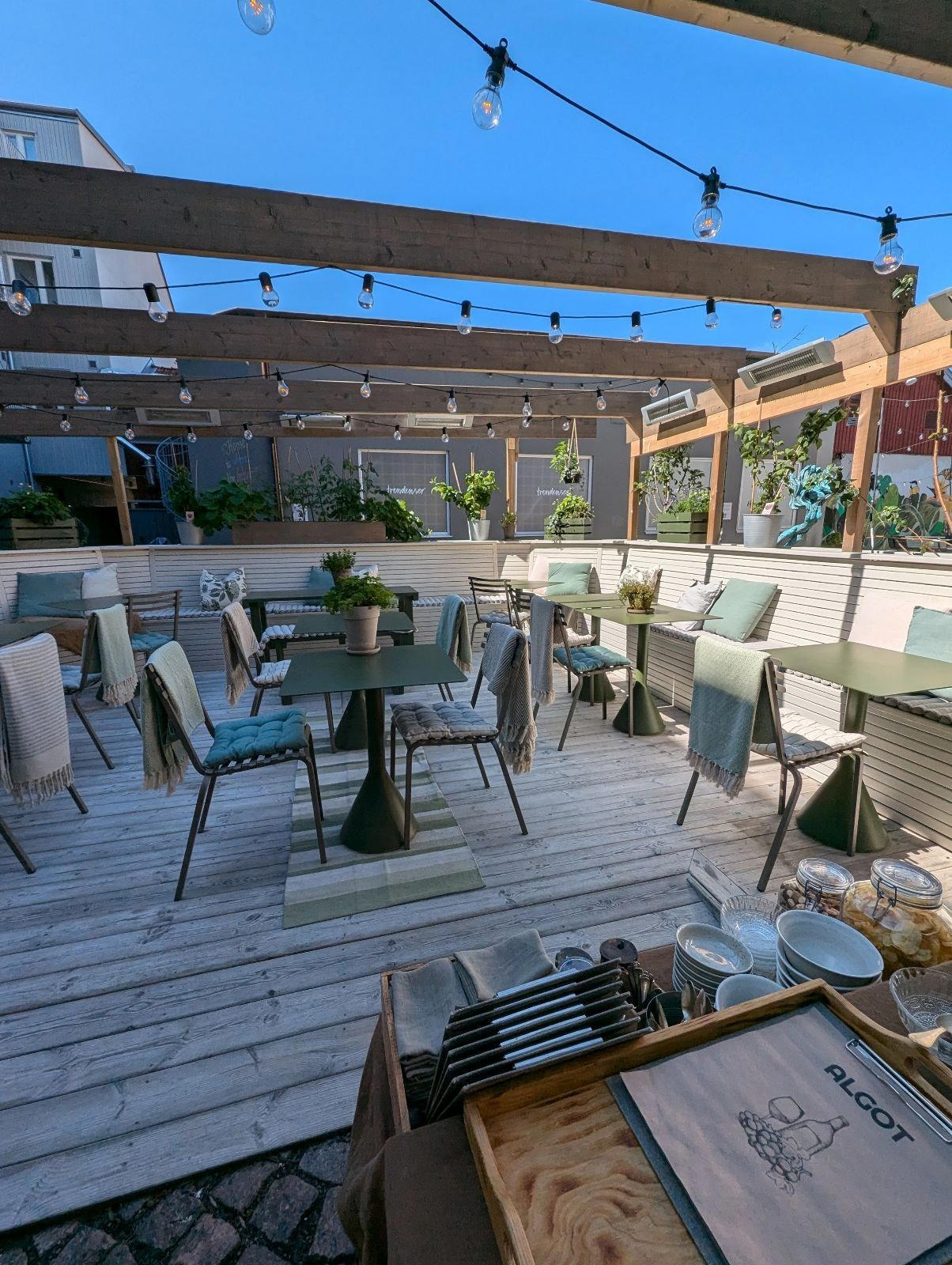
Kungsbacka's Quiet Place in Sweden's West Coast Dining Conversation
The west coast of Sweden has accumulated a dining identity that runs well beyond Gothenburg's acclaimed restaurant district. Towns along the coastline between the city and the Danish border have developed their own serious tables, often anchored in the produce networks that the geography makes possible: cold-water shellfish, forest foraging corridors, farms operating in the compressed growing season that Nordic latitude imposes. Kungsbacka sits in this corridor, roughly 25 kilometres south of Gothenburg, small enough that its central streets retain the scale of a market town rather than a regional capital. ALGOT occupies a position on Kyrkogatan 13C, in the older part of that centre, where the architectural grain and pedestrian tempo both favour the kind of meal that doesn't rush.
This stretch of Sweden's coast has produced a number of restaurants that operate well outside the Michelin spotlight without surrendering the sourcing rigour that defines the region's leading tables. ÄNG in Tvååker and Knystaforsen in Rydöbruk both demonstrate that ingredient-driven ambition in this part of Scandinavia doesn't require a city postal code. Kungsbacka, with ALGOT among its dining options, participates in that same regional pattern.
The Logic of Place: Why Sourcing Defines West Coast Swedish Cooking
The argument for ingredient-led cooking in this region is geographic before it is ideological. The Kattegat coastline produces shellfish in conditions that chefs further inland pay considerable logistics costs to access. The hinterland between Kungsbacka and the forests to the east runs through agricultural land that has historically supplied both Gothenburg's wholesale markets and smaller local operations. For a restaurant on Kyrkogatan, the supply infrastructure that Gothenburg's larger establishments depend on is effectively on the doorstep, without the overhead that city-centre addresses carry.
That structural advantage shapes what west coast Swedish cooking at this scale tends to look like: shorter menus, higher ingredient quality relative to price point, and a kitchen discipline oriented toward not obscuring what the season has provided. The model is recognisably related to what VYN in Simrishamn and Vollmers in Malmö have refined at a higher price tier, but it also operates in more everyday registers at tables that aren't chasing tasting-menu format.
Sweden's broader New Nordic influence — the movement that placed Scandinavian sourcing and preservation technique into the international conversation — created an infrastructure of producer relationships and foraging knowledge that smaller regional restaurants now inherit. The result is that cooking in a town like Kungsbacka can access a tradition of ingredient seriousness that, in other European countries, would require a much larger culinary centre to sustain. Fäviken in Kall operated as the extreme expression of this premise; the west coast version is less austere, more integrated with everyday coastal life.
Placing ALGOT Within the Regional Pattern
ALGOT's address in central Kungsbacka puts it in a town that has more dining character than its population size would predict. The municipality draws professional residents from Gothenburg who commute northward, which creates a local dining public with expectations shaped by a larger city's restaurant culture. That demographic tends to support the kind of establishment that takes its food seriously without requiring the ceremony that accompanies a full tasting-menu operation at venues like Frantzén in Stockholm.
Bistro Jarlen in Halmstad, further down the coast, and Hoze in Gothenburg both represent the same tendency, where technique is present but not performed. Signum in Mölnlycke, just north of Kungsbacka, sits in this same broader conversation about what serious Swedish cooking looks like outside the main urban centres. PM & Vänner in Växjö extends the comparison further east, demonstrating that this produce-led approach has taken hold across provincial Sweden rather than remaining a coastal phenomenon.
For readers mapping Swedish restaurant geography, our full Kungsbacka restaurants guide places ALGOT within the full range of the town's dining options and provides the practical context that a single-venue page cannot.
The Wider West Coast Reference Frame
Kungsbacka's position on the Gothenburg-to-Malmö rail corridor makes it accessible to travellers moving between the two cities who would otherwise treat it as a transit point. The town itself warrants a slower approach. The old town centre, where Kyrkogatan runs, is compact enough to cover on foot, and the proximity to the archipelago to the west, the outer islands that Archipelago of Gothenburg in Styrso references, adds a coastal dimension that the town's inland-feeling streets don't immediately suggest.
For comparison, the sourcing logic that makes west coast Sweden interesting to serious food travellers operates at a different register than what drives destination dining in, say, New York or San Francisco. Le Bernardin in New York City and Lazy Bear in San Francisco represent what urban density and high competition produce at the top of a market. The west coast Swedish version is shaped instead by geographic constraint and seasonal discipline, which produces a different kind of kitchen ambition. Sydkustens at Pillehill in Skivarp and Claesgatan 8 in Malmo represent the southern Swedish version of the same broader disposition, further down the coast toward Malmö. Kitchenette Ågatan 3 in Örebro shows how far inland this produce-attentive approach has spread.
Planning a Visit
ALGOT is located at Kyrkogatan 13C, 434 30 Kungsbacka, reachable by train from Gothenburg in under 30 minutes on the Kungsbackapendeln commuter line, with the station a short walk from the old town centre. The town's compact scale means the restaurant is navigable on foot from both the train station and any local accommodation.
Frequently asked questions
Does ALGOT work for a family meal?
Kungsbacka operates at market-town scale, and restaurants here tend to sit at a more accessible register than the destination-dining tiers you find in central Gothenburg. ALGOT's address on Kyrkogatan places it in the old town centre, a compact and walkable setting that suits a mixed group without the formality pressure of a larger city venue.
What kind of setting is ALGOT?
ALGOT is on Kyrkogatan 13C in Kungsbacka's old town, a street that reflects the town's market-town character rather than the density of a Swedish city centre. The surrounding area is small-scale and walkable, with the kind of neighbourhood rhythm that makes a meal feel local rather than produced for visiting audiences. Kungsbacka draws residents from across the municipality, so the room is likely to skew more local than tourist-facing.
Is ALGOT a practical stop for travellers on the Gothenburg–Malmö corridor?
Kungsbacka sits on the commuter rail line from Gothenburg, with the Kungsbackapendeln covering the journey in under 30 minutes, which makes ALGOT at Kyrkogatan 13C a genuinely low-friction detour rather than a dedicated excursion. For travellers moving between Gothenburg and Malmö by train, Kungsbacka is a scheduled stop, not a route deviation. The town's dining scene is more developed than its population size would suggest, with the west coast sourcing context giving meals here a regional specificity you don't find in transit-hub restaurants.
What's the must-try dish at ALGOT?
For confirmed dish information, checking directly with the restaurant is the reliable route.
In Context: Similar Options
| Venue | Cuisine | Price | Awards | Notes |
|---|---|---|---|---|
| ALGOTThis venue — the venue you are viewing | Modern Swedish Bistro | $30–50 | Not listed | Not listed |
| Operakällaren | Modern Scandinavian Fine Dining | $150–200 | 1 Michelin Star · World's 50 Best #27 | Swedish, Modern Cuisine |
| VYN | Modern Scandinavian Fine Dining | $300–500 | 2 Michelin Stars · World's 50 Best #47 | New Nordic, Creative |
| Vollmers | Modern New Nordic with Scanian Terroir | $150–200 | 2 Michelin Stars · La Liste Top Restaurants | New Nordic, Contemporary |
| AIRA | Modern Nordic Seasonal Tasting Menu | $200–300 | 2 Michelin Stars · La Liste Top Restaurants | Modern European, Modern Cuisine |
| PM & Vänner | Modern Småland Regional Cuisine | $150–200 | 1 Michelin Star · La Liste Top Restaurants | Nordic, Creative |
Continue exploring
More in Kungsbacka
Restaurants in Kungsbacka
Browse all →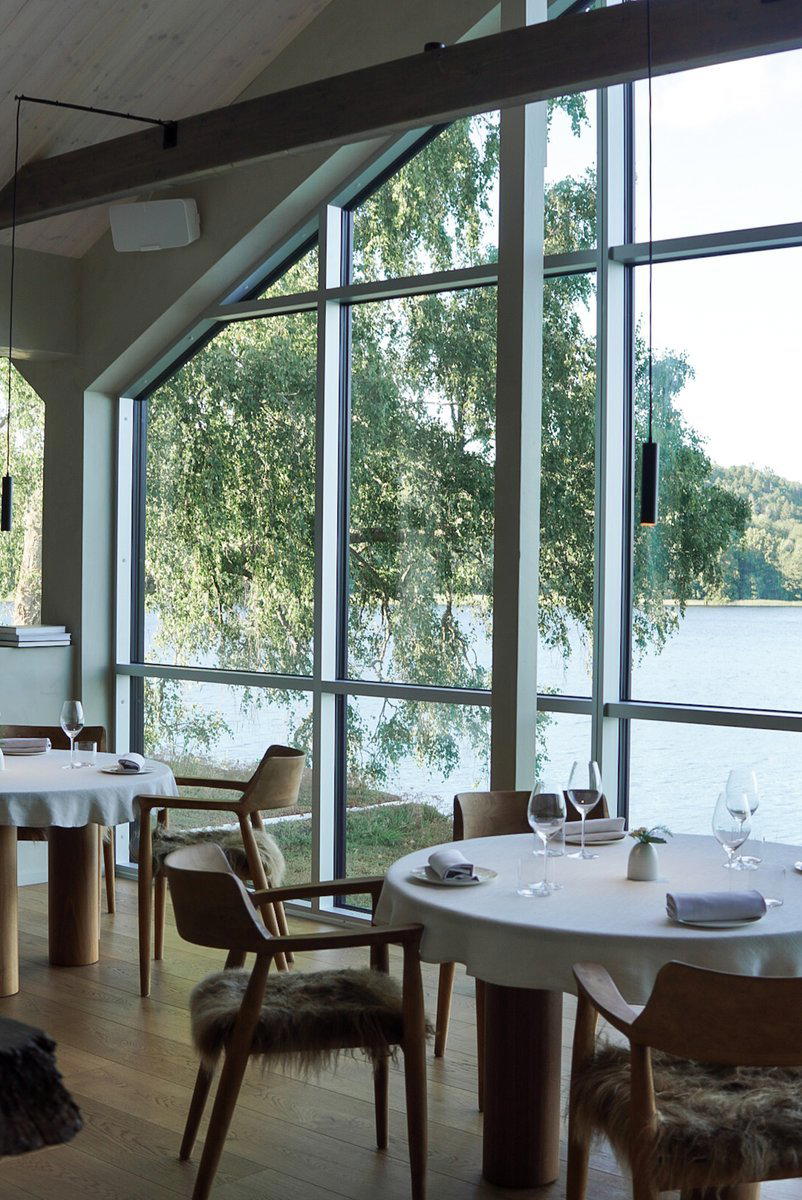
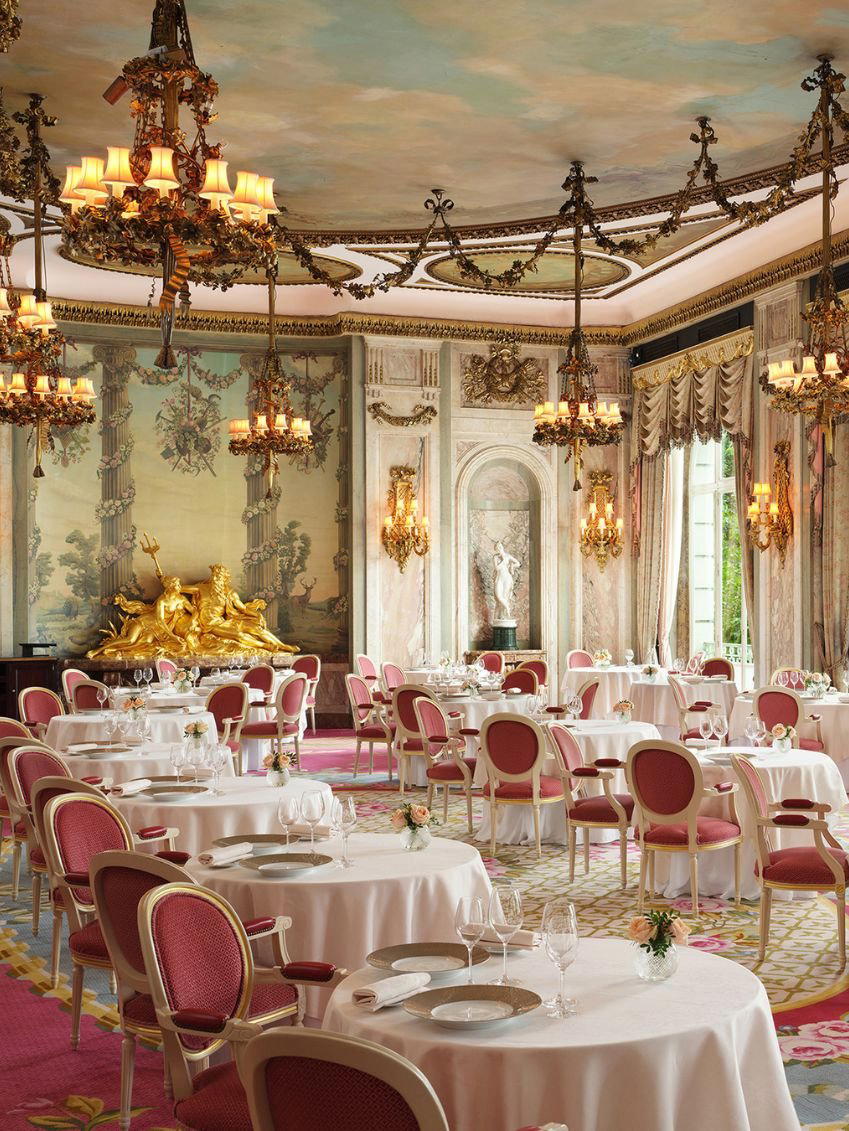
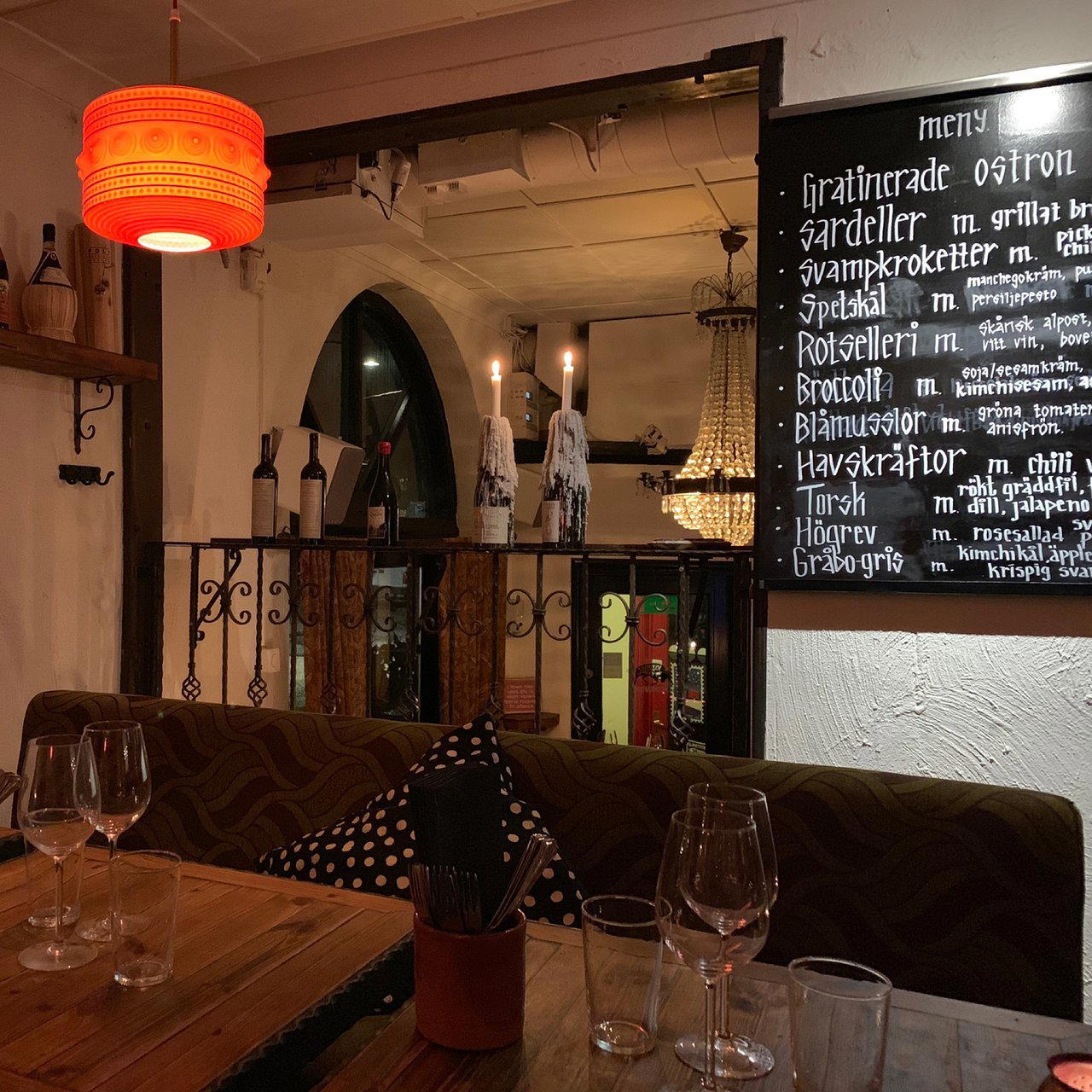
Bars in Kungsbacka
Browse all →

Details
- Modern
- Cozy
- Sophisticated
- Date Night
- Business Dinner
- Special Occasion
- Open Kitchen
- Extensive Wine List
- Local Sourcing
- Organic
- Small Plates
- A La Carte
- Wine
- Vegetarian Friendly
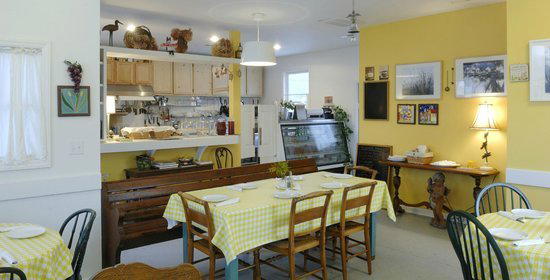
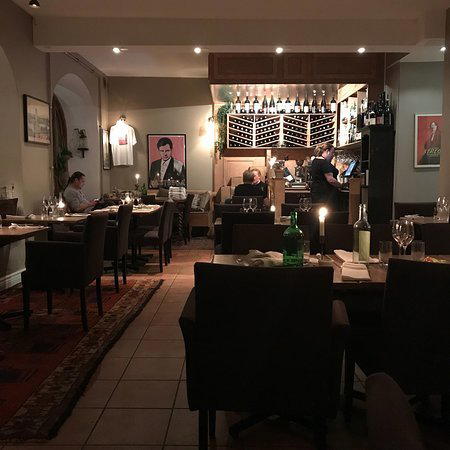
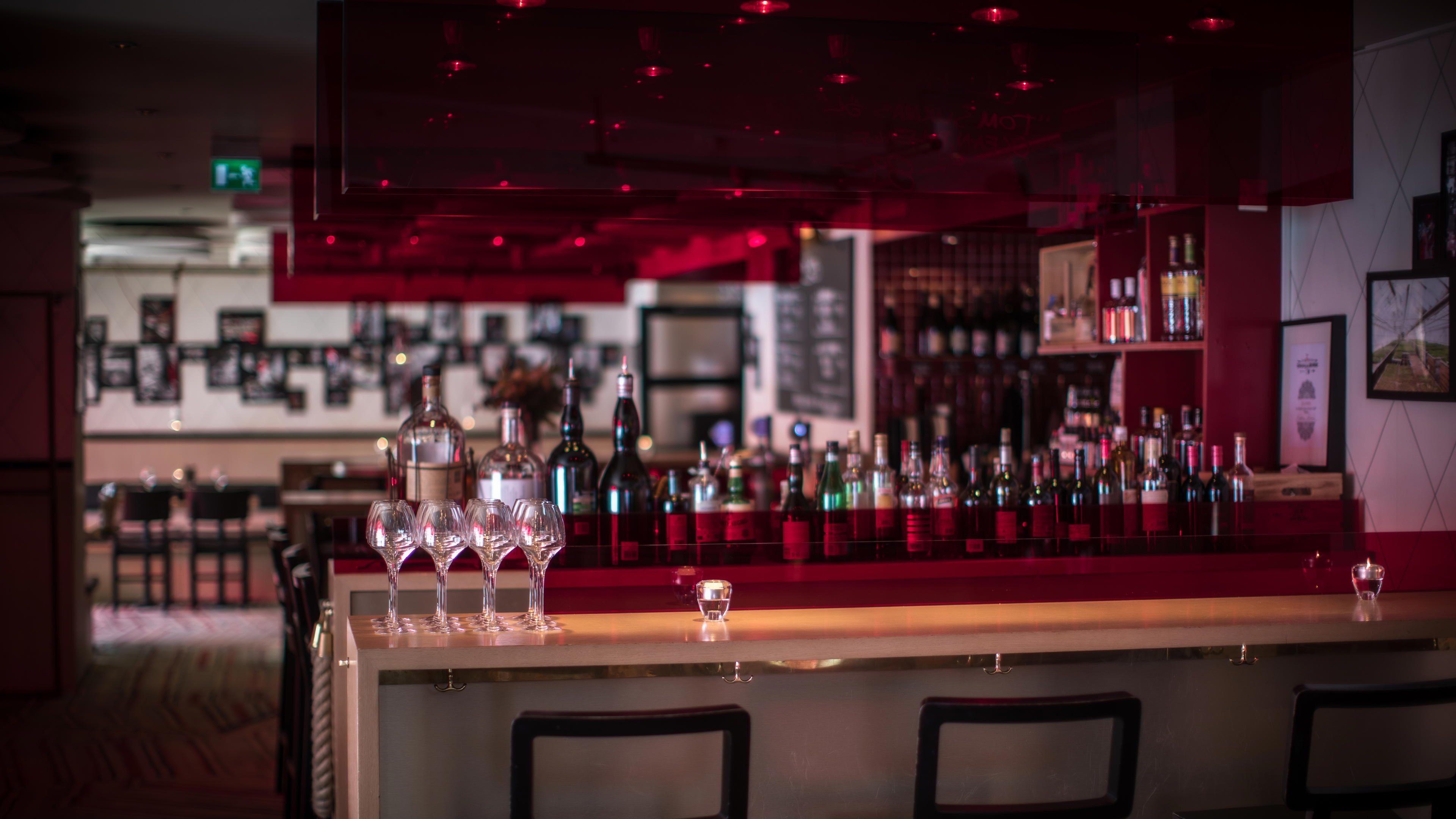
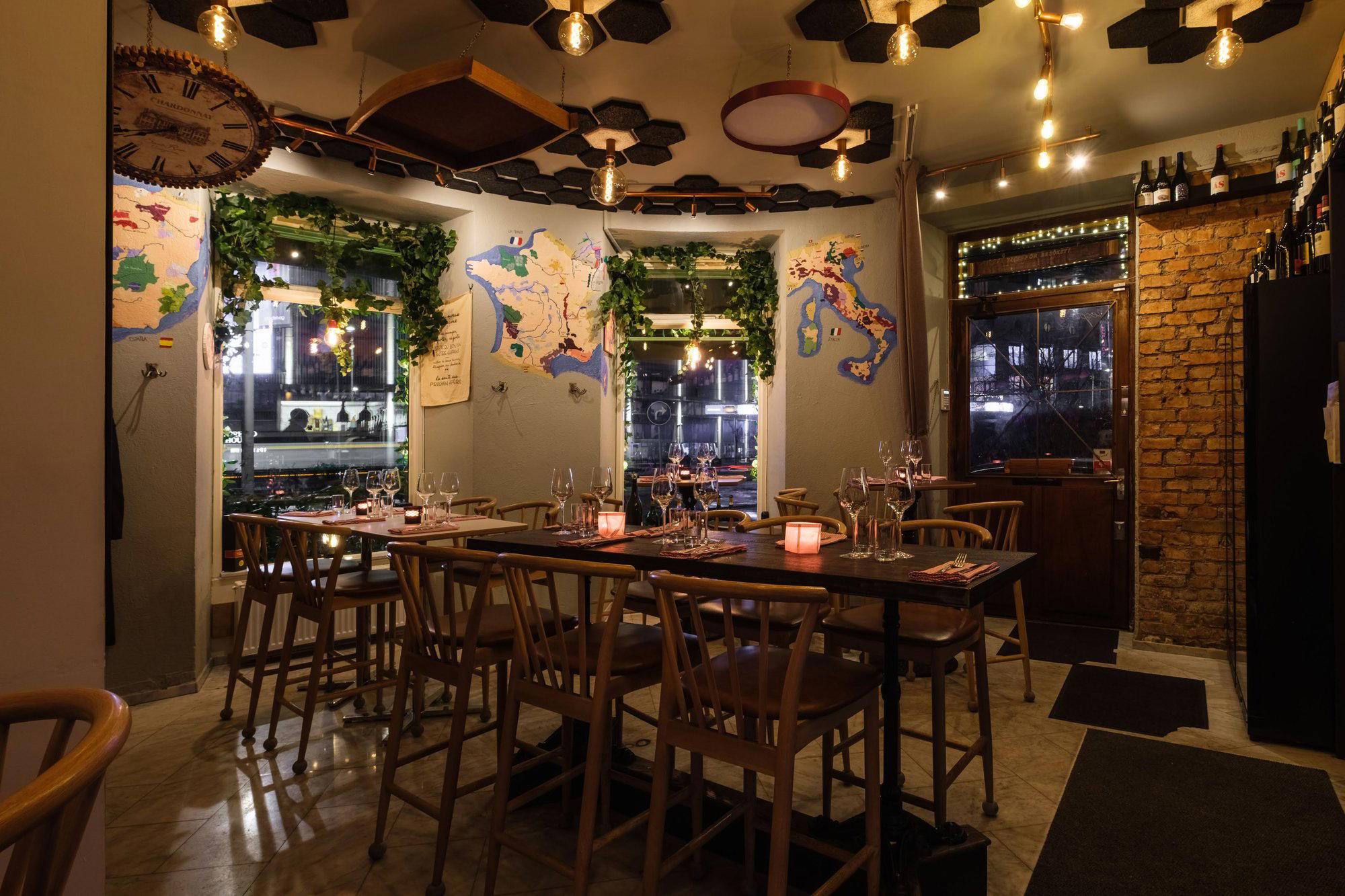
Cozy and welcoming bistro atmosphere with skilled, friendly service and excellent wine pairings.