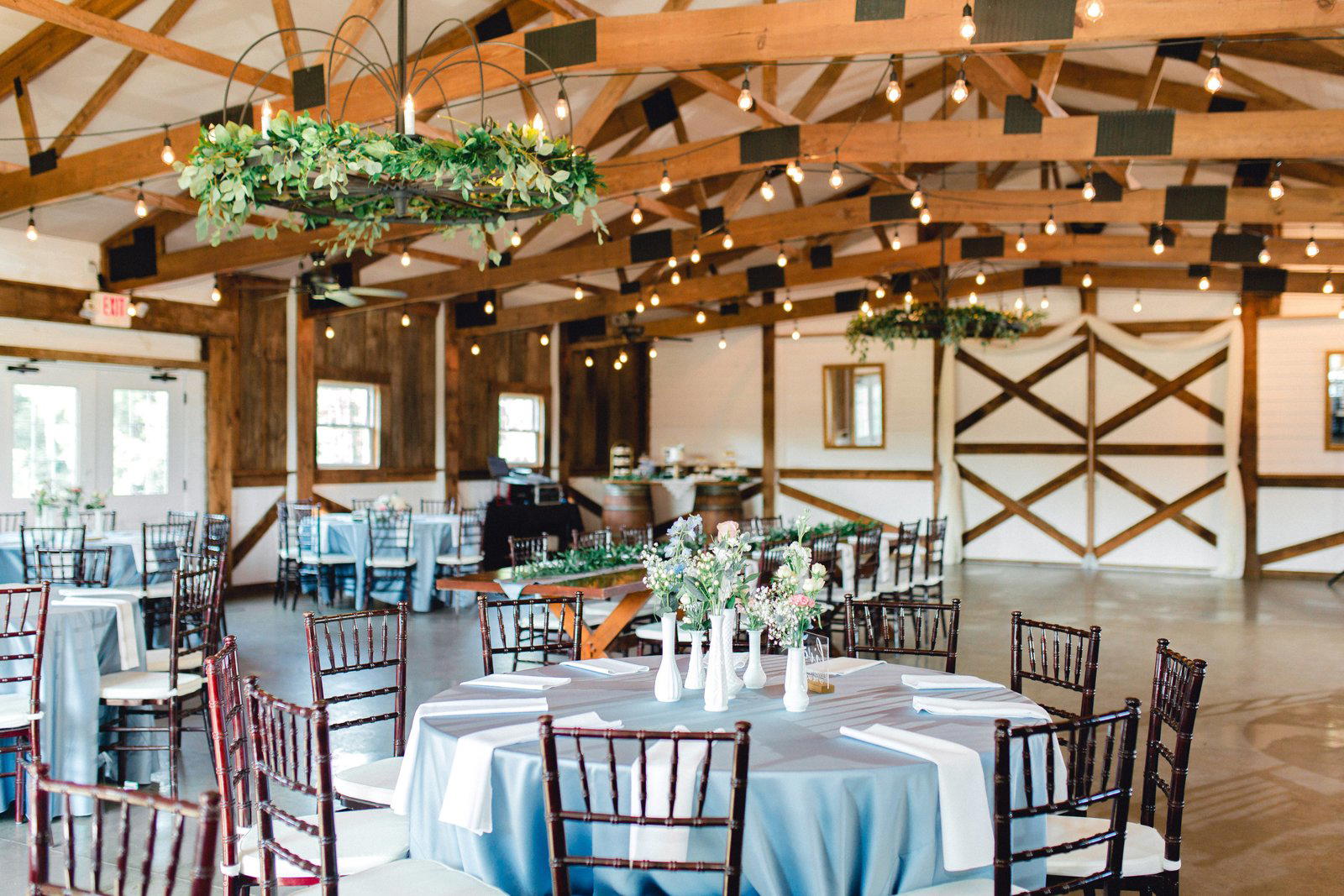
Blue Atlas Restaurant and Market
Our verdict
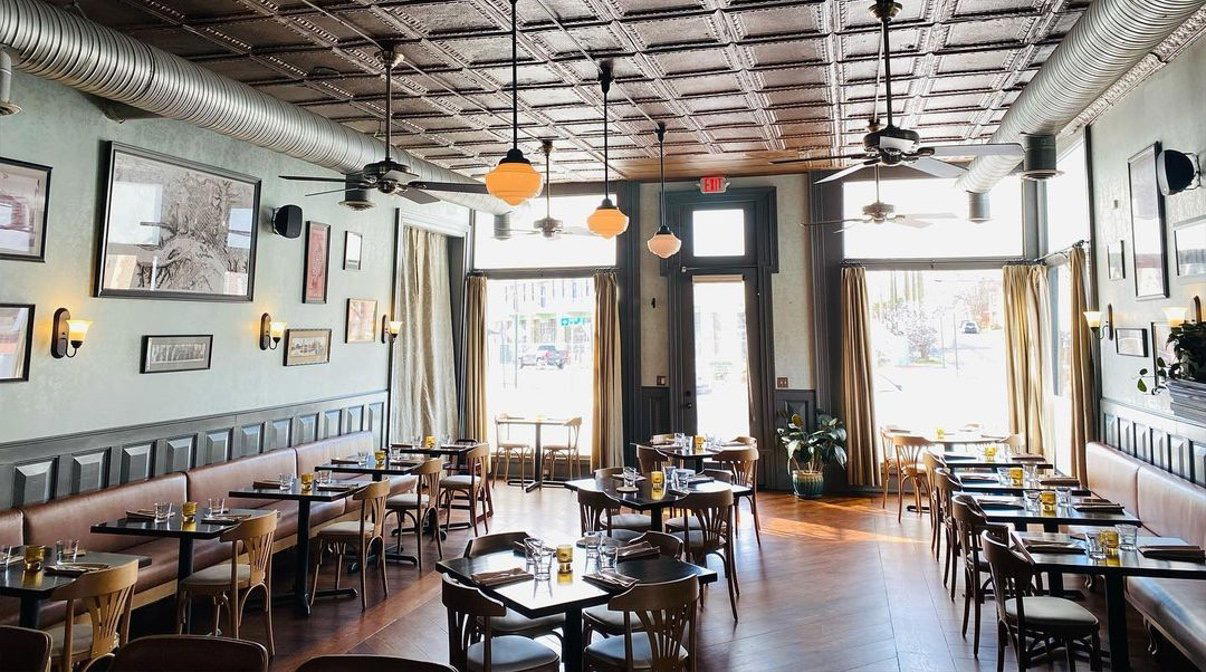
Blue Atlas Restaurant and Market occupies a suite address on Carlisle Avenue in Richmond's eastern corridor, operating at the intersection of restaurant dining and retail market. The dual format places it in a small category of Richmond venues where the shopping and eating experiences are designed to reinforce each other, offering a practical entry point into the city's expanding food scene.

Pearl is the En Primeur Club membership app — saves, bookings, and concierge access live there. Same editors, same standards.
- Address
- 1000 Carlisle Ave # 200, Richmond, VA 23231
- Phone
- (804) 554-0258
- Hours
- Mon–Tue ClosedWed–Sat 9 AM–9 PMSun 9 AM–2:30 PM, 5–8 PM
- Website
- blueatlasrva.com
- Directions
- Get directions
The menu
What to order
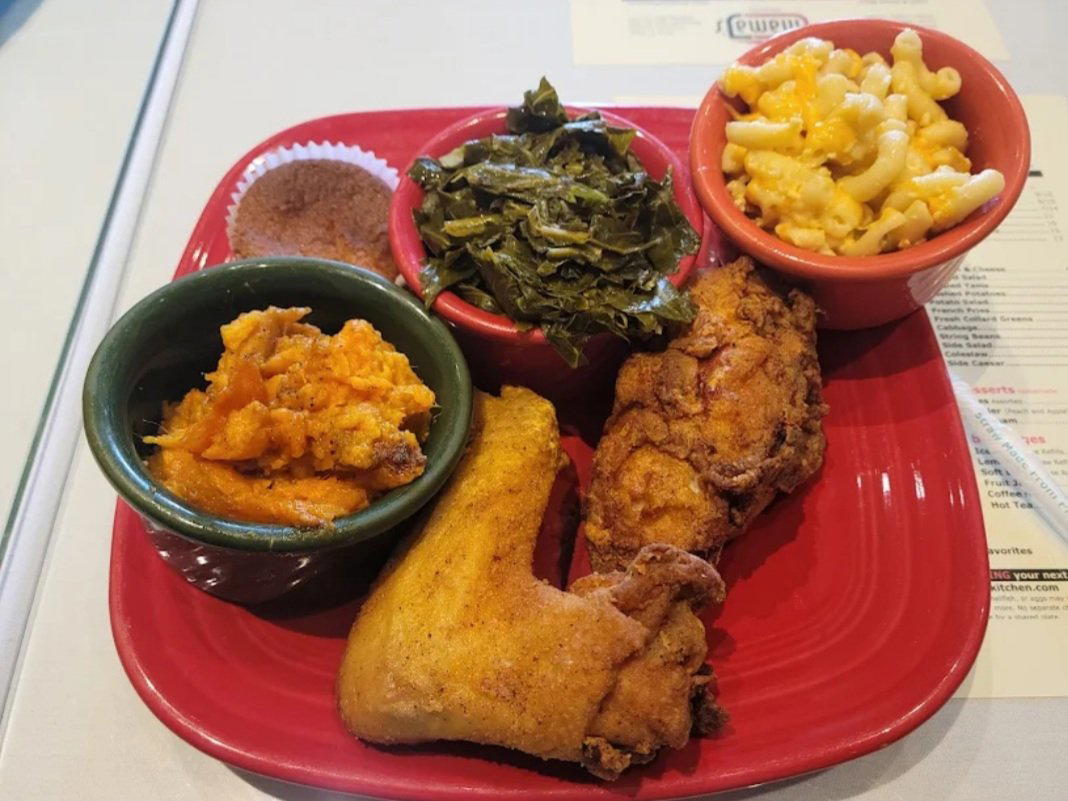
- Hearts of Palm Ceviche
- Pan-fried Catfish
- Butternut Squash Perogies
- Bao Bun
- Roasted Cauliflower with Harissa
Richmond's Dual-Format Dining: Where the Market Floor Meets the Table
Richmond's restaurant scene has spent the past decade sorting itself into recognizable tiers: the tasting-menu counters drawing comparisons to destinations like The French Laundry in Napa or Smyth in Chicago, the neighborhood anchors doing serious daily-volume work, and a smaller, less-discussed category of hybrid formats where a market component and a dining room share the same address. Blue Atlas Restaurant and Market, located at 1000 Carlisle Avenue in Richmond's eastern stretch, belongs to that third category. The combination of retail and table-service under one roof is not new in American cities — you find it at farm-adjacent operations like Blue Hill at Stone Barns in Tarrytown and in various iterations along the West Coast — but it remains uncommon enough in Richmond that venues attempting it occupy a distinct position in the local conversation.
The Carlisle Avenue address places Blue Atlas in a part of Richmond that sits east of the more-trafficked corridors near Carytown or the Fan district. That geography matters for context. Restaurants in less-toured parts of a city often operate with a different relationship to their neighborhood: they depend on it rather than filtering through it, and the market component of a hybrid format tends to reflect that dependency directly. A retail shelf stocked with pantry goods or local producers tells you more about where a restaurant's supply relationships actually run than any menu description could.
The Wine Angle in a Market-Restaurant Format
In hybrid restaurant-and-market formats across the country, the wine program tends to reveal the operation's ambition more clearly than the food menu. A kitchen can pivot seasonally, respond to supply, and adjust portion economics. A cellar or retail wine section requires longer-term commitment: you source it months in advance, price it against a specific customer expectation, and signal through selection whether you're competing with convenience retail, with specialist bottle shops, or with the dining programs at places like Le Bernardin in New York City or Providence in Los Angeles.
At market-integrated venues, the wine section often functions as a curated shorthand for the restaurant's sourcing philosophy. When a market stocks natural producers or small-allocation domestic bottles alongside imported selections, it positions the broader operation within the food-and-drink culture that those categories represent, rather than playing to volume retail. Richmond has seen this approach develop steadily across its dining community, with venues like Alewife establishing a precedent for thoughtful beverage curation as a distinct editorial statement. Blue Atlas sits within that broader pattern, operating a format where the retail and table programs are, at minimum, visible to each other and, at leading, genuinely integrated.
Venues that invest in a market component alongside a restaurant service tend to attract a customer who is making a deliberate trip rather than a spontaneous one. That changes the wine dynamic: buyers at a market-restaurant often want to eat well and take something home, and the cellar or retail section needs to serve both impulses without feeling like two separate operations sharing a room. Formats that resolve that tension successfully, as Single Thread Farm in Healdsburg has done with its shop and tasting program, tend to develop stronger local loyalty than either a pure restaurant or a standalone bottle shop would.
Richmond's Eastern Corridor and What It Produces
Placing a restaurant at a suite address on Carlisle Avenue rather than in one of Richmond's more heavily covered dining districts is itself a positioning decision. The city's food coverage has historically concentrated on Carytown, Scott's Addition, and Church Hill, with the eastern corridor receiving less editorial attention despite supporting a range of independently operated venues. For comparison, the Richmond dining addresses that draw the most consistent coverage tend to cluster within those better-known zones: 8 ½ in The Fan, 4 Stones Vegetarian Cuisine, and 2207 Macdonald all operate within zones with established foot traffic and dining density. A venue at a Carlisle Avenue suite address, by contrast, draws a customer who is coming specifically for that operation rather than wandering in from neighboring restaurant traffic.
That dynamic has practical consequences for how the dining room and market interact. Without the overflow foot traffic of a dense dining corridor, the venue builds its customer base through a more direct relationship: word of mouth, neighborhood regulars, and the kind of social-media presence that translates market finds into table visits. Venues that succeed in that position often develop a more consistent, if smaller, loyal base than their higher-profile counterparts in prime zones. For context, Richmond's dining map at the outer edges includes addresses like 3200 Rockbridge St, which similarly operates away from the most-trafficked corridors.
Seasonal Timing and How to Plan a Visit
Market-restaurant formats follow a different seasonal logic than pure dining operations. Spring and summer typically intensify the retail market side: local producers bring more varied inventory, the visual appeal of a stocked market floor is at its strongest, and customers combine shopping and dining as a weekend activity rather than a weeknight routine. Autumn shifts the logic toward preservation-oriented goods and wine selections that lean heavier, and a market stocked accordingly can position itself as a destination for seasonal pantry restocking alongside a lunch or dinner. For a hybrid format like Blue Atlas, timing a visit to coincide with a season when the market component is at full depth makes practical sense, since the retail floor and the dining program inform each other's character more visibly when both are operating at full range.
For planning purposes, the Blue Atlas address at 1000 Carlisle Avenue, Suite 200, Richmond, VA 23231 is confirmed. Richmond's dining map rewards the kind of advance research that separates a productive visit from a wasted trip, particularly at venues operating outside the main tourist corridors. The full Richmond restaurants guide provides additional context for building a complete itinerary around the city's current dining range.
For broader calibration on what market-integrated dining formats can achieve at the higher end of American hospitality, the programs at Addison in San Diego, Lazy Bear in San Francisco, and Emeril's in New Orleans offer useful reference points for how dining and retail or community-facing programming can coexist at different scales. At the international level, operations like Atelier Moessmer Norbert Niederkofler in Brunico and Atomix in New York City demonstrate how a coherent sourcing philosophy expressed across multiple formats builds a more durable identity than a single-channel operation. Blue Atlas operates at a different scale and price point than those references, but the underlying logic of integration applies regardless of tier.
Frequently asked questions
What part of town is Blue Atlas Restaurant and Market in?
Blue Atlas Restaurant and Market is located at î1000 Carlisle Ave # 200, Richmond, VA 23231, Richmond.
Is Blue Atlas Restaurant and Market worth visiting if you're coming from outside Richmond's main dining districts?
The Carlisle Ave address places Blue Atlas in Richmond's eastern corridor rather than in the more covered Short Pump or Scott's Addition circuits, which means less foot traffic and a more local-facing clientele. That positioning tends to produce a different operating rhythm than destination-district restaurants: fewer tourists, more repeat neighborhood customers, and a retail market side that reflects genuine community demand. For visitors willing to cross into the eastern corridor, that trade-off in convenience often comes with a more grounded dining experience.
What should I eat at Blue Atlas Restaurant and Market?
Blue Atlas operates as both a restaurant and a retail market at 1000 Carlisle Ave in Richmond, so the smart move is to let the market floor guide your order. Hybrid formats like this typically rotate offerings around what is freshest in stock, meaning the menu shifts with procurement rather than following a fixed script. Arrive with flexibility rather than a fixed dish in mind, and ask staff what came in that day.
What's the best way to book Blue Atlas Restaurant and Market?
For market-restaurant hybrids, walk-in visits during off-peak hours often work well, particularly on weekday lunches when retail traffic is lighter.
Nearby-ish Comparables
Comparable venues nearby, for context on price, style, and recognition.
| Venue | Cuisine | Price | Awards | Notes |
|---|---|---|---|---|
| Blue Atlas Restaurant and MarketThis venue — the venue you are viewing | Global Small Plates | $30–50 | Not listed | Not listed |
| McCormack's Whisky Grill | American Whisky Grill & BBQ | $20–30 | Not listed | Fan District |
| Longoven | Modern Seasonal Fine Dining | $150–200 | We're Smart World 2 Radishes | Scott’s Addition |
| Joe's Inn the Fan | American Comfort Food & Gastropub | $20–30 | Not listed | The Fan |
| Kismet Modern Indian RVA | Modern Indian | Not listed | Not listed | Scott's Addition |
| Island Shrimp Co. Rocketts Landing | Tropical Seafood | $20–30 | Not listed | Rocketts Landing |