Alchemist
At Schifflände 1, Alchemist occupies a position along Basel's Rhine-facing edge where the city's appetite for serious dining meets its instinct for restraint. The address alone places it in conversation with the broader set of ambitious restaurants reshaping what a Swiss river-city table can mean. For Basel's fine dining tier, this is one address worth examining closely.
Pearl is the En Primeur Club membership app — saves, bookings, and concierge access live there. Same editors, same standards.
- Address
- Schifflände 1, 4051 Basel, Switzerland
- Phone
- +41615618868
- Website
- alchemistbasel.ch
- Directions
- Get directions
 Saves & bookings on Pearl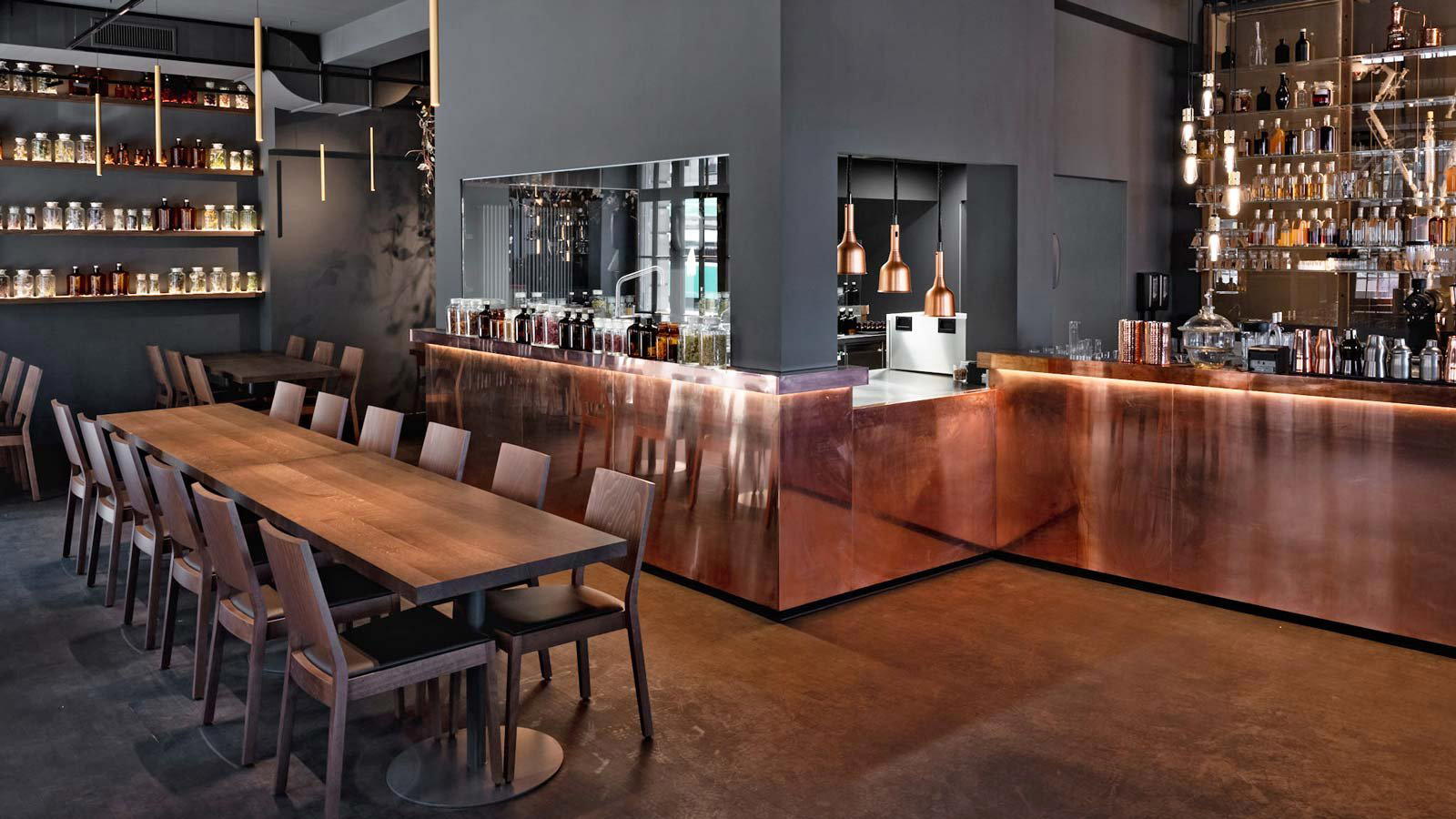
Basel's Fine Dining Tier and Where Alchemist Sits Within It
Basel has spent the past decade building a dining identity that sits awkwardly between its Swiss-German pragmatism and its proximity to Alsace and the broader European fine dining circuit. The city's leading restaurants do not cluster around a single philosophy — you have the classically French rigour of Cheval Blanc by Peter Knogl, the vegetable-forward creative work at roots, and the technically ambitious contemporary French at Stucki - Tanja Grandits. Each represents a different answer to the same underlying question: what does serious dining look like in a mid-sized Swiss city that draws an internationally minded crowd through Art Basel and the pharmaceutical and chemical industries that anchor its economy?
Alchemist, addressed at Schifflände 1, sits along the Rhine-facing side of the old city, a placement that already signals something about its positioning. Basel's waterfront strip is not a tourist-trap zone in the way that riverfront dining can be in other European cities — the Schifflände area carries some civic weight, and a restaurant choosing that address is making a statement about its intended audience. Whether the kitchen lives up to that positioning is the actual question worth examining.
The Architecture of a Menu and What It Reveals
In fine dining, how a menu is structured tells you as much about a restaurant's ambitions as the dishes themselves. The progression from amuse to closing course, the decision about how many acts to give a meal, the degree to which the kitchen trusts a single ingredient to carry a course, these are all editorial choices that reveal a culinary point of view. Basel's most decorated kitchens tend toward structured tasting formats: the €€€€ tier represented by Cheval Blanc, roots, and Stucki all operate within that language of careful sequencing, where the meal is designed as a coherent arc rather than a collection of individual plates.
For a restaurant called Alchemist, the name alone invites a particular expectation, that transformation is central to the cooking, that ingredients are not simply sourced and plated but changed, combined, or reconsidered. The transformation metaphor in restaurant naming has become well-worn in European fine dining, but when it is matched by genuine technical ambition in the kitchen, it functions as a useful signal. How closely this kitchen delivers on that implied promise is the specific question that makes a visit worth planning with some deliberation.
Swiss fine dining more broadly has moved toward a model where the menu is the primary communication device, detailed, sometimes annotated, occasionally bilingual in recognition of the country's linguistic complexity. In a city like Basel, where German, French, and English all function as dining-room languages, a menu's physical design and the specificity of its descriptions carry extra weight. They are doing work that in a more culturally homogeneous city might be left to the room itself.
Placing Alchemist Within the Swiss Fine Dining Conversation
Switzerland's serious restaurant tier is genuinely competitive on a European scale. Properties like Hotel de Ville Crissier in Crissier, Schloss Schauenstein in Fürstenau, and Memories in Bad Ragaz set a national benchmark that is not easily dismissed. Further afield, Maison Wenger in Le Noirmont, Einstein Gourmet in Sankt Gallen, Da Vittorio - St. Moritz, Mammertsberg in Freidorf, La Table du Valrose in Rougemont, and focus ATELIER in Vitznau represent the range of ambition that Swiss fine dining now encompasses, from grand Alpine settings to intimate lakeside formats. In that context, Basel's own ambitious restaurants must do more than serve well-executed food. They need a distinct identity that justifies the price point when a guest has just flown in from somewhere with a richer dining ecosystem.
The tasting-menu format that dominates this tier in Switzerland increasingly competes internationally with restaurants where the menu architecture is the experience, where the sequencing, pacing, and conceptual coherence of a meal are as considered as the cooking itself. Internationally, kitchens like Le Bernardin in New York City and experiential-format restaurants like Lazy Bear in San Francisco have demonstrated that structural ambition and culinary precision are not in tension; they amplify each other. The Japanese Restaurant in Andermatt demonstrates the same logic within Switzerland itself. A restaurant named for transformation, in a city that hosts serious international visitors, is implicitly making a claim to belong to that conversation.
Basel Context: What the City Demands of Its Serious Restaurants
Art Basel in June and the broader winter edition draw a global collector and dealer class that is experienced with serious dining in New York, London, Paris, and Tokyo. These are not guests who need education about tasting menus or wine pairing, they are guests who will notice when a sequence of courses lacks internal logic, when a wine list is padded with safe selections rather than edited with a point of view, or when the room's service rhythm breaks down under pressure. Basel's fine dining restaurants face this scrutiny seasonally, and those that hold up tend to be the ones with the most deliberately engineered dining architecture.
For guests visiting during non-fair periods, the city's serious restaurants operate under different but related pressure, they need to be good enough to justify a deliberate visit rather than incidental proximity. Schifflände 1 is accessible from the old city on foot, which makes Alchemist a plausible destination for guests staying centrally. Planning in advance is the consistent advice for any Basel restaurant in the €€€€ tier; the city's serious kitchens run at capacity during fair weeks and book ahead even in quieter months. Consulting the full context of our Basel restaurants guide gives useful comparative framing for calibrating where this address sits among Basel's options, including notable mid-range alternatives like 1777 and Ackermannshof.
Planning Your Visit
Schifflände 1 is within walking distance of Basel's central train station area and easily reachable from most city-centre hotels. As with most fine dining addresses in Basel, booking ahead is advisable, the city's serious restaurant tier is small, and availability tightens significantly around Art Basel in June and the MCH trade fair calendar.
How Alchemist Basel compares with similar nearby venues.
| Venue | Cuisine | Price |
|---|---|---|
| Cheval Blanc by Peter Knogl | Classic French | €€€€ |
| Brasserie Les Trois Rois | French, Classic French | €€€ |
Continue exploring
More in Basel
Restaurants in Basel
Browse all →
Bars in Basel
Browse all →
Hotels in Basel
Browse all →

At a Glance
- Modern
- Trendy
- Whimsical
- Cozy
- Sophisticated
- Date Night
- Casual Hangout
- Special Occasion
- Open Kitchen
- Craft Cocktails
Current opening hours
- Monday
- 11:30 AM–2 PM, 5–11 PM
- Tuesday
- 11:30 AM–2 PM, 5–11 PM
- Wednesday
- 11:30 AM–2 PM, 5–11 PM
- Thursday
- 11:30 AM–2 PM, 5–11 PM
- Friday
- 11:30 AM–2 PM, 5 PM–12 AM
- Saturday
- 5 PM–12 AM
- Sunday
- Closed
Hours can change for holidays and private events. Last verified .
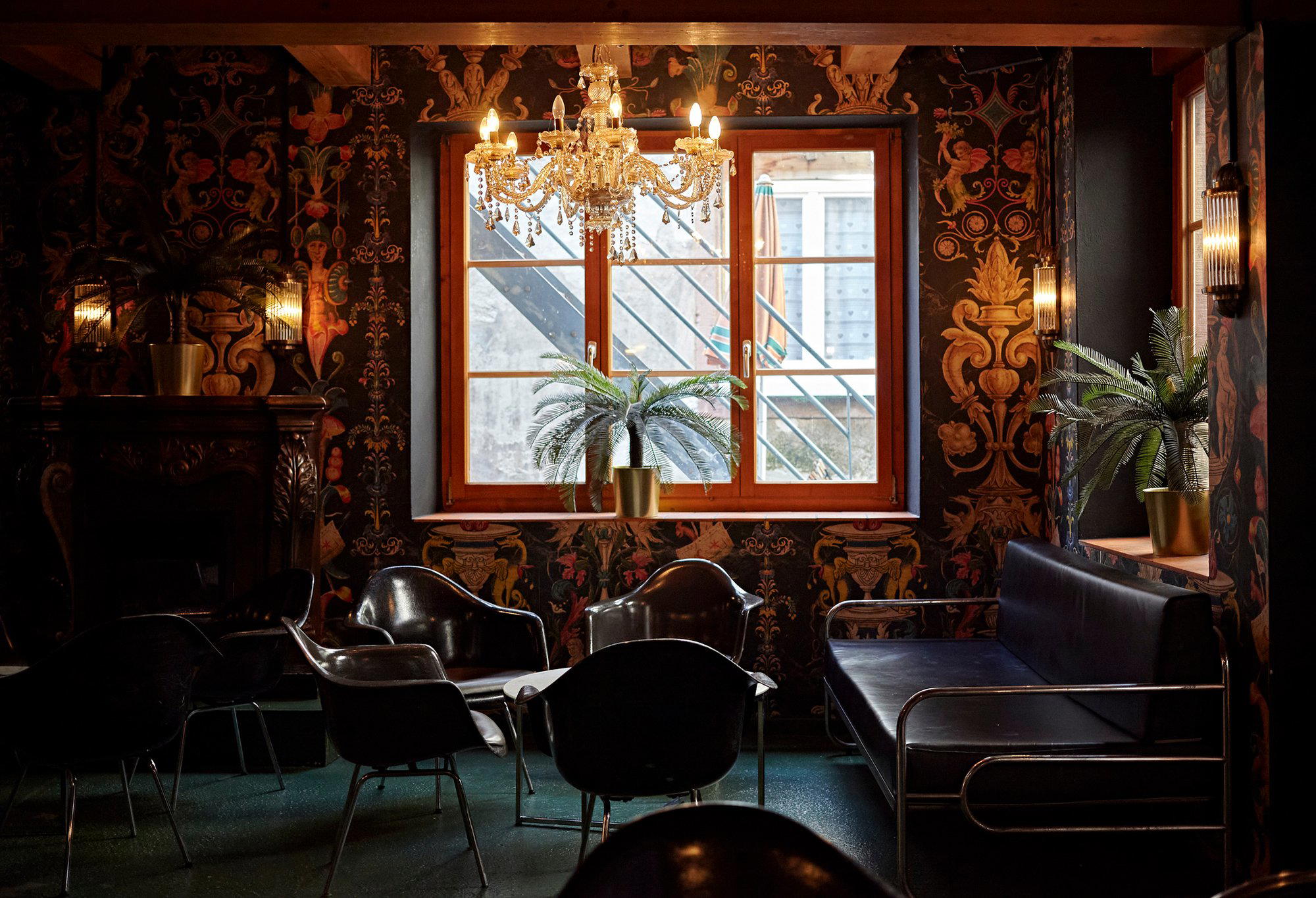
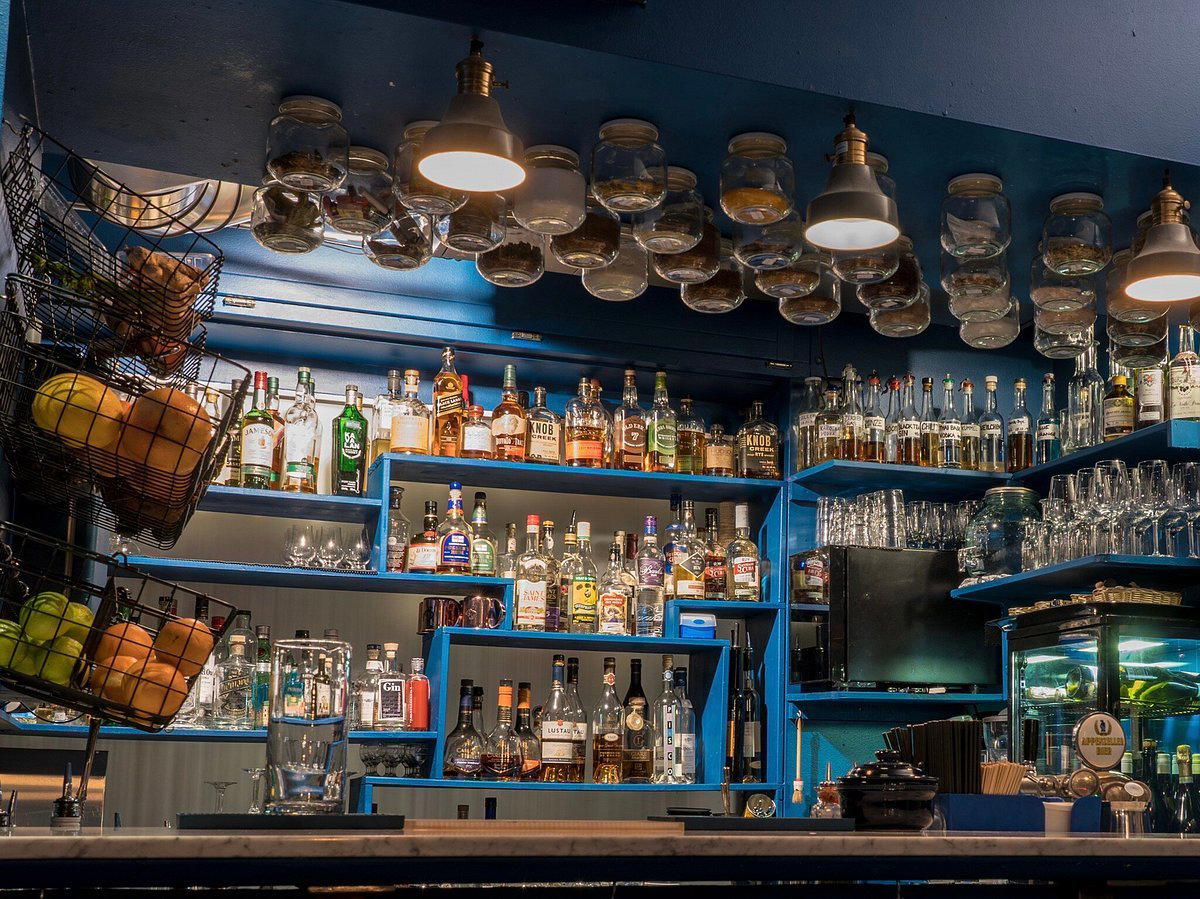
Cozy and lively atmosphere with warm patinated dark surfaces, brass and copper light fixtures, and an open kitchen evoking a curiosity cabinet.
Know Before You Go
- Getting there
- Schifflände 1, 4051 Basel, Switzerland