Alamo Cafe
Our verdict
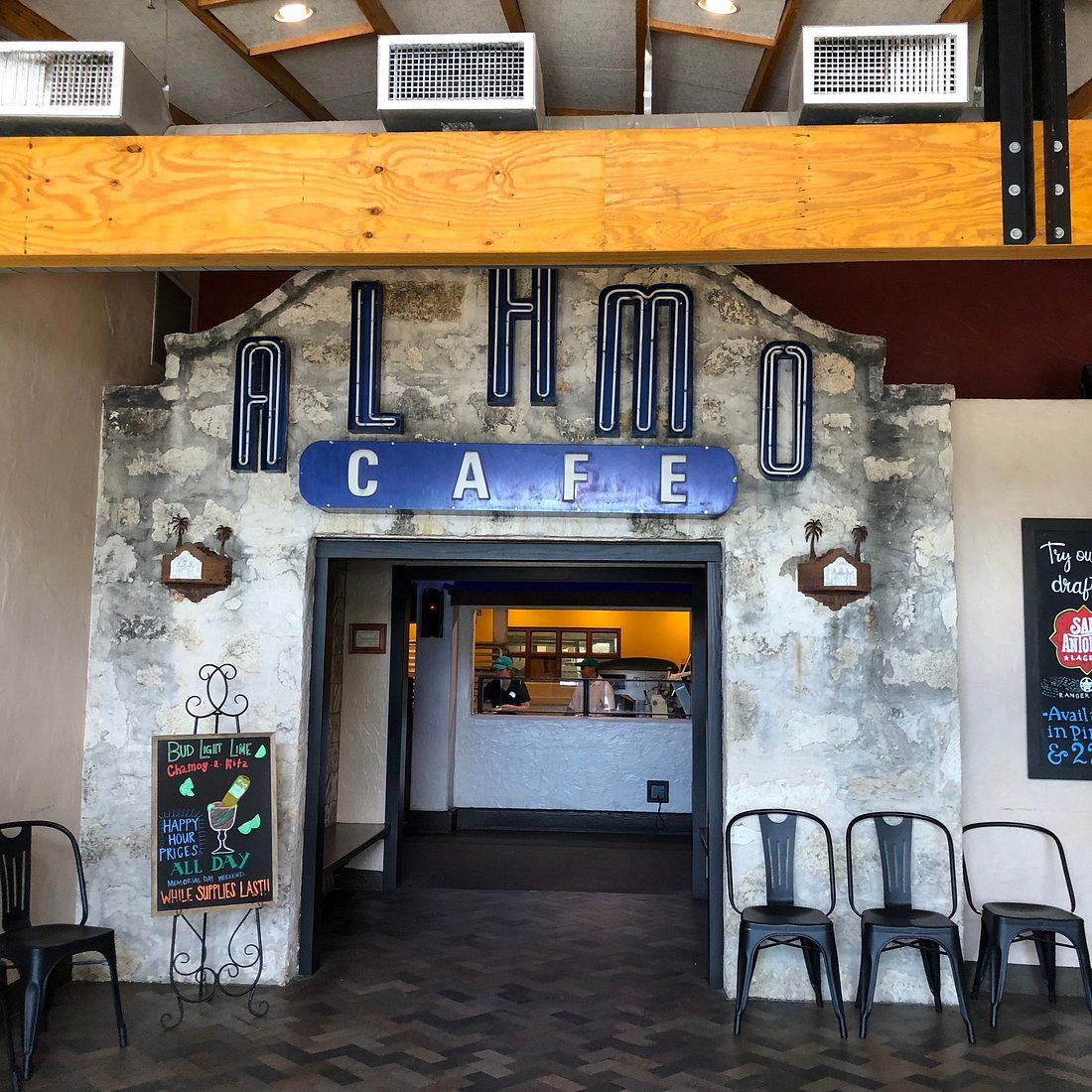
It occupies the kind of neighbourhood anchor role that newer concepts spend years trying to manufacture. For visitors mapping the city's casual dining character, it belongs on the same mental map as the broader San Antonio restaurant scene.

Pearl is the En Primeur Club membership app, where members save venues, book tables and use the concierge.
The menu
What to order
- Puffy tacos
- Handmade tortillas
- Queso
- Fajitas
San Antonio's North Corridor and the Tex-Mex Anchor Model
San Antonio's dining geography divides more cleanly than most Texas cities. Here the restaurants that matter are measured by longevity and repeat local custom rather than by press cycles or tasting-menu ambition.
This distinction matters when thinking about where Alamo Cafe fits relative to the full San Antonio dining map. Venues like Mixtli, which applies a serious scholarly lens to regional Mexican cuisine at the upper price tier, or Isidore, working in the contemporary Texan mode, represent a different ambition altogether. Alamo Cafe is not in conversation with that tier. It sits in the neighbourhood anchor category, where the trust signal is institutional memory rather than award hardware.
The Tex-Mex Format and What It Actually Means
Tex-Mex as a culinary category carries more critical baggage than it deserves. The cuisine that developed along the Texas-Mexico border through the nineteenth and twentieth centuries, absorbing ranching traditions, immigrant foodways, and the practical demands of feeding working populations, is a legitimate regional cuisine with its own grammar: flour tortillas, chile gravy, yellow cheese, cumin-forward spice profiles, and a preference for slow-cooked beef and pork cuts that reward long heat. Dismissals of Tex-Mex as inauthentic miss the point that authenticity is always local, and in San Antonio the local tradition is Tex-Mex.
Across the country, casual regional formats have been through significant pressure from fast-casual chains that appropriate regional identity without the neighbourhood embeddedness. The restaurants that survive in this environment generally do so because they hold genuine local loyalty rather than because they have differentiated on concept.
For comparison purposes, the kind of institutional weight that Alamo Cafe carries in its category is structurally similar to what venues like 410 Diner hold for diner-format dining in the city, or what 2M Smokehouse holds for the barbecue segment. Different cuisines, same mechanism: trust built over time with a local audience that returns by habit rather than by discovery.
Thinking About Drinks at a Tex-Mex Institution
The editorial angle of wine curation and cellar depth matters more at one end of the dining spectrum than the other. At venues like Le Bernardin in New York City, The French Laundry in Napa, or Smyth in Chicago, the wine program is a structural part of the dining proposition, with sommelier expertise, depth of allocation access, and cellar age all functioning as signals of the restaurant's peer positioning. The same applies, though in different registers, at places like Providence in Los Angeles, Addison in San Diego, or Atomix in New York City, where beverage programs carry genuine critical weight.
At a Tex-Mex neighbourhood anchor, the drinks conversation is different in kind. The relevant format is margaritas, frozen or on the rocks, with the house tequila and fresh lime ratio functioning as the equivalent signal. A well-made house margarita at a San Antonio institution tells you more about a kitchen's standards and consistency than the presence of a short, poorly chosen wine list would. The same principle applies at other regionally embedded casual formats: at Emeril's in New Orleans, for instance, the cocktail canon matters as much as the wine program in establishing the house's relationship with the local drinking culture. Context determines what beverage intelligence means.
Tex-Mex venues that have built serious drink programs around agave spirits, regional beers, and house-made mixes occupy a niche that has grown considerably in the past decade as craft spirits have become widely available. What the format suggests is that the margarita is the reference drink and the measure by which regulars make comparisons.
San Antonio's Dining Scene in Wider Context
Placing Alamo Cafe in national context requires some calibration. The venues that EP Club covers at the upper end of the American dining spectrum, from Lazy Bear in San Francisco to Blue Hill at Stone Barns in Tarrytown to Single Thread Farm in Healdsburg or The Inn at Little Washington, are in a different conversation about sourcing philosophy, kitchen technique, and sommelier programming. They also sit at price points and booking friction levels that represent a different kind of commitment from the diner.
The neighbourhood Tex-Mex anchor exists precisely because not every meal is a considered occasion. San Antonio's dining culture, more than most Texas cities, maintains a strong connection to casual formats that do not require advance booking, dress consideration, or budget allocation. That accessibility is a feature of the category, not a limitation. Visitors who spend their entire San Antonio dining budget at venues like 1Watson or Mixtli will get a serious read on the city's fine dining ambitions but will miss the grain of ordinary eating life that shapes how locals actually engage with food day to day.
For a complete picture of where to eat in the city, our full San Antonio restaurants guide maps the spectrum from neighbourhood institutions to tasting-menu destinations, with editorial context for each tier. And for those curious about how San Antonio's regional cooking compares to what venues like Atelier Moessmer Norbert Niederkofler in Brunico do with regional identity at the other end of the fine dining register, the comparison is instructive about how a cuisine's relationship to place can operate at very different price and ambition levels. For Tex-Mex at this address, the expectation should be a casual, family-facing environment where the format is familiar and the value proposition is consistency over novelty.
Frequently asked questions
Where is Alamo Cafe in San Antonio?
Alamo Cafe is located at 14250 San Pedro Ave, San Antonio, TX 78232, San Antonio.
How does Alamo Cafe compare to other Tex-Mex restaurants in San Antonio?
San Antonio is the city most closely associated with Tex-Mex's development as a distinct cuisine, which means the competitive field is genuinely deep. Alamo Cafe's address at 14250 San Pedro Avenue places it in the north-side residential corridor rather than the downtown or River Walk cluster, a geography that separates neighborhood regulars from tourist-facing operations. Among San Antonio's Tex-Mex establishments, that positioning aligns Alamo Cafe with venues whose reputation is built on repeat local business rather than visibility or awards.
How hard is it to get a table at Alamo Cafe?
Alamo Cafe sits at 14250 San Pedro Avenue in San Antonio's 78232 zip code, serving a residential north-side population that treats it as a regular rather than a destination. That format typically means shorter waits than River Walk restaurants drawing tourist traffic, though weekend evenings at established neighborhood anchors in San Antonio can still see lines. Calling ahead before a Friday or Saturday visit is the practical move.
What's the defining dish or idea at Alamo Cafe?
The defining idea at Alamo Cafe is the neighborhood anchor model: Tex-Mex served consistently to a returning local clientele rather than a rotating tourist audience. That distinction matters in San Antonio, where the River Walk corridor skews menus toward visitors. Alamo Cafe's positioning on San Pedro Avenue, well north of downtown, signals a kitchen tuned to repeat customers, which in Tex-Mex terms usually means chile sauces and combination plates that hold up across years rather than trend-driven revisions.
Can Alamo Cafe accommodate dietary restrictions?
Tex-Mex as a format offers some natural flexibility, rice, beans, and corn-based preparations are structurally vegetarian-adjacent, and most kitchens in the genre can work around straightforward requests.
Is Alamo Cafe worth it?
For visitors staying near the River Walk, Alamo Cafe requires a deliberate trip north to San Pedro Avenue, that's a choice, not a convenience stop. The case for making it is that San Antonio's north-side Tex-Mex institutions serve a local population with high baseline expectations for the cuisine, which tends to produce more consistent food than tourist-corridor alternatives. Whether that trade-off fits a given itinerary depends on how central Tex-Mex is to the visit.
How It Stacks Up
Comparable venues nearby, for context on price, style, and recognition.
| Venue | Cuisine | Price | Notes |
|---|---|---|---|
| Alamo CafeThis venue (the venue you are viewing) | Classic San Antonio Tex-Mex | $10–20 | Not listed |
| Pico de Gallo | Authentic Tex-Mex & Mexican | $10–20 | Market Square District |
| Nicha's Comida Mexicana | Authentic San Antonio Tex-Mex | $20–30 | South Side |
| La Hacienda de Los Barrios | Casero-Style Mexican | $20–30 | Kentwood Manor |
| Casa Rio | Classic San Antonio Tex-Mex | $20–30 | La Villita District |
| Aldaco's Mexican Cuisine | Contemporary Mexican Cuisine | $20–30 | Stone Oak-Sonterra |
Continue exploring
More in San Antonio
Restaurants in San Antonio
All restaurants in San Antonio →
Bars in San Antonio
All bars in San Antonio →
Details
- Lively
- Rustic
- Family
- Group Dining
- Casual Hangout
- Celebration
- Historic Building
- A La Carte
- Vegetarian Friendly
- Gluten Free Options
Current opening hours
- Monday
- 10:45 AM–10 PM
- Tuesday
- 10:45 AM–10 PM
- Wednesday
- 10:45 AM–10 PM
- Thursday
- 10:45 AM–10 PM
- Friday
- 10:45 AM–11 PM
- Saturday
- 10:45 AM–11 PM
- Sunday
- 10:45 AM–10 PM
Hours can change for holidays and private events. Hours as of .
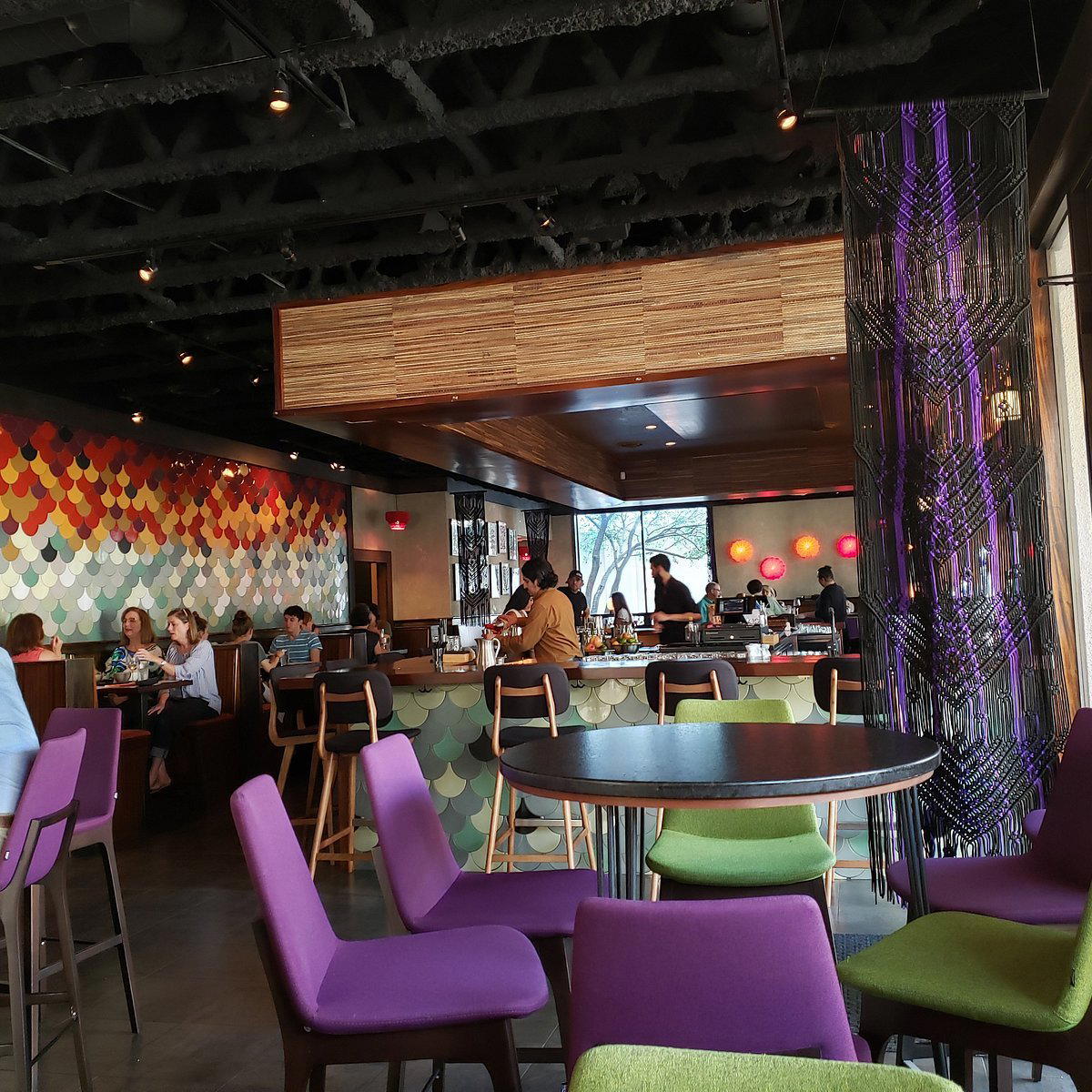
Festive and lively Tex-Mex atmosphere with a casual, family-oriented feel, though some note it feels outdated.