Akub


Akub brings contemporary Palestinian cooking to a four-floor Notting Hill townhouse, where chef Fadi Kattan structures the menu around the distinct regions of Palestine, Galilee, Gaza, the West Bank. The sharing format rewards group dining, dinner reservations book weeks ahead, and a Michelin Plate (2025) confirms the kitchen's standing. Wine runs from French bottles to producers in Palestine and Jordan, starting from £28.
Pearl is the En Primeur Club membership app — saves, bookings, and concierge access live there. Same editors, same standards.
- Address
- 27 Uxbridge St, London W8 7TQ, United Kingdom
- Phone
- +44 20 7792 2472
- Website
- akub-restaurant.com
- Directions
- Get directions
 Saves & bookings on Pearl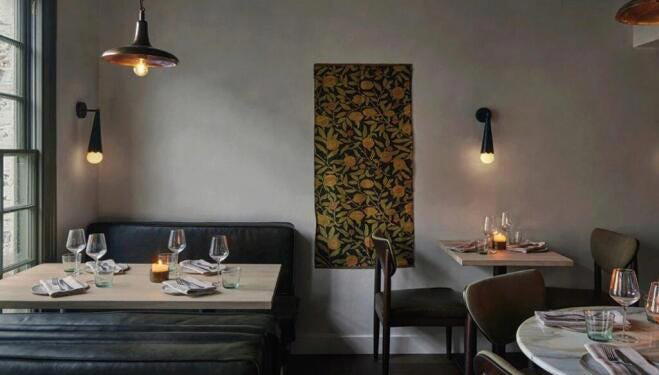
A Notting Hill Address, a Palestinian Kitchen
On Uxbridge Street, one of the quieter residential lanes running off Notting Hill Gate, the ground floor of Akub announces itself through white-painted brick, foliage trailing from metal fixtures, tiled floors, and ash-wood tables set beneath exposed beams. Bowls of fresh lemons line the surfaces. An olive tree occupies a corner. It is a space designed to feel domestic and convivial rather than formal, spread across four floors of a townhouse that manages to hold its character across each level. The physical environment is deliberate: Palestinian cooking at this register rarely reaches London, and the setting frames that absence without over-explaining it.
By 2025, it held a Michelin Plate, and dinner tables were booking weeks out. In a city where Palestinian cuisine has historically been absorbed into broader Middle Eastern categories or reduced to street-food formats, Akub operates at a different level of ambition and execution.
How the Menu Is Built, and What It Tells You
The menu at Akub is divided into three sections: ard (land, meaning vegetarian), bahar (sea), and lameh (meat). That tripartite structure is more than organisational tidiness. It maps directly onto the geography and agricultural identity of Palestinian cooking, where the coastal fishing traditions of Gaza sit alongside the grain-farming of the West Bank and the olive-growing highlands of Galilee. By labelling sections this way, the kitchen makes the regional diversity of Palestinian food a visible part of the meal's architecture rather than a footnote.
This is not a menu that compresses its subject into a single representative style. The flavours of different Palestinian regions appear as distinct registers: the charred wheat and saffron of a freekeh risotto, the sour brightness of loumi (black lemon) against skate kofta, the laban jameed sauce that pools beneath the mansaf parcels. Each dish functions as a coordinate on a wider map. Eating in sequence, you accumulate a sense of the cuisine's range rather than a single dominant flavour profile.
The sharing format reinforces this. Individual plating would allow diners to stay within a single section or ingredient register. Ordering across the table pushes the meal toward the kind of breadth that communicates Palestinian hospitality as a social practice, not just a cooking style.
The Dishes in Context
The crunchy mansaf has become the reference point for most first-time visitors: crispy golden filo parcels stuffed with pulled lamb shoulder and rice, served over a bright yellow laban jameed sauce made from fermented goat's milk yoghurt. Mansaf is a classic Bedouin dish with deep ceremonial significance in the Levant, and the decision to serve it as deep-fried parcels rather than the traditional platter presentation is a considered modernisation rather than a casual reinvention. The structural shift, from communal bowl to individual crisp unit, adapts the dish for a restaurant context without dissolving its flavour logic.
Elsewhere, the zaatar bread arrives warm and soft, topped with sumac, thyme, toasted sesame, and olive oil. A Dead Sea chocolate cake, its sweetness cut with sea salt and served alongside caramel and tahini ice cream, brings Levantine ingredient logic into the dessert course. These are not novelty pairings. Tahini and chocolate, sea salt and dark sugar, are combinations that have long existed in the region's home kitchens. The kitchen's skill is in presenting them with enough precision to communicate that familiarity rather than disguising it behind technique.
The Drinks List as Extension of the Menu's Geography
The wine list at Akub treats its Palestinian and Jordanian selections as peer options rather than curiosity add-ons. French bottles appear alongside bottles from the Taybeh Winery in Palestine, with the list running to 25 wines from £28. The cocktail programme pulls from Levantine ingredients, arak, dates, apricots, and the beer selection includes regional options. For diners unfamiliar with Palestinian or Jordanian wine production, this list provides a useful, low-pressure introduction. For those already familiar, it confirms that the kitchen's geographic ambition extends beyond the food to the whole table experience.
Where Akub Sits in London's Dining Scene
London's current restaurant culture has room for a narrow band of cuisines from the Eastern Mediterranean and Levant, but that space tends to cluster around Lebanese and Israeli cooking, with Palestinian cuisine receiving far less dedicated attention at a serious restaurant level. Akub occupies a gap that most of the city's ££££-tier dining, CORE by Clare Smyth, The Ledbury, Sketch, The Lecture Room and Library, Restaurant Gordon Ramsay, Dinner by Heston Blumenthal, does not address. Its ££ price point places it below that tier but well above the city's fast-casual Middle Eastern formats, in a mid-range bracket where the combination of culinary specificity and Michelin recognition is relatively rare.
The Notting Hill location is a logical fit. The neighbourhood has historically supported independent restaurants with strong culinary identities, it is not a destination area for corporate dining rooms or hotel restaurants, and its resident and visitor base tends toward the food-literate.
Loumi in Berlin works adjacent territory in a different European city, while back in the UK, the wider field of serious modern cooking is documented across venues including The Fat Duck in Bray, L'Enclume in Cartmel, Moor Hall in Aughton, Gidleigh Park in Chagford, Hand and Flowers in Marlow, and Le Manoir aux Quat' Saisons in Great Milton.
Planning Your Visit
Akub is at 27 Uxbridge Street, London W8 7TQ, a short walk from Notting Hill Gate station. Dinner reservations are in high demand and can require weeks of advance planning, this is not a restaurant to approach on a walk-in basis for evening service. The ££ price range makes it accessible relative to Michelin-recognised peers across the city, and a group of four or more will get full value from the sharing format. The four-floor layout means the room can absorb larger bookings without the space feeling overwhelmed.
At-a-Glance Comparison
Comparable venues nearby, for context on price, style, and recognition.
| Venue | Cuisine | Price | Awards | Notes |
|---|---|---|---|---|
| AkubThis venue — the venue you are viewing | Modern Palestinian | $$$ | Michelin Plate | Not listed |
| Bubala | Modern Middle Eastern Vegetarian | $$$ | Michelin Plate | Soho |
| Ottolenghi | Modern Middle Eastern Small Plates | $$$ | Not listed | Spitalfields |
| The French House | Rustic French Bistro | $$$ | Michelin Plate | Soho |
| Sorella | Amalfi Coast-Inspired Italian | $$$ | Michelin Plate | Clapham |
| Six Portland Road | Modern British Bistro | $$$ | Michelin Plate | Notting Hill |
Recognition history
Dated appearances from independent guides and award organizations, with the underlying list record or original source where available.
Michelin Plate
Michelin
Michelin Plate
Michelin
The Good Food Guide GFG Good
The Good Food Guide
Continue exploring
More in London
Restaurants in London
Browse all →
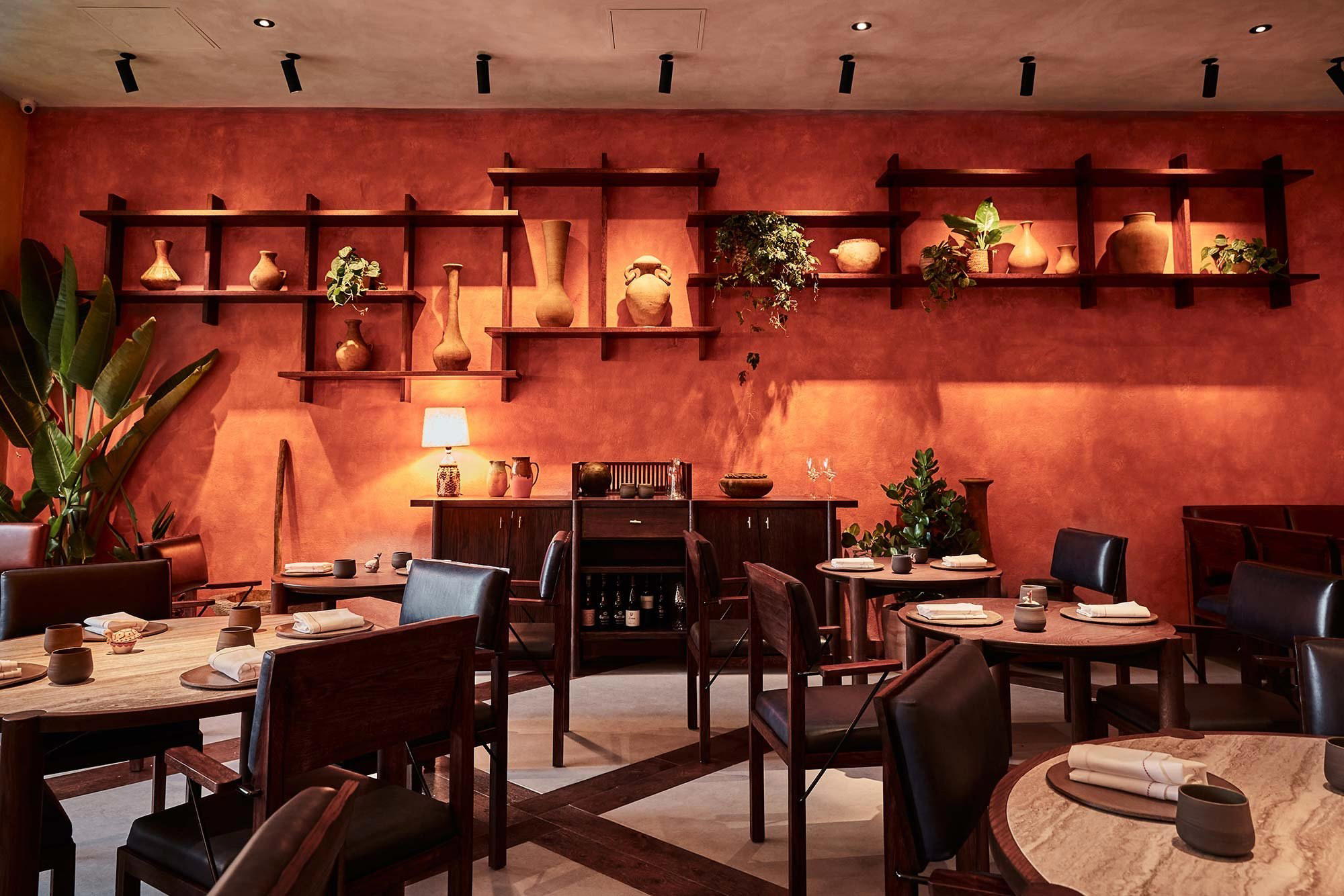
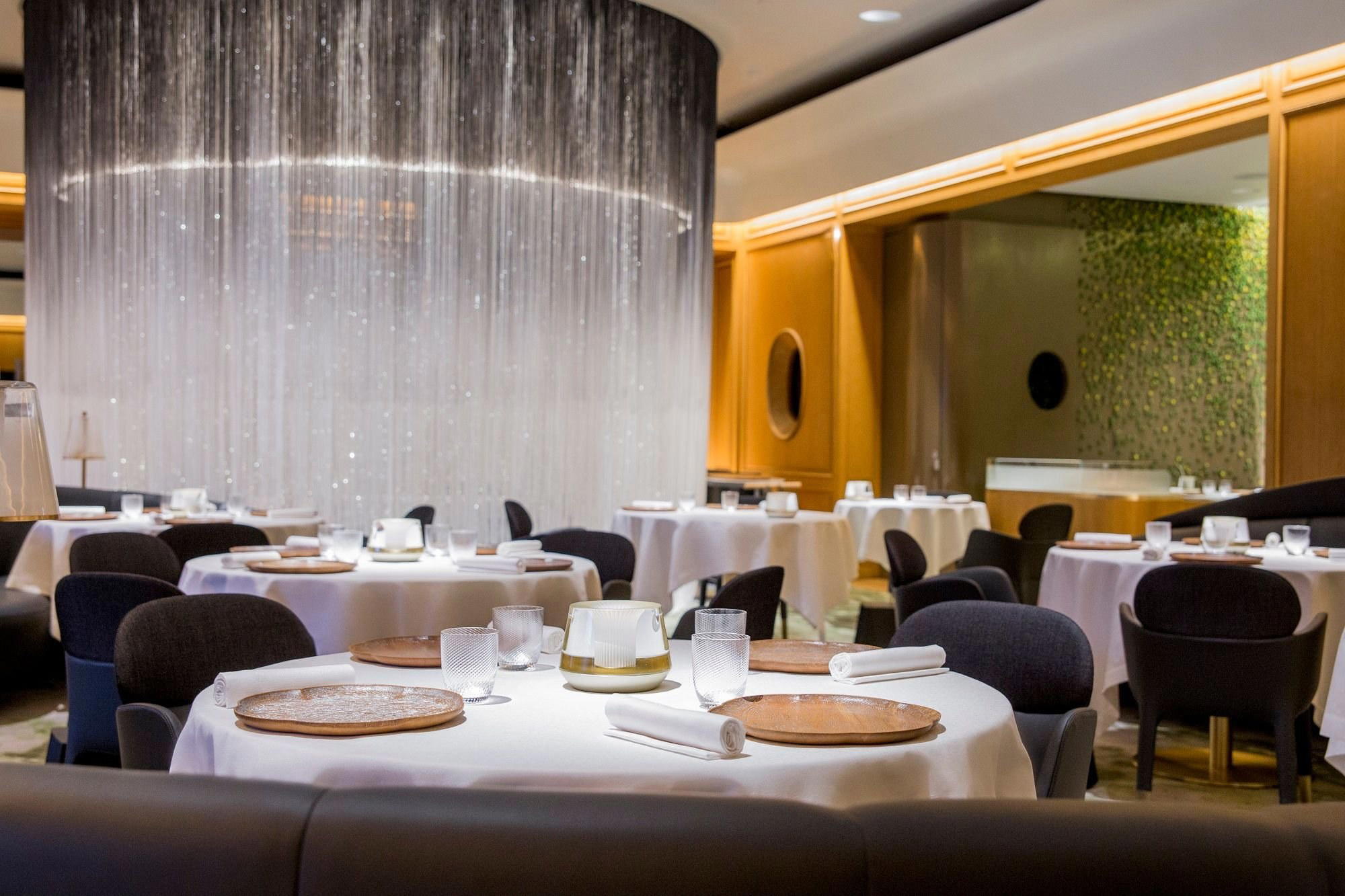
Bars in London
Browse all →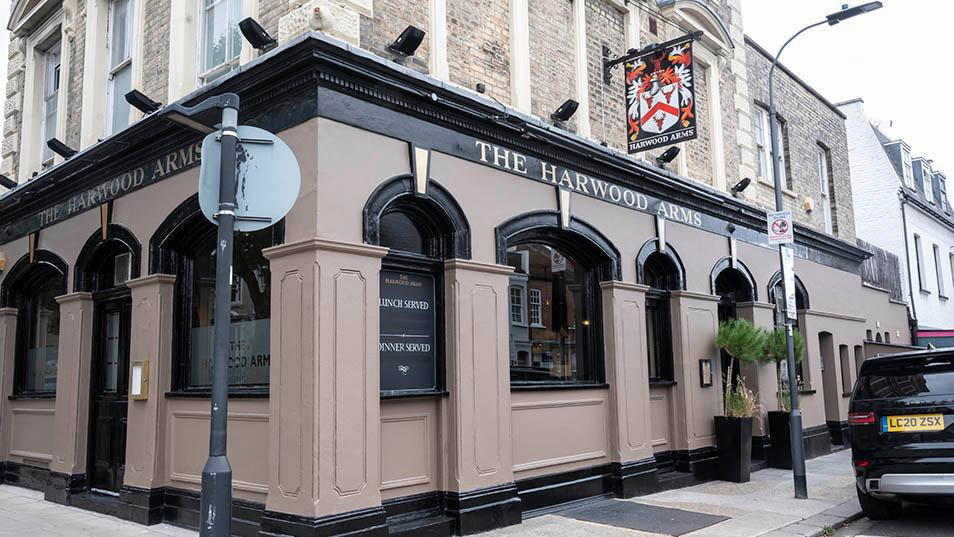
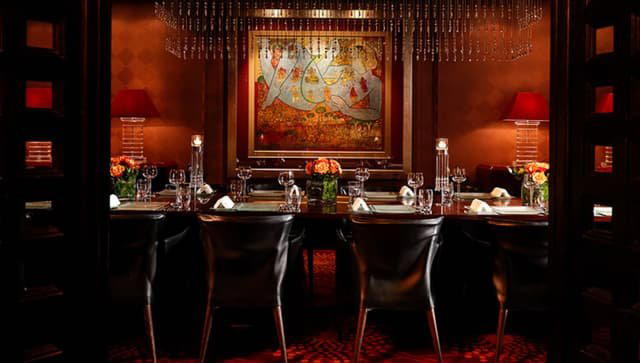
Hotels in London
Browse all →

At a Glance
- Cozy
- Trendy
- Elegant
- Date Night
- Group Dining
- Special Occasion
- Open Kitchen
- Craft Cocktails
Current opening hours
- Monday
- Closed
- Tuesday
- 12–3 PM, 6–11 PM
- Wednesday
- 12–3 PM, 6–11 PM
- Thursday
- 12–3 PM, 6–11 PM
- Friday
- 12–3 PM, 6–11:30 PM
- Saturday
- 11 AM–3 PM, 6–11:30 PM
- Sunday
- 11 AM–3 PM
Hours can change for holidays and private events. Last verified .
Bright, airy space with white-painted brick walls, foliage, tiled flooring, ash-wood tables, and convivial atmosphere over multiple floors.