
Michelin Plate
Our verdict
Aiô brings Taiwanese cooking to Vila Mariana at a price point that invites repeat visits, earning consecutive Michelin Plate recognition in 2024 and 2025. In a São Paulo dining scene dominated by modern Brazilian and European fine dining, it occupies a rare position: serious, award-recognised Asian cuisine at accessible prices.

Pearl is the En Primeur Club membership app, where members save venues, book tables and use the concierge.
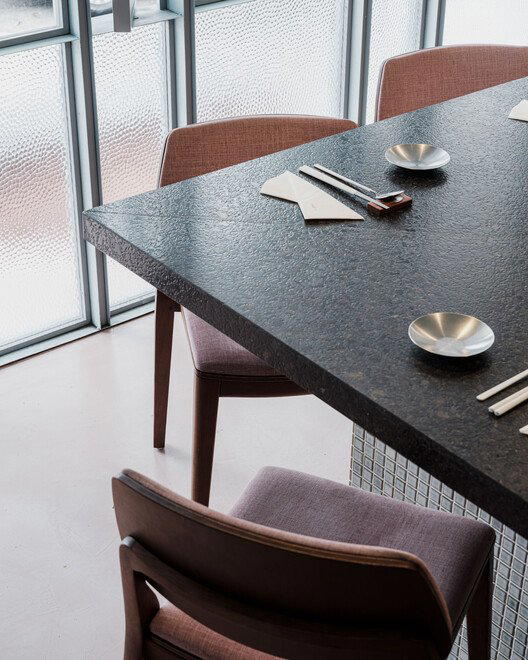
Where Taiwanese Cooking Finds Its São Paulo Register
Vila Mariana is the kind of neighbourhood that rewards exploration on foot: residential, unhurried, with a density of small restaurants that serve locals rather than visiting crowds. On Rua Áurea, a quiet residential stretch within that district, Aiô occupies a position that feels deliberately low-key for a restaurant that has now appeared in the Michelin Guide two consecutive years. The approach here is not to announce itself. The neighbourhood does the framing instead.
Taiwanese cuisine sits in an interesting position globally. It draws from Hokkien, Hakka, and Japanese colonial influences, producing a table that is neither mainland Chinese nor straightforwardly Southeast Asian. Noodle dishes in particular carry that complexity well: knife-cut wheat noodles in sesame-thickened broths, rice noodles served cold with braised pork fat and pickled mustard greens, thick hand-pulled strands in beef shank soups that have simmered for hours. The form of the noodle, the fat content of the broth, and the ratio of acidity to sweetness all vary dramatically across Taiwanese regional traditions. A restaurant that takes that range seriously has a lot of technical ground to cover.
In São Paulo, that culinary tradition has found limited representation at the level where Michelin pays attention. The city's Asian dining scene is substantial, São Paulo has one of the largest Japanese-Brazilian communities in the world, and the Liberdade district has anchored East Asian food culture for decades, but Taiwanese cooking as a distinct proposition, at a point of consistent quality, is a narrower category. Aiô has claimed that space, and the back-to-back Michelin Plate awards in 2024 and 2025 are the clearest external signal of where it sits within that gap.
The Noodle Tradition Behind the Menu
Taiwanese noodle culture is worth understanding on its own terms before arriving at Aiô. The island's most recognised noodle dish internationally is beef noodle soup, a post-1949 introduction from Sichuan-influenced military communities that became naturalised over decades. But the older, deeper tradition runs through mian xian, thin wheat vermicelli cooked in oyster broth, and ban mian, a hand-cut flat noodle served in pork-based soups, often with minced meat, dried shrimp, and dark vinegar on the side. Cold sesame noodles, lu rou fan (braised pork rice, though technically not a noodle dish, it appears in the same register of comfort food), and scallion oil noodles round out the everyday canon.
What distinguishes serious Taiwanese noodle cooking from surface-level versions is the layering of condiments and the quality of the base stock. A properly built beef noodle soup requires a clear distinction between the aromatic oil, the soy-braised meat, and the bone broth, three components that taste distinct even when combined in the bowl. That level of construction separates Taiwanese noodle cooking from faster approximations, and it is the kind of detail that earns repeated Michelin attention even at the Plate level, which signals consistent quality rather than star-level ambition.
For São Paulo diners more familiar with the city's Japanese-Brazilian or Cantonese-leaning Chinese restaurants, Aiô offers a distinct entry point into East Asian cooking that operates by different rules. The flavour profile runs toward soy, sesame, and fermented bean paste rather than the cleaner sashimi traditions or the sweet-and-sour Cantonese register. Compared to the Japanese cuisine at venues like Jun Sakamoto, which occupies a higher price tier and a completely different technical tradition, Aiô sits in the double-dollar range, closer in price to A Casa do Porco than to the city's two-Michelin-starred tables such as D.O.M. or Evvai.
Where Aiô Fits in São Paulo's Award-Recognised Dining
São Paulo's Michelin-recognised restaurant list covers a wide range of price points and cuisines, but its upper tiers are dominated by modern Brazilian and contemporary European cooking. Tuju and Maní represent the creative Brazilian tier; Italian-leaning venues like Fame Osteria anchor the European side. Taiwanese cooking at award-recognised quality occupies a much smaller niche, and the double-dollar price range makes Aiô accessible in a way that most Michelin-flagged São Paulo restaurants are not.
That score, at that volume, suggests broad approval rather than a niche constituency. Restaurants that earn Michelin Plate recognition sometimes draw a specialist audience; Aiô appears to have crossed into a wider local following, which is its own kind of validation for a cuisine that requires some education to appreciate fully.
For context on where Taiwanese cooking sits within the wider regional dining picture, the most direct reference points are in Taipei itself. Venues like Fujin Tree Taiwanese Cuisine and Champagne in Songshan and Golden Formosa represent how the cuisine is presented at the higher end of the source market.
Planning a Visit
Aiô sits at Rua Áurea, 307 in Vila Mariana, a neighbourhood in the south-central zone of São Paulo that is well served by the metro's Line 2 (Green), with Ana Rosa station within reasonable walking distance. The double-dollar price range positions it as an accessible dinner option rather than a special-occasion outlay.
Vila Mariana itself is worth treating as a destination rather than just a waypoint. The neighbourhood has a concentration of well-regarded smaller restaurants that sit outside the Jardins and Itaim Bibi circuits more commonly associated with São Paulo fine dining. For visitors building a broader São Paulo itinerary, our full São Paulo restaurants guide covers the city's range from neighbourhood staples to Michelin-starred tables. For accommodation and broader planning, our São Paulo hotels guide, bars guide, and experiences guide cover the full picture.
Beyond São Paulo, Brazil's Michelin-recognised dining circuit extends to venues including Lasai in Rio de Janeiro, Manga in Salvador, Manu in Curitiba, Mina in Campos do Jordão, Orixás North Restaurant in Itacaré, and Castelo Saint Andrews in Gramado, all of which map a country with considerable culinary range beyond its São Paulo centre.
What Should I Order at Aiô?
The editorial case for Aiô centres on its noodle and braised meat dishes, which sit at the core of Taiwanese cooking tradition. Dishes built around knife-cut or hand-pulled wheat noodles in soy-based or bone broth, alongside braised pork preparations, represent the strongest expression of what Taiwanese cuisine does at its most considered. That said, any restaurant rooted in Taiwanese tradition that earns this level of recognition in a city where the cuisine is underrepresented is worth approaching through its noodle dishes first: they are the most technically demanding to execute and the clearest indicator of how seriously the kitchen takes its source material.
Frequently asked questions
What awards or recognition does Aiô have?
Aiô has received recognition including: Michelin Plate (2025); Michelin Plate (2024).
What's the price range at Aiô?
Pricing at Aiô is listed as $$.
What should I order at Aiô?
The editorial case for Aiô centres on its noodle and braised meat dishes, which represent the core of Taiwanese cooking tradition. Dishes built around slow-braised proteins and hand-pulled or wheat noodles are the reference point for Taiwanese home and street cooking, and that tradition anchors the menu here. At a $$ price point in a Michelin Plate-recognised kitchen, the value proposition sits well above what the neighbourhood average typically delivers.
What's Aiô's location?
Aiô is located at R. Áurea, 307 - Vila Mariana, São Paulo - SP, 04015-070, Brazil, São Paulo.
Comparison Snapshot
| Venue | Cuisine | Price | Awards | Notes |
|---|---|---|---|---|
| AiôThis venue (the venue you are viewing) | Taiwanese-Brazilian Fusion | Not listed | Michelin Plate | Not listed |
| Evvai | Modern Italian-Brazilian Fusion | $200–300 | 3 Michelin Stars · World's 50 Best #95 | Contemporary Italian, Modern Cuisine |
| D.O.M. | Modern Brazilian Amazonian Fine Dining | $150–200 | 2 Michelin Stars · World's 50 Best #74 | Modern Brazilian, Creative |
| Maní | Modern Creative Brazilian | $50–100 | 1 Michelin Star · World's 50 Best #67 | Brazilian - International, Creative |
| Jun Sakamoto | Japanese Omakase | $100–150 | 1 Michelin Star · La Liste Top Restaurants | Sushi, Japanese |
| A Casa do Porco | Modern Brazilian Pork-Centric | $30–50 | Michelin Bib Gourmand · World's 50 Best #25 | Regional Brazilian, Brazilian |
Recognition history
Dated appearances from independent guides and award organizations, with the underlying list record or original source where available.
Michelin Plate
Michelin
Full recognition history (3 entries)
Michelin Plate
Michelin
Michelin Plate
Michelin
Continue exploring
More in São Paulo
Restaurants in São Paulo
All restaurants in São Paulo →

Details
- Cozy
- Rustic
- Modern
- Intimate
- Date Night
- Group Dining
- Special Occasion
- Open Kitchen
- Craft Cocktails
- Local Sourcing
- Small Plates
- Craft Cocktails
- Vegetarian Friendly
Current opening hours
- Monday
- Closed
- Tuesday
- 7–11 PM
- Wednesday
- 7–11 PM
- Thursday
- 7–11 PM
- Friday
- 7–11 PM
- Saturday
- 7–11 PM
- Sunday
- Closed
Hours can change for holidays and private events. Hours as of .
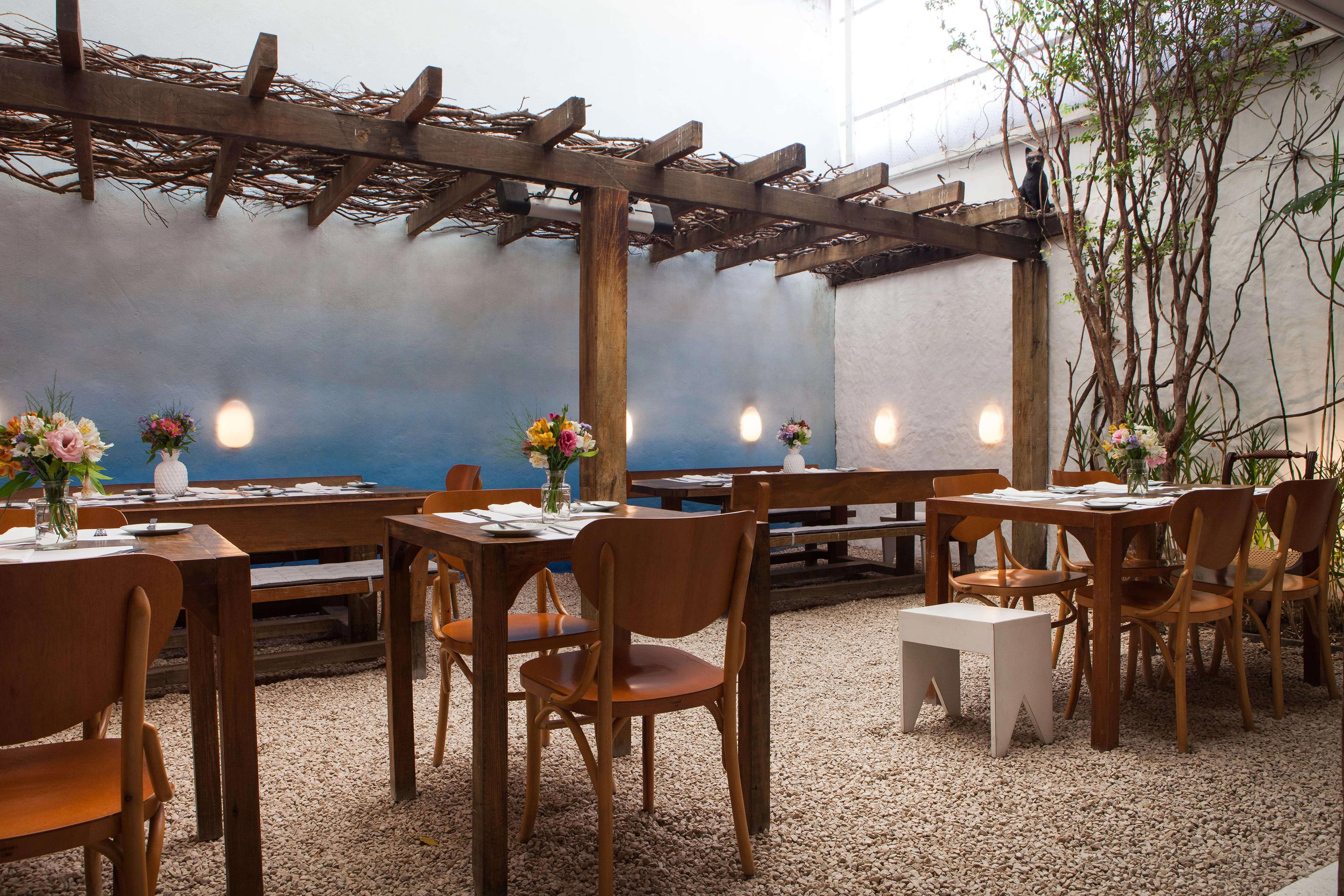
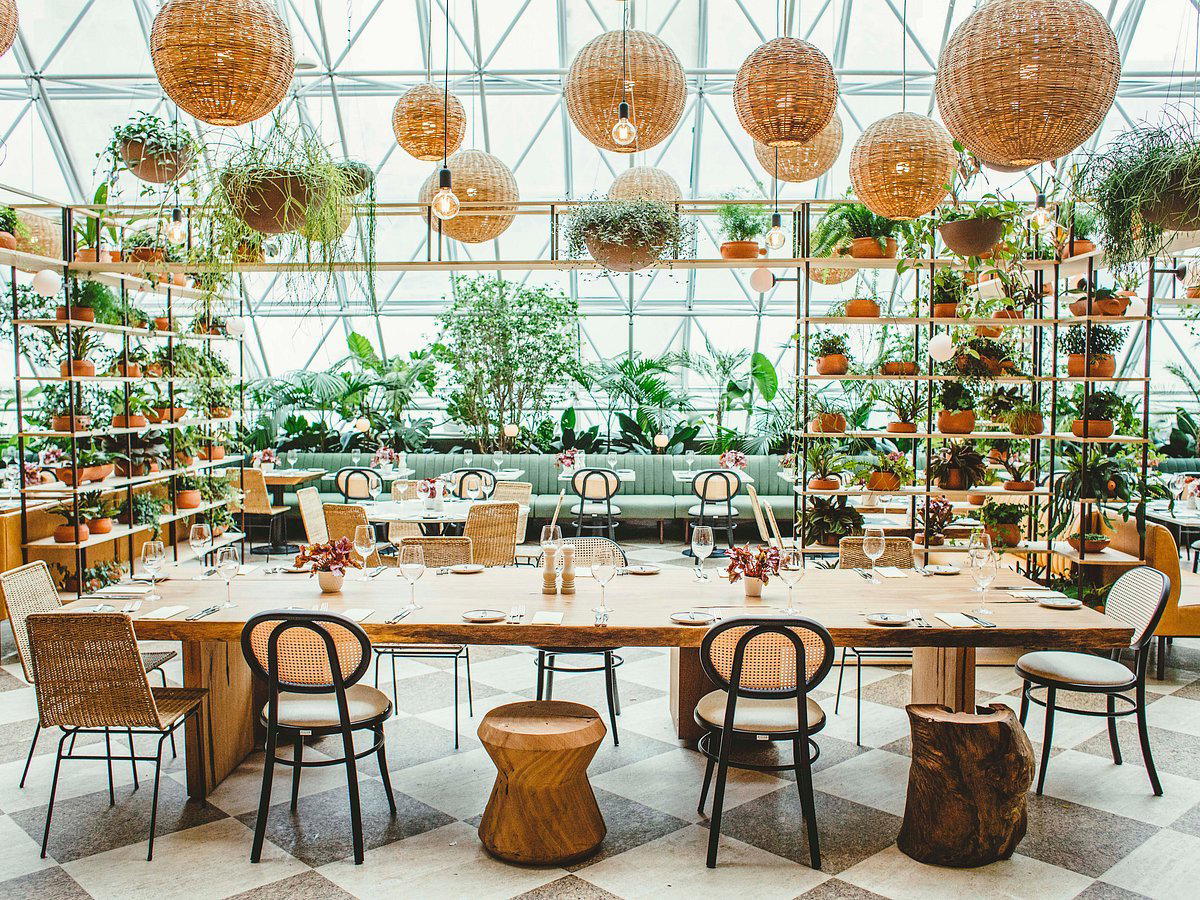
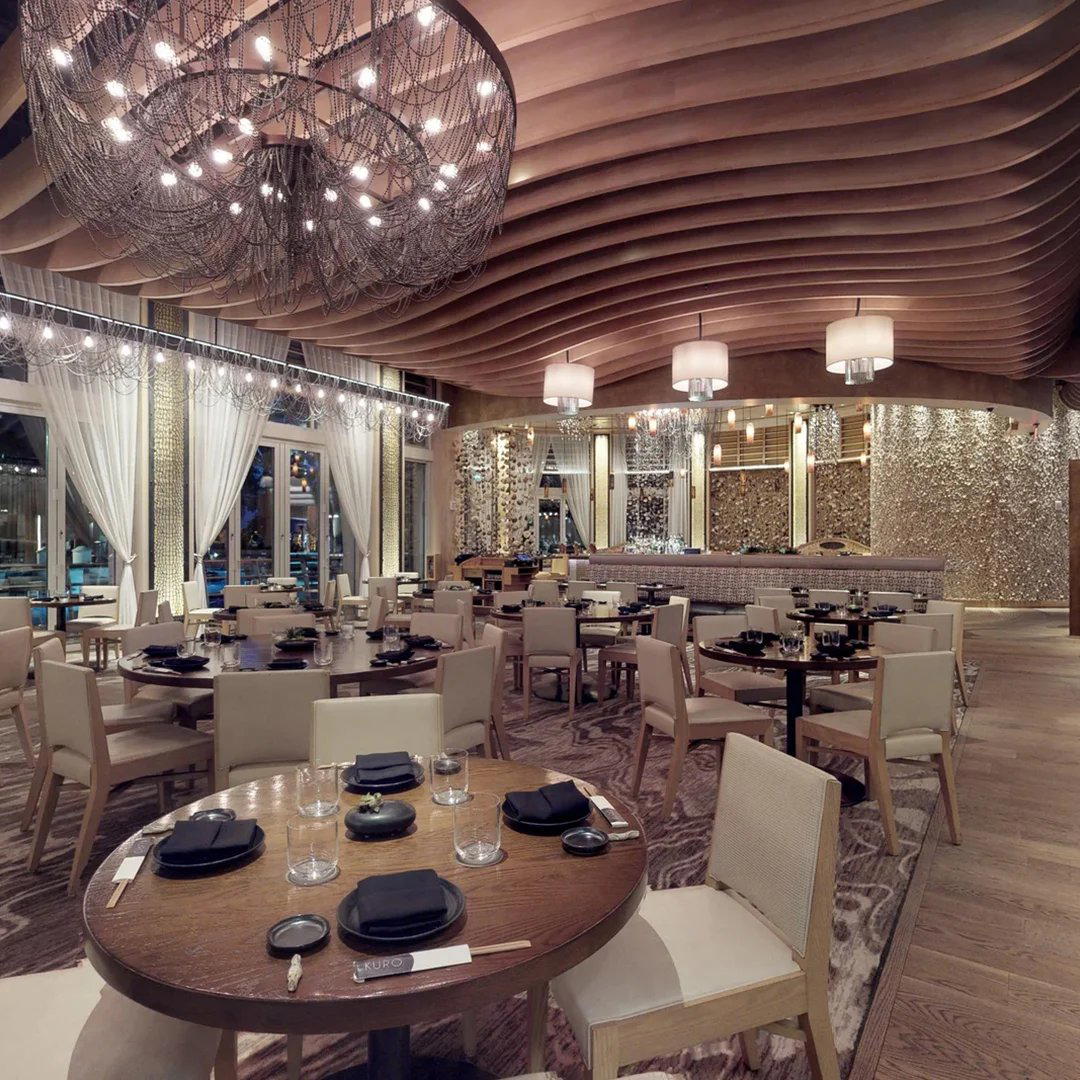
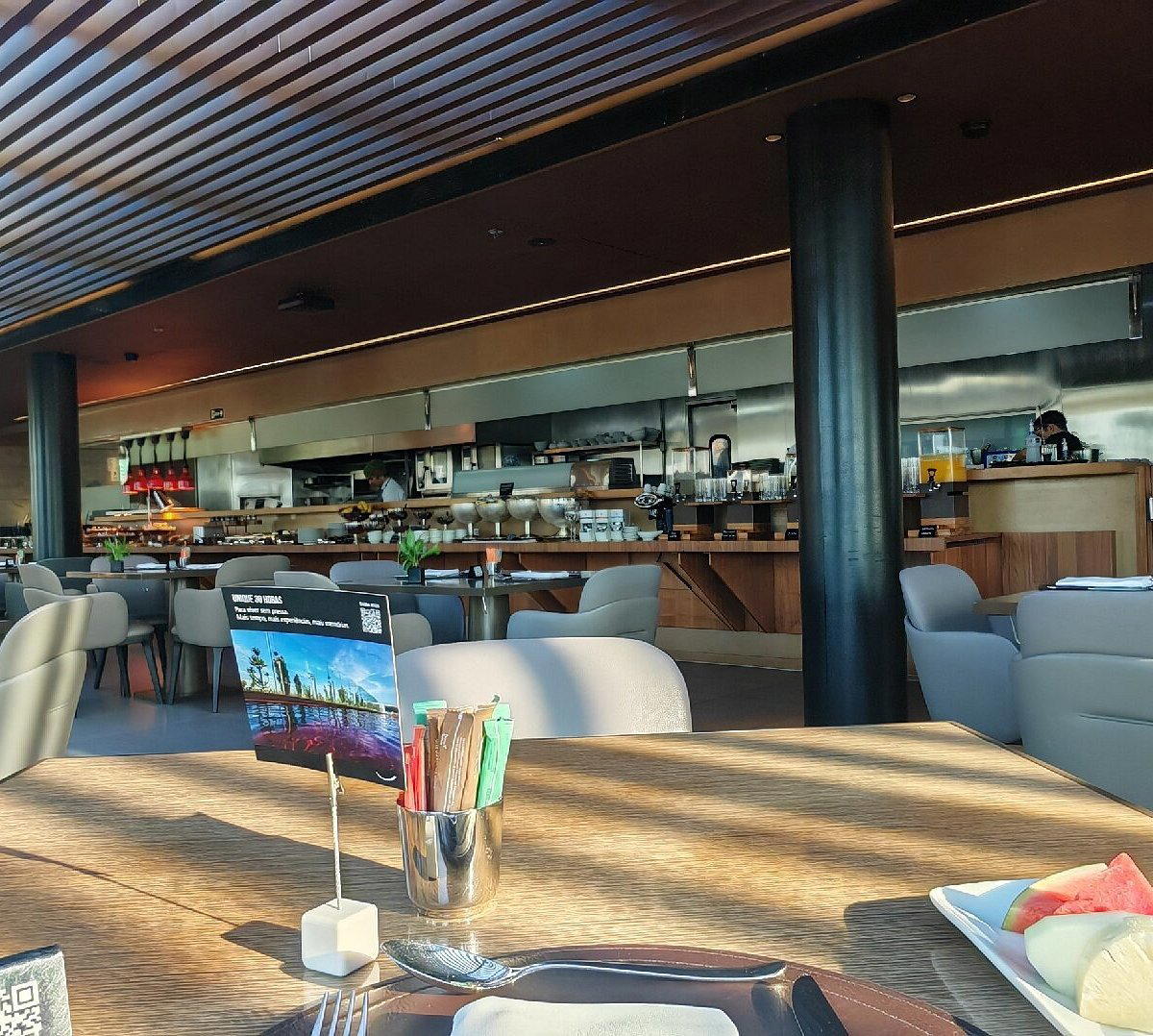
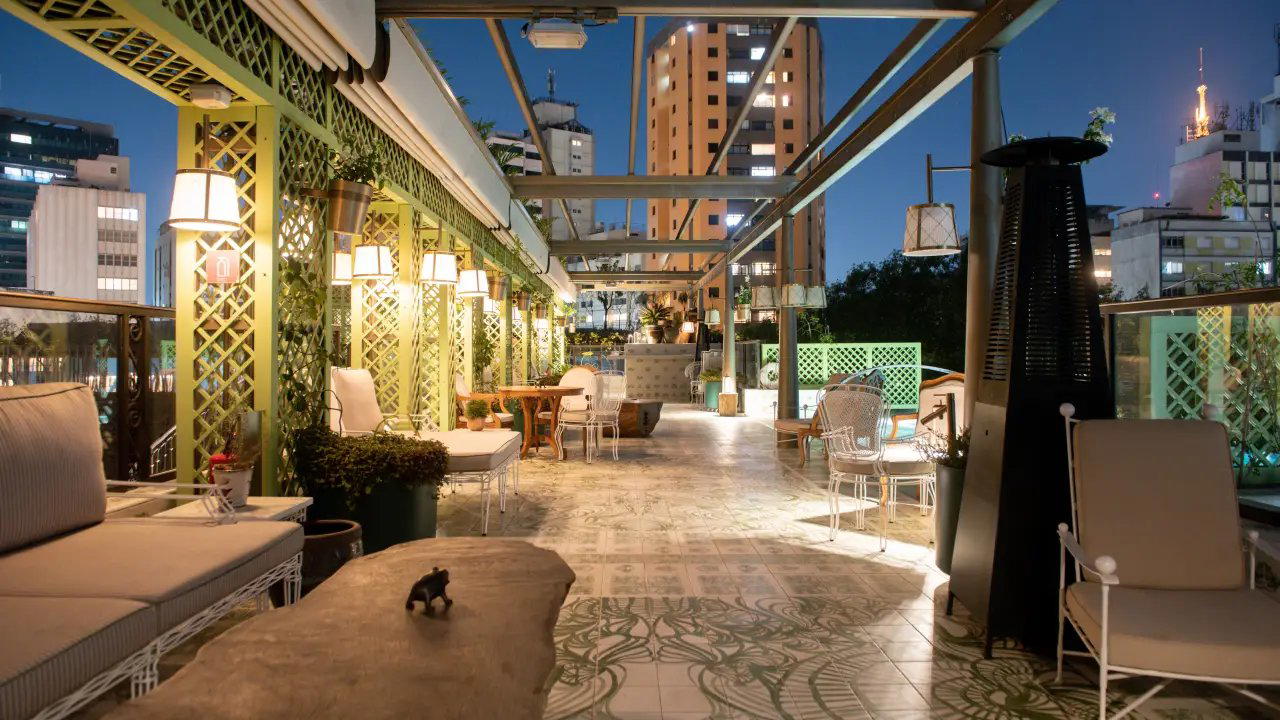
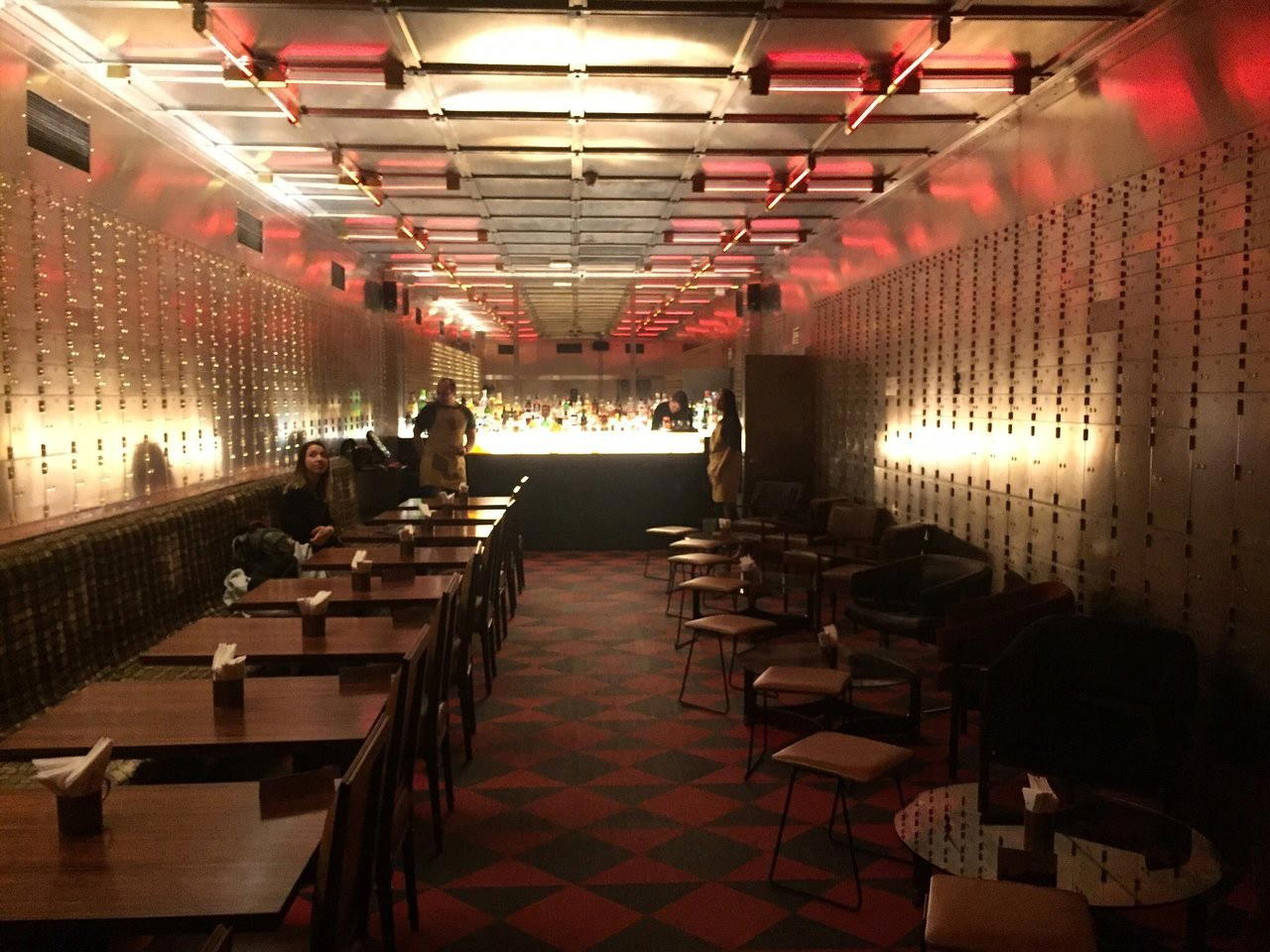
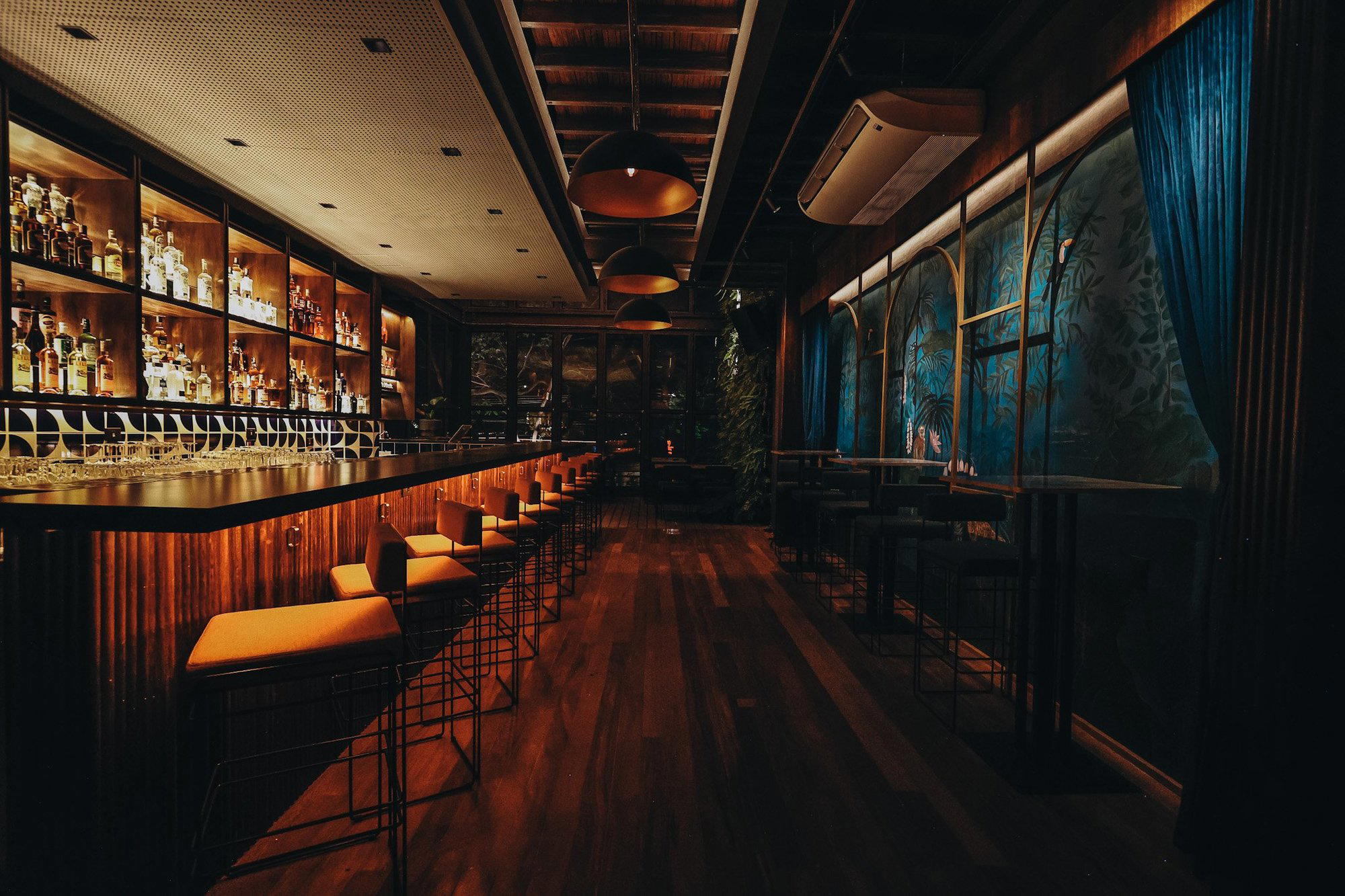
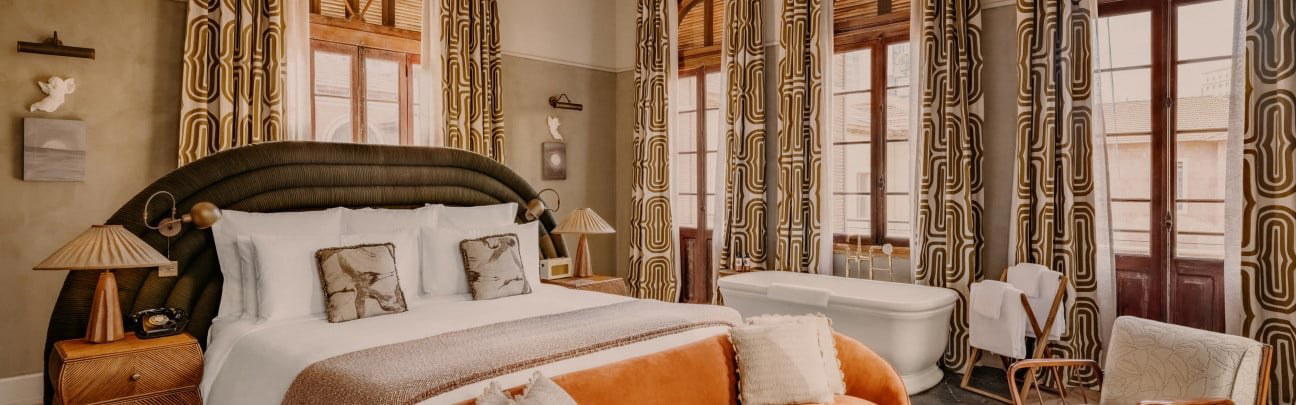
Warm and inviting with soft lighting, contemporary decor, and rustic charm.