"Since the 1960s, Montréal has been home to a sizable Haitian community who have immigrated to the largest French-speaking city in the hemisphere. One of the most popular Haitian restaurants in the city is trendy Agrikol, which counts two of Arcade Fire's members as backers (including Régine Chassagne, whose parents were born in Haiti). The decor, with Haitian art and Caribbean accents, helps create the illusion that your evening out includes a short trip to a tropical island. The oxtail stew, short ribs, and fried fish are all authentic and tasty, and are best paired with a ti punch (rum, lime, and fresh-pressed sugarcane juice) or a bottle of Prestige, Haiti's national lager."
- Address
- Montréal, Canada
- Directions
- Get directions
Montréal's Haitian community has shaped the city's food culture since the 1960s, when the first significant wave of immigrants arrived in what was already the hemisphere's largest French-speaking city. Agrikol, which opened in 2016 on Rue Amherst in the Village, drew on that deep local history while adding an unusual degree of design ambition and bar seriousness to a cuisine that had rarely received either in a sit-down setting. The restaurant was co-founded by Arcade Fire's Régine Chassagne and Win Butler, with chef Paul Toussaint leading the kitchen — a combination that generated considerable food-media attention at launch and brought Haitian cooking to an audience well beyond the diaspora neighbourhoods where it had traditionally been found.
The menu centred on dishes that form the backbone of Haitian home cooking: griot (fried pork), acras, riz aux pois, kabrit grillé, whole fried fish, and plantain, with pikliz — the fiery pickled slaw — appearing as a condiment throughout. Prices sat at the affordable end of Montréal's restaurant range, with entrées running from around $6 to $14 and mains reaching $36 at the summit. The bar program leaned heavily on rum, reflecting Haiti's distilling tradition, and cocktails were priced in the $11–14 range.
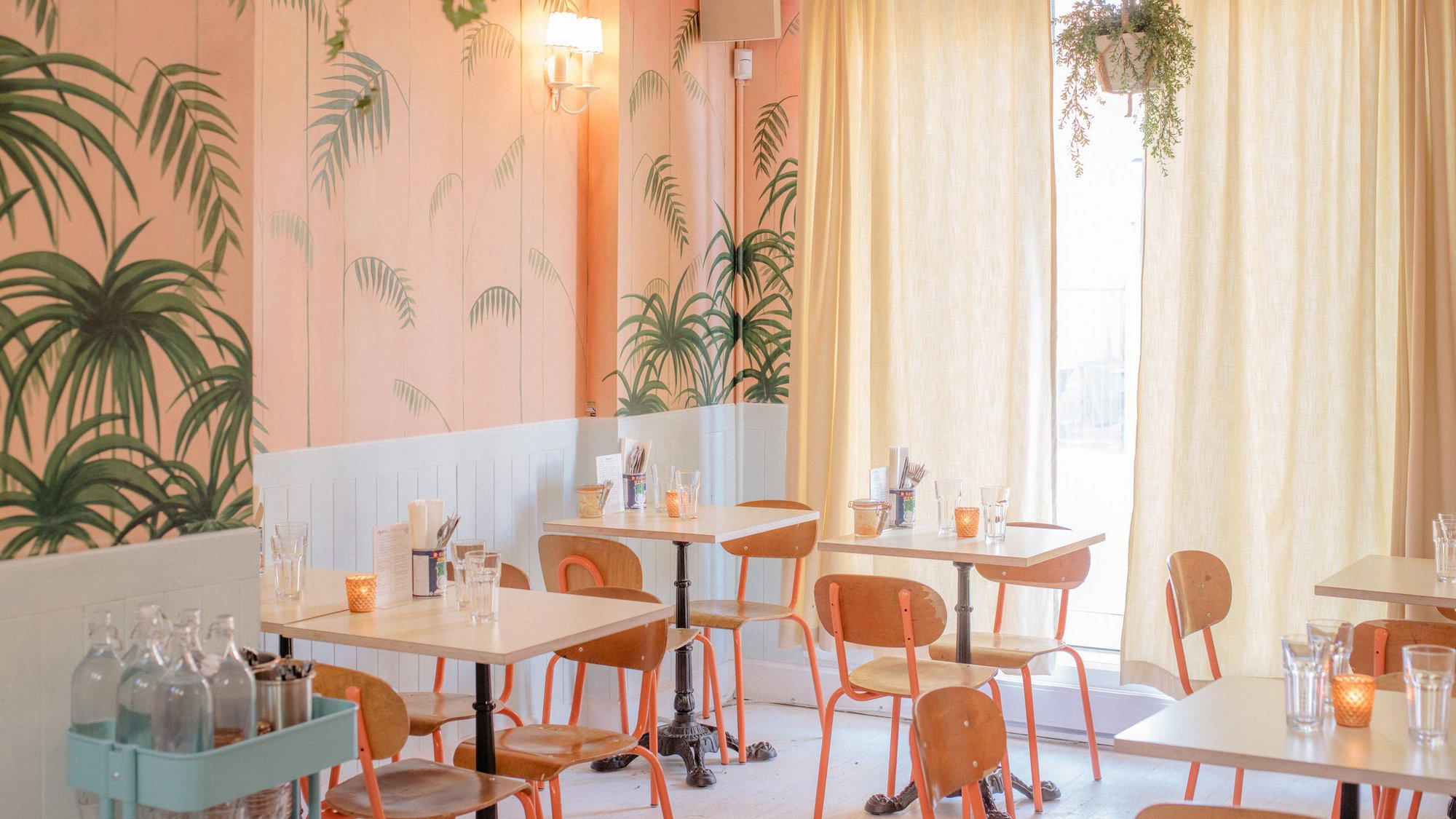
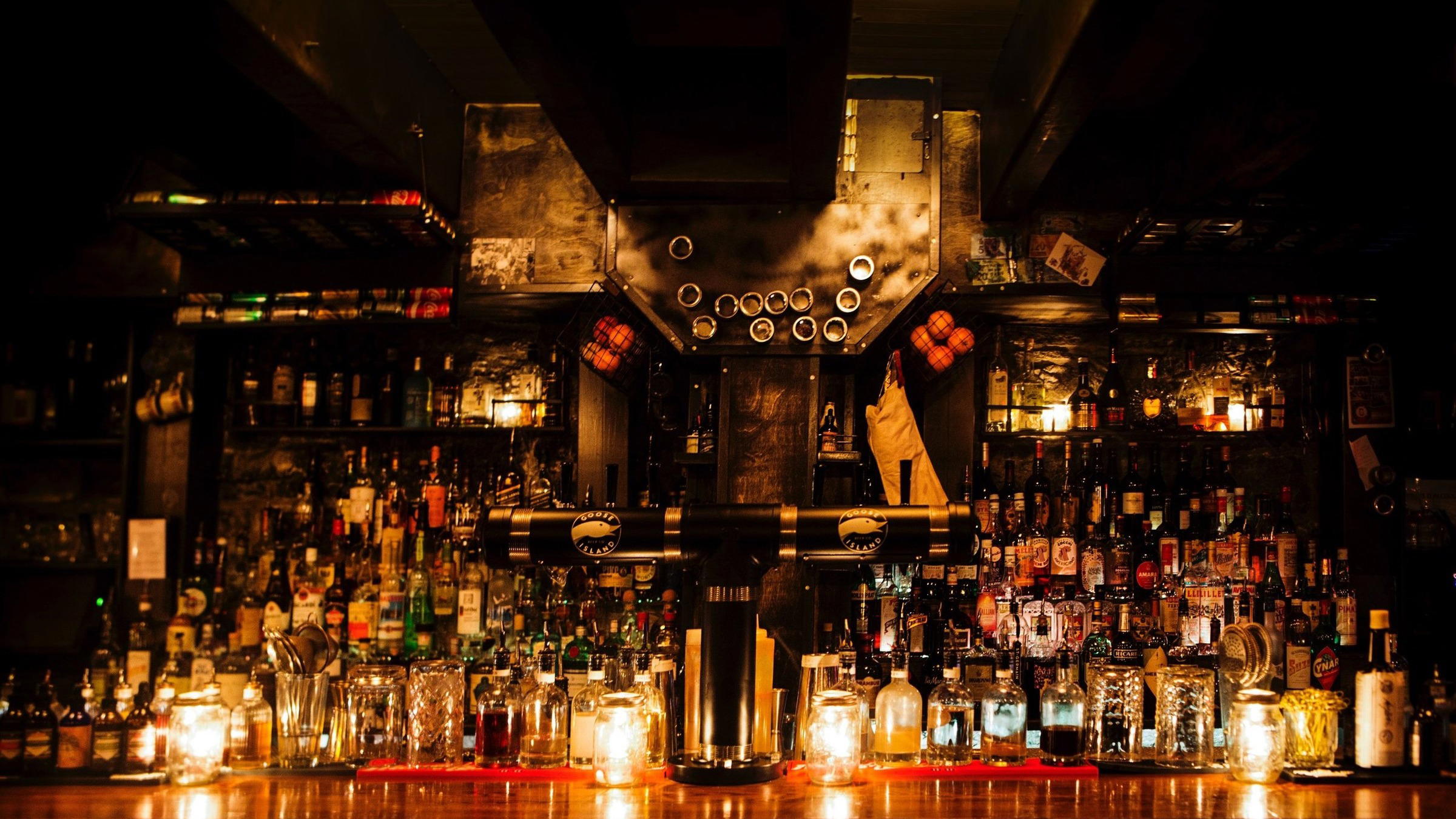
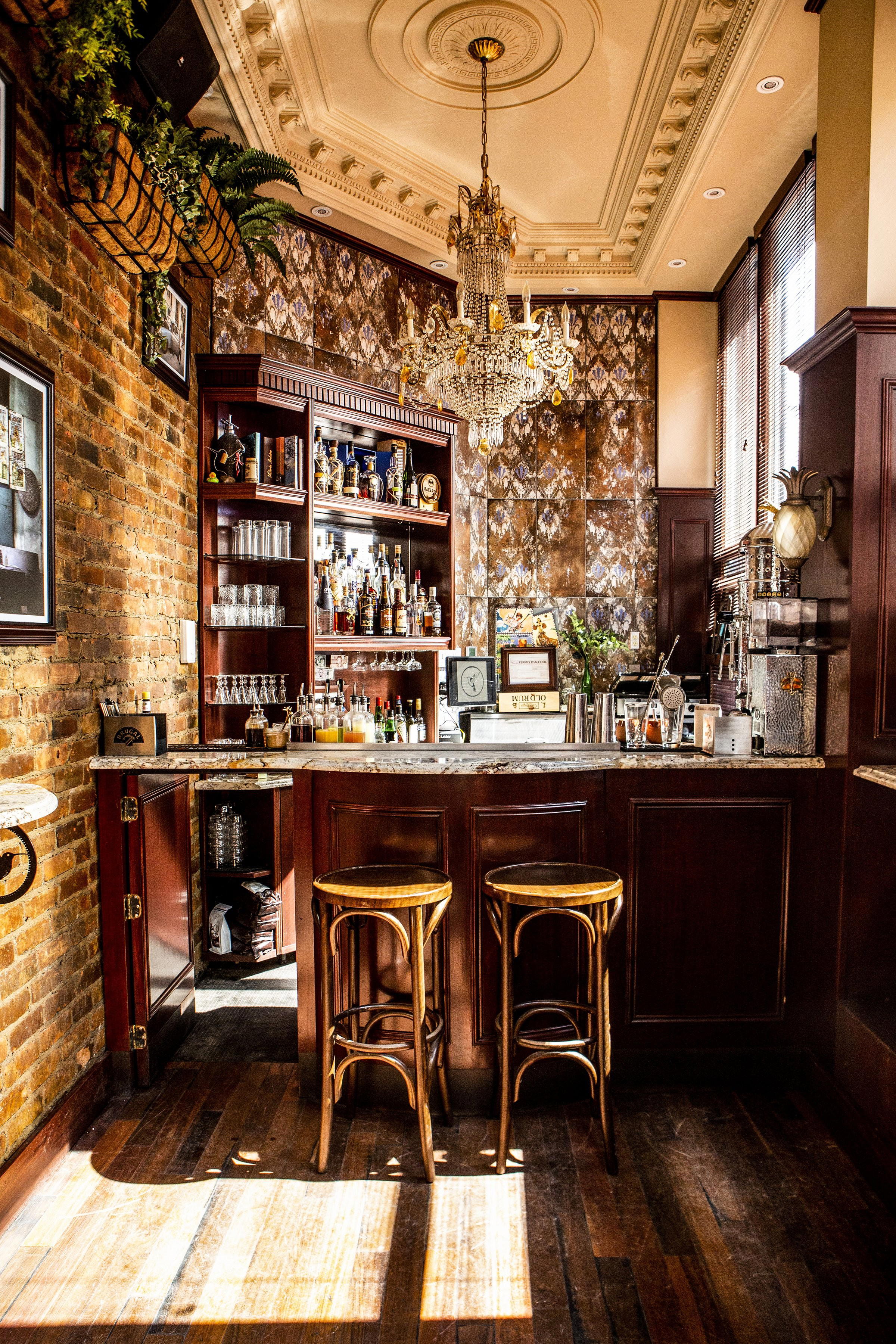
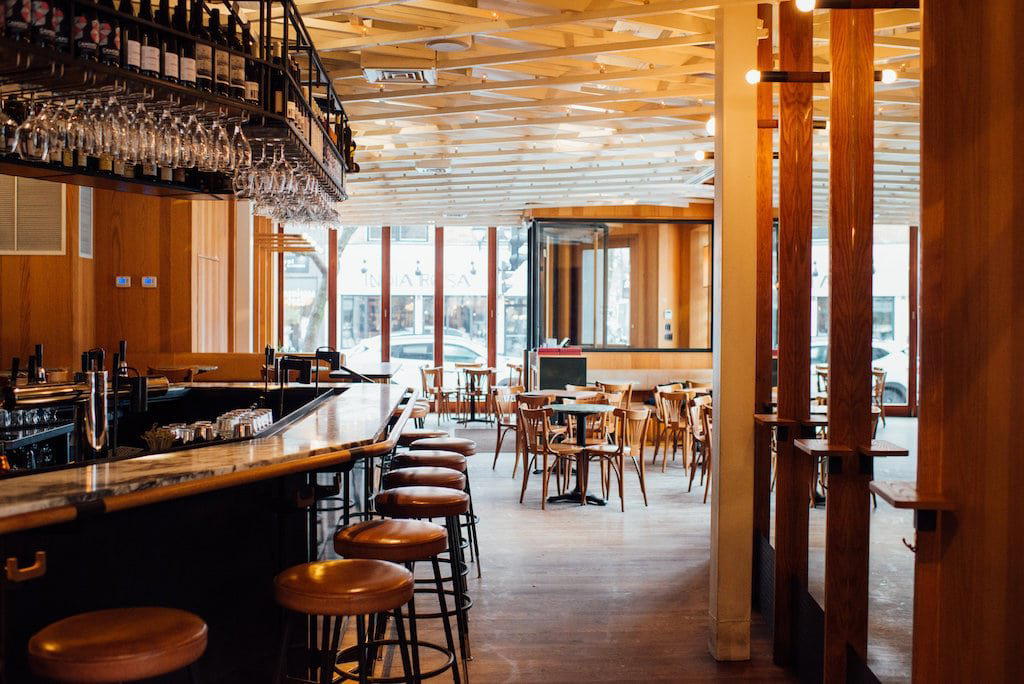
The room itself was one of the more considered in that part of the city: candlelit, mural-decorated, with an upstairs dining area and a terrace that reviewers consistently singled out as among Montréal's more appealing outdoor spaces. The atmosphere landed somewhere between neighbourhood gathering place and deliberate destination, dark enough to feel intimate without tipping into the self-consciously formal. Agrikol closed permanently in December 2020, a casualty of the pandemic period that ended the restaurant's four-year run. Its significance, in retrospect, was less about celebrity association than about the moment it represented: a Haitian restaurant given the kind of design investment and critical attention that the cuisine had long deserved in a city where it had been present for more than half a century.
Comparable venues nearby, for context on price, style, and recognition.
| Venue | Cuisine | Price | Notes |
|---|---|---|---|
| AgrikolThis venue — the venue you are viewing | Haitian Caribbean | $$ | Not listed |
| Trattoria Gio | Authentic Italian Trattoria | $$ | Vieux Montréal |
| Restaurant Mile-Ex | Modern French Bistro | $$ | District de Saint-Édouard |
| Restaurant Le 514 | Authentic Mexican | $$ | Saint-Louis |
| L'Gros Luxe Plateau | Canadian Comfort Food | $$ | La Fontaine Park |
| Piel Canela | Latin-Inspired Mexican Brunch | $$ | Parc-Laurier |
At a Glance
- Lively
- Cozy
- Trendy
- Rustic
- Group Dining
- Casual Hangout
- Open Kitchen
- Craft Cocktails
Strikingly decorated with murals, dimly lit by votive candles creating an intimate and cozy vibe, connected to a lively music bar via outdoor patio.