Armstrong Jazz House
Our verdict
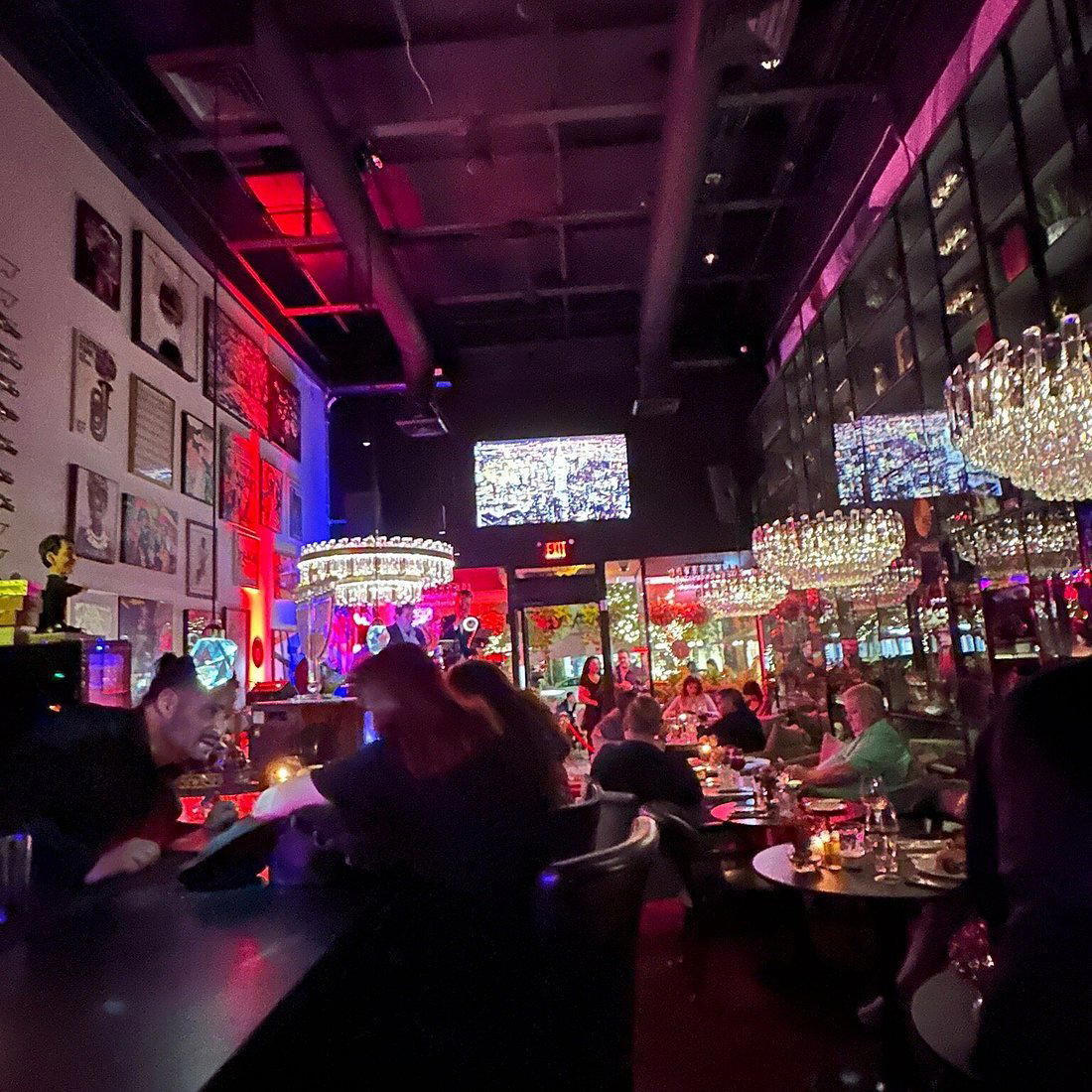
Armstrong Jazz House on Miracle Mile occupies a particular corner of Coral Gables nightlife where live jazz and a food-and-drink program share equal billing. The venue sits on one of South Florida's most walkable dining corridors, positioned in a mid-tier price bracket that makes it accessible without signaling casual. For visitors building an evening around the Gables dining scene, it functions as a natural anchor point.

Pearl is the En Primeur Club membership app — saves, bookings, and concierge access live there. Same editors, same standards.
The menu
What to order
- Armstrong Bacon Wrapped Filet Mignon
- French Onion Soup
- Calamari and Shrimp
Miracle Mile After Dark: What Jazz Venues Reveal About a City's Appetite
Coral Gables has long maintained a particular kind of evening culture, one built around Miracle Mile's walkable stretch of restaurants, bars, and performance spaces rather than the more frenetic energy of Miami proper. On that strip, Armstrong Jazz House at 271 Miracle Mile occupies the category of venue that cities like this one tend to undervalue until they lose it: a room where the music program and the hospitality program are built with equal seriousness, neither subordinate to the other. In most American cities, a jazz venue is either a dedicated listening room where food is an afterthought, or a restaurant that happens to book a piano trio on weekends. The more compelling model, and the harder one to execute, positions the two as genuinely co-equal — each capable of drawing a guest on its own terms.
That dual-program approach is worth understanding in context. Coral Gables' dining scene runs from neighborhood Cuban institutions charging a few dollars for a cortado and a croqueta, to four-dollar-sign Japanese counters like Shingo and European-inflected cafes like Aragon Café. Within that range, the jazz-and-dining format occupies a middle tier that demands more from the kitchen than a bar setting but less ceremonial commitment than a tasting menu room. It is, in structural terms, a format that lives or dies on whether the menu architecture matches the room's promise.
Menu Architecture as a Statement of Intent
The way a venue like Armstrong Jazz House structures its menu tells you something immediate about what it believes its guests are doing. A jazz venue menu built around shareable small plates signals that the kitchen understands people are there primarily to listen, and that eating is a social act woven around the performance. A menu built around full entrees with composed plating signals more restaurant ambition — it asks for a different kind of attention from the diner, one that competes with the music rather than complementing it.
This structural choice matters more than any individual dish. Venues on Miracle Mile that have tried to run full fine-dining programs alongside live music have generally found that one program cannibalizes the other. The more successful operations in this format, across Miami and in comparable jazz cities like New Orleans, where Emeril's helped define what serious hospitality could look like alongside a live music culture, tend to build menus that are hospitable to the rhythm of a set: items that arrive without ceremony, that can be ordered across two hours without the table feeling rushed, and that hold up through a conversation interrupted repeatedly by applause.
The better jazz-dining rooms in American cities have also learned that the drinks program carries more weight per dollar spent on the experience than the kitchen does. A well-constructed cocktail list that rewards slow drinking over the course of a 45-minute set is a different kind of curation than a list built for quick turnover. The two are not the same thing, and guests who have spent time in serious rooms, from the listening bars of New York to the supper clubs that have returned to cities like Chicago, where Smyth represents the tasting-menu end of that city's serious dining spectrum, notice the difference immediately.
Coral Gables as a Setting for This Format
Miracle Mile is genuinely useful as a location for this kind of venue. The street draws foot traffic that is more local and repeat-visitor in character than the tourist-heavy corridors of South Beach or Brickell. Guests walking the strip are more likely to become regulars, and a jazz house depends on regulars in ways that a destination restaurant does not. A room that fills with the same people over months develops a different kind of energy than one that cycles through first-timers every night.
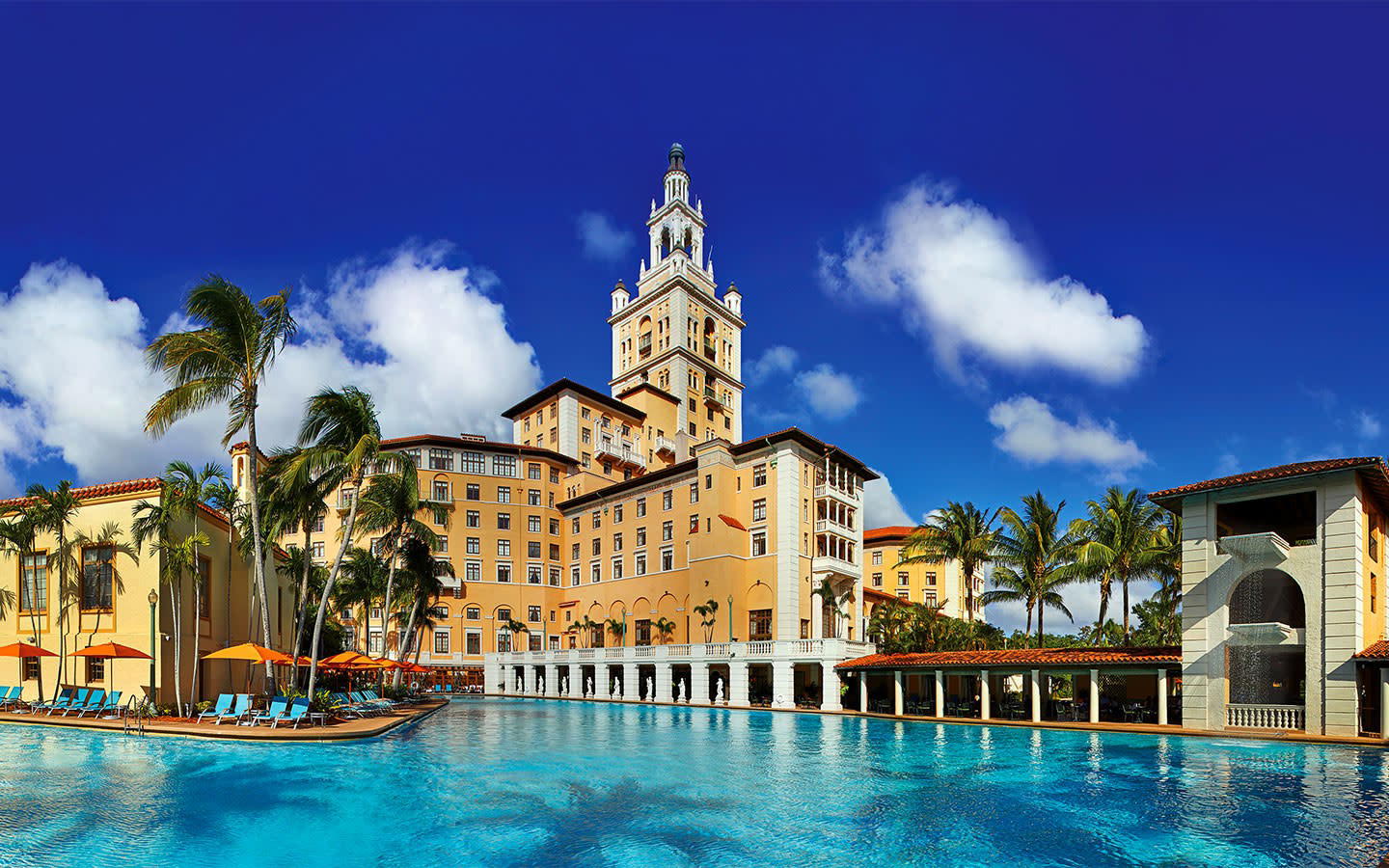
The Gables dining scene is also diversified enough that Armstrong Jazz House does not need to be everything to everyone. Visitors who want a wood-fired Neapolitan pizza before or after a set can find that at 450 Gradi nearby. Those looking for a more ceremonial afternoon experience have Afternoon Tea at The Biltmore a short distance away. The contemporary Spanish-inflected program at Arcano covers different territory again. This is a neighborhood where a jazz venue can occupy a specific role rather than trying to be a comprehensive dining destination, which is generally the condition under which this format performs well. For a broader orientation to what the area offers, our full Coral Gables restaurants guide maps the range across cuisines and price points.
It is worth placing this format against what serious American dining has been doing at the leading end. The rooms that have most shaped expectations in recent years, Le Bernardin in New York City, The French Laundry in Napa, Blue Hill at Stone Barns in Tarrytown, Providence in Los Angeles, Lazy Bear in San Francisco, Single Thread Farm in Healdsburg, Addison in San Diego, The Inn at Little Washington, Atomix in New York City, and Atelier Moessmer Norbert Niederkofler in Brunico, operate in a register that is entirely different from what a jazz-and-dining venue is trying to do. The comparison is not unfavorable to Armstrong; it simply locates a different set of values. Where those rooms ask for your full attention and significant ceremony, a jazz house asks for your presence over an evening, your willingness to let a set wash over the table, and a menu that supports rather than competes with that experience.
Planning Your Visit
Armstrong Jazz House sits at 271 Miracle Mile, a walkable address within the main Coral Gables commercial corridor. Given the format, evenings are the operative time frame, with sets typically structured around the late evening hours that jazz programming in this market tends to favor. As with most live music venues in this tier, arrival timing matters more than it does at a standard restaurant: arriving late into a set changes the experience significantly. Because specific booking methods, current hours, and pricing were not available at the time of publication, visitors should confirm current programming and reservation options directly with the venue before making plans around a specific date or performer.
Frequently asked questions
Where is Armstrong Jazz House in Coral Gables?
Armstrong Jazz House is located at 271 Miracle Mile, Coral Gables, FL 33134, Coral Gables.
Is Armstrong Jazz House suitable for a private event or group booking in Coral Gables?
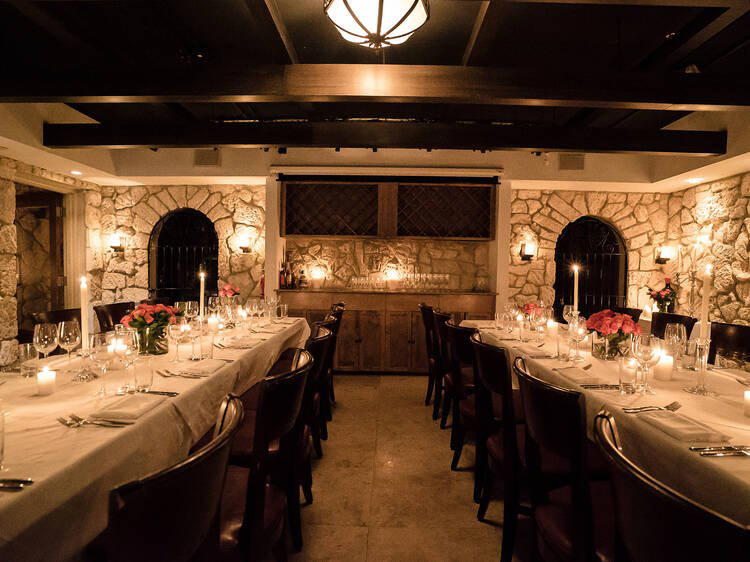
Jazz venues operating in the Miracle Mile corridor, like Armstrong Jazz House at 271 Miracle Mile, Coral Gables, often accommodate small group seatings given their seated dining format.
What's the best thing to order at Armstrong Jazz House?
At jazz-and-dining venues on Miracle Mile, the format generally rewards ordering in courses timed around the music sets rather than rushing through a meal. check the venue's official channels at 271 Miracle Mile, Coral Gables, to confirm current offerings before your visit.
How far ahead should I plan for Armstrong Jazz House?
Lead time depends on whether a particular performer or night is anchoring your visit. Jazz venues at this Coral Gables address on Miracle Mile tend to draw a loyal local crowd, meaning weekend sets and headline bookings can fill faster than a casual walk-in assumes. A mid-week visit typically offers more flexibility for first-timers.
What makes Armstrong Jazz House worth seeking out?
The argument for Armstrong Jazz House is specific to format: Miracle Mile in Coral Gables is a walkable, repeat-visitor corridor rather than a tourist strip, which means the room tends to skew toward an engaged local audience rather than a transient one. A seated jazz venue in that context creates a different social environment than a standing bar with background music. For an evening that combines neighbourhood character with live performance, the format does something most nearby options do not.
Can Armstrong Jazz House handle vegetarian requests?
The most reliable approach is to check the venue's official channels at 271 Miracle Mile, Coral Gables, before your visit to confirm what can be accommodated on a given night.
Reputation Context
Comparable venues nearby, for context on price, style, and recognition.
| Venue | Cuisine | Price | Awards | Notes |
|---|---|---|---|---|
| Armstrong Jazz HouseThis venue — the venue you are viewing | French-Steakhouse with Caribbean Fusion | $50–100 | Not listed | Not listed |
| Maíz y Agave | Authentic Oaxacan Mexican Cocina | $50–100 | Not listed | Coral Gables |
| Francesco | Peruvian-Italian Fusion | $50–100 | Not listed | Miracle Mile |
| Graziano's | Argentine Steakhouse | $50–100 | Wine Spectator Best of Award of Excellence | Coral Gables |
| La Rosa Gastrobar | Modern Latin American Gastrobar | $50–100 | Not listed | Coral Gables |
| CVI.CHE 105 - Coral Gables | Peruvian Ceviche with Nikkei Fusion | $30–50 | Not listed | Coral Gables |
Continue exploring
More in Coral Gables
Restaurants in Coral Gables
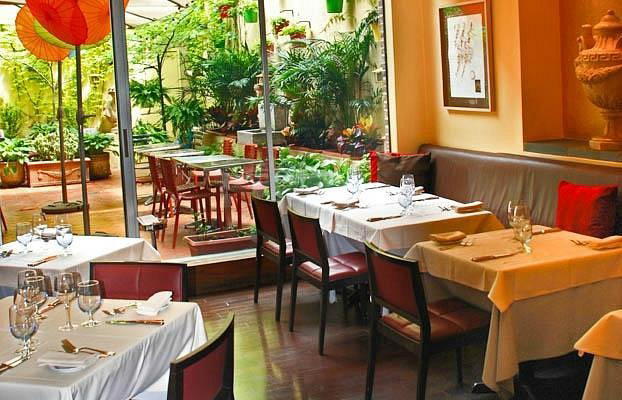
All restaurants in Coral Gables →
Bars in Coral Gables
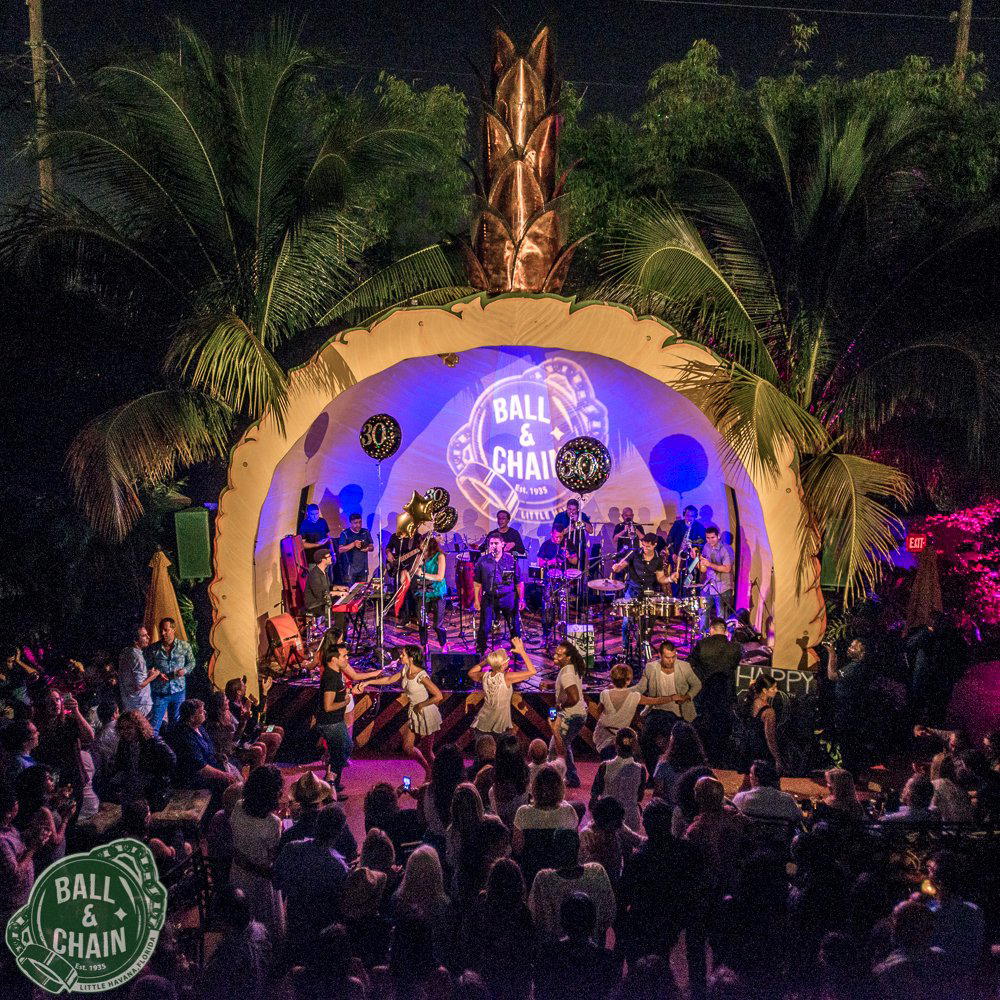
All bars in Coral Gables →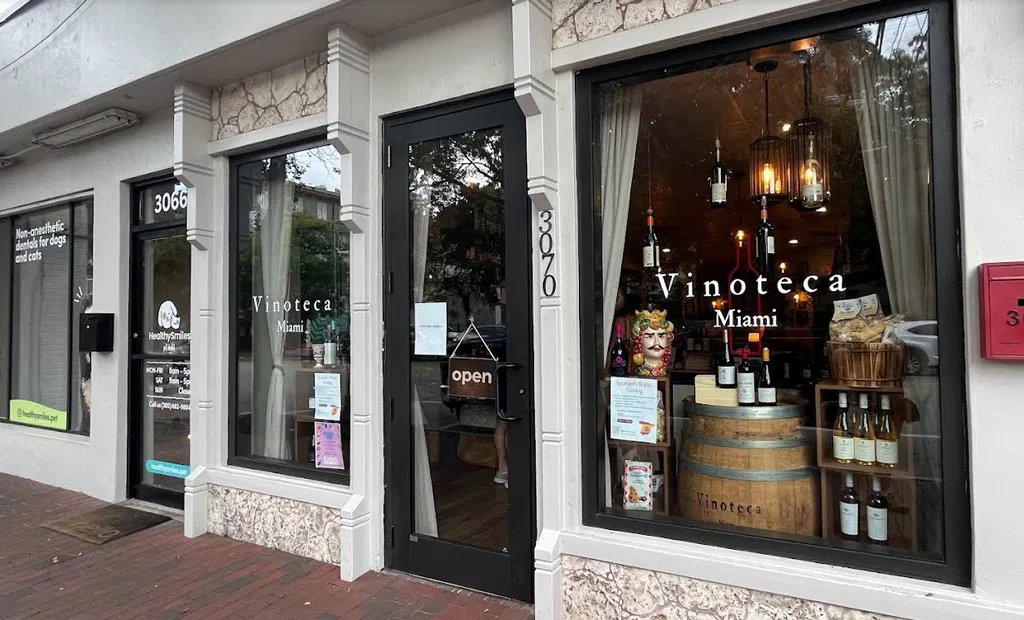
Armstrong Jazz House
The wine
- Wine program
- Curated wine list
- Extensive wine list
- Craft cocktails
Details
- Cozy
- Intimate
- Elegant
- Sophisticated
- Date Night
- Special Occasion
- Group Dining
- Live Music
- Craft Cocktails
- Extensive Wine List
- Organic
- Local Sourcing
- A La Carte
- Cocktails
- Wine
- Vegetarian Friendly
- Gluten Free Options
Current opening hours
- Monday
- 6 PM–12 AM
- Tuesday
- 6 PM–12 AM
- Wednesday
- 6 PM–12 AM
- Thursday
- 6 PM–12 AM
- Friday
- 4 PM–12 AM
- Saturday
- 4 PM–12 AM
- Sunday
- 4 PM–12 AM
Hours can change for holidays and private events. Last verified .
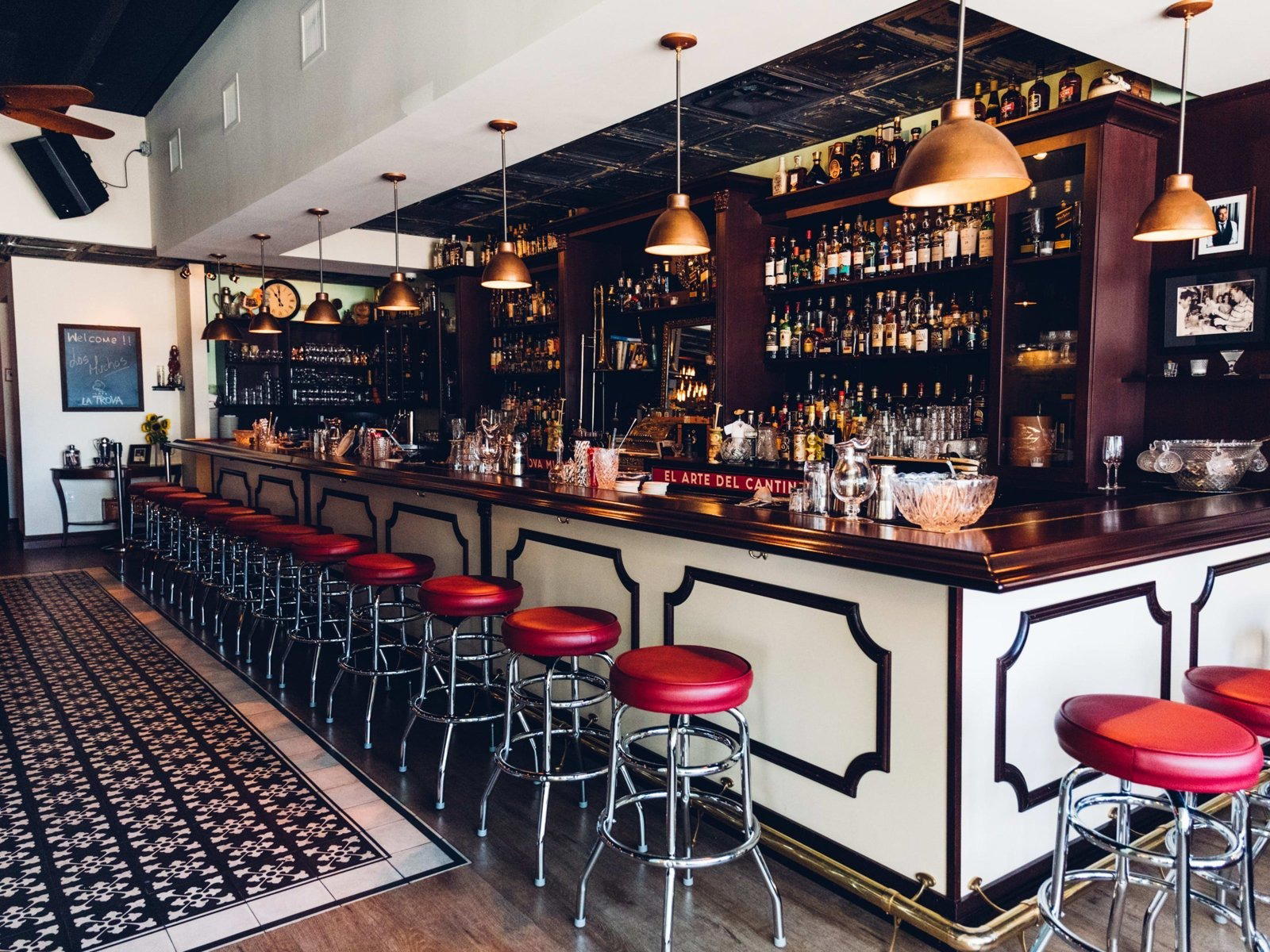
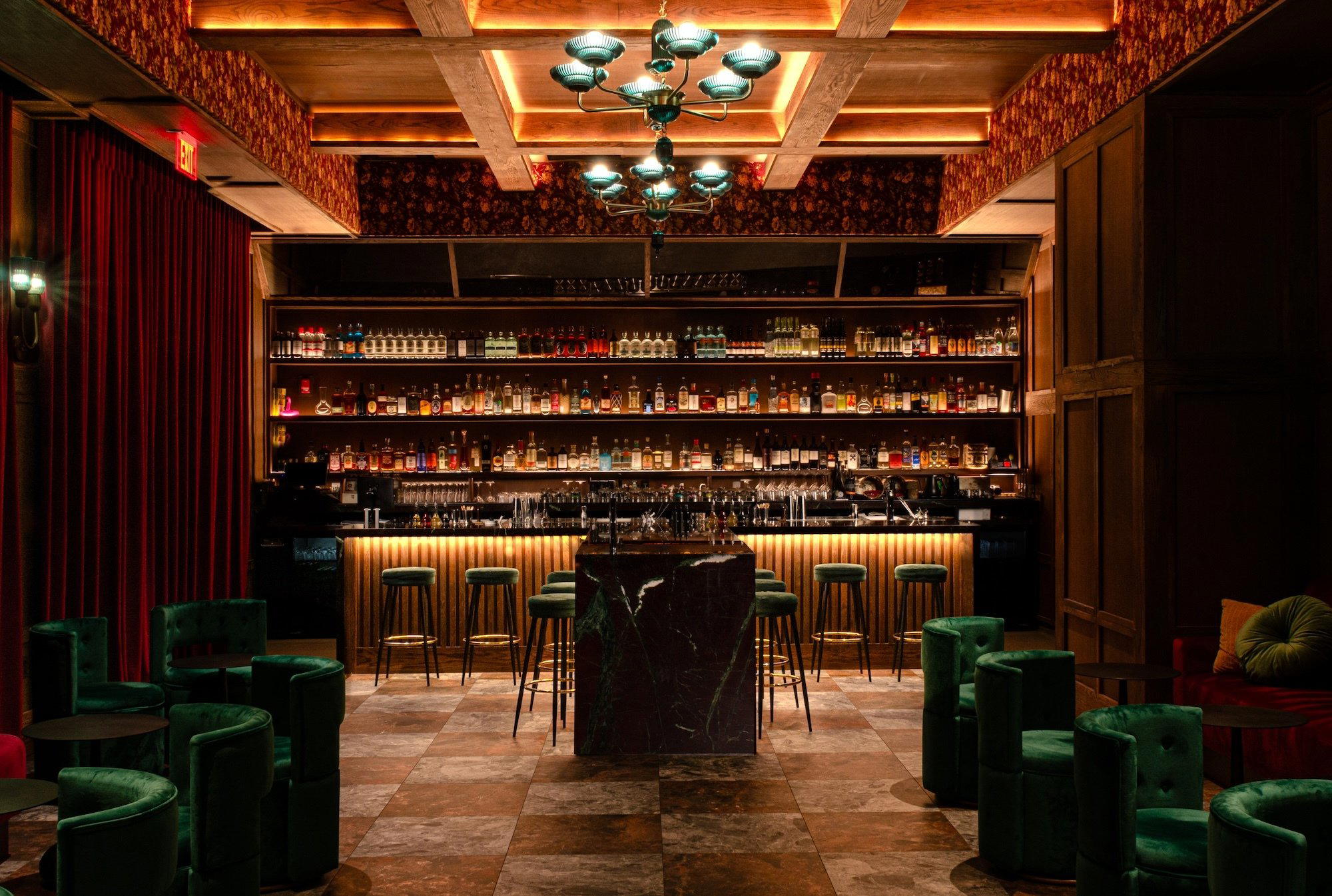
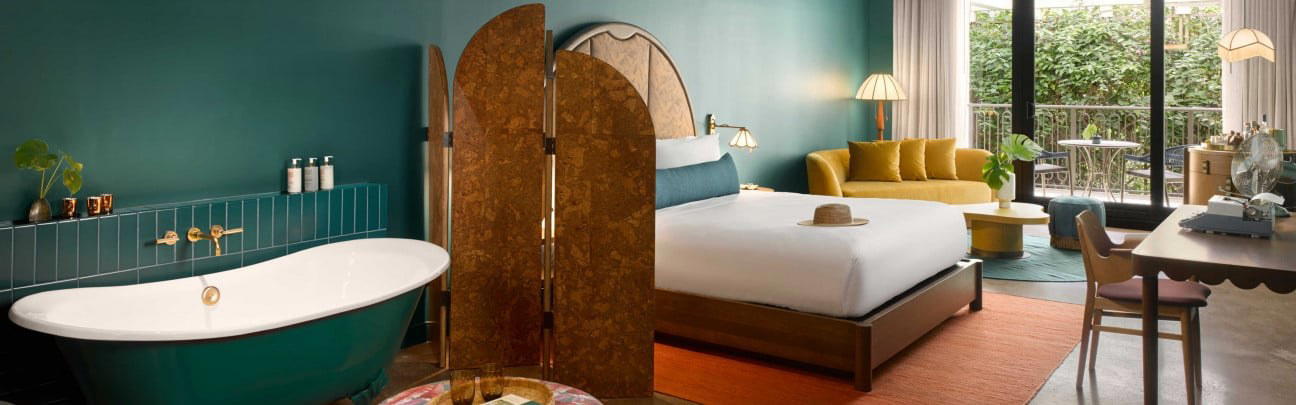
Intimate and inviting with warm lighting, well-suited for live jazz and dining.