Adler

Michelin Plate
Our verdict
At a €€ price point, it sits well below the multi-starred German fine dining circuit, offering ingredient-led cooking in a Swabian village setting that rewards the detour from the Zollernalb plateau.

Pearl is the En Primeur Club membership app — saves, bookings, and concierge access live there. Same editors, same standards.
- Address
- Hohnerstraße 3, 72365 Ratshausen, Germany
- Phone
- +49 7427 2260
- Hours
- Mon–Wed ClosedThu–Sat 5:30 PM–12 AMSun 11:30 AM–2 PM, 5:30–9 PM
- Website
- adler-ratshausen.de
- Directions
- Get directions
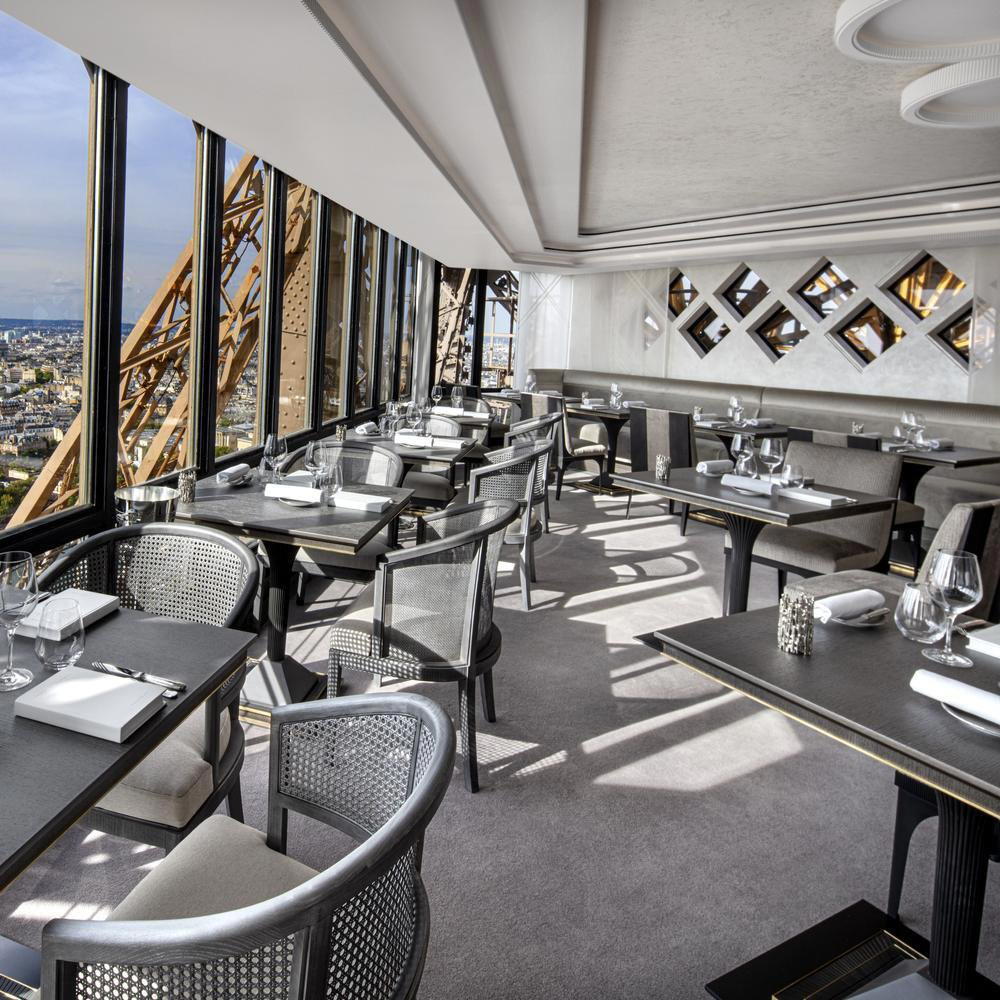
Where Swabian Villages Set the Table
The Zollernalb district of Baden-Württemberg does not announce itself with the theatre of the Black Forest or the Rhine Valley wine country, but its working agricultural character has quietly made it fertile ground for a particular kind of German cooking: one where the supply chain is short, the producers are neighbours, and the plate reflects the land outside the window rather than a menu trend imported from a metropolitan kitchen. Adler, on Hohnerstraße in the small municipality of Ratshausen, occupies precisely that territory. Before you consider what arrives on the table, the village itself is the context — a settlement where the distinction between farm and restaurant is more geographic than conceptual.
The Farm-to-Table Argument, Made in Baden-Württemberg
Germany's farm-to-table category has split in recent years between high-concept urban operations that use local sourcing as a branding layer, and rural properties where proximity to producers is simply the operational reality. Adler belongs to the latter group. At a €€ price point, it sits in a tier that cannot sustain the import premiums and global supply chains of the multi-starred fine dining circuit. What that constraint produces, in the best-case version of this model, is a menu whose identity is shaped by what local farmers and seasonal cycles make available rather than by a chef's ambition to source globally and charge accordingly.
This matters because the farm-to-table designation carries very different weight depending on geography. At urban operations like BOK Restaurant Brust oder Keule in Münster or Au Gré du Vent in Seneffe, the sourcing story requires active construction and communication. In a village like Ratshausen, the supply chain is the environment. The credibility does not need to be argued — it exists by default in the agricultural fabric of the Zollernalb.
A Michelin Plate in a Village Context
Adler carries a 2025 Michelin Plate, the guide's designation for restaurants that deliver consistent quality cooking without yet reaching the Bib Gourmand or star tiers. The Plate is a more useful signal than it is sometimes given credit for: it tells you Michelin's inspectors found the kitchen worth recognising and worth returning to, which in a region with no shortage of rural restaurants making broadly similar claims, is meaningful calibration.
For comparison, the multi-starred German restaurants that draw international travel, Aqua in Wolfsburg, Schwarzwaldstube in Baiersbronn, Vendôme in Bergisch Gladbach, operate at €€€€ price points with kitchen teams structured around global sourcing and extended tasting formats. Adler operates at a structurally different register, where the Michelin Plate signals accessible quality rather than aspirational fine dining. That distinction shapes how to approach a visit: this is not a destination where you book three months ahead and plan the evening around a tasting menu. It is a restaurant where the cooking holds up reliably and the sourcing reflects a specific place.
What Ingredient-Led Cooking Looks Like at This Price Point
Farm-to-table cooking at a €€ price tier requires discipline of a different kind than that demanded of starred kitchens. The creative latitude is narrower, the margins tighter, and the menu must balance what the local supply makes possible against what a village dining room can support in terms of preparation complexity. Dishes are organised around what is growing or being harvested within a short radius, which in the Zollernalb means cycles tied closely to the upland Swabian agricultural calendar: root vegetables and preserved goods in the colder months, fresh produce and lighter preparations when the growing season allows.
This is not the elaborate multi-course sourcing showcase you find at a place like JAN in Munich or the creative intensity of ES:SENZ in Grassau. It is, rather, a more grounded proposition: cooking that reads the land it is in and serves it without significant translation.
Ratshausen and the Surrounding Region
Ratshausen sits within the Zollernalbkreis, a district that rewards visitors interested in the quieter side of Baden-Württemberg, one shaped by craft, agriculture, and a built environment that has not been rationalised by mass tourism. The village is accessible from the regional rail network via connections through Balingen, the district's main town, though visitors arriving specifically for the restaurant will find a car the more practical option for navigating the final stretch. If you are building a broader itinerary through southern Germany, the region sits within reasonable distance of the northern Black Forest, where restaurants like Schwarzwaldstube in Baiersbronn anchor the fine dining end of the spectrum, and the Moselle and Rhine river valleys further west, where Schanz in Piesport and Waldhotel Sonnora in Dreis represent the multi-starred end of the regional table.
For planning accommodation and other options in and around Ratshausen, see our full Ratshausen hotels guide, our full Ratshausen bars guide, our full Ratshausen wineries guide, and our full Ratshausen experiences guide. For other dining options in the area, our full Ratshausen restaurants guide covers the broader picture.
Planning Your Visit
Adler is located at Hohnerstraße 3, 72365 Ratshausen. The €€ price point places a meal here within a range accessible to most travellers making a regional circuit, without the advance planning burden of the multi-starred tier. Given the village location and the farm-to-table format, it is worth arriving with some flexibility about what will be on the menu, seasonality is not a marketing note here but an operational reality. Booking ahead is advisable for evenings and weekends, particularly given the 4.8 rating suggests the dining room fills on reputation. Contact and hours are best confirmed directly through the venue.
Frequently asked questions
Is Adler expensive?
Pricing at Adler is listed as €€.
Where exactly is Adler?
Adler is located at Hohnerstraße 3, 72365 Ratshausen, Germany, Ratshausen.
Comparable Venues
Comparable venues nearby, for context on price, style, and recognition.
| Venue | Cuisine | Price | Awards | Notes |
|---|---|---|---|---|
| AdlerThis venue — the venue you are viewing | Classic Swabian with International Twists | Not listed | Michelin Plate | Not listed |
| Zum Storchen | Seasonal Regional German | Not listed | Michelin Plate | Old Town |
| Mühlenhof | Classic Baden German | $20–30 | Michelin Plate | Friesenheim |
| Brunnenstuben | Swabian German | Not listed | Michelin Plate | Beinstein |
| Meet & Eat by Sandro | Modern German Fine Dining | $50–100 | Michelin Plate | City Center |
| Gestütsgasthof Offenhausen | Modern Swabian Regional | $50–100 | Michelin Plate | Gomadingen |
Recognition history
Dated appearances from independent guides and award organizations, with the underlying list record or original source where available.
Michelin Plate
Michelin · 2026 Michelin Plate
Full recognition history (2 entries)
Michelin Plate
Michelin
Continue exploring
More in Ratshausen
Restaurants in Ratshausen
Browse all →
Bars in Ratshausen
Browse all →
Hotels in Ratshausen
Browse all →

Details
- Cozy
- Rustic
- Classic
- Casual Hangout
- Special Occasion
- Historic Building
- Farm To Table
- Local Sourcing
- A La Carte
Current opening hours
- Monday
- Closed
- Tuesday
- Closed
- Wednesday
- Closed
- Thursday
- 5:30 PM–12 AM
- Friday
- 5:30 PM–12 AM
- Saturday
- 5:30 PM–12 AM
- Sunday
- 11:30 AM–2 PM, 5:30–9 PM
Hours can change for holidays and private events. Last verified .
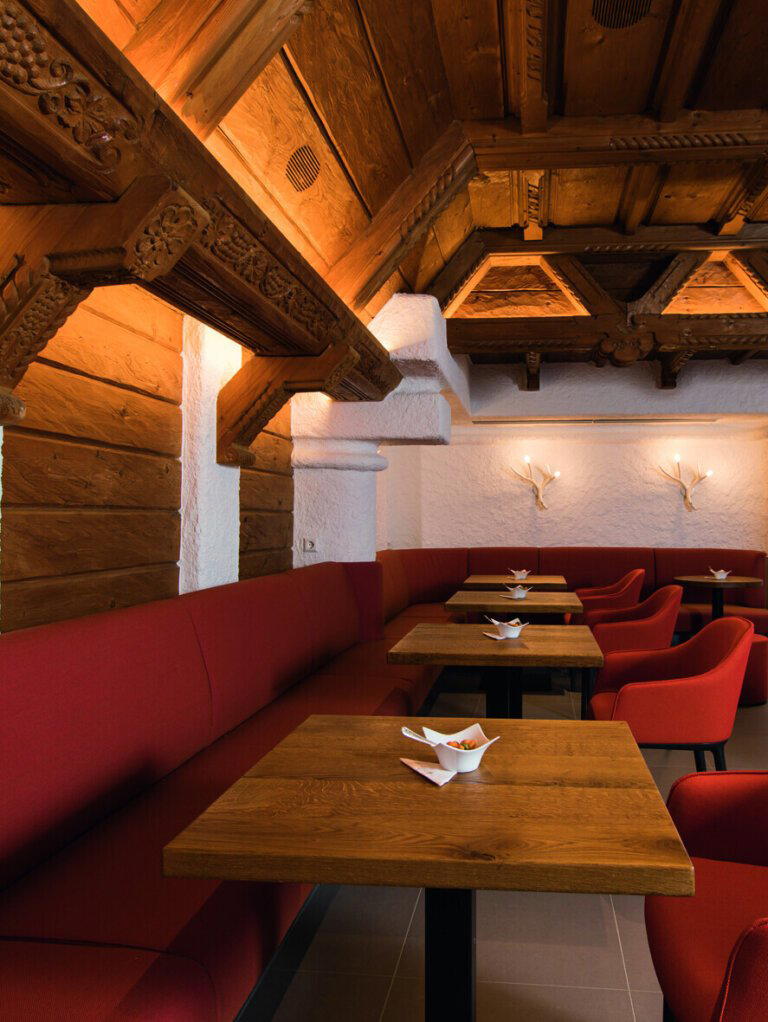
Cosy and rustic atmosphere in a historical inn with cordial service and background music from an old jukebox.