Adler
Adler occupies a direct address on Bäraustrasse in the Emmental village of Bärau, a corner of the Bernese uplands where Swiss rural dining traditions hold firm. The restaurant sits within a regional scene that rewards proximity to agricultural supply chains, positioning it in the tradition of Swiss Gasthaus cooking that draws directly from surrounding farms and producers. For visitors to the Emmental, it represents a grounded local option away from the canton's better-known tourist circuits.
Pearl is the En Primeur Club membership app — saves, bookings, and concierge access live there. Same editors, same standards.
- Address
- Bäraustrasse 42, 3552 Bärau, Switzerland
- Phone
- +41344021132
- Website
- landgasthof-adler.ch
- Directions
- Get directions
 Saves & bookings on Pearl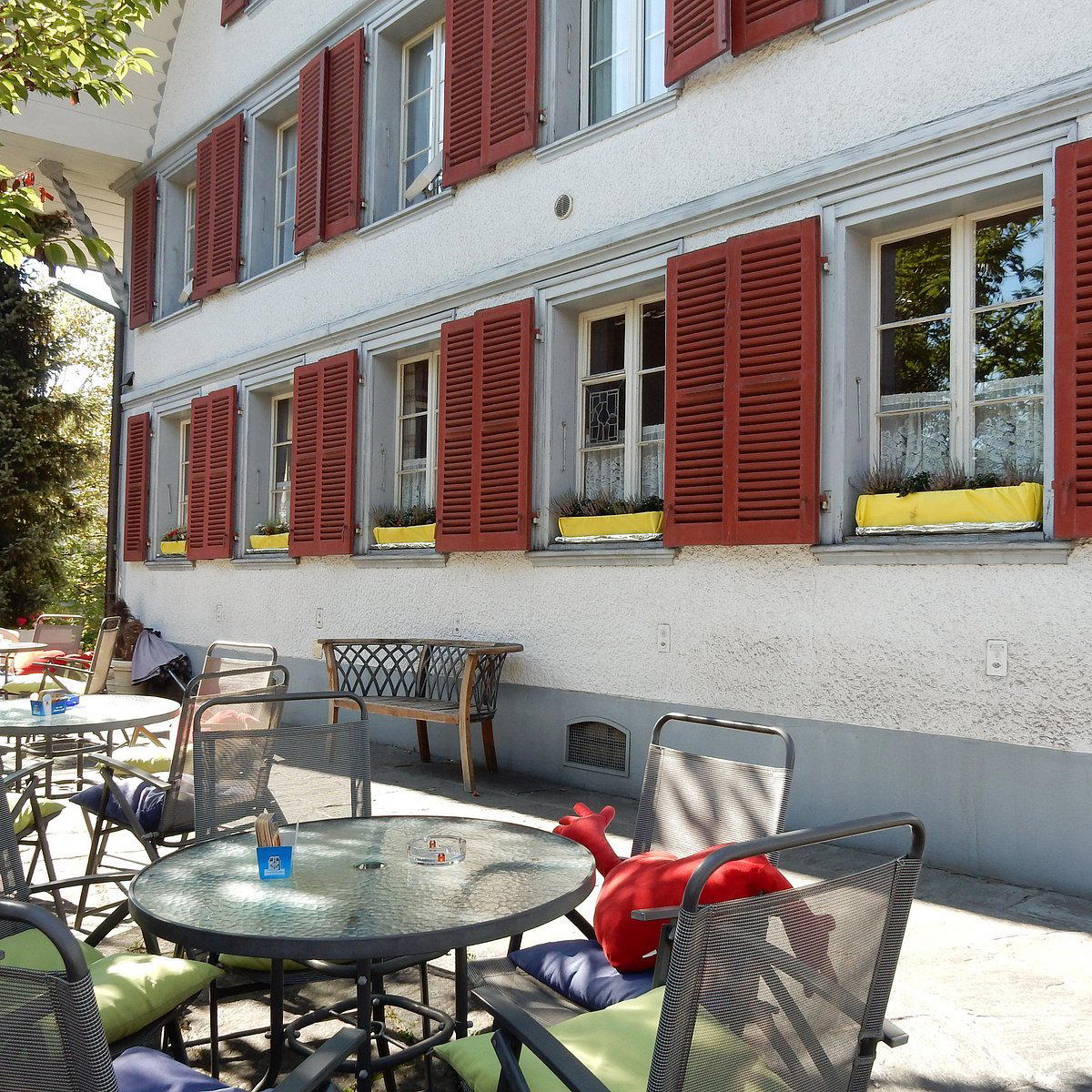
Emmental's Dining Tradition and What It Demands of a Kitchen
The Emmental region of canton Bern is not Switzerland's most discussed dining destination, and that relative quietness is partly structural. The valley's identity is agricultural before it is gastronomic: the cheese-making tradition that gives the area its international name shapes what local kitchens have access to and, by extension, what they are expected to cook. In this kind of rural Swiss context, a restaurant's credibility is less about tasting-menu architecture and more about the integrity of its sourcing chain. The farms are close, the producers are known by name, and the gap between field and plate is shorter than in any urban Swiss canton. That proximity creates both an opportunity and a standard that kitchens in the area cannot easily fake.
Adler is a casual Swiss & European restaurant in Bärau, Switzerland, at Bäraustrasse 42. Bärau is a compact settlement at the western mouth of the Emmental, close to Langnau and within reach of the agricultural producers that define the valley's culinary character.
The Sourcing Logic of Swiss Rural Gasthaus Cooking
Switzerland's mid-tier rural restaurant scene has followed two diverging paths over the past decade. One path leads toward the kind of creative modern Alpine cooking found at places like Magdalena in Schwyz or Mammertsberg in Freidorf, where the regional ingredient is the starting point for technical elaboration. The other path stays closer to the Gasthaus model: a shorter menu, direct supplier relationships, and a format built for regulars rather than destination diners. In the Emmental, the second model has historically dominated because the agricultural infrastructure supports it naturally. Cheese from valley dairies, pork and beef from Bernese farms, seasonal root vegetables, and the particular quality of Emmental dairy products give a kitchen working in this tradition more to work with than most rural Swiss addresses.
What distinguishes the ingredient-led approach in this valley specifically is that provenance is not a marketing decision. It is a logistical default. Restaurants in Bärau are not sourcing from local farms because it signals premium positioning; they are doing so because the supply chain is shorter and more reliable than importing from further away. That structural reality tends to produce cooking that is honest about what it is, rather than aspirational about what it is trying to become. For context on what the more ambitious end of Swiss sourcing-led cooking looks like, Schloss Schauenstein in Fürstenau and focus ATELIER in Vitznau both operate within a farm-to-table logic, but at a price tier and format scale well above what an Emmental Gasthaus targets.
Bärau in Context: A Village Address, Not a Destination Circuit
Bärau is accessible from Bern by regional train. It is not a village that draws independent visitors; it functions as a residential and agricultural community, and restaurants here serve primarily a local clientele. That demographic reality matters for how a kitchen operates. Menus tend to reflect seasonal availability honestly, portion sizing reflects the expectations of working locals, and pricing stays grounded in the canton's rural norms rather than tourist-tier inflation.
For the traveller arriving from Bern or Luzern, Bärau represents the kind of stop that requires intention. It is not on the way to anywhere better known. That dynamic places it in a different category from, say, the restaurants in Swiss ski or lake resorts that operate on passing luxury traffic. The Adler's position on Bäraustrasse puts it at the functional centre of a working village, which is precisely where traditional Swiss Gasthaus cooking has always been rooted.
Those planning a broader sweep of Swiss fine dining might cross-reference with Memories in Bad Ragaz, Cheval Blanc by Peter Knogl in Basel, or Hotel de Ville Crissier in Crissier for Switzerland's formal high-end tier. For rural Swiss cooking with a more experimental creative edge, Taverne zum Schäfli in Wigoltingen and Maison Wenger in Le Noirmont represent the Swiss Gasthaus format pushed toward Michelin-level ambition. Our full Barau restaurants guide covers the local options in greater detail.
What the Emmental Format Implies for a Visit
Restaurants operating in the Gasthaus tradition of the Emmental typically run a format built around lunch and dinner service for local trade, with a menu that changes according to what is available rather than what is fashionable. The physical environments in villages of this scale tend toward the traditional: dark timber, ceramic tile stoves, linen tablecloths or bare wood depending on the room. These are not design-led spaces in the sense that a Zurich or Geneva restaurant might pursue, but they carry the material weight of buildings that have been in continuous hospitality use for generations.
For the visitor who has spent time at technically ambitious Swiss kitchens, such as Einstein Gourmet in Sankt Gallen or Da Vittorio in St. Moritz, an Emmental Gasthaus offers a deliberate counterpoint. The interest is not in the technique but in the directness of the ingredient relationship. Emmental cheese used within the valley where it was produced, Bernese veal from farms within sight of the restaurant, bread from a local bakery: these details carry their own logic, one that a kitchen in Zurich or Bern city cannot replicate regardless of its sourcing budget. For comparable rural Swiss experiences with a different regional flavour, La Table du Valrose in Rougemont and La Brezza in Ascona show how the Alpine and Ticino registers handle similar proximity-to-producer dynamics.
Visitors with specific dietary requirements or advance planning needs should contact Adler directly before arrival. As with most Gasthaus-format kitchens in rural Switzerland, current hours, menu details, and booking practices are best confirmed by phone or in person rather than assumed from general category norms. Skin's in Lenzburg and The Japanese Restaurant in Andermatt are among Swiss addresses that have moved further toward formalized online booking; rural Emmental kitchens generally have not followed that path at the same pace.
Planning a Visit to Adler
Adler is located at Bäraustrasse 42, 3552 Bärau. Regional rail service connects Bärau to Langnau im Emmental and Luzern, with onward connections to Bern, making the village reachable by public transport without a car. Visitors arriving from Bern should allow approximately 45 to 55 minutes by train via Langnau. Hours run Mon: 9 AM to 11 PM, Tue: 9 AM to 11 PM, Wed: Closed, Thu: Closed, Fri: 9 AM to 11 PM, Sat: 10 AM to 11 PM, and Sun: 10 AM to 10 PM. Reservations are recommended. For broader Swiss dining comparison, Le Bernardin in New York City and Lazy Bear in San Francisco for readers building cross-border itineraries.
Comparable Venues
Comparable venues nearby, for context on price, style, and recognition.
| Venue | Cuisine | Price | Notes |
|---|---|---|---|
| AdlerThis venue — the venue you are viewing | Swiss & European | $$ | Not listed |
| Nachbarsgarten | Swiss-Mediterranean | $$ | Veltheim |
| Berggasthaus Aescher | Traditional Swiss Mountain Cuisine | $$ | Weissbad |
| Marzilibrücke | Swiss Fondue & European Bistro | $$$ | Sandrain |
| SWISS TASTY | Modern Swiss Fast Food | $ | Stans |
| Restaurant 1903 | Refined Swiss with Mediterranean Influences | $$$ | Wengen |
Continue exploring
More in Barau
Restaurants in Barau
Browse all →
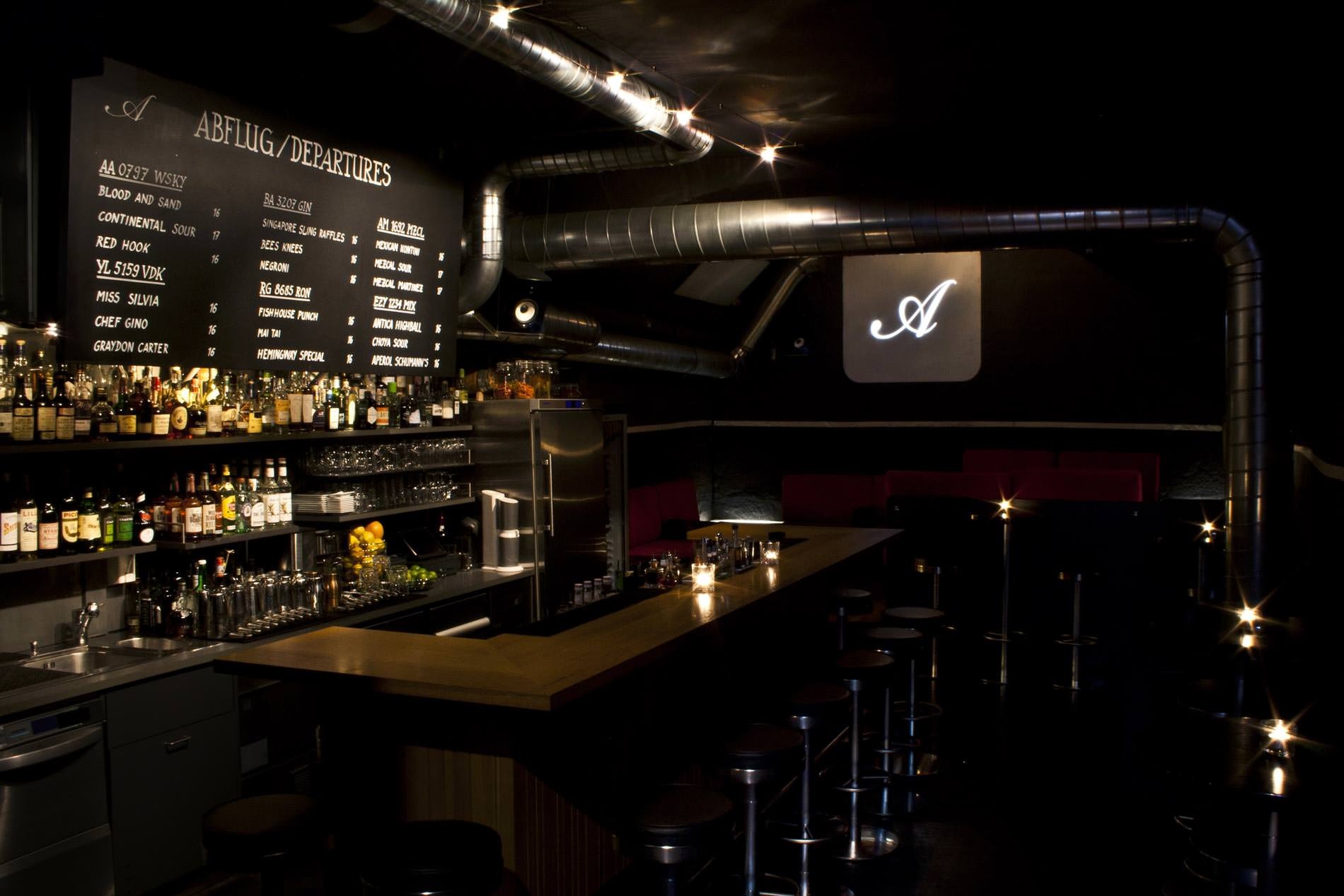
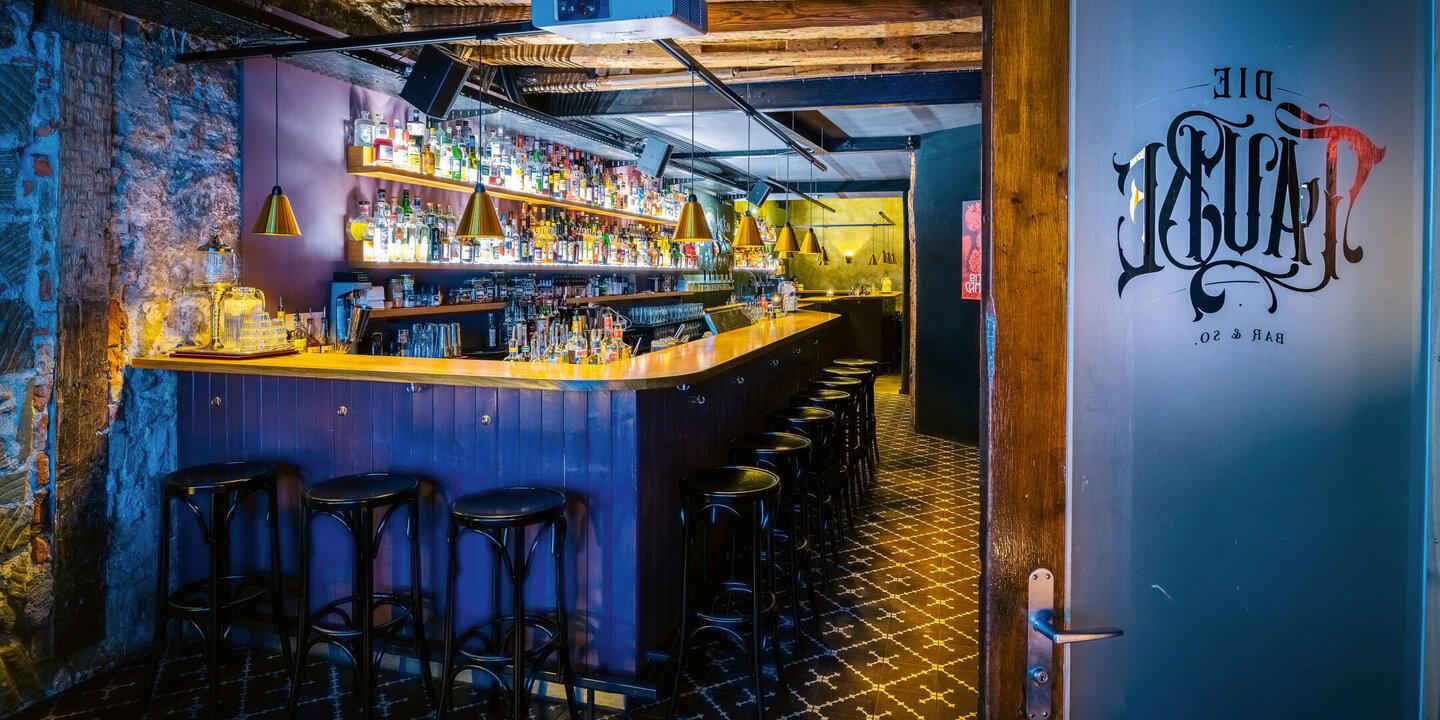
Bars in Barau
Browse all →

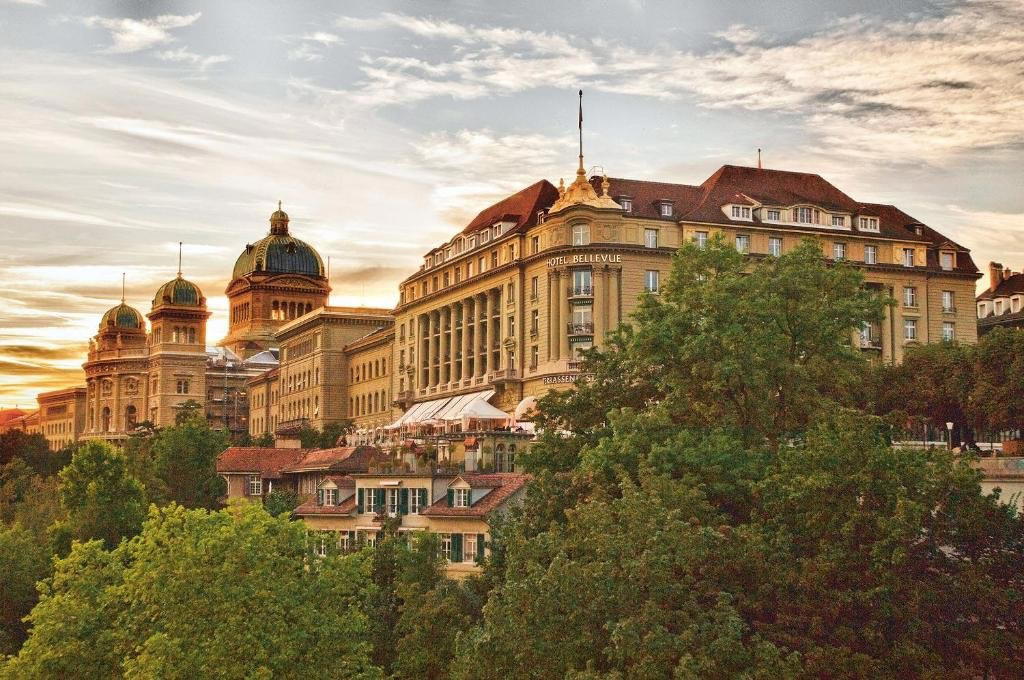
Hotels in Barau
Browse all →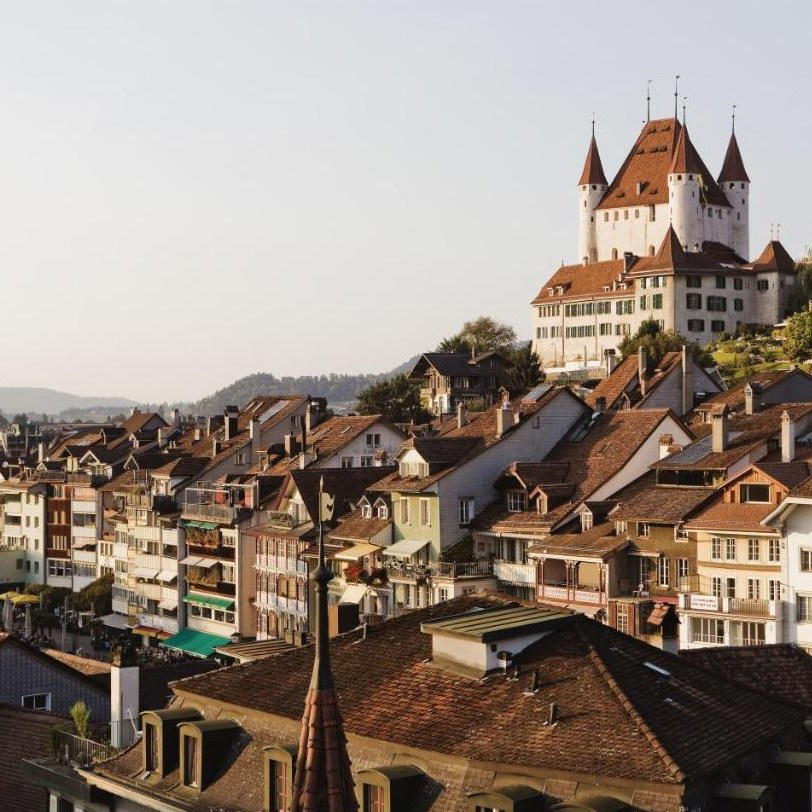

At a Glance
- Cozy
- Rustic
- Family
- Casual Hangout
- Standalone
Current opening hours
- Monday
- 9 AM–11 PM
- Tuesday
- 9 AM–11 PM
- Wednesday
- Closed
- Thursday
- Closed
- Friday
- 9 AM–11 PM
- Saturday
- 10 AM–11 PM
- Sunday
- 10 AM–10 PM
Hours can change for holidays and private events. Last verified .
Friendly and welcoming with a focus on generous, quality homemade dishes.