Accalmie
On La Tranche-sur-Mer's central square, Accalmie occupies a position that most Atlantic coastal towns in the Vendée struggle to fill: a dining room that takes the surrounding coastline seriously as a larder, not just a backdrop. The restaurant draws from a stretch of the French Atlantic where tidal patterns, salt marshes, and seasonal fishing rhythms shape what arrives on the plate. A considered choice for visitors who come to this stretch of coast for more than the beach.
Pearl is the En Primeur Club membership app — saves, bookings, and concierge access live there. Same editors, same standards.
- Address
- 2 Pl. de la Liberté, 85360 La Tranche-sur-Mer, France
- Phone
- +33285339763
- Website
- restaurantaccalmie.com
- Directions
- Get directions
 Saves & bookings on Pearl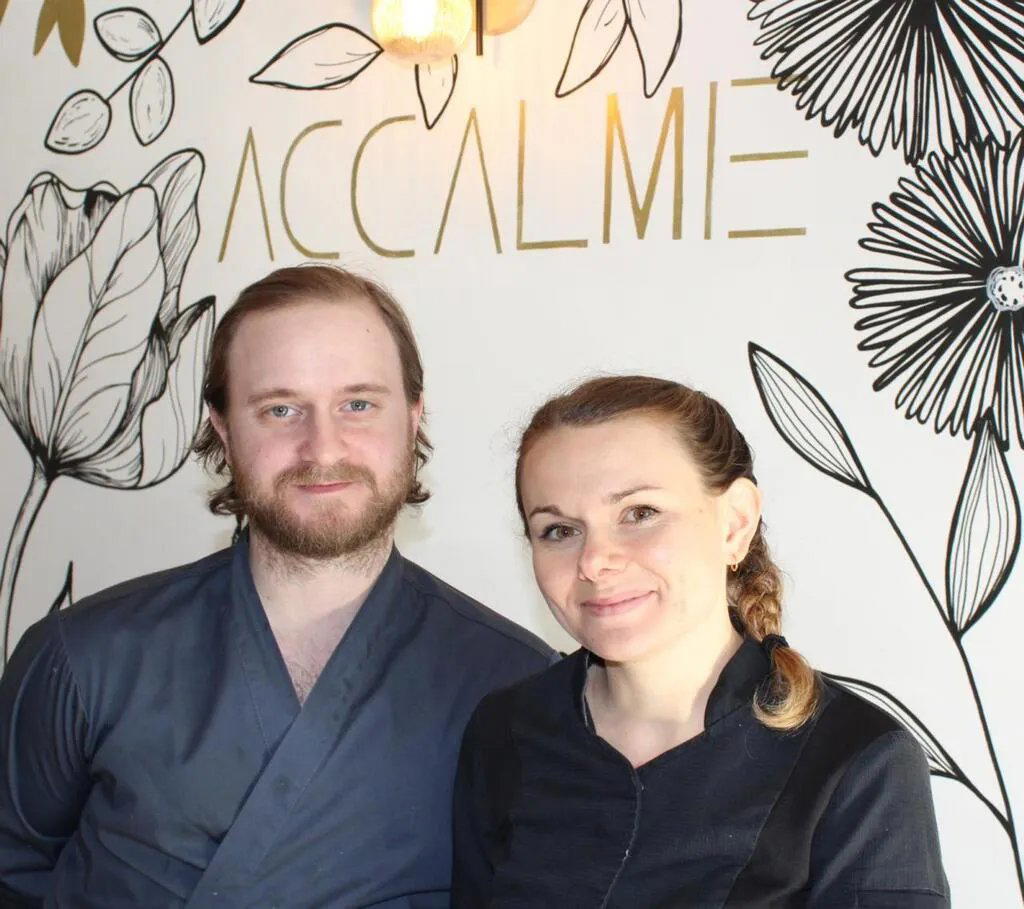
Where the Atlantic Sets the Agenda
The Vendée coast operates on a different register from France's more photographed shorelines. La Tranche-sur-Mer sits at the southern end of a long Atlantic-facing strip where the sea is less a scenic amenity than a working system: tidal flats, salt marshes, and nearshore fishing grounds that supply a regional food economy stretching from the Île de Noirmoutier oyster beds northward to the Loire estuary. Restaurants that take that geography seriously tend to produce menus shaped by tide charts and seasonal catch rather than by what's available from a national distributor. Accalmie is a Modern French Bistro at 2 Pl. de la Liberté, 85360 La Tranche-sur-Mer, France.
The address itself matters. Place de la Liberté is a compact, unhurried square that carries the rhythm of a town built around summer visitors but not entirely dependent on them. Arriving on foot from the seafront, the transition from salt air to a composed dining room is immediate. The name Accalmie translates loosely as a lull or calm, the meteorological pause between weather systems, and that quality extends to how the space reads from the street.
Ingredient Geography on the Atlantic Seaboard
Broader argument for cooking in this corner of France rests on what the surrounding territory produces. The Vendée's agricultural identity is built around free-range poultry, marsh-grazed lamb from the bocage, and the salt-harvested from the region's coastal marshlands. Offshore, the fishing grounds between the Île de Ré and the Pointe du Payré yield bass, bream, sole, and seasonal shellfish that travel short distances to kitchens along this coast. For a restaurant on La Tranche-sur-Mer's central square, that supply chain is not aspirational, it is logistical reality.
In the broader French context, this kind of proximity-driven sourcing has become a point of differentiation even at the upper end of the market. Restaurants like Mirazur in Menton built part of their critical identity around the relationship between kitchen and immediate environment. At the other extreme, the multi-course architecture of Alléno Paris au Pavillon Ledoyen applies technical transformation to French produce at a remove from its source. Coastal establishments at a more accessible price point face a different but structurally similar question: whether to treat local supply as a selling point or as the actual organising principle of the menu. On the Atlantic Vendée, where the gap between sea and table is measured in kilometres rather than supply-chain days, the latter position is available to any kitchen with the discipline to hold to it.
Coastal Dining in Regional France: The Competitive Frame
La Tranche-sur-Mer is not a destination dining town in the way that Laguiole supports Bras, or that Illhaeusern draws visitors to Auberge de l'Ill. Those restaurants anchor their towns to a dining pilgrimage circuit. La Tranche-sur-Mer's primary draw is its Atlantic beach and the summer tourism economy that surrounds it. What that means in practice is that a restaurant here competes first within a local visitor economy, where expectations and price sensitivity run differently than in destination-dining markets.
The French regional restaurant that handles this well tends to do one of two things: either it pitches squarely at the tourist trade with a broad, accessible menu, or it takes a narrower position by committing to seasonal produce and local supplier relationships that give it an identity beyond holiday convenience. The second model requires more from both kitchen and diner, but it also produces a more durable reputation. Properties like Auberge du Vieux Puits in Fontjoncouse and Les Prés d'Eugénie in Eugénie-les-Bains built reputations precisely because they took a defined position in geographically peripheral locations. The principle applies at every price level.
For comparison across French fine dining categories, the spectrum runs from the classical architecture of Paul Bocuse - L'Auberge du Pont de Collonges and Maison Lameloise to the resort-integrated model at La Vague d'Or in Saint-Tropez or Le 1947 in Courchevel. Accalmie operates nowhere near those price brackets, but the underlying question, what does this kitchen do with its geographic position, is the same across the tier.
The Broader Atlantic Kitchen Tradition
Atlantic coastal cooking in France has a less codified identity than, say, the butter-and-cream tradition of Normandy or the fish-and-saffron combinations of Provence's bouillabaisse belt. The Vendée and Charente-Maritime coast tends to produce a style that is direct and marine-focused: fish treated with restraint, shellfish served close to their natural state, and vegetable contributions drawn from the bocage's market gardens. It is not a cuisine of elaborate technique for its own sake. The leading versions of it read as a form of respect for the ingredient rather than transformation of it.
That restraint-led approach has parallels at different price points internationally. Le Bernardin in New York built a multi-decade critical reputation on the argument that fish should be the protagonist rather than a vehicle for sauce. On the Pacific coast, Lazy Bear in San Francisco applies a different set of values around sourcing and seasonality. The Vendée kitchen tradition is less formal than either, but the underlying logic, let the ingredient carry the work, runs through all three.
Planning Your Visit
La Tranche-sur-Mer is most accessible by car, and public transport connections are limited outside the summer season. The practical window for visiting aligns with the broader Vendée tourism calendar: the Atlantic beach season runs from late June through early September, and restaurant trade in the town concentrates in those months. Accalmie sits on Place de la Liberté, which is walkable from the main beach and the town's central parking areas. Given the summer concentration of visitors, booking ahead during July and August is the pragmatic approach; outside those months, availability is typically more open. On the Vendée coast, that window is summer, when the Atlantic larder is at its most productive.
Comparable Spots, Quickly
Comparable venues nearby, for context on price, style, and recognition.
| Venue | Cuisine | Price | Notes |
|---|---|---|---|
| AccalmieThis venue — the venue you are viewing | Modern French Bistro | $$ | Not listed |
| Aux Frères de la Côte | French Seafood Shack | $$ | Ars-en-Re |
| Battos | Modern French Bistro | $$ | Hauts-Pavés |
| Le Transition | Modern French Bistronomique | $$ | Centre Ville |
| Maison Blanche | Modern French Fine Dining | $$$ | 8th arrondissement |
| DAR DAR | Modern French Bistrot | $$ | Centre Ville |
Continue exploring
More in La Tranche Sur Mer
Restaurants in La Tranche Sur Mer
Browse all →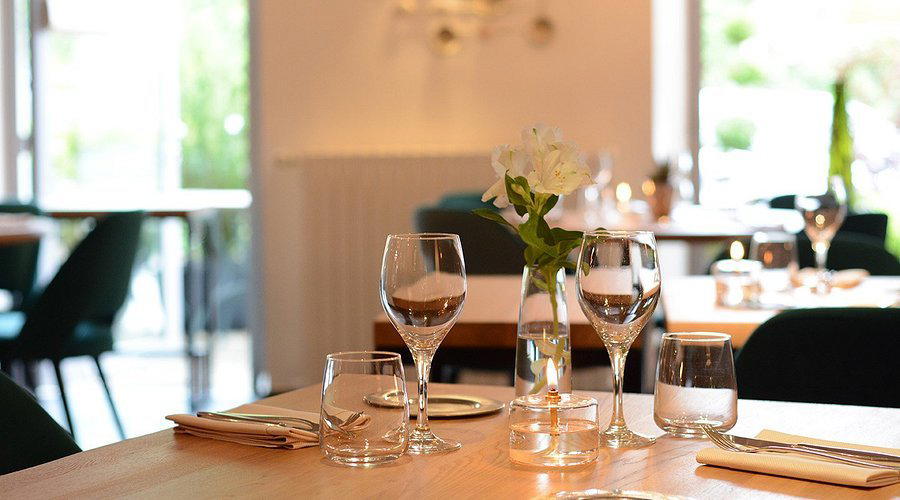
At a Glance
- Cozy
- Intimate
- Elegant
- Date Night
- Special Occasion
- Family
- Standalone
- Local Sourcing
Current opening hours
- Monday
- 12–1 PM, 7:30–8:45 PM
- Tuesday
- 12–1 PM, 7:30–8:45 PM
- Wednesday
- Closed
- Thursday
- Closed
- Friday
- 12–1 PM, 7:30–8:45 PM
- Saturday
- 12–1 PM, 7:30–8:45 PM
- Sunday
- Closed
Hours can change for holidays and private events. Last verified .
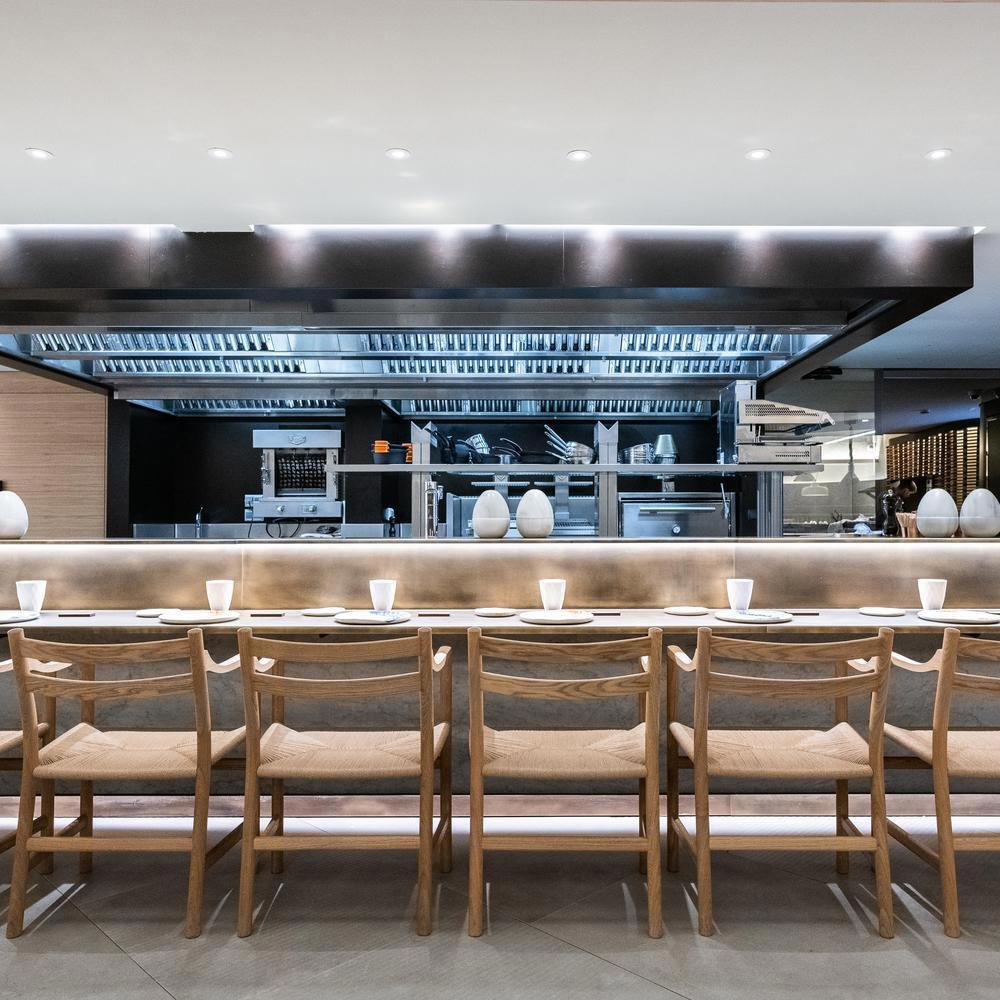
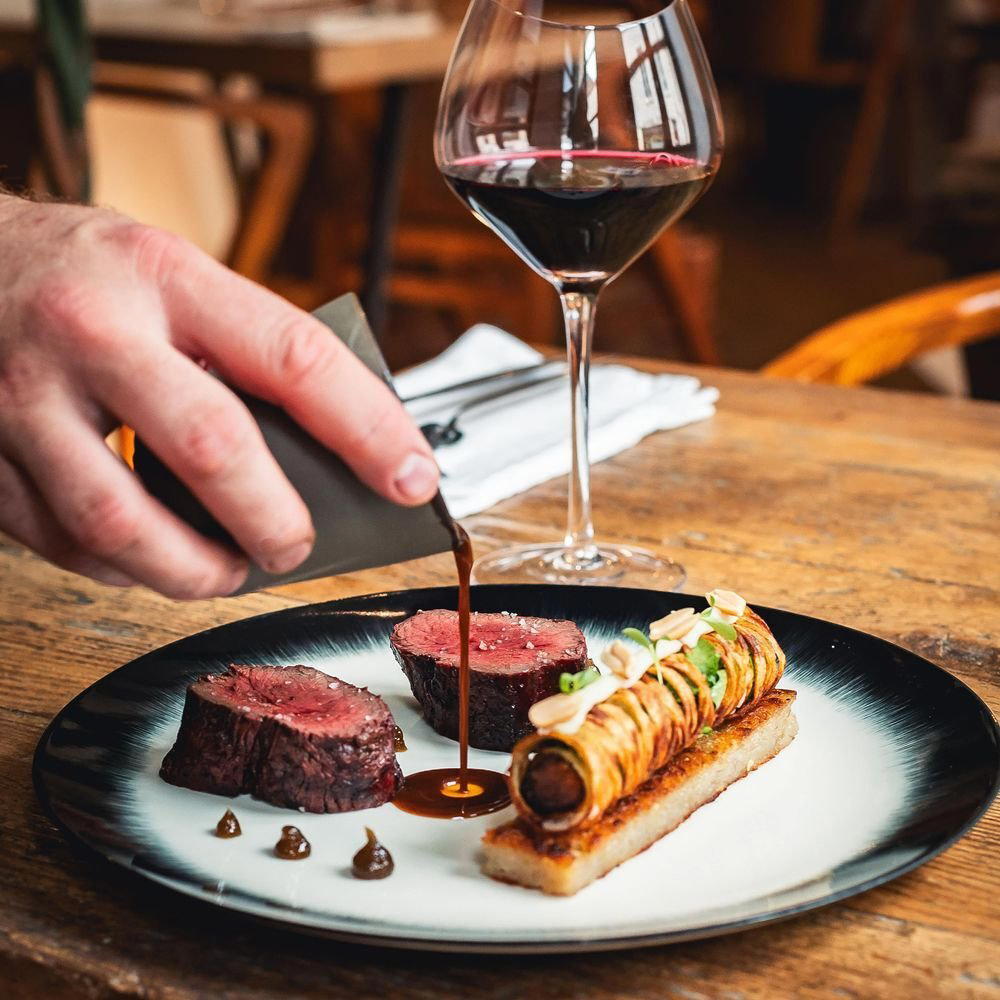
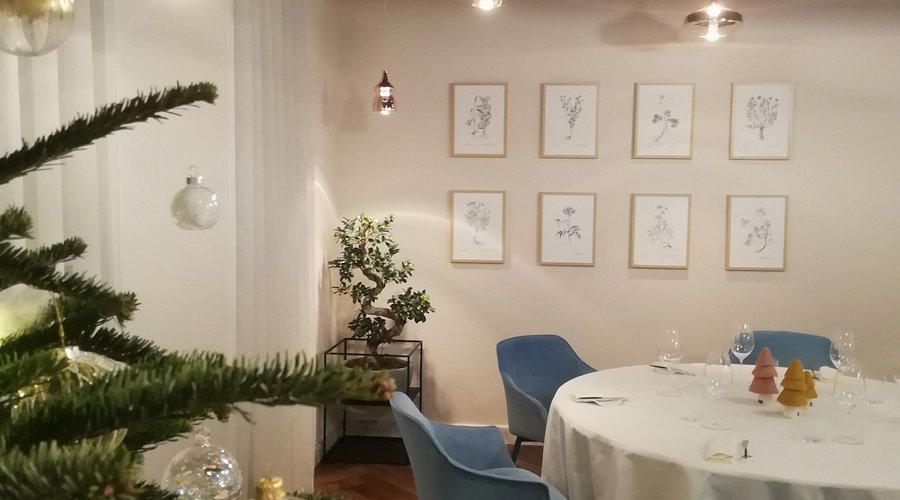
Soberly decorated small room with cozy, intimate atmosphere, friendly and discreet service, and beautifully presented dishes that delight the senses.