Le Transition sits on Rue de la Bastille in central Nantes, a city whose restaurant scene has shifted decisively toward ingredient-led, shorter-supply-chain cooking over the past decade. The address places it within easy reach of the Loire estuary's market network, which defines much of what serious Nantes kitchens do. For sourcing-conscious diners exploring the city's mid-to-upper tier, it warrants a close look alongside peers like Freia and Les Cadets.
Pearl is the En Primeur Club membership app — saves, bookings, and concierge access live there. Same editors, same standards.
- Address
- 11 bis Rue de la Bastille, 44000 Nantes, France
- Phone
- +33240204158
- Directions
- Get directions
 Saves & bookings on Pearl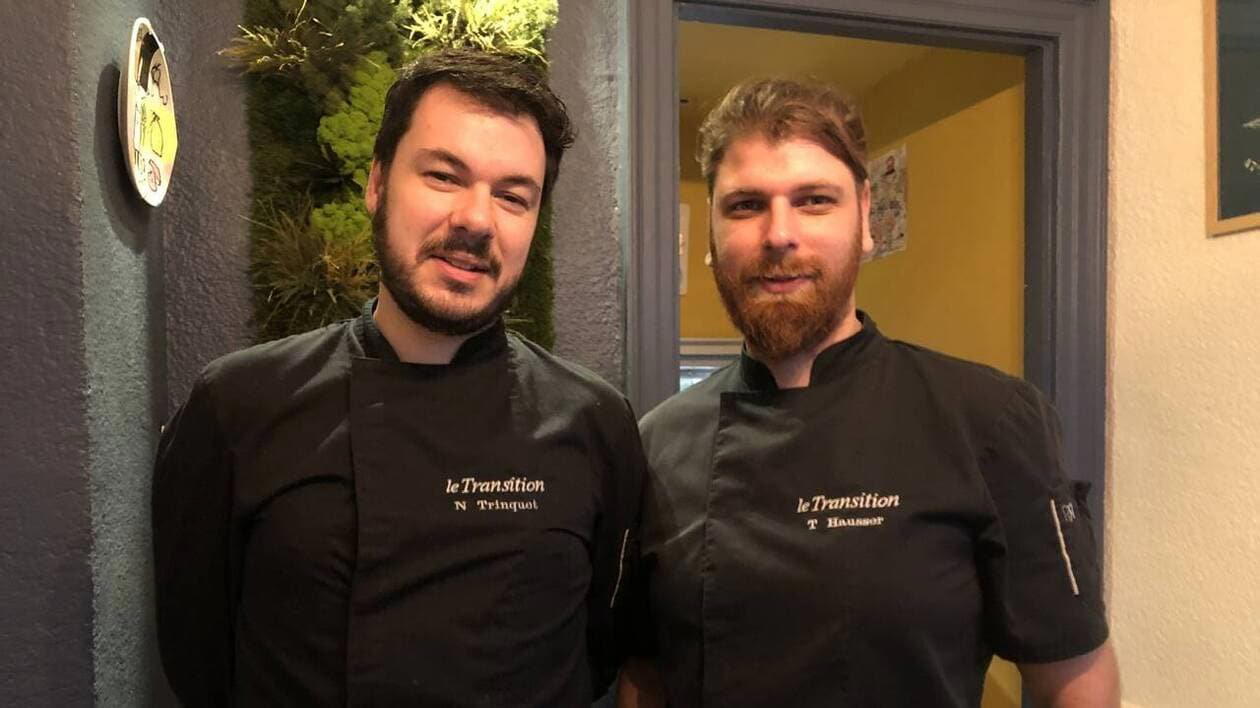
Nantes and the Sourcing Shift
French regional cooking has always claimed proximity to its ingredients as a virtue, but the claim has sharpened in Nantes over the last ten years into something more operational. The city sits at the mouth of the Loire, within reach of Atlantic fishing grounds to the west, the maraîchage market gardens of the Pays de la Loire inland, and a Loire Valley wine corridor that runs east toward Anjou and Touraine. That geography gives Nantes kitchens a sourcing radius that few French cities of its size can match, and the better restaurants here have started to treat that radius as a structural part of their identity rather than a line of copy on a menu cover.
Le Transition is a restaurant in Nantes serving modern French bistronomique at an accessible price point. Le Transition, at 11 bis Rue de la Bastille in central Nantes, occupies this moment in the city's restaurant evolution. The address is a short walk from the quartier Bouffay, a dense commercial neighbourhood where the city's older brasserie culture has coexisted uneasily with a younger generation of kitchens committed to produce calendars and producer relationships. The restaurant's name gestures explicitly at that generational shift: not a revolution, but a deliberate move from one mode of cooking to another.
What the Name Signals
In French restaurant culture, names that invoke process or concept rather than geography or the chef's own surname tend to announce a particular kind of ambition. They suggest a kitchen more interested in the logic of what it serves than in personal mythology. Across the city's current tier of serious independents, that orientation is increasingly common. Freia, operating in the creative bracket at €€€, and Les Cadets, working in the modern cuisine register, both reflect a Nantes scene that has moved away from the classical white-tablecloth formula without fully abandoning rigour. Le Transition fits that pattern: a restaurant whose identity is framed around a transition in how food is sourced, cooked, and understood, rather than around the biography of whoever is behind the stove.
That framing matters because it sets expectations correctly. Diners arriving at this address should expect a kitchen oriented around what is available and where it comes from, with the menu acting as a record of that week's or that season's decisions rather than a fixed document. This is a different contract than the one offered at L'Atlantide 1874 - Maison Guého, where the €€€€ price tier and institutional history create a different set of expectations, or at LuluRouget, which operates in the modern cuisine format with its own sourcing priorities.
The Loire Estuary as Larder
Understanding what a sourcing-led kitchen in Nantes actually draws on requires some geography. The Loire estuary produces beurre blanc conditions that have shaped the regional palate for centuries: the shallow, brackish water where the river meets the Atlantic creates specific fish and shellfish populations, and the riverbanks support market gardens that supply Nantes restaurants with produce unavailable in Paris at competitive freshness. Muscadet, grown on the gneiss and granite soils west of the city, is the default local wine, though more ambitious kitchens are increasingly pairing with producers from further up the Loire corridor.
This is the context in which France's ingredient-led restaurant moment becomes legible beyond trend language. At the highest tier nationally, restaurants like Mirazur in Menton and Bras in Laguiole have made proximity to specific terroir the organising principle of their menus. Closer to Nantes, Troisgros - Le Bois sans Feuilles in Ouches has long demonstrated that a commitment to regional supply chains can coexist with the highest level of technical ambition. The principle scales down: what applies at the three-star level in terms of sourcing discipline also applies, with different resources, at the neighbourhood restaurant level in a city like Nantes.
Le Transition's positioning on Rue de la Bastille puts it in the part of the city where that principle is being tested at an accessible price point. The surrounding streets connect to the covered market infrastructure that serious Nantes cooks use, and the quartier draws a mixed clientele of locals who eat out regularly rather than the tourist-heavy crowds closer to the château.
Placing Le Transition in the Nantes Tier
Nantes has enough culinary range now that positioning matters. At the summit of the local hierarchy, Le Manoir de la Régate operates in the modern cuisine format with the setting and service architecture of a destination restaurant. Below that, a cluster of independents including Freia and Les Cadets have established a credible mid-to-upper tier where the cooking is serious but the atmosphere is less ceremonial. The restaurant appears to operate in that same register: a kitchen with a defined point of view, a sourcing philosophy made explicit by its name, and a location that suggests neighbourhood commitment over destination theatre.
For context on how France's broader fine dining scene frames this kind of proposition, it helps to look at what the major addresses are doing. Alléno Paris au Pavillon Ledoyen and Assiette Champenoise in Reims represent the institutional end of French fine dining, where sourcing is one input among many. The more interesting counterpoint for a restaurant like Le Transition is the provincial serious independent: places like Au Crocodile in Strasbourg or Flocons de Sel in Megève, which have built durable reputations in their own cities without being defined by Paris. Nantes is large enough and has enough culinary momentum that its serious restaurants increasingly deserve to be read in that provincial-independent frame rather than as satellites of the capital.
Internationally, the sourcing-led restaurant model that restaurant's name invokes has parallels in the tasting-menu format that places like Atomix in New York City have refined: a kitchen where the menu's logic flows from ingredient availability and producer relationships, with the diner trusting the kitchen's decisions rather than selecting from a fixed list. That model has reached Nantes in a form appropriate to the city's scale and market access.
Planning Your Visit
The restaurant is at 11 bis Rue de la Bastille, 44000 Nantes, a central address reachable on foot from the tram network and within the core of the city's walkable restaurant zone.
Compared to the more institutional experience at Paul Bocuse - L'Auberge du Pont de Collonges or the destination scale of Auberge de l'Ill in Illhaeusern, the restaurant represents the leaner end of serious French cooking: a kitchen whose quality argument rests on what it sources and how it handles it. That is, increasingly, where particularly interesting meals in provincial France are happening.
How It Stacks Up
Comparable venues nearby, for context on price, style, and recognition.
| Venue | Cuisine | Price | Notes |
|---|---|---|---|
| Le TransitionThis venue — the venue you are viewing | Modern French Bistronomique | $$ | Not listed |
| Chez Franklin | Modern French Brasserie | $$ | Graslin |
| Art'N Blum | Creative French Bistronomy | $$ | Decré - Cathédrale |
| Simone | Creative French Bistro | $$ | Graslin |
| Bistrot de la Comédie | French Bistro | $$ | Mellinet |
| La Cigale | Classic French Brasserie | $$ | Graslin |
Continue exploring
More in Nantes
Restaurants in Nantes
Browse all →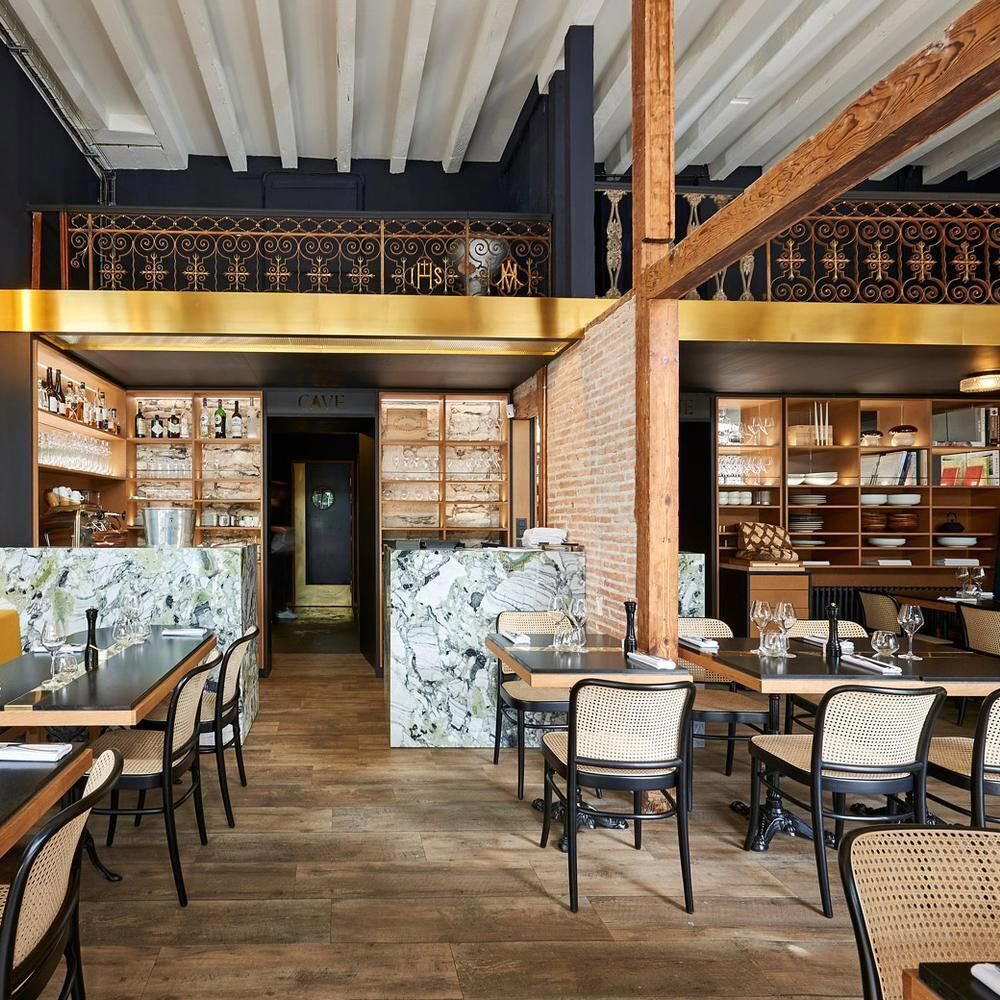
Bars in Nantes
Browse all →
Hotels in Nantes
Browse all →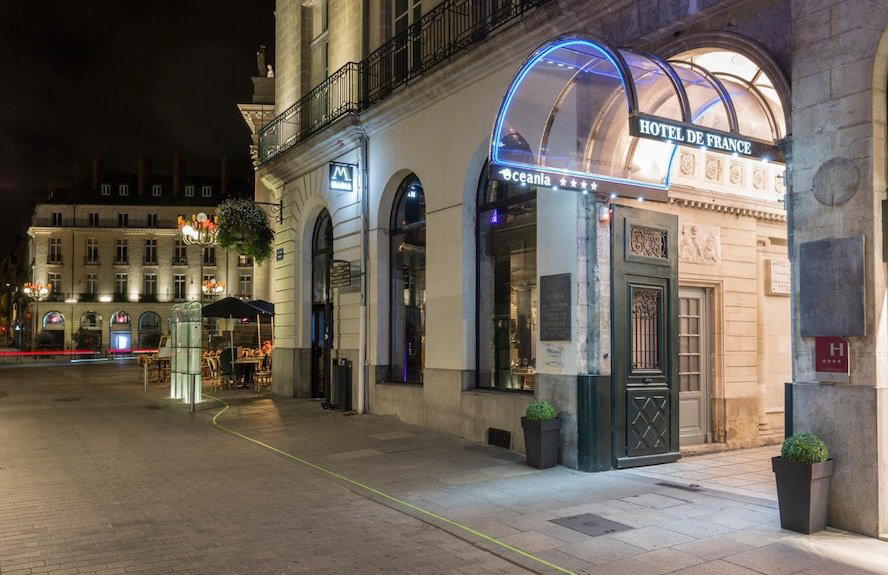

At a Glance
- Modern
- Cozy
- Date Night
- Casual Hangout
- Terrace
- Local Sourcing
- Organic
Current opening hours
- Monday
- Closed
- Tuesday
- 12–9 PM
- Wednesday
- 12–9 PM
- Thursday
- 12–9 PM
- Friday
- 12–9 PM
- Saturday
- 12–9:30 PM
- Sunday
- Closed
Hours can change for holidays and private events. Last verified .
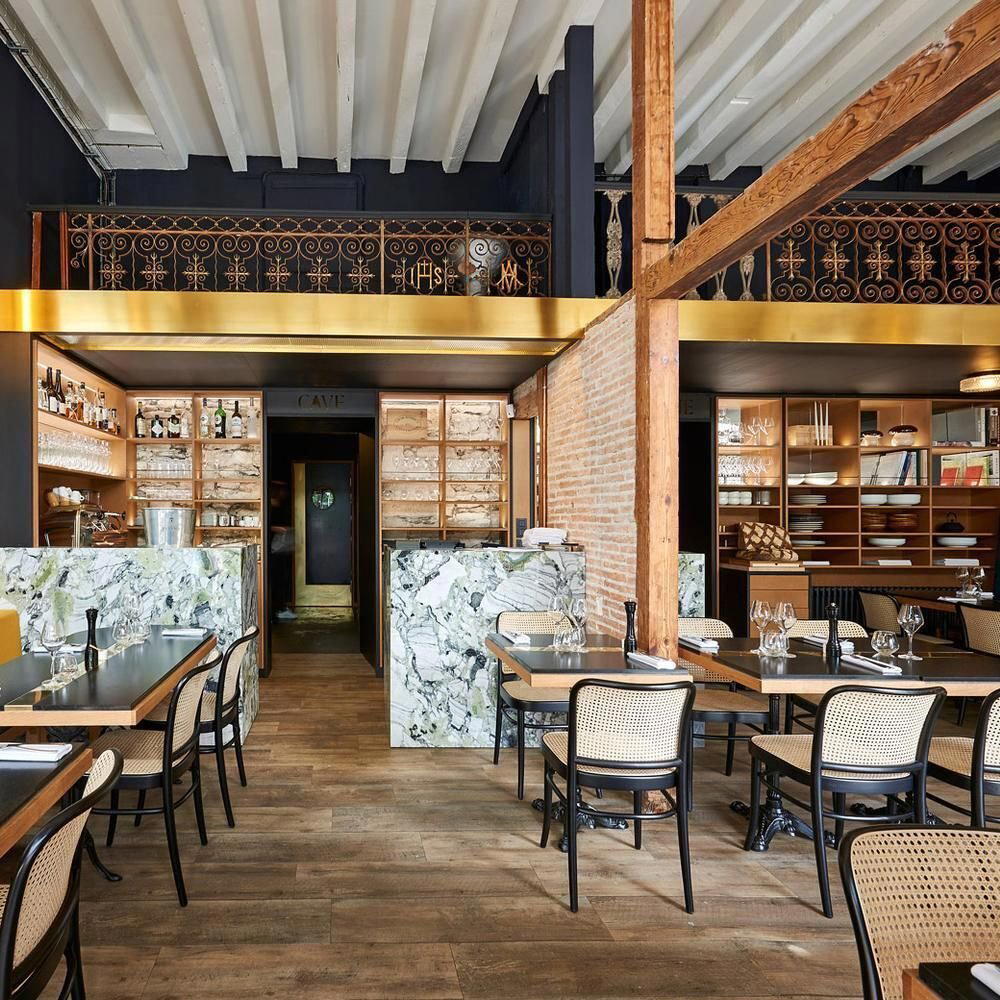
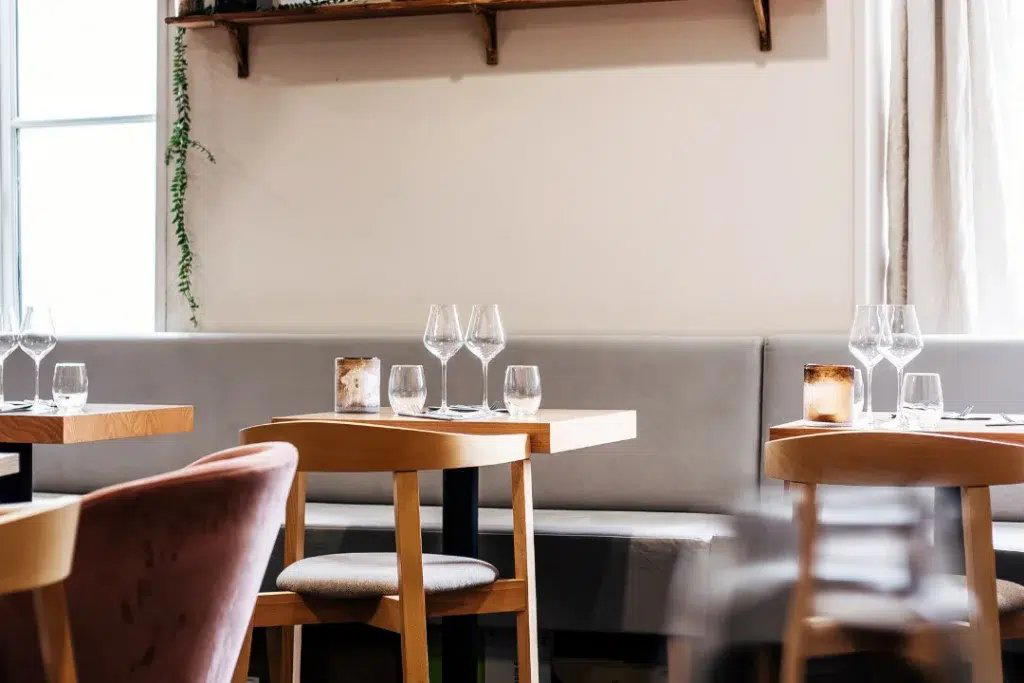
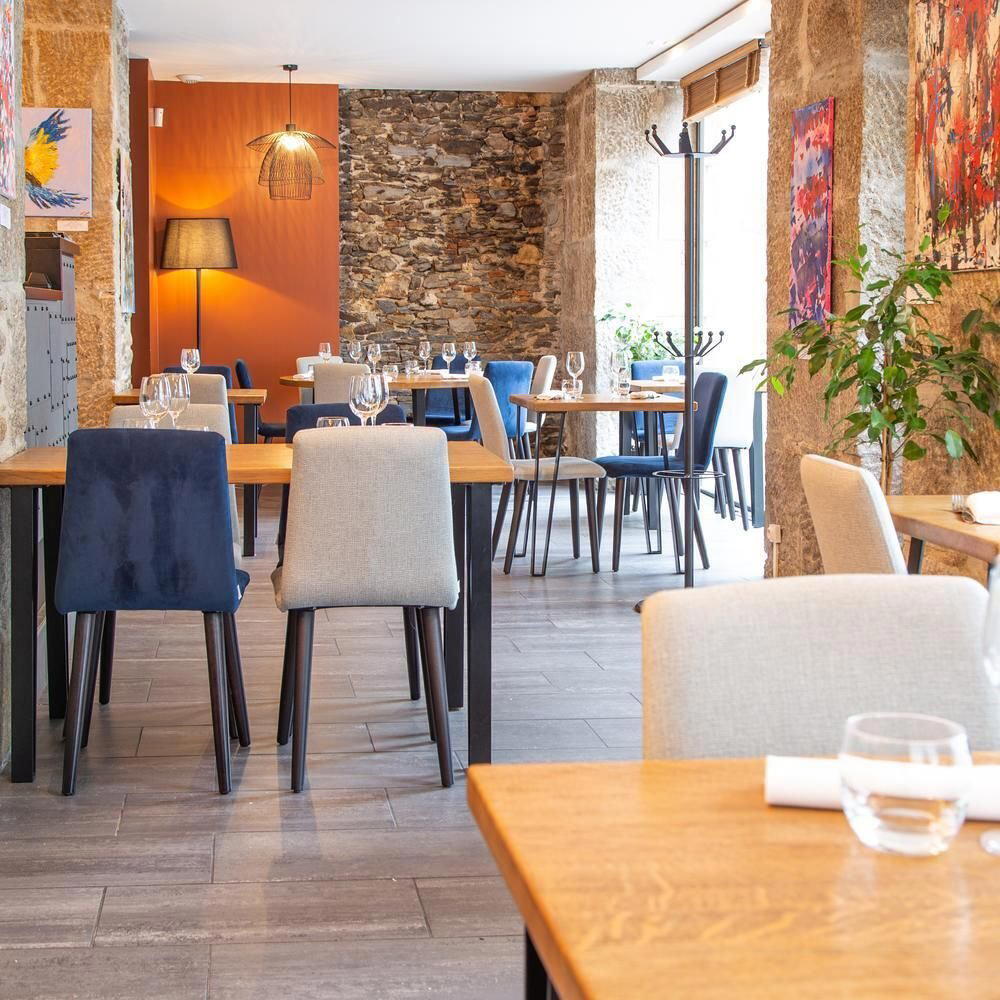
Warm and welcoming atmosphere in spacious, light-filled rooms with a clean, modern style, enhanced by a patio and terrace.