Our verdict
In the high-altitude prefecture of Garze on the Tibetan Plateau, 金轮林卡 represents the kind of place that exists because of where it is, not despite it. The surrounding terrain, Buddhist cultural fabric, and plateau food traditions all shape what ends up on the table. For travellers making the journey into Sichuan's far west, it sits as a reference point for engaging with the region's distinctive culinary and cultural identity.

Pearl is the En Primeur Club membership app, where members save venues, book tables and use the concierge.
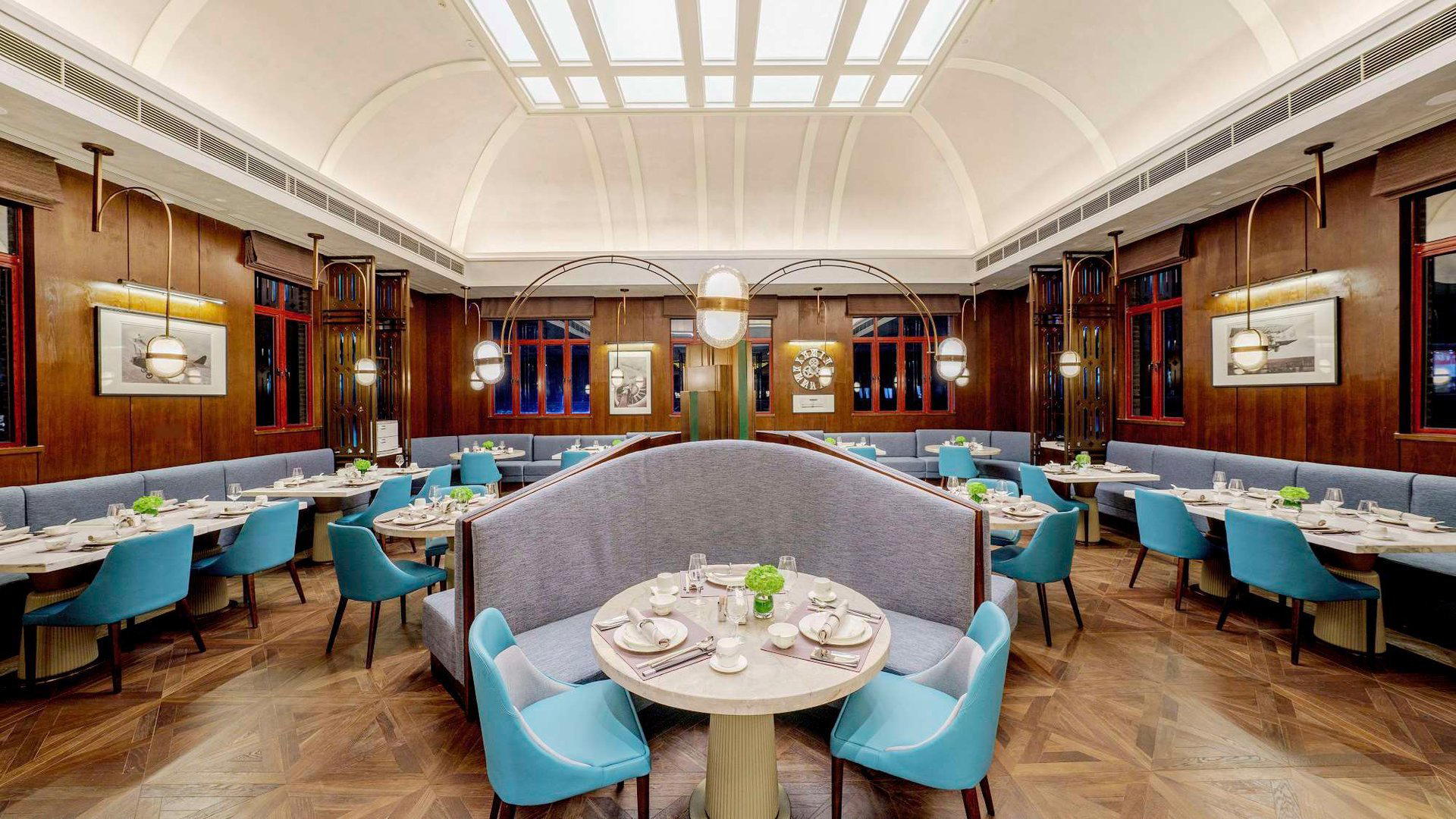
Plateau Dining in Garze: What the Setting Demands
At elevations above 3,000 metres, the Tibetan Plateau imposes its own logic on how people eat. Caloric density, warming spices, and fermented dairy appear not as stylistic choices but as practical necessities shaped over centuries of high-altitude habitation. Garze Prefecture, which occupies the western edge of Sichuan Province and borders Tibet, sits at the intersection of Han Chinese culinary influence and deep Khampa Tibetan food tradition. That intersection produces something genuinely distinct from either the fiery Sichuan basin cooking associated with Chengdu or the butter-tea staples of Lhasa. 金轮林卡 operates within that confluence, and understanding what it represents means understanding what Garze itself is: a prefecture where yak, tsampa (roasted barley flour), and highland medicinal herbs define the pantry as much as any market economy.
The name itself carries cultural weight. "金轮" (golden wheel) references the Dharma wheel, a central symbol in Tibetan Buddhism, while "林卡" is a Tibetan term for a garden or outdoor leisure space, often associated with communal gathering and festive eating. Together they signal a dining context that is neither purely restaurant nor purely cultural venue, but something closer to the Tibetan tradition of outdoor convivial meals, historically associated with warmer months when families and communities gather in open spaces to eat, drink butter tea, and mark seasonal occasions. That tradition is worth understanding before arriving, because it shapes expectations about pacing, format, and what the meal is actually for.
The Cultural Architecture of Khampa Cuisine
The Khampa people of eastern Tibet and western Sichuan have a food culture that is far less documented internationally than the cuisine of Lhasa or the better-known flavours of the Sichuan basin. What distinguishes Khampa cooking is its relationship to altitude agriculture and nomadic pastoralism. Yak meat, in various preparations from fresh cuts to dried strips to fermented forms, anchors the protein side of the table. Yak butter appears in tea, in bread, and as a cooking medium. Tsampa, the roasted barley staple, functions as both a daily sustenance food and a ceremonial one. Highland mushrooms and foraged greens, available in the short growing season between late spring and early autumn, add complexity that visitors from lower elevations often find surprising in its range.
This food tradition sits almost entirely outside the circuits that produce Michelin recognition or fine-dining media coverage. Venues like Xin Rong Ji in Chengdu or Chef Tam's Seasons in Macau operate in urban contexts where the critical infrastructure of awards and reviews is dense and active. Garze has no such apparatus. What it has instead is a food culture that has evolved in relative isolation, which is precisely what makes it worth the considerable effort of reaching it. For context on how other remote or culturally specific dining contexts function across China, the EP Club Garze guide covers the prefecture's broader dining patterns, including 稻城印象老砂锅, another Garze address worth noting for its clay-pot preparations.
Reaching Garze and Timing the Visit
The logistics of reaching Garze are non-trivial and deserve honest treatment. The prefecture capital, Kangding, is the most accessible entry point, connected by road from Chengdu via the G318 highway, a drive that takes roughly six to eight hours depending on conditions and season. A small airport near Kangding (Kangding Airport, at approximately 4,280 metres above sea level, one of the highest commercial airports in the world) offers flights from Chengdu that cut travel time significantly, though weather cancellations are frequent, particularly outside the main travel window. Garze town itself sits further northwest, requiring additional road travel from Kangding.
The practical window for a visit runs from late May through early October. Winter at these elevations means road closures, extreme cold, and severely limited food supply chains. The summer months, particularly July and August, bring the highland grasslands to their most accessible state and coincide with several Tibetan festivals that shape the cultural context of eating and gathering in ways that matter to understanding a place like 金轮林卡. Altitude sickness is a real consideration for visitors arriving from low elevations; a gradual ascent and at least one acclimatisation day in Kangding before continuing northwest is advisable.
Where 金轮林卡 Fits in the Regional Picture
Garze is not a city with a stratified restaurant scene in the way that Chengdu, Shanghai, or even Kashgar has developed one. Comparing it to venues like 102 House in Shanghai or Imperial Treasure Fine Chinese Cuisine in Guangzhou would misrepresent what Garze's dining culture is and what it is trying to do. Those are urban fine-dining addresses operating within competitive metropolitan peer sets. 金轮林卡 exists in a different frame entirely, one where cultural authenticity, geographical remoteness, and the ritual dimensions of Tibetan food culture carry more weight than tasting menus or wine lists.
That framing is also why comparisons with addresses like Local Old Town Home in Kashgar are more instructive than with Michelin-tracked urban venues. Both exist in minority cultural zones where the food is inseparable from the ethnic and religious identity of the community that produces it. Both require travellers to arrive with a different set of expectations than they would bring to, say, Le Bernardin in New York City or Atomix. The value proposition is experiential and ethnographic as much as it is gastronomic.
Across China's premium dining tier, venues like Ru Yuan in Hangzhou, Dai Yuet Heen in Nanjing, Dingshan Jiangyan in Suzhou, Fleurs Et Festin in Xiamen, Jiangnan Wok Rong in Fuzhou, Shang Palace in Yangzhou, and Ensue in Shenzhen all operate within established critical frameworks and urban dining ecosystems. Xin Rong Ji in Beijing and 57号窑烤披萨咖啡馆 in Wenzhou represent still other poles of the Chinese dining spectrum. 金轮林卡 occupies none of those positions. It is a Garze address, which means it is evaluated on entirely different terms.
Planning Your Visit
Given the sparse infrastructure in Garze town, advance research into accommodation and transport connections is more important here than at any urban dining address. Phone and website details are not publicly listed for 金轮林卡, which is consistent with how many culturally rooted venues in remote Tibetan plateau communities operate: word of mouth, local guesthouses, and Mandarin-speaking guides are the most reliable path to finding and accessing them. Travellers visiting during summer festival periods should expect venues and guesthouses to fill well ahead. Building flexibility into the itinerary for weather delays, particularly if flying into Kangding Airport, is not optional but structural to any sensible trip plan.
Frequently asked questions
Is 金轮林卡 child-friendly?
Garze's dining culture is community-oriented by necessity, and venues in the prefecture tend to operate without the formal codes that might exclude families. That said, the journey to Garze itself is demanding, long road stages from Kangding at altitude, which is the more practical consideration for families than the restaurant environment itself. No specific children's menu data is available for 金轮林卡.
What kind of setting is 金轮林卡?
金轮林卡 is located in Garze, Sichuan, a Tibetan prefecture town sitting at over 3,000 metres on the Khampa plateau. The setting is far removed from urban restaurant norms: Garze has no stratified dining scene comparable to Chengdu or Kashgar, so venues here operate within a regional and cultural logic rather than a hospitality industry one. Expect an environment shaped by the plateau's constraints and the Khampa community's food traditions.
Is 金轮林卡 worth the effort of reaching Garze from Chengdu or Kangding?
The journey to Garze from Kangding, the most accessible gateway to the prefecture, involves high-altitude road travel that is logistically demanding in any season. For travellers already committed to the Garze plateau for its broader landscape and Khampa cultural context, 金轮林卡 represents a place to eat within that experience rather than a standalone destination. The city of Garze itself has limited dining infrastructure, which makes any documented local venue worth identifying before arrival.
What should I eat at 金轮林卡?
Khampa cuisine, the food culture of eastern Tibet and western Sichuan, centres on calorie-dense staples suited to high-altitude living: fermented dairy, tsampa (roasted barley flour), and warming preparations that address the cold and thin air above 3,000 metres. This is the culinary tradition 金轮林卡 operates within in Garze.
Booking and Cost Snapshot
| Venue | Cuisine | Price | Awards | Notes |
|---|---|---|---|---|
| 金轮林卡This venue (the venue you are viewing) | Tibetan Lin Ka Restaurant | Not listed | Not listed | Not listed |
| Fu He Hui | Modern Seasonal Vegetarian Fine Dining | $200–300 | 2 Michelin Stars · World's 50 Best #11 | Vegetarian |
| Aji | Asian Bistronomy (Nikkei Fusion) | $50–100 | 1 Michelin Star · Wine Spectator Best of Award of Excellence | Nikkei, Innovative |
| Five Foot Road | Modern Sichuan Fine Dining | Not listed | 1 Michelin Star · La Liste Top Restaurants | Sichuan |
| Jing | Modern French with Asian Influences | $300–500 | 1 Michelin Star · Black Pearl 1 Diamond | French Contemporary |
| Lai Heen | Michelin-Starred Cantonese | $50–100 | 1 Michelin Star · Forbes 5-Star | Cantonese |
Continue exploring
More in Garze
Restaurants in Garze
All restaurants in Garze →
Details
- Casual Hangout
- Terrace
- A La Carte
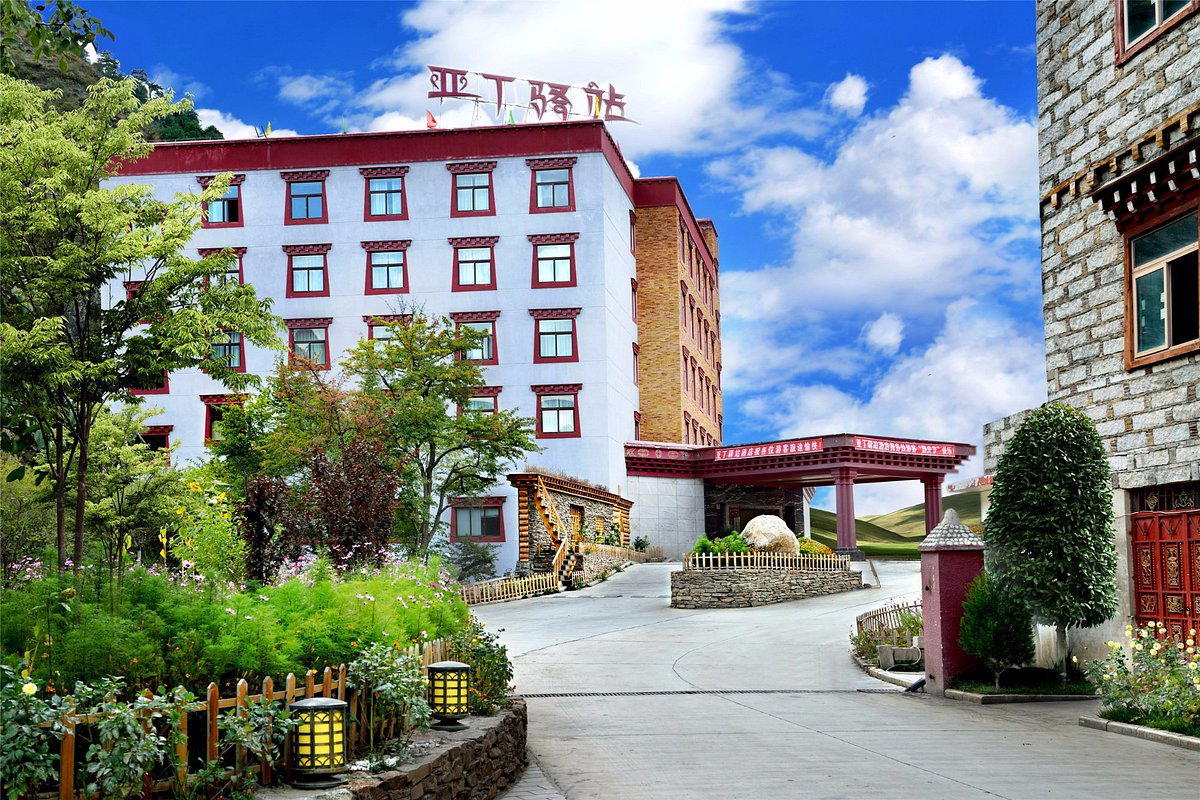
rustic outdoor seating in a Tibetan lin ka setting