
Michelin Plate
Our verdict
Abt- und Schäferstube brings Classic French cooking to the Odenwald countryside outside Amorbach, earning consecutive Michelin Plate recognition in 2024 and 2025. The address, Schafhof 1, places it on a working farm estate, a setting that frames the kitchen's relationship with regional produce. At the €€€ price point, it occupies the serious-but-accessible tier of rural German fine dining.

Pearl is the En Primeur Club membership app, where members save venues, book tables and use the concierge.
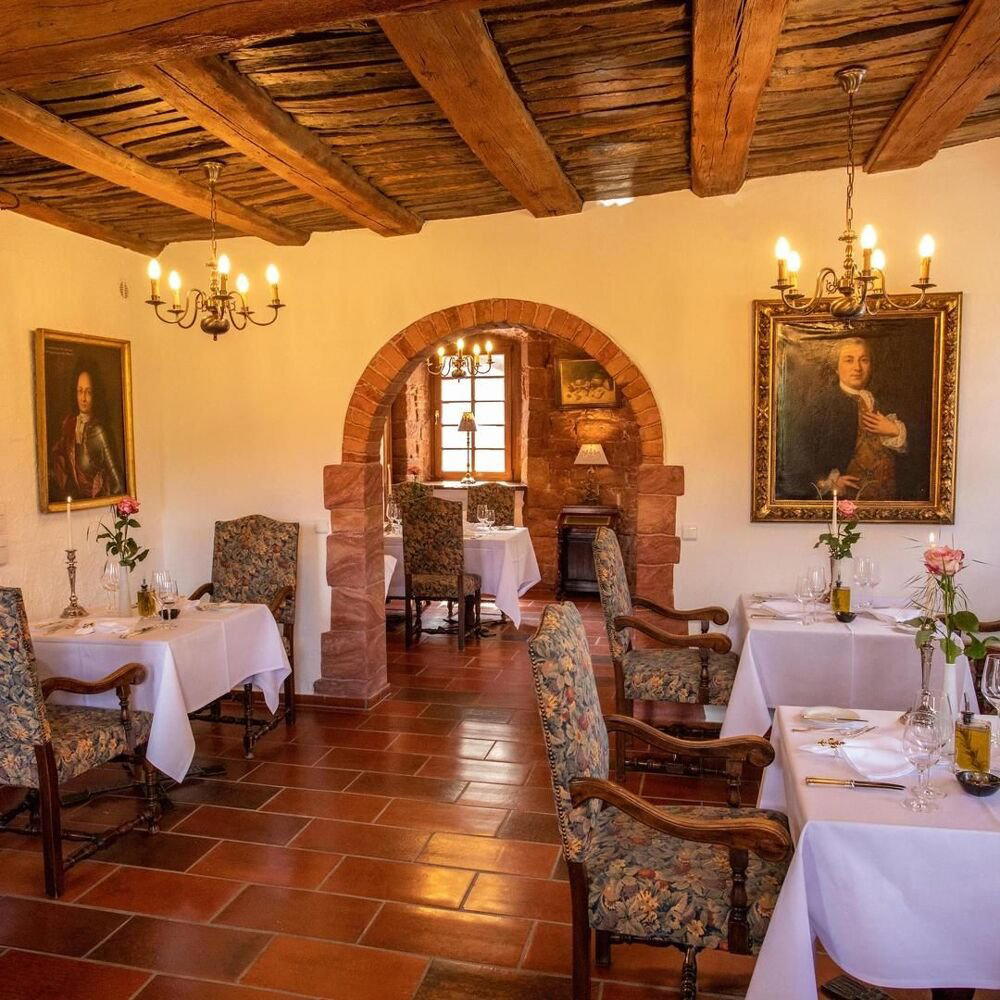
Where the Odenwald Meets the French Kitchen
Rural Germany has a long tradition of housing its most serious kitchens not in city centres but in manor estates, converted farmhouses, and hotel annexes tucked into forested valleys. The Odenwald region of Bavaria, a range of beech forests, sandstone outcroppings, and agricultural villages, fits this pattern precisely. Abt- und Schäferstube sits at Schafhof 1 on the edge of Amorbach, an address that signals the premise before you reach the door: a farm estate repurposed as a setting for Classic French cooking, where the distance between the land outside and the plate inside is shorter than at almost any comparable restaurant in the region.
The physical approach matters here. Arriving at a Schafhof, a shepherd's farm in the German tradition, you encounter a building type that predates modern restaurant architecture entirely. The dining room draws its character from this context: thick walls, a domestic scale, and a quietness that city restaurants spend considerable effort trying to replicate. What urban venues engineer artificially, this address possesses structurally. For a kitchen working in the Classic French mode, this kind of setting is not merely atmospheric backdrop; it reinforces the argument that cooking rooted in French technique can find its fullest expression when its ingredients are locally sourced and its environment is genuinely rural.
Classic French Cooking at the €€€ Tier: What It Means in Practice
Germany's fine dining spectrum has widened considerably over the past decade. At the leading end, three-starred kitchens like Aqua in Wolfsburg and Schwarzwaldstube in Baiersbronn operate at price points and with levels of production that place them in a different category entirely. Two-starred houses, Vendôme in Bergisch Gladbach, CODA Dessert Dining in Berlin, sit in a middle tier defined by creative ambition and corresponding investment from the diner. Abt- und Schäferstube operates at €€€, a price point that sits below those reference points and signals a different kind of proposition: serious cooking without the full apparatus of a destination-level tasting menu operation.
That €€€ positioning, combined with two consecutive years of Michelin Plate recognition (2024 and 2025), places this kitchen in a clearly defined position. The Michelin Plate is awarded to restaurants where inspectors find good cooking, it is a positive signal rather than a consolation, indicating that the food is worth the journey even if it sits outside the star tier. For Classic French cooking in a rural setting at a moderate-to-serious price point, that combination represents a credible and coherent offer. You can eat at this level without the €€€€ commitment that Germany's most decorated rooms require, though you trade production scale and menu ambition for something closer to directness and place.
The Classic French genre itself carries specific implications about provenance and technique. French classical cooking, the tradition running through Escoffier, through the grandes maisons, through the French-trained kitchens that seeded much of European fine dining, is built on a logic of transformation: taking regional raw material and applying structured method to reveal rather than obscure it. Sauces reduce from stocks built over hours; proteins rest before service; vegetables arrive at the table at a precision of cooking that casual kitchens rarely achieve. When this approach is applied in a rural German setting with access to regional produce, the dialogue between French method and German terroir becomes the central editorial fact of the restaurant. You can find comparable negotiations at Waterside Inn in Bray or Cheval Blanc by Peter Knogl in Basel, where Classic French training meets non-French geography, the conversation between tradition and location is often where the cooking becomes most interesting.
Terroir and the Farm Setting
The Odenwald sits between the Rhine plain to the west and the Main valley to the north, a region whose agricultural identity has always been shaped by its elevation and forest cover. Game, orchard fruit, root vegetables, and freshwater fish have defined local cooking for centuries, long before the phrase farm-to-table acquired marketing currency. The ingredients available at that address and in that region carry a specificity that imported produce cannot replicate, and Classic French technique, which has always been more interested in the quality of the raw ingredient than it is sometimes given credit for, is well suited to drawing that specificity out.
Across Germany's rural fine dining scene, this pairing of French classical method with hyper-local sourcing recurs at the kitchens that have maintained long-term Michelin recognition. Waldhotel Sonnora in Dreis and Schanz in Piesport both operate from rural addresses where proximity to regional agriculture is a structural advantage, not an afterthought. ES:SENZ in Grassau and Victor's Fine Dining by Christian Bau in Perl represent the more experimental end of that rural-serious-kitchen tradition. Abt- und Schäferstube belongs to this broader cohort, even if its specific expression, Classic French at the €€€ tier in the Odenwald, places it in a distinct position within it.
Planning a Visit to Amorbach
Amorbach is a small Bavarian market town with a Baroque abbey and a population that rarely exceeds three thousand. It is not a dining destination in the way that Baiersbronn or the Moselle valley are; it draws visitors primarily for walking, cycling, and the quietness of the Odenwald. That context shapes the experience of eating at Abt- und Schäferstube: this is not a restaurant you combine with a full programme of other fine dining, but one that anchors a slower visit. The surrounding region rewards the kind of unhurried travel that serious rural restaurants have always suited. Amorbach sits roughly equidistant between Frankfurt and Würzburg, accessible by road from either city in under ninety minutes, which makes it a realistic side-trip rather than a full destination commitment for visitors to either hub. Reservations, accommodation options, and further context on the town are covered in our full Amorbach restaurants guide; for where to stay the night, our Amorbach hotels guide covers the available options. If you are building a broader itinerary, bars, wineries, and experiences in the area are all mapped out separately. The address is Schafhof 1, 63916 Amorbach. For those also considering the wider German Classic French scene, Bagatelle in Trier, Restaurant Haerlin in Hamburg, and JAN in Munich provide useful reference points at different price tiers and city contexts.
Frequently asked questions
Is Abt- und Schäferstube child-friendly?
Classic French cooking at the €€€ price tier in a rural estate setting generally signals an adult-oriented atmosphere, and Abt- und Schäferstube follows that pattern. Families with older children comfortable in a formal dining environment would fit better than those with young ones. check the venue's official channels via the Schafhof address to confirm their specific policy before booking.
Is Abt- und Schäferstube better for a quiet night or a lively one?
Given its estate location at Schafhof 1 in a market town of under three thousand residents, and its Michelin Plate recognition for classic French cooking, Abt- und Schäferstube is firmly a venue for a quiet evening. The setting and cuisine tier point toward unhurried, conversation-paced dining rather than anything approaching a social scene.
Is Abt- und Schäferstube award-winning?
Abt- und Schäferstube has received recognition including: Michelin Plate (2025); Michelin Plate (2024).
What dish is Abt- und Schäferstube famous for?
What is documented is a classic French kitchen that has held a Michelin Plate in both 2024 and 2025, which in that recognition tier typically reflects technically grounded cooking with consistent execution. The Odenwald farm setting at Schafhof suggests the kitchen draws on regional agricultural produce within that French framework.
Side-by-Side Snapshot
| Venue | Cuisine | Price | Awards | Notes |
|---|---|---|---|---|
| Abt- und SchäferstubeThis venue (the venue you are viewing) | Classic German-French Fine Dining | $100–150 | Michelin Plate | Not listed |
| Schwarzwaldstube | Modern French Fine Dining | $150–200 | 3 Michelin Stars · World's 50 Best #47 | French, Classic French |
| Aqua | Contemporary German, Italian/Japanese, Creative | Not listed | Michelin 3 Star | Not listed |
| CODA Dessert Dining | Dessert-Inspired Fine Dining | $200–300 | 2 Michelin Stars · World's 50 Best #79 | Creative |
| Tantris | Modern French, French Contemporary | Not listed | Michelin 2 Star | Not listed |
| Vendôme | Modern German Haute Cuisine | $200–300 | 2 Michelin Stars · World's 50 Best #47 | Modern European, Creative |
Recognition history
Dated appearances from independent guides and award organizations, with the underlying list record or original source where available.
Michelin Plate
Michelin · 2026 Michelin Plate
Full recognition history (3 entries)
Michelin Plate
Michelin
Michelin Plate
Michelin
Continue exploring
More in Amorbach
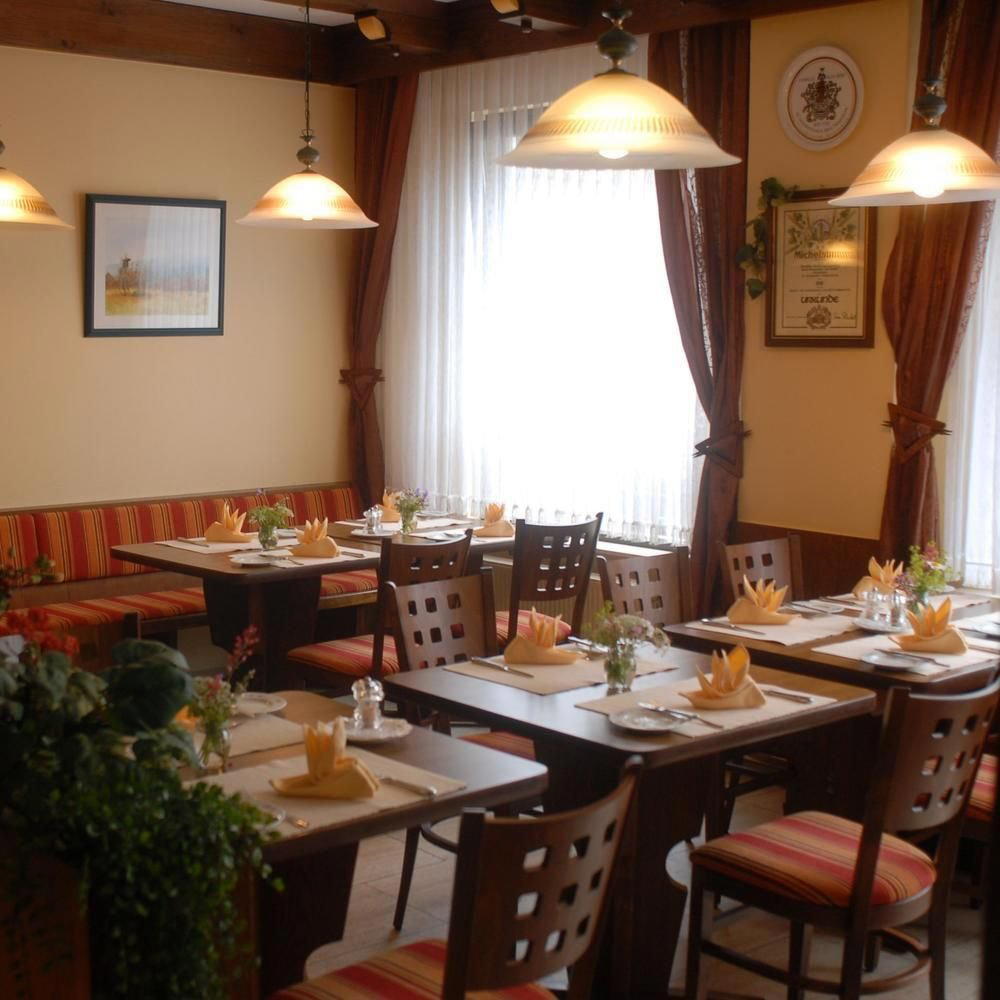
Restaurants in Amorbach
All restaurants in Amorbach →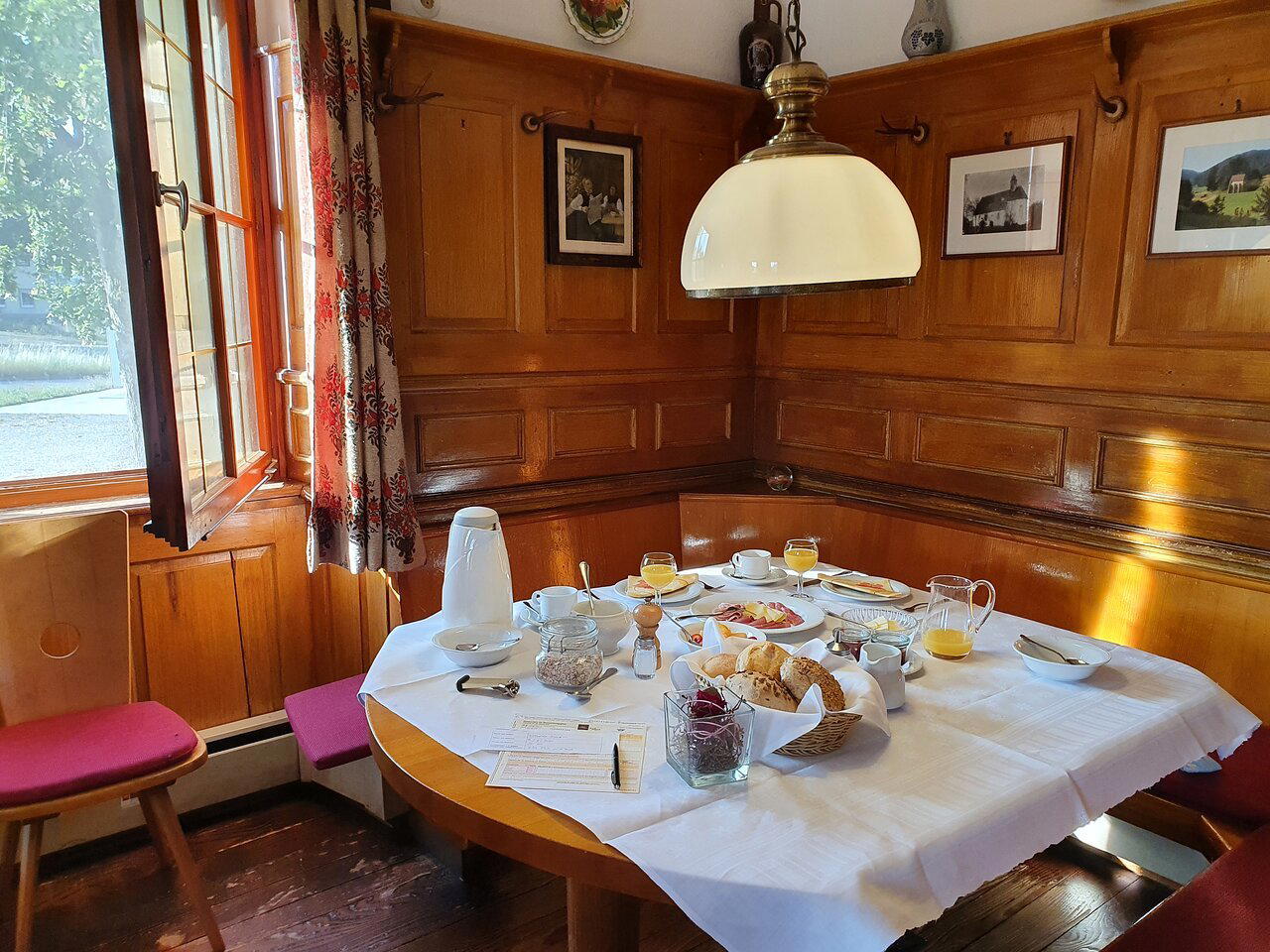
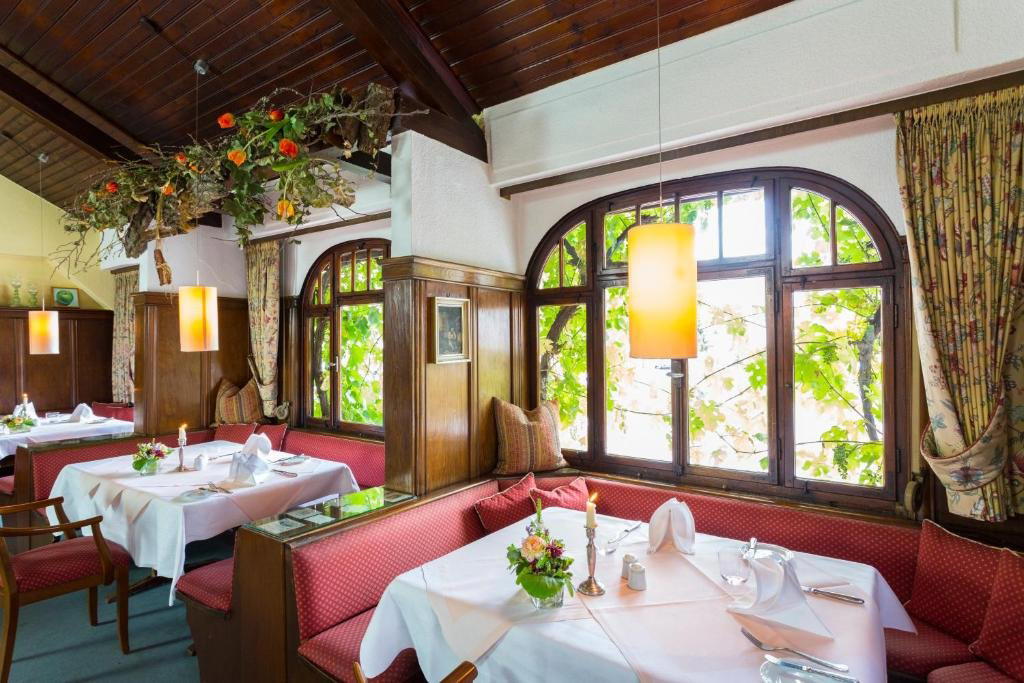
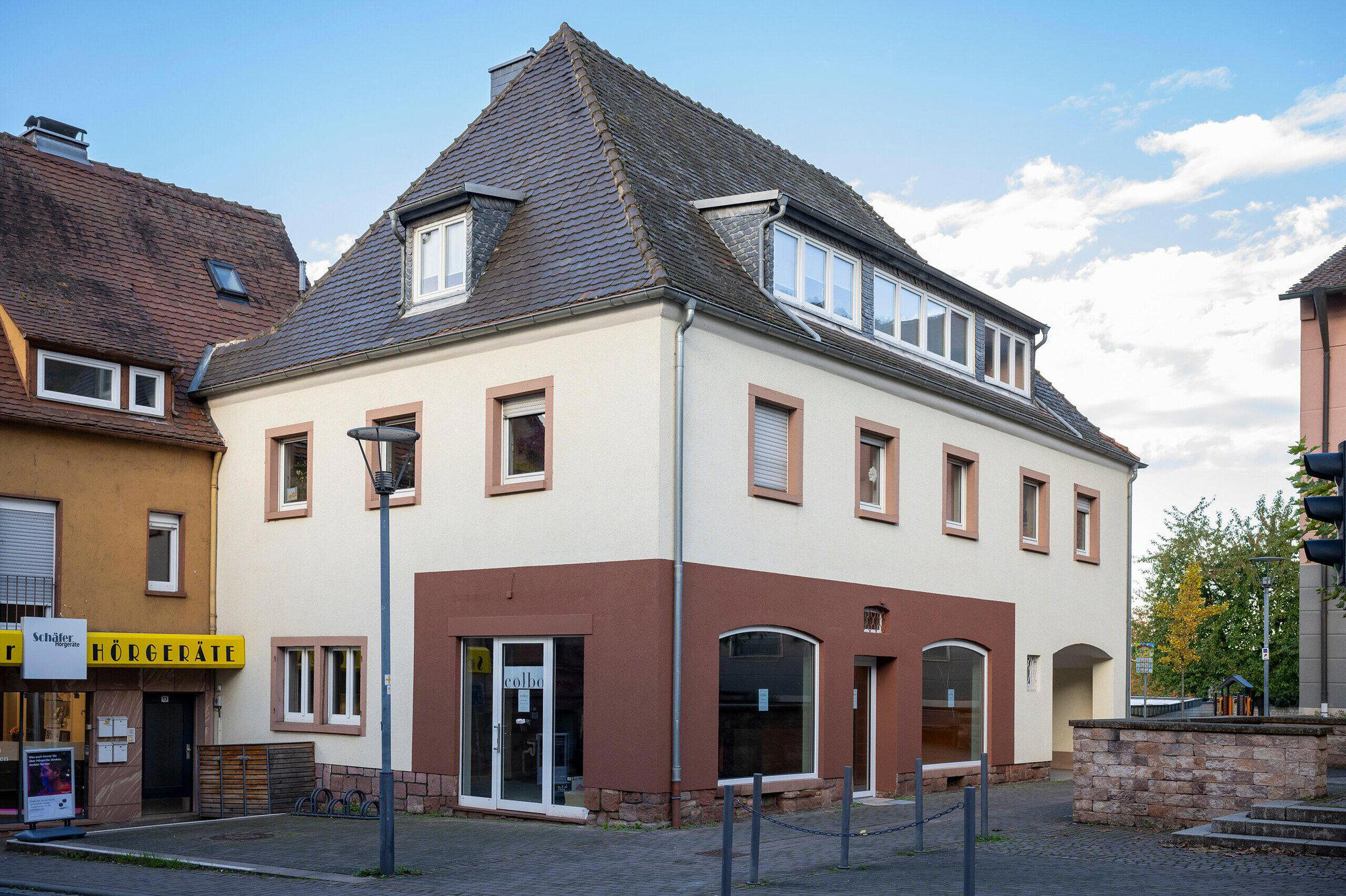

Bars in Amorbach
Browse all →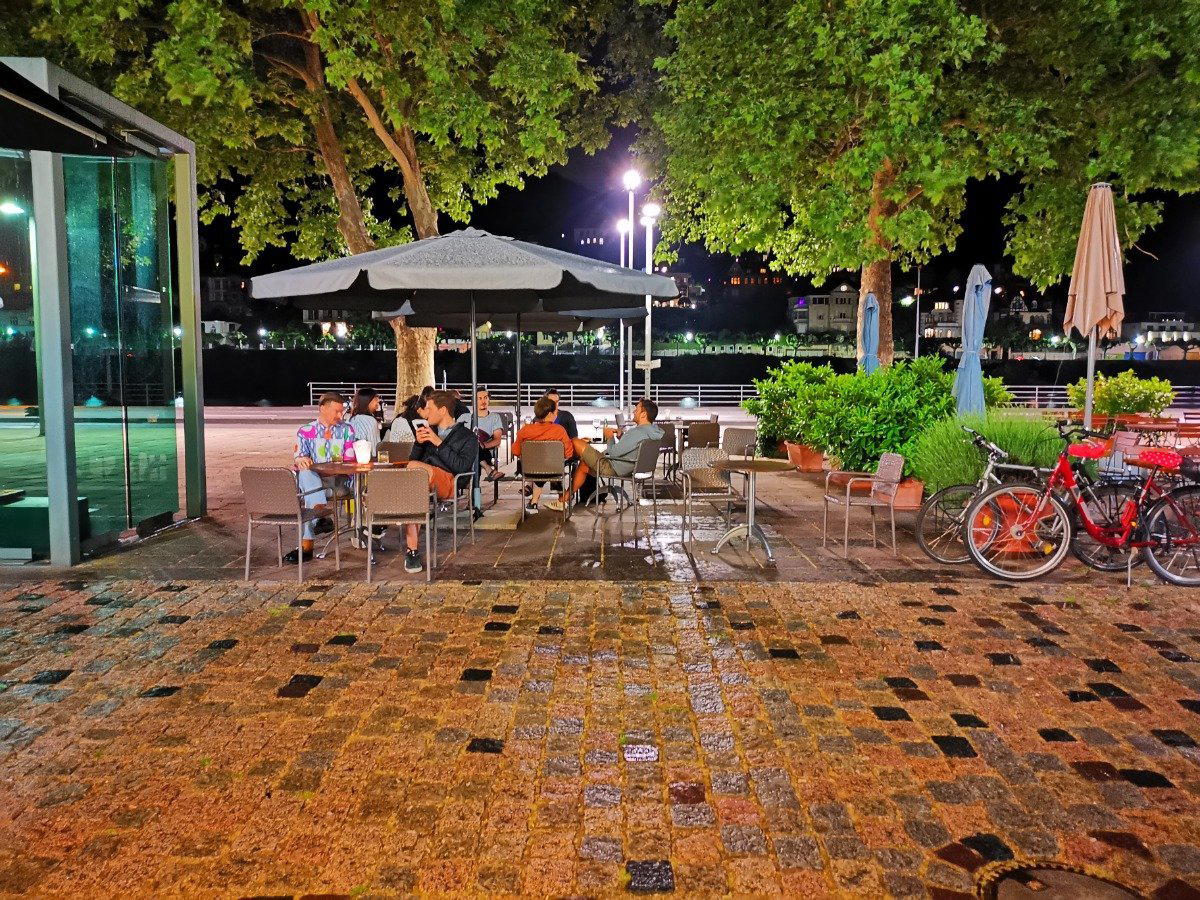
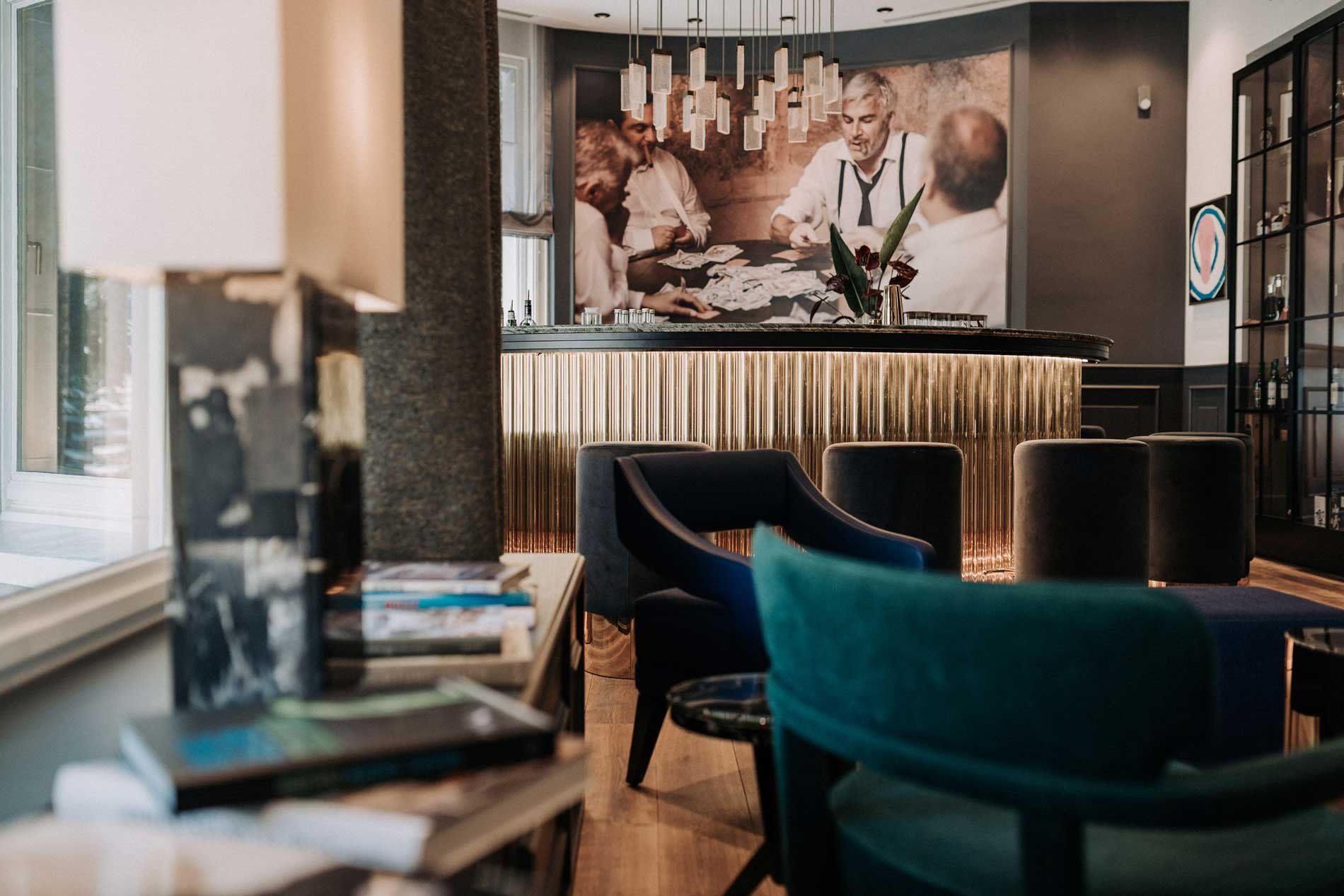
Hotels in Amorbach
Browse all →
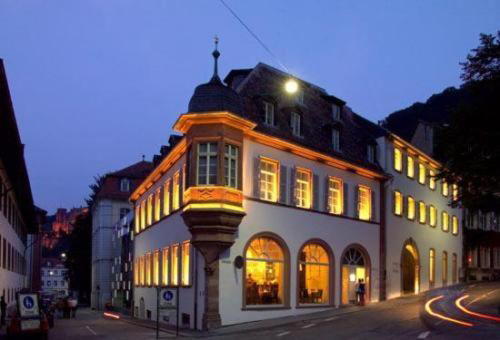

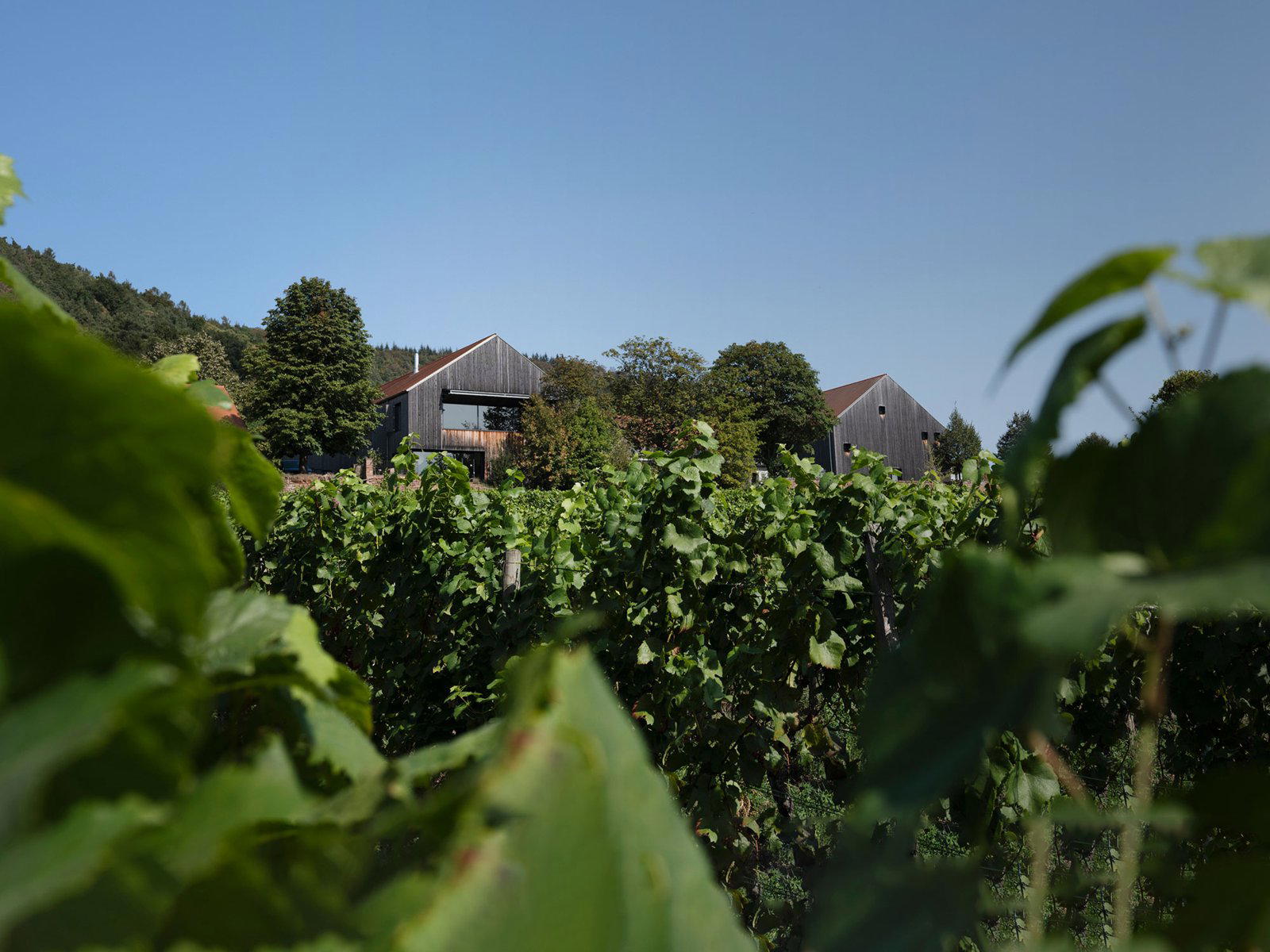
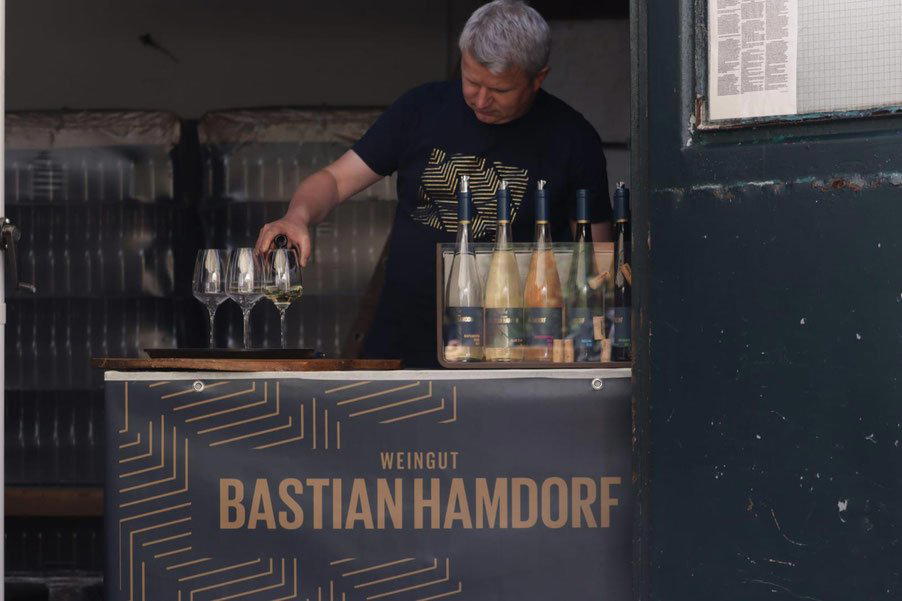
Abt- und Schäferstube
The wine
- Wine program
- Deep wine list
- Extensive wine list
Details
- Romantic
- Rustic
- Cozy
- Historic
- Intimate
- Elegant
- Date Night
- Special Occasion
- Historic Building
- Terrace
- Wine Cellar
- Extensive Wine List
- Local Sourcing
- Garden
- A La Carte
- Prix Fixe
Current opening hours
- Monday
- 6–11 PM
- Tuesday
- 6–11 PM
- Wednesday
- 6–11 PM
- Thursday
- 6–11 PM
- Friday
- 6–11 PM
- Saturday
- 12–2 PM, 6–11 PM
- Sunday
- 12–2 PM, 6–11 PM
Hours can change for holidays and private events. Hours as of .
Historical rustic charm with competent friendly service, peaceful natural surroundings, and cozy intimate atmosphere.