ABA Turkish Restaurant
Our verdict
ABA Turkish Restaurant on West 57th Street brings Turkish cuisine into one of Manhattan's most competitive dining corridors, where the category sits well outside the French and Japanese fine-dining consensus that dominates the block. For a city increasingly attentive to ethical sourcing and ingredient provenance, Turkish cooking's reliance on seasonal produce, legumes, and preserved staples makes it an instructive counter-point to the protein-centric tasting menus nearby.

Pearl is the En Primeur Club membership app, where members save venues, book tables and use the concierge.
The menu
What to order
- Doner Kebab
- Lamb Adana Kebab
- Lamb Shish Kebab
Turkish Cooking in the Heart of Midtown's Fine-Dining Corridor
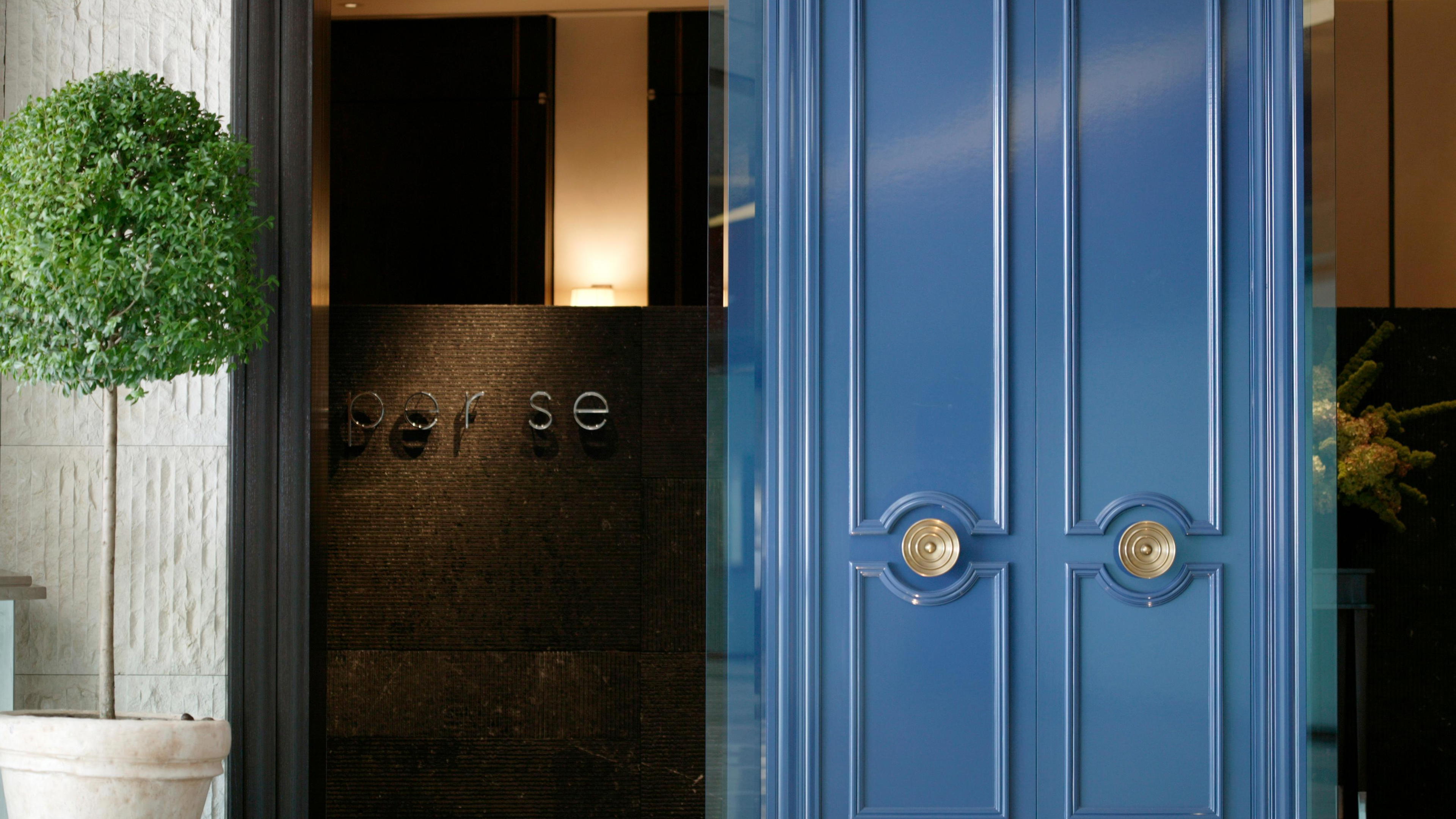
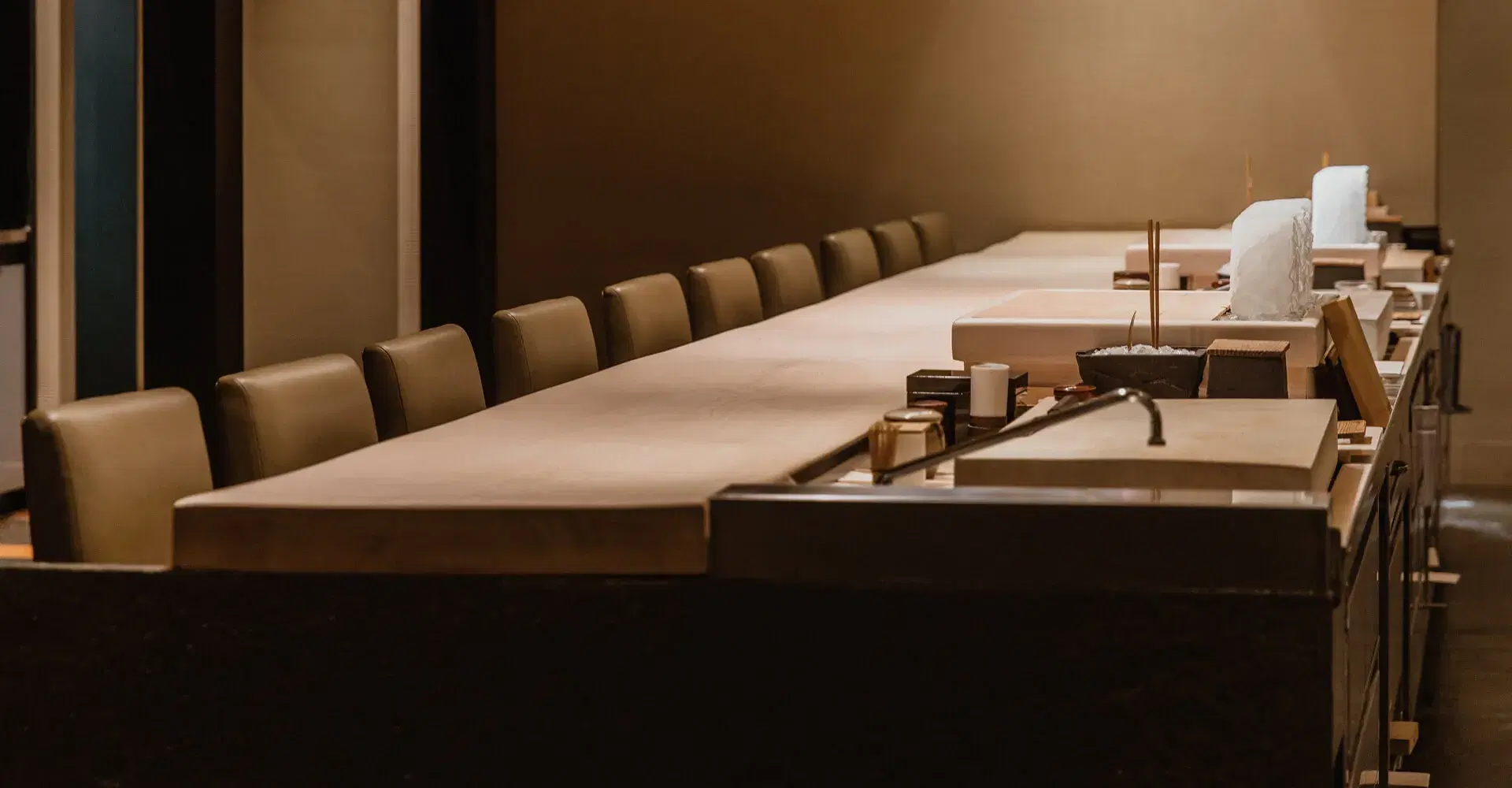
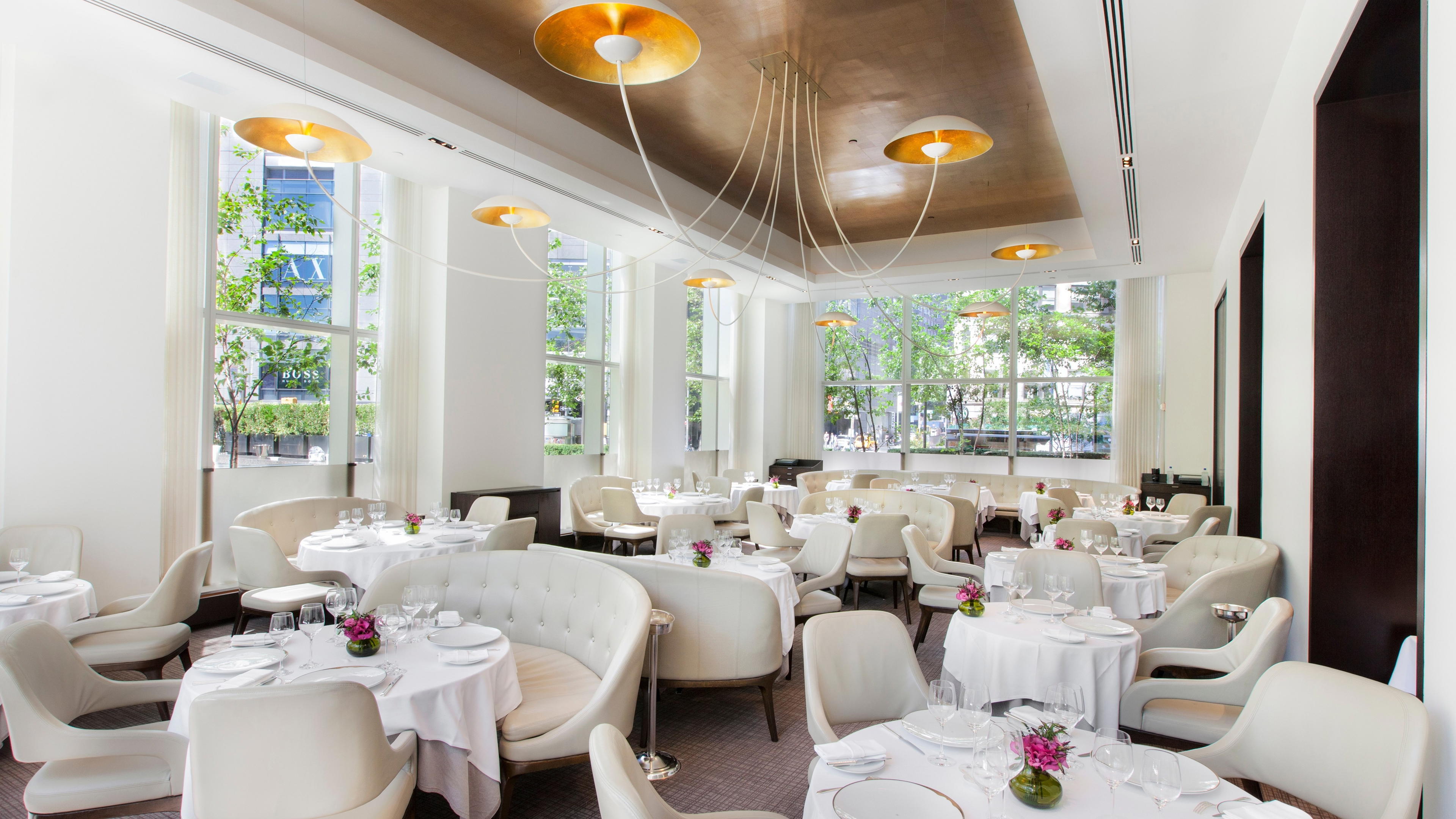
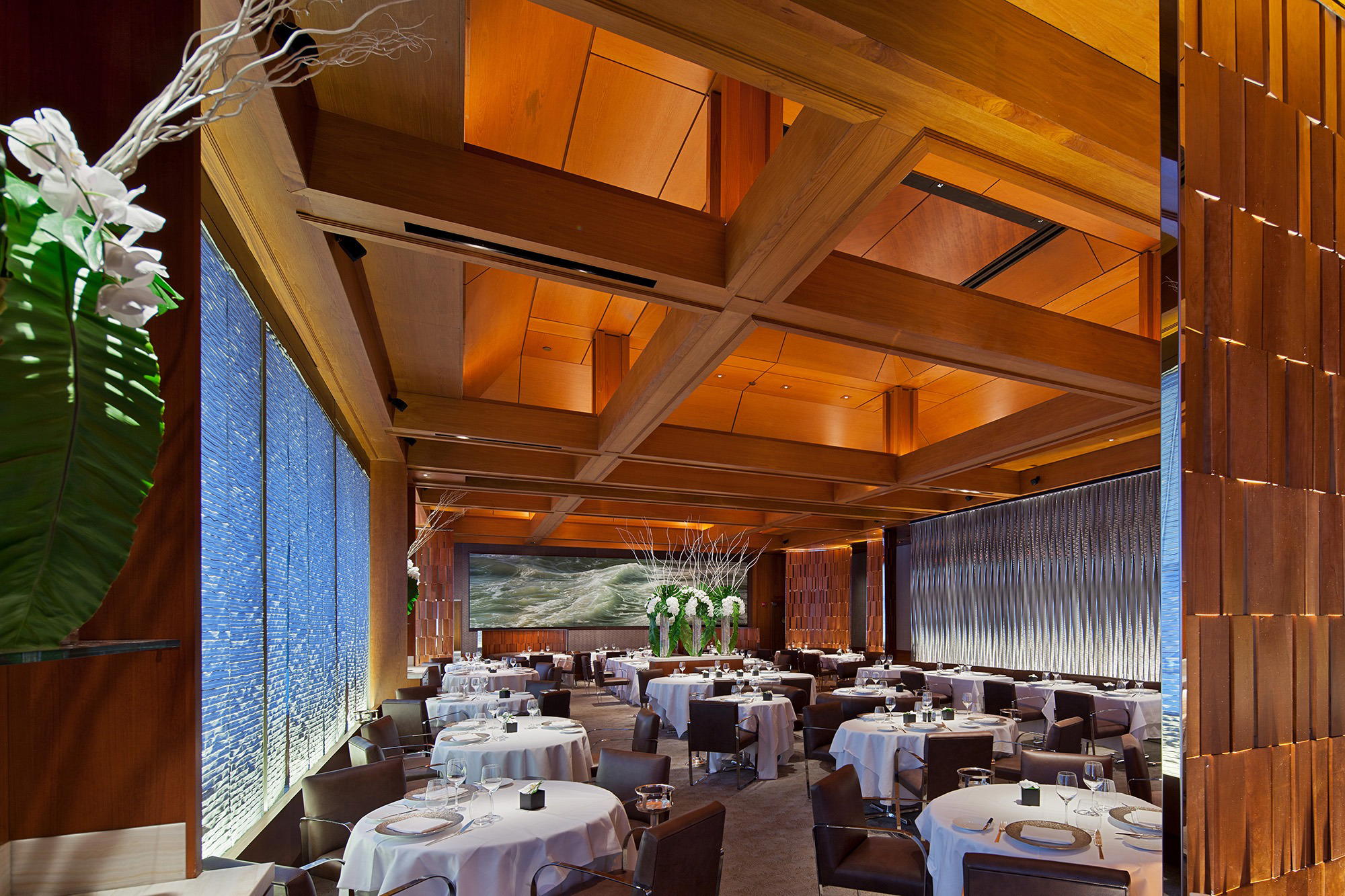
West 57th Street in Midtown Manhattan is one of the most demanding addresses in American dining. Within a short radius sit Le Bernardin, whose French seafood precision has defined the block's culinary reputation for decades, and Masa, where omakase pricing reaches levels that make it a category of one. Per Se anchors the contemporary French tradition a few minutes north at Columbus Circle. In that context, a Turkish restaurant operating at 325 W 57th St is not filling an obvious gap, it is making an argument: that the eastern Mediterranean pantry, built around fermented dairy, wood-fire char, slow-braised legumes, and preserved vegetables, deserves the same serious attention that the city has extended to Korean progressives like Atomix and Jungsik New York.
A Cuisine Built Around Sustainability Before It Was a Selling Point
Turkish cuisine has practiced something close to nose-to-tail and root-to-stem cooking for centuries, not as a marketing stance but as the structural logic of an Anatolian larder shaped by geography and seasonal scarcity. Legumes, lentils, chickpeas, dried broad beans, anchor entire categories of the menu. Offal features without apology. Fermented and pickled vegetables extend the shelf life of summer harvests into winter menus. Yogurt, produced from animals grazed on marginal land, appears across courses from appetiser to dessert. These habits predate the contemporary sustainability conversation by generations, and they make Turkish cooking a genuinely instructive comparison point for a dining culture currently working through questions about waste, protein sourcing, and ingredient hierarchy.
At Le Bernardin or Per Se, the sustainability conversation is real but tends to cluster around premium sourcing labels, line-caught, single-origin, named-farm. Turkish cooking at its most traditional sidesteps that framework entirely: the sustainable choice is often the cheap one, the everyday one, the one that doesn't require a certification. That structural difference is worth holding in mind when reading any Turkish menu.
The Midtown Context and What It Demands
Midtown's dining scene divides roughly between expense-account destinations, where the $$$$ tier is a baseline assumption, and neighbourhood service spots that exist to feed the office population at lunch. A Turkish restaurant on this block occupies neither lane cleanly. The cuisine's mezze tradition encourages sharing, grazing, and an unhurried pace that sits awkwardly with a 45-minute power lunch. But its capacity for depth, the slow-cooked lamb shoulder, the charcoal-grilled proteins, the layered baklava traditions, gives it the raw material to operate at a serious level.
New York's broader Turkish dining scene has historically clustered in outer-borough neighbourhoods rather than Midtown, which makes 325 W 57th St an outlier by geography as much as cuisine. For the traveller working through our full New York City restaurants guide, ABA sits in a category that requires a different frame than the French or Japanese fine-dining playbook that governs much of the surrounding block.
Ethical Sourcing in an Anatolian Register
The sustainability story in Turkish cooking is inseparable from its agricultural roots. Anatolia's climatic range, from the Black Sea's humid, tea-growing north to the arid southeast where pistachios and pomegranates dominate, produces an ingredient map that is already diverse before any sourcing decision is made. A kitchen drawing on that geography has built-in seasonal rotation: spring brings fresh herbs and young vegetables; summer drives grilling and fresh dairy; autumn is the pickling and preserving season; winter menus lean on pulses, dried fruits, and slow-braised meats.
This stands in useful contrast to farm-to-table programmes at places like Blue Hill at Stone Barns in Tarrytown or Single Thread Farm in Healdsburg, where the sustainability framework is explicit, documented, and central to the restaurant's identity. Turkish cuisine doesn't typically narrate its own ethics in that way, the practices are embedded rather than announced. For the diner thinking seriously about what they eat and where it comes from, that quieter approach can be more instructive than a curated provenance card.
Across the United States, the restaurants that have made the most disciplined arguments for ethical sourcing, The French Laundry in Napa, Providence in Los Angeles, Addison in San Diego, do so within recognisable fine-dining formats. The question ABA implicitly raises is whether those values translate into a cuisine that never adopted the fine-dining frame in the first place.
Positioning Within the Broader American Dining Conversation
The current wave of American restaurants most serious about environmental practice tends to express it through tightly controlled tasting menus: Alinea in Chicago, Lazy Bear in San Francisco, Emeril's in New Orleans, Bacchanalia in Atlanta. Each of those formats gives the kitchen near-total control over what arrives at the table and in what sequence. Turkish mezze culture works on an opposite principle: the diner selects, accumulates, and self-paces. That openness creates natural waste-reduction pressure, you order what you want, and the dishes are sized for sharing rather than individual plating. It is a different structural solution to a similar problem.
For travellers building an itinerary that stretches beyond New York, the comparison set expands further. The Inn at Little Washington has made garden-sourced ingredients a calling card in Virginia; 8½ Otto e Mezzo Bombana in Hong Kong and Alain Ducasse at Louis XV in Monte Carlo have pursued vegetable-forward and low-intervention sourcing within the European luxury format. ABA's Turkish kitchen operates from a tradition that requires no such retrofit, the ingredient hierarchy was already there.
Planning Your Visit
ABA Turkish Restaurant is located at 325 W 57th St, New York, NY 10019, within walking distance of Columbus Circle and the southern end of Central Park. Reservations: Booking details are not publicly listed at time of writing; contact the restaurant directly or check current availability through major reservation platforms. Dress: No dress code is published; Midtown context suggests smart casual as a baseline. Budget: Timing: West 57th Street is busiest at dinner on weekday evenings when the expense-account crowd is active; a weekend dinner or early-week booking typically offers a quieter room.
Frequently asked questions
Where do I go for ABA Turkish Restaurant?
ABA Turkish Restaurant is located at 325 W 57th St, New York, NY 10019, New York City.
Is ABA Turkish Restaurant a good choice for dinner near Columbus Circle in New York City?
ABA Turkish Restaurant at 325 W 57th St sits within walking distance of Columbus Circle, making it a geographically logical option for guests staying near Central Park South or attending events at Lincoln Center. The West 57th Street corridor is dominated by French and New American fine-dining rooms, which makes a dedicated Turkish kitchen, rooted in Anatolian tradition, a substantively different proposition in terms of both cuisine and atmosphere. For New York City diners specifically looking for Turkish cooking in this neighborhood, ABA is among the few options operating at this address.
What dish is ABA Turkish Restaurant famous for?
Turkish cuisine broadly centers on mezze spreads, slow-cooked meats, and wood-fired flatbreads, categories that have defined Anatolian cooking for centuries rather than as passing trends. For current menu specifics, contacting the restaurant directly at 325 W 57th St, New York, NY 10019 is the most reliable approach.
What's the best way to book ABA Turkish Restaurant?
ABA Turkish Restaurant is located at 325 W 57th St in Midtown Manhattan, a corridor where demand at this price point runs high, walk-ins are a gamble, particularly on weekday evenings when the neighborhood draws a business-dining crowd.
What's ABA Turkish Restaurant best at?
ABA's address on West 57th Street places it squarely in one of Midtown Manhattan's most competitive dining corridors, alongside restaurants like Le Bernardin. Turkish cuisine's structural reliance on seasonal produce, fermented dairy, legumes, and whole-animal cookery gives ABA a distinct register from the French and New American kitchens that dominate this stretch. That positioning, serious cooking rooted in Anatolian tradition rather than expense-account convention, is where the restaurant carves out its clearest identity in New York City.
How does ABA Turkish Restaurant handle allergies?
Turkish cooking commonly involves wheat, dairy, sesame, and tree nuts as structural ingredients rather than optional additions, which is worth noting before arrival. Guests with severe allergies should contact the restaurant at 325 W 57th St, New York, NY 10019 directly to discuss specific requirements before booking.
Cuisine and Recognition
| Venue | Cuisine | Price | Awards | Notes |
|---|---|---|---|---|
| ABA Turkish RestaurantThis venue (the venue you are viewing) | Turkish & Mediterranean | $20–30 | Not listed | Not listed |
| Le Bernardin | French Seafood Fine Dining | $300–500 | 3 Michelin Stars · World's 50 Best #13 | French, Seafood |
| Atomix | Modern Korean Tasting Menu | $300–500 | 2 Michelin Stars · World's 50 Best #11 | Modern Korean, Korean |
| Masa | Traditional Japanese Omakase | $500+ | 2 Michelin Stars · World's 50 Best #27 | Sushi, Japanese |
| Per Se | French Fine Dining Tasting Menu | $300–500 | 3 Michelin Stars · World's 50 Best #40 | French, Contemporary |
| Jungsik New York | Modern Korean Fine Dining | $200–300 | 3 Michelin Stars · World's 50 Best #18 | Progressive Korean, Korean |