Aagaard Kro sits along Bramdrupvej in Egtved, a corner of southern Jutland where the kro tradition — Denmark's roadside inn culture — has shaped rural hospitality for centuries. The address places it well outside the metropolitan dining circuit, in territory where ingredient provenance and regional cooking carry more weight than tasting-menu ceremony. For travellers crossing the Jutland heath, it represents a different register of Danish food culture than Copenhagen's €€€€ tier.
Pearl is the En Primeur Club membership app — saves, bookings, and concierge access live there. Same editors, same standards.
- Address
- Bramdrupvej 136, 6040 Egtved, Denmark
- Phone
- +4575553711
- Website
- aagaardkro.dk
- Directions
- Get directions
 Saves & bookings on Pearl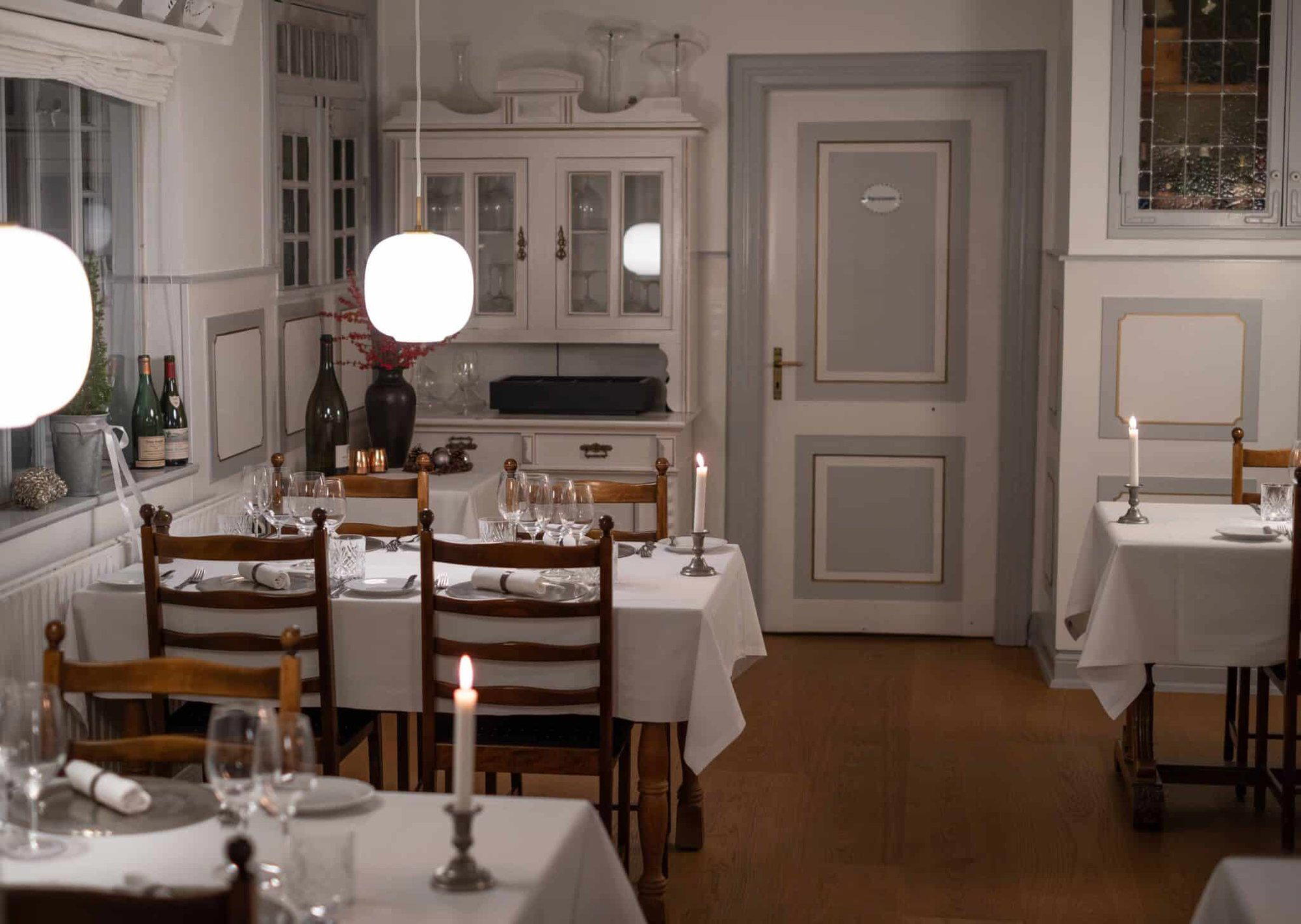
The Jutland Kro: A Dining Register Copenhagen Cannot Replicate
Denmark's fine-dining conversation tends to begin and end in Copenhagen, where Geranium and Jordnær in Gentofte anchor the Michelin-starred end of New Nordic ambition. But the country's dining identity did not originate in the capital's tasting-menu format. It grew from the kro: the roadside inn that once served as the only reliable stop for food and shelter across Jutland's open heath and farmland. Aagaard Kro, at Bramdrupvej 136 in Egtved, occupies that older tradition — a format defined not by tasting menus or chef theatrics, but by proximity to the land and a relationship with local producers that predates the word "sourcing" entering restaurant vocabulary.
Egtved sits in the Vejle municipality of southern Jutland, a region better known for Bronze Age burial mounds than restaurant guides. That geographic context matters. Rural southern Jutland operates on different supply rhythms than the capital: shorter chains between farm and kitchen, more dependence on what the season and the surrounding landscape actually produce. The kro format, at its finest, makes that dependency visible on the plate.
Ingredient Provenance as the Defining Argument
Across Denmark's regional dining scene — from Alimentum in Aalborg to Domæne in Herning, the more compelling kitchens have built their identity around what grows or grazes within a plausible radius, rather than importing prestige ingredients to signal ambition. That logic applies with particular force in Jutland, where the agricultural base is dense and diverse: dairy and pork from the peninsula's western farms, freshwater fish from the river systems cutting through the interior, game from the heathland corridors, and root vegetables that benefit from the region's cooler, longer growing season.
The kro tradition was always, structurally, a hyper-local operation. Before refrigerated logistics, an inn sourced from its immediate geography or it didn't eat. That constraint produced a cooking culture in which smoked, pickled, and fermented techniques were not affectations but necessities, ways of extending the harvest and managing what arrived in volume. Modern kitchens at the better end of Denmark's regional scene have revisited those techniques not out of nostalgia but because they produce results that imported ingredients rarely match in their home context. Henne Kirkeby Kro in Henne, one of Jutland's more closely watched inn-format restaurants, demonstrated that the kro structure is compatible with serious culinary intent without abandoning the register that makes it distinct from urban fine dining.
Egtved in the Regional Picture
Visitors travelling through southern Jutland on a considered food itinerary tend to cluster around Vejle, which has its own anchor in LYST in Vejle, and around the Aarhus corridor, where Frederikshøj holds serious Michelin recognition. Egtved sits between these reference points, close enough to Vejle to share some of the same agricultural supply networks, but positioned in a quieter, less-visited stretch of the municipality. That position means it serves a different audience: locals, travellers on the E45 corridor, and visitors specifically seeking out the kro format rather than a destination fine-dining experience.
For context on how Denmark's regional inn culture compares to its metropolitan counterpart, the gap is significant. Copenhagen's upper tier, including properties like Dragsholm Slot Gourmet in Hørve and Frederiksminde in Præstø on Zealand, operates with Michelin scrutiny and price points to match. The Jutland kro operates in a different register: more casual in format, less theatrical in presentation, and often more directly connected to the agricultural base that feeds it. Neither is a lesser version of the other. They answer different questions.
The Broader Danish Scene and Where Egtved Sits
Denmark's restaurant culture, beyond its Michelin-starred tier, is characterised by a tension between the New Nordic project that put Copenhagen on the global map and the older, quieter hospitality traditions that predate it. The New Nordic framework, ingredient purity, foraging, fermentation as technique rather than preservation, has filtered down from restaurants like Parsley Salon in Hellerup and ARO in Odense into regional kitchens that apply its principles with less ceremony and more directness. In that sense, a well-run Jutland kro and a Copenhagen creative-format restaurant share more intellectual DNA than their price points and formats might suggest.
Visitors looking for the full spectrum of Denmark's dining identity, from the €€€€ tasting-menu format anchored by MOTA in Nykøbing Sjælland and Syttende in Sønderborg on the regional side, to internationally comparable fine dining at Le Bernardin in New York City or Atomix in New York City, will find that the kro occupies a specific and non-interchangeable position. It is the format in which Danish hospitality is most legible as a product of its geography rather than its ambitions. See our full Egtved restaurants guide for broader orientation in the area.
Further afield on the Jutland peninsula, Pearl by Paul Proffitt in Kruså and Villa Vest in Lønstrup represent the northern end of the peninsula's dining range, while the southern corridor through Egtved and toward the German border carries a more traditional agricultural character. That character is the right frame for understanding what Aagaard Kro represents in the regional picture.
Planning Your Visit
Aagaard Kro is located at Bramdrupvej 136, 6040 Egtved, in southern Jutland, accessible via the E45 motorway with Egtved a short drive from the Vejle exit. As with most kro-format establishments in rural Denmark, visiting on a weekday outside summer months typically means fewer guests and a more unhurried pace. Current contact details, hours, and booking availability are best confirmed directly with the venue before travel, as rural inn schedules in Denmark often shift seasonally.
Quick Comparison
| Venue | Cuisine | Price | Awards |
|---|---|---|---|
| Aagaard KroThis venue — the venue you are viewing | This venue | Not listed | Not listed |
| Geranium | New Nordic, Creative | €€€€ | Michelin 3 Star |
| Noma | Creative | €€€€ | Michelin 3 Star |
| Alchemist | Progressive, Creative | €€€€ | Michelin 2 Star |
| Koan | New Nordic, Kaiseki, Creative | €€€€ | Michelin 2 Star |
| a|o|c | New Nordic, Mediterranean Small Plates, Creative | €€€€ | Michelin 2 Star |
Continue exploring
More in Egtved
Restaurants in Egtved
Browse all →
Bars in Egtved
Browse all →
Wineries in Egtved
Browse all →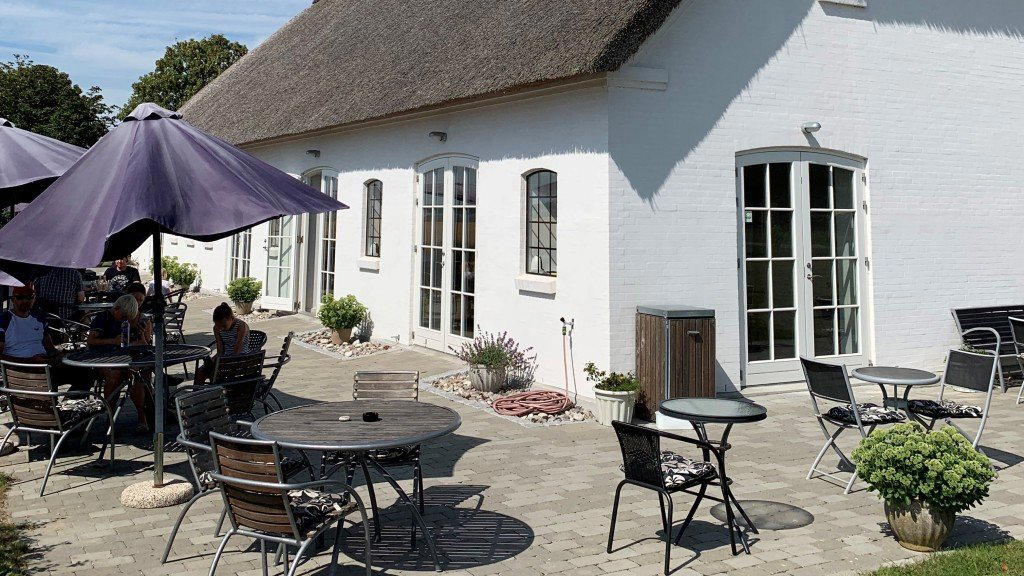
At a Glance
- Cozy
- Rustic
- Elegant
- Intimate
- Date Night
- Business Dinner
- Special Occasion
- Historic Building
- Extensive Wine List
Current opening hours
- Monday
- Closed
- Tuesday
- 5:30–10:30 PM
- Wednesday
- 5:30–11 PM
- Thursday
- 5:30–11 PM
- Friday
- 5–11 PM
- Saturday
- 5 PM–12 AM
- Sunday
- Closed
Hours can change for holidays and private events. Last verified .
Cozy and elegant atmosphere in a gently refurbished 18th-century building with professional, knowledgeable service.
Know Before You Go
- Getting there
- Bramdrupvej 136, 6040 Egtved, Denmark