Our verdict
In the small coastal town of Sæby on Denmark's Jutland coast, Frøken Madsen's Spisehus occupies a particular niche in the country's provincial dining scene: a kitchen that draws on the surrounding North Jutland landscape for its ingredients and serves them in an atmosphere far removed from the spectacle of Copenhagen's fine-dining circuit. For travellers passing through northern Denmark, it represents one of the more considered options in a part of the country with relatively few destination restaurants.

Pearl is the En Primeur Club membership app, where members save venues, book tables and use the concierge.
The menu
What to order
- Mackerel ceviche
- Aberdeen-Angus beef with truffle sauce
- Chawanmushi
Sæby and the Case for Provincial Kitchens
There is a version of Danish gastronomy that most international visitors know: the tightly edited tasting menus of Copenhagen, the Michelin-dense circuit from Geranium to Jordnær, the creative ambition of Alimentum in Aalborg or Frederikshøj in Aarhus.
Frøken Madsen's Spisehus sits in this second category. The distance from Copenhagen's restaurant industry means the kitchen here answers to a different set of pressures, and that produces a different kind of meal. For a provincial restaurant to take this seriously is not unusual in contemporary Scandinavian cooking, but it does mean that what arrives at the table reflects a specific geography in a way that menus built on imported luxury goods cannot.
The Danish coastal kitchen tradition, from the smørrebrød counters of fishing villages to the more composed preparations of newer provincial restaurants, has always been grounded in this kind of proximity. Where Copenhagen's top-tier restaurants like Dragsholm Slot Gourmet or Henne Kirkeby Kro have formalised this into destination dining formats with international reputations, smaller provincial tables do much of the same work with less fanfare and a more local audience in mind. That gap between the recognised and the unremarked is where kitchens like Frøken Madsen's Spisehus tend to operate.
The Room and What It Signals
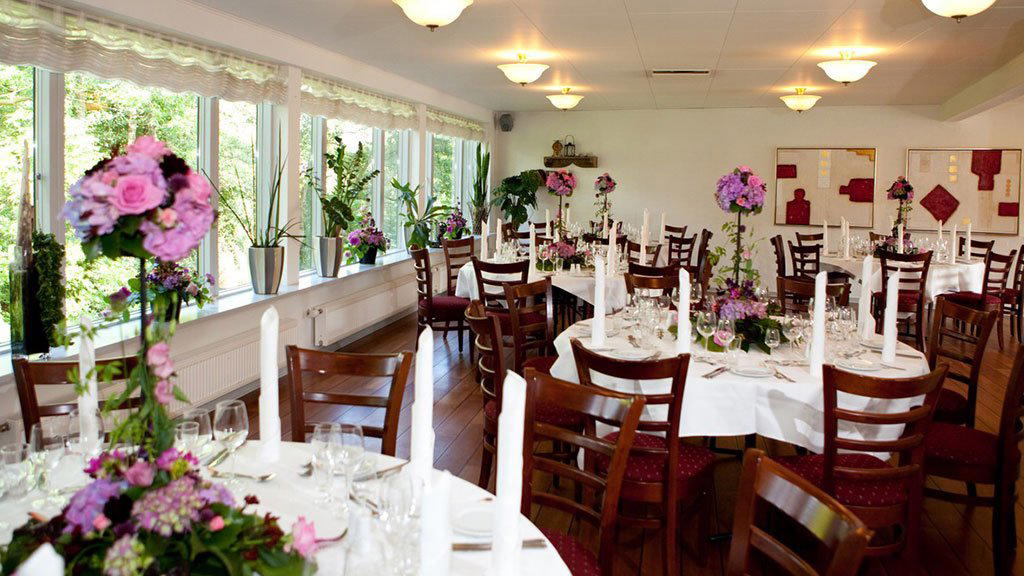
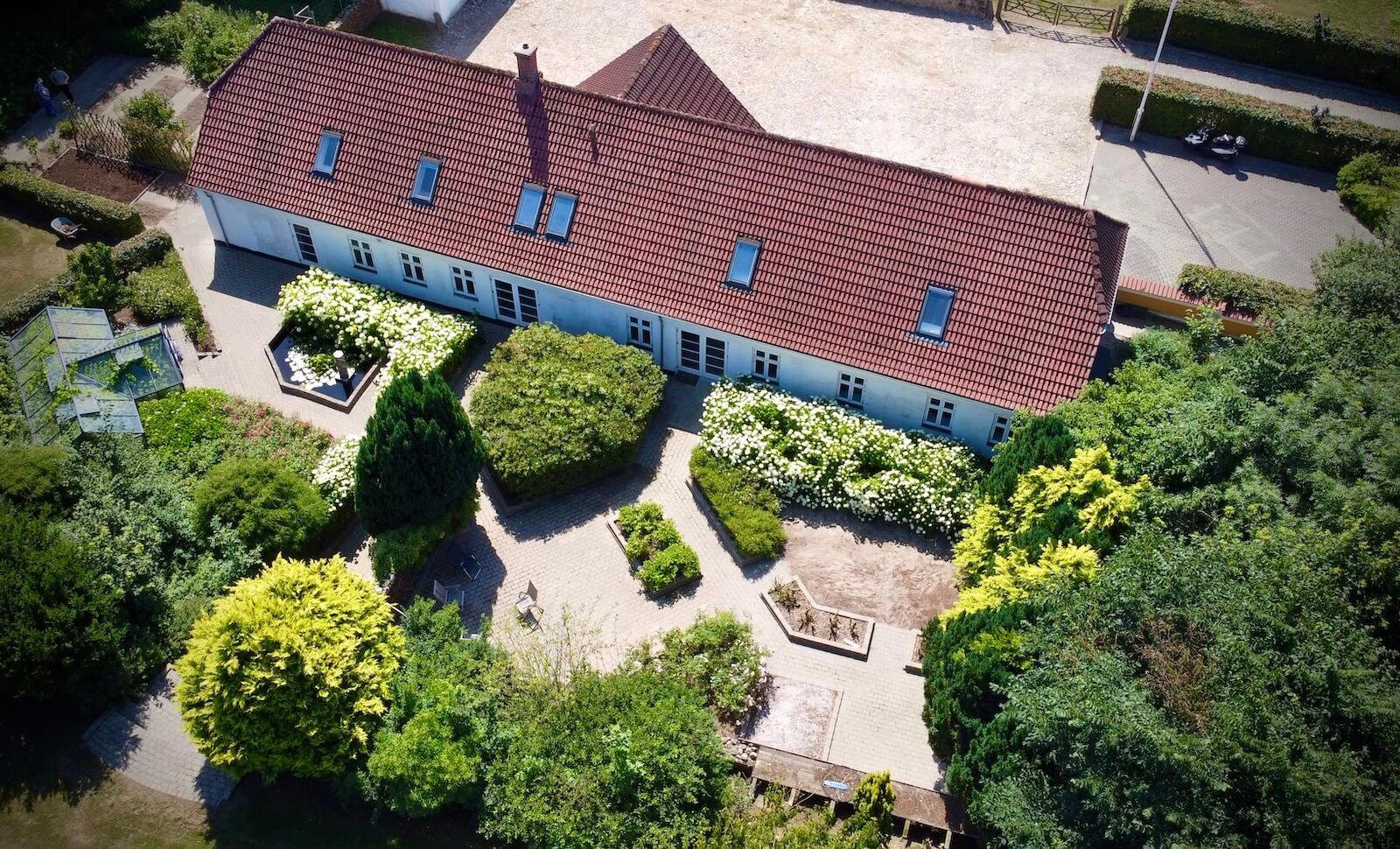
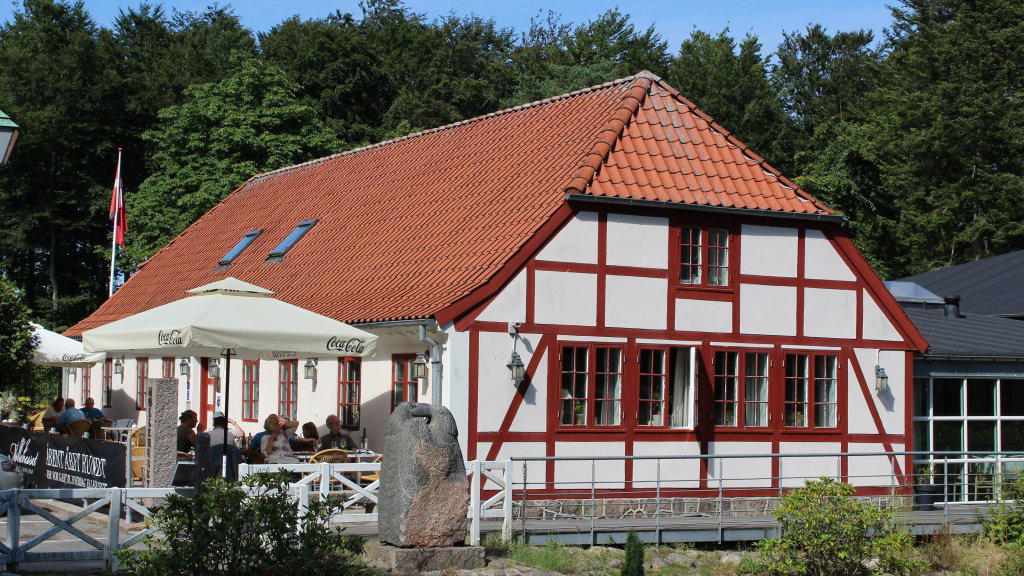
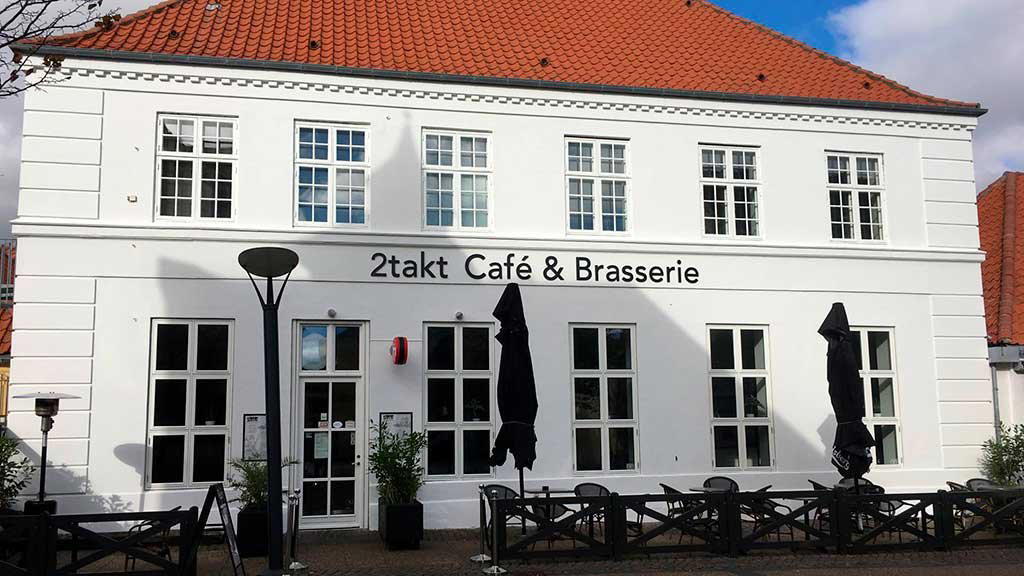
Sæby itself is a compact historic town with a well-preserved centre and a harbour that still functions as a working port. There is no architectural statement, no design-forward interior conceived to communicate premium positioning. What the room signals instead is a straightforwardly local character: a place that serves a community rather than performing for visitors, and that has been doing so long enough to have developed a regular clientele of its own.
This matters for understanding what the experience is likely to deliver. Frøken Madsen's Spisehus is not the kind of operation that competes with LYST in Vejle or Parsley Salon in Hellerup on technical ambition or format innovation. It belongs to the category of regional restaurant that sustains itself through familiarity, seasonal consistency, and a kitchen that knows its suppliers. In a country where New Nordic ambition has been absorbed into even mid-market restaurant culture, that kind of groundedness is not a small thing. The region between Aalborg and Frederikshavn has relatively few kitchens worth making a specific stop for, which means that a restaurant with a clear local identity and consistent kitchen practice carries more weight than it might in a denser dining city. Frøken Madsen's Spisehus fills a real gap in this part of the country. It is closer to the category occupied by Villa Vest in Lønstrup or Syttende in Sønderborg: regional kitchens in small Danish towns that serve a local population well while occasionally drawing visitors who have sought them out. In this peer group, durability and sourcing consistency matter more than tasting menu innovation. The coastal kitchens of Norway, the fishing-village restaurants of the Swedish west coast, and the harbour-town establishments of northern Germany all share a similar orientation: ingredient-led, community-rooted, and operating in the productive space between formal fine dining and casual eating. At the highest end of the international spectrum, kitchens like Le Bernardin in New York have built reputations on the same principle of ingredient primacy, albeit at a very different scale and with very different resources. The underlying logic, that what you source determines what you can cook, holds across both.
Planning a Visit
Sæby is accessible by road from Aalborg in under 40 minutes, and the town sits on the regional rail and bus network, though a car makes the wider North Jutland coast considerably easier to explore. For visitors travelling the Jutland coast as part of a longer Danish itinerary, Sæby makes a reasonable base for a day or two, with the historic harbour and nearby Sæby Abbey rounding out the stop. Our full S By restaurants guide covers other options in the area for visitors building a broader itinerary.
Frequently asked questions
Is Frøken Madsen's Spisehus good for families?
Sæby draws a steady summer crowd and has a settled local population, and a neighbourhood restaurant at Pindborggade 1 in a town of this character typically runs with the kind of relaxed floor that suits families. The provincial Danish dining format, unhurried service, familiar food, tends to be more accommodating than a destination tasting-menu operation. Calling ahead to confirm space for larger groups is advisable in the summer months.
What is the atmosphere like at Frøken Madsen's Spisehus?
The address on Pindborggade puts the restaurant inside Sæby's preserved historic centre, a short walk from a working harbour. That combination of setting and format points toward a room that functions as a genuine local dining room rather than a showpiece space, the kind of place where regular tables and walk-in visitors coexist. It reads as convivial rather than ceremonial.
How far is Frøken Madsen's Spisehus from Aalborg, and is it worth the trip?
Sæby sits roughly 35–40 minutes north of Aalborg by road, making Frøken Madsen's Spisehus at Pindborggade 1 a practical lunch or dinner stop on any route through northern Jutland. The region between Aalborg and Frederikshavn has a thin concentration of restaurants with a clear local identity, which gives a kitchen rooted in Sæby's harbour town context a distinct position in that stretch.
How do I find Frøken Madsen's Spisehus?
Frøken Madsen's Spisehus is located at Pindborggade 1, 9300 Sæby, Denmark, S By.
Is Frøken Madsen's Spisehus reservation-only?
Smaller provincial Danish restaurants along the Jutland coast commonly see a sharp rise in demand through July and August, when Sæby receives summer visitors, and walk-in availability tightens accordingly. Outside peak season, neighbourhood restaurants of this type in towns the size of Sæby generally have more flexibility.
Side-by-Side Snapshot
Comparable venues nearby, for context on price, style, and recognition.
| Venue | Cuisine | Price | Awards | Notes |
|---|---|---|---|---|
| Frøken Madsen's SpisehusThis venue (the venue you are viewing) | Modern Danish with French Influences | $50–100 | Not listed | Not listed |
| Møllehuset | French-Nordic Seasonal | $20–30 | Not listed | Bangsbo |
| Gaia Cocktails | Craft Cocktail Bar | $30–50 | Not listed | Indre By |
| Restaurant Sæson | Seasonal Nordic Fine Dining | Not listed | Not listed | downtown |
| Gastromé | Modern French-Nordic Fine Dining | Not listed | 1 Michelin Star · Star Wine List | Risskov |
| Broløkke | New Nordic Brasserie | $50–100 | Not listed | Humble |
Details
- Cozy
- Romantic
- Classic
- Scenic
- Date Night
- Special Occasion
- Celebration
- Group Dining
- Waterfront
- Terrace
- Historic Building
- Standalone
- Beer Program
- Local Sourcing
- Waterfront
- A La Carte
- Set Menu
- Buffet
- Wine
- Beer
- Vegetarian Friendly
- Vegan Options
- Gluten Free Options
- Allergy Accommodating
Current opening hours
- Monday
- Closed
- Tuesday
- Closed
- Wednesday
- Closed
- Thursday
- 5–9 PM
- Friday
- 5–10 PM
- Saturday
- 11:45 AM–3 PM, 5–10 PM
- Sunday
- Closed
Hours can change for holidays and private events. Hours as of .
Warm, traditionally Danish atmosphere in a historic building with soft lighting, cozy interior, and peaceful riverside setting that evokes a sense of homey hospitality.