
Aaaa puts Osaka’s tachinomi ritual into a compact Namba setting: stand-up bar pacing, counter culture, shochu and wine, and a spending band that keeps the evening in izakaya territory rather than fine-dining formality. Its selection for Tabelog 100 - Tachinomi - 2025 places it inside Japan’s growing recognition of serious casual drinking rooms.
Pearl is the En Primeur Club membership app — saves, bookings, and concierge access live there. Same editors, same standards.
- Address
- 大阪府大阪市中央区難波千日前15-19 油谷ビル 3F
- Website
- tabelog.com
 Saves & bookings on Pearl
In Namba, the approach to a stand-up bar is part of the ritual: office workers, theatre crowds, shoppers and late diners all compress into the same narrow evening window, and the room has to work fast. Tachinomi is not built around lingering ceremony. It rewards decisiveness, short orders, quick pours and a willingness to read the counter rather than wait for a long explanation. Aaaa belongs to that Osaka grammar, where the drinking room is judged less by polish than by how cleanly it handles pace, price and repeat use.
Osaka’s casual dining culture has always treated standing rooms seriously. The city’s appetite for kushikatsu, hormone-yaki, udon counters and after-work drinking means informality is not a downgrade; it is a format with its own standards. In that context, inclusion in Tabelog 100 - Tachinomi - 2025 matters because the category separates dedicated stand-up bars from general izakaya noise. The signal is not luxury. It is consistency within a demanding local form, one where crowd flow, drink range and counter discipline carry as much weight as decoration.
Namba's standing-bar rhythm, sharpened for drinkers who know the format
Tachinomi works on compression. The physical economy of standing changes the meal: orders arrive in smaller waves, glasses turn over faster, and the counter becomes the main social unit. Aaaa sits in Nanbasennichimae, a district where Nankai Namba traffic meets the kitchenware lanes of Doguyasuji and the theatre-and-comedy pull around Sennichimae. That mix gives the area a particular drinking tempo, early enough for commuters, late enough for second stops, practical enough for solo regulars.
The drink identity is unusually pointed for the category. Shochu anchors the Japanese side of the bar, while wine is listed with clear emphasis rather than as an afterthought. That matters in Osaka tachinomi, where beer and highballs often dominate the entry-level circuit. A wine-aware standing counter changes the decision set: it can function as a first drink before dinner, a compact meal with several small plates, or a final glass when the surrounding district has shifted from retail to after-hours eating.
The room’s format also keeps expectations in check. This is counter-led casual drinking, not a chef-counter tasting menu and not a cocktail bar built around presentation. The appeal is the discipline of the small format. A good tachinomi counter gives regulars enough speed and familiarity without turning the room into a closed club; visitors need to match that pace. Ordering should be concise, groups should stay small, and the evening works better when treated as part of a Namba circuit rather than a single destination dinner.
Recognition without the formal dining script
Useful comparison in Osaka is not with kaiseki rooms or premium sushi counters. It is with the city’s lower-to-mid spending casual tier, where formats compete on repetition: ramen counters, bakeries, pork-bun institutions, pizza rooms and standing bars all ask the same question in different ways: would a local return on an ordinary weeknight? Aaaa’s Tabelog score of 3.63 and its 2025 tachinomi selection put it above the anonymity of a convenient drinking stop, while the category keeps the experience grounded in everyday Osaka rather than occasion dining.
That distinction is important for travellers building a serious Osaka food itinerary. Namba can be read too narrowly as neon, takoyaki queues and tourist movement, but its better casual rooms show how the city actually eats and drinks between commitments. Ushi Tora, listed in Osaka at a lower spending band, points to the budget end of the comparison set; Singaporean Ryo Riyan Arou sits in a similar dinner band to Aaaa but in a different cuisine lane; NEXT Shikaku and Chitose Honten occupy sub-¥1,000 casual territory; THE BUTCHER signals another mid-casual route. The point is not direct equivalence. It is that Osaka’s strength lies in format diversity at prices that allow multiple stops in one evening.
For readers mapping that wider city, the useful move is to pair categories rather than chase a single grand meal. Start with Our full Osaka restaurants guide, then use venue type to shape the night: coffee at .cafe, bread from 52CHO-ME BAKERY, pork buns at 551 Horai (551蓬莱), pizza at 99 Pizza Napoletana Gourmet, or Italian cooking at a canto (Italian). For the wider trip frame, keep Our full Osaka hotels guide, Our full Osaka bars guide, Our full Osaka wineries guide and Our full Osaka experiences guide close at hand.
How to read the meal: short orders, clean pacing, no ceremony
The dining ritual here is not about surrendering to a long menu arc. It is about attention to movement. Stand-up bars punish indecision because space is limited and the counter has to keep breathing. The better way to use the format is to order in rounds, drink at the room’s speed and leave before the energy flattens. That rhythm is deeply Japanese but especially Osaka in its practicality: sociable, direct, price-aware and resistant to unnecessary formality.
Aaaa’s place in the tachinomi category also makes it useful for travellers who want a local drinking experience without committing an entire evening. The absence of private-room dining reinforces the point: this is a public counter culture, not a secluded meal. Non-smoking status makes it more accessible than older drinking rooms where tobacco can define the atmosphere. The combination of shochu, wine and standing-bar informality gives the room its editorial value: it shows how Osaka’s casual scene can be specific without becoming precious.
Outside Osaka, Japan’s casual and specialist dining map runs in many directions, from -Grilled beef Sukiyaki- KAMAKURA TANUKIAN 鎌倉 たぬき庵 in Kamakura and. 鮪と炭火焼き うお炭 秋葉原店 in Tokyo to.know in Kumamoto, (Shoku) Vietnam in Kawasaki, [Curry Senmon Ten] Maruyama Kyoju. in Sapporo and [ki:] in Kyoto. The same casual precision travels abroad in different forms, from Jōdo Saké Bar in Los Angeles to Onigiri Time in Pasadena, but Osaka remains especially fluent in the short, standing, drink-led meal.
Style and Standing
Comparable venues for orientation by cuisine and category.
| Venue | Cuisine | Price | Notes |
|---|---|---|---|
| AaaaThis venue — the venue you are viewing | Japanese Stand-up Bar | $$ | Not listed |
| Ajinoya Honten | Traditional Osaka Okonomiyaki & Yakisoba | $$ | Chūō |
| Grill Bon | Classic Yoshoku beef cutlet & katsu sando | $$ | Naniwa |
| Kadoya Shokudo Souhonten | Japanese Ramen | $$ | Nishi |
| Synergy | Japanese Curry | $$ | Kita |
| Okonomiyaki Omoni Honten | Osaka okonomiyaki house-restaurant | $$ | Ikuno |
Recognition history
Dated appearances from independent guides and award organizations, with the underlying list record or original source where available.
Tabelog 100 #47 · No. 47
Tabelog · Tabelog 100 - Tachinomi - 2025
Continue exploring
More in Osaka
Restaurants in Osaka
Browse all →




Bars in Osaka
Browse all →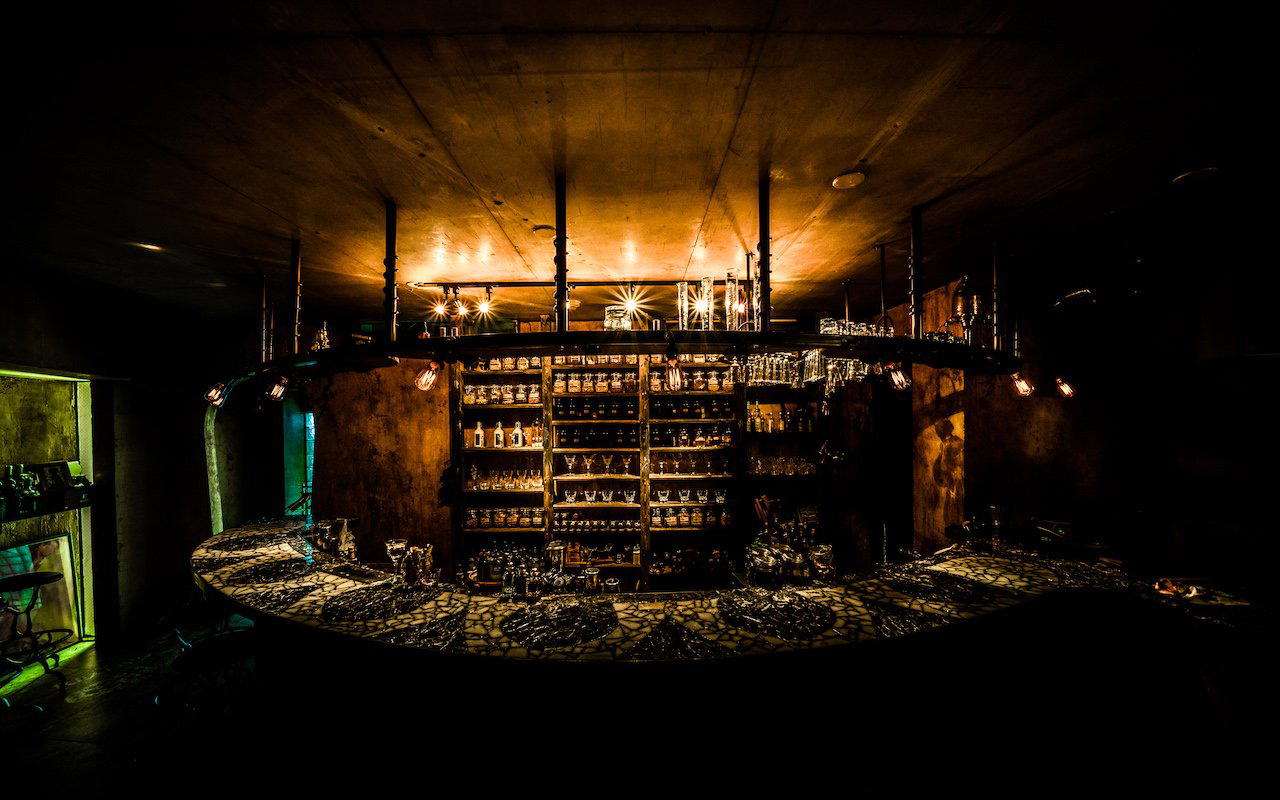


Hotels in Osaka
Browse all →



Wineries in Osaka
Browse all →
At a Glance
- Cozy
- Casual Hangout
- After Work
- Standalone
- Sake Program
Casual, lively downtown atmosphere typical of a stand-up bar.