82 Acres
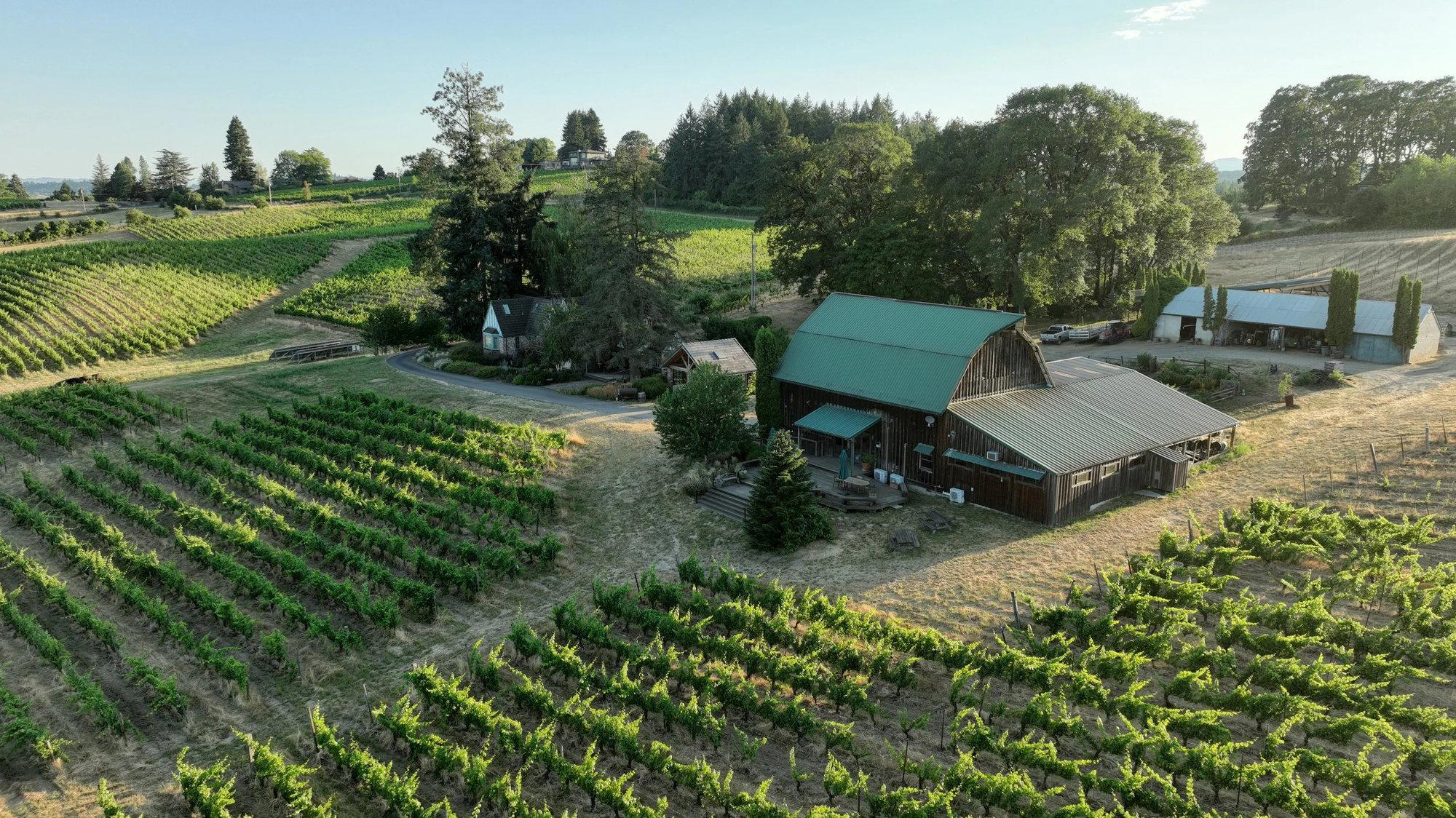
82 Acres brings a rigorous farm-to-table ethos to Portland's seasonal dining scene, drawing on local and regional producers to shape a menu that changes with the growing calendar. The cuisine sits within Portland's broader tradition of ingredient-led cooking, where sourcing decisions carry as much weight as technique. It belongs in the conversation alongside the city's most produce-driven restaurants.
Pearl is the En Primeur Club membership app — saves, bookings, and concierge access live there. Same editors, same standards.
- Address
- Portland, United States
- Directions
- Get directions
 Saves & bookings on Pearl
Where the Produce Does the Talking
Portland has spent two decades building among the more producer-connected dining cultures in the United States. Long before farm-to-table became a marketing phrase at mid-range chains across the country, restaurants in this city were writing supplier names onto chalkboards and adjusting menus mid-week because a farm delivered something worth cooking. 82 Acres fits inside that tradition, with a name that signals land and acreage before it signals any particular technique or cuisine style. In a city where sourcing provenance has become a point of differentiation, that framing matters.
The Logic of Seasonal Local Cooking in Portland
The Willamette Valley, which stretches south from Portland through Eugene and into the foothills of the Coast Range, is among the more agriculturally productive corridors in the Pacific Northwest. It supplies not just wine grapes but hazelnuts, berries, brassicas, alliums, stone fruit, and specialty grains to the Portland restaurant community. The farms that ring the city operate on a different calendar than those serving, say, Le Bernardin in New York City, where sourcing is global and precision-driven. In Portland, the seasonal constraint is partly logistical and partly philosophical. Restaurants like 82 Acres treat the local growing calendar as a structuring principle, not a limitation.
That approach puts 82 Acres in a specific peer group within Portland's dining scene. It is not a bistro in the French tradition like Olympia Provisions, nor a wood-fired Italian operation like Nostrana or Ken's Artisan Pizza, which use seasonal produce but are defined by a culinary tradition first. The restaurant, as its name suggests, lets the source material define the category. That is a harder position to hold because it demands the kitchen be excellent at adapting rather than excellent at executing a fixed canon.
How Portland's Farm-Driven Tier Compares Nationally
The American restaurant conversation around ingredient sourcing has a small cluster of reference points that set the standard. Blue Hill at Stone Barns in Tarrytown operates its own farm and has made the producer-restaurant relationship a near-academic subject. Single Thread Farm in Healdsburg built an inn around a working farm, integrating agriculture with hospitality at a level that carries significant capital investment. The French Laundry in Napa grows a substantial portion of its herbs and vegetables in a dedicated garden across the road. These are the high-investment anchors of the farm-driven format.
Portland's version of this tradition tends to operate through relationships rather than ownership. Restaurants here typically do not own farmland; instead they build purchasing relationships with specific growers, sometimes exclusively, sometimes through farmers markets. Lazy Bear in San Francisco uses a similar relational model, and Smyth in Chicago has built a sourcing program that goes beyond procurement into active collaboration with producers. The restaurant belongs to this relational tier, where the kitchen's identity is shaped by the depth and consistency of those external relationships rather than by owning land.
The Portland Context: A Scene Built for This
Few American cities have the density of aligned producers, restaurant culture, and consumer appetite that Portland maintains. The city's dining scene has supported ambitious ingredient-driven projects across multiple format types. Langbaan applies sourcing precision to Thai cuisine in a tasting-menu format. Kann grounds Haitian technique in Pacific Northwest produce in a way that connects two geographies through a shared agricultural logic. Berlu brings Vietnamese influence to bear on local ingredients with the kind of editorial restraint that the scene rewards.
What all of these have in common is that the cuisine type and the sourcing philosophy reinforce each other rather than compete. The restaurant operates in the same register. The restaurant name implies a specific origin point, which in Portland functions as a kind of shorthand promise to the customer: the food here comes from somewhere, and that somewhere has a specific character you can taste.
Planning a Visit
The restaurant sits within a Portland dining ecosystem that expects a degree of flexibility from its guests. Seasonal menus at this tier change frequently enough that calling ahead or checking the current menu before arrival is practical.
Visitors coming from outside Oregon who want to place Portland's farm-driven cooking in a national context might also consider how comparable programs at Addison in San Diego, Providence in Los Angeles, or Emeril's in New Orleans interpret regional sourcing differently. The contrast sharpens what makes the Pacific Northwest approach specific: shorter growing seasons, a high density of small farms within close range of the city, and a dining culture that has historically rewarded transparency about provenance.
For those building a longer itinerary around American fine dining with a sourcing focus, The Inn at Little Washington in Virginia and Atomix in New York City both represent how different regional traditions handle the intersection of technique and terroir. Quattro Passi in Marina del Cantone offers an international reference point for how coastal terroir can define a restaurant's entire identity.
How It Stacks Up
Comparable venues nearby, for context on price, style, and recognition.
| Venue | Cuisine | Price | Notes |
|---|---|---|---|
| 82 AcresThis venue — the venue you are viewing | Farm-to-Table Pacific Northwest | $$$ | Not listed |
| Great Notion Brewing - Alberta | American Gastropub with Craft Beer Focus | $$ | Alberta Arts District |
| Delta Cafe | Southern Cajun Soul Food | $$ | Woodstock |
| The Observatory | New American Gastropub | $$ | Montavilla |
| Feel Good PDX | Fresh Grain Bowls | $$ | Central Eastside Industrial District |
| Quaintrelle | New American Farm-to-Table | $$$ | Hosford-Abernethy |
Continue exploring
More in Portland
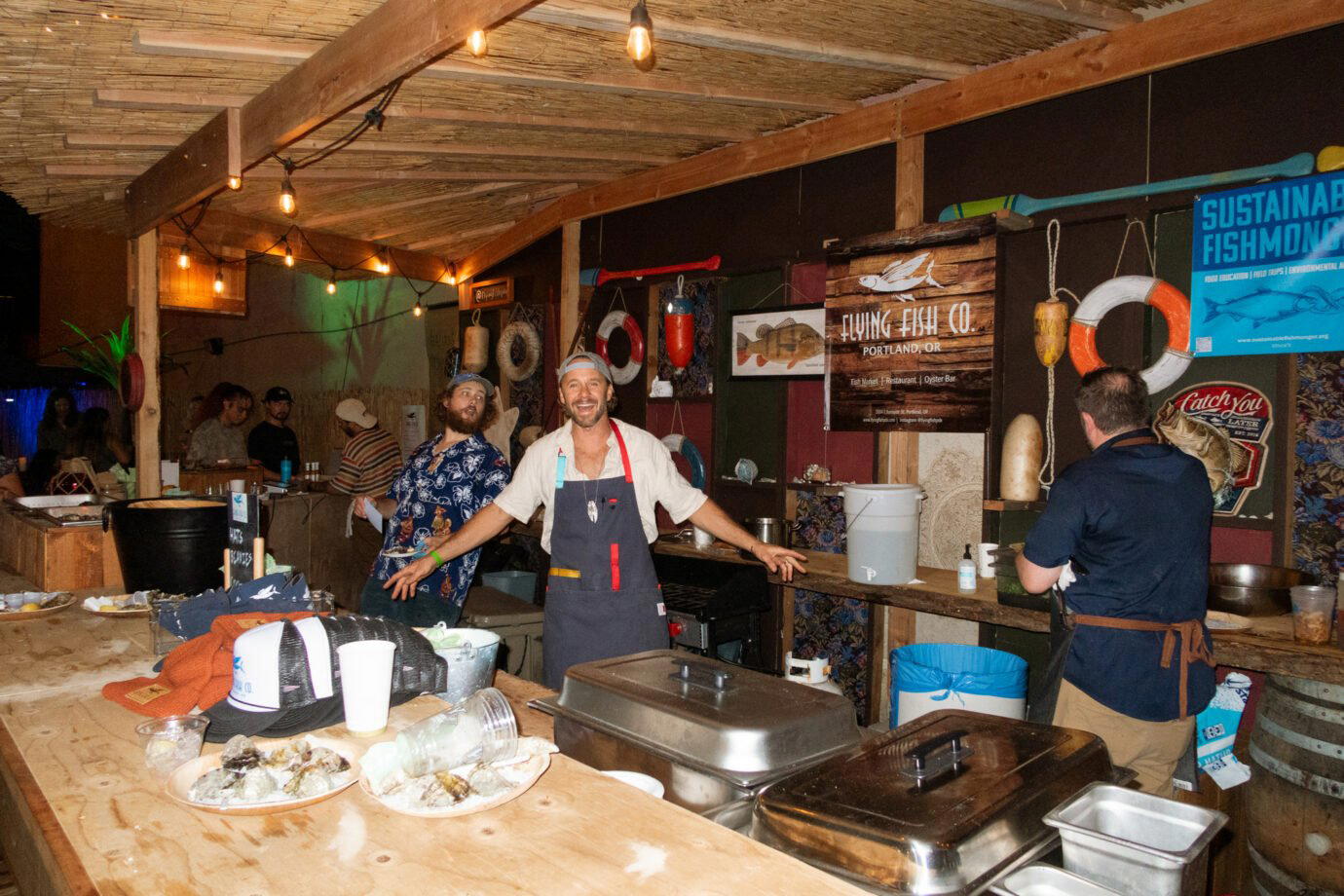
Restaurants in Portland
Browse all →
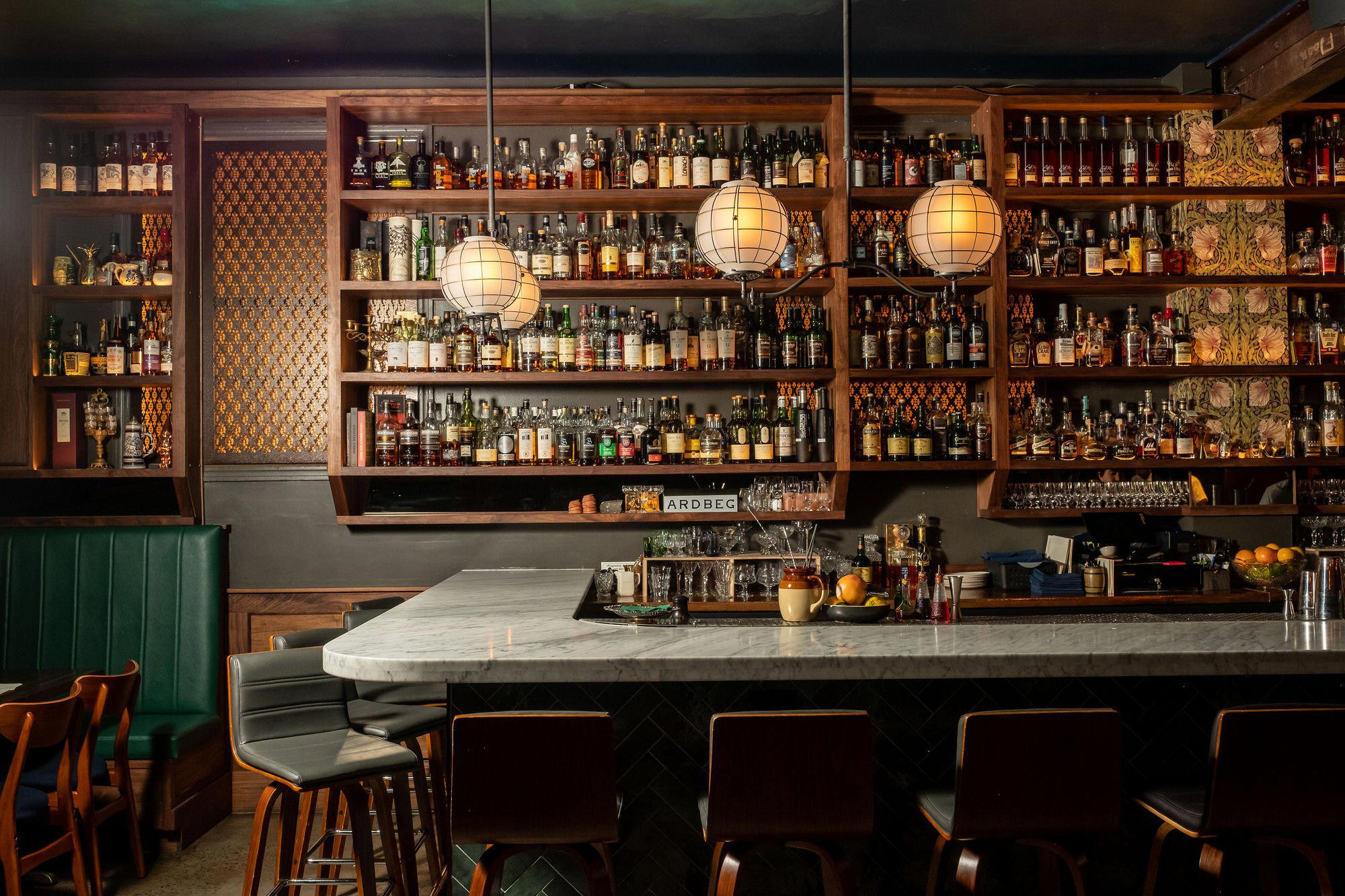
Bars in Portland
Browse all →
Hotels in Portland
Browse all →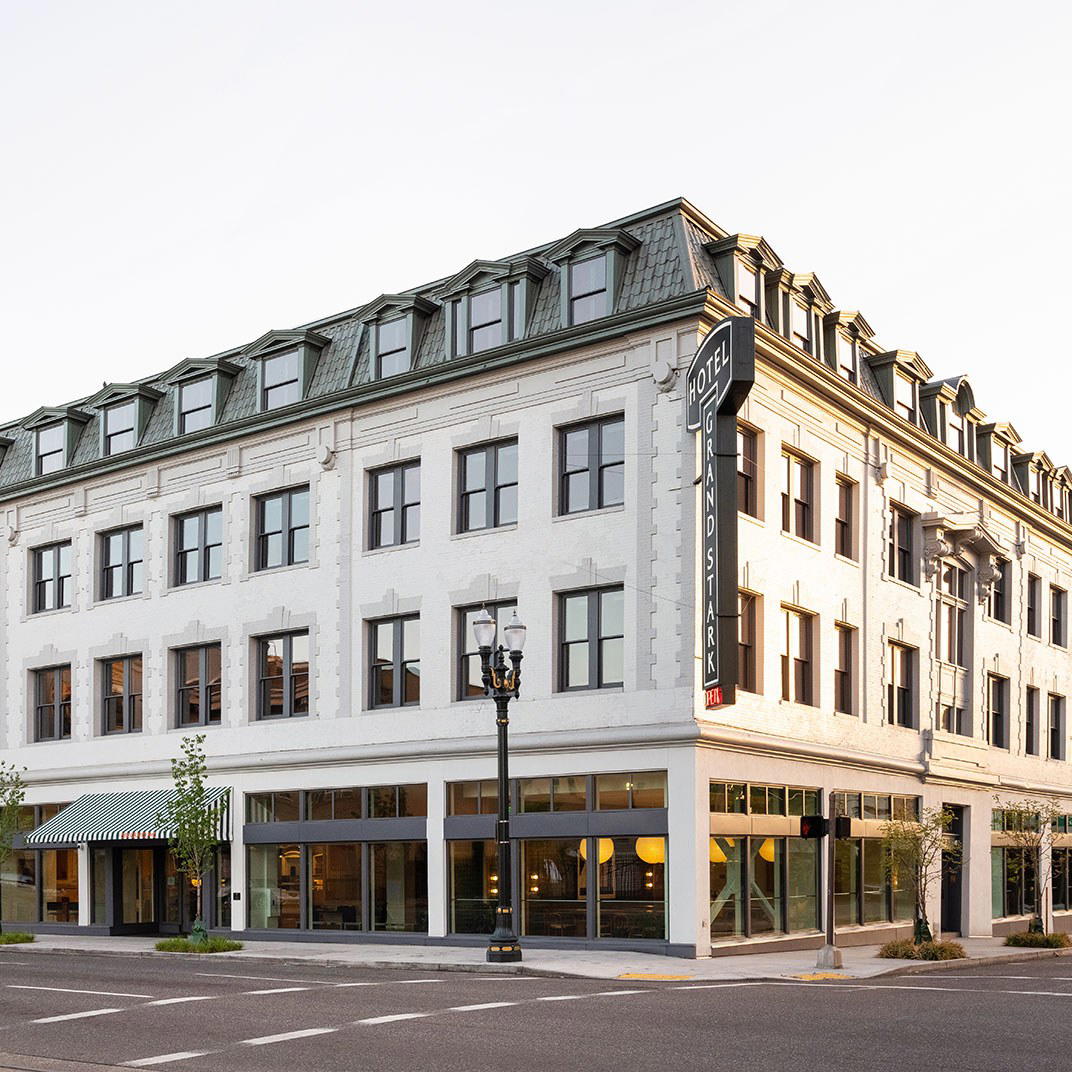
At a Glance
- Cozy
- Rustic
- Elegant
- Intimate
- Date Night
- Special Occasion
- Celebration
- Open Kitchen
- Standalone
- Farm To Table
- Local Sourcing
- Organic