
On the Boulevard Saint-Germain, Armani Ristorante holds a Michelin star (2025) within one of Paris's most design-conscious dining rooms. The kitchen, led by Michele Brogioni and Giovanni Papi, delivers Italian cuisine at the upper end of the sixth arrondissement's formal dining tier.
Pearl is the En Primeur Club membership app — saves, bookings, and concierge access live there. Same editors, same standards.
- Address
- 149 Bd Saint-Germain, 75006 Paris, France
- Phone
- +33 1 45 48 62 15
- Website
- locations.armani.com
- Directions
- Get directions
 Saves & bookings on Pearl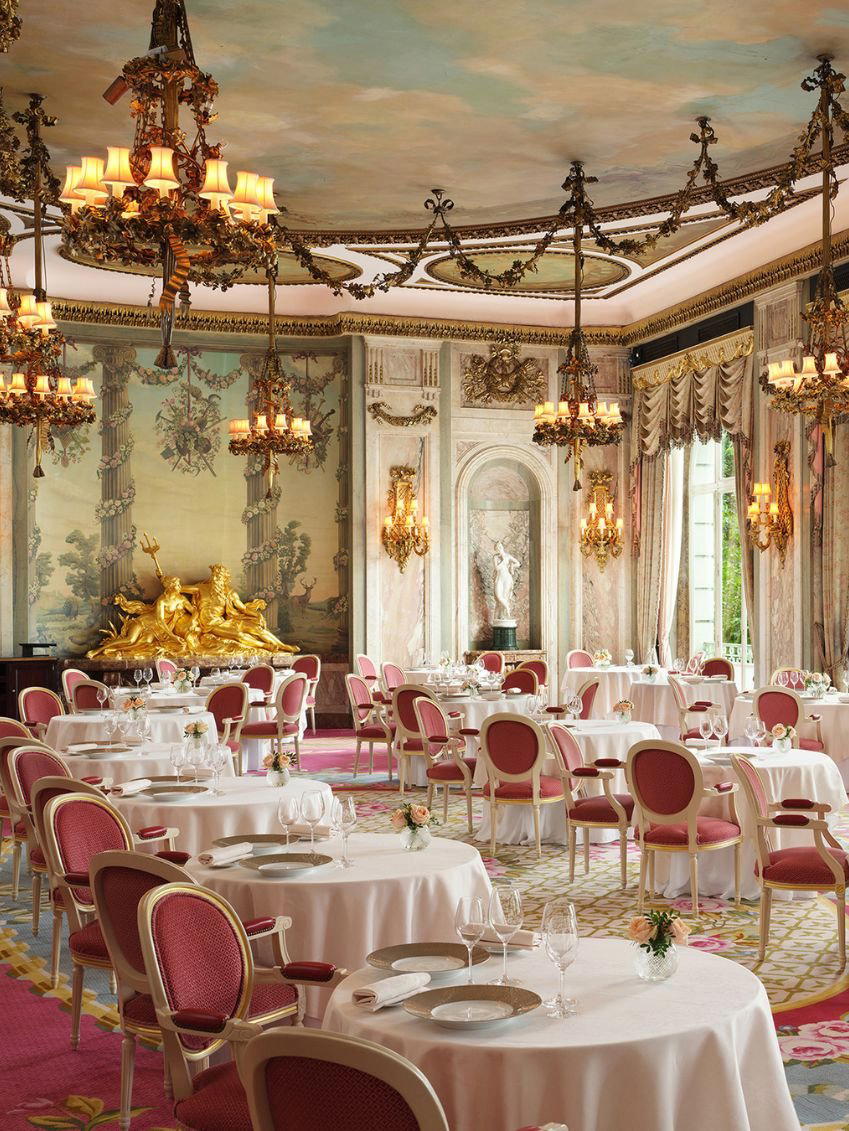
Italian fine dining on the Boulevard Saint-Germain
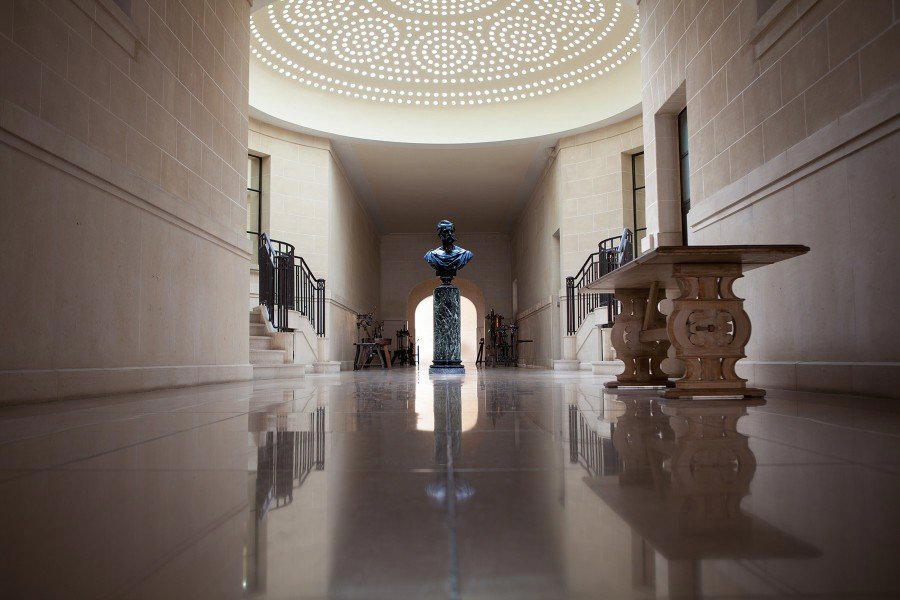
The sixth arrondissement has long functioned as Paris's most intellectually self-conscious neighbourhood, a place where fashion houses, galleries, and serious restaurants compete for the same narrow strip of real estate between the Seine and Montparnasse. The Boulevard Saint-Germain, specifically, carries a particular kind of pressure: it is a street that has always known what it is, and restaurants positioned along it are read against that identity whether they want to be or not. Armani Ristorante, at number 149, earns its address. The building's association with the Armani brand gives the dining room a visual grammar that is immediately legible, restrained palette, precise lines, nothing decorative that doesn't also serve a structural purpose, and that grammar aligns, as it happens, with the direction Italian fine dining has been moving for roughly the past decade.
The room signals formality without stiffness, which is a distinction that matters in this part of Paris. The sixth is not short of formal restaurants, but formal in Saint-Germain tends to read differently from, say, the eighth arrondissement's gilded hotel dining rooms. Here, the expectation is sophistication with a degree of intellectual seriousness, not spectacle. Armani Ristorante positions itself accordingly. For those exploring the wider Paris restaurants guide, the address alone anchors expectations about register and price.
Where Italian cuisine sits in Paris's starred tier
Paris's Michelin-starred Italian restaurants occupy a specific position in the city's dining hierarchy. French haute cuisine dominates the top tier numerically, with three-star addresses like Alléno Paris au Pavillon Ledoyen, Kei, L'Ambroisie, Le Cinq at the Four Seasons George V, and Pierre Gagnaire setting the reference point for €€€€ dining in the city. Within that broader starred tier, Italian-focused kitchens work against a structural disadvantage: French diners and international visitors alike tend to anchor their expectations for Italian food at a price-to-simplicity ratio that does not map cleanly onto the investment required for a serious tasting menu. The restaurants that succeed at this level do so by finding a specific argument for why Italian ingredients and technique, presented formally, warrant the same attention and expenditure as their French counterparts.
Armani Ristorante's Michelin star is the clearest external signal that the kitchen has made that argument successfully. Its comparable set within Paris's Italian fine-dining circuit includes Il Carpaccio and Le George, both operating at comparable formality and price levels. Further along the Italian-in-Paris spectrum, addresses like Adami, Baffo, and Caffè Stern each occupy distinct niches by format and price point. The restaurant sits at the upper end of that range, which positions it against French starred competitors rather than mid-market Italian trattoria-style dining.
The kitchen and its Italian framework
Fine Italian dining abroad operates within a set of understood conventions and, increasingly, a set of deliberate departures from them. The post-Noma era reshaped what ambition meant for European kitchens broadly, and Italian fine dining absorbed some of that influence while retaining a fundamental commitment to ingredient quality over technique complexity. The leading Italian starred restaurants outside Italy tend to resolve the tension between classical Italian structure, the primacy of the ingredient, the respect for regional identity, and the international fine-dining expectation of elaboration and transformation.
The kitchen at the restaurant is led by Michele Brogioni and Giovanni Papi. The 2025 Michelin recognition positions their output within that credentialed tier. What the star communicates, practically, is a kitchen operating at a level of consistency and technical control. For comparison, the broader conversation about Italian fine dining at this tier extends globally: 8½ Otto e Mezzo Bombana in Hong Kong and cenci in Kyoto represent the same ambition applied to radically different contexts, which illustrates how thoroughly serious Italian cuisine has spread beyond Italy's own starred circuit.
The neighbourhood as context for the experience
Positioning matters in ways that go beyond address prestige. The sixth arrondissement, and Saint-Germain specifically, generates a particular kind of diner. The area draws Parisians from the adjacent seventh and fifteenth as well as international visitors staying in the cluster of design-forward hotels nearby. It is a neighbourhood that has consolidated its reputation over generations, and restaurants operating at the restaurant price point benefit from, and are judged against, that accumulated credibility.
The practical consequence is that the dining room's mood tends toward composed rather than celebratory. Guests arrive having made a decision about how they want to spend an evening in one of the city's most deliberate neighbourhoods. The Armani brand's visual language extends that deliberateness into the room's design, which means the physical environment reinforces rather than contradicts the culinary register. This alignment between address, aesthetic, and kitchen ambition is something the upper tier of Paris dining achieves more consistently than most cities manage. For reference, France's broader spectrum of serious dining extends from addresses like Mirazur in Menton and Flocons de Sel in Megève to the historic foundations of Auberge de l'Ill in Illhaeusern, Bras in Laguiole, Troisgros in Ouches, and Paul Bocuse outside Lyon. The restaurant operates within that national frame but draws its culinary identity from a different tradition entirely, which is part of what makes the star meaningful: it was awarded on Italian terms, not as an honorary French kitchen.
Planning a visit
At €€€€, the restaurant prices at the ceiling of Paris's restaurant market, consistent with its Michelin-starred position on the Boulevard Saint-Germain. The address at 149 Boulevard Saint-Germain places it within easy reach of the Saint-Germain-des-Prés metro station (line 4), and the broader sixth arrondissement is well-served by the 10 and 12 lines. Given the starred status and the neighbourhood's drawing power, reservations should be secured in advance; the Michelin 2025 recognition will have increased inbound demand from visitors planning around the Guide's annual recommendations.
Awards and Standing
Comparable venues nearby, for context on price, style, and recognition.
| Venue | Cuisine | Price | Awards | Notes |
|---|---|---|---|---|
| Armani RistoranteThis venue — the venue you are viewing | Contemporary Italian Fine Dining | $$$$ | Michelin 1 Star | Not listed |
| Il Carpaccio | Modern Italian Fine Dining | $$$$ | Michelin 1 Star | Faubourg Saint-Honoré |
| Automne | Modern French Fine Dining | $$$$ | Michelin 1 Star | 11th Arr. |
| Qui Plume la Lune | Modern French Gastronomic | $$$$ | Michelin 1 Star | 11e arrondissement |
| MoSuke | Franco-Afro-Japanese Fusion | $$$$ | Michelin 1 Star | 14th Arrondissement |
| Shabour | Modern Israeli-Mediterranean Fine Dining | $$$$ | Michelin 1 Star | 2nd arrondissement |
Recognition history
Dated appearances from independent guides and award organizations, with the underlying list record or original source where available.
Michelin 1 Star
Michelin
Continue exploring
More in Paris
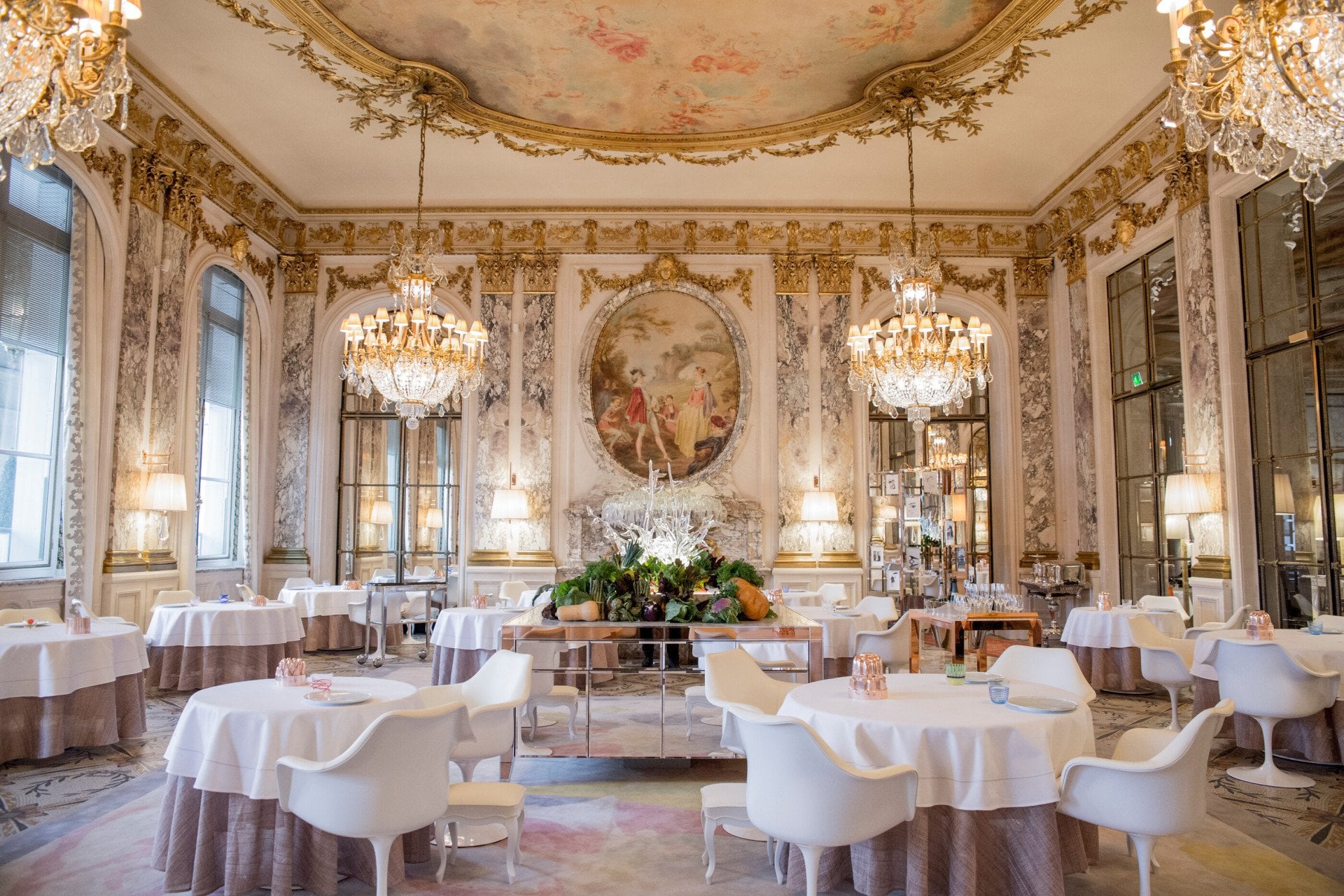
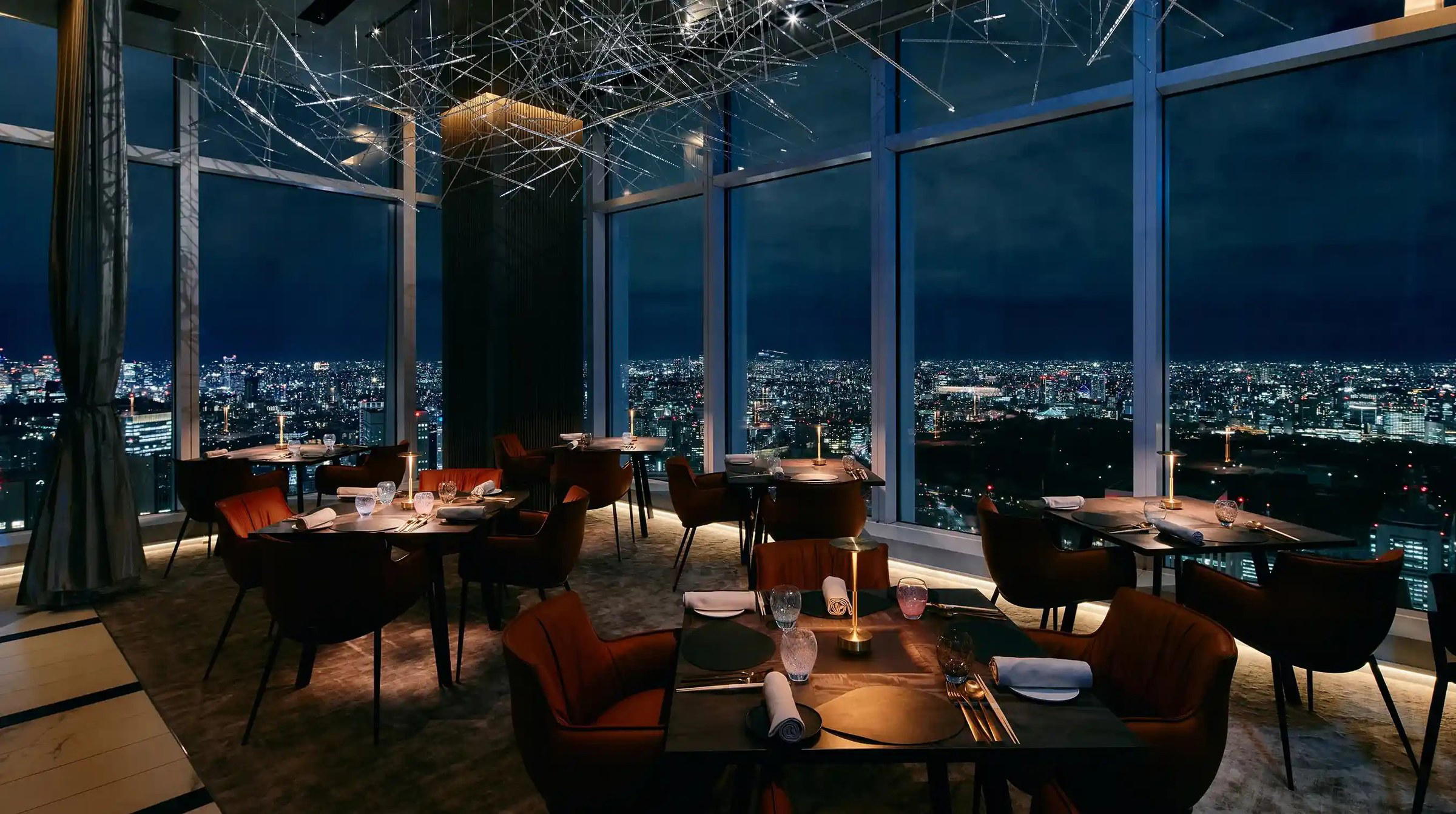
Restaurants in Paris
Browse all →
Bars in Paris
Browse all →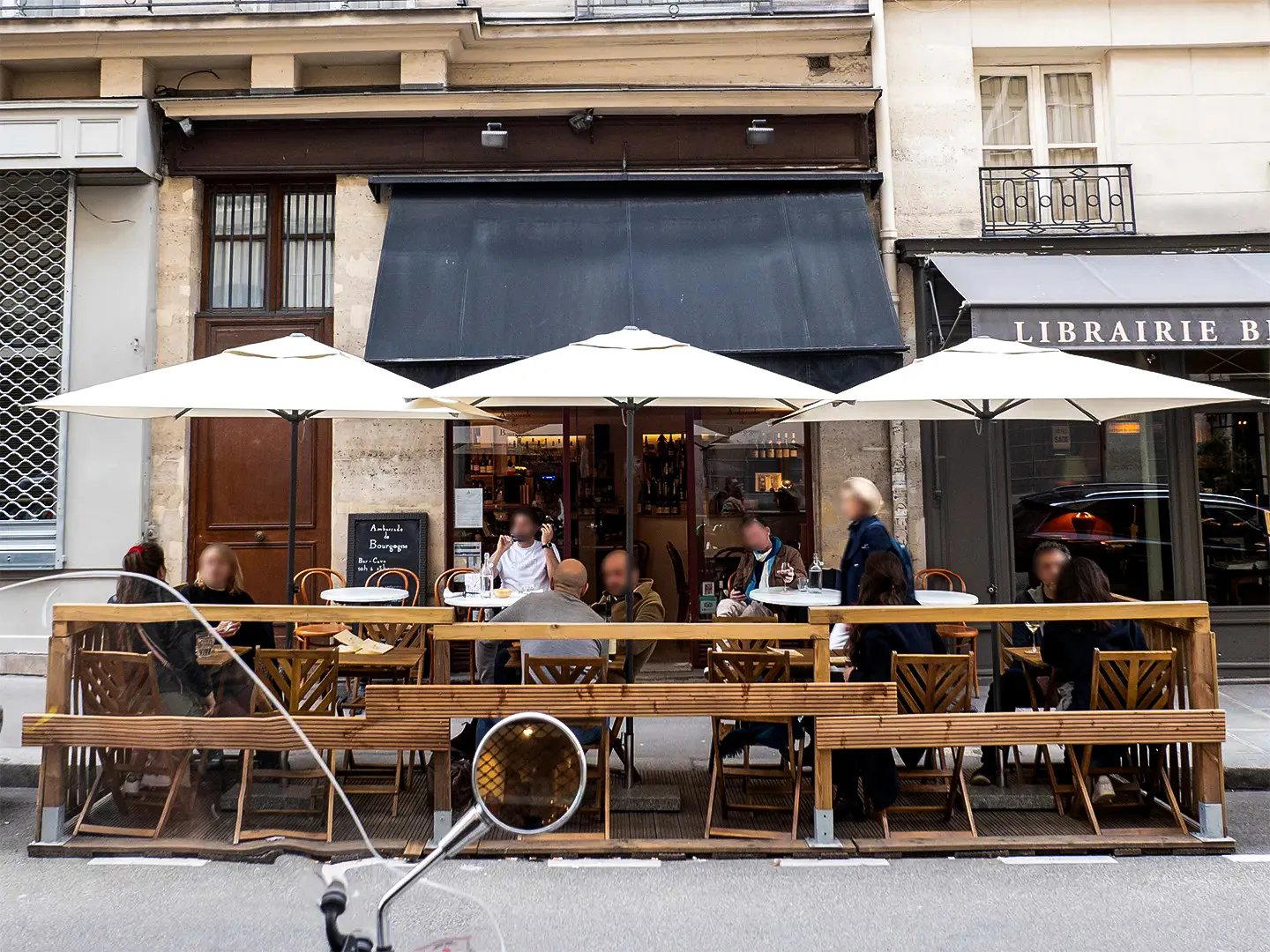
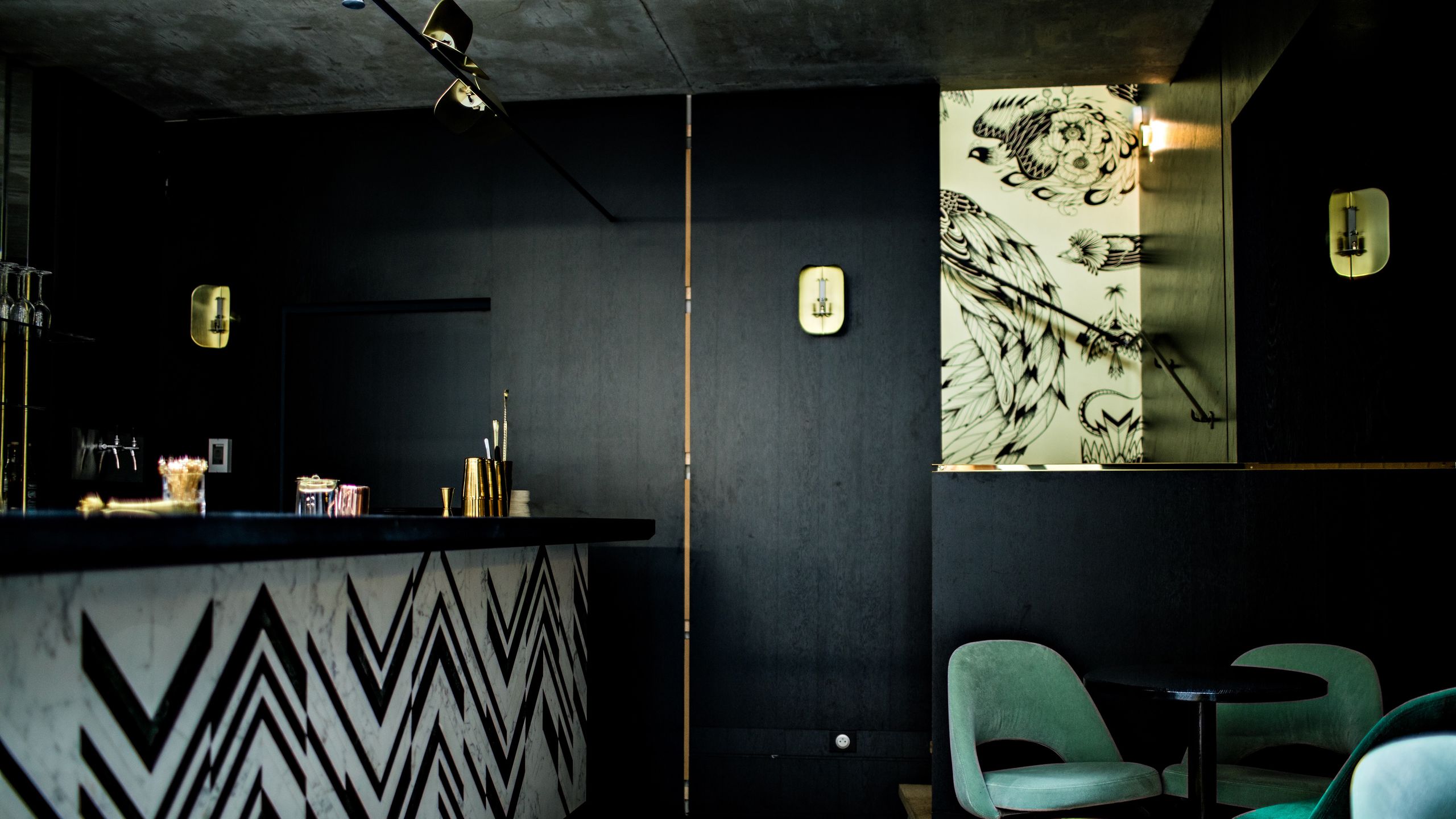
Hotels in Paris
Browse all →

At a Glance
- Elegant
- Sophisticated
- Classic
- Intimate
- Date Night
- Business Dinner
- Special Occasion
- Celebration
- Standalone
- Design Destination
- Extensive Wine List
- Sommelier Led
- Organic
- Local Sourcing
- Sustainable Seafood
- Street Scene
Current opening hours
- Monday
- 12:15–10:30 PM
- Tuesday
- 12:15–10:30 PM
- Wednesday
- 12:15–10:30 PM
- Thursday
- 12:15–10:30 PM
- Friday
- 12:15–10:30 PM
- Saturday
- 12:15–10:30 PM
- Sunday
- 12:15–10:30 PM
Hours can change for holidays and private events. Last verified .
Elegant and simple with cozy seating, refined atmosphere with attentive service in a sophisticated setting.