
A reservation-only Japanese restaurant in Kikugawa with a fish-led, creative Japanese format and a 2025 Tabelog 100 Japanese cuisine EAST selection. The appeal is not urban spectacle, but Shizuoka’s quieter relationship with seafood, sake, private rooms, and family occasions, set at a price tier that asks diners to treat it as a planned meal rather than a casual stop.
Pearl is the En Primeur Club membership app — saves, bookings, and concierge access live there. Same editors, same standards.
- Address
- 4948 Kamo, Kikugawa, Shizuoka 439-0031, Japan
- Phone
- +81 537-35-4030
- Website
- obune.online
 Saves & bookings on Pearl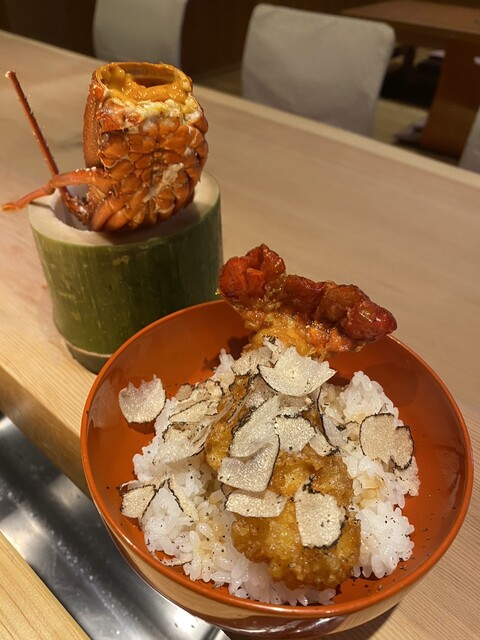
Approaching a house restaurant in Kikugawa slows the tempo before the meal begins. This is not Tokyo’s counter ritual of subway exits, stacked reservations, and performance minimalism; it is Shizuoka dining shaped by car travel, private rooms, counter seats, and the expectation that a meal can extend beyond the transactional. Shin Japanese cuisine Obune belongs to that regional register: polished Japanese cuisine with creative and crab categories, a stated fish emphasis, and enough structure to make booking feel intentional.
Kikugawa sits in tea country, but Shizuoka’s table is also coastal in temperament. The prefecture draws on Suruga Bay, fishing ports, mountain produce, and sake-friendly cooking that need not imitate the capital. In this context, a fish-focused Japanese restaurant in a residential-style setting reads differently from a metropolitan tasting counter. The pleasure lies in the connection between place and product, and in a room that accommodates both counter dining and private-room occasions without reducing the meal to one format.
Fish-led Japanese cooking in a Shizuoka register
Japan’s high-end Japanese cuisine often divides into two camps: the urban kaiseki room built around seasonal procession, and the regional restaurant that uses local access and occasion dining to define itself. The latter matters because it gives serious meals a civic function. Families, business dinners, celebrations, and travellers with a specific reason to be in the area share one dining ecosystem. Obune’s 2025 selection for Tabelog 100 Japanese cuisine EAST places it in an eastern Japan conversation, not only a local Kikugawa circuit.
The ingredient angle is the useful lens. The restaurant is categorized as Japanese Cuisine, Creative, and Crab, with fish singled out as a focus. That combination suggests seafood is not garnish to the room, but the axis around which the kitchen organizes value. Creative Japanese cooking can drift into novelty when it loses sourcing discipline; in Shizuoka, the stronger argument is restraint with access. The region gives kitchens reason to build around fish, sake, shochu, and wine without forcing a Tokyo template onto the table.
The drinks program also defines the room. Sake and shochu sit alongside wine and cocktails, placing the restaurant in a modern Japanese category rather than a narrow traditionalist one. Compared with soba houses such as Yabusoba Miyamoto, or lower-priced ramen destinations in the wider area, the distinction is not just budget. It is format: a longer, reservation-only meal with private-room infrastructure, counter seating, and a drinks range built for pairing rather than refuelling.
A room built for counter attention and private occasions
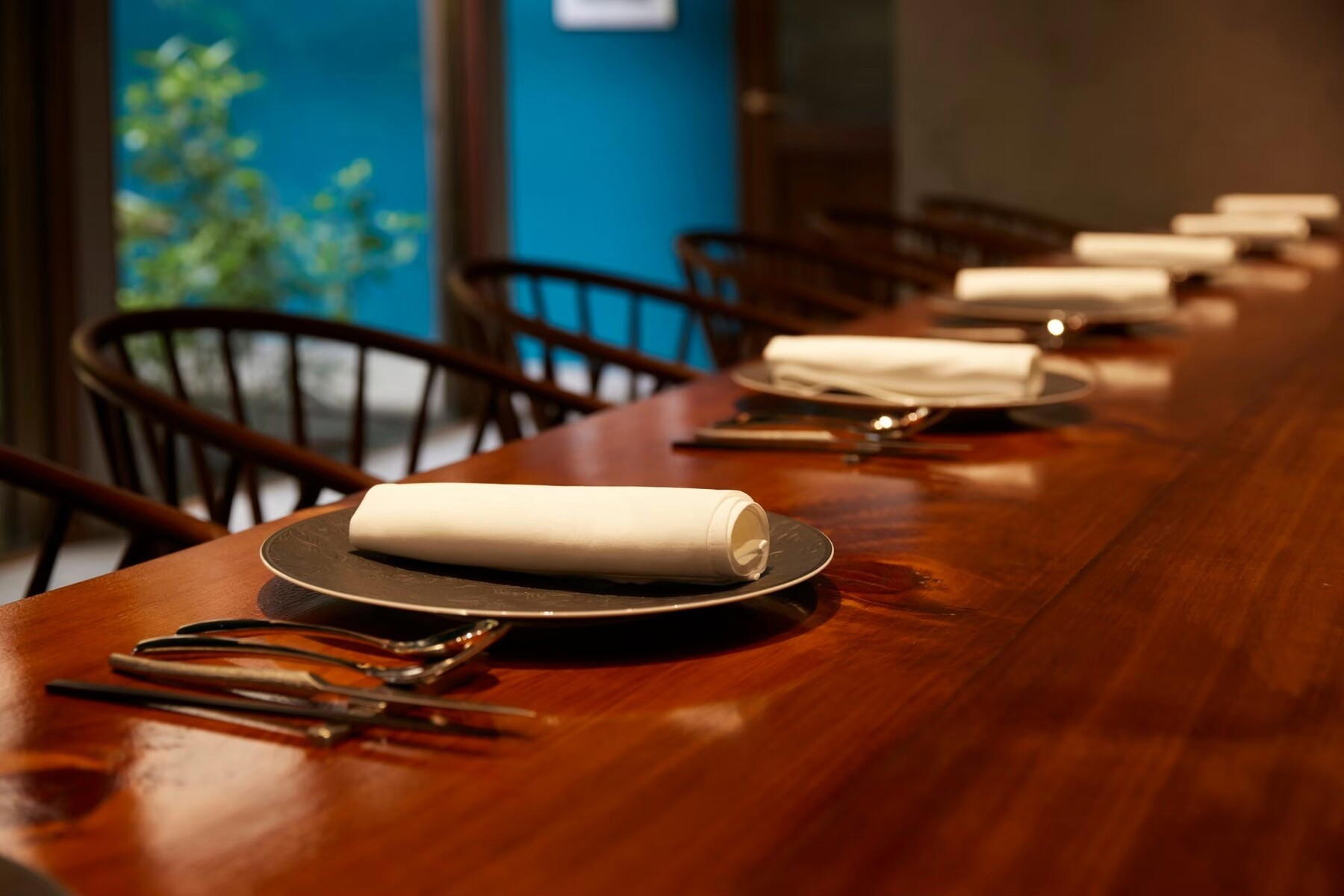
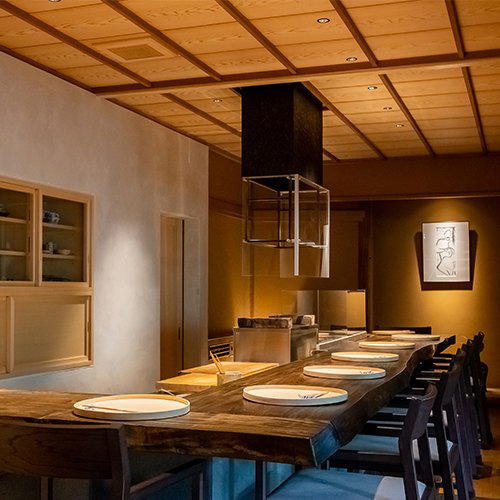
Seating mix matters. An eight-seat counter, private rooms, and sunken kotatsu seating create several registers inside one address. The counter suits diners who want proximity to the kitchen’s pacing; private rooms fit groups and family meals; sunken seating keeps the experience grounded in a familiar Japanese dining posture. This flexibility is why regional Japanese restaurants can be more revealing than capital-city trophy rooms: they show how serious cooking is used socially, not just critically.
Children are explicitly welcomed, including babies, preschoolers, and school-age children, with a kids menu available. At this price level, family-friendly does not mean loose casualness; it means the restaurant is designed to handle family occasions without treating them as exceptions. In Kikugawa, that matters. A high-spend Japanese meal can still belong to local celebration rather than only to travelling collectors.
Service structure reinforces that occasion-driven character. Private rooms carry an additional fee, and larger group use is part of the setup. The result is a restaurant that can hold a serious counter meal and a multi-generation dinner in the same building. That is not a contradiction; it is a defining trait of polished regional Japanese dining, where formality is measured less by silence than by preparedness.
How it fits into Kikugawa dining
Kikugawa is not a city with a dense luxury dining grid, so price and recognition carry extra weight. A Tabelog score of 3.84 and a 2025 Tabelog 100 Japanese cuisine EAST selection put Obune above everyday local dining, while the reservation-only format makes it a planned stop. The useful Kikugawa comparison is not a long peer list, but the gap between casual regional eating and a Japanese meal built around seafood, rooms, and drinks. Nearby alternatives such as サヴァカ may serve different needs; this address is for a more structured meal.
For trip planning, broader Kikugawa context helps. The city works well within a Shizuoka itinerary rather than as a stand-alone dining capital, especially for travellers moving between tea country, Kakegawa, and coastal food routes. Use Our full Kikugawa restaurants guide for dining context, then pair it with Our full Kikugawa hotels guide, Our full Kikugawa bars guide, Our full Kikugawa wineries guide, and Our full Kikugawa experiences guide if the meal is part of a wider route through the prefecture.
Readers mapping Japan beyond the obvious restaurant cities can compare how regional specificity appears across categories: beef-focused dining at -Grilled beef Sukiyaki- KAMAKURA TANUKIAN 鎌倉 たぬき庵 in Kamakura, tuna and charcoal formats at . 鮪と炭火焼き うお炭 秋葉原店 in Tokyo, café culture at .cafe in Osaka, contemporary dining at.know in Kumamoto, Vietnamese cooking at (Shoku) Vietnam in Kawasaki, curry specialization at [Curry Senmon Ten] Maruyama Kyoju. in Sapporo, Kyoto small-format dining at [ki:] in Kyoto, Nara beef culture at #肉といえば松田 奈良本店 in Kashihara, burger craft at 1/3 HAMBURGER FACTORY in Kanazawa, and casual Yokohama dining at 1000 in Yokohama. For Japanese food culture abroad, Jōdo Saké Bar in Los Angeles and Onigiri Time in Pasadena show how format and ingredient identity travel outside Japan.
The editorial case is simple: in Kikugawa, a serious Japanese meal should be judged by how convincingly it connects ingredient, room, and occasion. Obune’s fish emphasis, crab category, drinks breadth, and Tabelog 100 recognition make it a strong candidate for travellers who want Shizuoka dining to mean more than a stop between larger cities.
How It Stacks Up
Comparable venues by cuisine and price in the same metro.
| Venue | Cuisine | Price | Notes |
|---|---|---|---|
| Shin Japanese cuisine ObuneThis venue — the venue you are viewing | New Japanese kaiseki-style cuisine | $$$ | Not listed |
| サヴァカ | French Gibier Fine Dining | $$$ | Sawamizuka |
| Ueno (うえの) | Traditional Japanese Anagomeshi | $$$ | Miyajimaguchi |
| Torichou (鳥長) | 伝統的な焼き鳥 | $$$ | 練馬区 |
| 宮崎牛鉄板焼ステーキ ミヤチク | 宮崎牛 Teppanyaki Steakhouse | $$$ | 新別府町 |
| Iruka Tokyo Roppongi | Modern Ramen | $$$ | Roppongi |
Recognition history
Dated appearances from independent guides and award organizations, with the underlying list record or original source where available.
Tabelog 100 #84 · No. 84
Tabelog · Tabelog 100 - Japanese cuisine - EAST - 2025
Continue exploring
More in Kikugawa
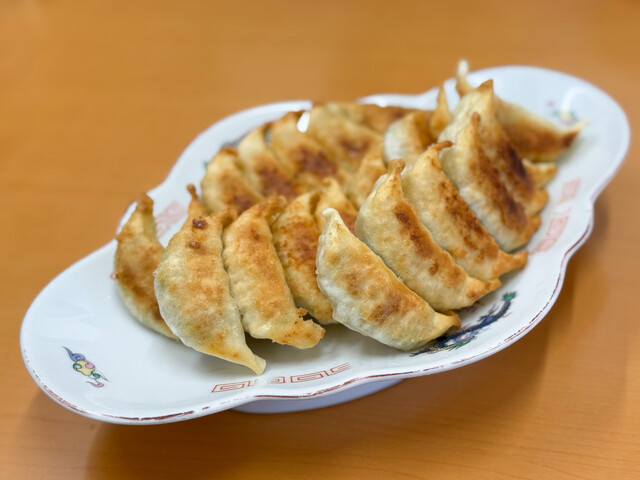
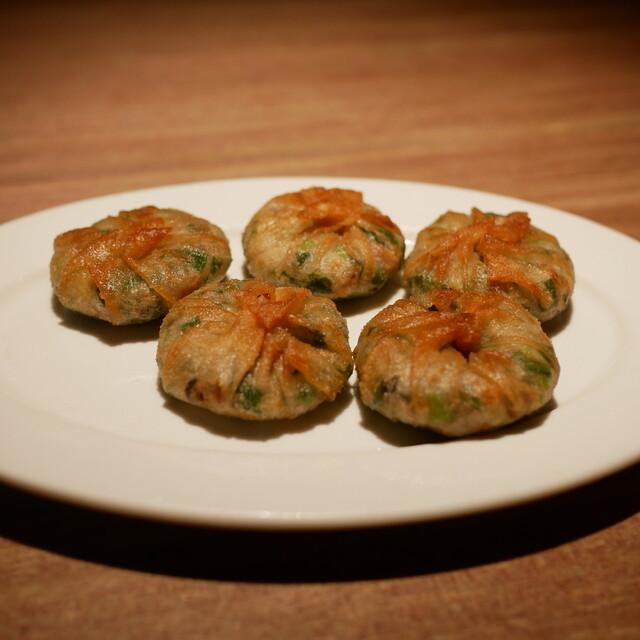
Restaurants in Kikugawa
Browse all →
Hotels in Kikugawa
Browse all →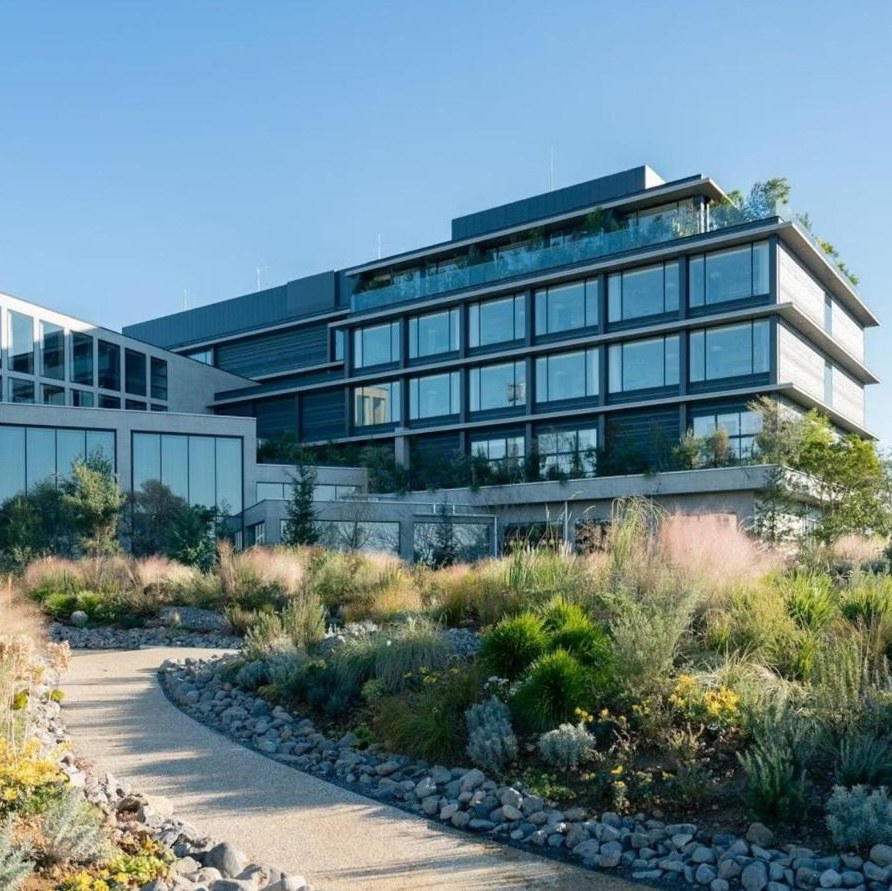
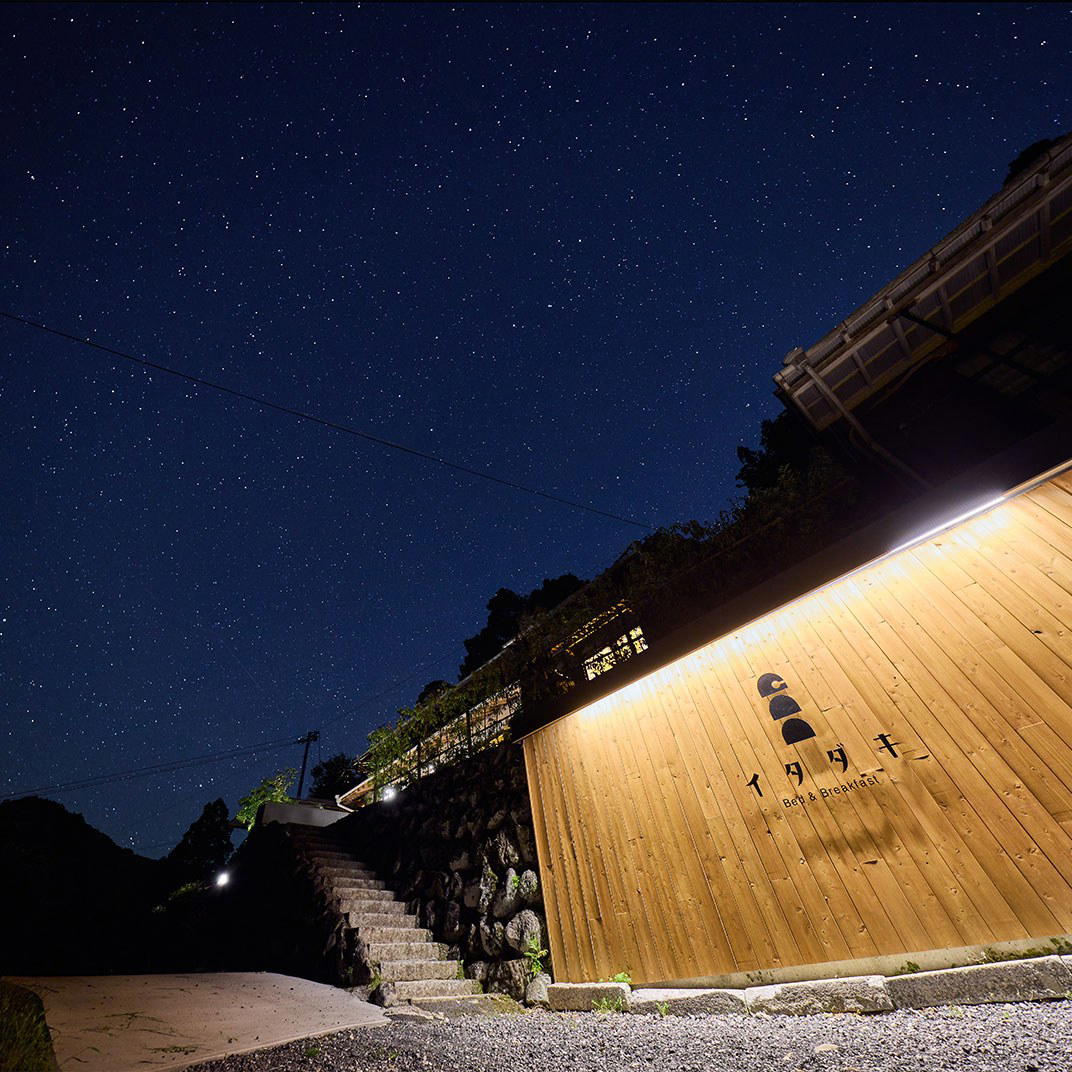
Wineries in Kikugawa
Browse all →
At a Glance
- Cozy
- Elegant
- Quiet
- Intimate
- Special Occasion
- Date Night
- Business Dinner
- Group Dining
- Chefs Counter
- Private Dining
- Standalone
- Extensive Wine List
- Sake Program
- Sommelier Led
- Local Sourcing
Current opening hours
- Monday
- Closed
- Tuesday
- 5:30–10 PM
- Wednesday
- 11:30 AM–2 PM, 5:30–10 PM
- Thursday
- 11:30 AM–2 PM, 5:30–10 PM
- Friday
- 11:30 AM–2 PM, 5:30–10 PM
- Saturday
- 11:30 AM–2 PM, 5:30–10 PM
- Sunday
- 11:30 AM–2 PM, 5:30–10 PM
Hours can change for holidays and private events. Last verified .
A warm, refined Japanese house-style space with a counter facing the chef and several private rooms, offering a calm, cozy atmosphere suited to relaxed, high-end meals rather than casual drop-ins.