
Ranked #470 on the 2025 Opinionated About Dining Asia list, Peshawri brings the frontier cooking of India's northwest to Tangra, Kolkata's Chinese-quarter district. The kitchen works a register of clay-oven breads, dal preparations, and paneer dishes that position it within Kolkata's more serious Indian dining tier.
Pearl is the En Primeur Club membership app — saves, bookings, and concierge access live there. Same editors, same standards.
- Address
- 1, JBS Haldane Ave, Tangra, Kolkata, West Bengal 700046, India
- Phone
- +91 33 2345 4545
- Website
- itchotels.com
- Directions
- Get directions
 Saves & bookings on Pearl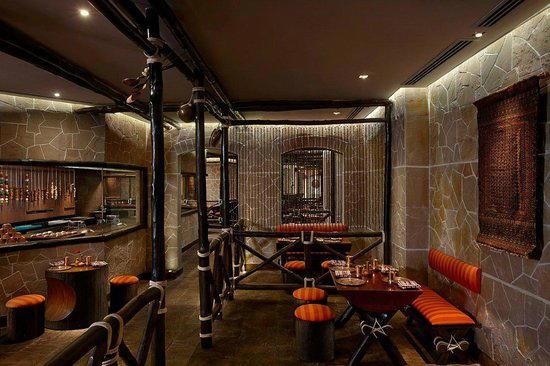
Frontier Cooking in an Unexpected Corner of Kolkata
Tangra, the neighbourhood that most visitors associate with Kolkata's Hakka Chinese kitchens and warehouse-lined streets, is not the obvious home for a restaurant rooted in the cooking of India's northwest frontier. Yet restaurants that challenge geographic expectation often do so for a reason: lower rents, a loyal residential catchment, or simply the decision to exist where the food, not the address, does the work. Peshawri, at 1 JBS Haldane Avenue, sits in that category. The address requires a deliberate trip, and the crowd it draws tends to arrive with a specific appetite rather than a casual walk-in impulse.
India's northwest frontier cooking, the culinary tradition most associated with Peshawar and the broader Khyber Pakhtunkhwa region, is built around the tandoor. Bread is central: naans blistered against clay walls, rotis with char and give. But the vegetarian strand of this tradition is deeper than its meat associations suggest. Dal preparations in this register, particularly the slow-cooked black lentil variants that have become reference points across North Indian restaurant cooking, are measured by hours of cooking time and the depth of their reduction. Paneer, in frontier-influenced kitchens, earns its place by the quality of the char from the clay oven, not by the complexity of the sauce alone.
Where Peshawri Sits in Kolkata's Indian Dining Scene
Kolkata's Indian restaurant landscape spans a wide range, from the Bengali home-cooking tradition represented by places like Kewpie and the contemporary seafood and regional focus of Oh Calcutta, to the Mughlai slow-cooking at Dum Pukht Kolkata and the Indian fusion approach of Sienna Store & Cafe. Peshawri occupies a distinct position in that spread: it is the northwest frontier counter in a city whose own culinary identity leans eastward. That contrast matters. A kitchen cooking this far from its source tradition has to earn credibility through execution rather than geography.
The 2025 Opinionated About Dining ranking, which places Peshawri at #470 across Asia, provides a useful peer-set signal. OAD rankings are driven by dining professionals and serious food travellers rather than general popularity votes, which means inclusion at that level reflects the opinion of a specific, technically demanding audience.
Chef Taranjit Singh leads the kitchen. In the context of northwest frontier cooking, the relevant credential is familiarity with the rhythms of the tandoor, the timing of dal reductions, and the balance of spice that allows the bread and the lentil to do their work rather than compete with heavy sauce. The specifics of Singh's background are not the point here; what the OAD placement and the review volume confirm is that the kitchen's output meets a standard that positions Peshawri above casual Indian dining in the city.
The Vegetarian Case for Peshawri
India's vegetarian tradition is often discussed in terms of Southern or Gujarati cooking, the thali formats and the rice-centred meals. The northwest frontier tradition makes a different argument: that restraint in protein does not require restraint in technique or depth of flavour. The dal bukhara style, black lentils cooked overnight and finished with butter and cream, is among the more labour-intensive preparations in North Indian cooking and contains no meat. Paneer tikka from a well-managed tandoor, where the cheese holds its shape under heat and acquires genuine surface char rather than softening into blandness, is a different proposition from the paneer dishes that populate mid-tier Indian menus as an afterthought.
For the vegetarian diner, a kitchen that takes the tandoor seriously is not a compromise; it is the point. The clay oven is equally relevant to bread and cheese as it is to meat, and a kitchen whose reputation rests partly on the quality of its clay-oven work offers more to a non-meat diner than a kitchen where vegetarian dishes are added to a meat-forward menu. This is the angle through which Peshawri reads differently from the Thai Indian offer at Baan Thai or the fusion approach at Sienna: it is a specialist kitchen in a specific tradition, and that tradition has deep vegetarian content.
Across India, the restaurants that take northwest frontier cooking seriously in a contemporary context tend to do so in a smaller, more focused format. Dum Pukht in New Delhi represents the hotel-dining version of Mughlai and frontier cooking at a different price tier. Elsewhere in India, the move toward regional specificity is visible at places like Farmlore in Bangalore, Naar in Kasauli, and Adaa at Falaknuma Palace in Hyderabad, each working a specific regional register. Peshawri's OAD placement puts it in conversation with that tier of Indian cooking, even from a Tangra address.
Outside India, the appetite for serious Indian cooking continues to grow. Trèsind Studio in Dubai and Opheem in Birmingham represent Indian fine dining at international recognition level. Closer in spirit to the format, The Table in Mumbai and Bomras in Anjuna show the range of approaches within serious Indian restaurant cooking. Peshawri's placement in this broader conversation is earned through the OAD ranking rather than claimed.
Planning a Visit
Peshawri is located in Tangra, which sits east of central Kolkata. The neighbourhood is most active in the evening, when its Chinese and Indian kitchens draw diners from across the city. Reaching Tangra from Park Street or the central hotel belt typically takes 20 to 35 minutes by car depending on traffic, and the journey is easier in the early evening before peak congestion. Reservations are recommended. Given the OAD ranking and the sustained review volume, arriving without a confirmed table on weekend evenings carries some risk.
Reputation First
Comparable venues nearby, for context on price, style, and recognition.
| Venue | Cuisine | Price | Notes |
|---|---|---|---|
| PeshawriThis venue — the venue you are viewing | North West Frontier Tandoori | $$$ | Not listed |
| Rannaghor by Sienna | Bengal-focused tasting menu chef’s table | $$$ | Hindustan Park |
| Sienna Store & Cafe | Modern Bengali | $$$ | Hindustan Park |
| Dum Pukht Kolkata | Awadhi Fine Dining | $$$$ | Govinda Khatick Road, Opposite Science City |
| Peter Cat | Indian Chelo Kebab | $$ | Park Street |
| Oh Calcutta | Authentic Bengali Cuisine | $$$ | Kolkata (Calcutta) |
Recognition history
Dated appearances from independent guides and award organizations, with the underlying list record or original source where available.
Opinionated About Dining Top Restaurants in Asia Recommended
Opinionated About Dining
Opinionated About Dining Top Restaurants in Asia Ranked #470
Opinionated About Dining
At a Glance
- Rustic
- Lively
- Well Known
- Celebration
- Special Occasion
- Group Dining
- Family
- Open Kitchen
Current opening hours
- Monday
- 12:30–2:45 PM, 7–11:45 PM
- Tuesday
- 12:30–2:45 PM, 7–11:45 PM
- Wednesday
- 12:30–2:45 PM, 7–11:45 PM
- Thursday
- 12:30–2:45 PM, 7–11:45 PM
- Friday
- 12:30–2:45 PM, 7–11:45 PM
- Saturday
- 12:30–2:45 PM, 7–11:45 PM
- Sunday
- 12:30–2:45 PM, 7–11:45 PM
Hours can change for holidays and private events. Last verified .
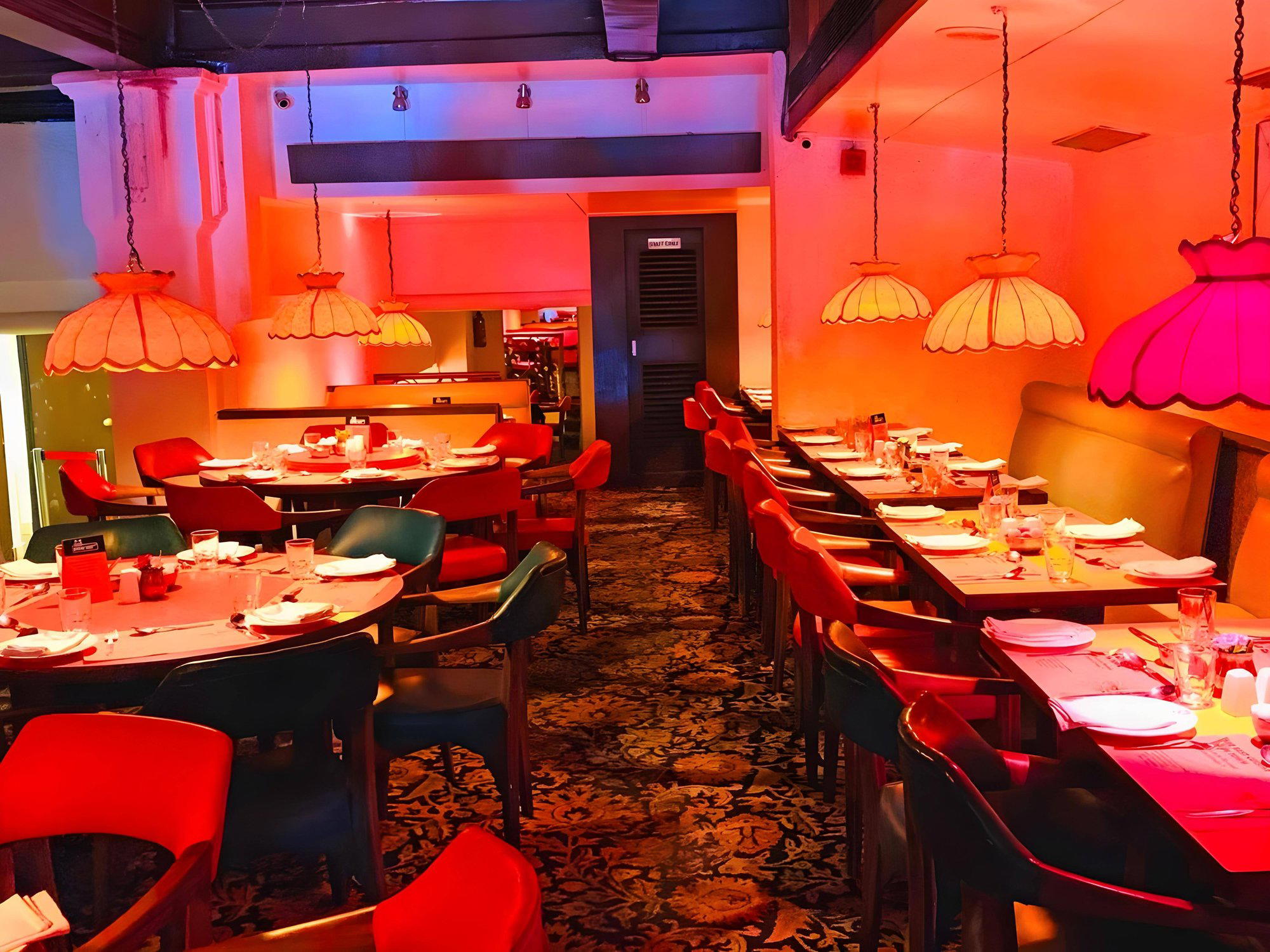
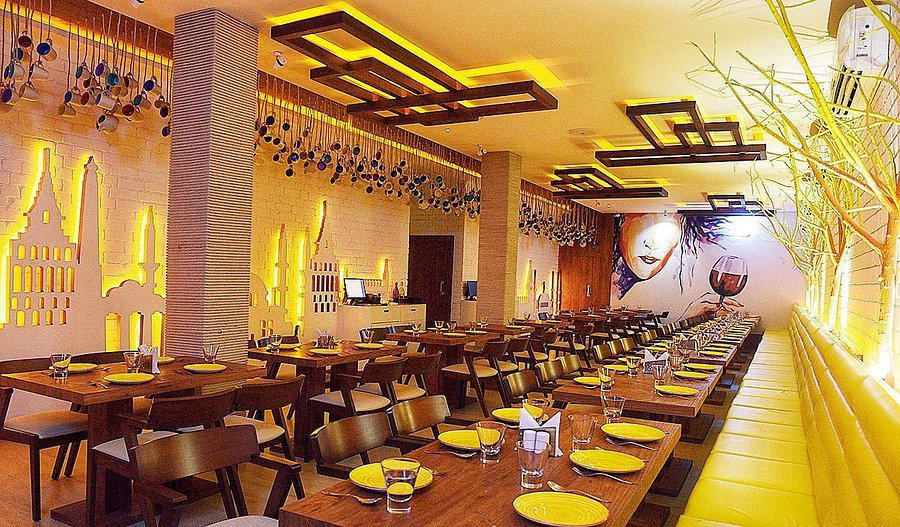
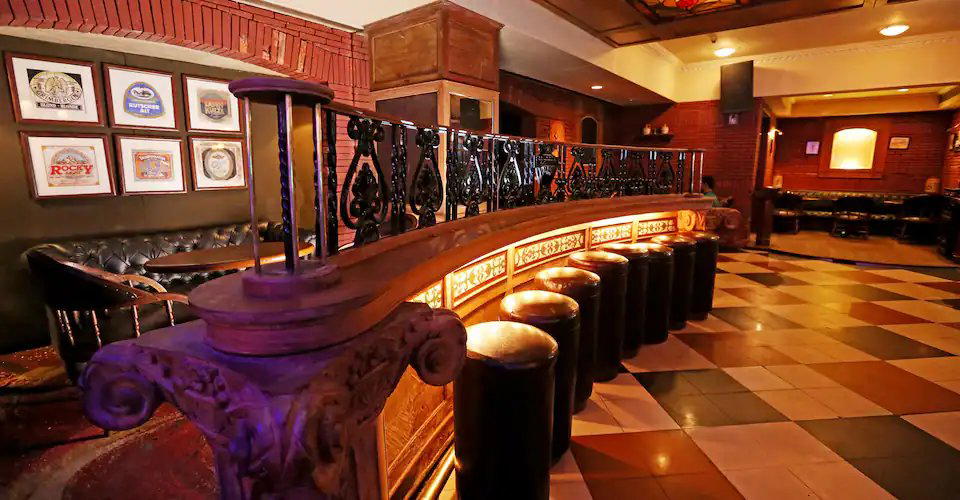
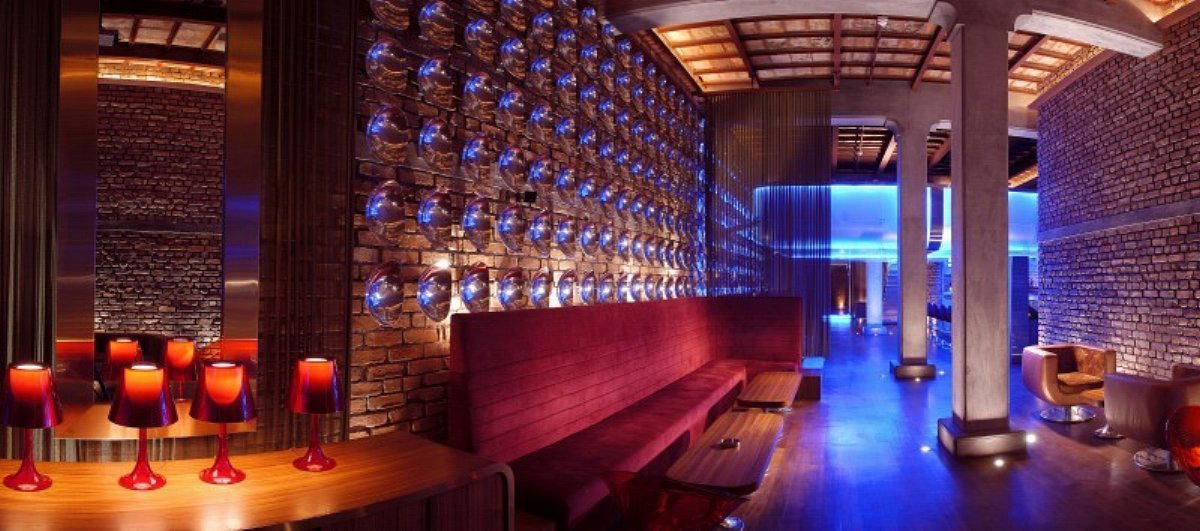
Rustic charm with rough-hewn trestle tables, wooden stools, wall rugs, and open kitchen evoking a frontier tent dining experience under a starry sky.