1887


1 Michelin Star · Relais Chateaux Award · AA Rosettes 3 Rosettes
Our verdict
The kitchen draws on hand-dived West Coast scallops, Ross-shire lamb, and a sourcing philosophy that treats local provenance as the menu's structural foundation. An extensive global whisky collection makes the room worth lingering in after the last course.

Pearl is the En Primeur Club membership app — saves, bookings, and concierge access live there. Same editors, same standards.
- Address
- The Torridon, Annat by, Achnasheen IV22 2EY, United Kingdom
- Phone
- +44(0)1445 791 242
- Hours
- Mon–Tue ClosedWed–Sun 6:45–9 PM
- Website
- thetorridon.com
- Directions
- Get directions
- Booking
- Book on TheFork
Where the Highlands Arrive on the Plate
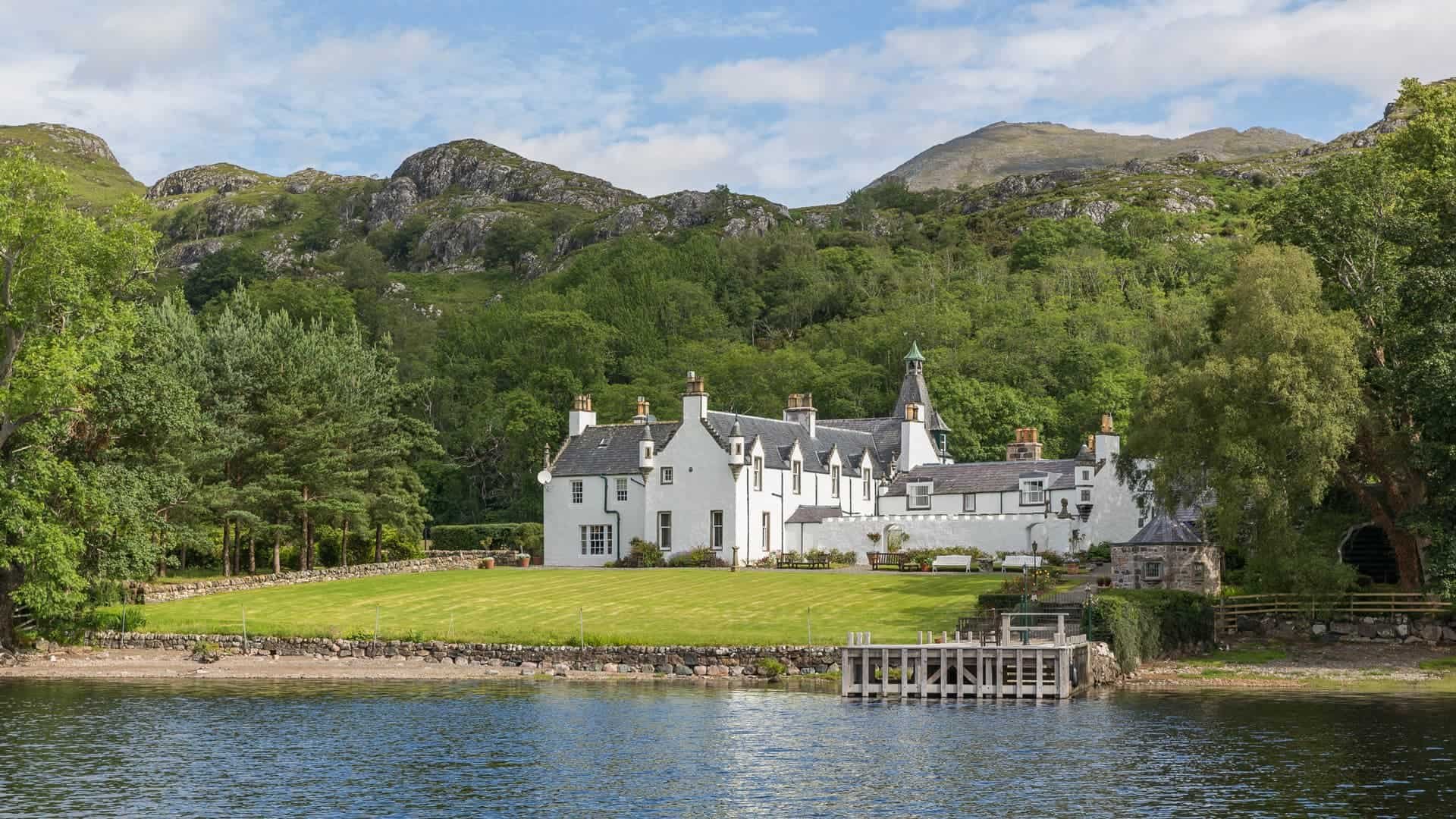
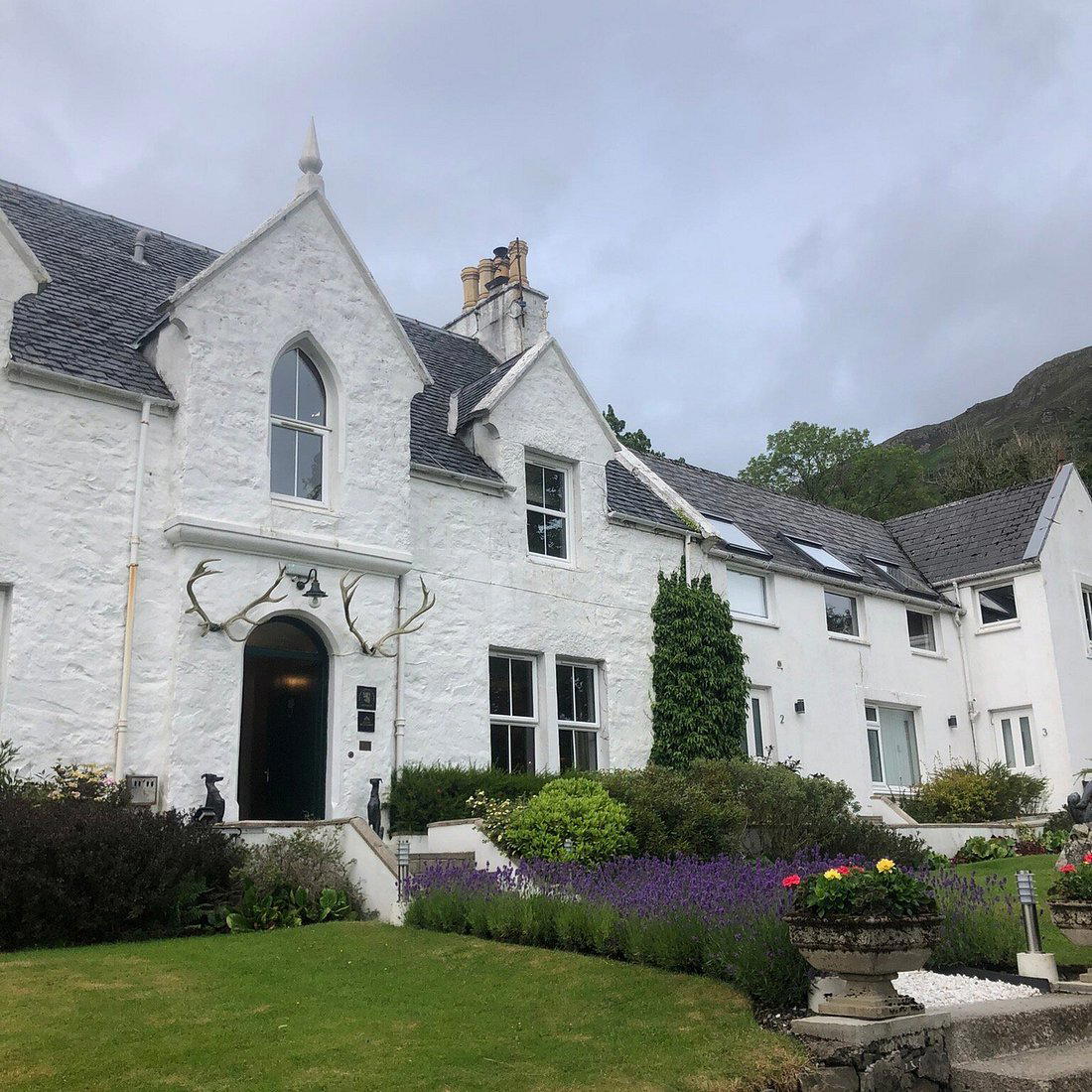
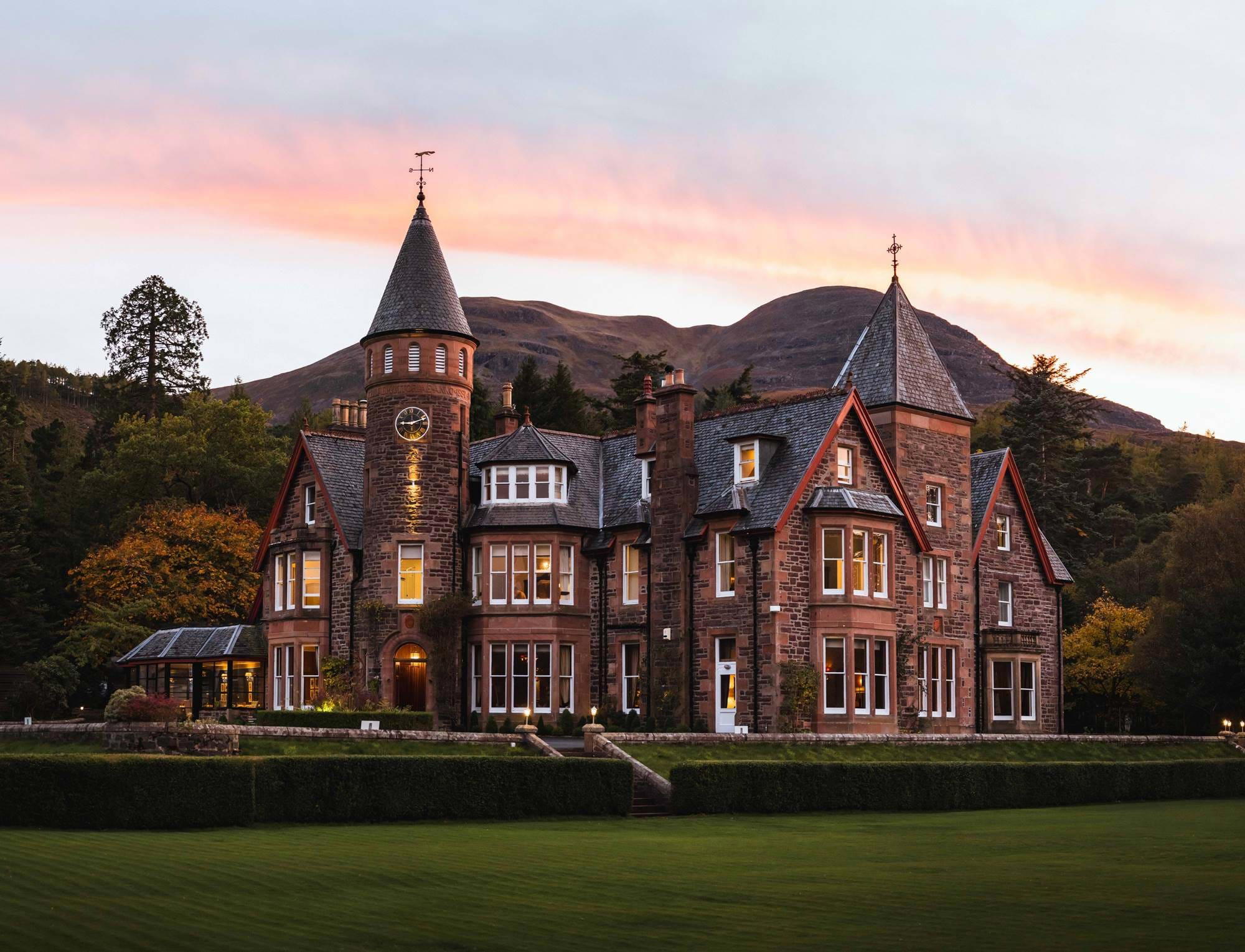
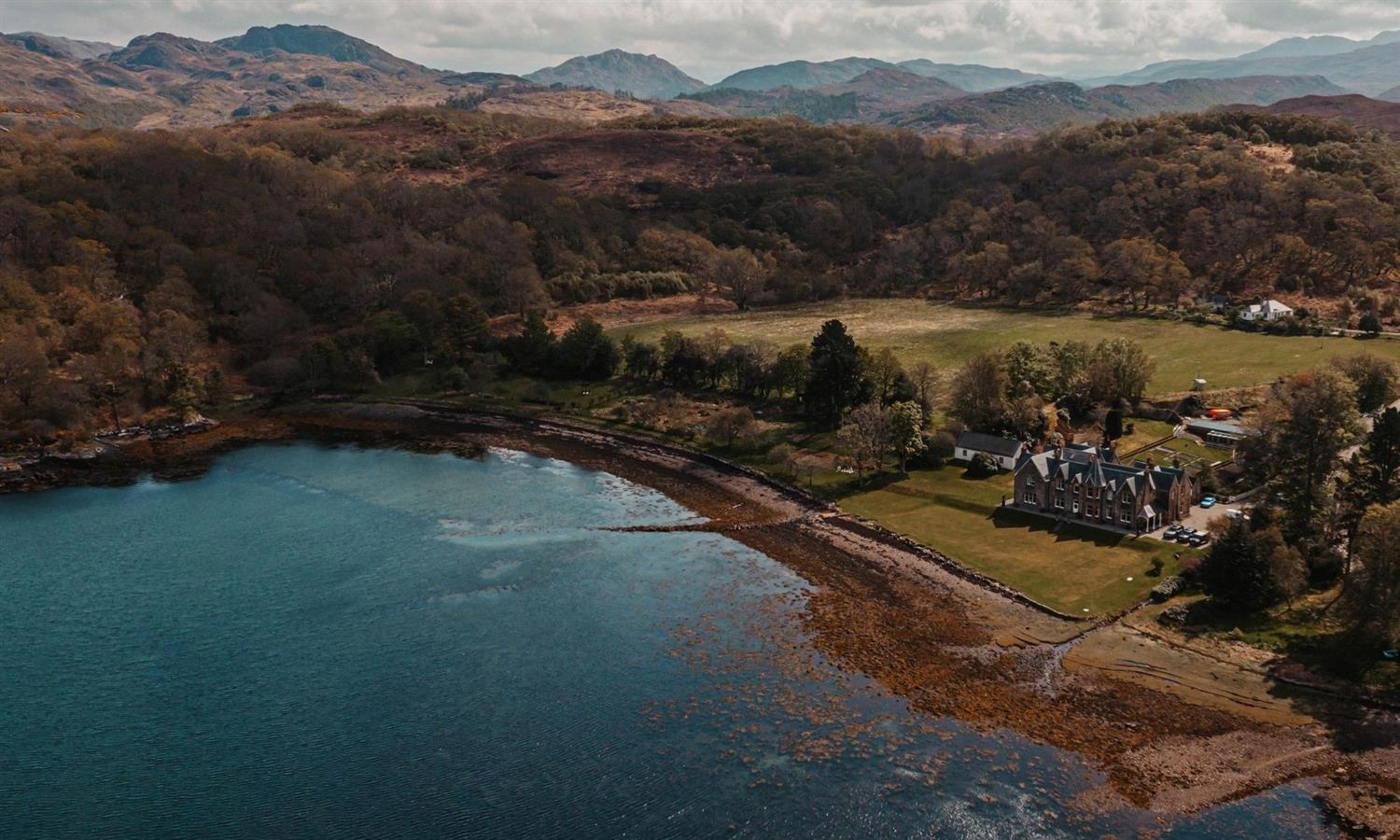
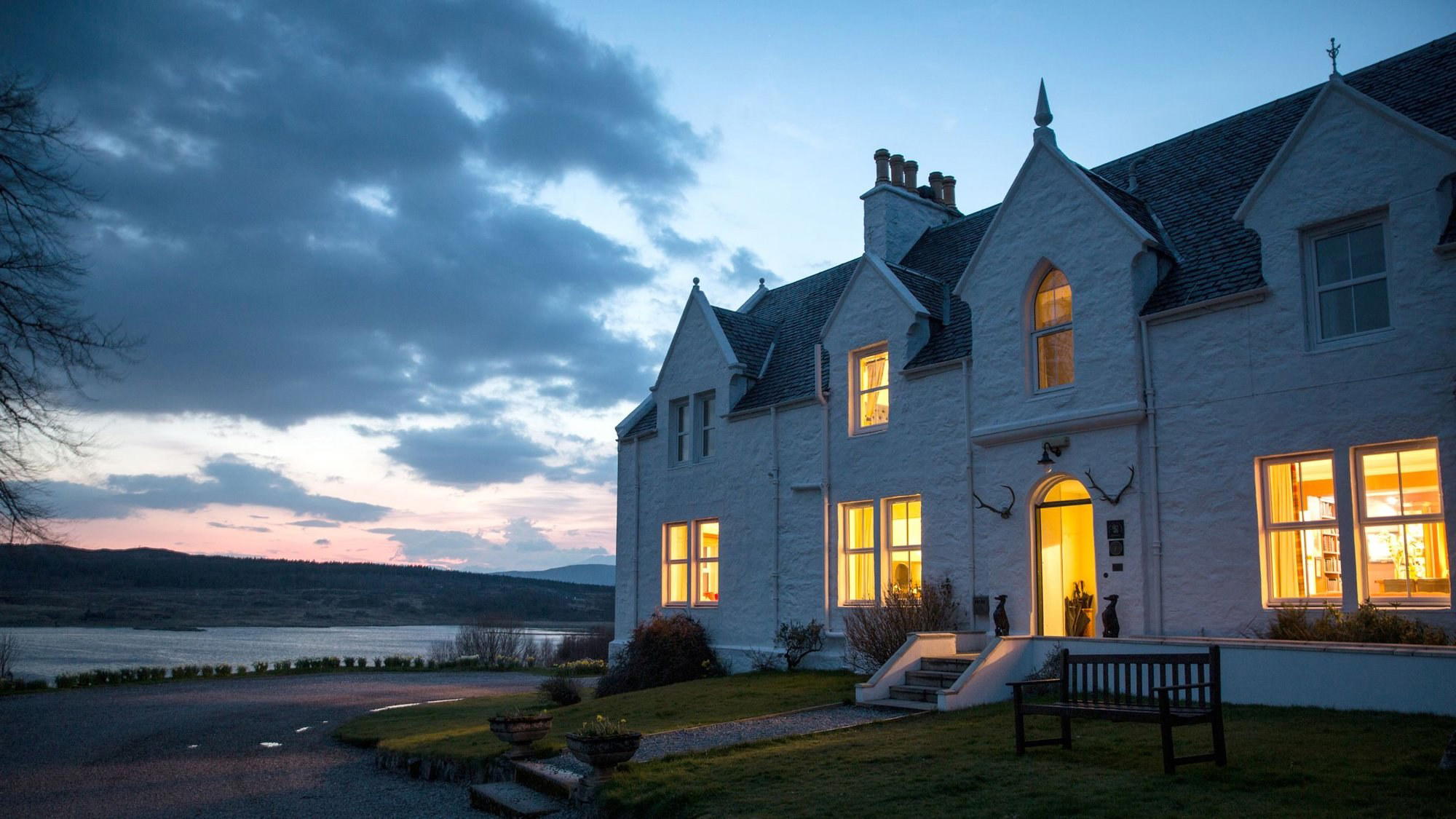
There is a particular category of British country-house restaurant that earns its standing not through metropolitan hype cycles but through the consistency with which it converts extraordinary geography into compelling food. The northwest Highlands represent one of the most isolated patches of the UK's mainland, and that isolation is precisely what makes 1887, inside The Torridon hotel at Annat by Achnasheen, worth the journey. The dining room sits on the banks of Upper Loch Torridon, with mountains rising behind the water and manicured gardens framing the approach — a physical context that sets a standard the kitchen has to meet.
It is a price point (££££) that places it alongside hotel restaurants at rural British destinations such as Gidleigh Park in Chagford and Le Manoir aux Quat' Saisons in Great Milton — settings where the broader estate experience is part of what you are paying for, but where the food itself must justify the rate independently.
A Sourcing Argument Made in Every Course
In Scottish Highland cooking, the sourcing argument writes itself on paper. The harder test is whether the kitchen actually commits to it at the plate level, or whether provenance becomes a menu annotation rather than a culinary decision. At 1887, the sourcing logic runs through the architecture of the dishes: hand-dived West Coast scallops and Ross-shire lamb are not garnish details but central ingredients that the kitchen builds around. This is a meaningful distinction. Hand-diving produces shellfish of better condition than dredging, the animals arrive without the shell damage and stress that dredging causes, and the taste difference in a simply treated scallop is legible.
The broader context here matters too. Scotland's northwest coast is one of the few places in Europe where genuinely wild, low-intervention seafood can still be sourced at a fine-dining scale. The cold, clean Atlantic waters around the Torridon peninsula produce shellfish with a mineral intensity and textural firmness that warmer-water equivalents rarely match. A kitchen that positions itself close to that supply chain holds an advantage that no amount of technique in a city restaurant can replicate. The Michelin assessment notes a 'less is more' approach in which accompaniments enhance rather than mask central ingredients, a philosophy that only works when the ingredients themselves are worth showcasing. If the scallop or the lamb requires heavy treatment to be interesting, the approach fails; the fact that it holds here speaks to sourcing quality that goes beyond marketing language.
Ross-shire lamb, sourced from the county that surrounds The Torridon estate, represents a similar commitment. Highland lamb raised on rough mountain pasture carries a distinctly mineral, slightly gamey character that differs from lowland breeds. Allowing that character to register at the table, rather than neutralising it with sauce, requires confidence. The restraint Michelin describes is a culinary argument about where flavour actually originates.
The Room and What It Asks of You
Country-house hotel dining in the UK splits between properties that treat the restaurant as an amenity and those that treat it as a reason to visit. 1887 occupies the second category, though the dining experience is inseparable from where it sits. Upper Loch Torridon changes character with the light; a winter dinner in near-darkness is a different room from a long summer evening when the loch holds colour until ten o'clock. The vibrant interior decoration Michelin references suggests a kitchen and owners who are not interested in performing Highland austerity for its own sake, which is the honest choice, the mountains outside are austere enough without replicating the mood in the dining room.
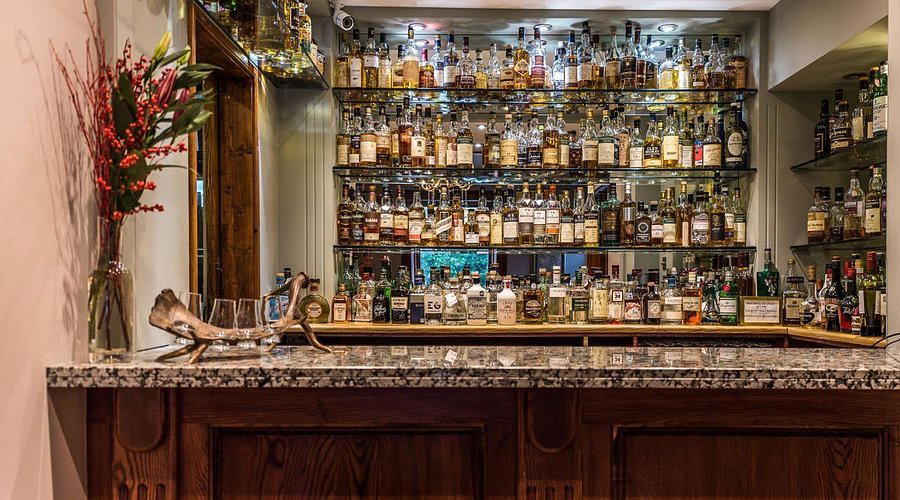
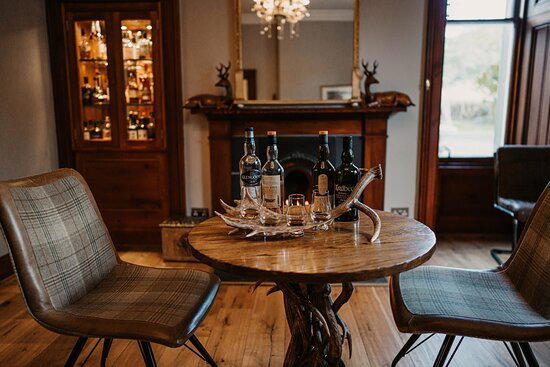
The global whisky collection adds a dimension that connects local tradition to international category interest. Whisky has become one of the better frameworks for understanding Scottish food culture, the same water, peat, and patience that produce the spirit inform the landscape that produces the lamb and game on the menu. Working through a dram after dinner, in a room that looks out onto the loch, extends the experience beyond the meal in a way that works specifically because of the location. For those comparing this to city-hotel dining at ££££, the whisky program and the physical setting are material parts of the offer, not peripheral extras.
For context on where 1887 sits within the wider architecture of British fine dining, restaurants such as CORE by Clare Smyth in London, L'Enclume in Cartmel, and Moor Hall in Aughton represent the starred upper tier of UK ingredient-led cooking. Restaurant Andrew Fairlie in Auchterarder is the most natural Scottish comparison, another hotel-based restaurant working at high price and award level with strong regional sourcing. 1887's Michelin Plate positions it a tier below those starred benchmarks, but the sourcing proposition it works with is at least as strong as any of them, and in the case of northwest Highland seafood, arguably stronger than what most can access.
Restaurants carrying similar Michelin recognition and a sourcing-driven identity include hide and fox in Saltwood and Hand and Flowers in Marlow, both working at the intersection of locality and technique. Internationally, the restraint-led approach that treats high-quality local produce as the point rather than the backdrop connects to what restaurants such as Frantzén in Stockholm have built their reputation on, though the Scottish context and price point are distinct.
Planning a Visit
Achnasheen is in Wester Ross, roughly two hours by road from Inverness. The journey is part of the logic of visiting: the A890 corridor through Strathcarron and along the south shore of Loch Carron is one of the more dramatic approaches to any restaurant in Britain. Staying at The Torridon, see our full Achnasheen hotels guide, is the obvious structure, since the combination of accommodation, loch setting, and the whisky collection makes an overnight the appropriate format. For those assembling a broader trip, our Achnasheen restaurants guide, bars guide, and experiences guide cover what else the area supports. At ££££ and Michelin Plate level, booking ahead is advisable; a property and restaurant of this standing in a remote location will fill its dining room well in advance, particularly across the summer season when Torridon draws serious walkers, wildlife visitors, and those specifically targeting the restaurant.
Frequently asked questions
Is 1887 expensive?
Pricing at 1887 is listed as ££££.
Where is 1887 in Achnasheen?
1887 is located at The Torridon, Annat by, Achnasheen IV22 2EY, United Kingdom, Achnasheen.
At-a-Glance Comparison
| Venue | Cuisine | Price | Awards |
|---|---|---|---|
| 1887This venue — the venue you are viewing | Modern British Fine Dining | $100–150 | 1 Michelin Star · Relais Chateaux Award |
| The Ledbury | Modern European, Modern Cuisine | Not listed | Michelin 3 Star |
| Sketch, The Lecture Room and Library | Modern French | Not listed | Michelin 3 Star |
| CORE by Clare Smyth | Modern British | Not listed | Michelin 3 Star |
| Restaurant Gordon Ramsay | Contemporary European, French | Not listed | Michelin 3 Star |
| Dinner by Heston Blumenthal | Modern British, Traditional British | Not listed | Michelin 2 Star |
Recognition history
Dated appearances from independent guides and award organizations, with the underlying list record or original source where available.
Michelin 1 Star
Michelin
AA Rosettes 3 Rosettes
AA Rosettes
Relais Chateaux Award
Relais Chateaux
Full recognition history (5 entries)
Michelin Plate
Michelin
Michelin Plate
Michelin
Continue exploring
More in Achnasheen
Restaurants in Achnasheen
Browse all →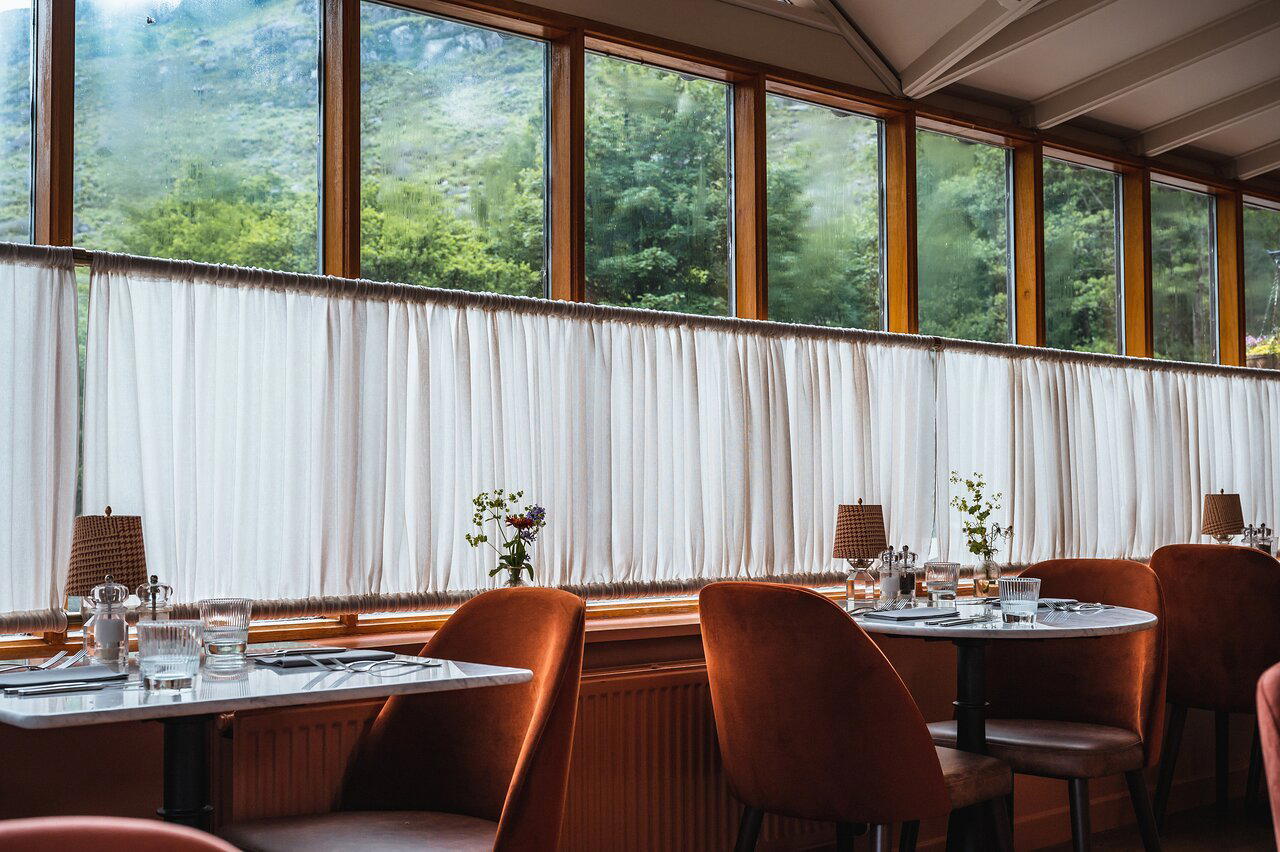
Bars in Achnasheen
Browse all →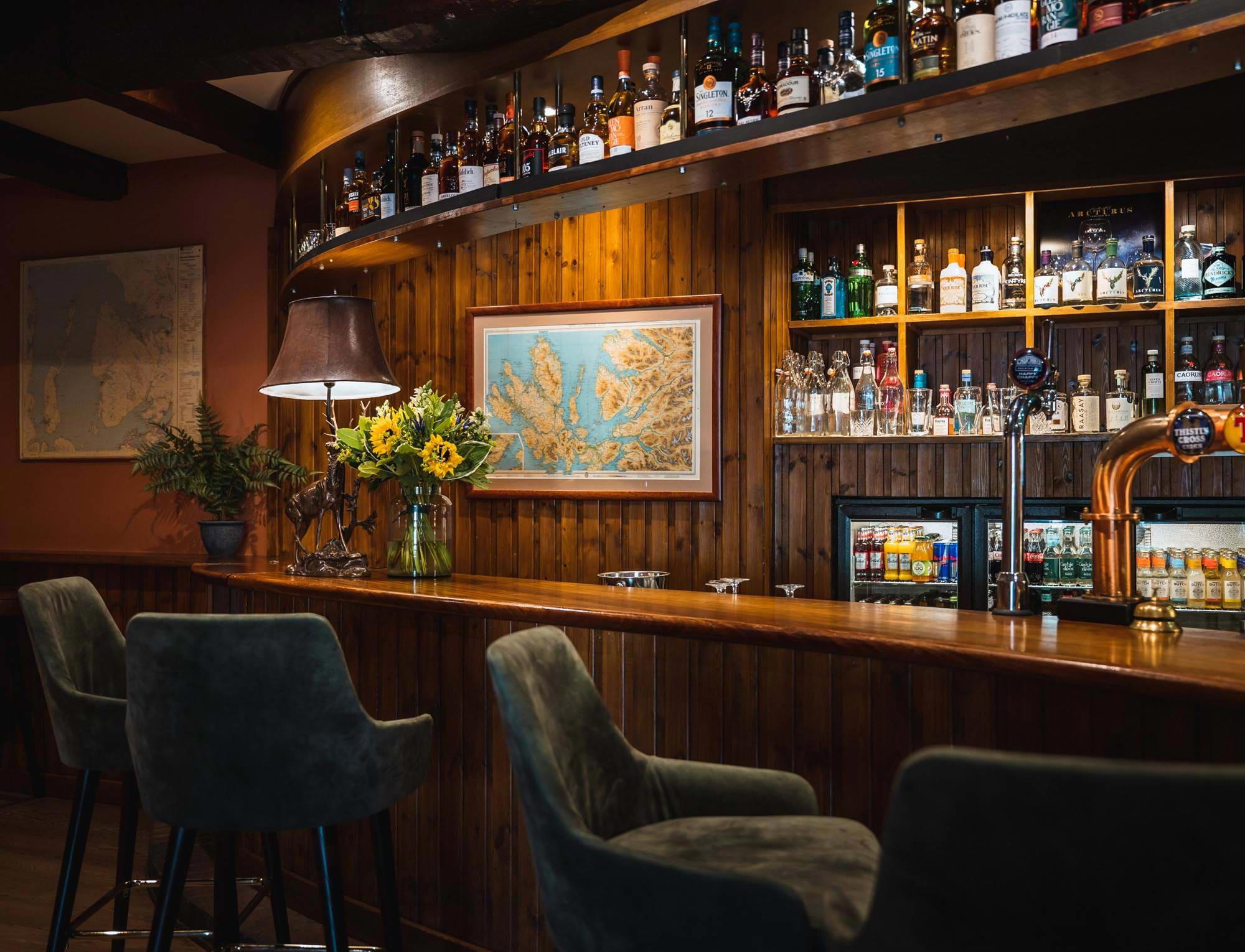
Details
- Romantic
- Cozy
- Elegant
- Scenic
- Date Night
- Special Occasion
- Celebration
- Historic Building
- Hotel Restaurant
- Private Dining
- Extensive Wine List
- Mountain
- Waterfront
- Tasting Menu
- Vegetarian Friendly
Current opening hours
- Monday
- Closed
- Tuesday
- Closed
- Wednesday
- 6:45–9 PM
- Thursday
- 6:45–9 PM
- Friday
- 6:45–9 PM
- Saturday
- 6:45–9 PM
- Sunday
- 6:45–9 PM
Hours can change for holidays and private events. Last verified .
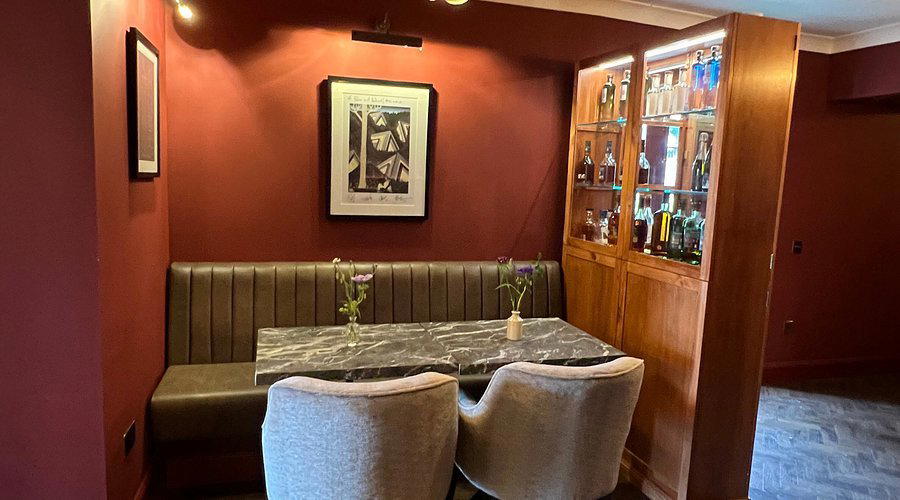
Cosy and romantic atmosphere with rich wooden paneling, large windows offering dramatic loch and mountain views, fireplaces, and elegant lighting.