1776 Restaurant


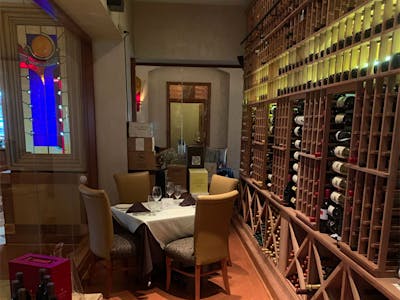
Located in Crystal Lake, roughly an hour northwest of downtown Chicago, 1776 Restaurant earned Star Wine List recognition with a White Star designation in August 2022, signaling a wine program that outpaces the suburban norm. The kitchen's orientation toward sourced, ingredient-led cooking positions it in a growing cohort of suburban Chicago restaurants that treat provenance seriously. Worth knowing before you make the drive.
Pearl is the En Primeur Club membership app — saves, bookings, and concierge access live there. Same editors, same standards.
- Address
- 397 W Virginia St, Crystal Lake, IL 60014
- Phone
- (815) 356-1776
- Website
- 1776restaurant.com
- Directions
- Get directions
 Saves & bookings on Pearl
Forty Miles from the Loop, and the Wine List Knows It
Suburban American dining has long operated under a particular compromise: proximity and comfort in exchange for the rigor that city-center kitchens tend to demand of themselves. That trade-off is not universal. A smaller cohort of restaurants outside Chicago's dense inner neighborhoods has spent the past decade disrupting that expectation, building programs in ingredient sourcing and beverage depth that would register on any serious urban shortlist. 1776 Restaurant in Crystal Lake sits inside that pattern as a gluten-free farm-to-table American fine dining restaurant.
The address alone sets the context: 397 West Virginia Street places the restaurant in a mid-sized McHenry County city, roughly 40 miles northwest of the Loop. That geographic remove creates a different kind of dining proposition than what you find at, say, Alinea or Smyth, both of which operate at the summit of Chicago's progressive American tier and price against a dense comparable set. Here, the competitive reference points shift, and the standard that matters most to the room is whether the kitchen and the cellar are genuinely serious, not just serious by suburban measure.
The Wine Program as Editorial Signal
The credential that puts 1776 Restaurant on the map in any broad-stroke assessment of greater Chicago dining is its White Star recognition from Star Wine List, published in August 2022. Star Wine List operates as a specialist publication and directory for wine programs with genuine depth, and its White Star designation functions as a quality signal rather than a participation trophy. Fewer restaurants earn it than might appear on a city map, and earning it outside the urban core is, by any statistical measure, less common still.
In the broader context of American restaurant wine programs, a recognition like this tends to correlate with specific choices: list breadth across regions, investment in producer-level selection rather than brand-label defaults, and price structuring that reflects someone with an opinion rather than a committee following a formula. Nationally, restaurants that carry comparable wine designations, from Le Bernardin in New York City to The French Laundry in Napa, treat the cellar as an extension of the kitchen's sourcing logic. Whether that parallel fully applies here is a question the list itself answers when you see it in person.
For a comparative frame within Chicago's broader dining geography, the wine-forward restaurant cohort typically runs parallel to, rather than inside, the Michelin-decorated progressive American tier. Oriole and Kasama both hold strong beverage programs alongside their kitchen credentials, but they operate in different market positions and price brackets. 1776 Restaurant carves a different axis: beverage-led credibility in a geography where that level of curation is less expected and therefore more deliberate when it arrives.
What Ingredient-Led Cooking Means Outside the City
The editorial angle that frames the restaurant most clearly is provenance, specifically, where the food comes from and what kind of relationship the kitchen maintains with its supply chain. This matters more in suburban settings than in the city, for a structural reason: urban kitchens can draw on dense networks of local purveyors, specialty importers, and daily delivery relationships. A restaurant operating 40 miles from that infrastructure has to work harder, choose more deliberately, or accept a lower standard of sourcing. The restaurants that choose to work harder tend to develop more particular identities as a result.
Across the American Midwest, the farm-to-table conversation has matured past its initial branding phase. What distinguishes serious sourcing from its more performative version is specificity: named farms, documented relationships, menus that shift when supply does rather than when marketing calendars suggest a seasonal push. Restaurants like Single Thread Farm in Healdsburg have shown how deeply integrated sourcing can become the organizing logic of an entire dining experience, not just a talking point. At a different scale and in a different context, the same ambition exists whenever a suburban kitchen refuses the path of least resistance.
A kitchen that invests in the caliber of wine list required to earn Star Wine List designation is almost always operating with parallel rigor in other parts of the program. These things tend to travel together.
Crystal Lake in Greater Chicago's Dining Map
McHenry County does not appear on most shortlists of Chicago dining destinations, and that reflects both geography and the city's gravitational pull on food media. The inner neighborhoods, River North, the West Loop, Lincoln Park, Logan Square, absorb the majority of critical attention and press coverage. That concentration is legitimate in many respects: density of talent, higher average program investment, and proximity to an audience that dines frequently. But it also creates blind spots.
For readers building a broader picture of the greater Chicago dining scene, the outer suburban tier is worth tracking precisely because serious operations there tend to rely less on ambient press coverage and more on genuine local loyalty and repeat business. A restaurant in Crystal Lake that earns wine recognition in 2022 has likely been cultivating its list for years before that designation arrived. That kind of patient program-building is its own indicator of seriousness.
For reference points further afield, comparable wine and kitchen seriousness appears at Lazy Bear in San Francisco, Providence in Los Angeles, and Emeril's in New Orleans. International parallels with strong wine program identity include 8 1/2 Otto e Mezzo Bombana in Hong Kong and Alain Ducasse at Louis XV in Monte Carlo.
Planning the Visit
Given its location in Crystal Lake and the typical operating patterns of suburban restaurants at this tier, driving is the practical approach for most visitors coming from Chicago. Confirm current hours and reservation availability before making the trip, particularly for evenings when demand tends to concentrate.
For additional context on the Chicago progressive American dining tier that restaurant sits adjacent to, the work of Next Restaurant offers a useful city-side reference point for how serious kitchen intent translates into a complete dining program.
Comparison Snapshot
Comparable venues nearby, for context on price, style, and recognition.
| Venue | Cuisine | Price | Notes |
|---|---|---|---|
| 1776 RestaurantThis venue — the venue you are viewing | Gluten-Free Farm-to-Table American Fine Dining | $$$ | Not listed |
| Nettare | Seasonal Midwest & Great Lakes American | $$$ | West Town |
| Pops for Champagne | Champagne Bar with Small Plates | $$$ | River North |
| Pacific Standard Time | Modern California Cuisine | $$$ | River North |
| Eden | New American Seasonal | $$$ | Avondale |
| etc. | Polished Southern American with Global Influences | $$$ | Loop |
Recognition history
Dated appearances from independent guides and award organizations, with the underlying list record or original source where available.
Star Wine List
Star Wine List
Wine Spectator Best of Award of Excellence
Wine Spectator
Continue exploring
More in Chicago
Restaurants in Chicago
Browse all →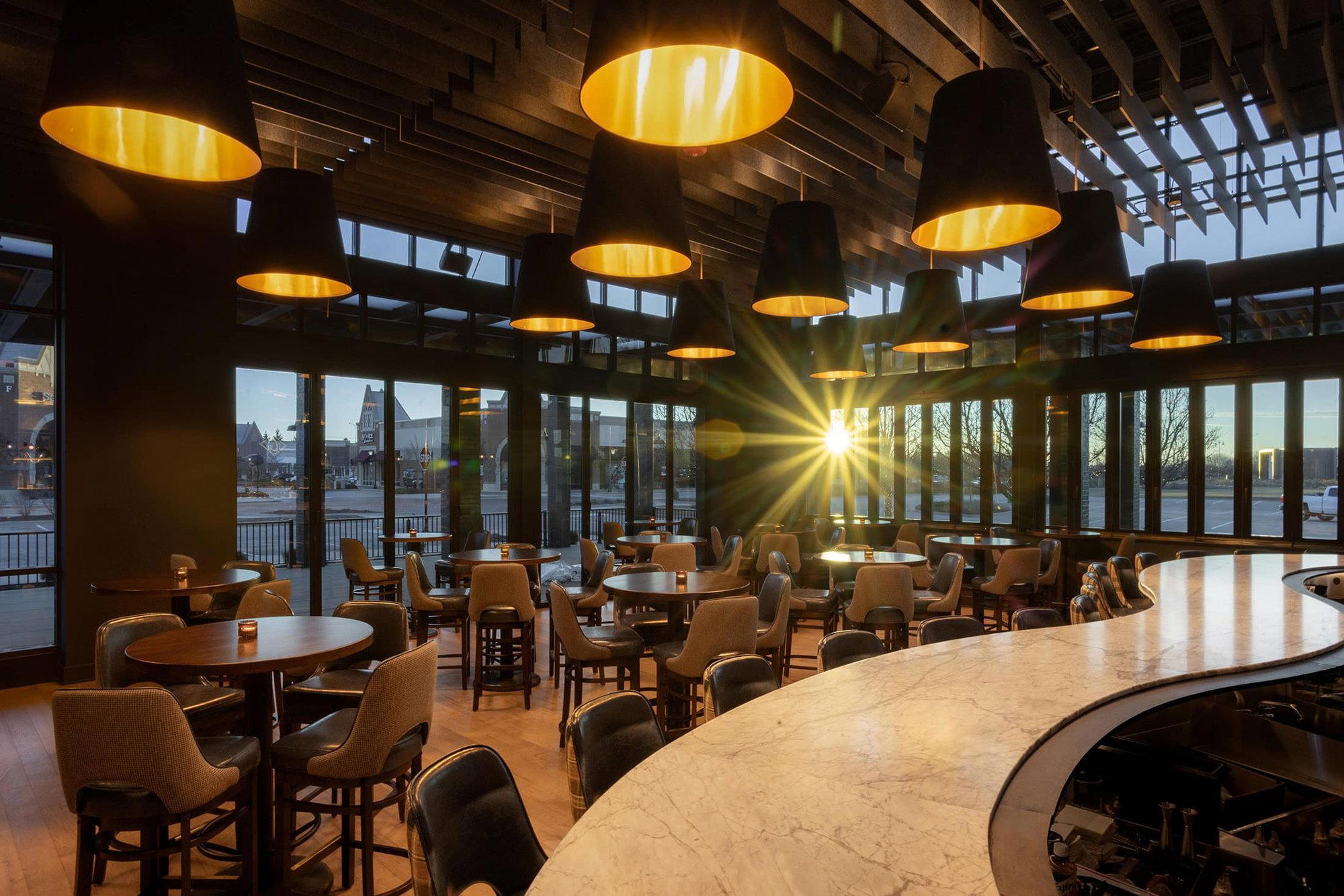
Bars in Chicago
Browse all →
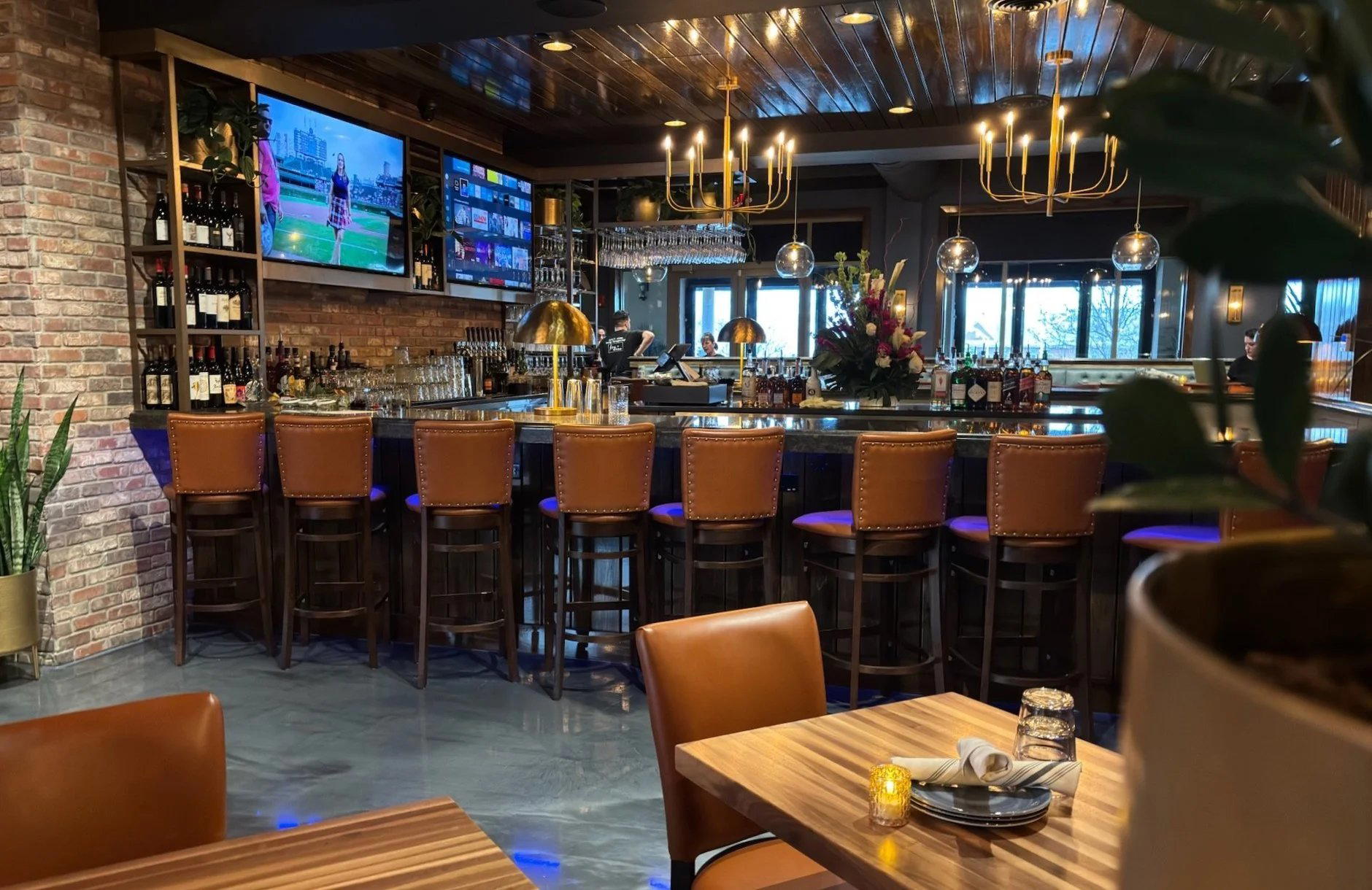
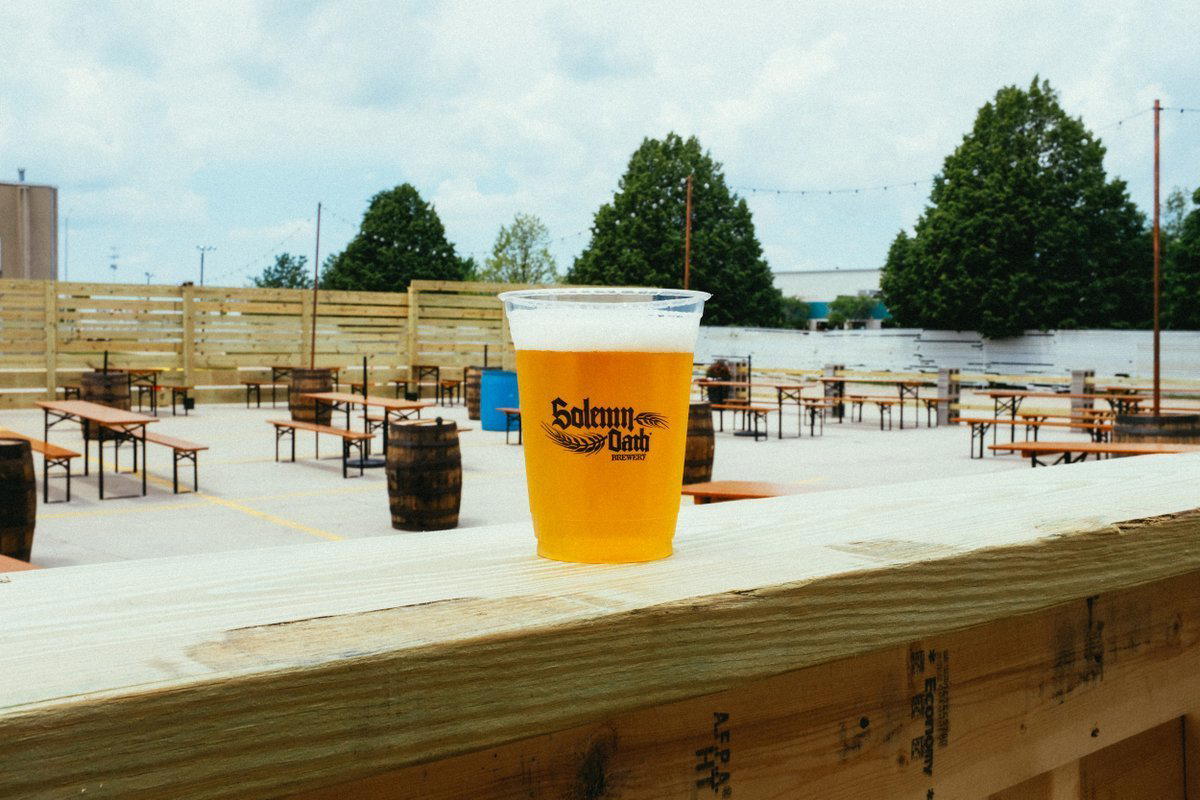
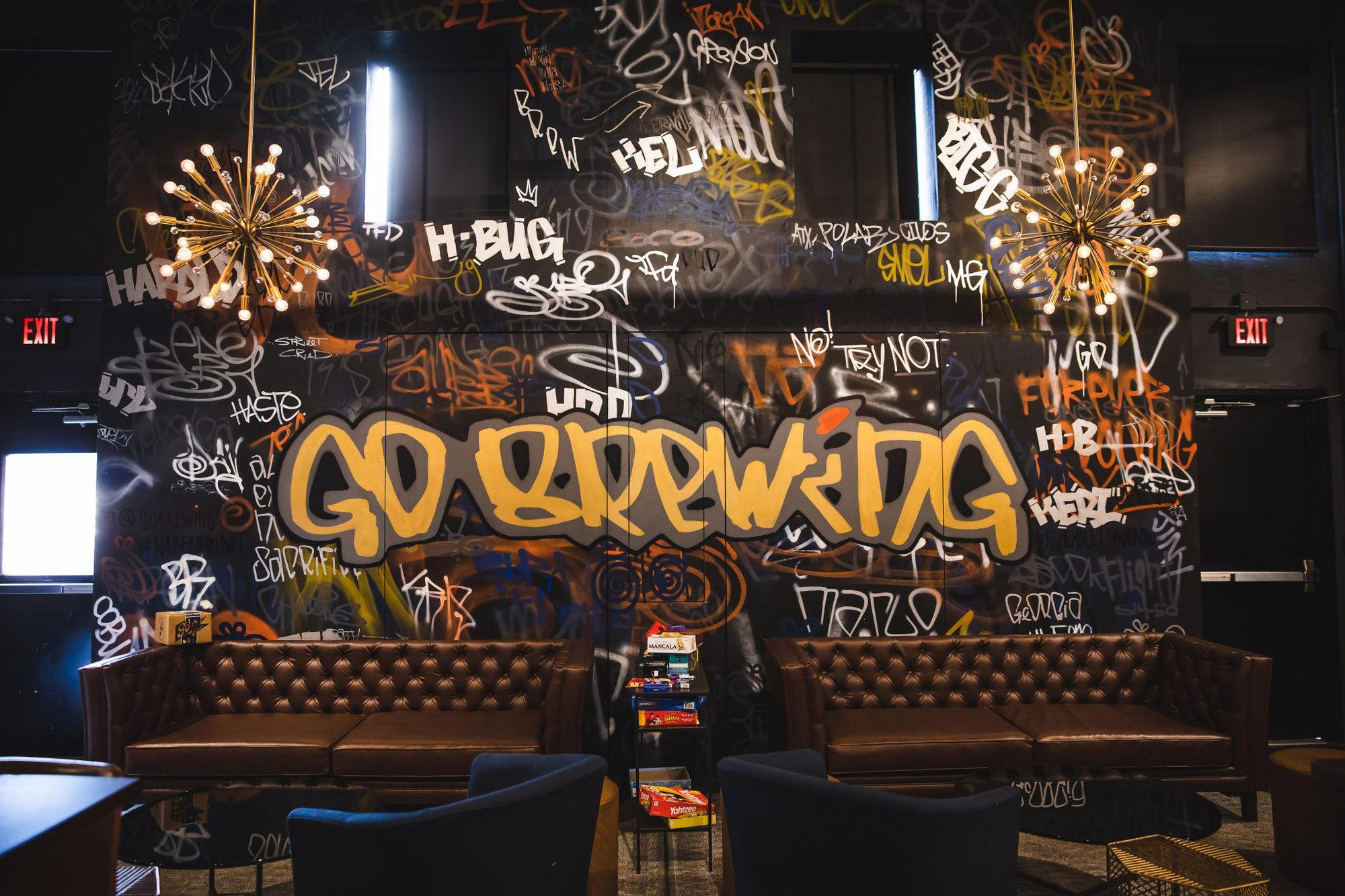
Hotels in Chicago
Browse all →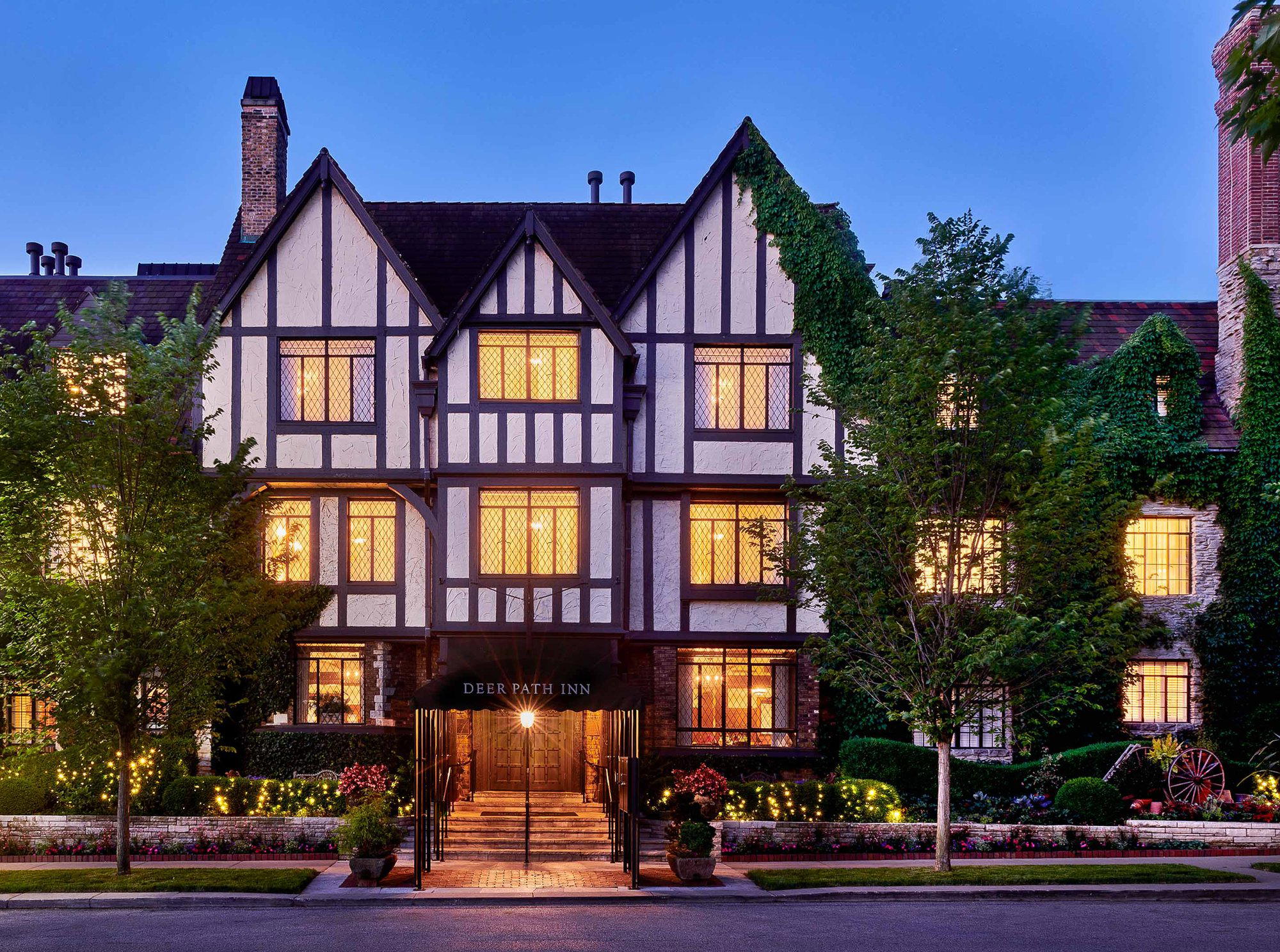
At a Glance
- Cozy
- Intimate
- Classic
- Date Night
- Special Occasion
- Business Dinner
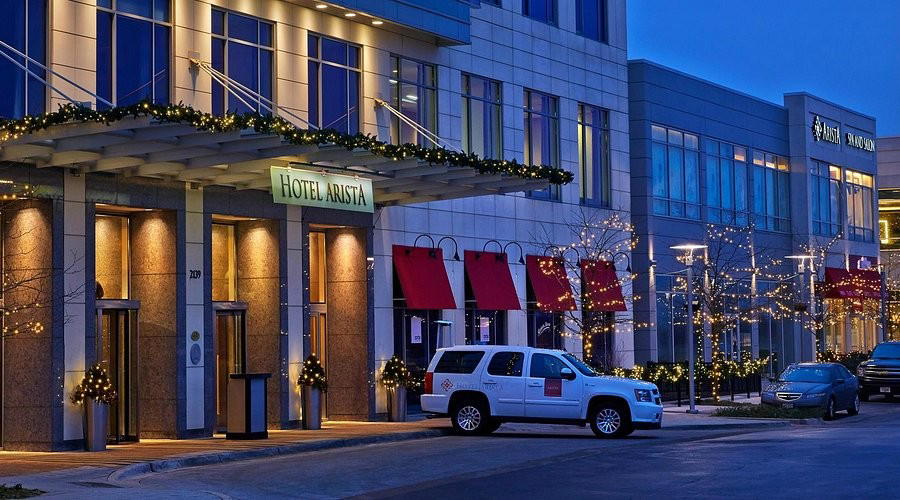
- Hotel Restaurant
- Extensive Wine List
- Farm To Table
- Local Sourcing
Current opening hours
- Monday
- Closed
- Tuesday
- Closed
- Wednesday
- 4–10 PM
- Thursday
- 4–10 PM
- Friday
- 4–10:30 PM
- Saturday
- 4–10:30 PM
- Sunday
- Closed
Hours can change for holidays and private events. Last verified .
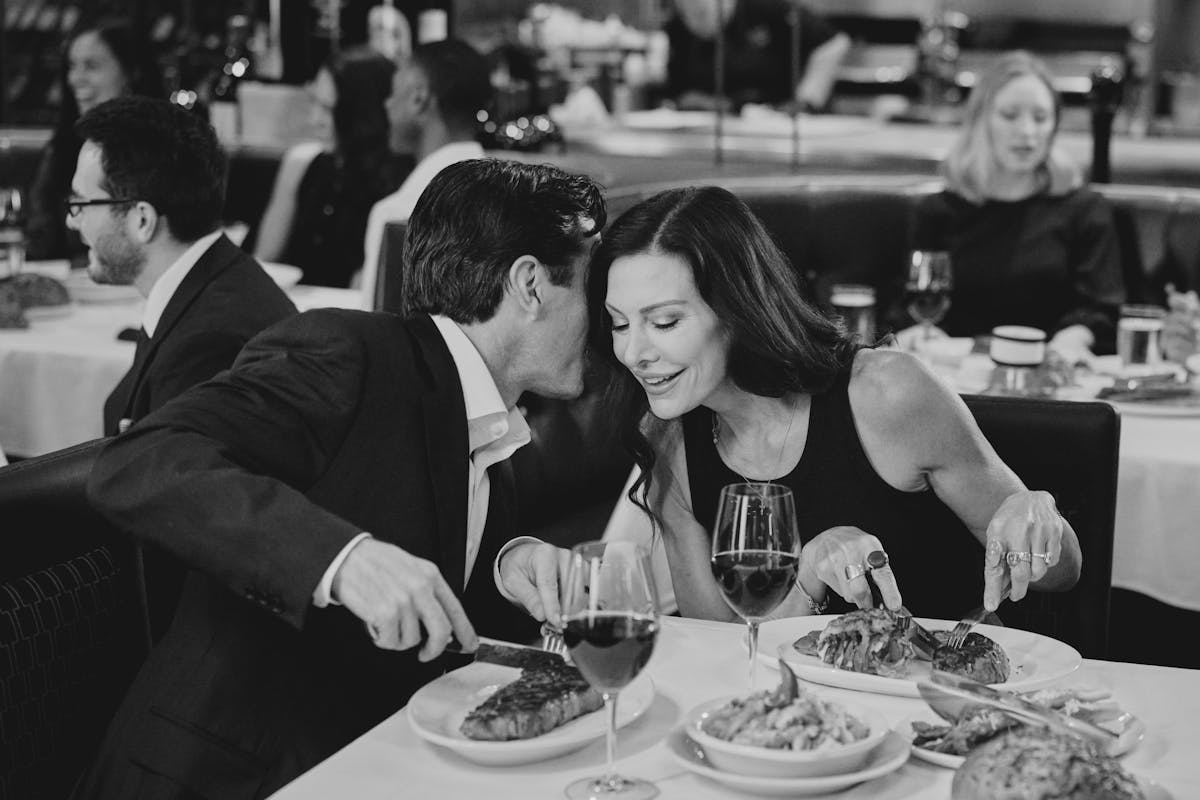
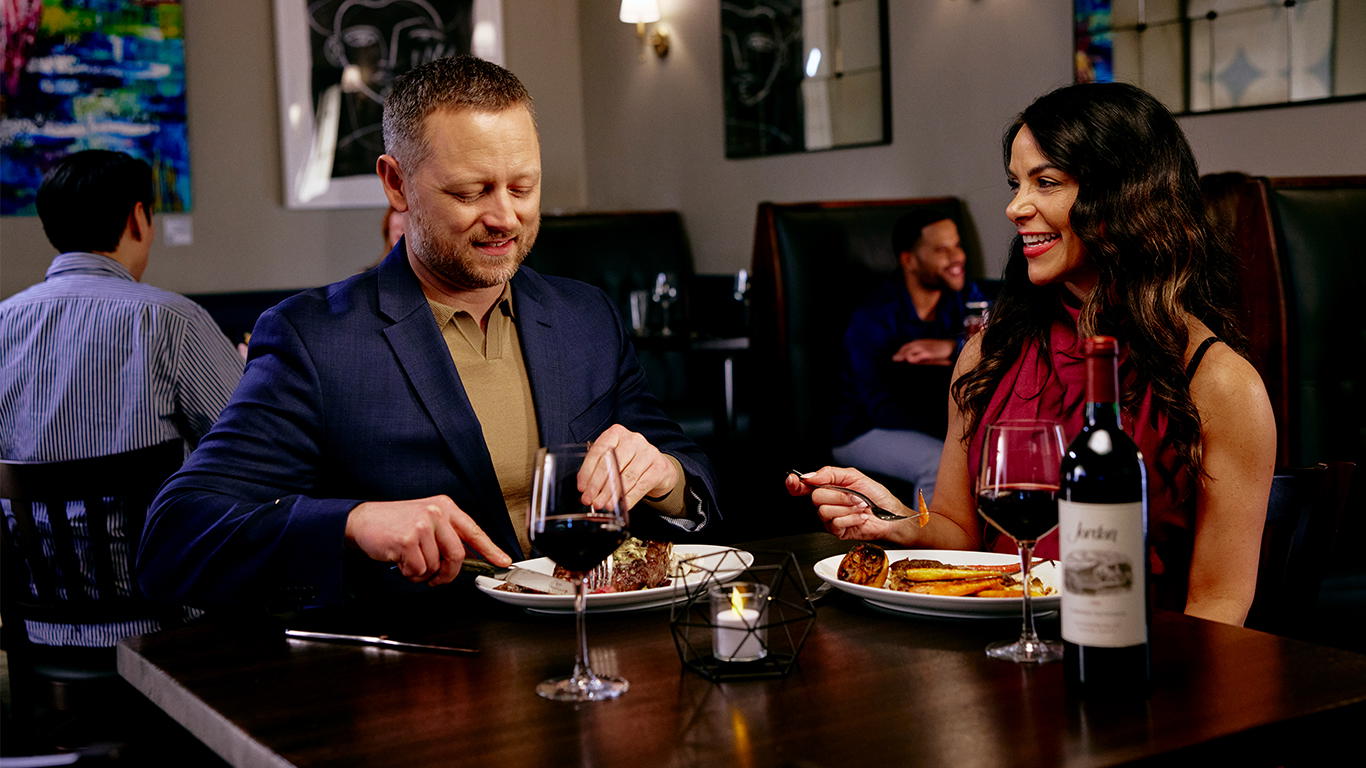
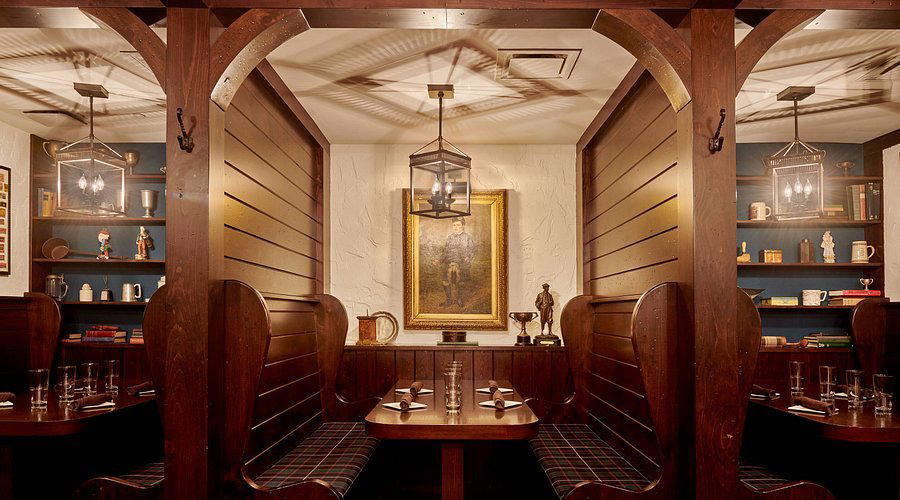
Warm, cozy, and intimate with historic colonial decor, creating a welcoming fine dining atmosphere.