1618 West Seafood Grille
On West Friendly Avenue, 1618 West Seafood Grille occupies a specific position in Greensboro's dining scene: a seafood-focused grille at a street address that has become a reference point for the city's upmarket casual dining corridor. The format suggests an American coastal approach to fish and shellfish, with a grille program that places it alongside the city's established full-service restaurants rather than its fast-casual seafood counters.
Pearl is the En Primeur Club membership app — saves, bookings, and concierge access live there. Same editors, same standards.
- Address
- 1618 W Friendly Ave, Greensboro, NC 27403
- Phone
- +13362350898
- Website
- 1618west.com
- Directions
- Get directions
 Saves & bookings on Pearl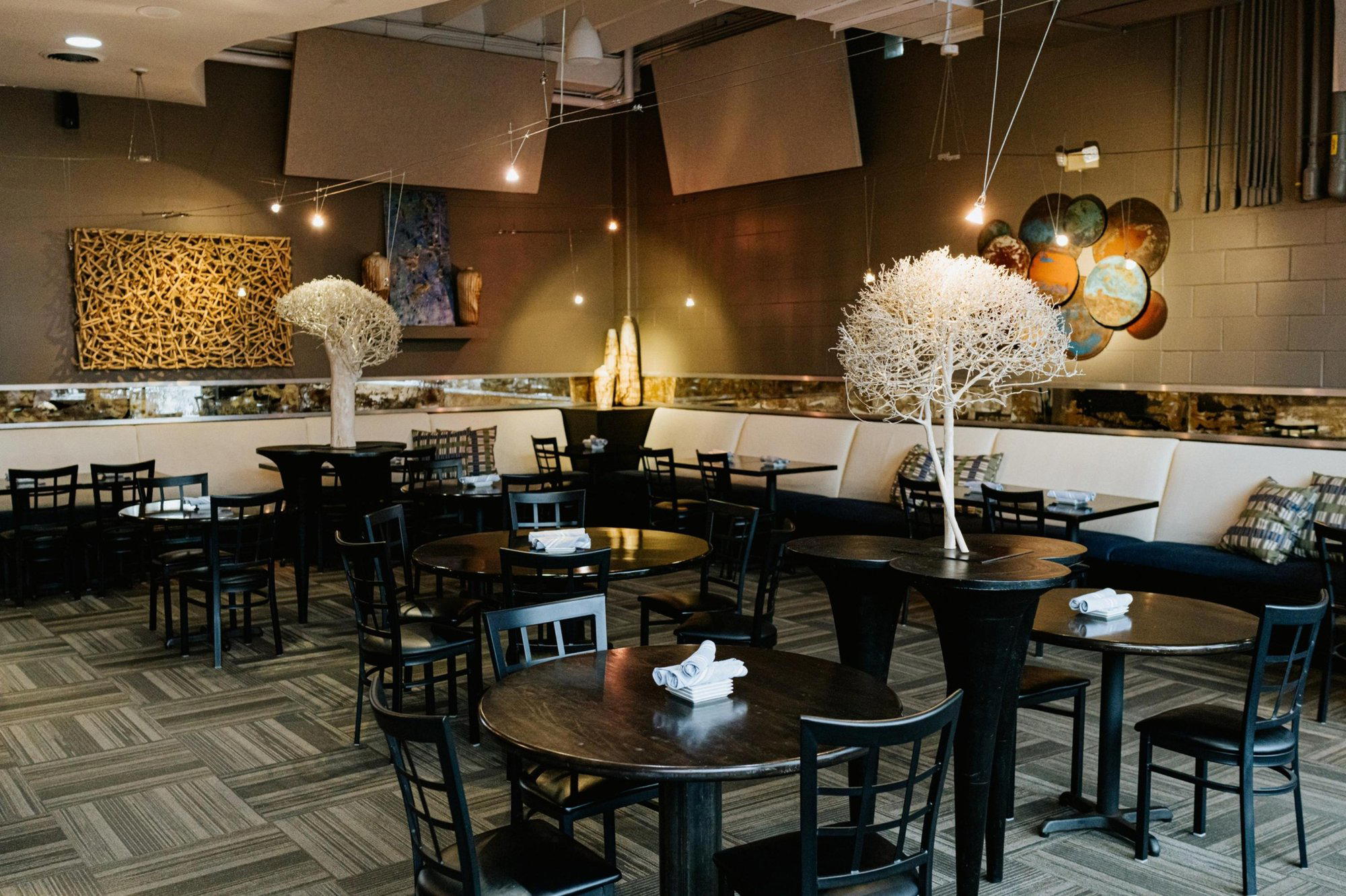
West Friendly Avenue and the Greensboro Dining Corridor
West Friendly Avenue runs through one of Greensboro's more concentrated stretches of full-service dining, where the restaurants tend toward American and internationally inflected menus with table-service formats and wine programs. The address 1618 places the restaurant in a corridor that includes Green Valley Grill and Linger Longer Steakhouse among Greensboro's better-known sit-down options. In that context, a seafood grille format signals something specific: an American coastal framework applied to a landlocked Southern city, where the sourcing question is always relevant and the kitchen's commitment to fresh product does more to establish credibility than décor or name recognition.
North Carolina's geography matters here. The state's coast runs from the Outer Banks south through the Cape Fear region, putting Greensboro within reach of Atlantic seafood supply chains that serve the Research Triangle and piedmont markets. Oyster bars, low-country shellfish preparations, and grilled fish programs have expanded across the state's interior cities over the past decade, reflecting both improved cold-chain logistics and a regional appetite for coastal cooking translated inland. A restaurant naming itself a seafood grille on this street is positioning itself within that broader shift, not against it.
The Logic of the Grille Format
Seafood grilles occupy a particular position in American dining: more committed than a restaurant that simply lists fish among its mains, less specialized than a raw bar or oyster house. The grille designation implies heat-driven technique alongside cold preparations, a wine or beer program calibrated to pair across a range of fish and shellfish, and a pacing that encourages the table to work through courses rather than arrive, order, and leave. Dining at venues in this category tends to follow a rhythm shaped by the menu's architecture: a cold opener (oysters, crudo, ceviche), a warm intermediate course, a main built around the day's most reliable fish, and a dessert that earns its place rather than being an afterthought.
That ritual matters more than any individual dish. The leading seafood grilles in the United States, from Le Bernardin in New York City to Providence in Los Angeles, succeed because they impose discipline on the meal's structure without making it feel clinical. The guest is guided through a progression that mirrors what serious fish cookery demands: lighter preparations first, richer and more assertive flavors as the meal advances. Greensboro doesn't operate at those Michelin-starred reference points, but the local restaurants that hold their audience over time are the ones that understand pacing. Whether 1618 West Seafood Grille applies that discipline is the relevant question for a first visit.
Situating 1618 in Greensboro's Broader Restaurant Mix
Greensboro's dining scene has expanded considerably beyond its traditional steak-and-Southern anchors. Kapadokia Grill brings Mediterranean and Turkish cooking to a market that has historically skewed Anglo-American; Lemon Indian Cuisine addresses a significant South Asian population in the city; Gaby's by the Lake takes a different geographic and atmospheric angle on the city's casual dining. Within this expanded landscape, a seafood-focused grille addresses a gap rather than competing in an oversaturated category. Greensboro has fewer dedicated seafood restaurants per capita than coastal North Carolina cities, which means a well-run venue in this format has room to become a default reference point for fish-centered meals in the city.
For a fuller picture of how the city's restaurant scene is organized by neighborhood and category, the EP Club Greensboro restaurants guide maps the broader options across formats and price tiers.
What the Seafood Grille Tradition Demands
American seafood grilles benchmark against a tradition that runs from New England chowder houses through Gulf Coast fish camps to contemporary coastal tasting formats. The reference points that define the upper tier of American seafood dining, including Single Thread Farm in Healdsburg, Blue Hill at Stone Barns in Tarrytown, and further afield venues like Addison in San Diego, share a commitment to sourcing transparency and product-driven menus that rotate with availability rather than locking into a fixed card. At that tier, the restaurant's identity is built around what arrives from the water and the land each week, not around a consistent house style applied to whatever protein is available.
Mid-market seafood grilles operate under different constraints. They need menu stability to manage kitchen staffing and customer expectations, while still projecting freshness credibly enough to justify the format. The resolution most successful operators find is a core menu of reliable preparations alongside a rotating daily catch section, giving regulars a reference point and first-time visitors a signal that the kitchen responds to supply.
Internationally, the expectation gap between landlocked and coastal cities is a recurring subject in seafood dining. Venues like 8 1/2 Otto e Mezzo Bombana in Hong Kong and Atomix in New York City demonstrate that the quality ceiling for non-coastal locations is set by sourcing ambition and kitchen technique, not geography alone. Greensboro's proximity to the North Carolina coast means the sourcing argument is more achievable here than in genuinely landlocked markets.
Planning Your Visit
1618 West Seafood Grille is located at 1618 W Friendly Ave, Greensboro, NC 27403. For current booking availability, hours, and menu information, the restaurant is open Mon: 5:30–9 PM; Tue: 5:30–10 PM; Wed: 5:30–10 PM; Thu: 5:30–10 PM; Fri: 5:30–10 PM; Sat: 5:30–10 PM; Sun: 11 AM–2 PM, 5:30–9 PM. West Friendly Avenue is navigable from central Greensboro by car, and the corridor's restaurant density means parking is the practical variable to plan around, particularly on weekend evenings when table competition at full-service restaurants in the area increases. Reservations are recommended.
Cuisine and Credentials
Comparable venues nearby, for context on price, style, and recognition.
| Venue | Cuisine | Price | Notes |
|---|---|---|---|
| 1618 West Seafood GrilleThis venue — the venue you are viewing | Modern Seafood Grill | $$$ | Not listed |
| Print Works Bistro | Modern French Bistro | $$$ | Green Valley |
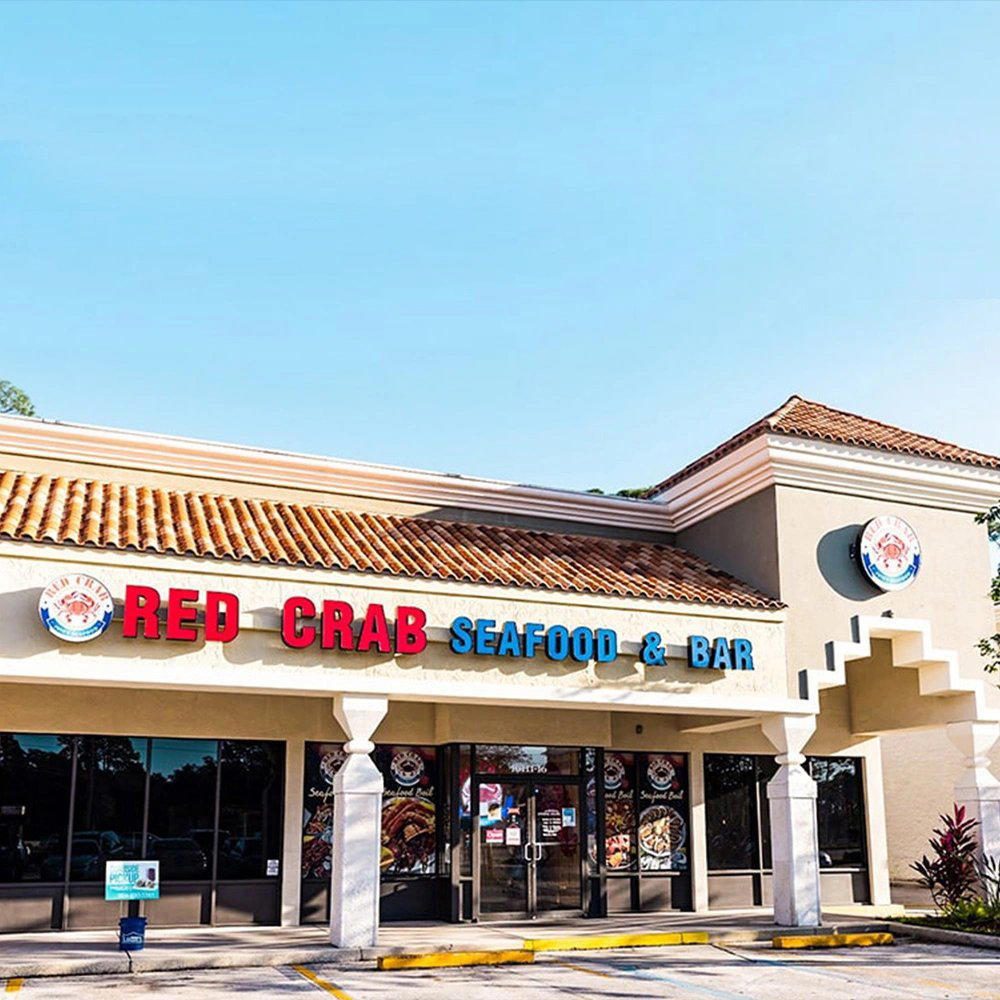
| Red Crab Juicy Seafood | Cajun Seafood Boil | $$ | :null |
| Lemon Indian Cuisine | Indian Cuisine | $$ | Highwoods |
| Kapadokia Grill - Mediterranean Turkish | Mediterranean Turkish Grill | $$ | . Concurrent |
| Green Valley Grill | Seasonal European and Mediterranean Grill | $$$ | Green Valley Road |
Continue exploring
More in Greensboro
Restaurants in Greensboro
Browse all →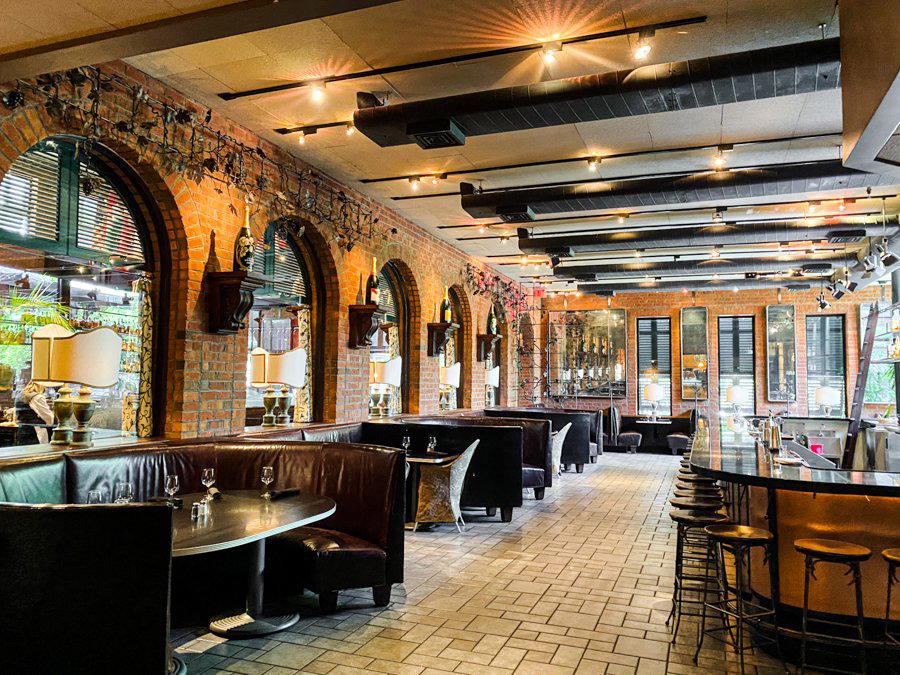
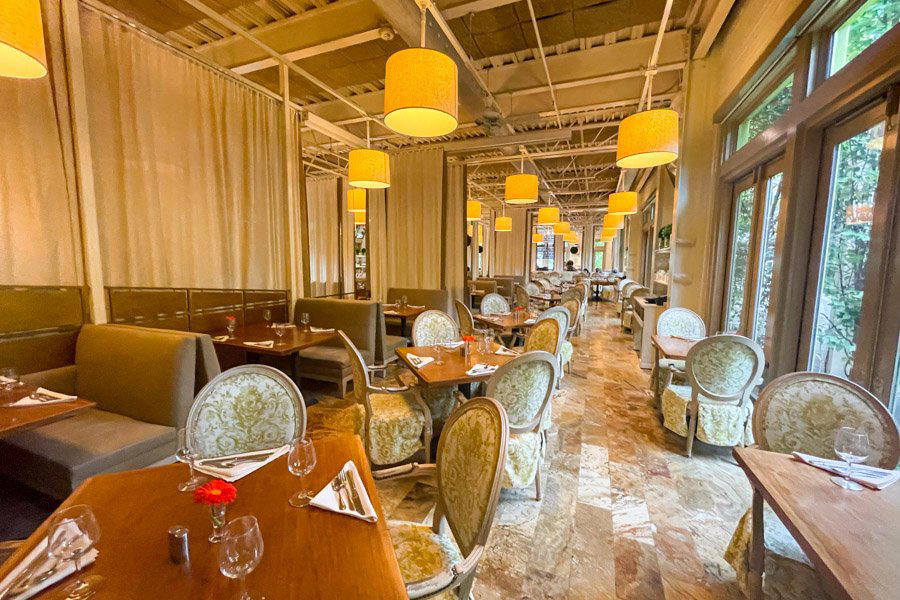
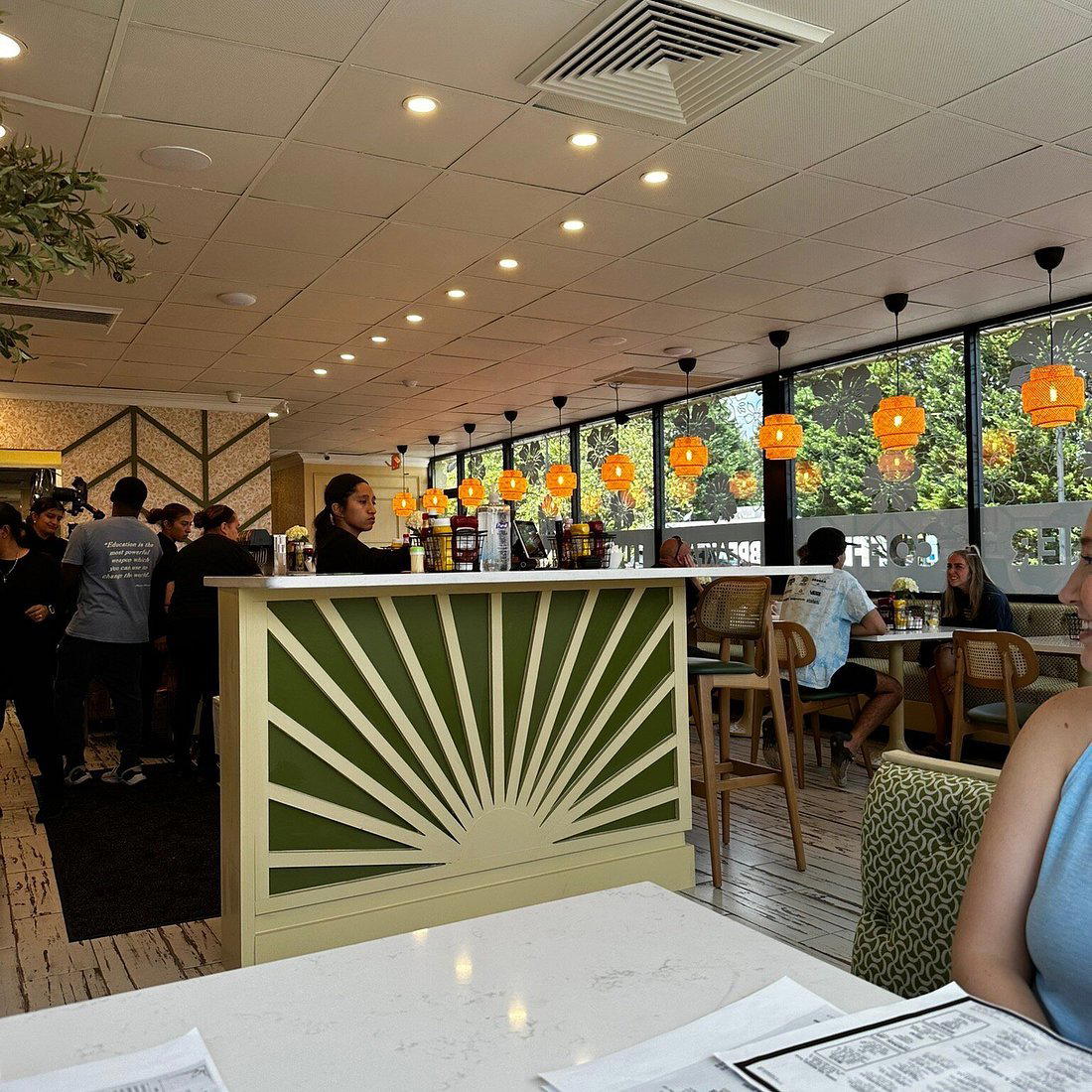
Bars in Greensboro
Browse all →
At a Glance
- Elegant
- Intimate
- Sophisticated
- Date Night
- Special Occasion
- Business Dinner
- Open Kitchen
- Craft Cocktails
Current opening hours
- Monday
- 5:30–9 PM
- Tuesday
- 5:30–10 PM
- Wednesday
- 5:30–10 PM
- Thursday
- 5:30–10 PM
- Friday
- 5:30–10 PM
- Saturday
- 5:30–10 PM
- Sunday
- 11 AM–2 PM, 5:30–9 PM
Hours can change for holidays and private events. Last verified .
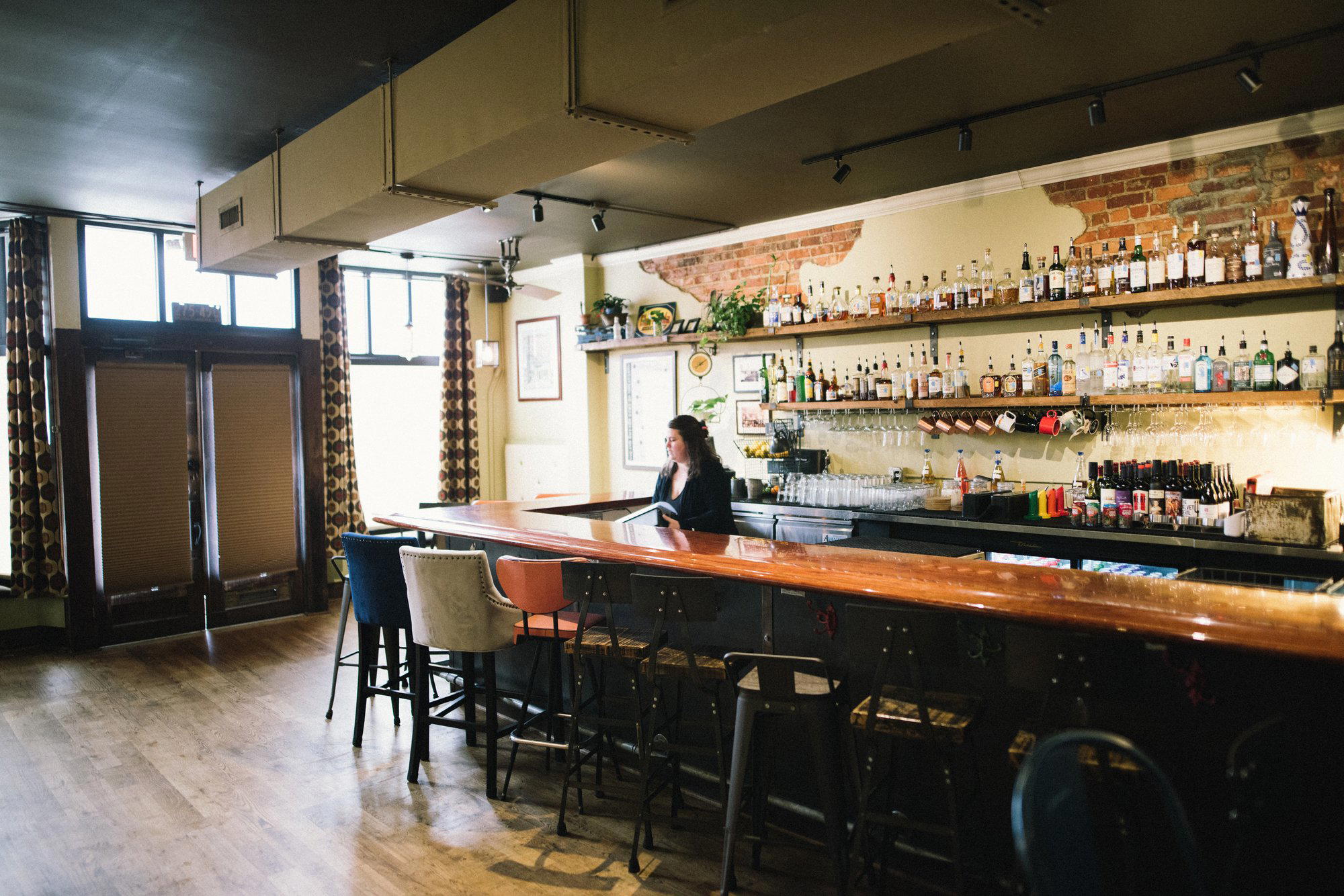
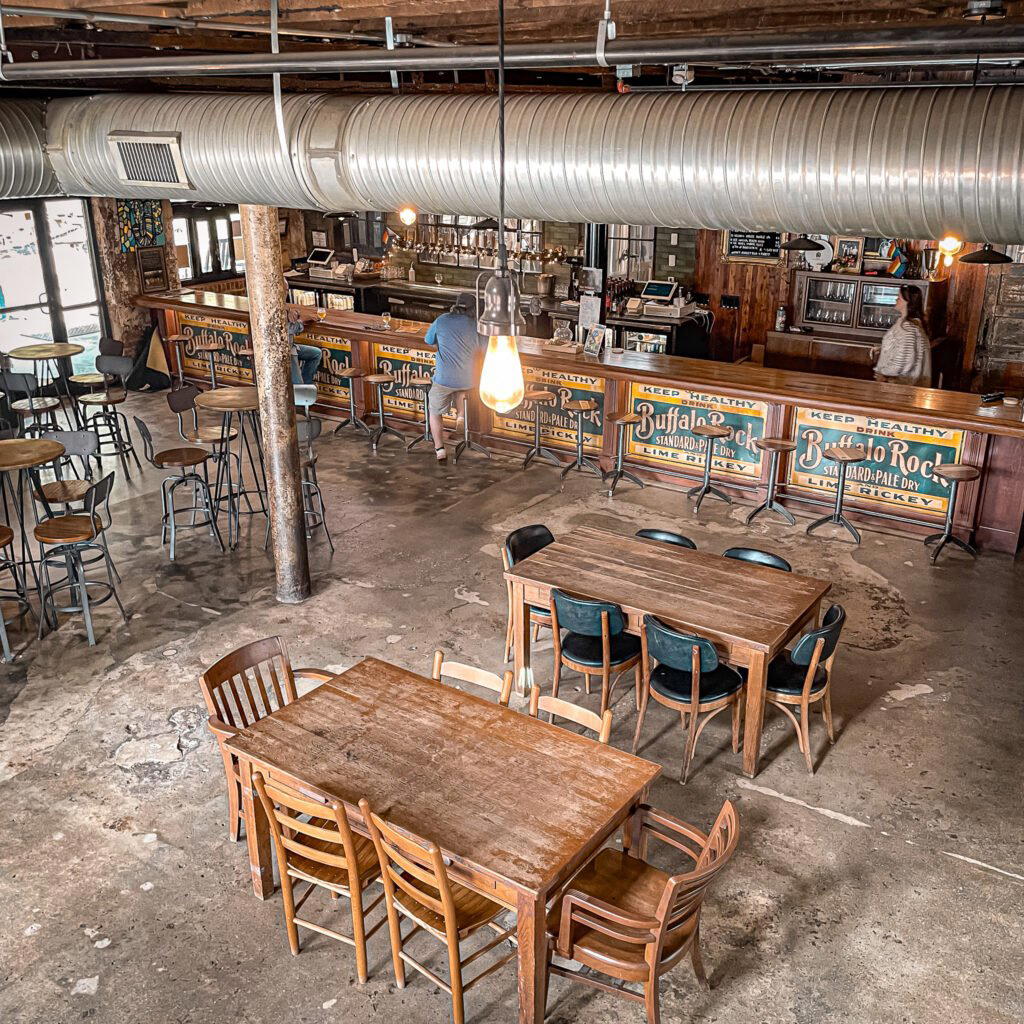
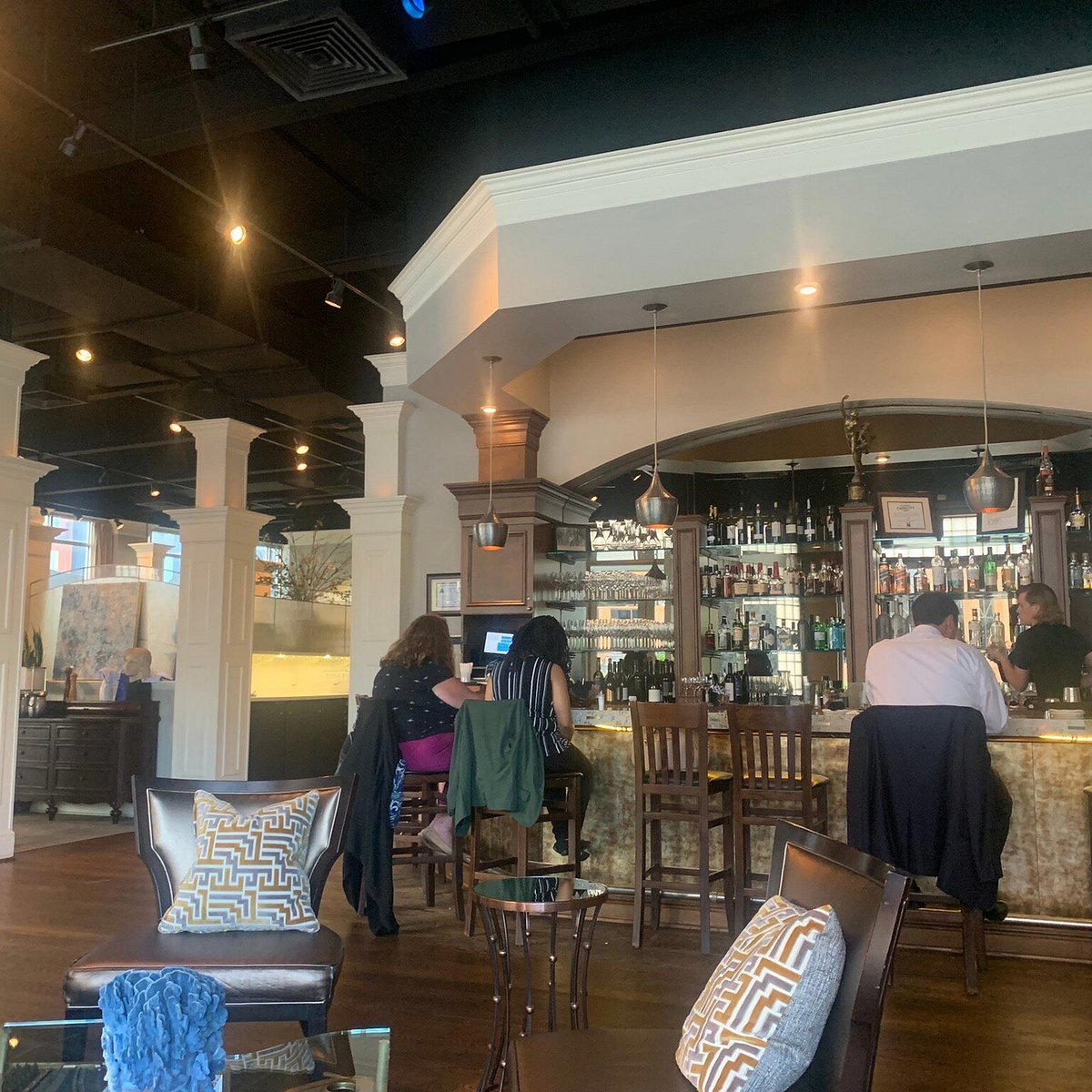
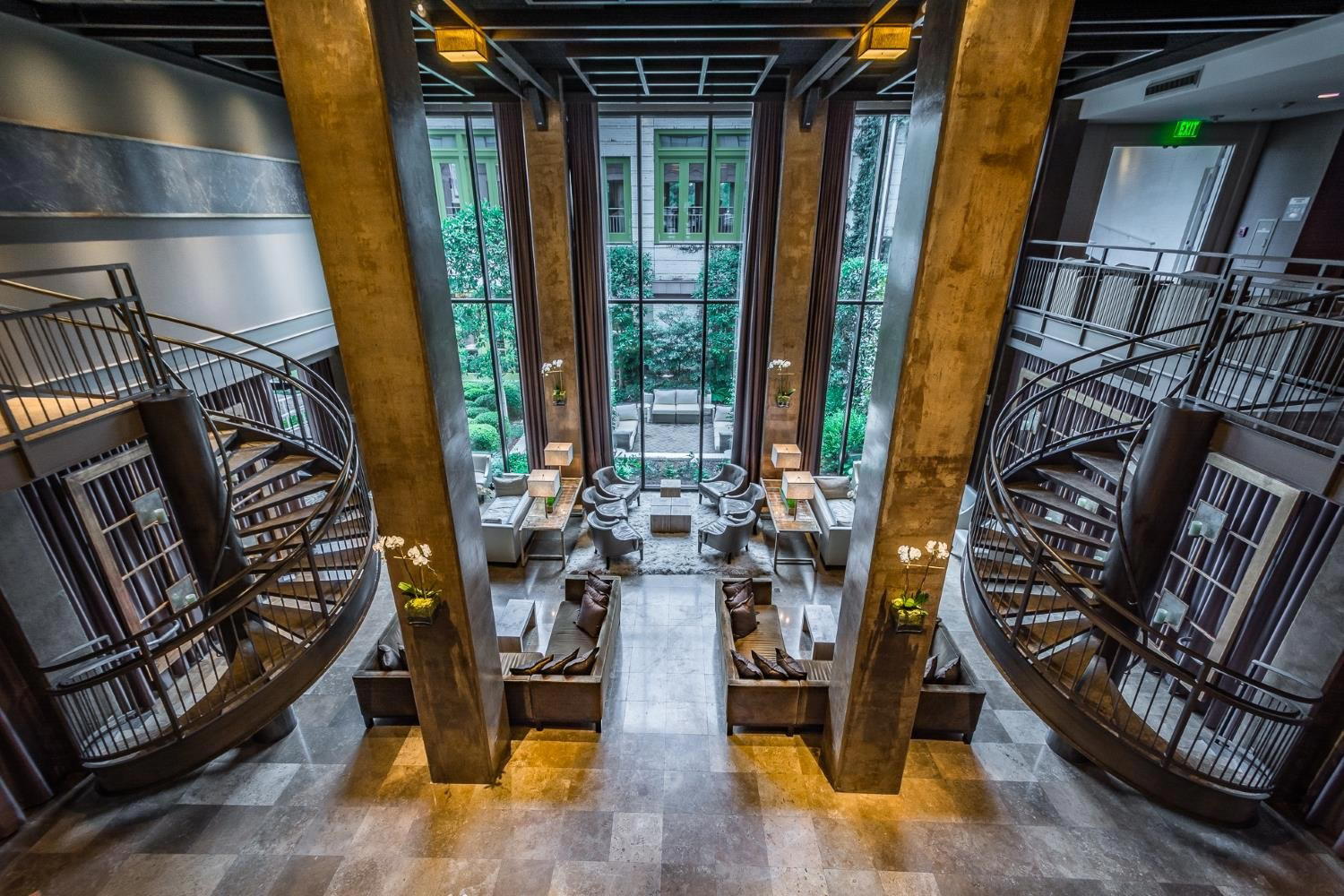
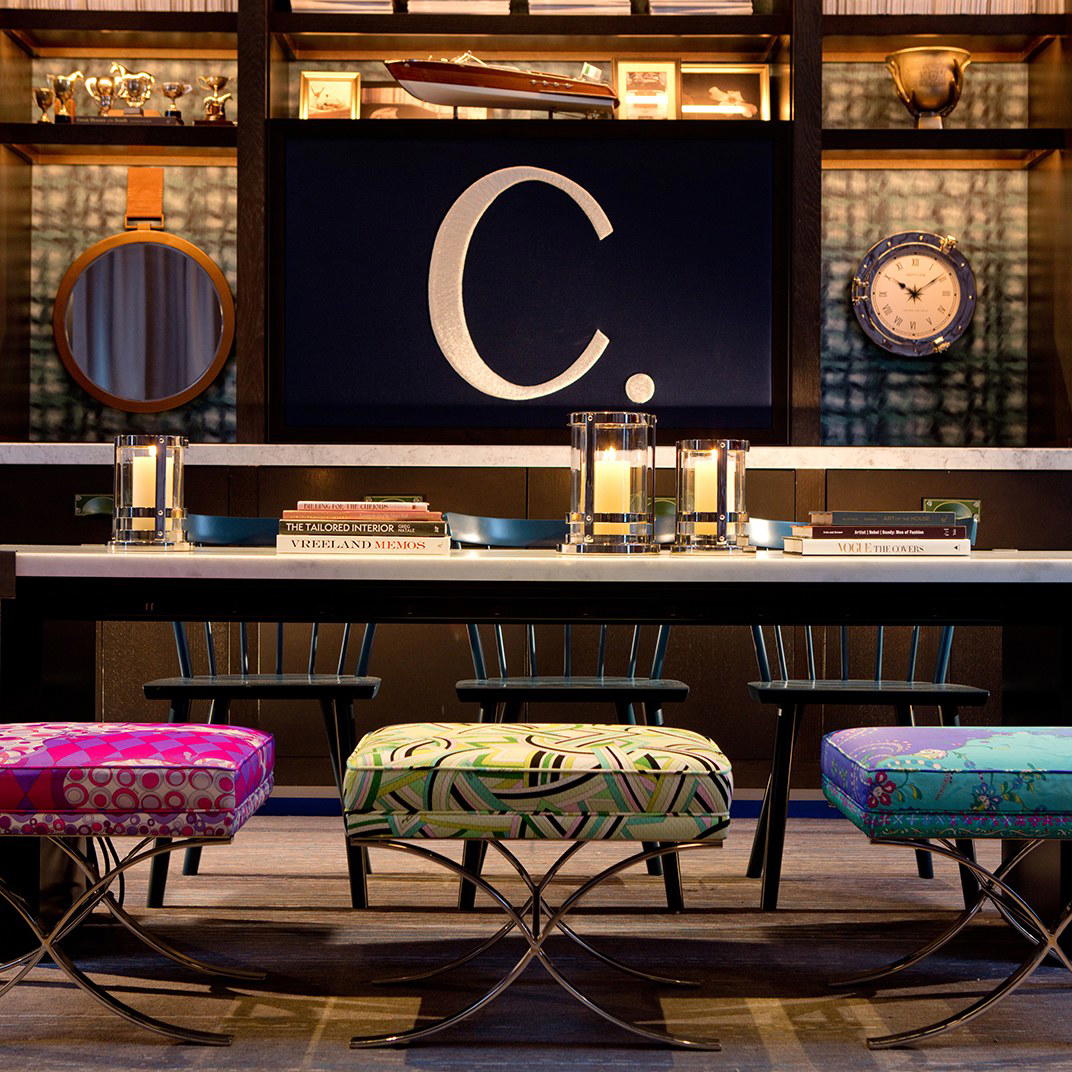
Warm, open and airy dining rooms with engaging atmosphere praised for creating memorable experiences.