1100 Westheimer Rd
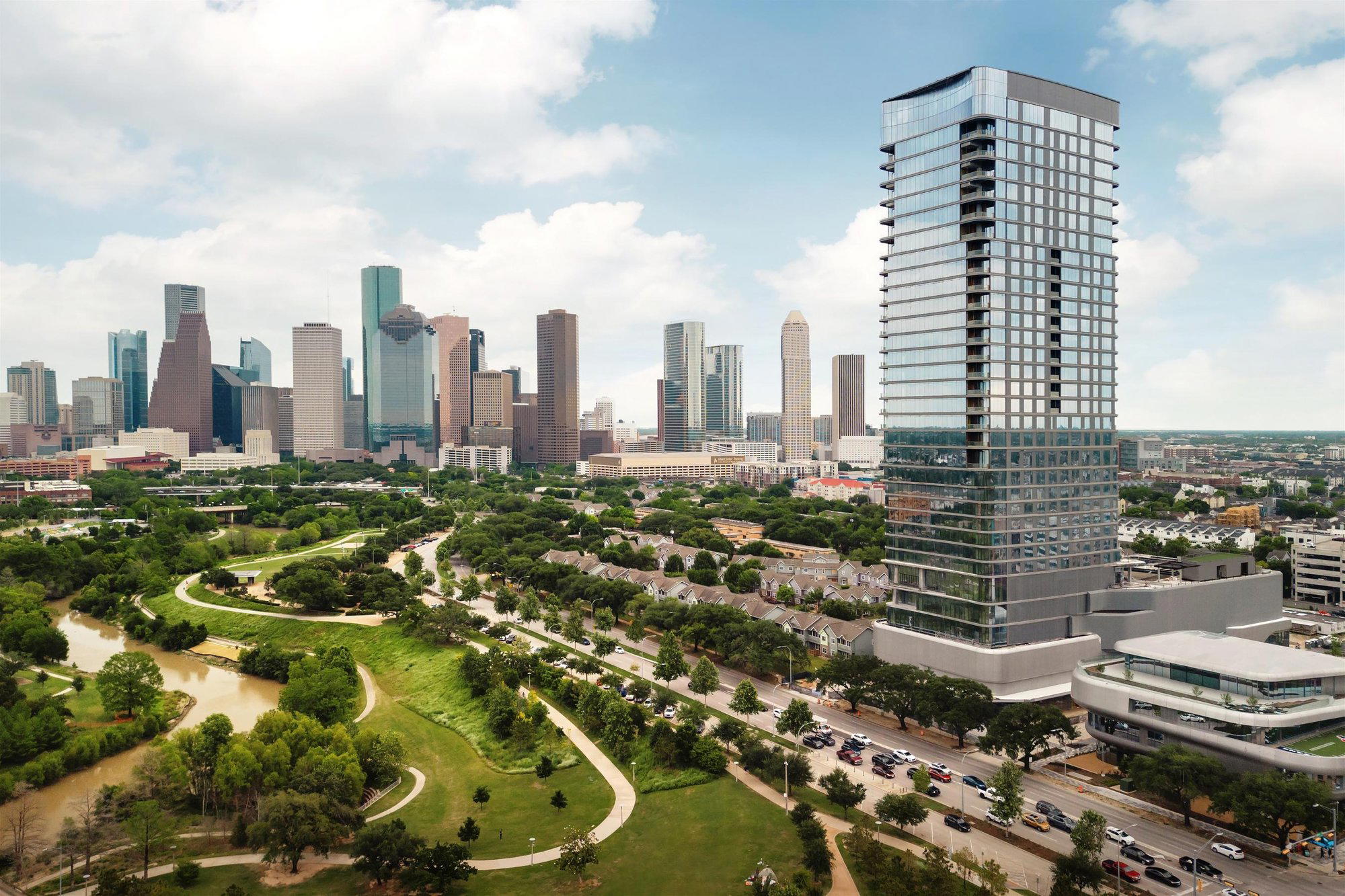
At 1100 Westheimer Road in Houston's Montrose neighborhood, the address places any serious operator inside one of the city's most considered independent dining corridors. Montrose has consistently attracted kitchens that treat cuisine traditions with specificity rather than approximation, drawing a local audience shaped by Houston's extraordinary demographic range and deep international food culture.
Pearl is the En Primeur Club membership app — saves, bookings, and concierge access live there. Same editors, same standards.
- Address
- 1100 Westheimer Rd, Houston, TX 77006
- Website
- drakeshollywood.com
- Directions
- Get directions
 Saves & bookings on Pearl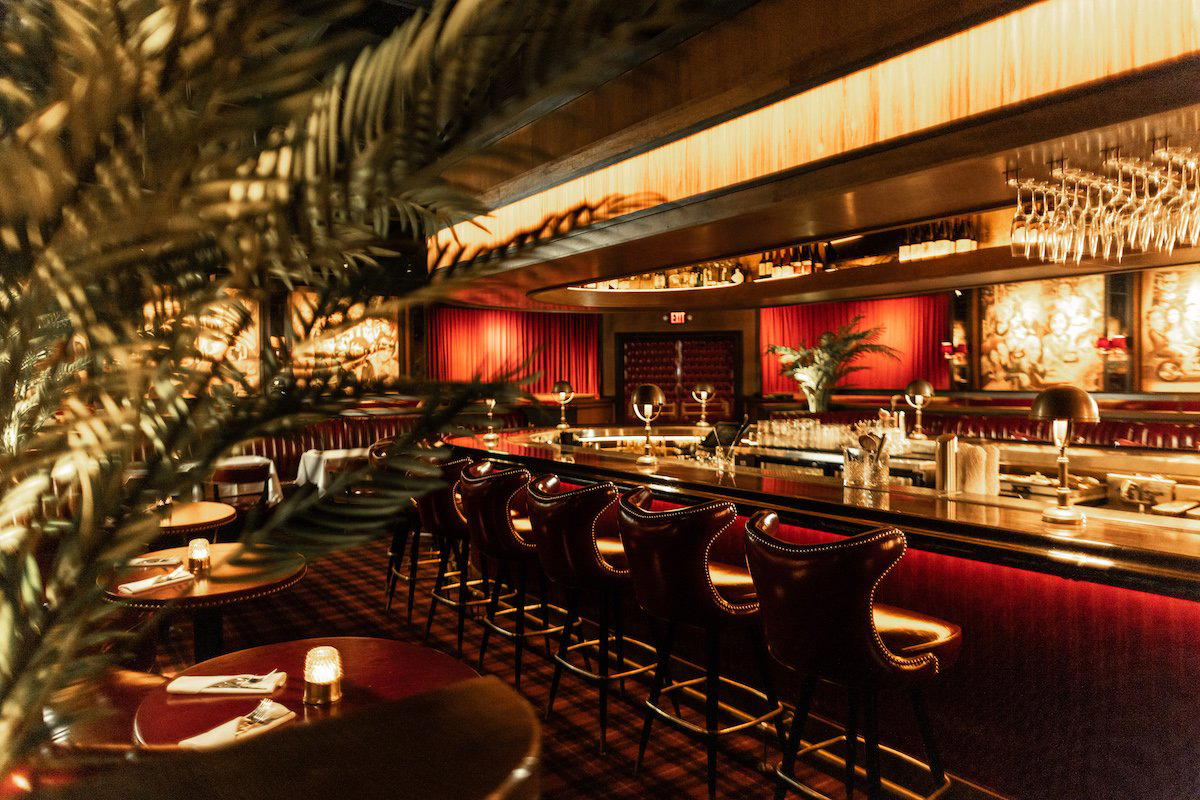
Montrose and the Address That Defines Houston Dining
On the stretch of Westheimer Road that cuts through Montrose, the address 1100 has become a reference point in Houston dining conversations. The neighborhood itself functions as a useful lens: Montrose has long absorbed the city's more considered culinary ambitions, sitting at the intersection of walkable density and genuine cultural diversity in a city whose dining geography is otherwise defined by the sprawl of suburban corridors. Westheimer here is lined with independent operators, mid-century storefronts, and a dining public that expects more than formula. In that context, an address carries weight that it might not elsewhere in the city.
Houston's dining identity has shifted considerably over the past decade. The city's demographic complexity, driven by among the more internationally diverse populations in the United States, has produced a restaurant culture that resists easy categorization. Cuisines that operate as niche or specialty markets in other American cities hold mainstream commercial weight here: Vietnamese, Indian, Mexican regional cooking, and West African traditions all operate at serious depth. That context shapes how any restaurant at a Montrose address is read by the city's dining audience. The expectation is fluency, not approximation.
The Cultural Register of This Stretch of Westheimer
The Montrose section of Westheimer functions differently from Houston's other dining corridors. Midtown tilts toward volume and velocity; the Heights has moved upmarket but remains neighborhood-casual; Uptown and River Oaks skew toward hotel-adjacent luxury. Montrose holds a middle register: independent, often ambitious, with a local audience that notices when technique and sourcing are taken seriously.
Peer venues that have established themselves along or adjacent to this corridor illustrate the range. March, the Venetian-influenced tasting menu restaurant, operates at the formal end of Houston's fine dining tier, with a format and price point that put it in direct conversation with nationally recognized rooms. Musaafer has brought serious Indian regional cooking into a high-design environment, addressing the depth of Houston's South Asian dining audience at a price point that signals ambition. Alongside them, Tatemó has built a reputation around masa-focused Mexican cooking that treats corn as a culinary argument rather than an ingredient. Each of these venues anchors a distinct tradition; together, they suggest why a Montrose-area address carries editorial interest for readers tracking where serious cooking happens in Houston.
Le Bernardin in New York City and The French Laundry in Napa represent the formal ceiling of American tasting-menu culture; Alinea in Chicago and Atomix in New York City demonstrate how technically driven formats have expanded that conversation. Houston's leading rooms are increasingly in that conversation, if not yet at equivalent recognition levels.
What the City's Dining Tradition Expects
Houston's food culture is not aspirational in the way that New York or San Francisco dining culture sometimes reads from the outside. It is pragmatic and pluralist. The city's restaurant audience has been eating serious Vietnamese pho, Sichuan dry-pot, and Oaxacan tlayudas for long enough that these are baseline expectations, not discoveries. This shapes what fine dining means here: the city's most serious rooms tend to engage with international culinary traditions at a level of specificity that would read as specialist programming elsewhere.
That specificity is visible in how Houston's contemporary Spanish cooking has developed. BCN Taste & Tradition represents the kind of regional Spanish depth that treats Catalonia and the Basque Country as distinct culinary territories rather than a unified aesthetic. Similarly, Le Jardinier Houston brings a vegetable-forward French discipline that places it alongside its New York counterpart rather than simply adapting the format for a local audience. These are not approximations of distant cooking traditions; they are confident expressions of them, and they tell a reader something about the expectations any serious venue in this city must meet.
Placing 1100 Westheimer in the Broader Conversation
The address sits in a neighborhood that has consistently attracted operators willing to take culinary positions. Nationally, the venues that have moved that conversation forward share certain qualities: format discipline, sourcing specificity, and a willingness to price against their actual comparable set rather than the local market average. Restaurants like Single Thread Farm in Healdsburg, Blue Hill at Stone Barns in Tarrytown, and Providence in Los Angeles each demonstrate how regional identity and sourcing rigor translate into national recognition. Addison in San Diego and The Inn at Little Washington show how non-coastal cities and their dining rooms can hold Michelin attention when the commitment is sustained. Houston has produced rooms that merit the same frame of reference.
For readers tracking where serious dining is happening in the American South, New Orleans remains a cultural reference point. Emeril's in New Orleans established what a Southern city's anchor restaurant could mean nationally; Houston's current cohort is writing a different version of that argument, one rooted less in a single personality and more in the aggregate ambition of its independent operators. Lazy Bear in San Francisco and 8 1/2 Otto e Mezzo Bombana in Hong Kong represent the international range of the conversation Houston's serious dining rooms are entering.
Know Before You Go
Address: 1100 Westheimer Rd, Houston, TX 77006
Neighborhood: Montrose, Houston
Practical note: Hours are Mon through Sat 4 to 10 PM and Sun 4 to 9 PM. Reservations are recommended.
Getting there: Montrose is accessible by car with street and garage parking available on Westheimer; the corridor is also reachable from central Houston in under 15 minutes outside peak traffic hours.
Context: Westheimer through Montrose is one of Houston's most active independent dining corridors.
Standing Among Peers
Comparable venues nearby, for context on price, style, and recognition.
| Venue | Cuisine | Price | Notes |
|---|---|---|---|
| 1100 Westheimer RdThis venue — the venue you are viewing | American Steakhouse with Sushi | $$$ | Not listed |
| Confessions | Polished Southern American | $$$ | Upper Kirby |
| City Cellars | Southern-Inspired American with Global Flavors | $$$ | Second Ward |
| Balboa Surf Club | American Seafood with Sushi | $$$ | Galleria |
| Derby Restaurant | Modern Southern Comfort | $$$ | Willowbrook |
| Ouisie's Table | Eclectic Southern | $$$ | Afton Oaks |
Continue exploring
More in Houston
Restaurants in Houston
Browse all →
Bars in Houston
Browse all →
Hotels in Houston
Browse all →
At a Glance
- Elegant
- Trendy
- Sophisticated
- Classic
- Date Night
- Special Occasion
- Open Kitchen
- Craft Cocktails
Current opening hours
- Monday
- 4–10 PM
- Tuesday
- 4–10 PM
- Wednesday
- 4–10 PM
- Thursday
- 4–10 PM
- Friday
- 4–10 PM
- Saturday
- 4–10 PM
- Sunday
- 4–9 PM
Hours can change for holidays and private events. Last verified .
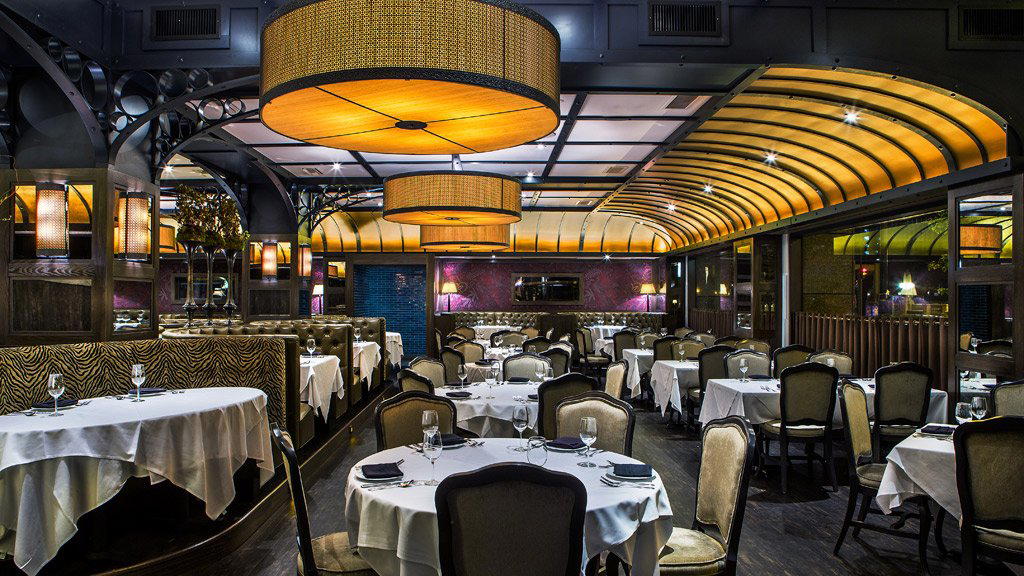
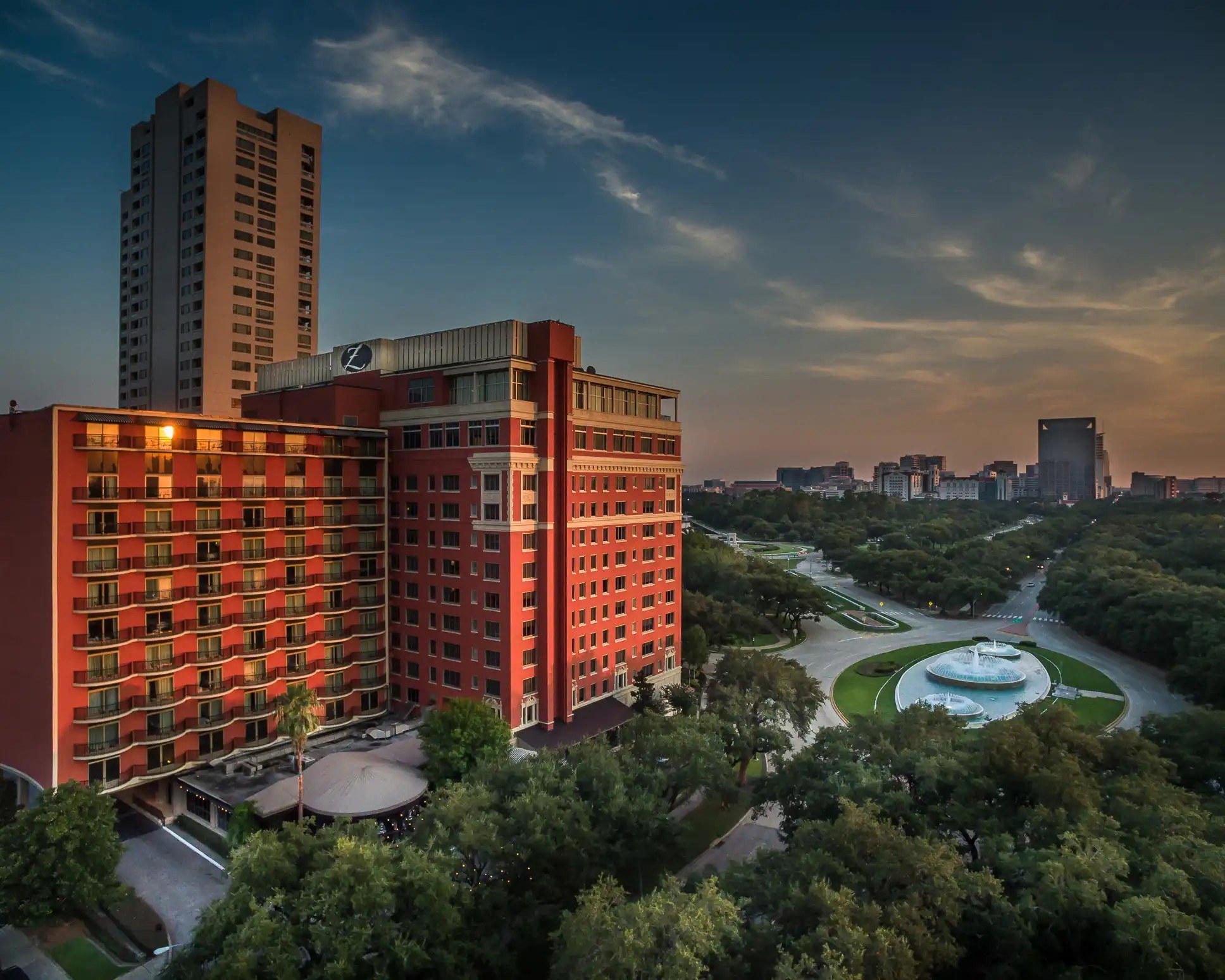
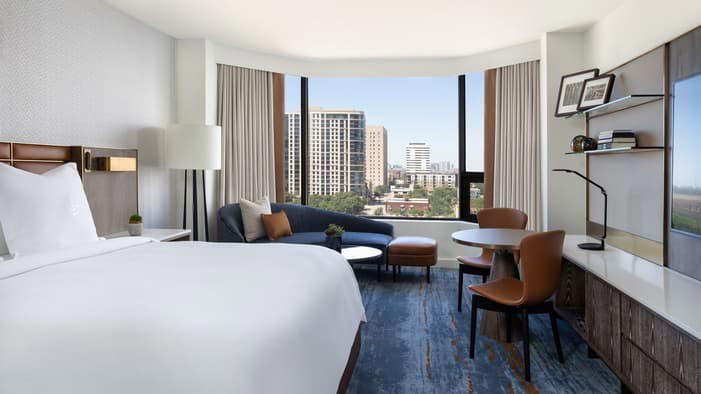
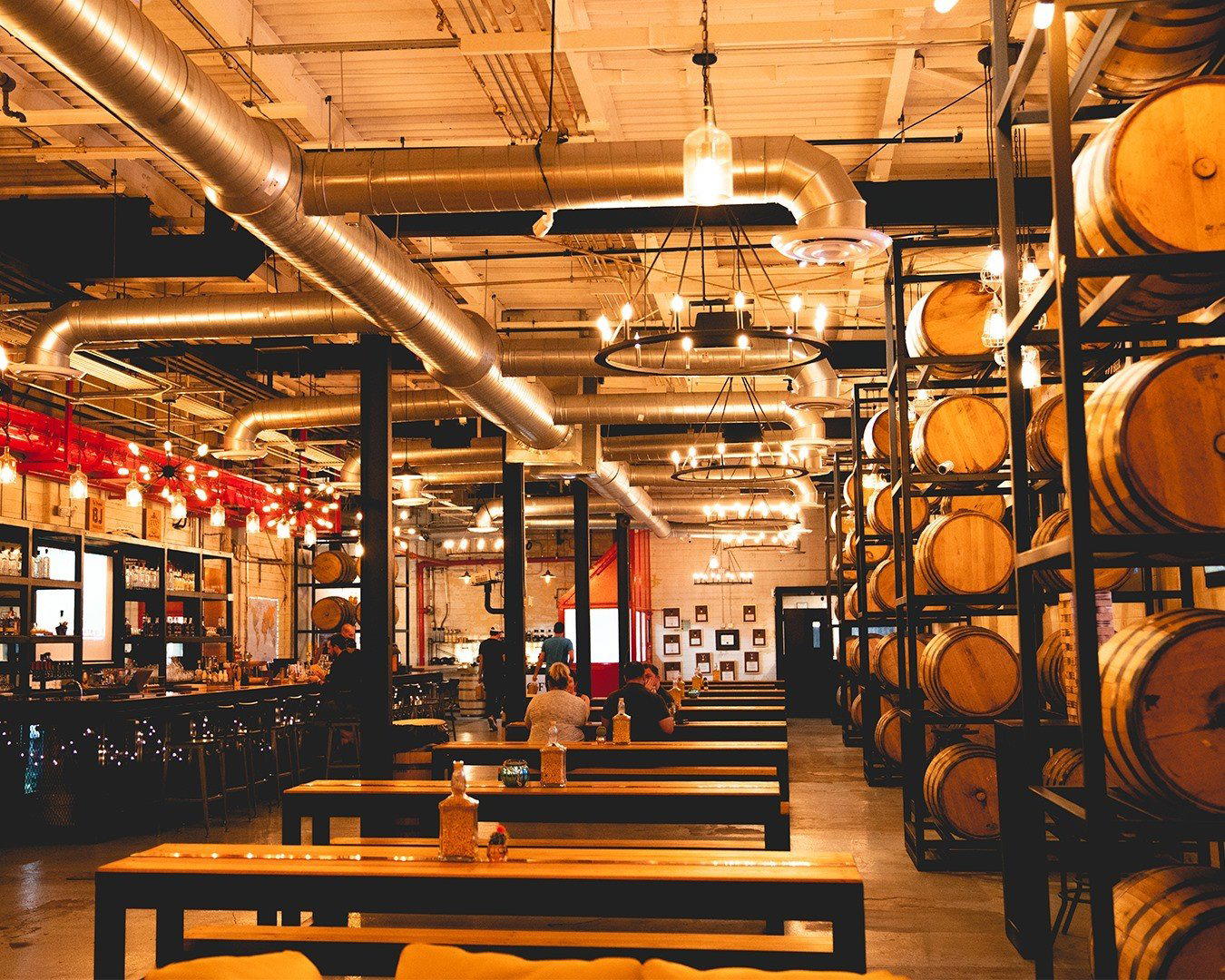
Dim lighting, red leather seating, colorful Hollywood star murals, and luxe decor evoking old-school glamour and vintage supper club charm.