& More by Sheraton
Our verdict
Sheikh Zayed Road and the Hotel Dining Question Dubai's Sheikh Zayed Road has long functioned as the city's commercial spine, and the hospitality infrastructure built around it reflects that purpose. The Dubai World Trade Centre cluster draws a consistent flow of conference delegates, regional business travellers, and government-adjacent meetings, and the dining options within its orbit have historically served that audience first. Hotel restaurants in this corridor operate differently from destination venues in DIFC, Downtown, or the Palm: the competitive pressure runs less toward culinary distinction and more toward reliability, scale, and accessibility across meal occasions. & More by Sheraton sits within this context, attached to the Sheraton brand inside the World Trade Centre address on Sheikh Zayed Road. Understanding what this positioning means requires some clarity about how hotel dining functions across Dubai's price tiers. In a city where standalone destination restaurants such as Trèsind Studio or FZN by Björn Frantzén have pushed the ceiling of ambition, hotel dining at a trade centre property occupies a different register entirely: it is about meeting a broad traveller need rather than advancing a culinary argument. The Trade Centre Corridor as Dining Context The area around the Dubai World Trade Centre is not primarily a dining destination in the way that DIFC or City Walk are. What it offers instead is density of footfall tied to a specific purpose: exhibitions, congresses, and the steady churn of regional business travel. Restaurants operating here draw walk-in traffic from adjacent hotels and office towers, and their menus tend to be calibrated to international palatability rather than neighbourhood character. This is not inherently a limitation. Some of the more interesting hotel dining anywhere in the world occupies exactly this kind of pragmatic brief, finding ways to deliver quality within a format shaped by volume and mixed clientele. The comparable challenge plays out in very different cities: Emeril's in New Orleans or Lazy Bear in San Francisco each operate inside broader hospitality contexts while maintaining a distinct editorial identity. The question for any hotel restaurant in a trade-centre setting is whether it attempts that distinction or simply serves the floor. For visitors arriving at the World Trade Centre with time between sessions, the dining calculus is also geographic. DIFC is close enough that destination venues such as Row on 45 or moonrise are reachable, and 11 Woodfire sits within the broader Downtown radius. The decision to stay within the Sheraton complex is, for most visitors, a convenience decision rather than a culinary one. What Hotel Dining at This Address Implies Sheraton as a brand occupies the upper-midscale to upscale tier of Marriott International's portfolio. Its restaurants globally tend toward international brasserie formats: broad menus with familiar reference points, consistent execution, and a pricing structure that sits below the city's dedicated fine-dining tier but above casual neighbourhood options. What the address and brand context suggest is a format designed to serve diverse international guests across breakfast, lunch, and dinner without demanding culinary commitment from the diner. Across the Gulf more broadly, this model has proved durable. Hotel restaurants tied to international chains at business-travel addresses form a consistent layer of the dining infrastructure in cities like Dubai, Abu Dhabi, and Sharjah. Hakkasan in Abu Dhabi represents the higher-ambition end of that hotel-attached model; the Sheraton tier sits at a more functional point on the same spectrum. The contrast is not a criticism: both serve real needs in the market. Booking, Access, and Practical Orientation The Dubai World Trade Centre address on Sheikh Zayed Road is accessible by Dubai Metro via the World Trade Centre station on the Red Line, which makes it direct to reach from most points along the main corridor including Downtown, DIFC, and Dubai Marina. For visitors staying within the complex or attending events at the trade centre, & More by Sheraton represents the path of least resistance for a meal without leaving the campus. For travellers using the World Trade Centre as a base who want to reach Dubai's more specialised dining, the Red Line metro provides quick access to DIFC and Downtown, where the concentration of recognised venues is highest. Those travelling further to experience the full range of Gulf dining can reference options beyond the emirate, including Thai Gate Heera Beach in Sharjah for a different register entirely. A broader view of how Dubai's restaurant circuit fits together is mapped in our full Dubai restaurants guide. Where & More by Sheraton Fits in the Wider Picture The global reference points for ambitious dining offer a useful calibration. Venues like Le Bernardin in New York City, Osteria Francescana in Modena, Arpège in Paris, or CORE by Clare Smyth in London represent one end of a very long spectrum of dining options, each with verifiable credentials earned over sustained periods. Atomix in New York City, Quattro Passi in Marina del Cantone, Le Calandre in Rubano, and The Ledbury in London each occupy defined positions in their respective cities with clear editorial identities. & More by Sheraton occupies a different position in Dubai's dining map: not a destination venue with a culinary argument to make, but a functional component of the trade centre hospitality ecosystem. That distinction matters for how you plan around it. If the hotel is your base, the restaurant is a reasonable fallback for convenience. If you are travelling to Dubai to eat, the trade centre corridor is a transit zone between more defined dining destinations rather than a terminus in itself. Frequently Asked Questions What should I eat at & More by Sheraton? As a Sheraton hotel restaurant in the Dubai World Trade Centre complex, the format likely spans multiple meal occasions with an international menu calibrated for business travellers. For confirmed dish recommendations, contacting the venue directly or checking current menus through the Sheraton World Trade Centre Dubai is the reliable path. Visitors seeking a cuisine-led experience in the same part of the city should note that DIFC is a short metro ride away, where venues including Trèsind Studio and Row on 45 offer programmes with clearer culinary identities. What is the ideal way to book & More by Sheraton? During peak exhibition periods at the Dubai World Trade Centre, when events like GITEX Technology Week or Arab Health significantly increase hotel occupancy, demand for on-site dining rises in parallel. Contacting the Sheraton World Trade Centre Dubai directly well in advance of those dates is advisable. For Dubai's most-awarded restaurants with formal tasting menus, booking windows typically run four to eight weeks out, though the model at a hotel all-day dining venue generally involves shorter lead times. What is the standout thing about & More by Sheraton? The primary distinction & More by Sheraton offers is location within the Dubai World Trade Centre complex, which makes it a direct option for delegates and guests on campus without the need to travel. As a Sheraton-branded restaurant, it carries the brand's consistency standards across a global portfolio. For visitors whose priority is culinary distinction rather than convenience, Dubai's DIFC and Downtown precincts hold the higher concentration of venues with verifiable awards and defined culinary programmes, including moonrise and 11 Woodfire. Is & More by Sheraton a good option during major Dubai trade shows? During large-scale events at the Dubai World Trade Centre, the on-site restaurants within the complex become significantly more practical than off-campus options, simply because congestion and demand across the DIFC and Downtown dining circuits increase in parallel. & More by Sheraton, as an in-hotel option within the World Trade Centre address, offers proximity that has real logistical value when time between sessions is limited. The trade-off is that venue-led destination dining in Dubai is concentrated in other neighbourhoods, so travellers with evenings free during exhibition weeks may prefer to venture to DIFC or explore the wider circuit documented in our full Dubai restaurants guide.

Pearl is the En Primeur Club membership app — saves, bookings, and concierge access live there. Same editors, same standards.
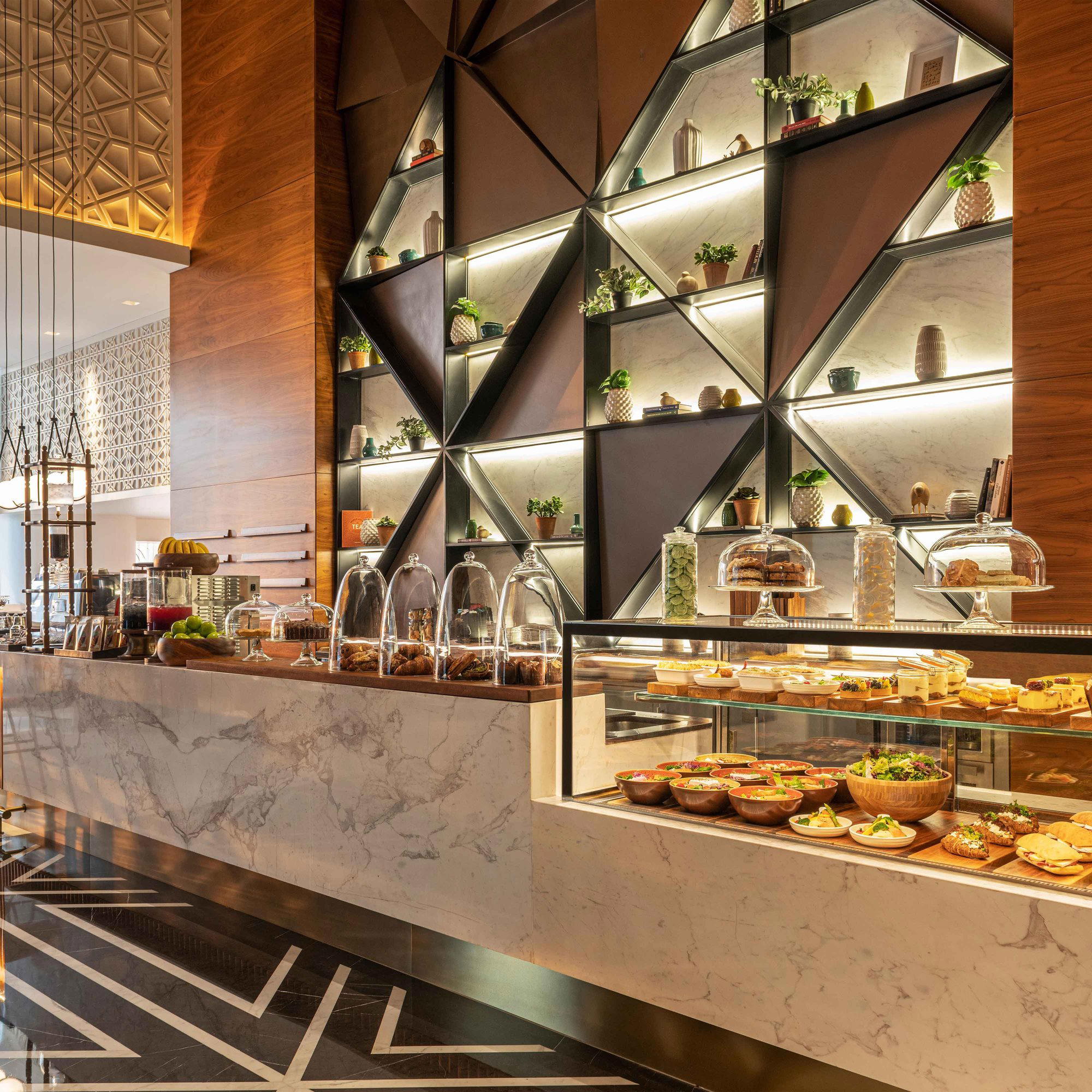
Sheikh Zayed Road and the Hotel Dining Question
Dubai's Sheikh Zayed Road has long functioned as the city's commercial spine, and the hospitality infrastructure built around it reflects that purpose. The Dubai World Trade Centre cluster draws a consistent flow of conference delegates, regional business travellers, and government-adjacent meetings, and the dining options within its orbit have historically served that audience first. Hotel restaurants in this corridor operate differently from destination venues in DIFC, Downtown, or the Palm: the competitive pressure runs less toward culinary distinction and more toward reliability, scale, and accessibility across meal occasions.
& More by Sheraton sits within this context, attached to the Sheraton brand inside the World Trade Centre address on Sheikh Zayed Road. Understanding what this positioning means requires some clarity about how hotel dining functions across Dubai's price tiers. In a city where standalone destination restaurants such as Trèsind Studio or FZN by Björn Frantzén have pushed the ceiling of ambition, hotel dining at a trade centre property occupies a different register entirely: it is about meeting a broad traveller need rather than advancing a culinary argument.
The Trade Centre Corridor as Dining Context
The area around the Dubai World Trade Centre is not primarily a dining destination in the way that DIFC or City Walk are. What it offers instead is density of footfall tied to a specific purpose: exhibitions, congresses, and the steady churn of regional business travel. Restaurants operating here draw walk-in traffic from adjacent hotels and office towers, and their menus tend to be calibrated to international palatability rather than neighbourhood character.
This is not inherently a limitation. Some of the more interesting hotel dining anywhere in the world occupies exactly this kind of pragmatic brief, finding ways to deliver quality within a format shaped by volume and mixed clientele. The comparable challenge plays out in very different cities: Emeril's in New Orleans or Lazy Bear in San Francisco each operate inside broader hospitality contexts while maintaining a distinct editorial identity. The question for any hotel restaurant in a trade-centre setting is whether it attempts that distinction or simply serves the floor.
For visitors arriving at the World Trade Centre with time between sessions, the dining calculus is also geographic. DIFC is close enough that destination venues such as Row on 45 or moonrise are reachable, and 11 Woodfire sits within the broader Downtown radius. The decision to stay within the Sheraton complex is, for most visitors, a convenience decision rather than a culinary one.
What Hotel Dining at This Address Implies
Sheraton as a brand occupies the upper-midscale to upscale tier of Marriott International's portfolio. Its restaurants globally tend toward international brasserie formats: broad menus with familiar reference points, consistent execution, and a pricing structure that sits below the city's dedicated fine-dining tier but above casual neighbourhood options. What the address and brand context suggest is a format designed to serve diverse international guests across breakfast, lunch, and dinner without demanding culinary commitment from the diner.
Across the Gulf more broadly, this model has proved durable. Hotel restaurants tied to international chains at business-travel addresses form a consistent layer of the dining infrastructure in cities like Dubai, Abu Dhabi, and Sharjah. Hakkasan in Abu Dhabi represents the higher-ambition end of that hotel-attached model; the Sheraton tier sits at a more functional point on the same spectrum. The contrast is not a criticism: both serve real needs in the market.
Booking, Access, and Practical Orientation
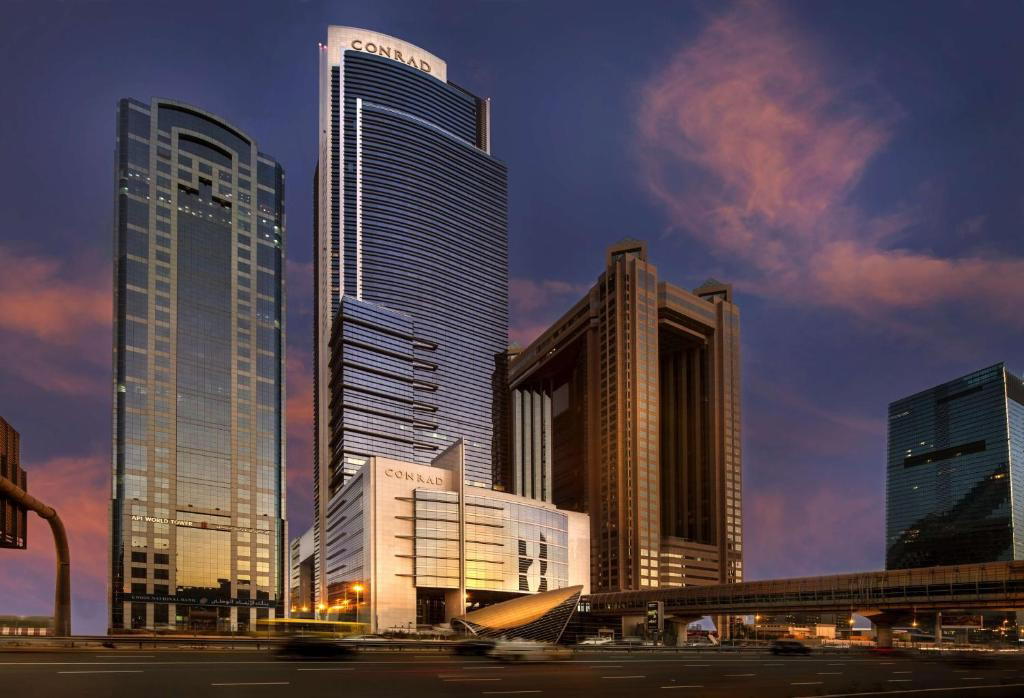
The Dubai World Trade Centre address on Sheikh Zayed Road is accessible by Dubai Metro via the World Trade Centre station on the Red Line, which makes it direct to reach from most points along the main corridor including Downtown, DIFC, and Dubai Marina. For visitors staying within the complex or attending events at the trade centre, & More by Sheraton represents the path of least resistance for a meal without leaving the campus.
For travellers using the World Trade Centre as a base who want to reach Dubai's more specialised dining, the Red Line metro provides quick access to DIFC and Downtown, where the concentration of recognised venues is highest. Those travelling further to experience the full range of Gulf dining can reference options beyond the emirate, including Thai Gate Heera Beach in Sharjah for a different register entirely. A broader view of how Dubai's restaurant circuit fits together is mapped in our full Dubai restaurants guide.
Where & More by Sheraton Fits in the Wider Picture
The global reference points for ambitious dining offer a useful calibration. Venues like Le Bernardin in New York City, Osteria Francescana in Modena, Arpège in Paris, or CORE by Clare Smyth in London represent one end of a very long spectrum of dining options, each with verifiable credentials earned over sustained periods. Atomix in New York City, Quattro Passi in Marina del Cantone, Le Calandre in Rubano, and The Ledbury in London each occupy defined positions in their respective cities with clear editorial identities. & More by Sheraton occupies a different position in Dubai's dining map: not a destination venue with a culinary argument to make, but a functional component of the trade centre hospitality ecosystem.
That distinction matters for how you plan around it. If the hotel is your base, the restaurant is a reasonable fallback for convenience. If you are travelling to Dubai to eat, the trade centre corridor is a transit zone between more defined dining destinations rather than a terminus in itself.
Frequently asked questions
What should I eat at & More by Sheraton?
As a Sheraton hotel restaurant in the Dubai World Trade Centre complex, the format likely spans multiple meal occasions with an international menu calibrated for business travellers. For confirmed dish recommendations, contacting the venue directly or checking current menus through the Sheraton World Trade Centre Dubai is the reliable path. Visitors seeking a cuisine-led experience in the same part of the city should note that DIFC is a short metro ride away, where venues including Trèsind Studio and Row on 45 offer programmes with clearer culinary identities.
What is the ideal way to book & More by Sheraton?
During peak exhibition periods at the Dubai World Trade Centre, when events like GITEX Technology Week or Arab Health significantly increase hotel occupancy, demand for on-site dining rises in parallel. Contacting the Sheraton World Trade Centre Dubai directly well in advance of those dates is advisable. For Dubai's most-awarded restaurants with formal tasting menus, booking windows typically run four to eight weeks out, though the model at a hotel all-day dining venue generally involves shorter lead times.
What is the standout thing about & More by Sheraton?
The primary distinction & More by Sheraton offers is location within the Dubai World Trade Centre complex, which makes it a direct option for delegates and guests on campus without the need to travel. As a Sheraton-branded restaurant, it carries the brand's consistency standards across a global portfolio. For visitors whose priority is culinary distinction rather than convenience, Dubai's DIFC and Downtown precincts hold the higher concentration of venues with verifiable awards and defined culinary programmes, including moonrise and 11 Woodfire.
Is & More by Sheraton a good option during major Dubai trade shows?
During large-scale events at the Dubai World Trade Centre, the on-site restaurants within the complex become significantly more practical than off-campus options, simply because congestion and demand across the DIFC and Downtown dining circuits increase in parallel. & More by Sheraton, as an in-hotel option within the World Trade Centre address, offers proximity that has real logistical value when time between sessions is limited. The trade-off is that venue-led destination dining in Dubai is concentrated in other neighbourhoods, so travellers with evenings free during exhibition weeks may prefer to venture to DIFC or explore the wider circuit documented in our full Dubai restaurants guide.
Continue exploring
More in Dubai
Restaurants in Dubai
All restaurants in Dubai →
Bars in Dubai
All bars in Dubai →
Details
- Cozy
- Modern
- Business Dinner
- Casual Hangout
- Brunch
- Hotel Restaurant
- A La Carte
- Vegetarian Friendly
- Vegan Options
Current opening hours
- Monday
- 9 AM–11 PM
- Tuesday
- 9 AM–11 PM
- Wednesday
- 9 AM–11 PM
- Thursday
- 9 AM–11 PM
- Friday
- 9 AM–11 PM
- Saturday
- 9 AM–11 PM
- Sunday
- 9 AM–11 PM
Hours can change for holidays and private events. Last verified .
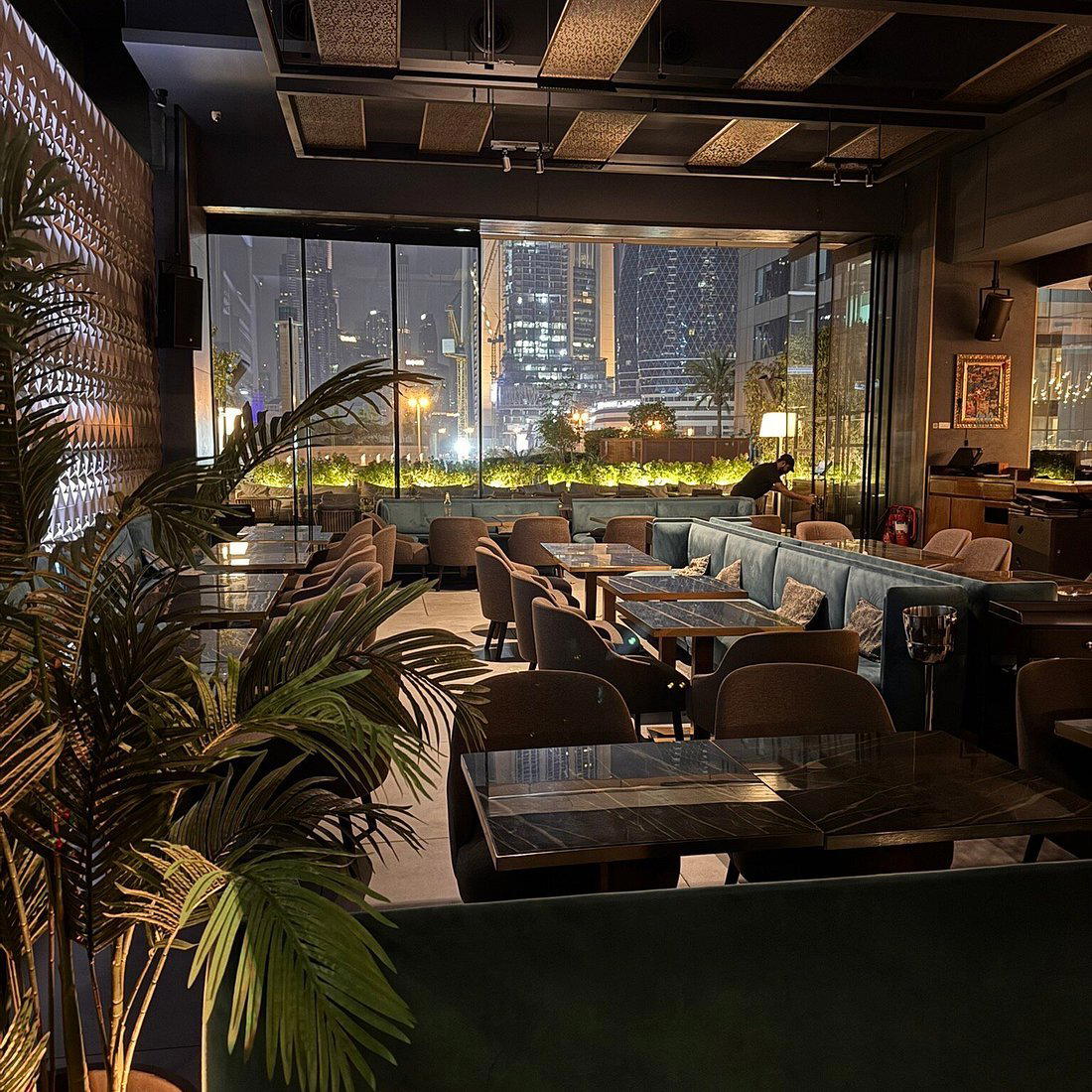
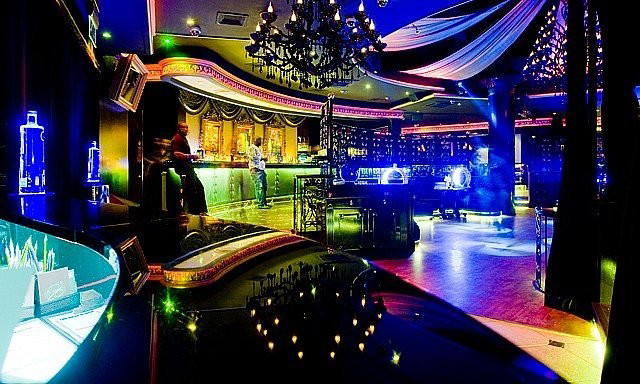
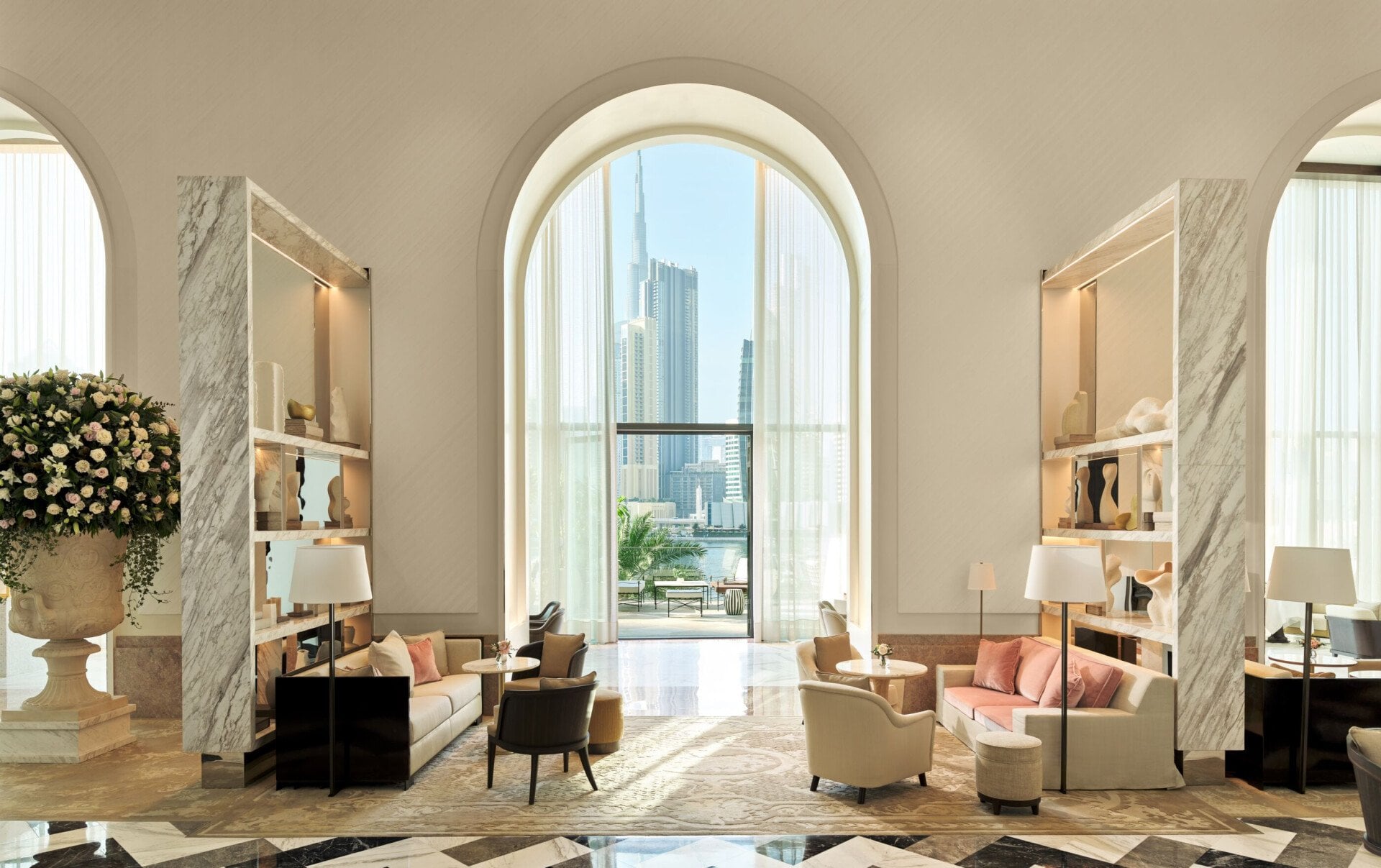
Cozy atmosphere in the hotel lobby with a relaxed and inviting feel.