Wait n’ Rest
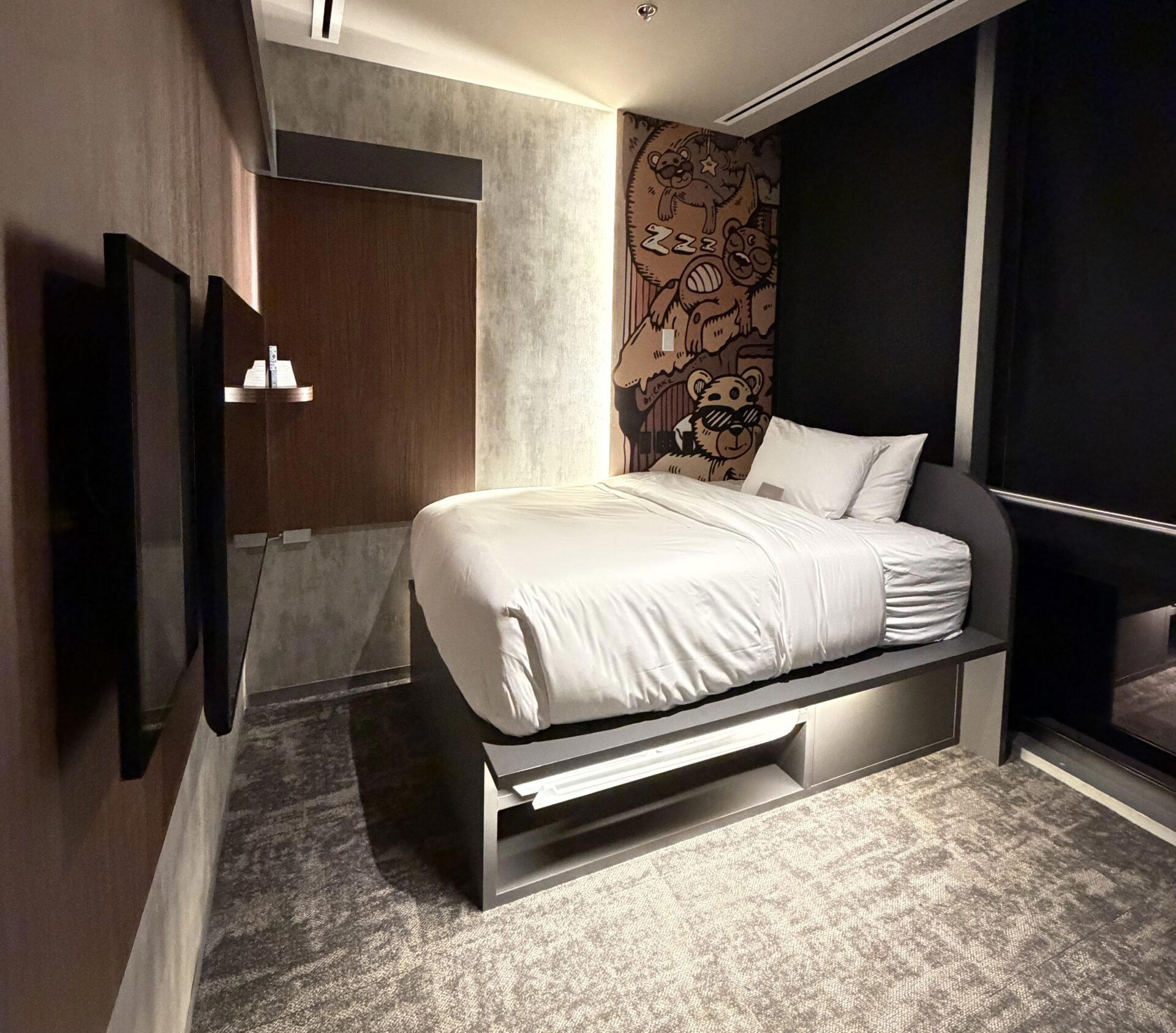
Planned for Concourse H at Miami International Airport, Wait n' Rest positions itself within a tier of airport hospitality that prioritises genuine rest over retail noise. As MIA continues to expand its international footprint, a dedicated lounge-and-dining concept in one of the airport's busiest international concourses addresses a gap that frequent travellers through South Florida have long noted. Details on format and opening timeline remain forthcoming.
 Discover on Pearl
Pearl is the En Primeur Club membership app — saves, bookings, and concierge access live there. Same editors, same standards.
Airport Hospitality at Altitude: Where Concourse H Sits in MIA's Evolving Scene
Miami International Airport has, over the past decade, moved steadily away from the lowest-common-denominator food court model that defined American airport dining through the 1990s and 2000s. Concourse H, which handles a significant share of MIA's international departures, sits at the centre of that transition. Travellers connecting through Miami en route to Latin America, the Caribbean, or Europe move through this concourse in large numbers, and the hospitality offer there has historically lagged behind the volumes it serves. Wait n' Rest is a 4-star hotel in Miami with 15 rooms and nightly rates from about $200, planned for a Concourse H site, enters that specific gap: a concept oriented around rest and dining for passengers who have already cleared security and are looking for something more considered than a grab-and-go counter.
The premise matters more than it might initially appear. Airport concepts that succeed in this tier do so not by replicating street-level restaurant theatre but by reading the specific psychology of the departing traveller: time-aware, often fatigued, and more willing than usual to pay a premium for stillness and quality. In that sense, the address inside Concourse H is itself the editorial argument. Proximity to gates, post-security placement, and the captive but discerning passenger set that MIA's international traffic generates create conditions that few city-centre venues share.
The Address as the Offer
Location-as-asset thinking applies differently inside an airport than it does in a city neighbourhood, but the logic is consistent. The most successful airport hospitality concepts in comparable international hubs, think the higher-tier lounges and dining rooms at Changi, Heathrow Terminal 5, or JFK's redeveloped Terminal 4, derive their value almost entirely from where they sit in the passenger flow. Post-security, airside, within a manageable walk of departure gates: these coordinates define the offer before a single menu item or design choice is made.
Concourse H at MIA occupies exactly that position for international departures. A concept placed here does not compete with Wynwood restaurant openings or the dining strip along Brickell Avenue. It competes with the adjacent grab-and-go options, the airport bar a gate away, and the airline lounges available only to premium-class ticketholders or card members. Wait n' Rest, by targeting the broader departing public rather than a card-access membership model, addresses a different and arguably larger slice of the concourse's traffic.
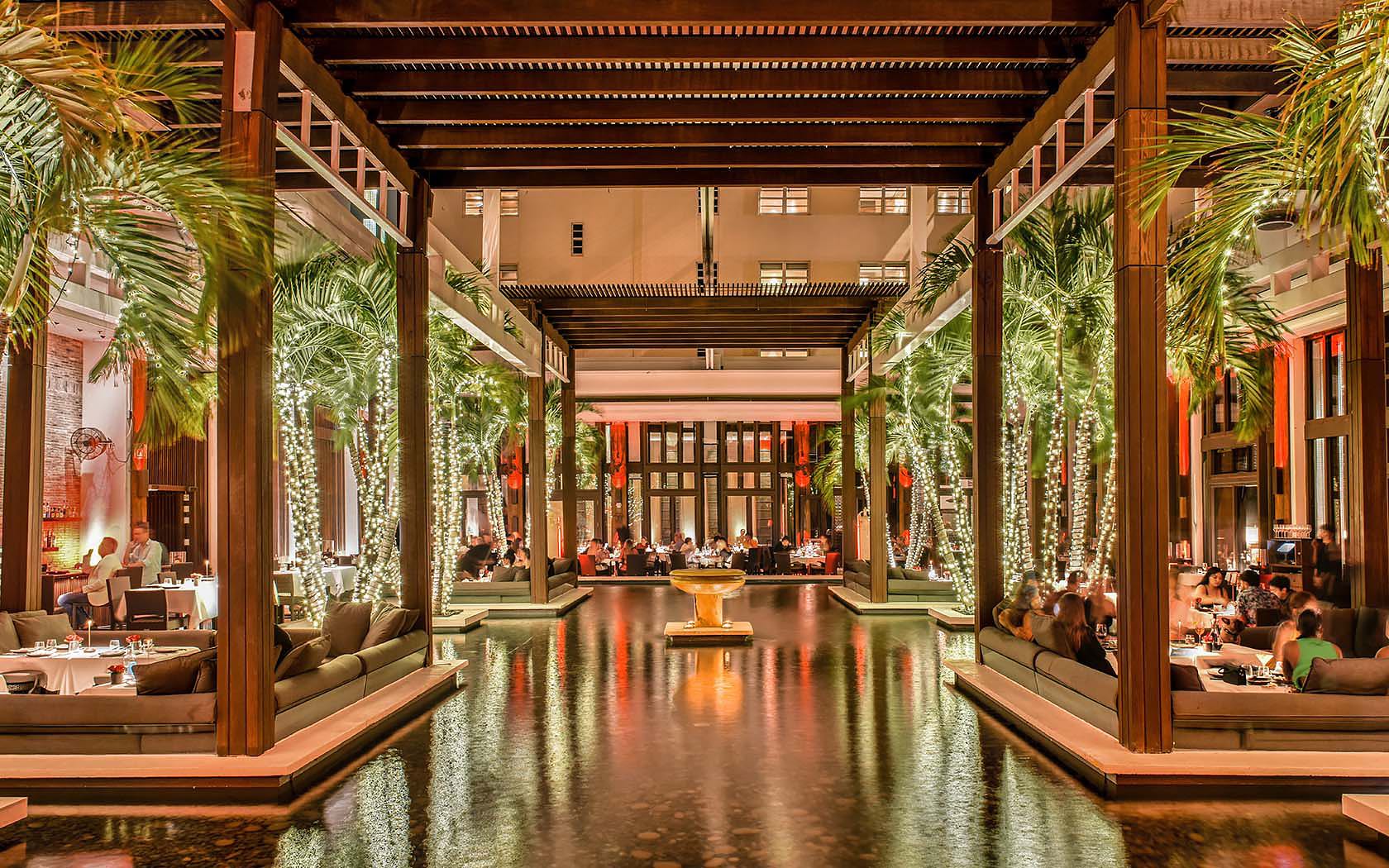
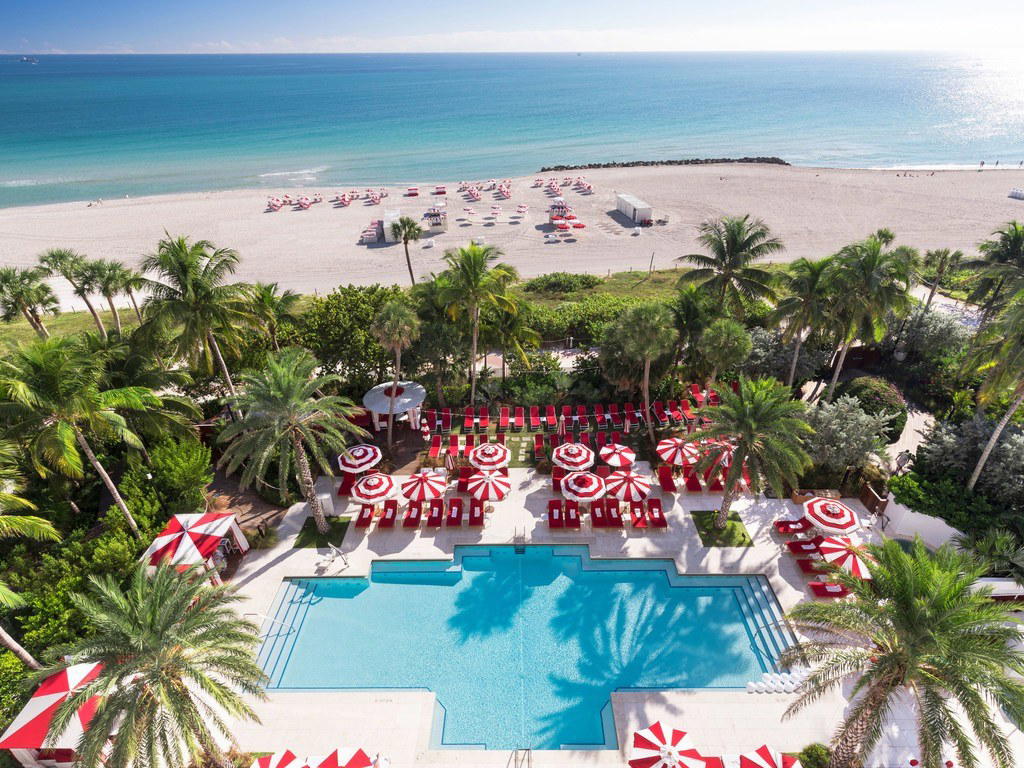
For travellers staying in Miami before departure, the broader accommodation scene spans properties from the design-led Faena Hotel Miami Beach and the heritage-inflected Betsy on South Beach, to the garden-wrapped Mayfair House Hotel & Garden in Coconut Grove and the quietly composed The Setai, Miami Beach. Guests checking out of any of these properties and heading to an international departure will, in most cases, route through MIA and likely through Concourse H. The airport dining concept is, in that sense, the final hospitality touchpoint of a Miami visit.
What the Concourse H Passenger Looks Like
Understanding who moves through Concourse H helps frame what a concept like Wait n' Rest is actually selling. MIA ranks among the leading three busiest international gateways in the United States by passenger volume, with heavy traffic to and from Central and South America, the Caribbean basin, and transatlantic routes. The passenger mix is correspondingly varied: business travellers on regional routes, leisure travellers returning from South Beach and the Florida Keys, and connecting passengers with layover windows that may run two to four hours.
That last group, the connecting passenger with time to spend, is the most natural target for a sit-down rest-and-dining concept. A two-hour connection window at a busy international concourse is long enough to want a meal and a seat, but short enough that the time-sensitivity of service matters considerably. Formats that have worked elsewhere in this profile tend to run efficient table turns without the pressure of a rushed experience, a balance that requires more operational precision than most city restaurants, where tables self-regulate through reservation blocks.
The Broader Miami Gateway Context
Miami's position as a gateway city shapes the airport hospitality conversation in ways that matter for a concept like Wait n' Rest. The city functions simultaneously as a leisure destination, a Latin American business hub, and an arts and culture draw of increasing international weight. The passenger profile is consequently more diverse and more international than the airports serving most comparably sized American cities. Airport hospitality that reflects that diversity, in food offer, language readiness, and service tone, tends to perform better than generic American casual concepts dropped into the same gate areas.
The South Florida hotel market that feeds MIA departures is itself a signal of the quality expectations arriving at the concourse. Properties like 1 Hotel South Beach, Esmé Miami Beach, and Mr. C Miami – Coconut Grove serve guests who have spent several nights in well-designed, food-forward environments. The step down to low-quality airport food is felt more sharply when the preceding experience has been calibrated at a higher register. A concept positioned to close that gap, even partially, holds genuine appeal to this passenger set.
Further afield, travellers passing through MIA on their way to or from properties like Four Seasons at The Surf Club in Surfside or Little Palm Island Resort & Spa in Little Torch Key carry similar expectations. The airport is not where those stays end in memory, but it is where they end in practice, and that moment of transition is worth designing for.
Planning Around Wait n' Rest
Because Wait n' Rest is a planned concept, specific operational details including hours, pricing, booking method, and format have not been confirmed.
What can be said at this stage is that the strategic position of the planned site, airside in an international concourse at one of the country's highest-volume international airports, places Wait n' Rest in a category where the barrier to satisfaction is relatively low, and the upside for a well-executed concept is proportionally large. The competition at gate level is not other restaurants. It is exhaustion, poor options, and the absence of anywhere worth sitting down.
For those building a broader Miami itinerary around the trip, covers the city's dining scene across neighbourhoods and price points. And for travellers whose journeys extend beyond Florida, properties like Raffles Boston in Boston, The Fifth Avenue Hotel in New York City, Meadowood Napa Valley in Napa, SingleThread Farm Inn in Healdsburg, and Post Ranch Inn in Big Sur represent the kind of destination-level hospitality that MIA connects its passengers toward, and away from.
The Essentials
Comparable venues nearby, for context on price, style, and recognition.
| Venue | Price | Notes |
|---|---|---|
| Wait n’ RestThis venue — the venue you are viewing | $$ | |
| Gale South Beach | $$$ | South Beach, Tropical Art Deco with Italian Riviera influences, celebrating Miami's golden era through historic preservation and contemporary luxury. |
| Hilton Miami Downtown | $$$ | Media and Entertainment District, Modern urban hotel with sustainable luxury and LEED certification |
| W Miami | $$$$ | Brickell Key, Urban luxury tower in financial district enclave |
| EAST Miami | $$$$ | Miami Riverwalk, Luxury-lifestyle design hotel blending contemporary Miami aesthetics with feng shui principles and Asian influences; part of mixed-use Brickell City Centre development. |
| Dua Miami, Autograph Collection | $$$$ | Miami Financial District, Lifestyle boutique hotel blending personal indulgence with social connection. |



At a Glance
- Modern
- Quiet
- Business Trip
- Weekend Escape
- Private Dining
- Wifi
- Private Shower
- Room Service
- In Room Entertainment
- Snacks Beverages
- Charging Outlets
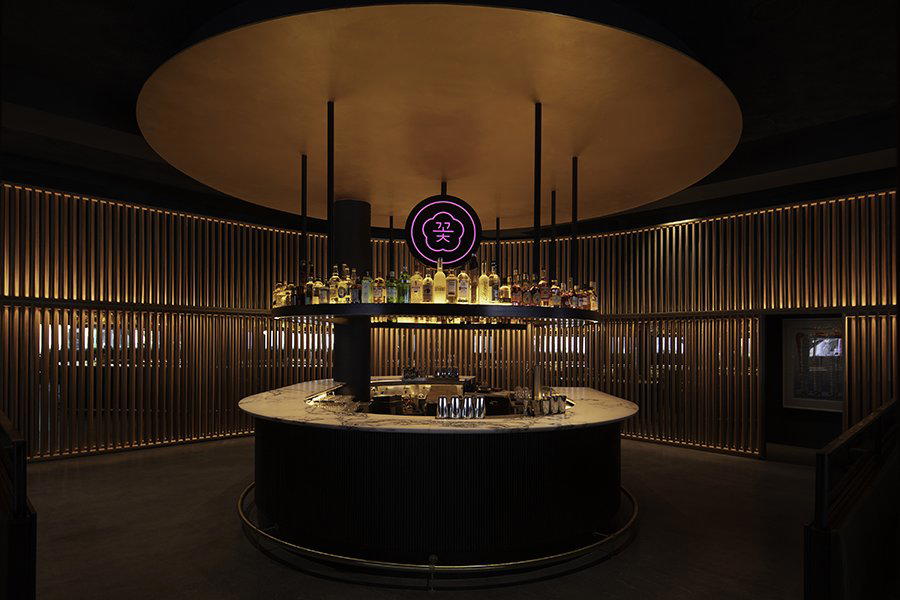
Modern, minimalist design with customizable lighting, quiet interiors, and integrated touchscreen technology for a controlled, restful environment.