Pullman Hotel Zagreb pairs 193 rooms with on-site dining, a terrace, and sustainable seafood, plus wifi, a fitness center, spa, and room service.

Pearl is the En Primeur Club membership app — saves, bookings, and concierge access live there. Same editors, same standards.
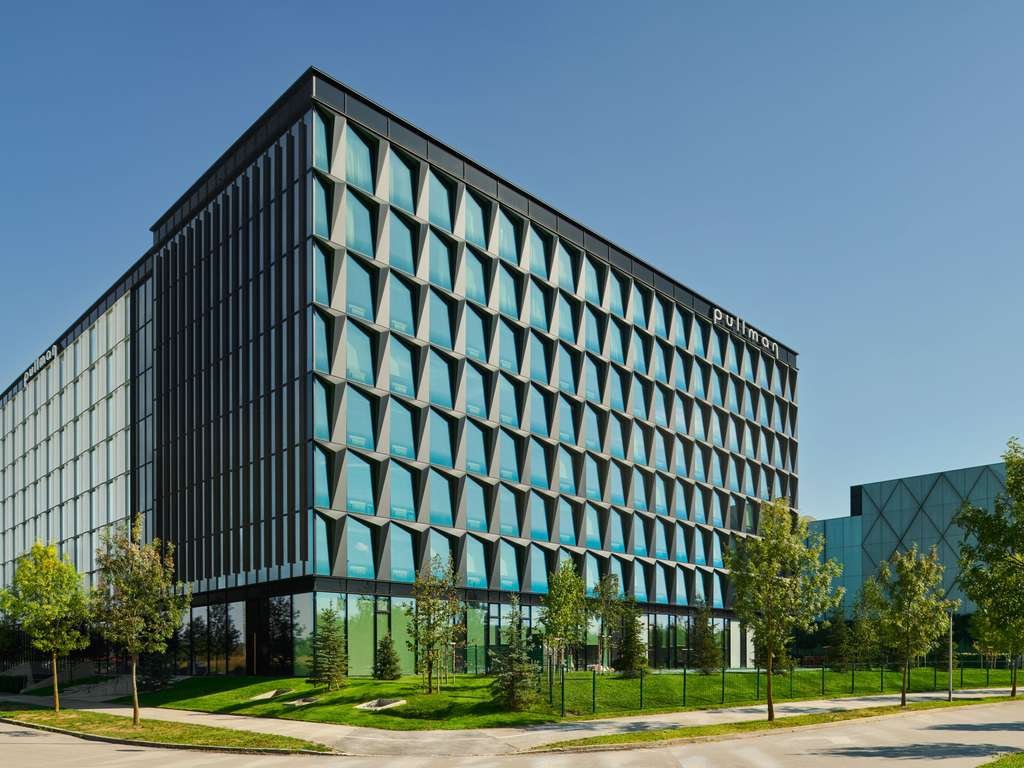
First impression: Zagreb's business-hotel language, not Adriatic fantasy
The approach to a contemporary Zagreb hotel is rarely about spectacle. The city’s hospitality rhythm is more measured than the coast’s, with guests moving between rail history, Austro-Hungarian facades, workday avenues, museums, and a dining scene that has grown sharper without becoming showy. Pullman Hotel Zagreb fits that urban register: the name signals an international business-hotel format rather than a villa, palace conversion, or seaside retreat. That matters, because Zagreb asks a different question from Dubrovnik, Rovinj, or Hvar. The point is not whether a hotel can imitate the Adriatic mood inland. The point is whether it gives the capital a clean, contemporary base with enough design discipline to feel current.
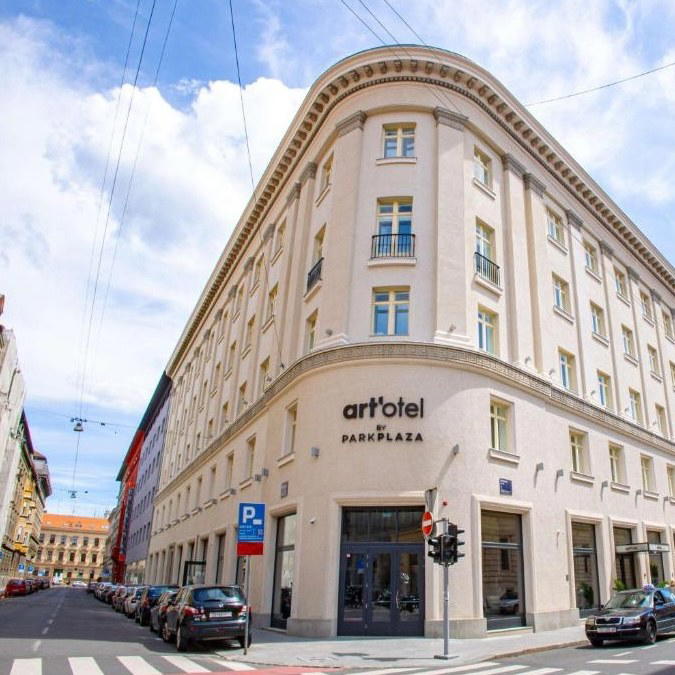
Design is the useful lens here. Zagreb already has a mature heritage-hotel reference in Esplanade Zagreb Hotel, where railway-era grandeur and formal service set a high bar for historic atmosphere. It also has a more art-forward urban comparison in art'otel Zagreb, part of the newer wave of city hotels that use contemporary interiors and cultural positioning to compete with older prestige. Pullman Hotel Zagreb should be read inside that triangle: less about old-world ceremony, more about the modern infrastructure of a capital that receives business travellers, weekenders, regional guests, and visitors using Zagreb as a starting point for the rest of Croatia.
How Zagreb hotels differ from the coast
Croatian hotel coverage is often dominated by sea views, island villas, marina addresses, and cliffside terraces. Zagreb works by another logic. The capital’s hotel scene is built around mobility, meetings, restaurants, galleries, seasonal markets, and the ability to move through the city without turning every stay into a resort programme. That makes the design brief more demanding in quieter ways. A city hotel has to handle breakfast traffic, check-in waves, work calls, evening arrivals, wet coats in winter, and guests who may spend more waking hours outside the building than inside it.
The coastal comparable set helps clarify the distinction. Grand Park Hotel Rovinj by Maistra Collection in Rovinj trades on Adriatic outlook and resort scale. D-Resort Šibenik in Sibenik belongs to the marina-hotel tradition, where architecture, boats, and water-level leisure shape the stay. Boutique Hotel Alhambra in Mali Losinj sits in a more rarefied island-luxury category, while Villa Nai 3.3 in Dugi Otok is better understood as a destination property tied to landscape and privacy. Zagreb does not compete on those terms. Its stronger hotels compete on location logic, public-space usability, architectural coherence, and how well they absorb the everyday tempo of the capital.
That is where Pullman Hotel Zagreb’s brand category becomes relevant. Pullman, as an international hotel name, generally sits in the upscale business and lifestyle segment: bigger than most boutiques, more contemporary than many legacy properties, and designed around flexible public areas rather than domestic intimacy. The defensible editorial point is broader: in Zagreb, an internationally flagged contemporary hotel enters a field where heritage atmosphere and design-led independence already have clear identities.
Architecture as a practical decision
Architecture in hotels is not only about what appears in photographs. In a capital city, it decides how a stay functions. The placement of reception, the scale of the lobby, the clarity of circulation, acoustic control in public areas, and the balance between work and leisure spaces all affect the guest more than a decorative motif.
That choice can be sensible in Zagreb. The city has enough cultural texture outside the hotel that accommodation does not need to perform the whole trip. A restrained, functional base can be more useful than a highly theatrical property if the itinerary is built around museums, restaurants, day meetings, or rail and airport movement. The comparison with STAYEVA11 in Dubrovnik is instructive: a Dubrovnik stay often turns on proximity to stone streets and the drama of the old city, while Zagreb rewards a hotel that helps the traveller move through neighbourhoods without fuss. The hotel is the operating system, not the destination drama.
For design-minded travellers, the question is therefore not whether Pullman Hotel Zagreb has the romance of a palace hotel. It is whether its contemporary shell and brand format suit a trip where the capital itself supplies the character. Travellers who want chandeliers, historical mythology, and a sense of ceremony will naturally compare it with the Esplanade. Travellers who want a more design-coded city stay may compare it with art'otel. Pullman Hotel Zagreb occupies the practical middle ground implied by its category: modern, urban, and likely more aligned with business-and-weekend overlap than with grand-tour nostalgia.
Where the hotel fits in a Zagreb itinerary
Zagreb works well as a two- or three-night capital stop, especially when paired with a longer Croatian itinerary. The city’s restaurant scene has become more regionally confident, drawing from inland produce, Central European habits, Balkan influences, and the country’s increasingly serious wine culture. For planning around meals, Our full Zagreb restaurants guide gives a broader read on where the city is strongest, while Our full Zagreb bars guide is the better companion for late evenings. Hotels matter here because Zagreb nights are often about moving between compact city districts rather than staying inside one resort compound.
The capital also functions as a hinge between inland Croatia and the coast. A traveller might begin with Zagreb’s museums and restaurants, then continue toward Istria, Dalmatia, or the islands. In that wider Croatian circuit, the hotel is not competing with Hotel Kastel in Motovun, Hotel Osam in Supetar, or Pomâlo Inn in Vis on mood. Those properties belong to smaller-town, island, or regional travel patterns. The Zagreb address serves the more practical role: arrival, orientation, meetings, cultural days, and a controlled urban reset before or after the sea.
For a broader hotel shortlist in the capital, Our full Zagreb hotels guide is the natural comparison point. It helps separate the city’s heritage addresses, contemporary hotels, and smaller stays by use case rather than by vague luxury language. Visitors extending the trip can then compare the capital with coastal or island properties such as Marea Suites, Valamar Collection in Porec, VERBENICUM in Vrbnik, Falkensteiner Hotel & Spa Iadera in Zadar, Ikador Luxury Boutique Hotel & Spa in Ika, Lešić Dimitri Palace in Korčula, and Le Meridien Lav Split in Split. The contrast is useful: Zagreb hotels are judged by urban efficiency and cultural access, while coastal hotels are judged by setting, season, and the way they frame the Adriatic.
Dining, drinking, and the limits of available detail
The record does not list cuisine type, chef, signature dishes, bar programme, opening hours, or awards for the hotel. That absence should shape expectations. The responsible reading is structural: in business-oriented urban hotels, food and drink often serve several audiences at once, including overnight guests, meeting traffic, local business meals, and travellers needing a low-friction evening option. The quality range can be wide, so diners should cross-check current hotel information before making the restaurant the centre of a night.
Zagreb’s external dining scene is strong enough that hotel dining should be treated as one option, not the entire plan. The city’s restaurants, wine bars, and cafes carry much of its character, from Central European pastry habits to regional Croatian wines and contemporary tasting formats. Travellers building a food-led stay should use the hotel as a base, then check Our full Zagreb restaurants guide and Our full Zagreb wineries guide for a wider view. For cultural programming beyond meals, Our full Zagreb experiences guide is more useful than expecting a hotel to supply the whole itinerary.
Who should choose it, and who should look elsewhere
The hotel works well for travellers who value contemporary hotel infrastructure, brand familiarity, and a city base over historic romance. That includes business travellers adding cultural time, couples who prefer modern rooms to heritage interiors, and visitors using Zagreb as the first or final stop in Croatia. It is also a logical candidate for those who do not want the high-touch intimacy of a small inn or the ceremonial tone of a grand hotel.
Travellers chasing a more character-heavy stay should compare alternatives carefully. The design-led city category in Zagreb is not the same as the coastal design-resort category represented by Lone Hotel by Maistra Collection in Rovigno D Istria, where architecture is tied to resort rhythm and landscape. Nor is it equivalent to international grand-hotel theatre at addresses such as Hôtel de Paris Monte-Carlo in Monte Carlo or alpine heritage at Badrutt's Palace Hotel in St. Moritz.
Planning notes before committing
For a hotel, that means confirming location relative to the traveller’s actual Zagreb agenda, checking room category language carefully, and verifying whether breakfast, parking, meeting facilities, spa access, or restaurant reservations matter for the stay. Zagreb is manageable, but the right hotel location depends on whether the trip is built around business appointments, museum time, railway movement, nightlife, or onward travel.
Season also changes the calculation. Zagreb’s winter calendar and Advent period draw a different crowd from a quiet business week, while summer often positions the city as a staging point before the coast. In shoulder months, the capital can be a calmer cultural stop when the Adriatic is either not yet in full swing or already easing down. A contemporary hotel format can work across those seasons because it is less dependent on terraces, beach clubs, or sea-view weather. The trade-off is that travellers seeking a strong sense of place must find it in the city, not rely on the property alone.
How It Compares
Comparable venues nearby, for context on price, style, and recognition.
| Venue | Cuisine | Price | Awards | Notes |
|---|---|---|---|---|
| Pullman Hotel ZagrebThis venue — the venue you are viewing | Contemporary premium business-leisure hotel in a striking steel-and-glass building integrated into a new mixed-use City Island hub. | $$$ | 4-Star | Not listed |
| art'otel Zagreb | Art-inspired lifestyle hotel in restored historic Art Deco building | $$$ | Not listed | city centre |
| Esplanade Zagreb Hotel | Well-known historic luxury hotel with Art Deco architecture renovated to modern standards | $$$$ | Michelin 1 Key | Donji Grad |
| Hotel Kompas Dubrovnik | Modern cliffside beach hotel | $$$ | 4-Star | Lapad |
| Heritage Hotel Life Palace | Restored 15th-century Renaissance palace with exclusive city hotel interior | $$$ | 4-Star | Sibenik Old Town |
| Sirena | Relaxed beachfront resort hotel in a secluded bay near Hvar Town, positioned as a hideaway with easy access to town by complimentary shuttle and private dock. | $$$ | 3-Star | Oresta Žunkovića / Hvar Town outskirts |
Continue exploring
More in Zagreb
Hotels in Zagreb
Browse all →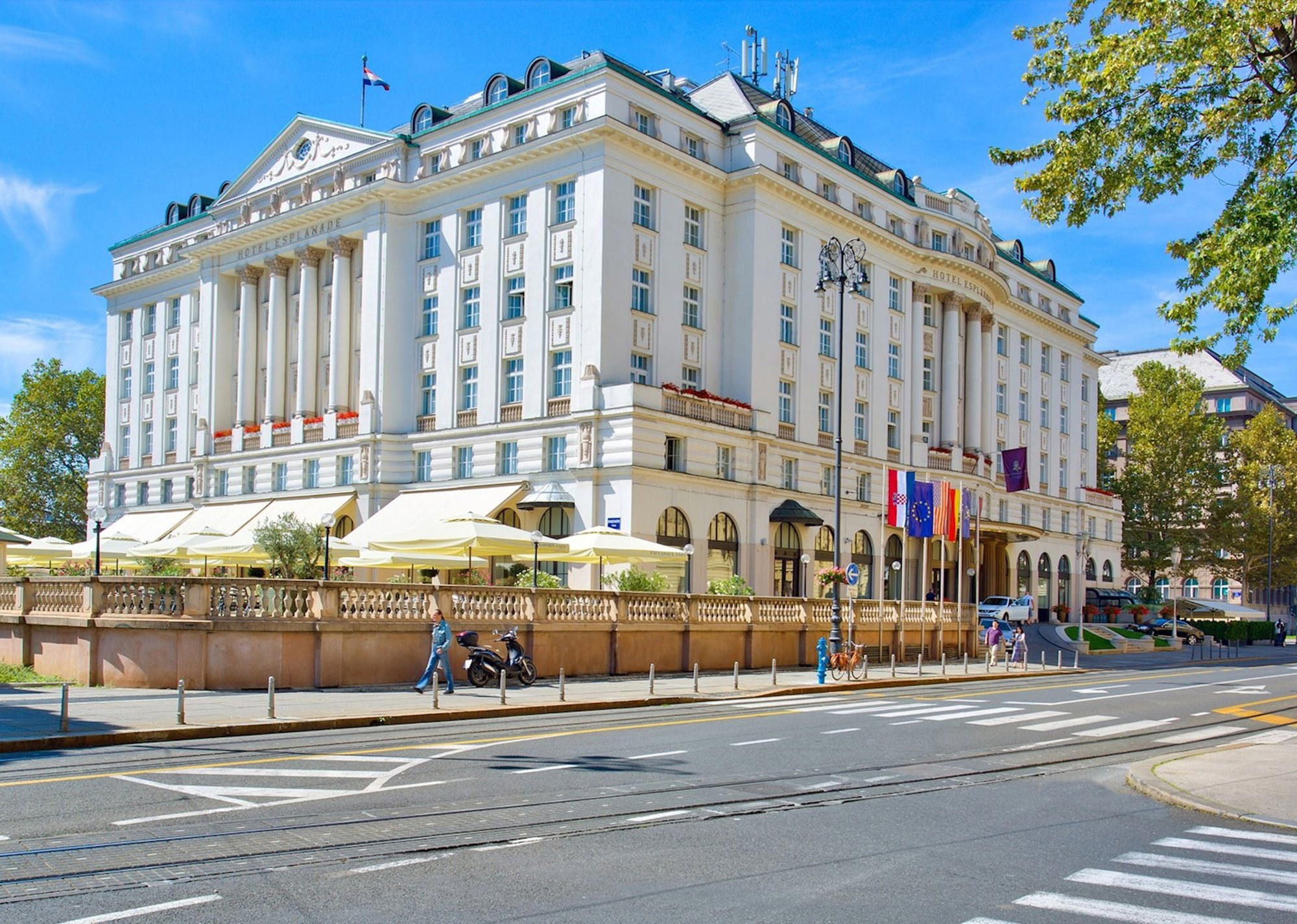
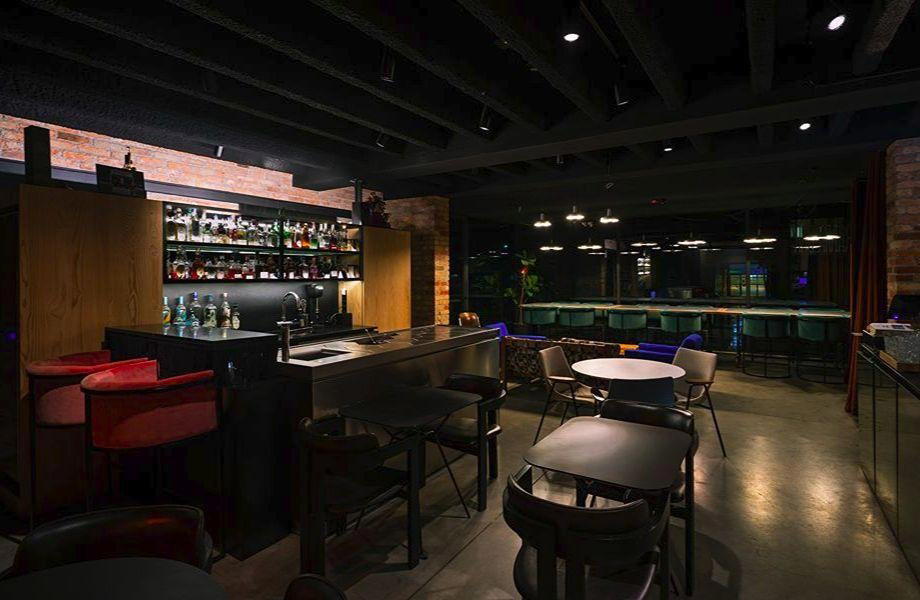
Bars in Zagreb
Browse all →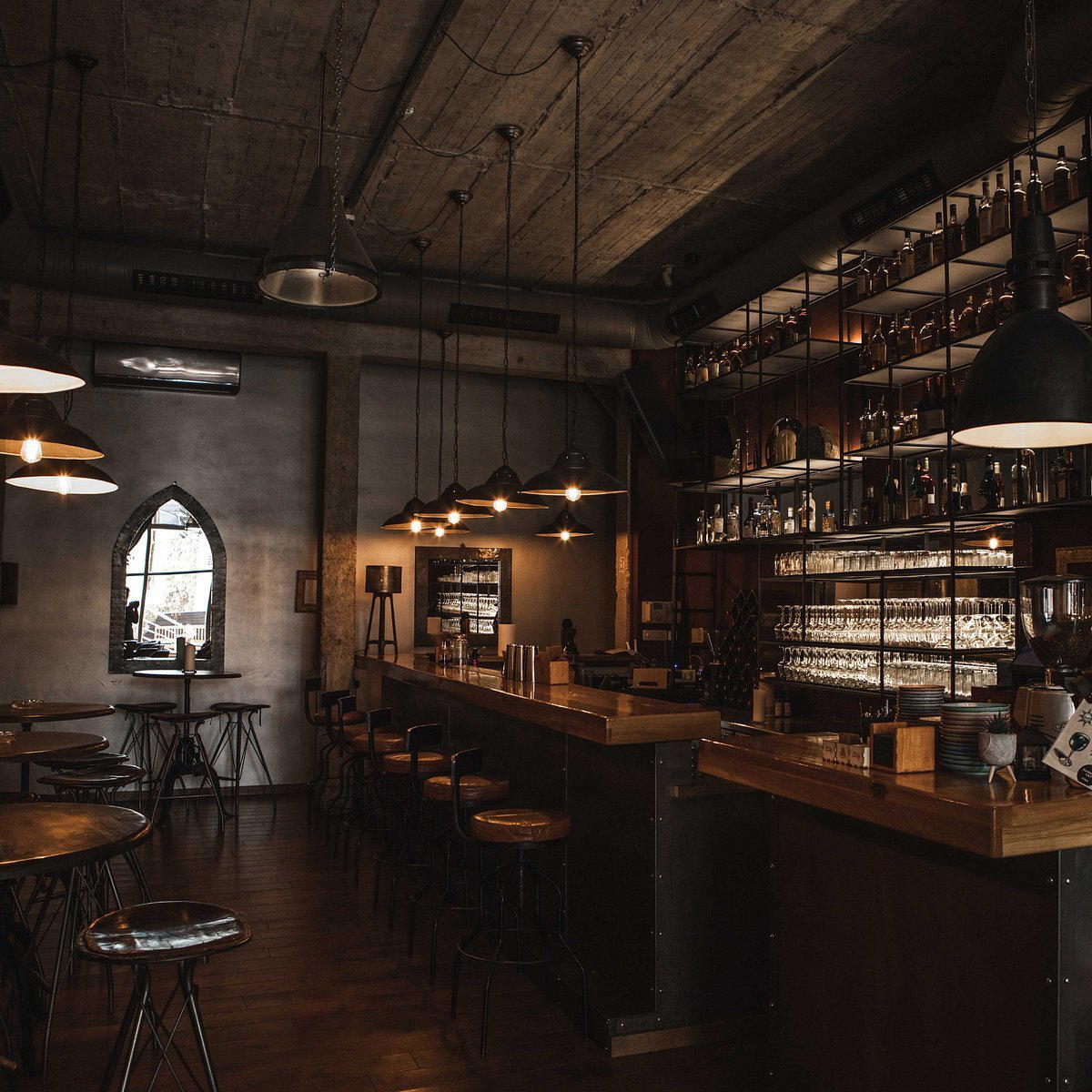
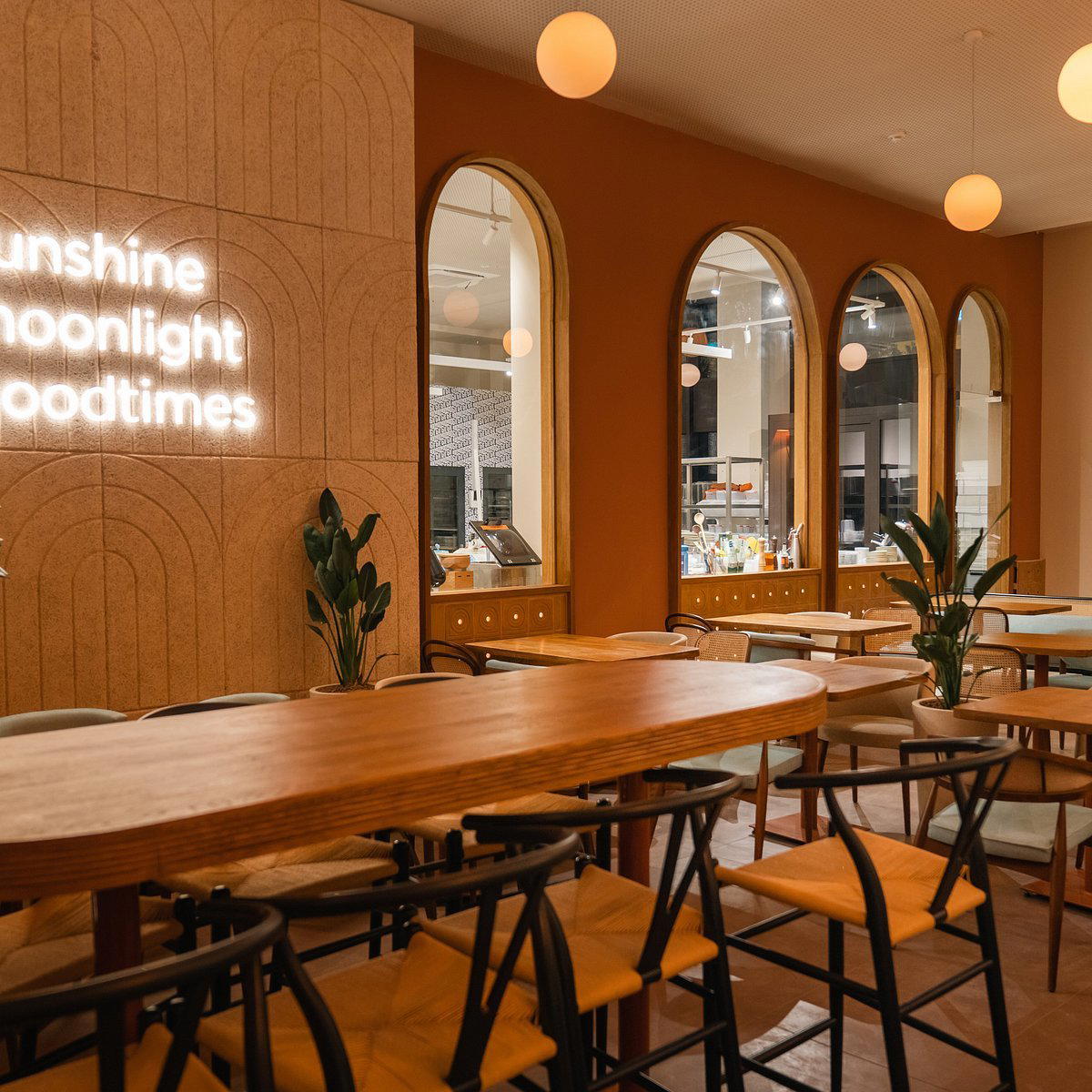
Restaurants in Zagreb
Browse all →
Wineries in Zagreb
Browse all →
At a Glance
- Modern
- Elegant
- Sophisticated
- Trendy
- Business Trip
- Weekend Escape
- Group Retreat
- Wellness Retreat
- Terrace
- Design Destination
- Wi Fi
- Fitness Center
- Spa
- Business Center
- Restaurant
- Bar
- Room Service
- Parking
- Wi Fi
- Fitness Center
- Spa
- Business Center
- Restaurant
- Bar
- Room Service
- Parking
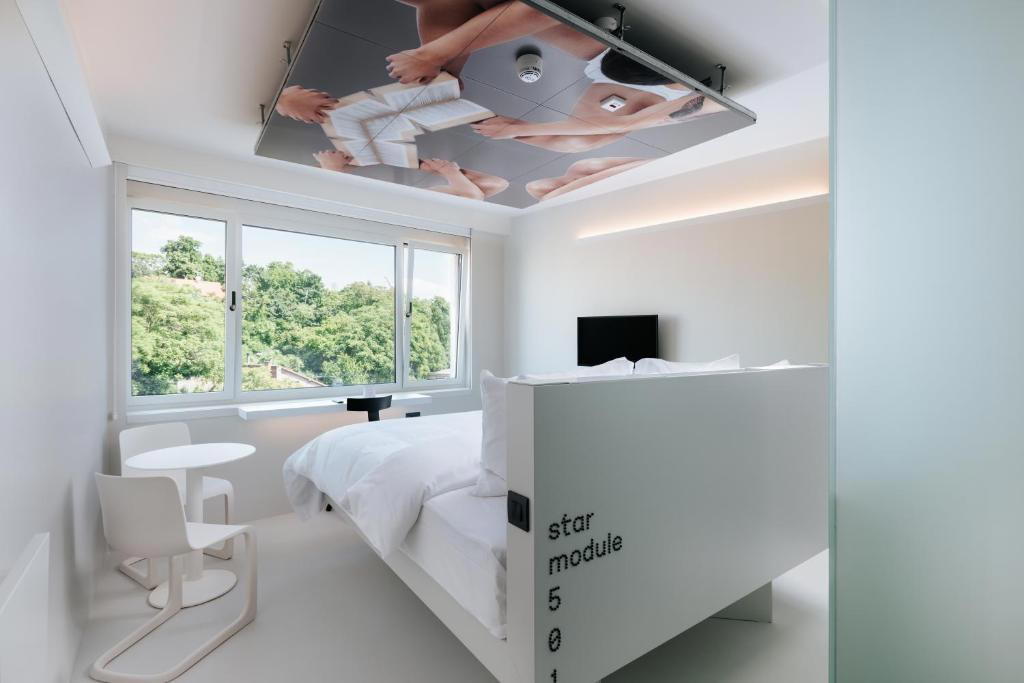
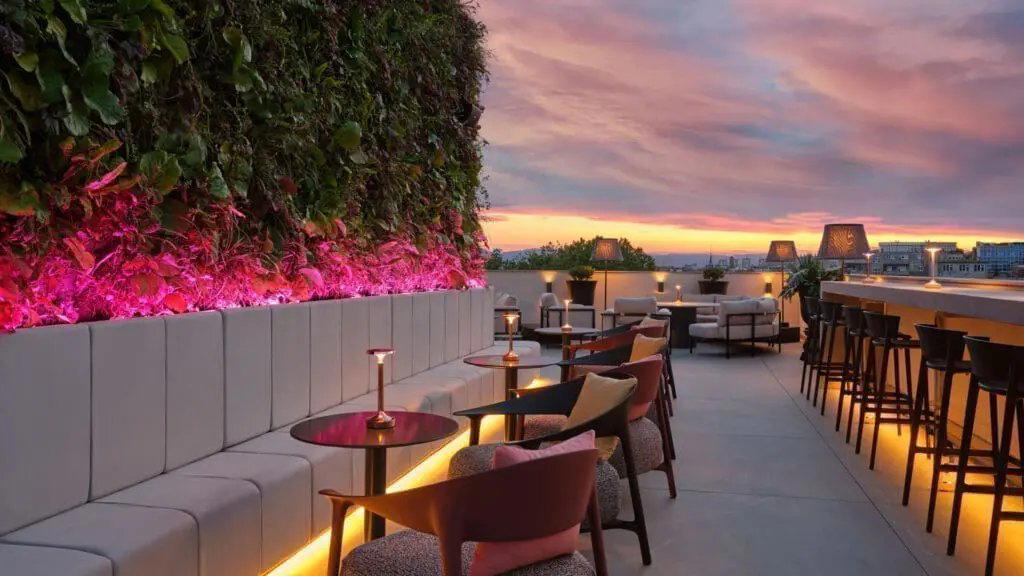
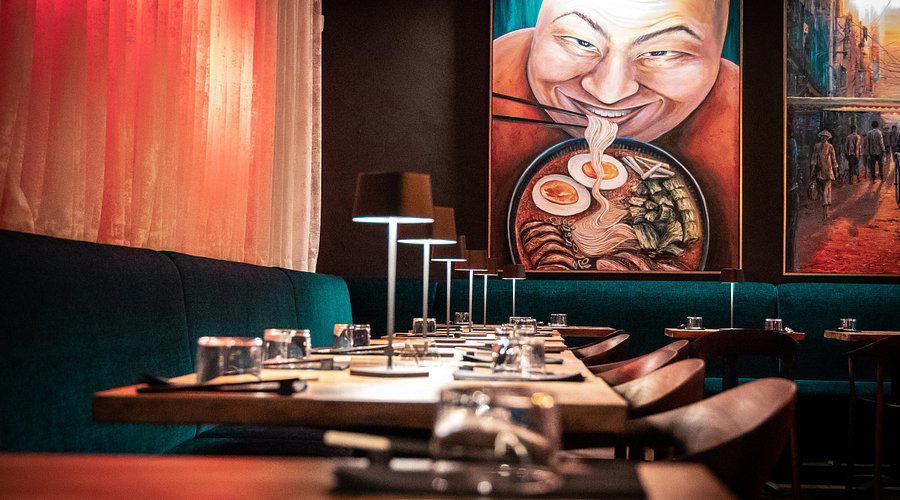
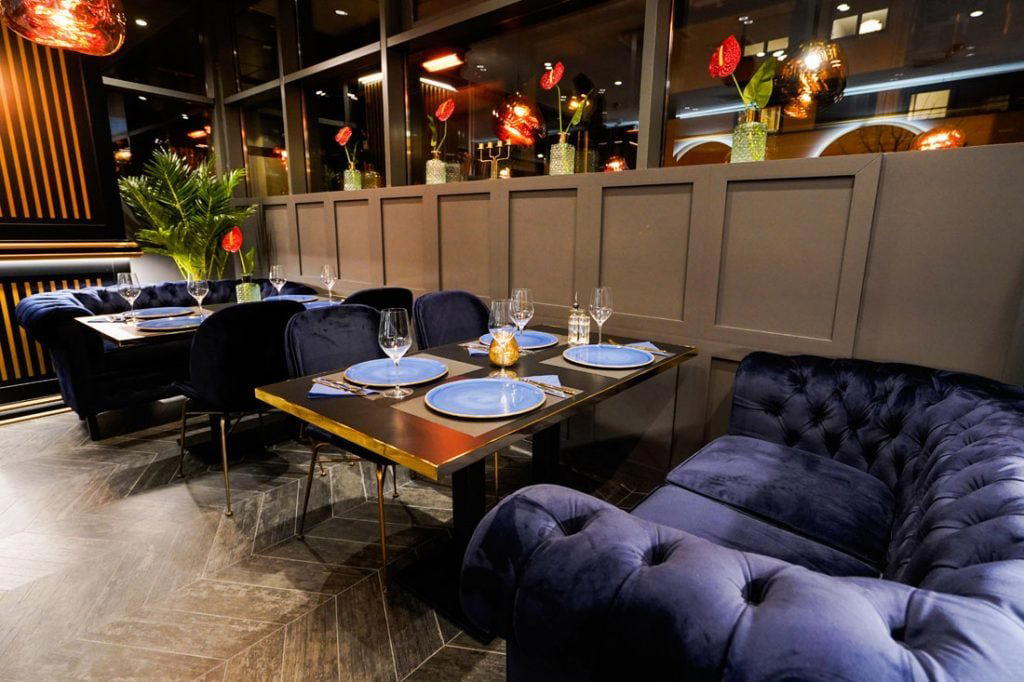
Modern and welcoming, with warm neutral tones, artistic accents, and an urban business-leisure feel that balances productive workspaces with relaxed social areas, a lively lobby bar, and a spacious terrace.