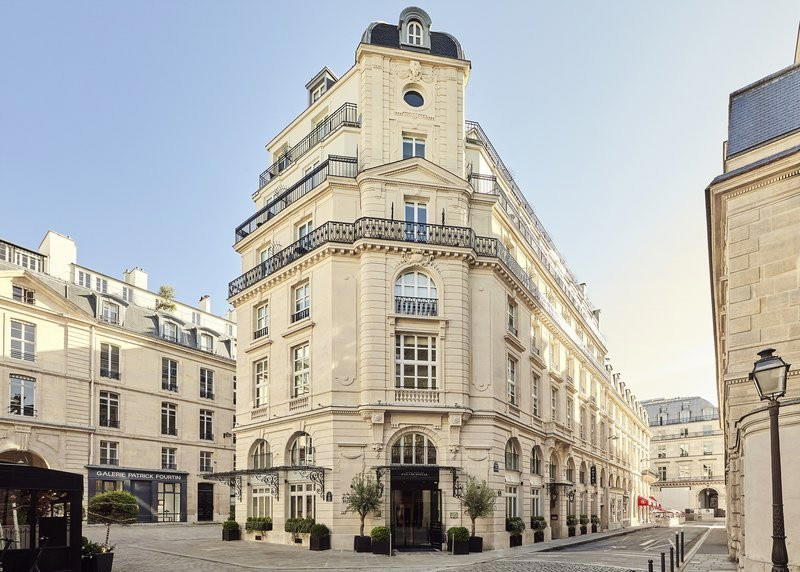
Positioned on the edge of the Marais where the 3rd and 4th arrondissements meet, Turenne Le Marais sits in one of Paris's most historically layered neighbourhoods, drawing visitors who want proximity to the Place des Vosges, the Jewish quarter on Rue des Rosiers, and the city's densest concentration of galleries without sacrificing comfort. Compared to the grand-palace hotels of the 8th, this address trades ceremony for neighbourhood character.

Pearl is the En Primeur Club membership app, where members save venues, book tables and use the concierge.

Where the Marais Puts Down Roots
The stretch of Rue de Turenne that runs north from the Place des Vosges toward the upper Marais functions as a kind of seam between two distinct versions of the neighbourhood. To the south and west lie the heavily trafficked tourist corridors of the 4th arrondissement, the Musée Picasso, the Centre Pompidou, the restored hôtels particuliers turned into galleries. To the north, the 3rd arrondissement retains a quieter, more residential grain, with fewer coach parties and a higher proportion of ateliers and contemporary art spaces. A property at 6 Rue de Turenne sits precisely at this hinge point, which gives it a geographic utility that the grander addresses on the Rive Gauche or near the Champs-Élysées do not offer. For visitors whose itinerary is weighted toward the Marais rather than the traditional luxury corridors of the 8th, the positioning makes practical sense in a way that Cheval Blanc Paris, Le Meurice, or the Four Seasons George V cannot replicate from the other bank or the western arrondissements.
The Marais as a Dining and Cultural Address
Paris's hospitality geography has never been monolithic. The palace hotels clustered around the Triangle d'Or, properties like the Hotel Plaza Athénée, the Hôtel de Crillon, and La Réserve Paris, serve a particular kind of Paris visit: one organized around the grandes maisons, the haute couture houses on Avenue Montaigne, and formal multi-course dining at restaurants that make reservations difficult months in advance. The Marais operates on different logic. Its cultural significance is older in some respects, the Place des Vosges dates to 1612 and remains one of the most coherent examples of planned urban architecture in European history, but its current energy is more heterogeneous. The Jewish quarter on Rue des Rosiers carries culinary traditions rooted in Ashkenazi and Sephardic immigration that predate the neighbourhood's contemporary reputation as a design district. Falafel counters that have operated for decades sit a few hundred metres from concept stores and the kind of natural wine bars that opened in the last ten years. That layering is the cultural argument for the Marais as a base, and a property on Rue de Turenne sits inside it rather than adjacent to it.
This matters because Paris increasingly rewards visitors who choose a neighbourhood base over a landmark-hotel base. The Le Bristol Paris and the Airelles Château de Versailles address work for a different travel architecture, one where the hotel itself is part of the programme. A Marais address works when the neighbourhood is the programme, when the visit is structured around gallery openings in the 3rd, Sunday markets at the Bastille, or the dense concentration of independent restaurants that spread through the lower Marais toward Saint-Paul.
Context Within the French Hospitality Register
France's premium accommodation offer outside Paris has matured considerably over the past two decades. Properties like Domaine Les Crayères in Reims, Les Sources de Caudalie in Bordeaux, and Baumanière Les Baux-de-Provence have established that French regional hospitality can compete with, and in some respects exceed, what Paris offers in terms of cuisine-territory integration and architectural character. The implication for Paris-based properties is that they must earn their position through either institutional prestige (the palace classification, the Michelin-starred restaurant, the historic address) or neighbourhood specificity. A Rue de Turenne address earns its case through the latter, not the former. Its competitive reference points are the mid-scale and design-led properties that have proliferated in the Marais and adjacent arrondissements over the past fifteen years.
Across the south of France, properties such as Hotel Du Cap-Eden-Roc in Cap d'Antibes, La Réserve Ramatuelle, and The Maybourne Riviera compete on landscape and privacy in ways that a Paris city property cannot. The urban address trades those qualities for access, density of cultural programming, proximity to specific cuisine traditions, and the kind of spontaneous itinerary that emerges when you are embedded in a functioning neighbourhood rather than insulated from it.
Planning a Stay: What the Address Dictates
Rue de Turenne is walkable to the Place des Vosges in under five minutes, and to the Musée Picasso and the Musée Carnavalet within ten to fifteen minutes on foot. The Bastille market, which runs on Thursday and Sunday mornings, is reachable on foot going south. Saint-Paul is the nearest Métro station for connections to the rest of the city, with Chemin Vert providing an alternative to the north. For visitors arriving at Charles de Gaulle, the RER B to Châtelet followed by a short Métro or taxi connection is the standard route; journey time from the airport is typically fifty to seventy minutes depending on connection timing. For those building a broader French itinerary around this Paris base, the Gare de Lyon is accessible within twenty minutes by public transport and connects directly to Provence, the Rhône Valley, and the Mediterranean coast, which makes day trips to wine regions or onward connections to properties like Villa La Coste in Le Puy-Sainte-Réparade or La Bastide de Gordes logistically direct.
For visitors combining Paris with the Italian peninsula, the overnight or high-speed rail connection from Gare de Lyon to Turin and Milan is worth knowing about; Aman Venice is a reasonable onward stop for those extending east. For New York-based travellers arriving directly into CDG, the contrast between the concentrated urban energy of the Marais and the quieter institutional register of properties like Aman New York or The Fifth Avenue Hotel is part of what makes a Marais base feel genuinely different in character.
See our full Paris restaurants guide for coverage of where to eat across the city's arrondissements, including the Marais dining scene in more detail.
Compact Comparison
A quick snapshot of similar venues for side-by-side context.
| Venue | Price | Awards |
|---|---|---|
| Turenne Le MaraisThis venue (the venue you are viewing) | $100–200 | Not listed |
| Cheval Blanc Paris | $2,500+ | 3 Michelin Keys · World's 50 Best #20 |
| Le Meurice | $1,000–1,500 | 3 Michelin Keys · La Liste Top Hotels |
| Shangri-La Paris | $1,000–1,500 | 1 Michelin Key · La Liste Top Hotels |
| The Peninsula Paris | $1,000–1,500 | 2 Michelin Keys · La Liste Top Hotels |
| Soho House Paris | $300–500 | 1 Michelin Key · Vogue 2026 Vogue Best Hotels in Paris |
Continue exploring
More in Paris
Hotels in Paris
All hotels in Paris →
Bars in Paris
All bars in Paris →

Details
- Elegant
- Modern
- Cozy
- Sophisticated
- Romantic Getaway
- Weekend Escape
- Historic Building
- Wi Fi
- Air Conditioning
- Concierge
- Room Service
- Street Scene
- Elevator
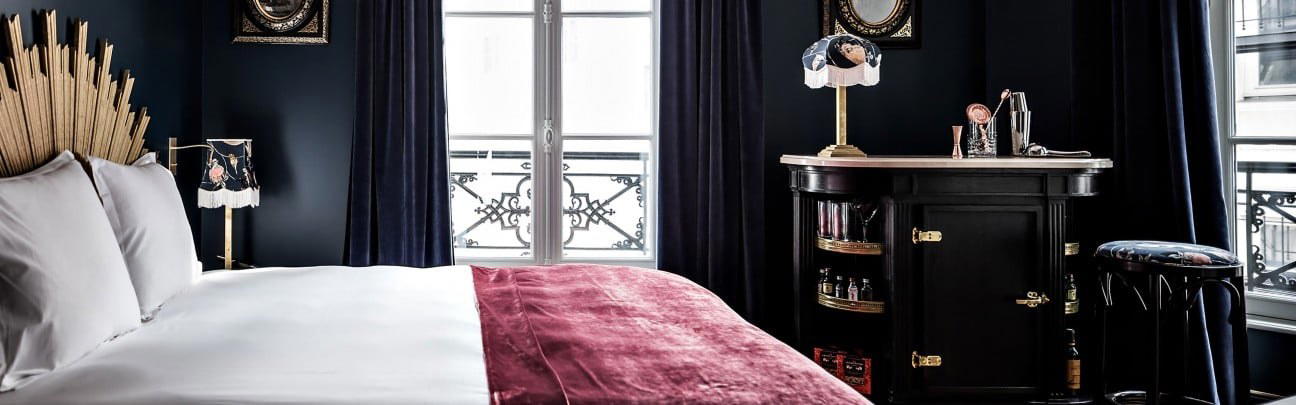
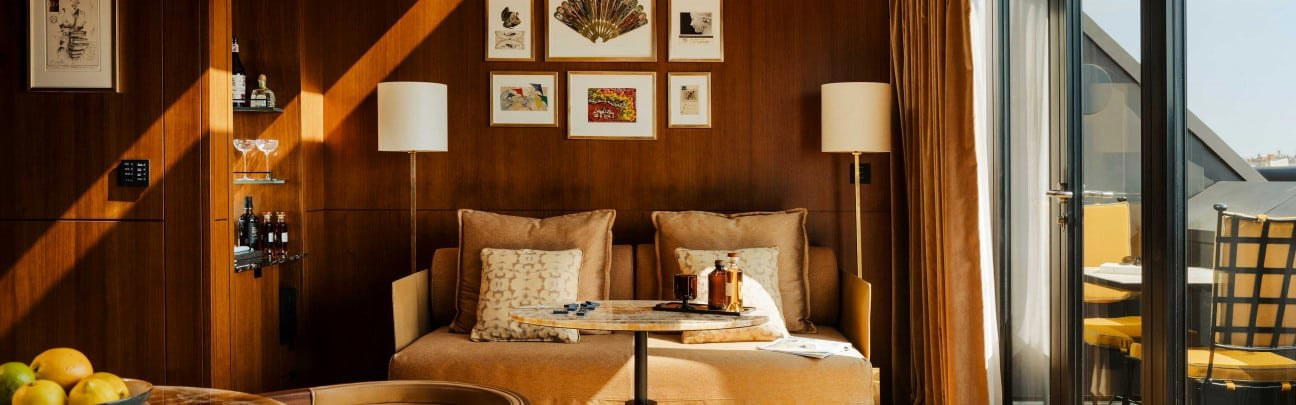
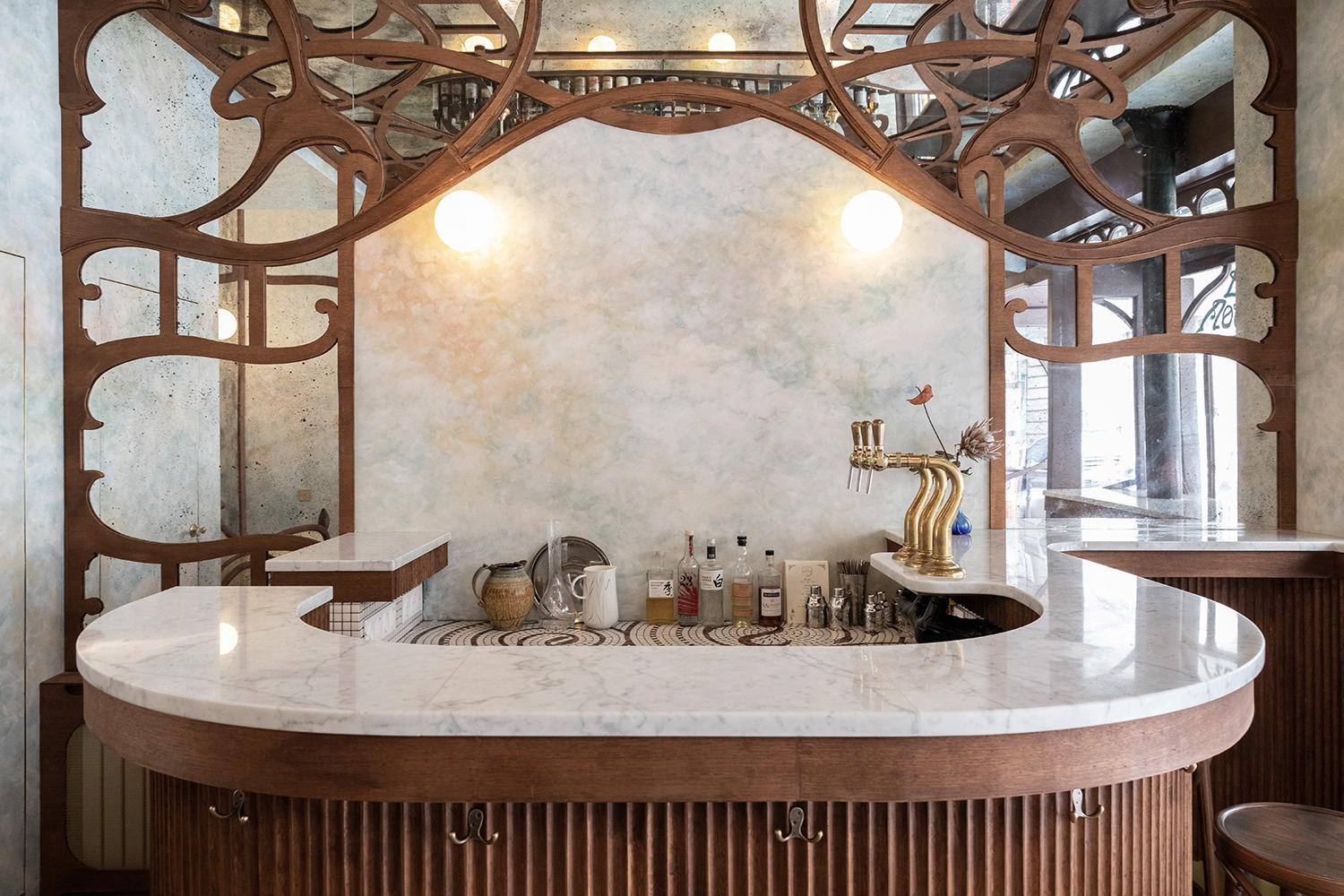
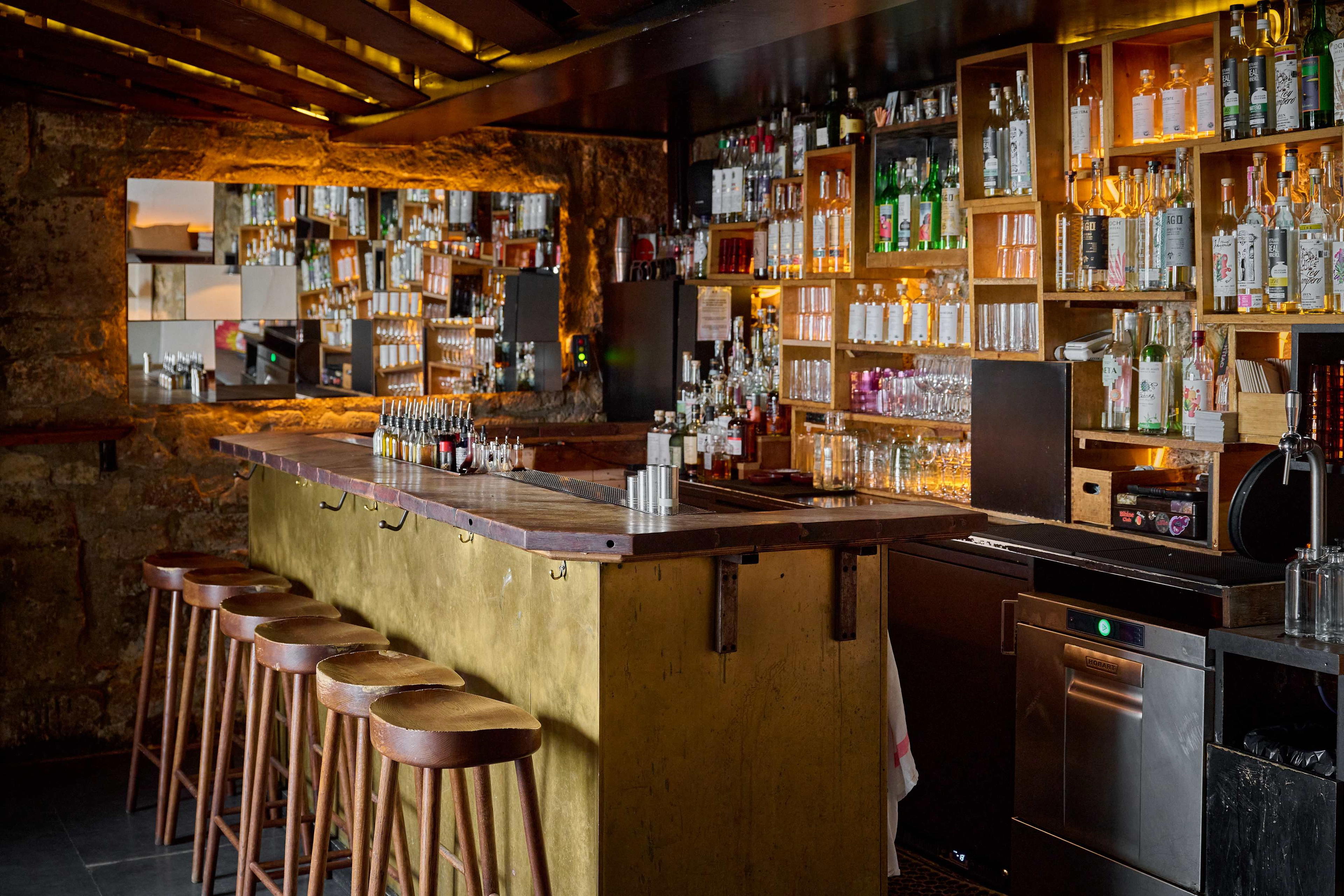
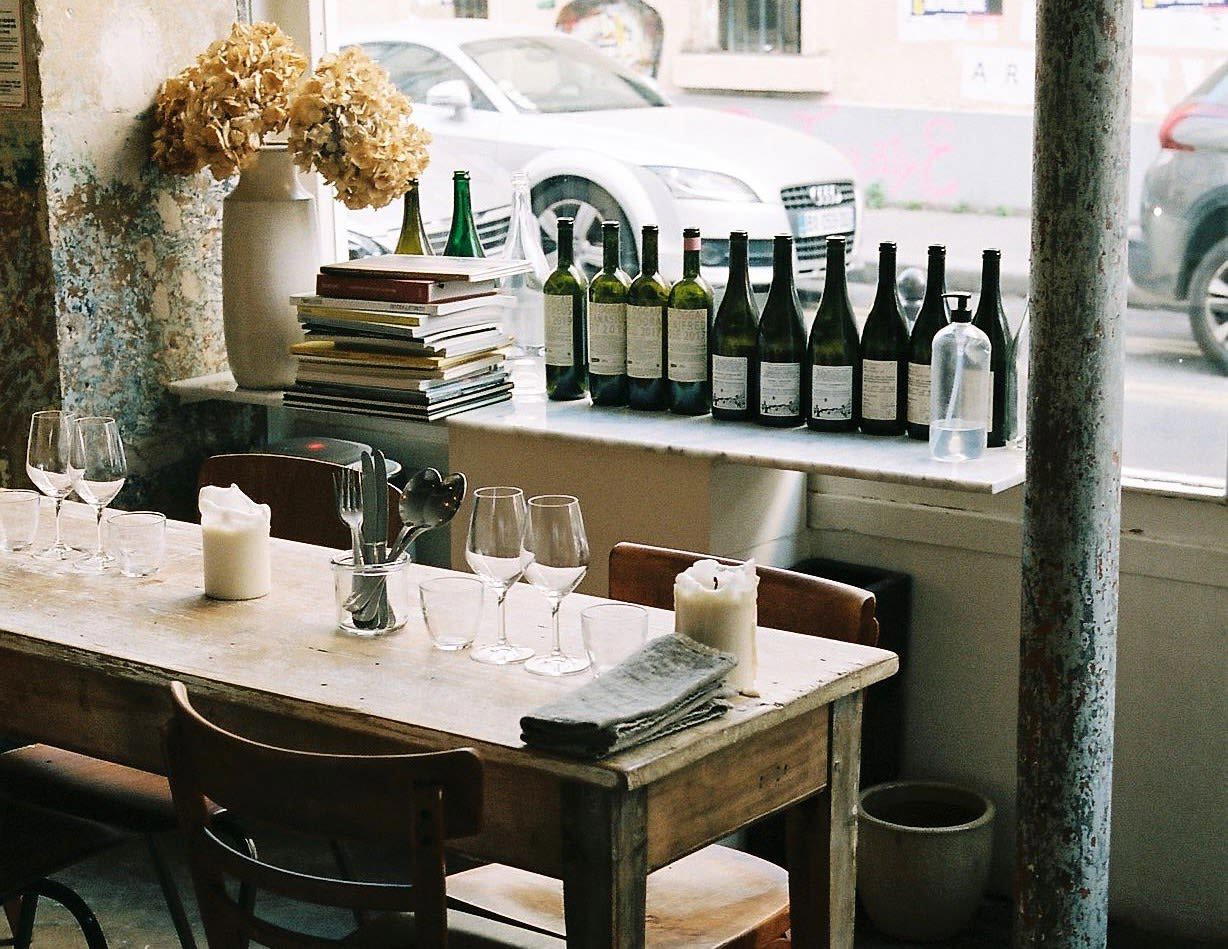
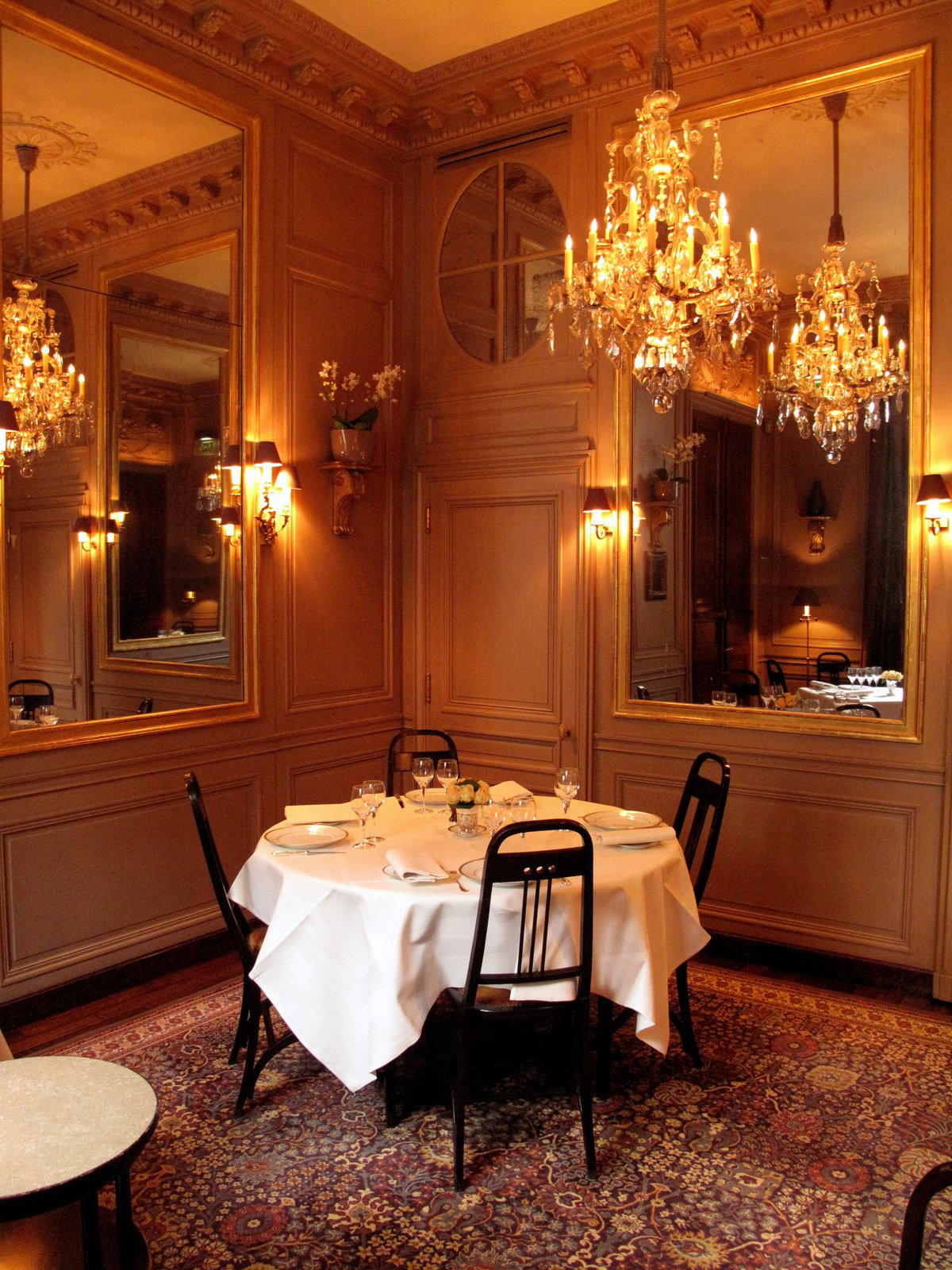
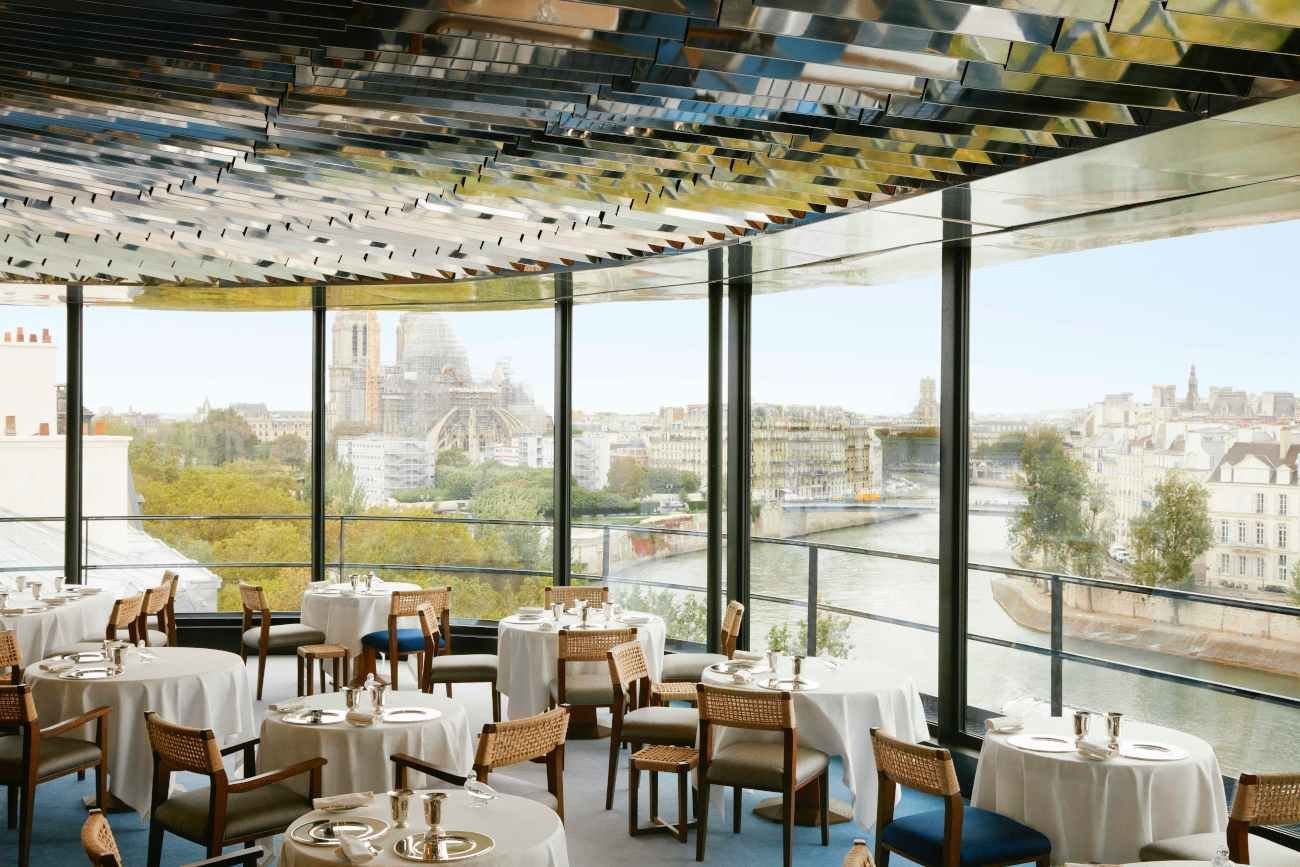
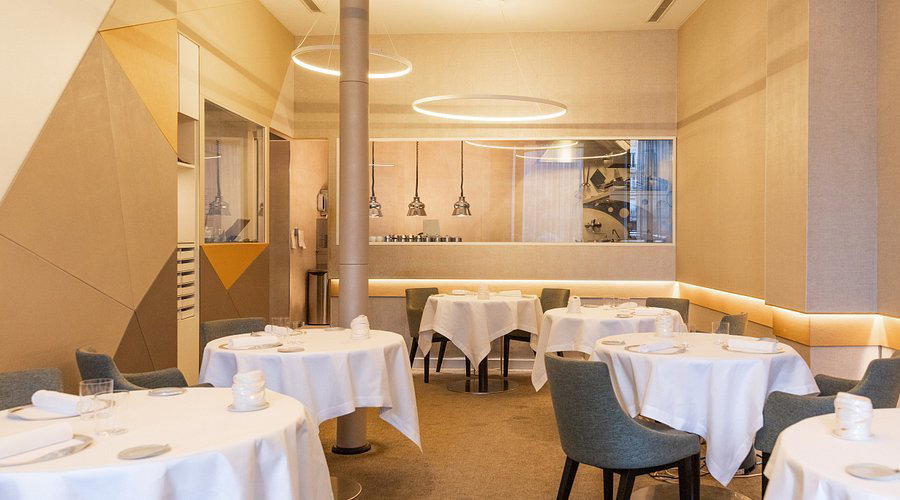
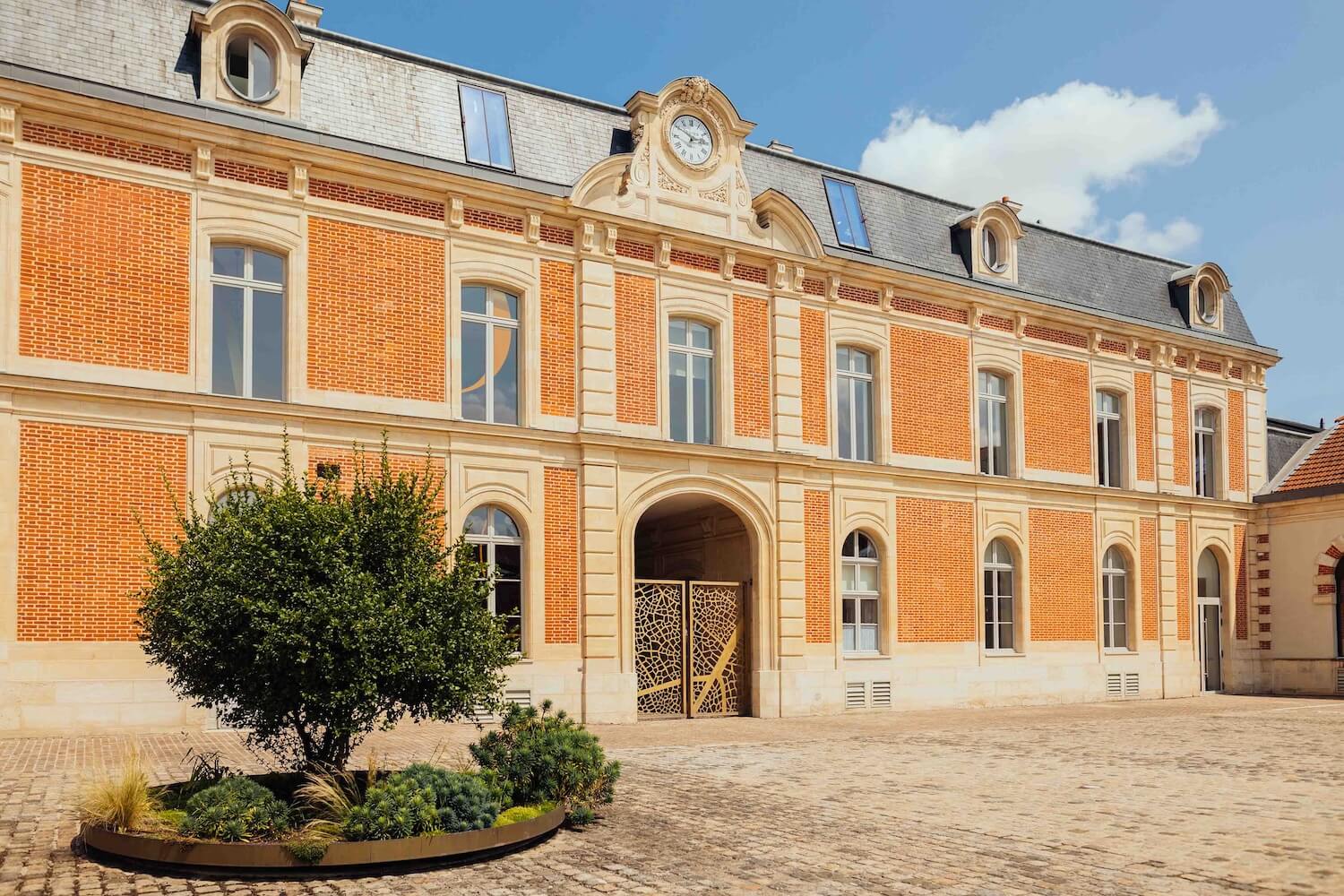
Light and bright contemporary atmosphere with refined elegant decor, quiet and bathed in natural light.