Kimpton Miralina Resort & Villas
Paradise Valley resort culture is defined by low desert horizons, Camelback Mountain views, and architecture that performs better when it listens to the terrain. Kimpton Miralina Resort & Villas belongs in that conversation as a design-led resort address rather than a purely service-led hotel, useful for travelers comparing the area’s villa, spa, and retreat formats.
Pearl is the En Primeur Club membership app — saves, bookings, and concierge access live there. Same editors, same standards.
- Address
- Paradise Valley, United States
 Saves & bookings on Pearl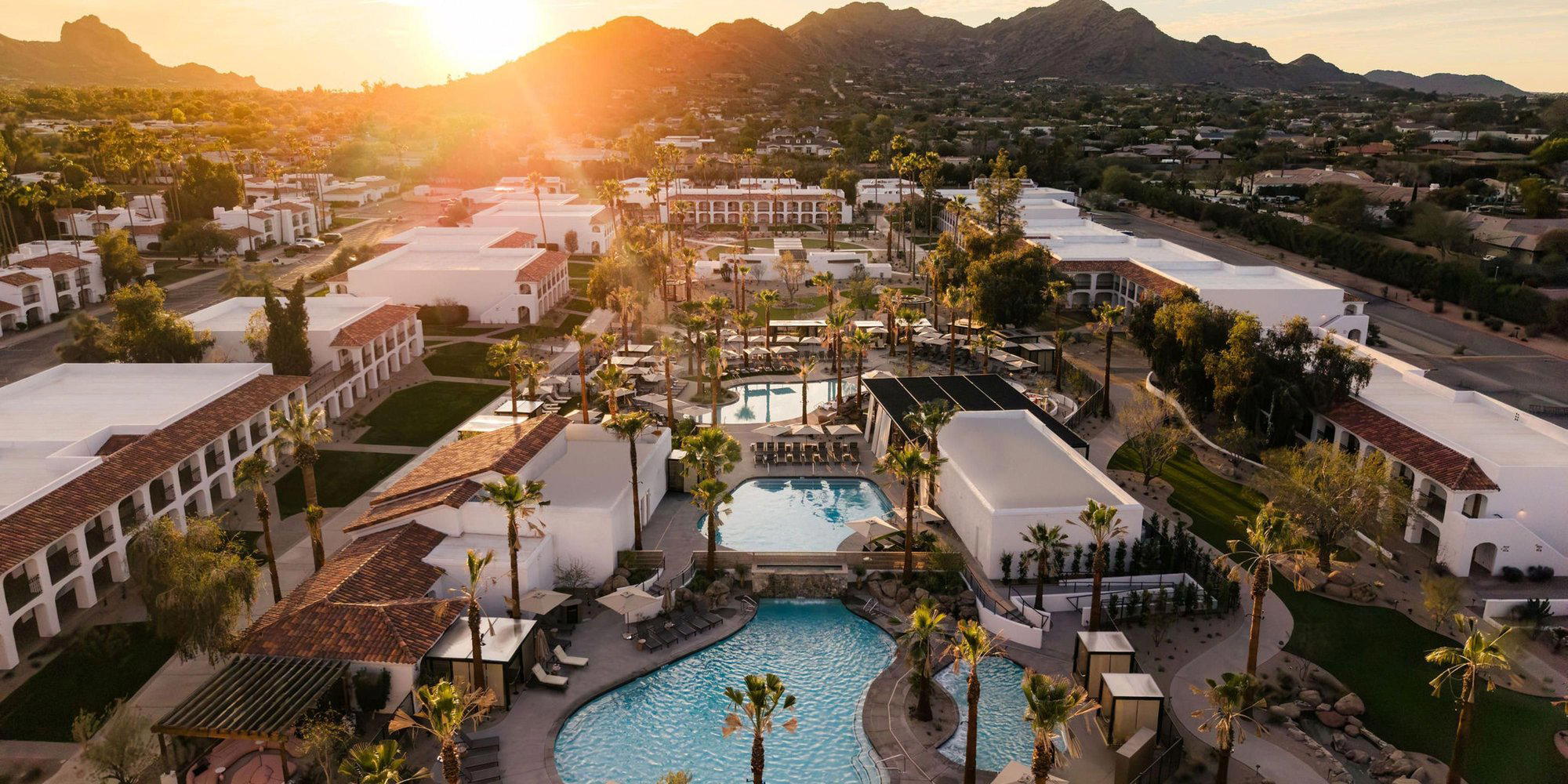
Desert architecture before hotel theater
Paradise Valley announces itself through scale rather than spectacle: broad roads, low walls, mountain silhouettes, and the dry brightness of the Sonoran Desert. A resort here succeeds when the building line does not fight that horizon. Kimpton Miralina Resort & Villas enters a market where architecture is part of the hospitality argument, not decoration added after the fact. This 4-star resort in Paradise Valley has 404 rooms and villas. The relevant question is not only where a guest sleeps, but how the property handles glare, shade, arrival sequence, outdoor living, and the tension between privacy and resort energy.
That makes the address part of a distinct Paradise Valley hotel set. The area does not behave like downtown Phoenix, where convenience and business travel often drive the brief, or like parts of Scottsdale, where nightlife, golf, and retail can dominate the stay. Paradise Valley luxury is quieter and more residential in mood. Resorts tend to trade on space, mountain orientation, spa culture, and a sense of removal from the city without requiring a remote itinerary. In that context, a villas component matters: it signals a guest who wants resort infrastructure but not the feeling of a conventional hotel corridor.
The design conversation around Kimpton Miralina Resort & Villas is therefore less about a single decorative language than about category position. It sits among properties where the physical environment has to justify the trip: pools need to feel like daytime rooms, terraces need shade with purpose, and landscaping has to acknowledge desert conditions rather than masking them. In Paradise Valley, the strongest hotel experiences are built around transitions between inside and outside. The approach, the lobby threshold, the route to the room, and the movement toward water all carry as much weight as a formal restaurant or a lobby bar.
How Paradise Valley resorts compete
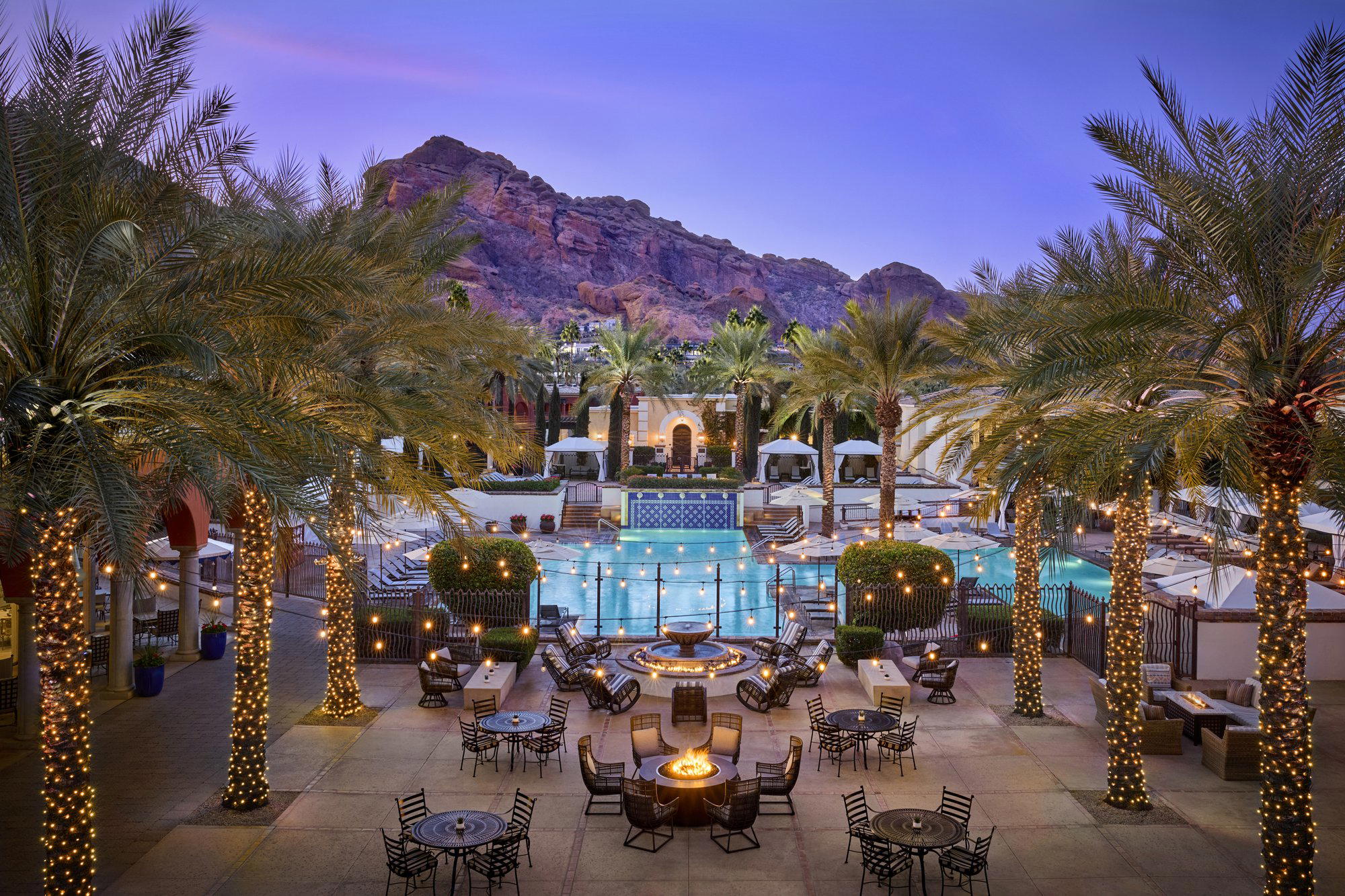
The local comparable set is unusually instructive because each major property defines a different reading of desert leisure. Mountain Shadows Resort Scottsdale reads as a mid-century-inflected resort with a sharper design cadence and golf-adjacent rhythm. Andaz Scottsdale Resort & Bungalows leans into bungalow-style spacing and a more contemporary resort-village feel. Omni Scottsdale Resort & Spa at Montelucia works at larger resort scale, where spa, dining, and event infrastructure form a more comprehensive compound.
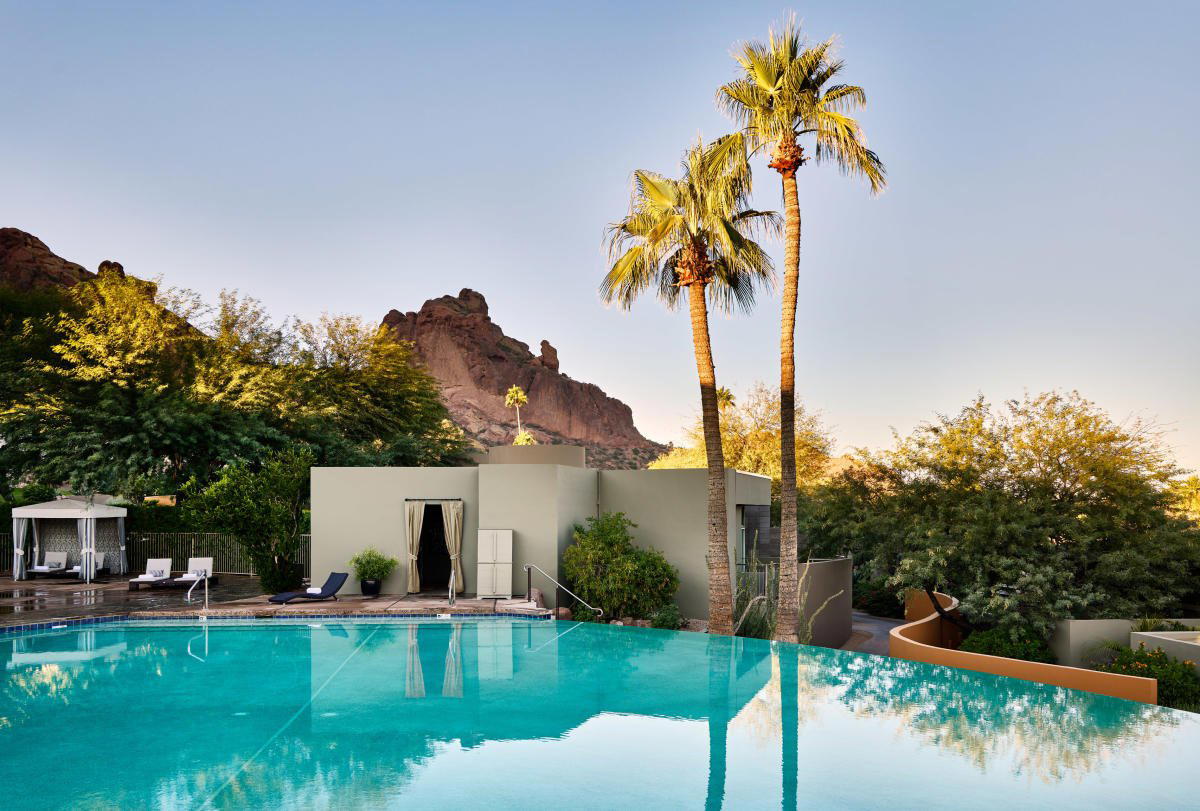
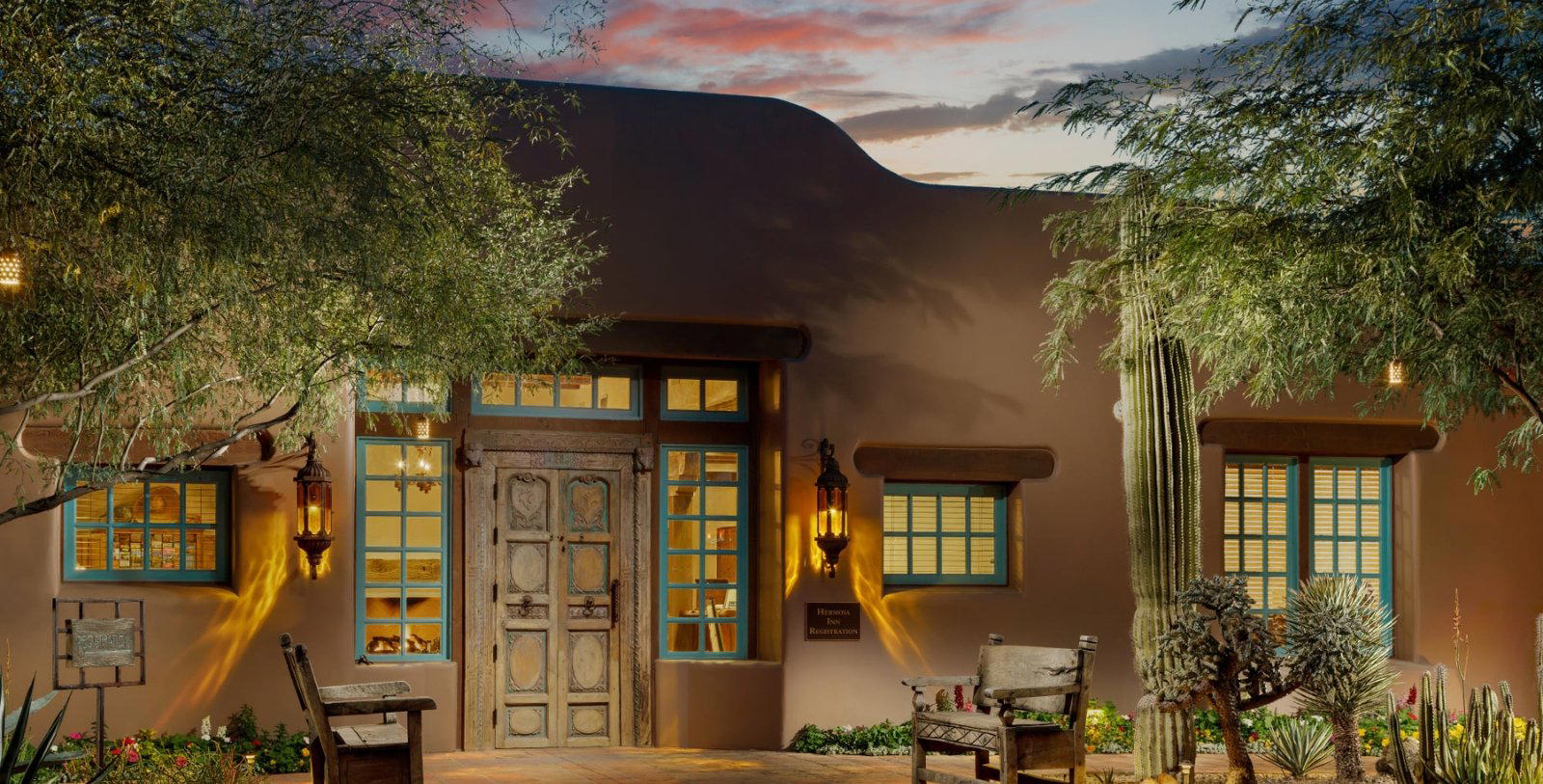
Other addresses sharpen the comparison. Sanctuary Camelback Mountain Resort and Spa is tied closely to the Camelback Mountain resort tradition, while Sanctuary Camelback Mountain Resort & Spa also appears in the local bar conversation, a reminder that resort identity in this part of Arizona often extends beyond rooms. The Hermosa Inn represents the more intimate, historic-inn side of the valley, with a scale and atmosphere that differ from the larger resort compounds. Against those references, Kimpton Miralina Resort & Villas is best understood as a resort-villa proposition inside a town where privacy, outdoor rooms, and architecture carry real editorial weight.
That comparison is useful because Paradise Valley can look deceptively simple from a map. The city sits between Phoenix and Scottsdale, but the hotel decision is not a matter of choosing the nearest bed. Travelers are choosing a version of desert life. One version is golf-and-pool; another is spa-and-view; another is bungalow seclusion; another is historic inn intimacy. A villas-oriented resort format belongs to the branch of the market where a guest values residential breathing room while keeping access to resort services. That is a different decision from booking a high-rise urban hotel or a maximal destination resort.
Atmosphere, space, and the villa question
In warm-climate luxury, villas change the psychology of a stay. They reduce dependence on public corridors and shared lobbies, and they make the day feel less scheduled. That matters in the Phoenix area, where mornings and late afternoons often carry the outdoor appeal while midday heat can send the rhythm indoors or toward shaded water. A resort with villas can serve guests who want to move between room, terrace, pool, and dining without feeling that every transition is public performance.
There is also a design discipline to this format. Villas only work when they are more than larger keys. They need thresholds: a sense of arrival, a place to sit outside, a practical relationship to light, and enough separation to justify the category. What can be said with confidence is that the name itself places the property in the resort-and-villas segment, a segment that carries expectations around residential space, longer-stay comfort, and a less compressed daily routine.
Paradise Valley is well suited to that expectation. The town’s resort culture has long relied on the drama of mountains and the promise of low-density escape. Unlike dense beach destinations, where water frontage can force hotel buildings into vertical competition, this desert market rewards horizontal composition: courtyards, paths, gardens, casitas, and villas. The appeal is not only privacy. It is the way a stay can be paced around sun, shade, and distance from city noise.
Dining, drinking, and the limits of available detail
For a resort page, dining matters, but the available record does not list a cuisine type, chef, signature dishes, restaurant hours, or bar program. That absence should not be filled with invention. The better editorial approach is to place the property inside the wider Paradise Valley dining frame. Resort dining in this area tends to function as part of the stay rather than a separate urban pilgrimage: breakfast before a hike or pool day, shaded lunch, drinks timed to sunset, and dinner that does not require driving back through the metro area.
Travelers building a food-focused itinerary should treat the hotel decision and the restaurant decision as connected but not identical. Paradise Valley has a resort-heavy dining culture, and the strongest nights often come from choosing a property base that matches the desired pace, then using nearby restaurants and bars selectively. For wider planning, Our full Paradise Valley restaurants guide is the more precise place to compare tables, while Our full Paradise Valley bars guide helps separate resort lounges from dedicated drinking rooms. If wine is part of the trip, Our full Paradise Valley wineries guide provides the broader category view, though Paradise Valley itself is not a wine-region stay in the way Napa or Sonoma is.
The practical implication is simple: do not choose this resort on the basis of an invented chef narrative or a dish list not supplied in the record. Choose it, if it fits, for the resort format, the Paradise Valley setting, and the villa signal. Then build dining around confirmed venues and current hours. In a market with heat, high seasonal demand, and resort-driven staffing rhythms, same-day assumptions can create friction.
Planning a stay in the Phoenix resort calendar
Timing matters in the Sonoran Desert. The Phoenix and Paradise Valley high season generally concentrates around cooler months, especially from late autumn through spring, when outdoor dining, hiking, golf, spa days, and pool time are easier to combine. Summer changes the equation. Rates can be more attractive across the metro area, but heat reshapes the day, placing greater value on shaded design, pools, indoor amenities, and early starts. That seasonal split is one of the clearest logistical facts a traveler should account for before comparing resorts.
Because those fields are unavailable, planning should be handled through confirmed booking channels rather than assumptions about rates or inclusions. For peak-season weekends, holidays, spring training periods, major events in the Phoenix area, and school-break windows, a longer planning window is sensible. For midweek summer dates, availability across the region can be more flexible, though heat rather than scarcity becomes the central planning constraint.
Location planning should also be handled at the neighborhood level rather than by invented distance claims. Paradise Valley is positioned for resort travelers who want access to both Scottsdale and Phoenix without sleeping in either city’s densest zones. That makes it useful for guests pairing pool time with restaurants, spas, galleries, golf, or desert drives. For a wider lodging comparison, Our full Paradise Valley hotels guide gives the area view, while Our full Paradise Valley experiences guide helps plan the non-room parts of a stay.
Design-led resort travel beyond Arizona
Paradise Valley belongs to a larger American pattern: luxury hotels increasingly compete through a strong relationship to place rather than through generic polish. In New York, The Fifth Avenue Hotel in New York City makes the case through dense urban character and historic fabric. In Los Angeles, The Beverly Hills Hotel in Los Angeles carries a different kind of cultural memory, tied to neighborhood mythology and long-running hospitality codes. In the desert Southwest, Amangiri in Canyon Point is a reference point for architecture that treats the surrounding land as the main event.
Other comparisons show how setting changes the brief. Troutbeck in Amenia draws from Hudson Valley estate culture. Four Seasons at The Surf Club in Surfside works with club history and oceanfront glamour. Raffles Boston in Boston belongs to an urban luxury model where verticality, service layers, and city access matter. SingleThread Farm Inn in Healdsburg ties lodging to an acclaimed restaurant ecosystem, while Kona Village, A Rosewood Resort in Kailua Kona places resort life inside a Hawaiian coastal framework.
The mountain and wine-country references add further texture. Sage Lodge in Pray is shaped by Montana scale and outdoor access. Auberge du Soleil in Napa links luxury lodging to vineyard-country dining and valley views. Post Ranch Inn in Big Sur shows how architecture can defer to coastline and cliff. European grand-hotel codes operate differently again at Hôtel de Paris Monte-Carlo in Monte Carlo, Badrutt's Palace Hotel in St. Moritz, and Aman Venice in Venice. These comparisons clarify the Paradise Valley brief: desert resorts are judged by how convincingly they turn climate, horizon, and low-density space into daily comfort.
Editorial verdict
Kimpton Miralina Resort & Villas is most compelling as part of Paradise Valley’s design-and-space conversation. The available record does not support claims about awards, star rating, chef credentials, signature rooms, rates, or specific amenities, so the responsible recommendation stays focused on what the category and location can support. Travelers looking for a resort base in Paradise Valley should compare it against the area’s established resort and inn formats, with particular attention to whether a villas-led stay better suits their rhythm than a larger compound or a smaller historic property.
The decision comes down to travel style. Guests who want an urban hotel with walk-out nightlife should look elsewhere in the Phoenix-Scottsdale area. Guests who want desert quiet, resort pacing, and a physical setting where architecture matters in the experience have a more coherent reason to consider this address. In Paradise Valley, the room is only part of the product. The stronger question is how the property choreographs arrival, shade, privacy, and outdoor time across the day.
In Context
Comparable venues nearby, for context on price, style, and recognition.
| Venue | Cuisine | Price | Awards | Notes |
|---|---|---|---|---|
| Kimpton Miralina Resort & VillasThis venue — the venue you are viewing | Not listed | $$$$ | 4-Star | Not listed |
| The Hermosa Inn | Not listed | $$$$ | 4-Star | Paradise Valley, Historic Southwestern hacienda with personalized service |
| Omni Scottsdale Resort & Spa at Montelucia | Not listed | $$$$ | 4-Star | Paradise Valley, Timeless Spanish village-inspired resort |
| Andaz Scottsdale Resort & Bungalows | Not listed | $$$$ | 4-Star | Paradise Valley, Private bungalow-style retreat with mid-century modern design inspired by desert artists. |
| Sanctuary Camelback Mountain Resort and Spa | Not listed | $$$$ | 5-Star | Paradise Valley, Luxury desert resort with manicured grounds and casita-style accommodations |
| Sanctuary Camelback Mountain Resort & Spa | Paradise Valley, Hotel | $$$$ | Not listed | Not listed |
Continue exploring
More in Paradise Valley
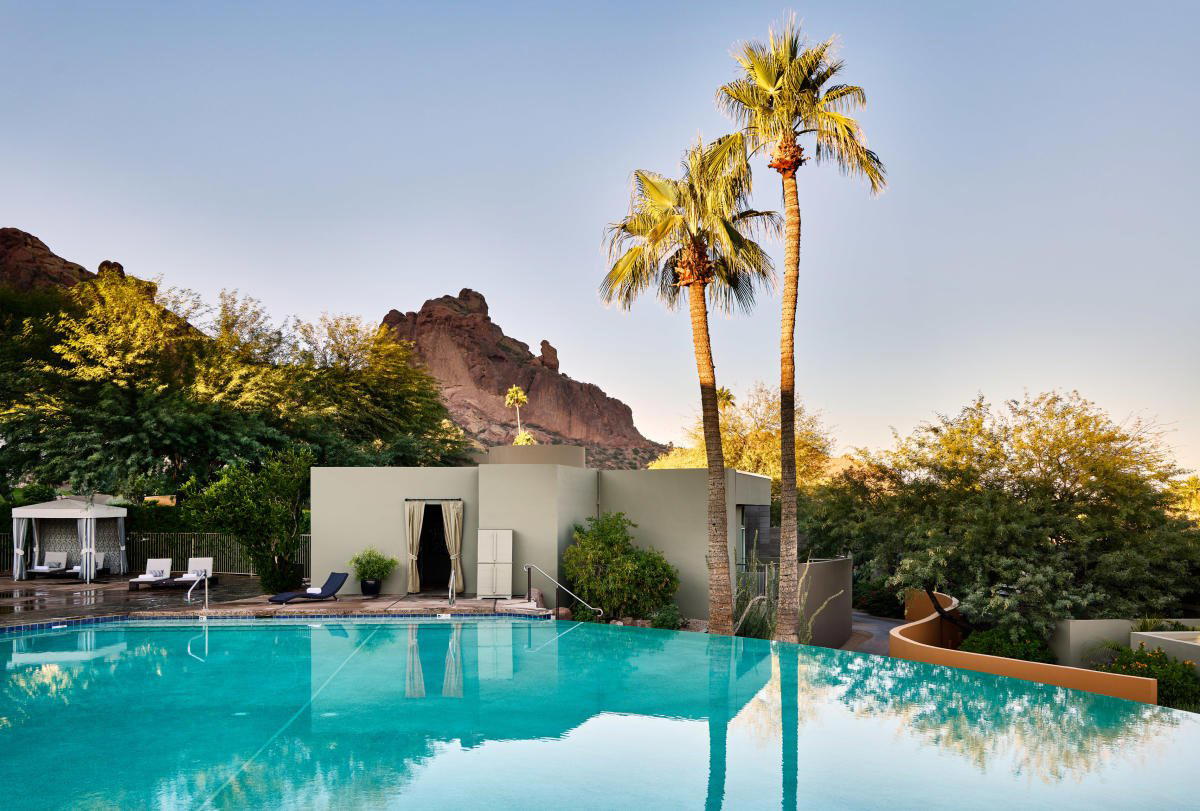
Hotels in Paradise Valley
Browse all →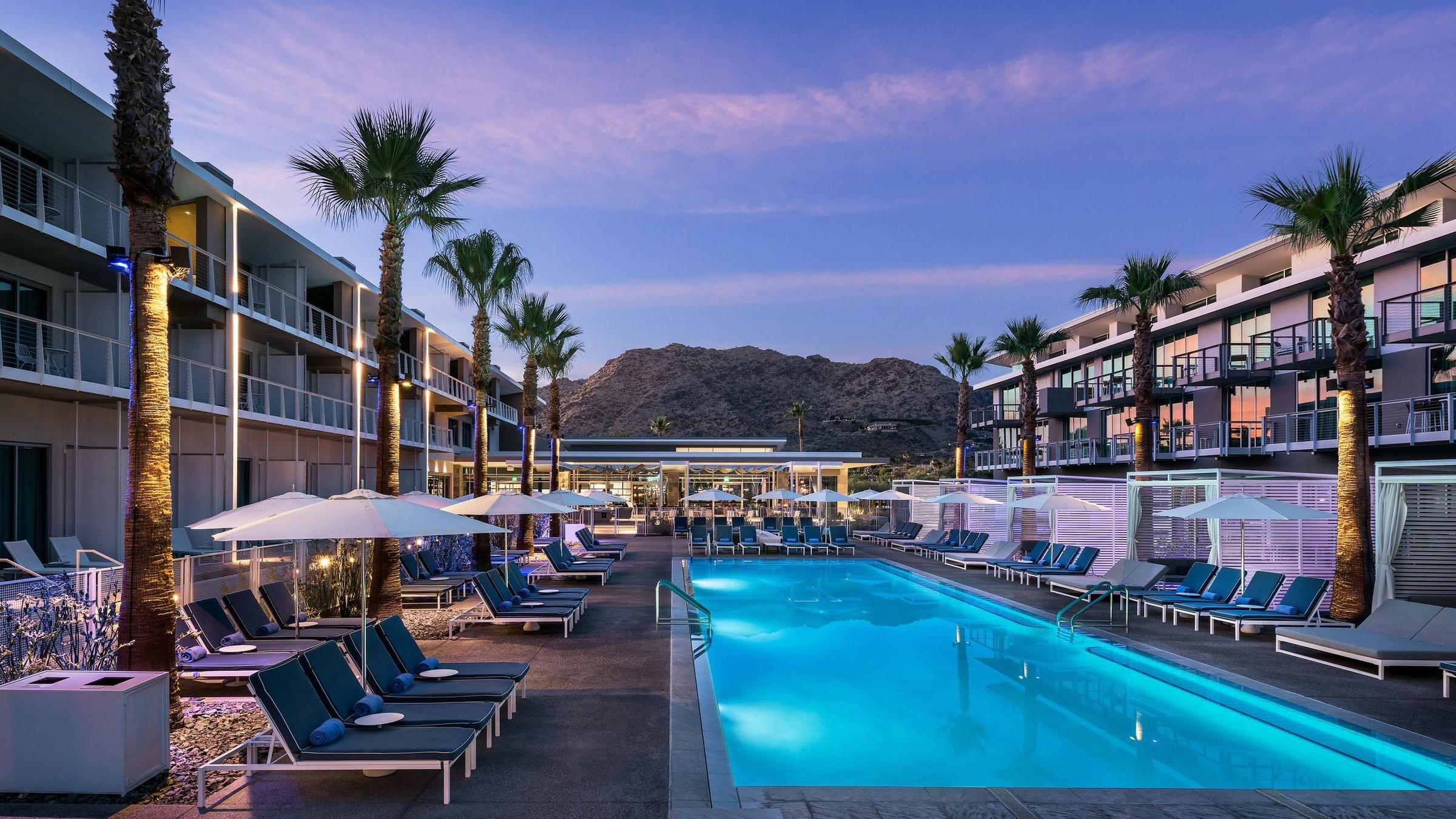
Bars in Paradise Valley
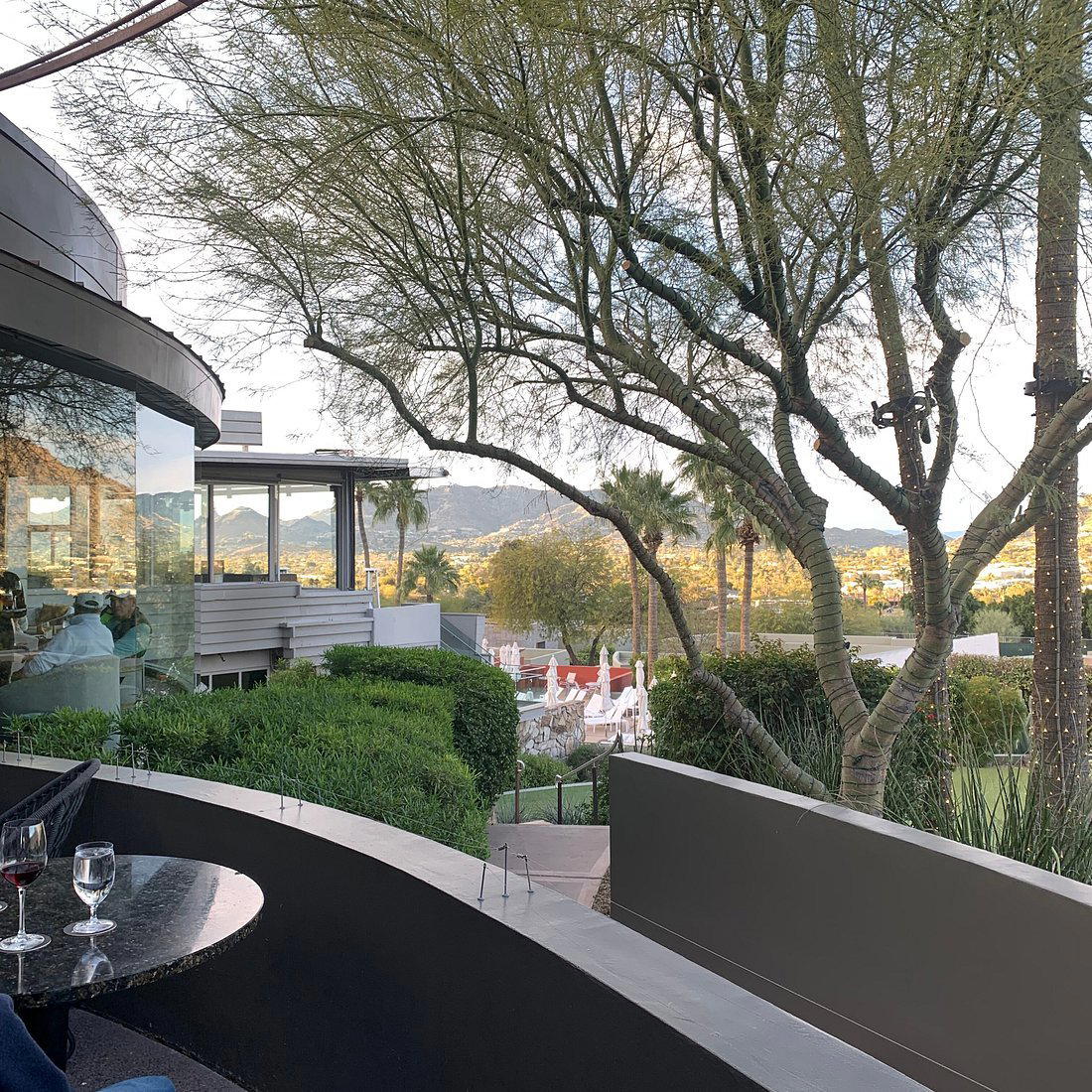
Browse all →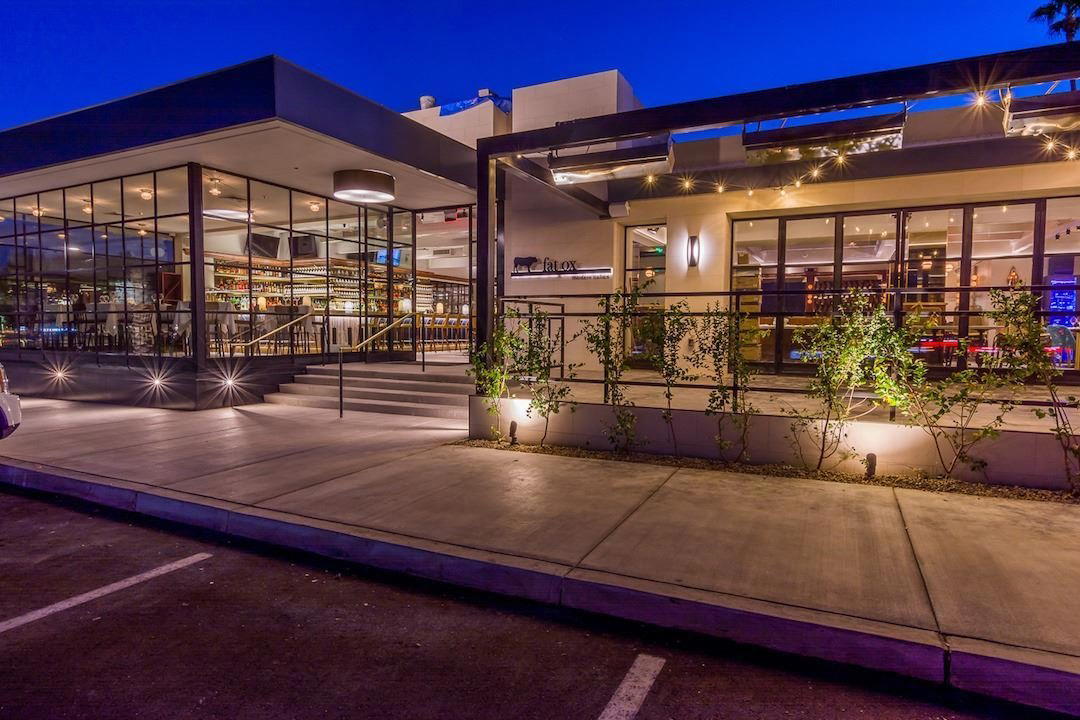
At a Glance
- Elegant
- Modern
- Scenic
- Sophisticated
- Romantic
- Romantic Getaway
- Family Vacation
- Wellness Retreat
- Weekend Escape
- Group Retreat
- Destination Wedding
- Design Destination
- Panoramic View
- Garden
- Terrace
- Destination Spa
- Private Villa
- Wi Fi
- Pool
- Spa
- Fitness Center
- Concierge
- Business Center
- Valet Parking
- Golf Course
- Mountain
- Garden
- Wi Fi
- Pool
- Spa
- Fitness Center
- Concierge
- Business Center
- Valet Parking
- Golf Course
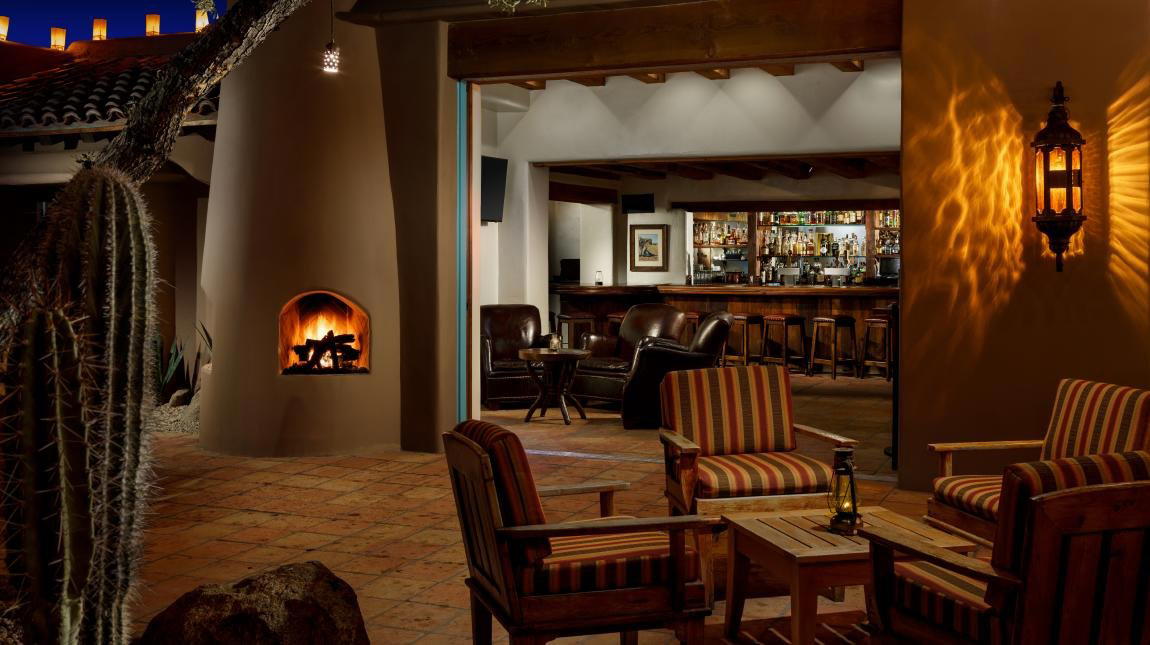
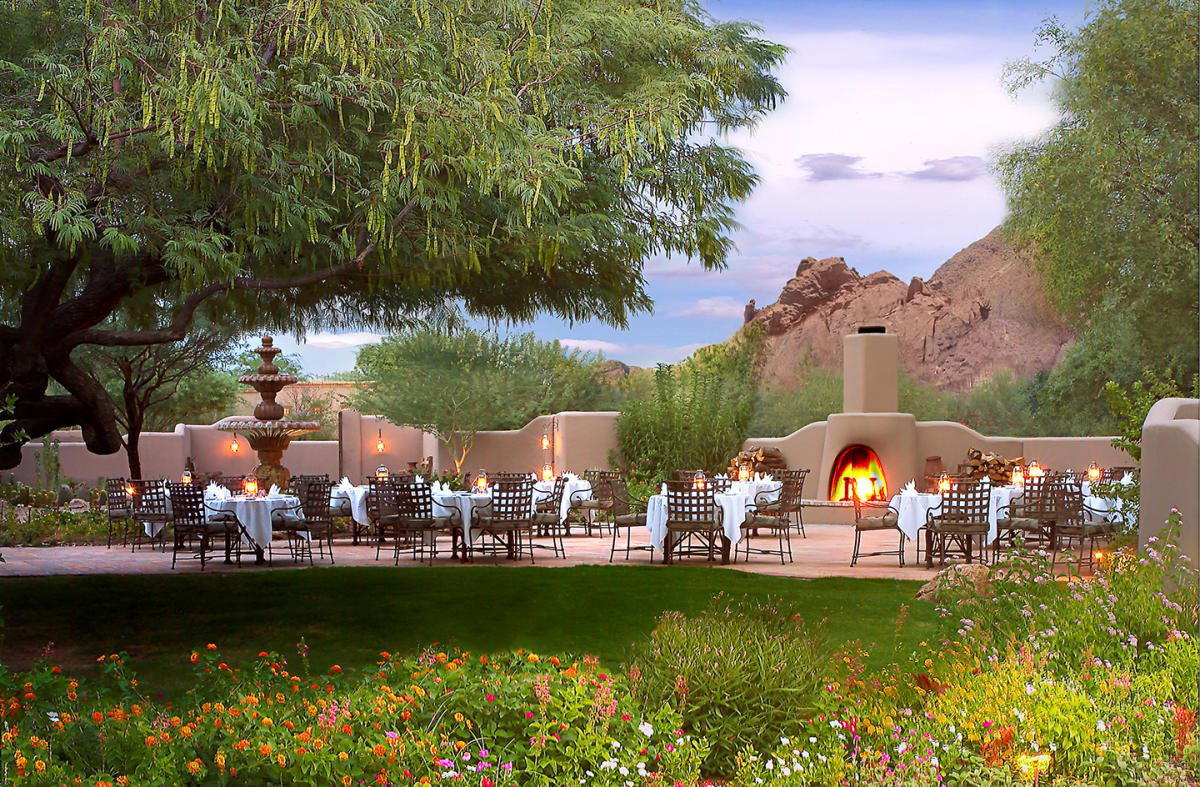
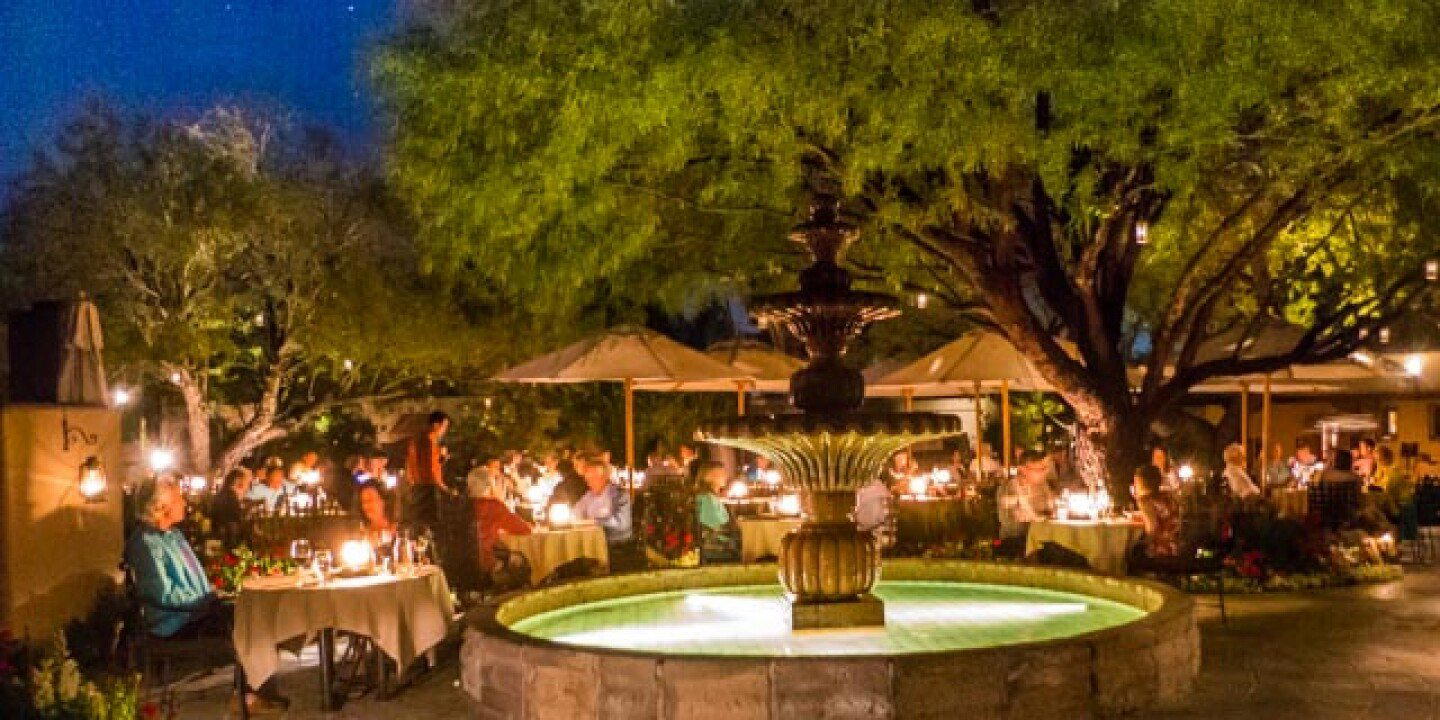
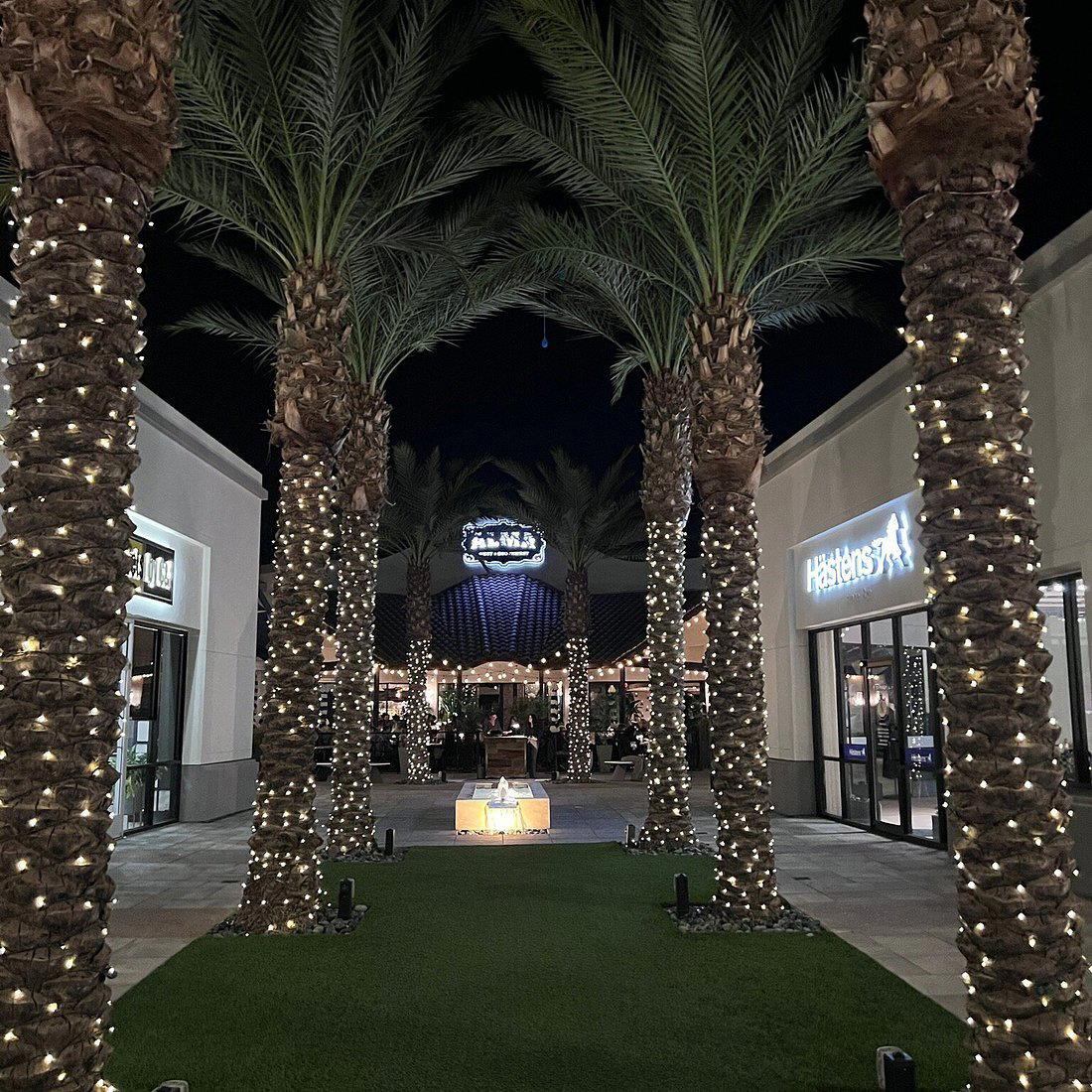
Relaxed but high-end desert luxury with residential-style interiors, natural materials, Sonoran colors, and lighting that shifts from sunlit open-air spaces by day to firelight and softly lit courtyards and pools by night.