W Scottsdale

Michelin Selected
W Scottsdale sits on Camelback Road in the heart of Old Town, positioning itself as the design-forward choice in a city where resort sprawl is the default mode. The hotel's angular architecture and high-contrast interiors place it in a different conversation than the canyon-resort properties that define Scottsdale's broader luxury tier — closer to urban boutique in spirit, whatever its room count.

Pearl is the En Primeur Club membership app — saves, bookings, and concierge access live there. Same editors, same standards.
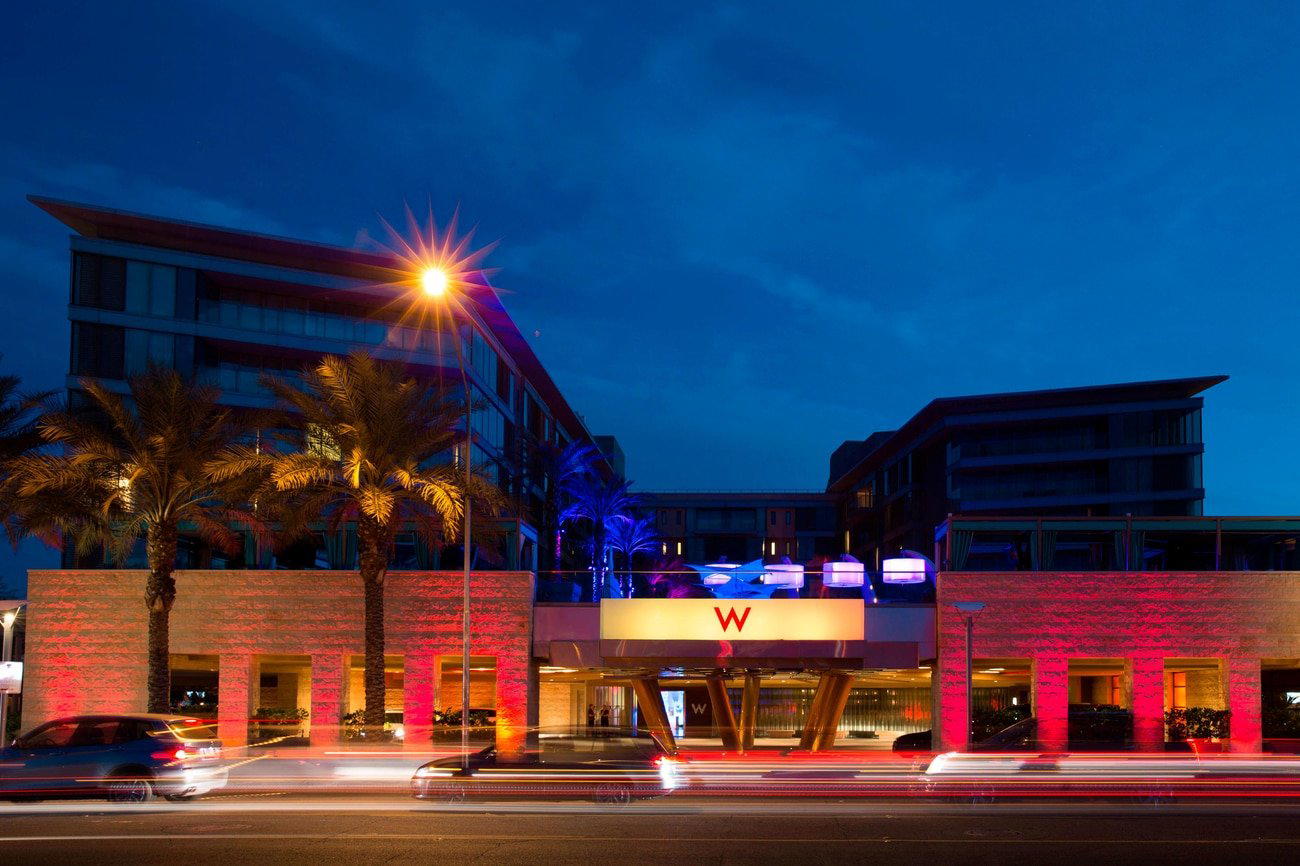
Steel, Glass, and Desert Heat: W Scottsdale in Its Urban Context
Scottsdale's hotel market divides cleanly into two camps: the spread-out resort properties anchored by desert acreage and spa programs, and the smaller, street-level properties that trade on proximity to Old Town's dining and nightlife grid. W Scottsdale belongs firmly to the second group, positioned at 7277 E Camelback Road where the city's commercial core meets its entertainment corridor. That address is a deliberate editorial statement about what kind of stay this is meant to be.
The W brand's design language, applied here, favors hard geometry and high contrast over the terracotta-and-water-feature vocabulary that most Scottsdale luxury properties default to. Where a property like the Four Seasons Resort Scottsdale at Troon North reads as an extension of its boulder-strewn landscape, W Scottsdale reads as a counterargument to it: glass facades, interior light that shifts with the time of day, and a public-space energy calibrated to feel more like a metropolitan hotel than a desert retreat. Whether that trade-off works for you depends entirely on why you're in Scottsdale.
The Design Logic of the Space
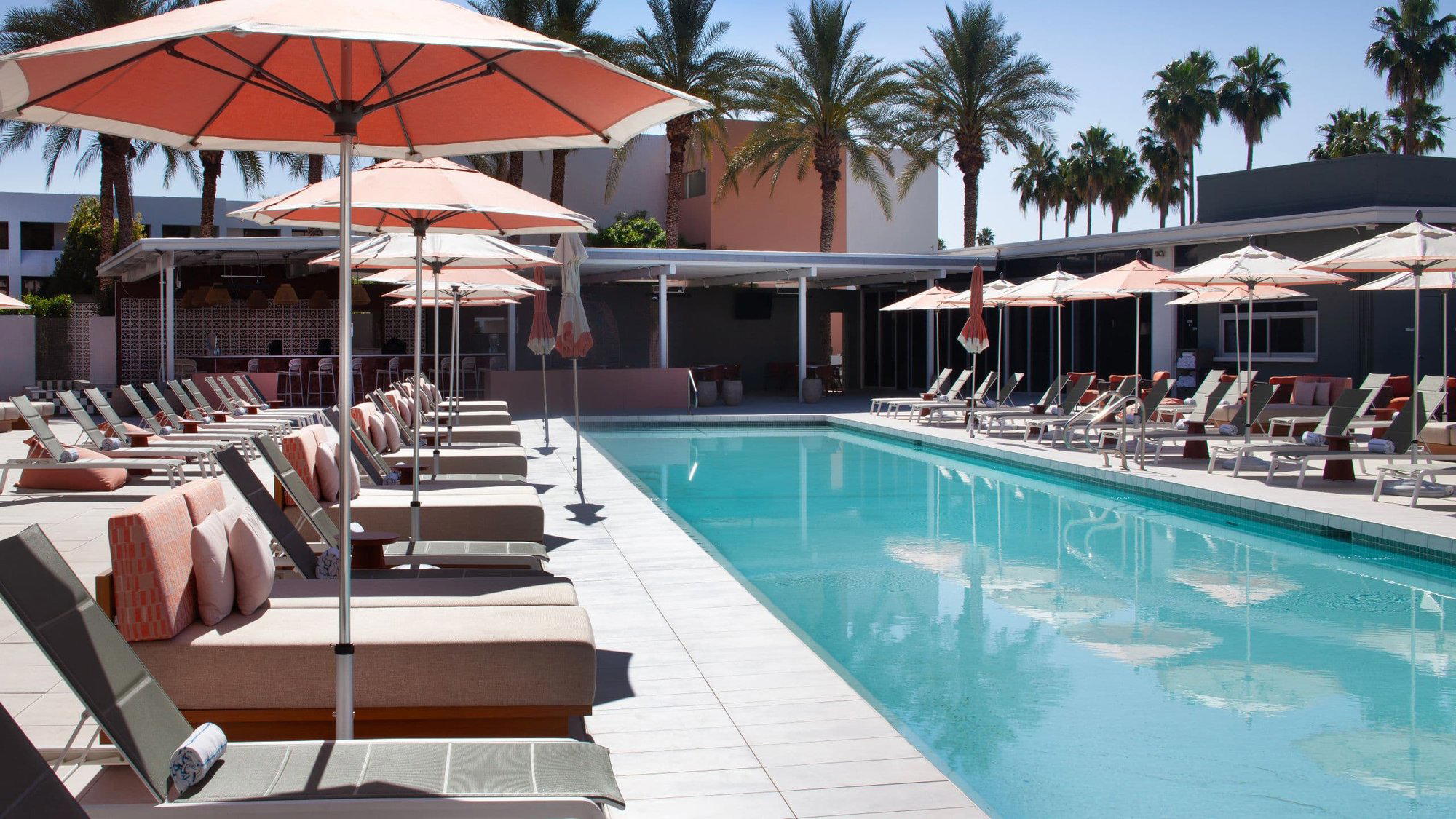
Urban resort design in warm-weather American cities has long wrestled with a core tension: guests want outdoor access and sunshine, but they also respond to the drama of a well-constructed interior. W Scottsdale leans into interior drama as its primary tool, with the pool deck functioning as a social extension of the lobby rather than a separate retreat-style zone. The result is a property that feels consistently activated rather than spread thin across too much ground.
The architectural approach places W Scottsdale in a different competitive conversation than the large-footprint Scottsdale resort properties. The Fairmont Scottsdale Princess, the Grand Hyatt Scottsdale Resort, and the JW Marriott Scottsdale Camelback Inn Resort & Spa all operate on a scale where landscape and amenity breadth are the primary selling points. W Scottsdale's proposition is more compressed: strong design, a walkable location, and a social atmosphere that positions the property as a destination within the city rather than an escape from it.
Compared to design-led properties that pursue quiet and seclusion, like the Andaz Scottsdale Resort & Bungalows with its bungalow format and art-integrated interiors, W Scottsdale operates at higher social volume. The Andaz model disperses guests across lower-density accommodation; W Scottsdale concentrates energy in shared spaces. Both are valid design philosophies, targeting different preferences within the same city.
Old Town Scottsdale as Architectural Context
The hotel's Camelback Road position matters to the design experience in a concrete way. Old Town Scottsdale runs along the streets immediately south and east, and the density of the area means that the hotel's relationship to its surroundings is more urban than almost any other luxury property in the city. Guests can move between the hotel and the surrounding restaurant and bar scene on foot, which changes the rhythm of a stay in ways that resort-bubble properties don't allow for.
That walkability also shapes how the hotel's interior spaces function. When the perimeter is walkable and active, the lobby and bar need to hold their own against external competition, not just serve as a waystation between room and pool. W Scottsdale's interiors are calibrated for that more demanding role. For a broader orientation to what the city offers across dining and hospitality, our full Scottsdale restaurants guide maps the key options by neighborhood and price tier.
Where W Scottsdale Sits in the Broader W Brand Context
The W brand's urban properties occupy a specific niche in the global luxury hotel conversation: they are not the quietest options, not the most formal, and not designed for guests whose priority is spa immersion or landscape. They compete on design coherence, social atmosphere, and location efficiency. By those metrics, W Scottsdale delivers a version of the brand that works in the Southwest context without defaulting to the generic desert aesthetic.
Travelers comparing this against distinctly different stay formats, such as Amangiri in Canyon Point or Post Ranch Inn in Big Sur, are effectively comparing different philosophies about what a hotel stay should prioritize. Those properties use landscape as the primary design material; W Scottsdale uses architecture and interior programming. Neither approach is categorically superior, but they serve meaningfully different travel purposes.
Within the W network's urban portfolio, Scottsdale sits alongside properties in cities where the brand's high-contrast, design-forward approach has found a willing audience. Internationally, brands pursuing similar positioning include the Aman New York in New York City at the ultra-luxury end, or properties like Raffles Boston in Boston, which apply different but comparably considered design philosophies to urban hospitality. The contrast helps locate W Scottsdale's precise position: it is design-serious without being pricewise inaccessible, social without being chaotic.
Practical Orientation
W Scottsdale sits at the intersection of Camelback Road and Scottsdale Road, making it one of the more directly accessible luxury hotels in the city from Phoenix Sky Harbor International Airport, which sits roughly six miles to the southwest. For guests arriving without a car, the location reduces dependence on rideshares compared to the north Scottsdale resort corridor. Old Town dining, galleries, and the Scottsdale Fashion Square mall are within walking range, which changes the daily logistics of a stay considerably.
Booking patterns for W properties in high-demand leisure markets follow seasonal logic: Scottsdale's peak falls between November and April, when desert temperatures are manageable and the city draws significant convention and leisure traffic. Guests planning stays during peak season, particularly around major golf events or the Barrett-Jackson auction in January, should expect higher rate floors and should plan accordingly rather than treating last-minute availability as reliable.
For guests considering the full range of Scottsdale luxury options, reference points worth examining include the Bespoke Inn Scottsdale for a boutique-scale alternative, and the Boulders Resort & Spa Scottsdale, Curio Collection by Hilton for a contrast with a property where the desert landscape is the dominant design material. The Hotel Valley Ho offers a closer geographic and stylistic reference point as a mid-century modern property in the Old Town area with its own design-forward sensibility.
| Venue | Cuisine | Price | Awards |
|---|---|---|---|
| W ScottsdaleThis venue — the venue you are viewing | This venue | $300–500 | Michelin Selected |
| Four Seasons Resort Scottsdale at Troon North | Michelin 1 Key | Not listed | 1 Michelin Key · La Liste Top Hotels |
| The Canyon Suites at The Phoenician, A Luxury Collection Resort | Not listed | Not listed | La Liste Top Hotels · Forbes 5-Star |
| The Phoenician, A Luxury Collection Resort, Scottsdale | Not listed | $300–500 | Michelin Selected · La Liste Top Hotels |
| Fairmont Scottsdale Princess | Not listed | Not listed | Virtuoso Luxury Hotel Partner · AAA 5 Diamond |
| Andaz Scottsdale Resort & Bungalows | Not listed | $300–500 | Michelin Selected · Virtuoso Luxury Hotel Partner |
Recognition history
Dated appearances from independent guides and award organizations, with the underlying list record or original source where available.
Michelin Selected
Michelin
Continue exploring
More in Scottsdale
Hotels in Scottsdale
All hotels in Scottsdale →
Details
- Trendy
- Modern
- Lively
- Sophisticated
- Energetic
- Weekend Escape
- Celebration
- Romantic Getaway
- Rooftop Pool
- Pool
- Spa
- Fitness Center
- Room Service
- Concierge
- Wi Fi
- Mountain
- Garden
- Wheelchair Accessible
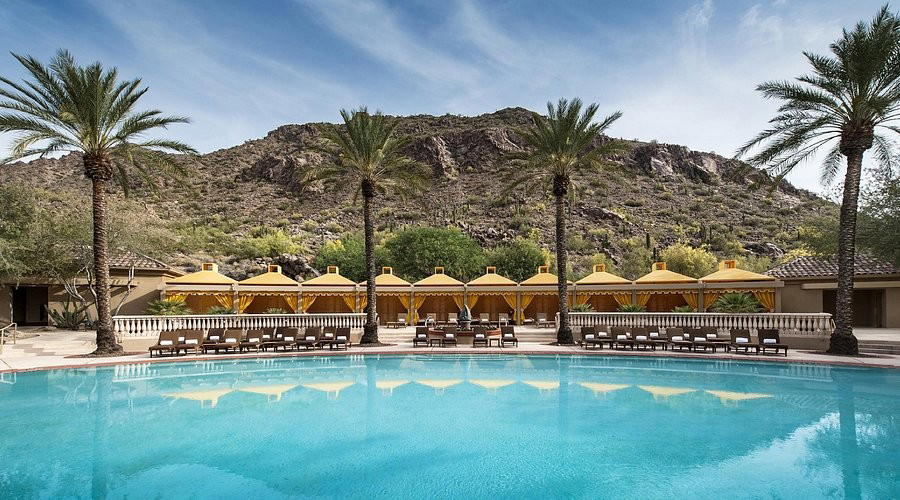
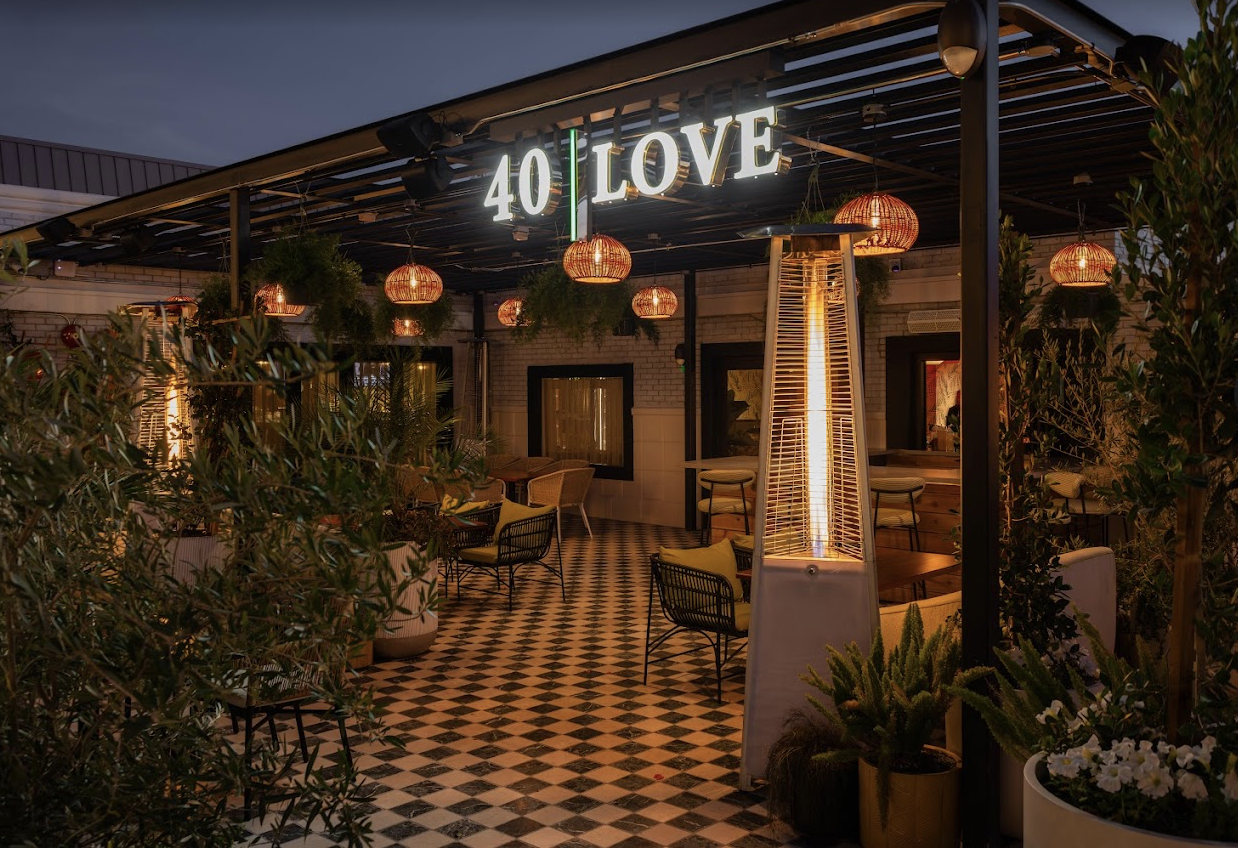
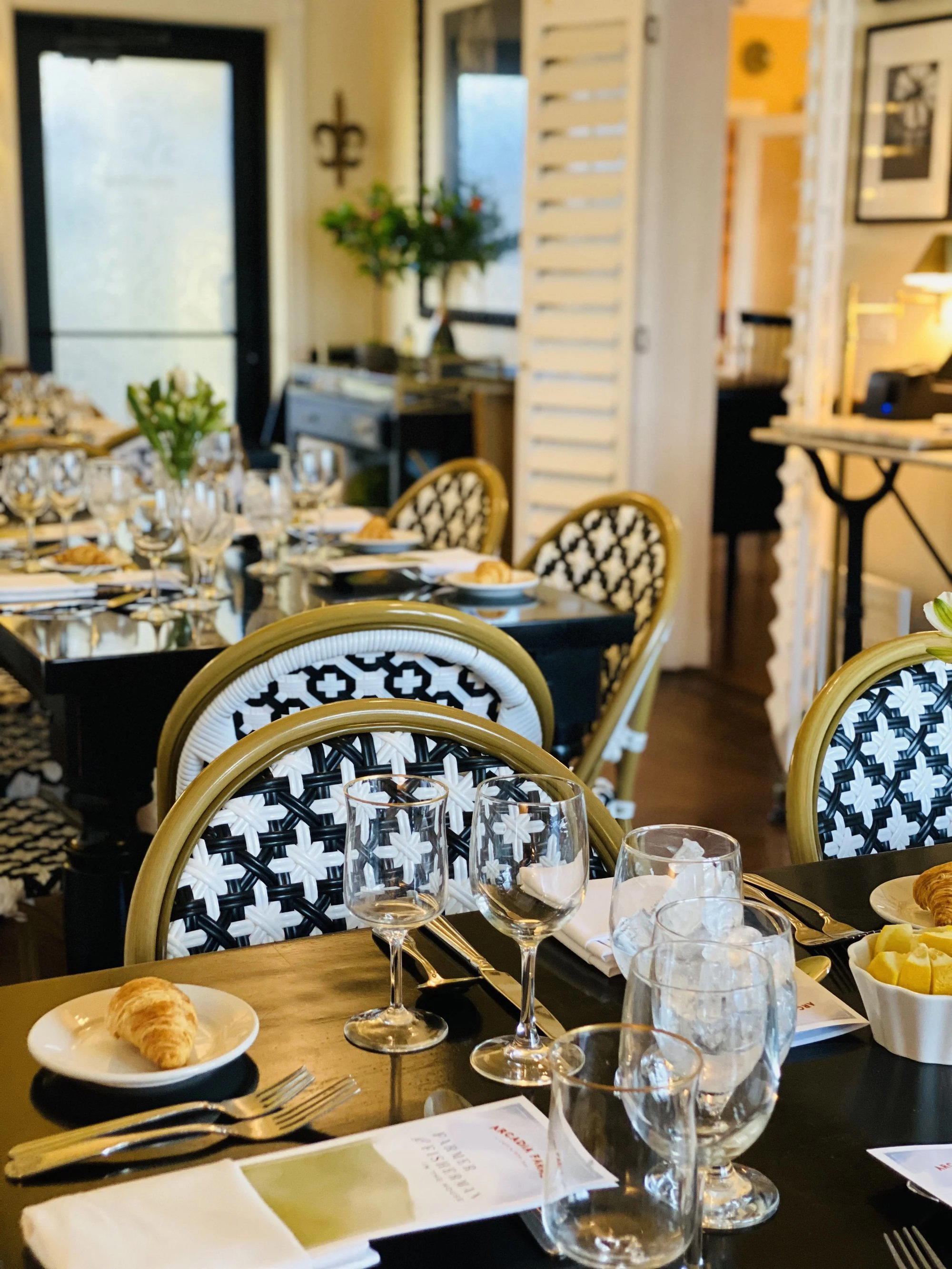
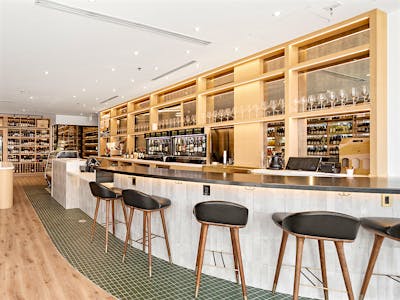
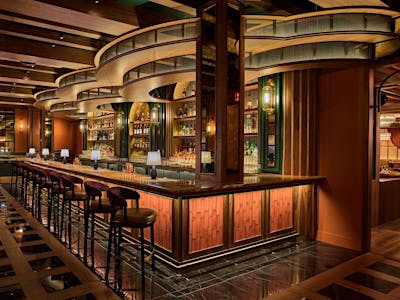
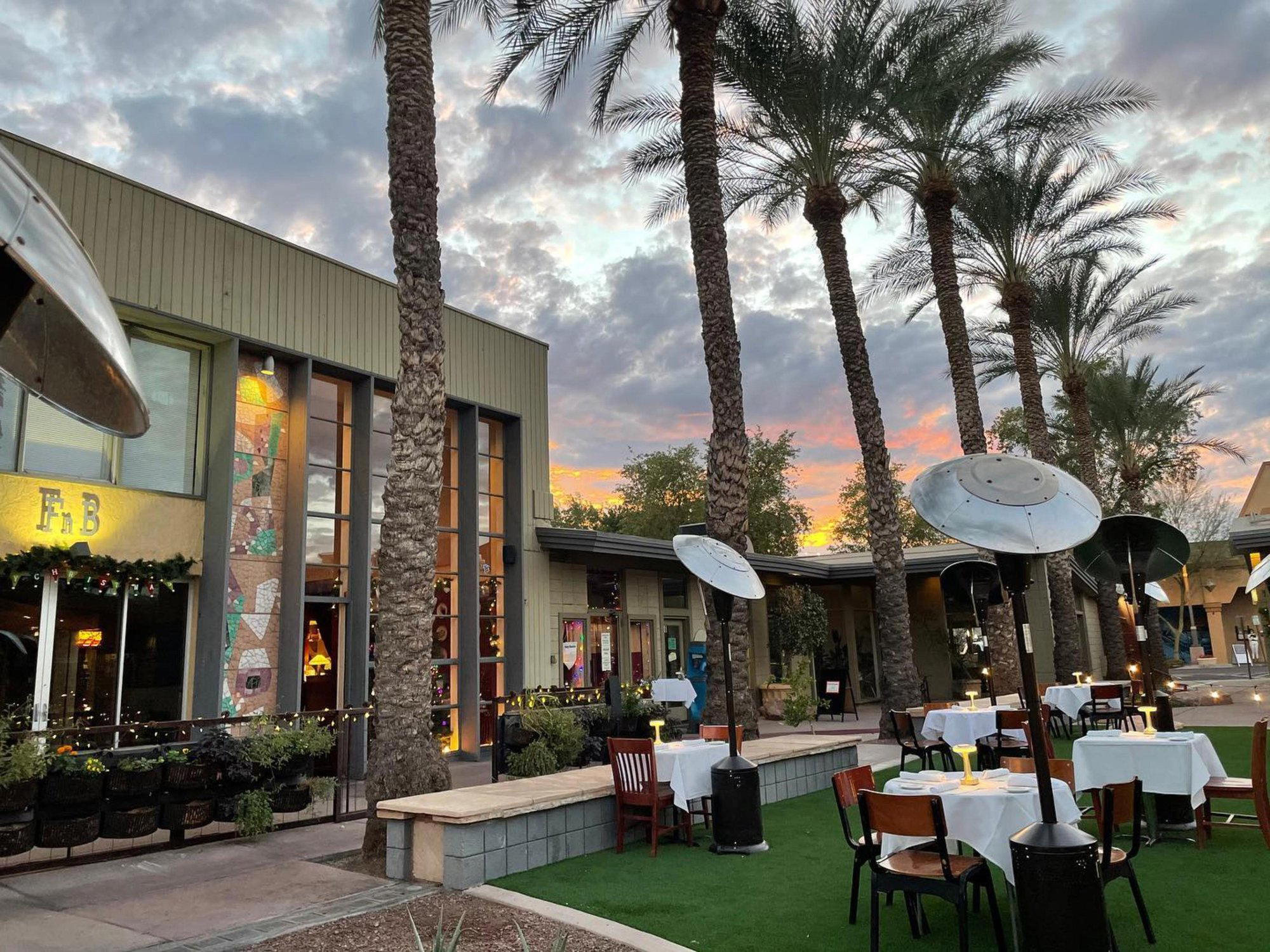
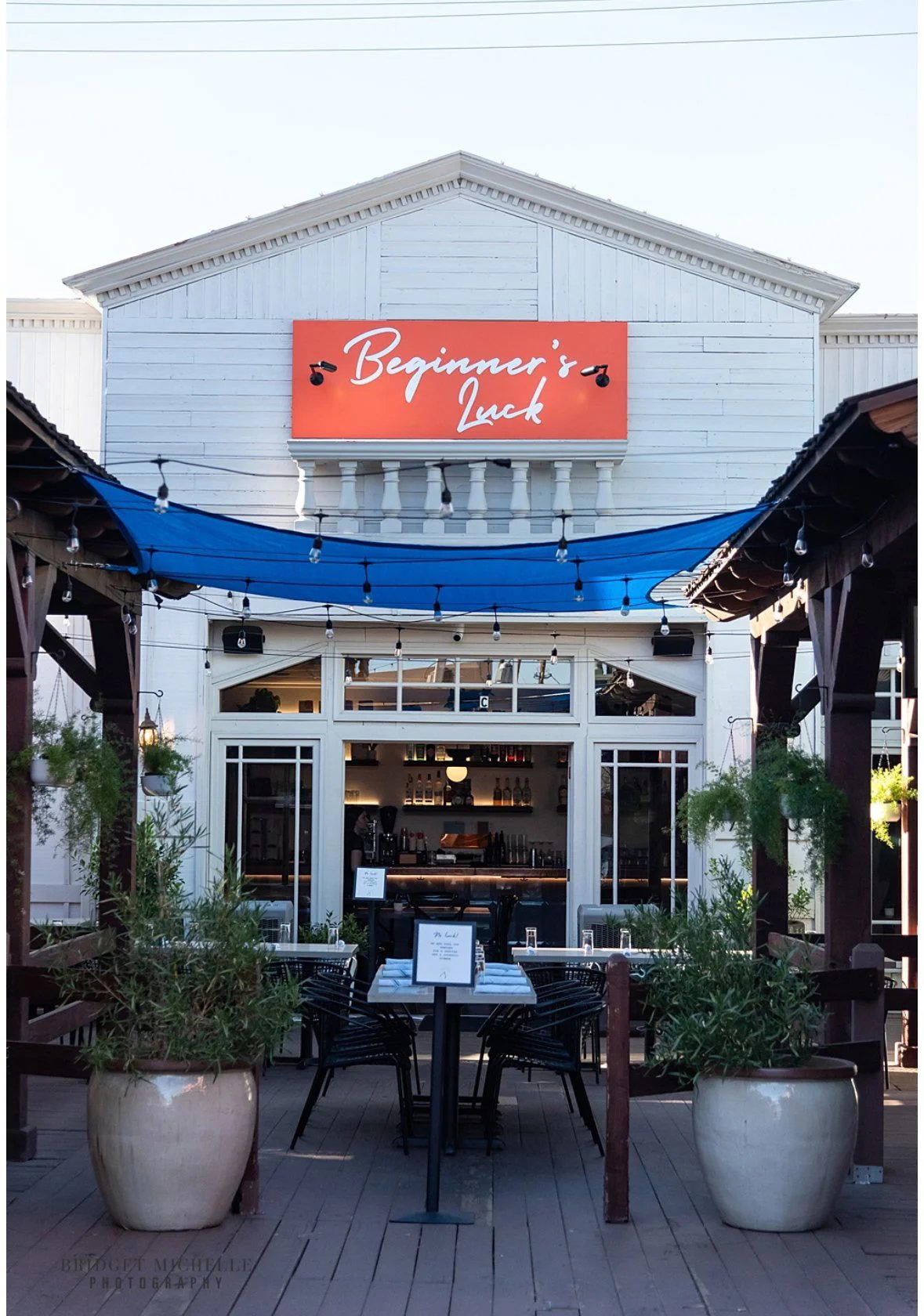
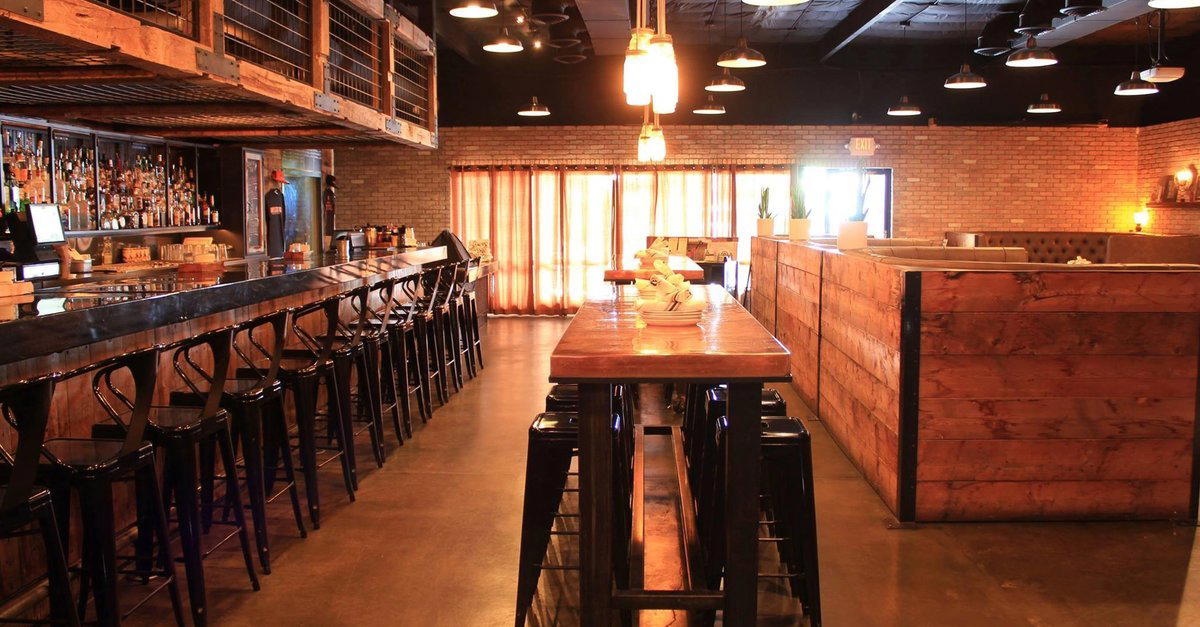
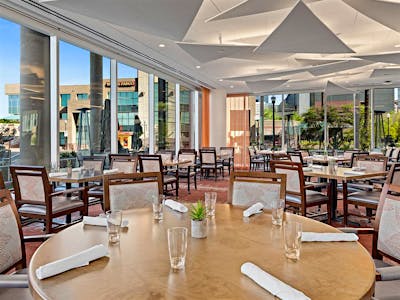
Sleek modern design with purple and pink mood lighting, lively social lounges, and high-energy poolside atmosphere blending luxury with nightlife.