The Tenant occupies a considered position within Heraklion's emerging hospitality scene, where the physical identity of a space increasingly shapes how guests read the rest of the experience. See our full Heraklion guide for broader context.

Pearl is the En Primeur Club membership app — saves, bookings, and concierge access live there. Same editors, same standards.
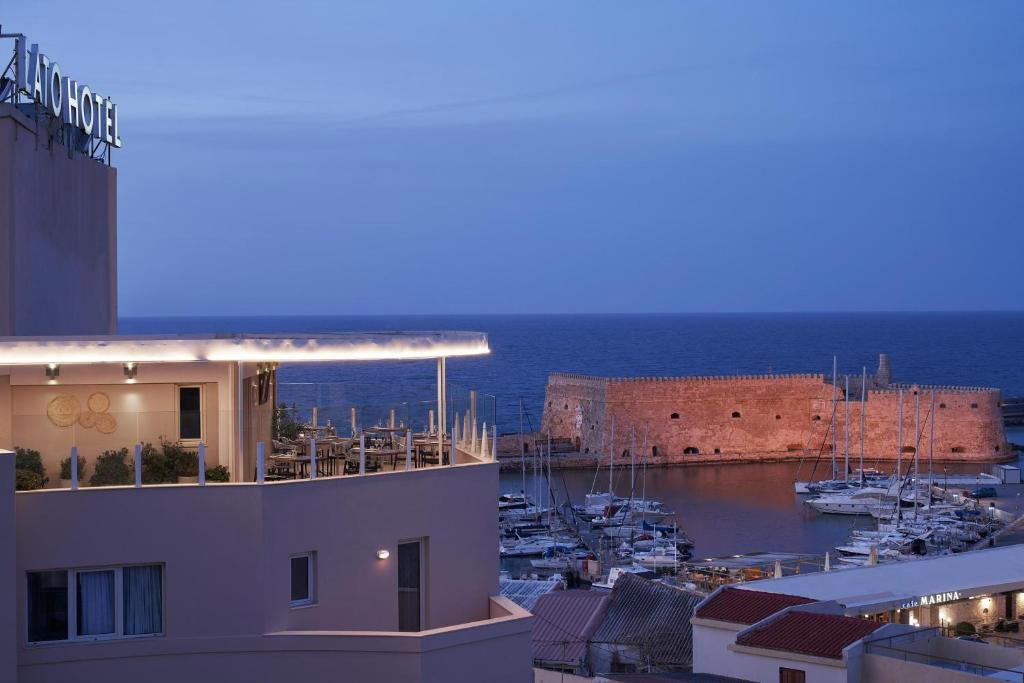
What Heraklion's Dining Moment Looks Like Right Now
Heraklion has spent the better part of a decade quietly repositioning itself. The capital of Crete was long treated as a transit point, a city visitors passed through on the way to beach resorts like those at Amirandes, A Grecotel Resort to Live or the Seaside A Lifestyle Resort. That framing has shifted. The city's central neighborhoods now carry a more serious hospitality weight, with properties like the Autograph Collection reflecting broader investment in urban stays rather than just resort corridors. Inside this new Heraklion, The Tenant occupies a position that rewards some attention. The Tenant is a 40-room hotel in Heraklion, Crete, set at a smart-casual, reservation-recommended price tier.
The name itself signals something about the venue's operating logic. A tenant is a temporary resident, someone who inhabits a space with intention but without permanence. Whether that framing is architectural, philosophical, or simply typographic, it sets a register that is less resort-facing and more attuned to the kind of traveler who wants a room in a city rather than an escape from one. In Greek island and coastal hospitality, that is still a relatively rare posture.
The Character of the Space
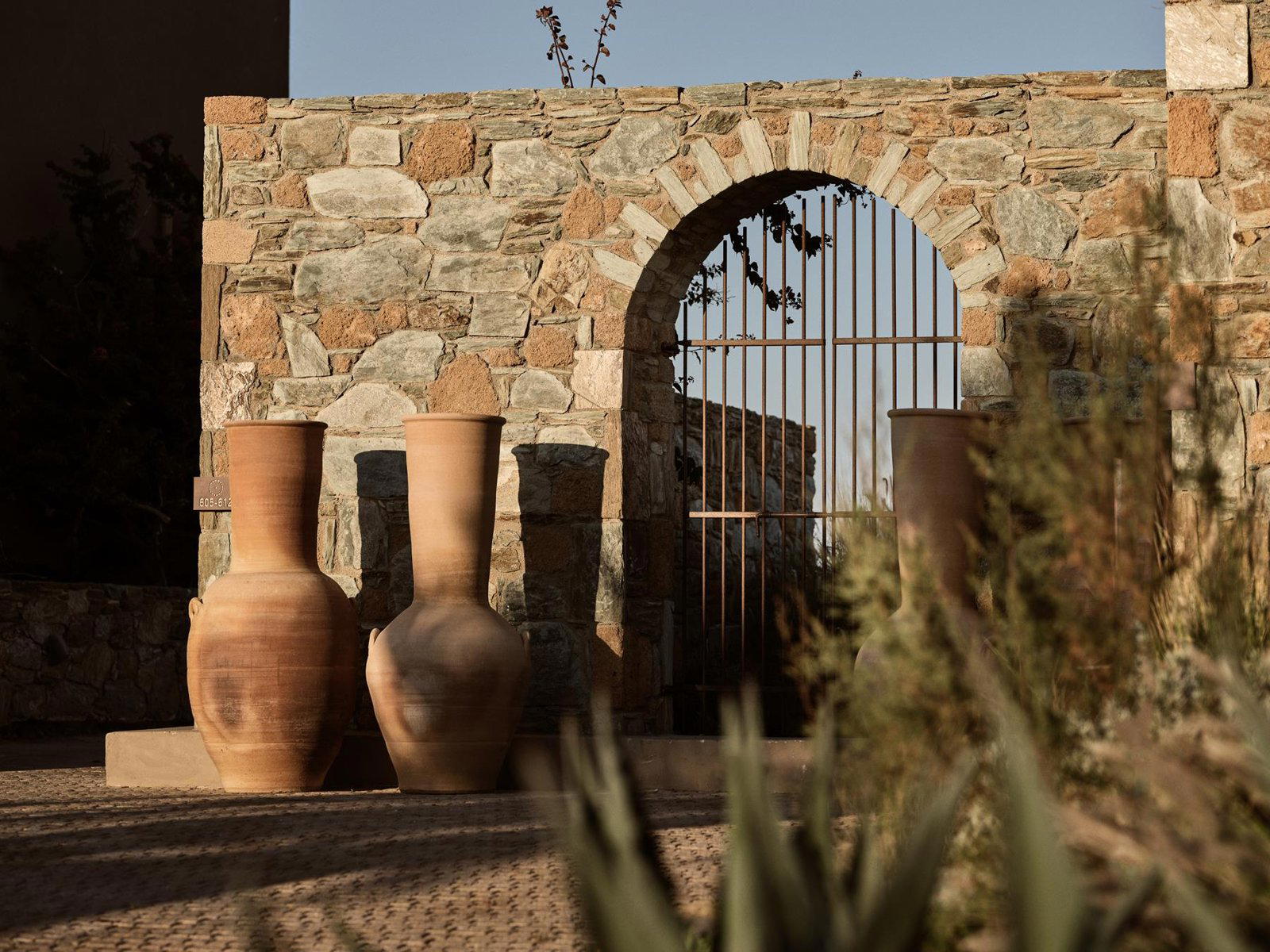
Approaching a venue in Heraklion's central districts means moving through a city that layers Venetian-era stone, Ottoman-period structures, and mid-century Greek commercial architecture in close proximity. The harbor fortress of Koules frames the northern edge; the market streets of 1866 run inland. Against that backdrop, interiors that lean into the existing fabric of a building tend to read more convincingly than imported design languages, and Heraklion's better independent hospitality ventures have generally understood this. The Tenant's positioning within the city suggests an urban character rather than a resort aesthetic, which in Crete still places it in a niche cohort.
The guest experience at properties operating in this register tends to be shaped less by programmatic amenities than by the quality of attention at the point of arrival and throughout a stay. In cities where hospitality infrastructure is growing but the pool of well-trained staff remains smaller than in Athens or Thessaloniki, the venues that consistently deliver considered service occupy a meaningful tier above the average. The Tenant's name recognition in Heraklion's emerging independent scene places it in that conversation.
Service as the Structural Argument
Across Greek hospitality at this level, the clearest differentiator between properties is rarely the room itself. Construction quality and design vocabulary have converged across the mid-to-upper tier. What separates the properties that generate repeat visits and direct booking loyalty from those that cycle through OTA traffic is how staff read and respond to guests across a multi-night stay. The leading independent hotels in Greece, from Amanzoe in Porto Heli at the resort scale to smaller city properties, share a common trait: they give staff the latitude to act on information rather than just follow procedure.
A venue like The Tenant, operating in an urban Heraklion context rather than a closed resort environment, faces a specific version of this challenge. Guests arrive with city itineraries, they want recommendations that are genuinely local rather than commission-adjacent, and they expect the front desk to know the difference between a restaurant worth the walk and one that fills seats with tourists. Getting that calibration right requires a particular kind of institutional knowledge that takes years to build and is difficult to replicate at scale. The properties that have it in Heraklion's current market hold a structural advantage.
For travelers arriving from properties with international service benchmarks, such as the Four Seasons Astir Palace Hotel Athens in Athens or the Aman New York, the transition to an independent urban property involves a recalibration of expectations. The trade is scale and programmatic depth for specificity and local intelligence. At its leading, that is a favorable trade in a city with as much texture as Heraklion.
Crete as Context
Crete's hospitality geography has historically clustered around coastal resort corridors, particularly north of Heraklion and east toward Chersonisos, where properties like Abaton Island Resort & Spa have established a premium resort model. The island also draws significant interest from the Milatos corridor, anchored now by the Milatos Marriott Resort Crete and properties further east along the coast. Agia Pelagia, just west of Heraklion, adds another cluster with places like Acro Suites drawing design-conscious visitors.
Against this resort-dominant geography, an independently positioned urban property in central Heraklion is still an outlier. That is not a disadvantage for the right traveler. Crete's archaeology, its Venetian civic architecture, its market culture, and its local food producers are all better accessed from a city base than from a resort 20 kilometers outside town. The traveler who books a week in Crete and divides time between the palace at Knossos, the natural history museum, the street-level food scene of the central market, and day trips to the island's interior is better served by a Heraklion address than by a beachfront room with a transfer cost attached to every outing.
The same logic applies to islands across the Aegean. Travelers staying at Amoudi Villas in Oia or Pegasus Suites in Fira on Santorini are choosing a specific relationship with their island base. The same intentionality applied to Crete produces different but equally coherent results, and Heraklion's urban venues are increasingly equipped to support it.
Elsewhere in Greece's independent hospitality scene, the island-specific model is well established: Eréma in Milos, Gundari in Petousis, and NOS Hotel & Villas each represent a property type that prioritizes a specific relationship with place. Heraklion's urban independents are building their own version of that case.
For travelers approaching from other Greek mainland contexts, the City Hotel in Thessaloniki offers a point of comparison: an urban property in a city with its own strong food culture and archaeological weight, operating outside the resort model and succeeding by knowing its city thoroughly. Heraklion's trajectory has some of the same characteristics. Properties like Pnoé Breathing Life and Le Méridien Sissi Crete extend the Cretan hospitality map in different directions, but the urban Heraklion tier is the one with the room to develop.
The international reference points are useful too: the attention model at The Fifth Avenue Hotel in New York City or Aman Venice illustrates what genuinely anticipatory service looks like at the summit of the urban hotel tier. Independent properties in secondary European cities rarely match that scale, but the underlying logic, giving staff genuine city knowledge and the authority to share it, translates across price points and geographies.
Planning a Stay
The hotel sits in Heraklion's urban center, which means it works well as a base for travelers who plan to use the city actively rather than treat accommodation as the destination itself. Heraklion's airport connects directly to major European hubs, making it a practical entry point for a Crete itinerary that begins in the city and moves east or south from there. The Ajul Luxury Hotel & Spa Resort in Halkidiki and Alkyna Lifestyle Beach Resort in Corfu illustrate how Greek island hospitality can anchor a larger itinerary. For Crete specifically, anchoring in Heraklion gives access to the island's western regions, the Minoan palace sites, and the food and wine culture of the interior in a way that a coastal resort position does not.
Specific room types, pricing, booking windows, and availability at the hotel are best confirmed directly. For travelers comparing Heraklion options, the Blue Sand Hotel & Suites and 100 Rizes Seaside Resort represent different points on the Greek coastal property spectrum, and setting the hotel against that range clarifies what the urban Heraklion positioning is actually offering.
Cuisine Context
Comparable venues nearby, for context on price, style, and recognition.
| Venue | Cuisine | Price | Awards | Notes |
|---|---|---|---|---|
| The TenantThis venue — the venue you are viewing | Contemporary boutique hotel with local Cretan influences. | $$$ | Not listed | Not listed |
| ÉRA Hotel Heraklion | Urban, boutique Mix Collection hotel in a renovated landmark building, positioned as a year-round lifestyle stay for leisure and business travelers in the heart of Heraklion. | $$$ | 5-Star | Daskalogiannis Square |
| Autograph Collection | Mediterranean luxury resort combining ancient Greek design inspiration with contemporary elegance, positioned as an upscale family-friendly and romantic destination. | $$$$ | 5-Star | Elounda |
| Seaside A Lifestyle Resort | Modern lifestyle resort with panoramic sea views and private pool options. | $$$$ | 5-Star | Agia Pelagia |
| Rocca a Mare Heraklion - Handwritten Collection | Luxury urban seafront boutique hotel blending Cretan heritage with contemporary design and high-tech comforts. | $$$ | 5-Star | Heraklion city center |
| Amirandes, A Grecotel Resort to Live | Minoan Palace-inspired waterfront resort with reimagined suites and villas blending indoor-outdoor living. | $$$$ | 5-Star | Kato Gouves |
Continue exploring
More in Heraklion
Hotels in Heraklion
Browse all →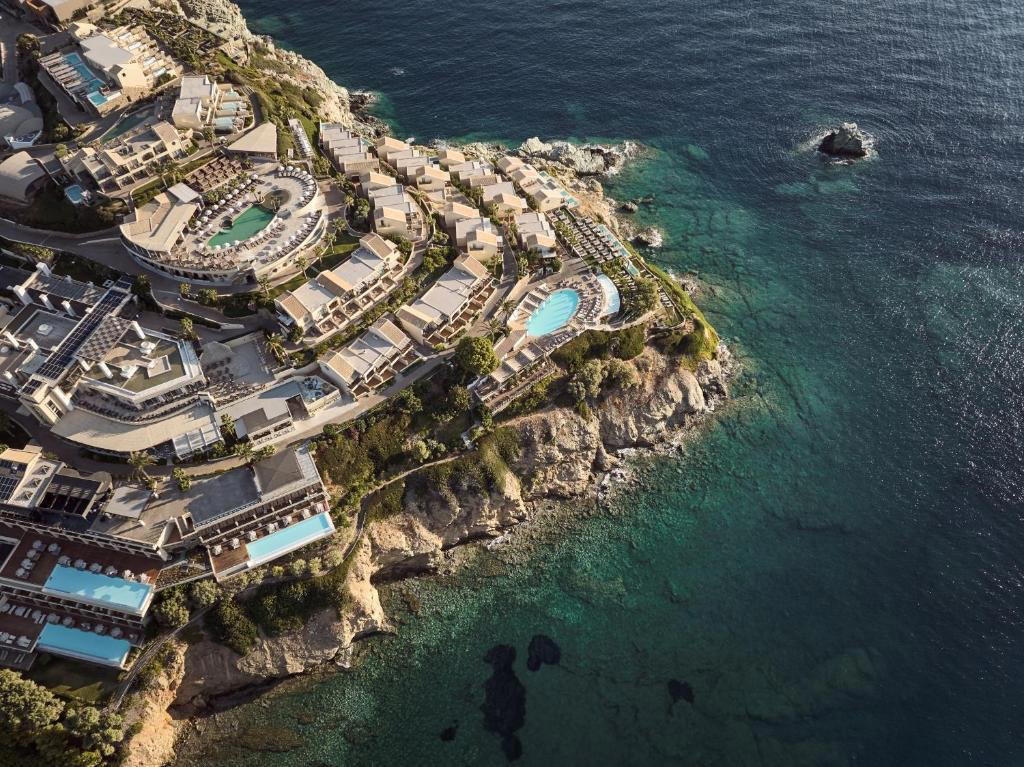
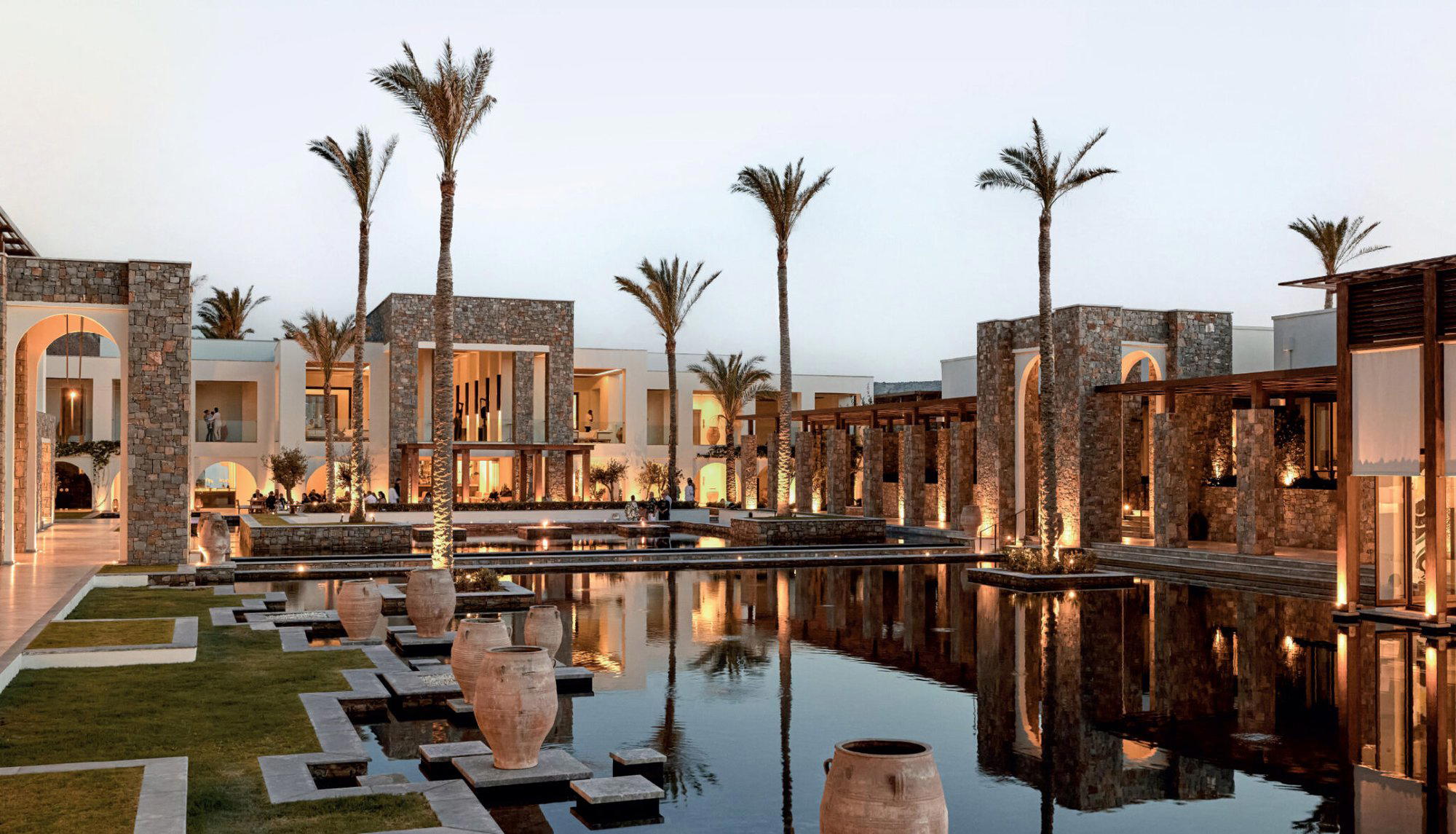
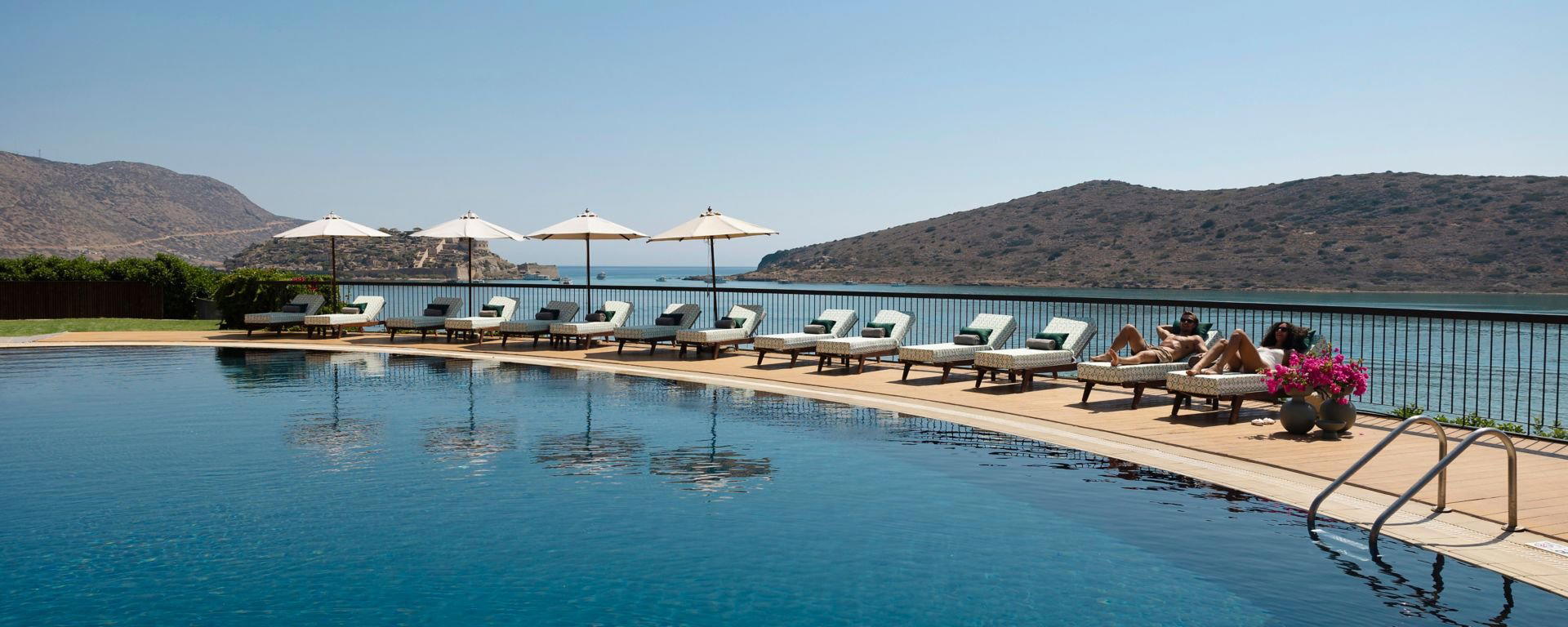
Restaurants in Heraklion
Browse all →
Wineries in Heraklion
Browse all →
At a Glance
- Modern
- Elegant
- Trendy
- Romantic Getaway
- Weekend Escape
- Design Destination
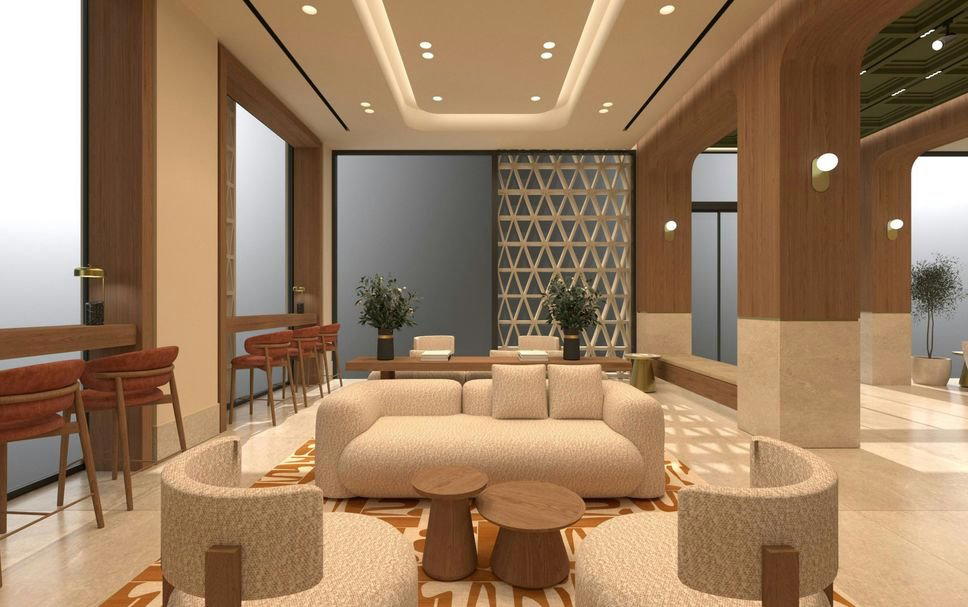
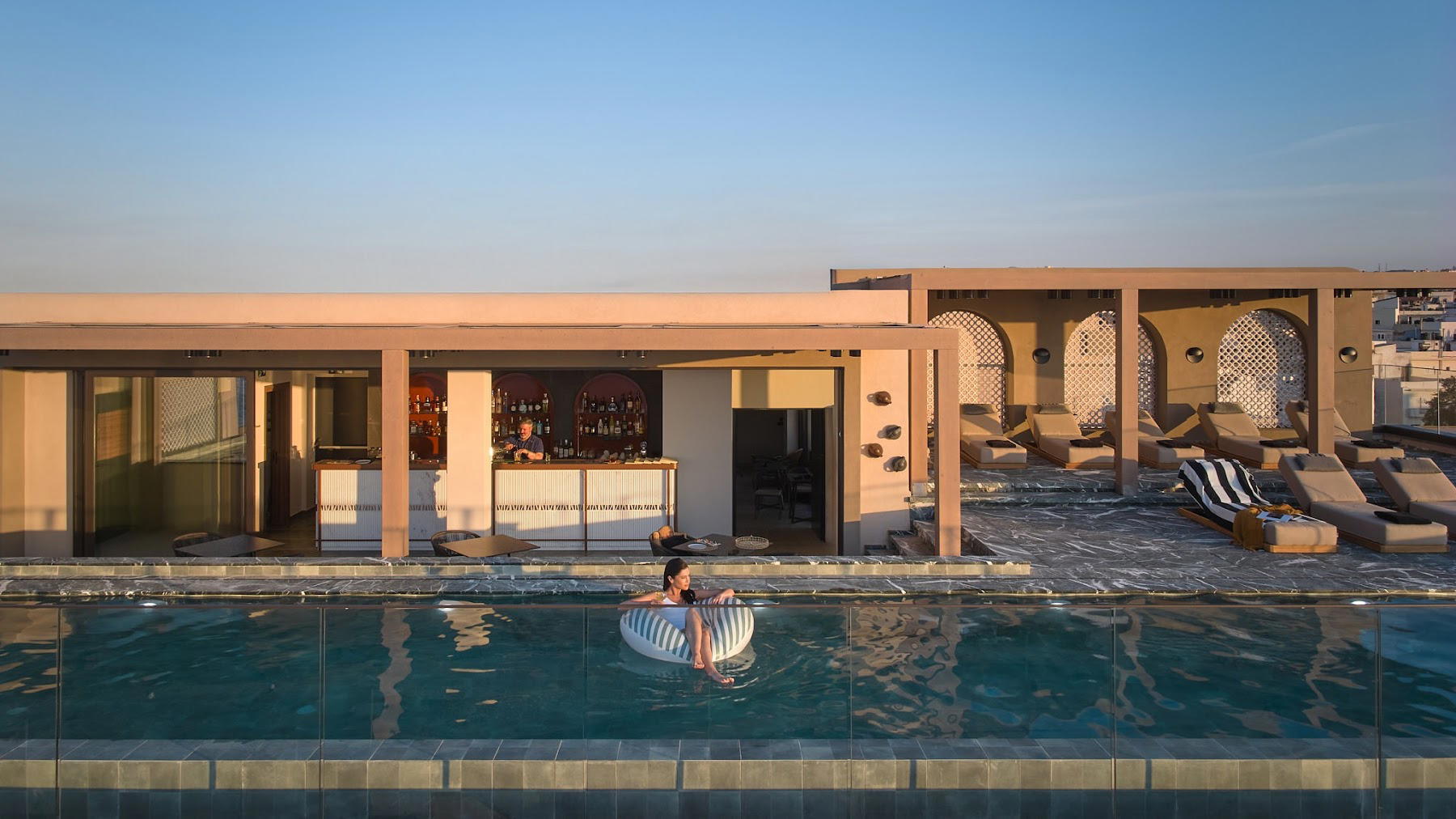
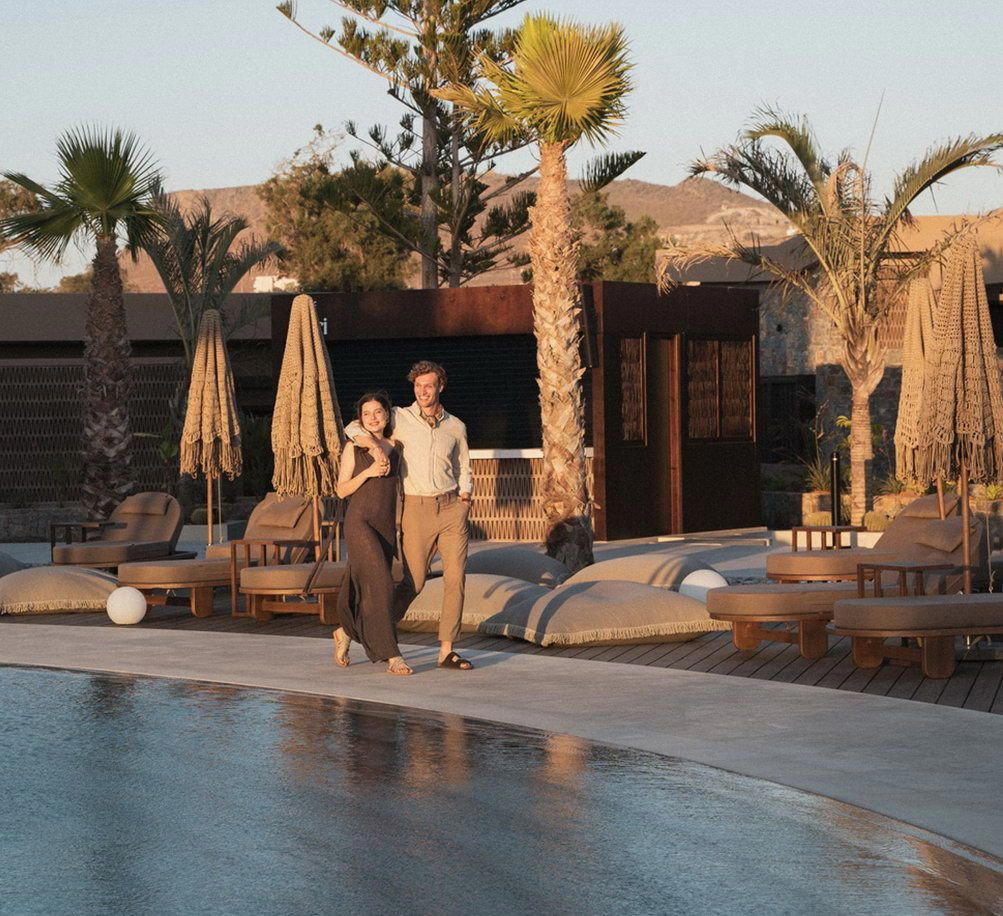
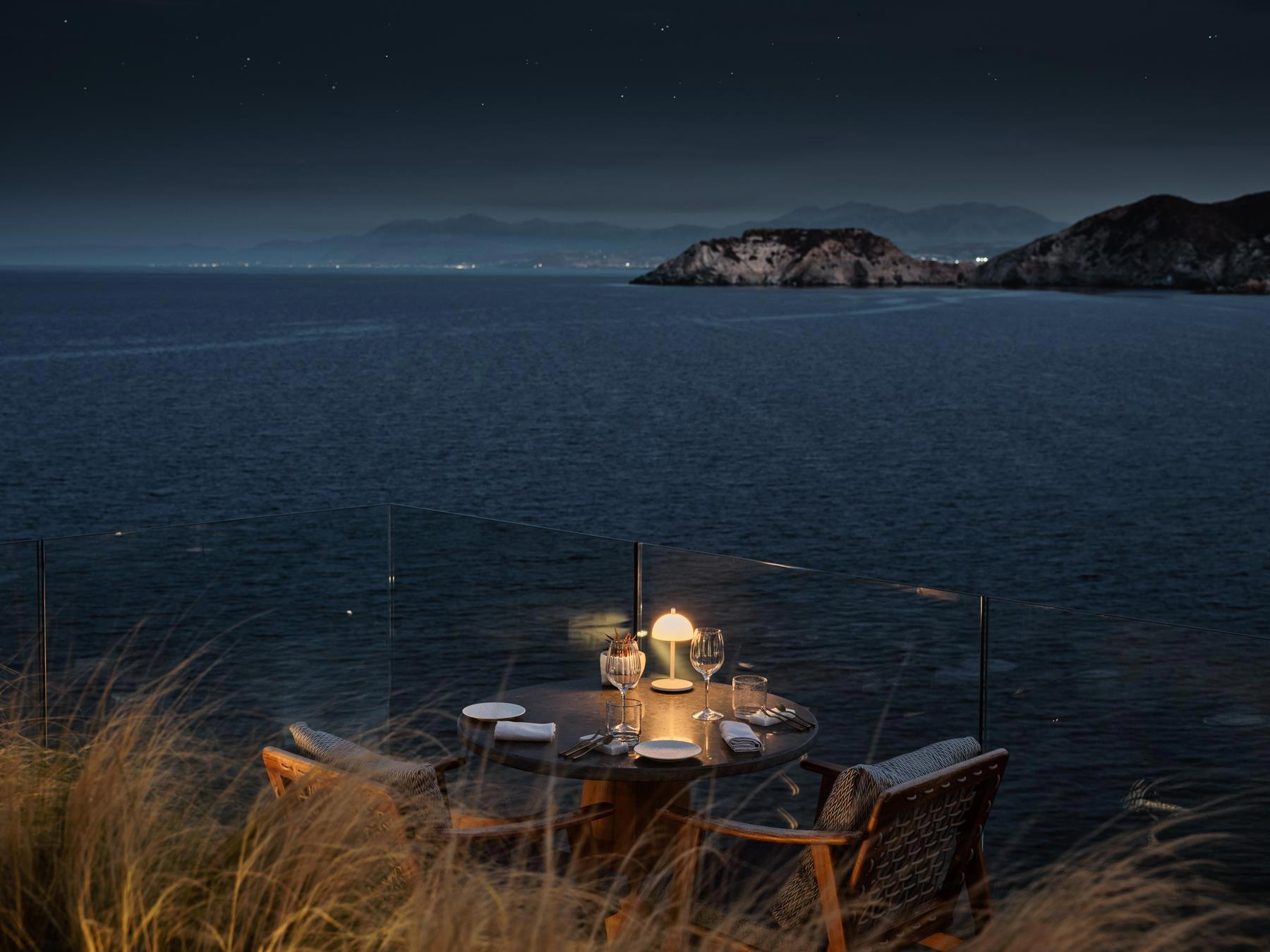
Comfortable and elegant atmosphere blending contemporary style with Cretan charm.