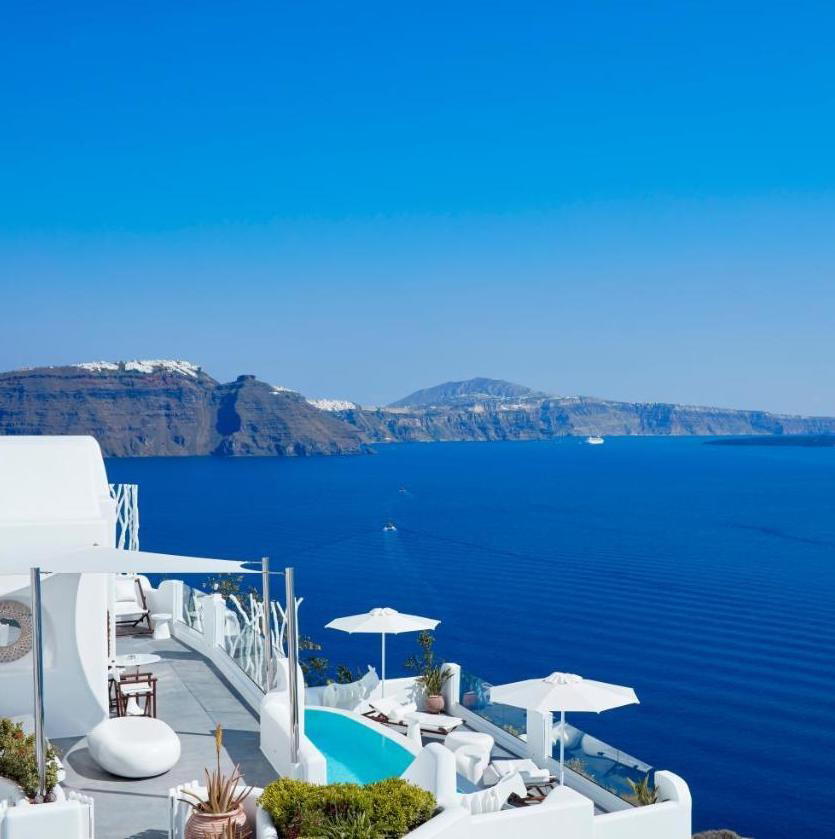
Amoudi Villas occupies the caldera-edge geography of Oia, where Santorini's characteristic cave architecture and volcanic rock meet direct views over the Aegean. The property sits within a village where clifftop design and spatial restraint define the accommodation tier, making it a reference point for visitors choosing between Oia's villa-style offerings and its larger hotel compounds.

Pearl is the En Primeur Club membership app, where members save venues, book tables and use the concierge.
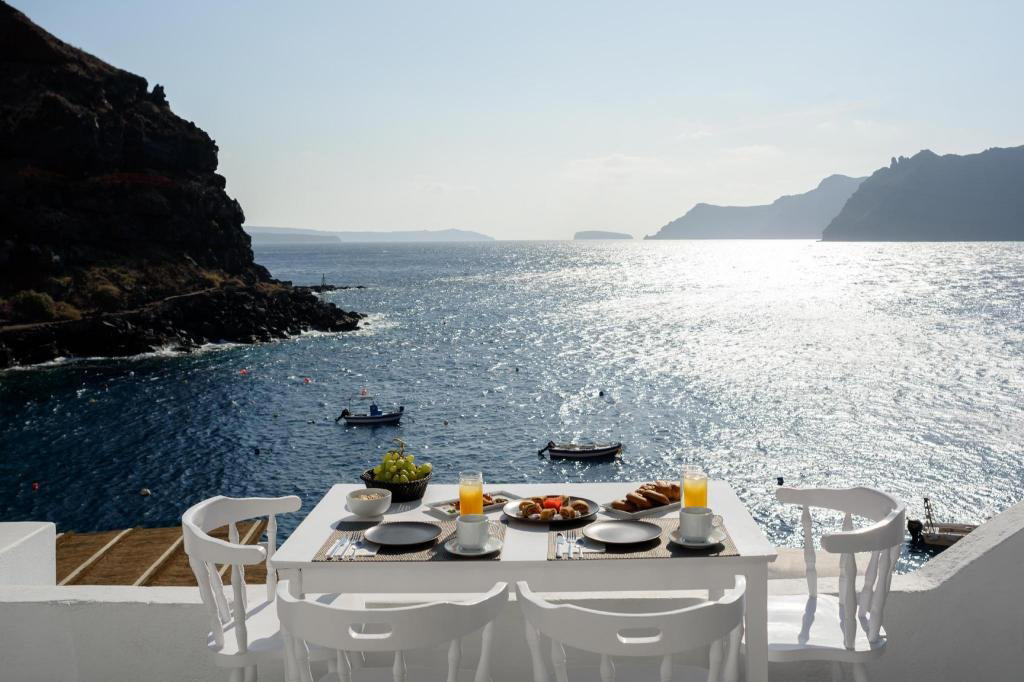
Where Oia's Caldera Edge Meets Cave Architecture
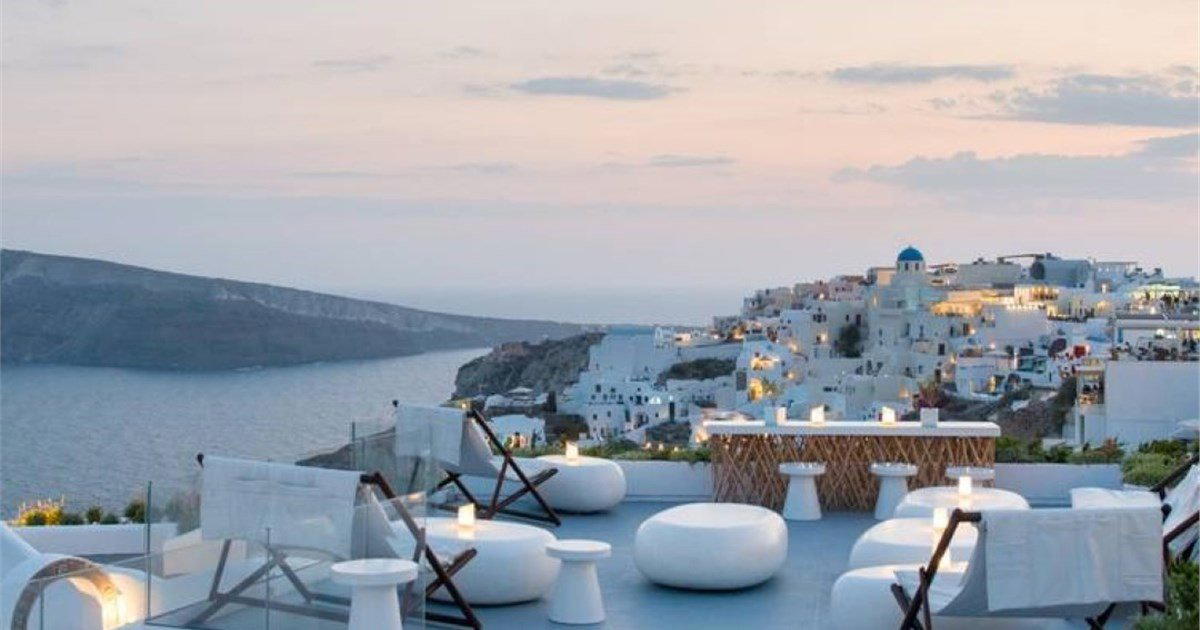
Arriving in Oia from the island's interior, the village announces itself through a compression of whitewashed geometry and then, suddenly, nothing but sea. The caldera-facing ridge here is not a backdrop but the central fact of every property built along it. Amoudi Villas, addressed to the 847 02 postal district that places it inside Oia proper, occupies this contested terrain where Santorini's most recognisable architectural logic, cave dwellings carved into volcanic cliff, yposkafa structures enlarged and refined over generations, meets contemporary expectations of villa-format accommodation.
The typology matters here more than the individual property name. Oia's premium accommodation splits into two legible camps: the larger compound properties with branded amenities and full hotel infrastructure, and the smaller villa-format offerings where the spatial experience is more compressed, more direct, and more dependent on the quality of the architecture itself. Amoudi Villas sits in the latter category, where the physical environment carries most of the experiential weight. In this format, design is not decoration but the primary product.
The Architecture of the Caldera: A Santorini Tradition
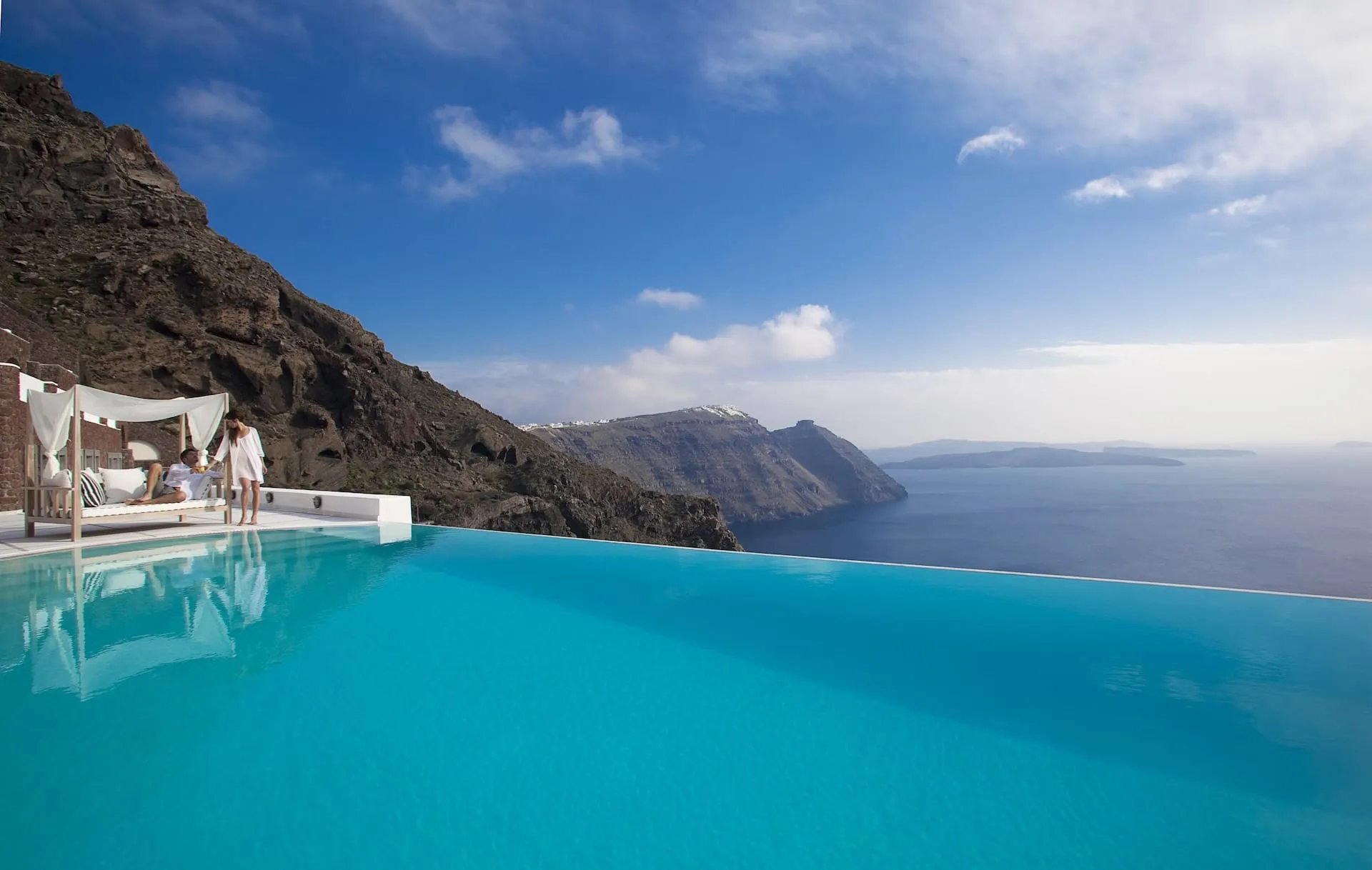
Santorini's cave-house tradition predates tourism by centuries. The yposkafa, structures dug into the pumice and volcanic ash of the caldera wall, offered natural insulation against the island's heat, structural stability in a seismically active zone, and a spatial relationship with the cliff that no surface-built structure could replicate. What contemporary Oia properties have done, across the premium tier, is layer modern interior logic onto this pre-existing form: vaulted ceilings that follow the rock's natural curve, private terraces cantilevered above the drop, plunge pools positioned to frame the view rather than interrupt it.
This design discipline is not unique to any single address in Oia, it defines the village's architectural identity and explains why properties here price and market against each other rather than against Fira or Imerovigli alternatives. The caldera-edge setting creates a peer group, and within that peer group, execution of the cave-house format is the primary differentiator. Guests choosing between Andronis Boutique Hotel, Andronis Luxury Suites, Canaves Sunday, and Katikies Kirini are largely choosing between interpretations of the same underlying form rather than fundamentally different accommodation propositions.
What the Villa Format Means in Practice
Villa-format accommodation in Oia operates differently from the compound hotel model. Where properties like Aspaki Exclusive Hotel by Art Maisons or Santo Pure Oia Suites and Villas carry the infrastructure of managed hotel operations, villa properties tend to offer fewer shared amenities and greater spatial separation between units. The trade-off is privacy and a quieter form of spatial possession: you are less a guest in a hotel and more an occupant of a specific architectural object.
This distinction shapes the practical experience meaningfully. Oia's cliff-edge properties have almost universally difficult access, the village's topography demands it. Steps, narrow paths, and the absence of vehicle access close to the caldera are conditions of the setting rather than failures of planning. Guests arriving at any caldera-facing property in Oia will navigate some version of this. The Amoudi port below the village, from which the property takes its name, is reachable by a descending footpath of around 300 steps, a physical commitment that marks the boundary between the village above and the fishing harbour below, where seafood tavernas operate at the water's edge.
Oia Within the Greek Island Premium Tier
To understand Amoudi Villas' position, it helps to place Oia inside the broader geography of premium Greek island accommodation. Santorini as an island has moved into a different pricing bracket from most Cycladic competitors, with Mykonos as its closest peer. Within Santorini, Oia holds the highest-prestige address, ahead of Fira and Imerovigli in brand recognition if not always in infrastructure. Properties at the caldera edge in Oia compete for a guest profile that also considers Amanzoe in Porto Heli or Four Seasons Astir Palace Hotel Athens for the same travel budget, even if the experiences are categorically different.
The island's other accommodation concentrations, from Pegasus Suites in Fira to caldera-facing properties in Imerovigli, offer comparable volcanic views with easier logistics and sometimes lower price points. Oia commands its premium on the basis of the village itself: its pedestrian lanes, its concentration of galleries and jewellery ateliers, its sunset position on the island's northwest tip. The village faces west along the caldera, which means the late-afternoon light arrives at an angle that has made Oia's sunset among the most reproduced images in Mediterranean travel photography. This is the environmental fact that the address monetises.
Across Greece more broadly, the villa-format premium property model appears in various island contexts, Eréma in Milos, NOS Hotel and Villas, and Gundari in Petousis each represent versions of the small-footprint, design-forward island property, but Santorini's caldera edge remains the reference architecture against which all of them are implicitly measured.
Planning a Stay: Timing, Access, and Context
Oia operates on a pronounced seasonal curve. The main window runs from late April through October, with July and August representing peak demand across all caldera-edge properties. During this period, the village's pedestrian lanes reach their highest foot traffic, sunset-viewing positions become contested an hour before dusk, and accommodation bookings require significant lead time. Shoulder season, particularly May to mid-June and September to early October, offers the same architectural and light conditions with considerably reduced density, a meaningful practical difference for guests for whom spatial calm is part of the value proposition.
Each of these represents a different interpretation of what caldera-edge accommodation can be, from the more hotel-integrated experience to the more self-contained villa format.
Further reading on the Oia dining and accommodation scene is available in our full Oia restaurants guide, which places the village's food and hospitality options in the same comparative framework used here.
Comparable Spots, Quickly
| Venue | Cuisine | Price | Awards |
|---|---|---|---|
| Amoudi VillasThis venue (the venue you are viewing) | This venue | $200–300 | Not listed |
| Andronis Boutique Hotel | Not listed | $1,000–1,500 | Michelin Selected · La Liste Top Hotels |
| Andronis Luxury Suites | Not listed | $1,000–1,500 | Michelin Selected · La Liste Top Hotels |
| Canaves Sunday | Not listed | Not listed | 1 Michelin Key · Virtuoso Luxury Hotel Partner |
| Katikies Kirini | Not listed | $300–500 | 1 Michelin Key · Leading Hotels of World Member |
| Santo Pure Oia Suites & Villas | Not listed | $750–1,000 | Michelin Selected · World Travel Awards |
Continue exploring
More in Santorini
Hotels in Santorini
All hotels in Santorini →
Bars in Santorini
All bars in Santorini →
Restaurants in Santorini
All restaurants in Santorini →
Details
- Romantic
- Scenic
- Quiet
- Intimate
- Romantic Getaway
- Honeymoon
- Panoramic View
- Terrace
- Waterfront
- Wi Fi
- Pool
- Air Conditioning
- Room Service
- Concierge
- Waterfront
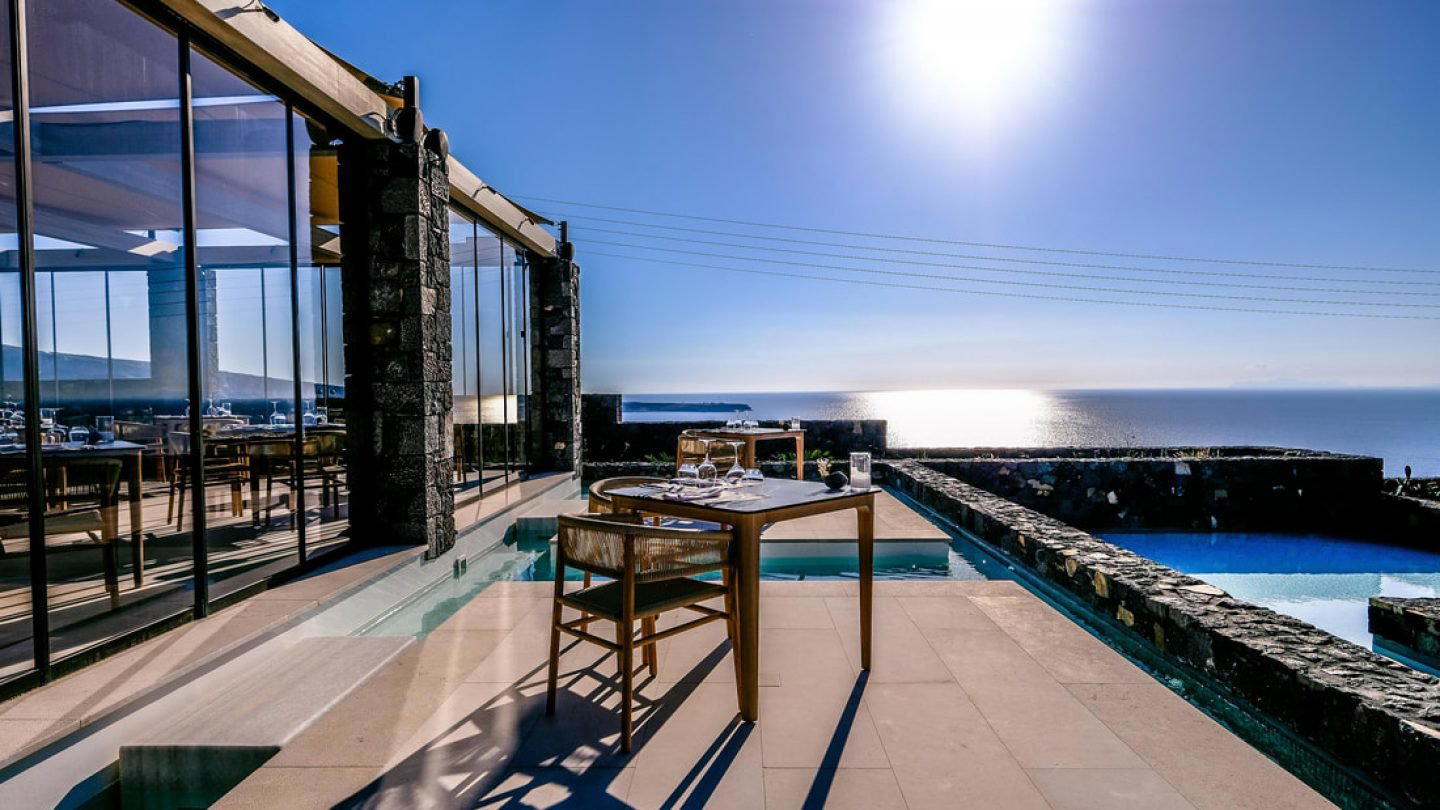
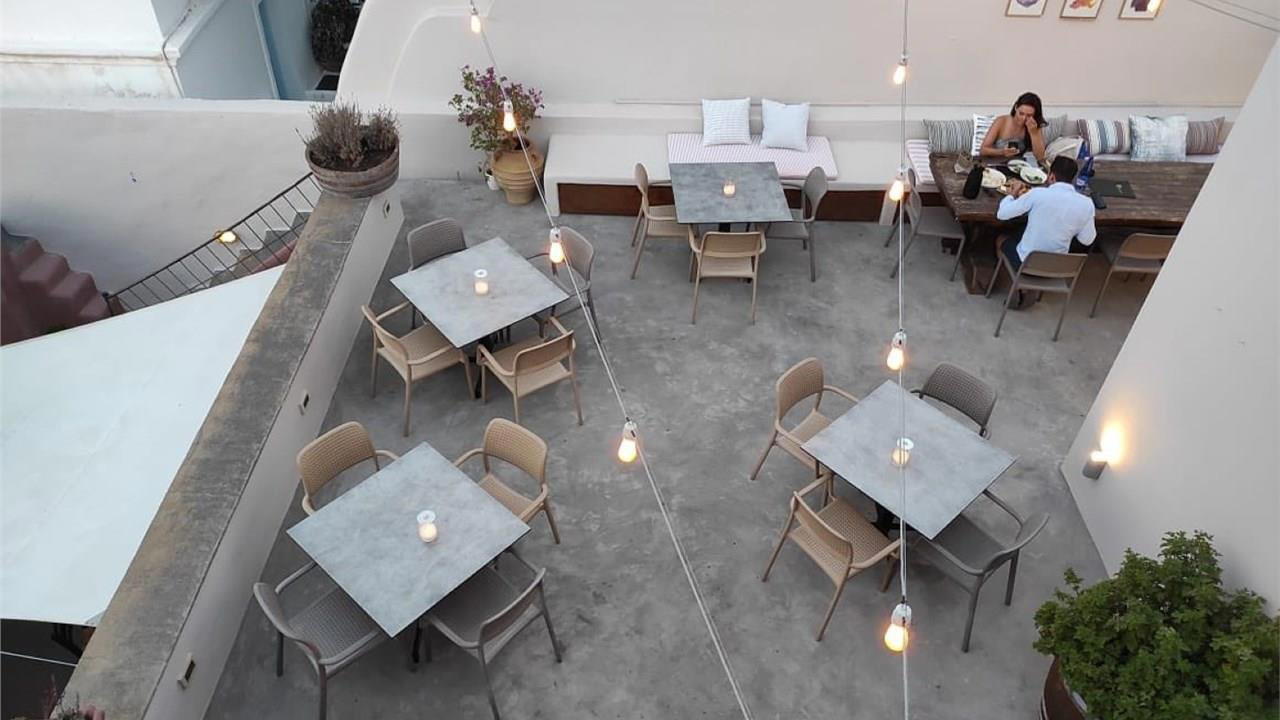
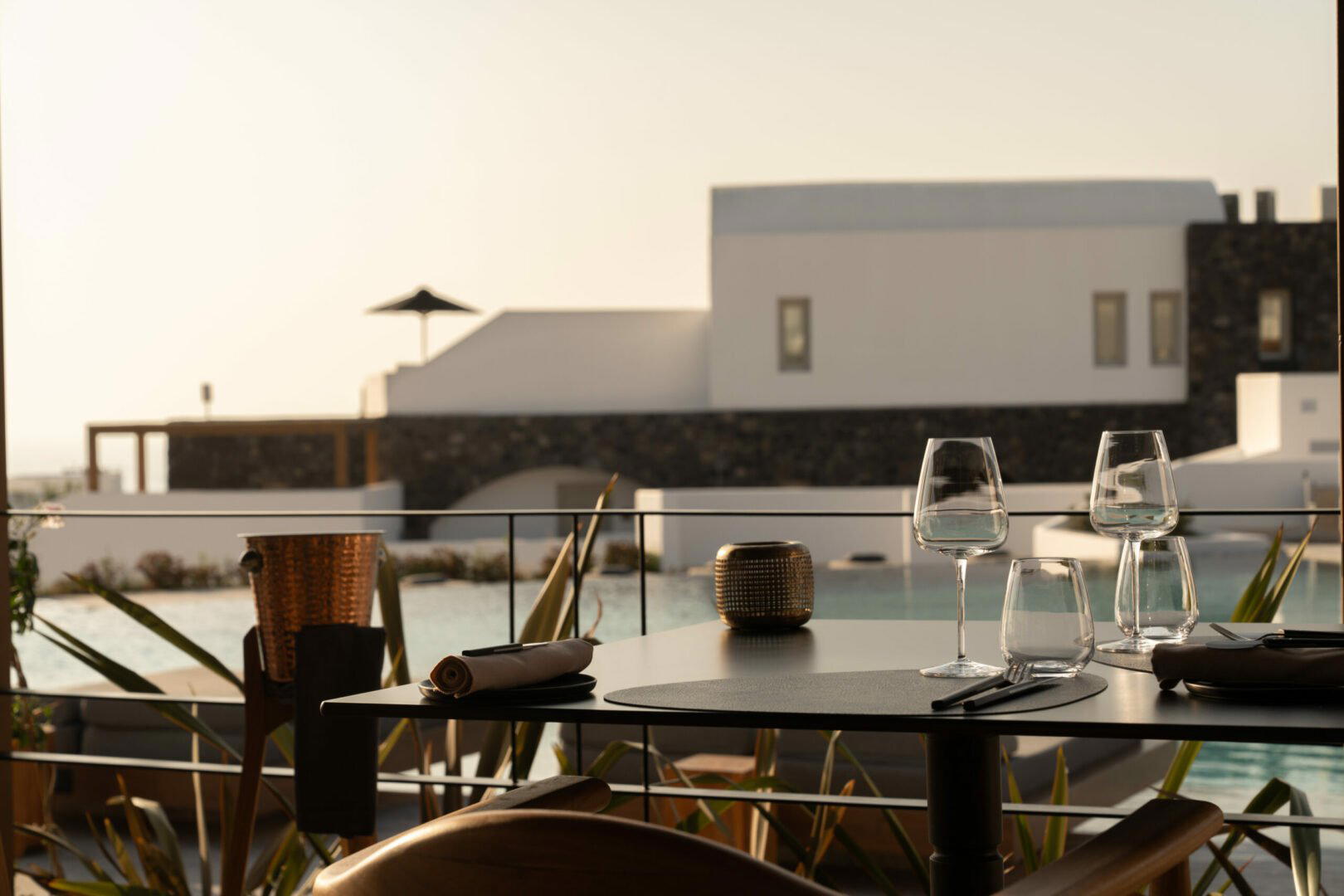
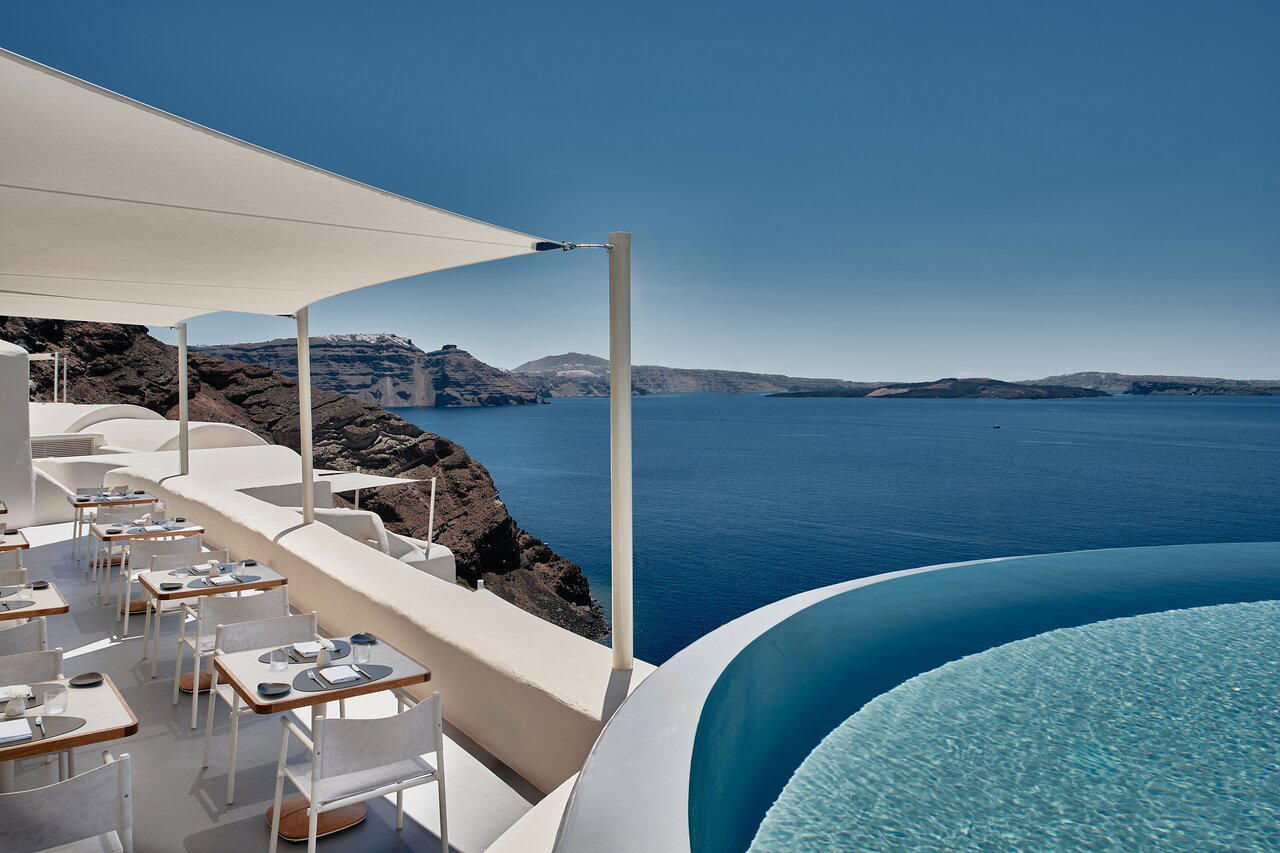
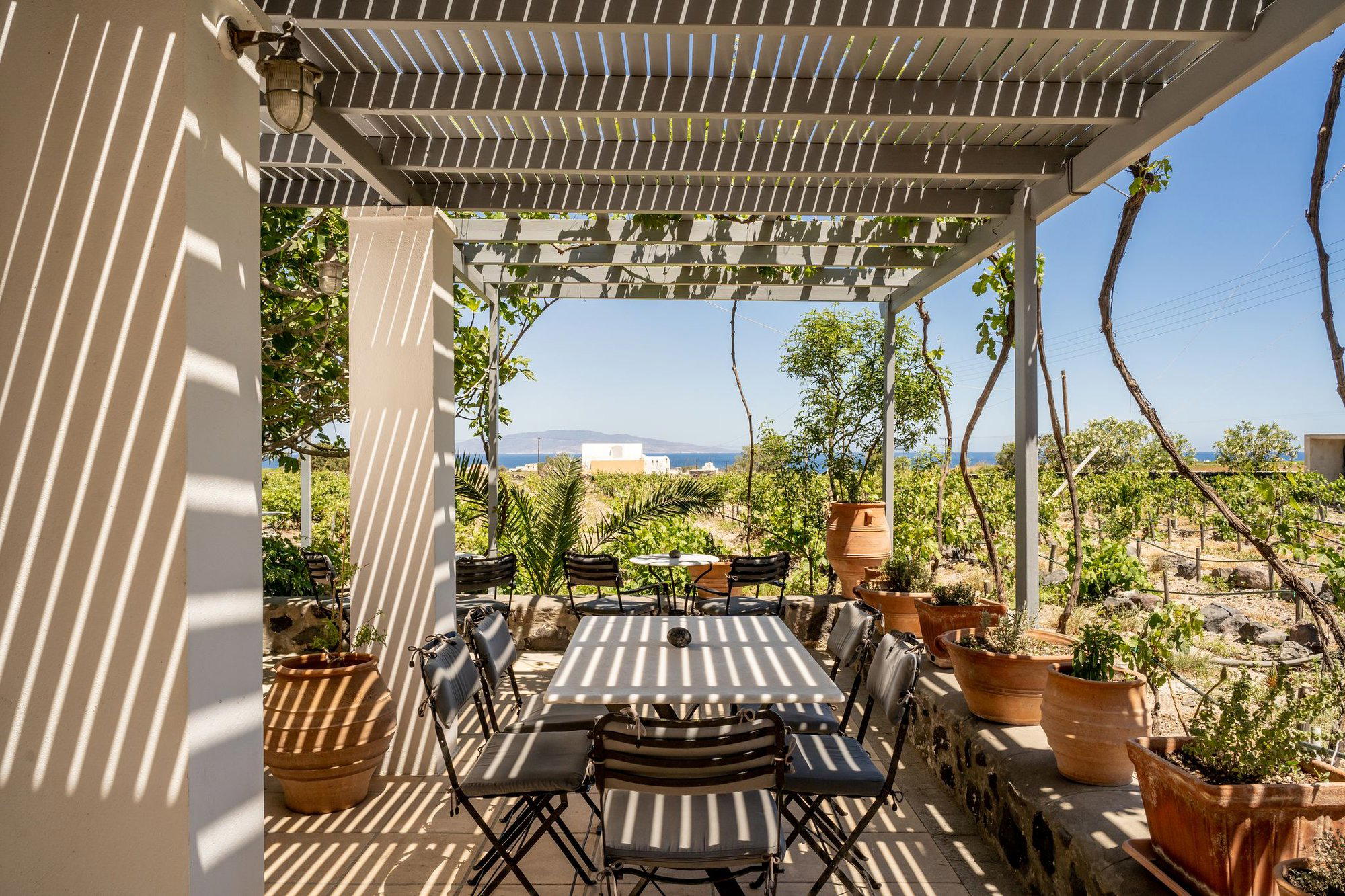
Serene and picturesque with terrace views of the village and caldera, ideal for romantic relaxation.