

Michelin Selected · Design Hotels Member
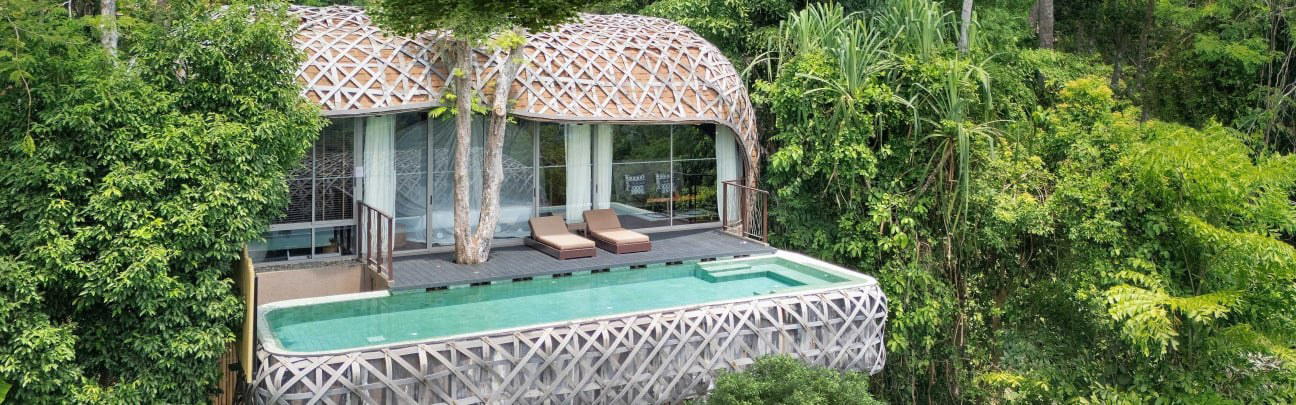
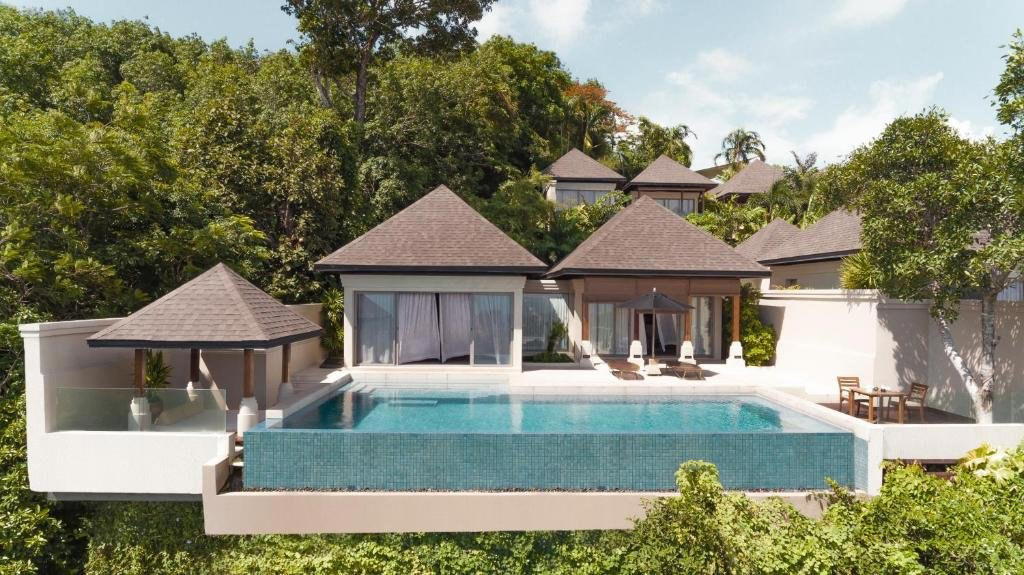
The Surin Phuket sits on the sheltered arc of Pansea Beach in Choengtalay, where the resort's design deliberately refuses the elevator and the shortcut. A series of stairs and walkways connects the property through tropical vegetation, placing guests in direct contact with the bay's terrain. Among Phuket's north-coast luxury addresses, it occupies a niche defined by restraint and physical integration with its setting.

Pearl is the En Primeur Club membership app — saves, bookings, and concierge access live there. Same editors, same standards.
- Address
- Pansea Beach 118 Moo 3, Choengtalay, Talang, Phuket 83110, Thailand
- Phone
- +66.76.324.017
- Directions
- Get directions
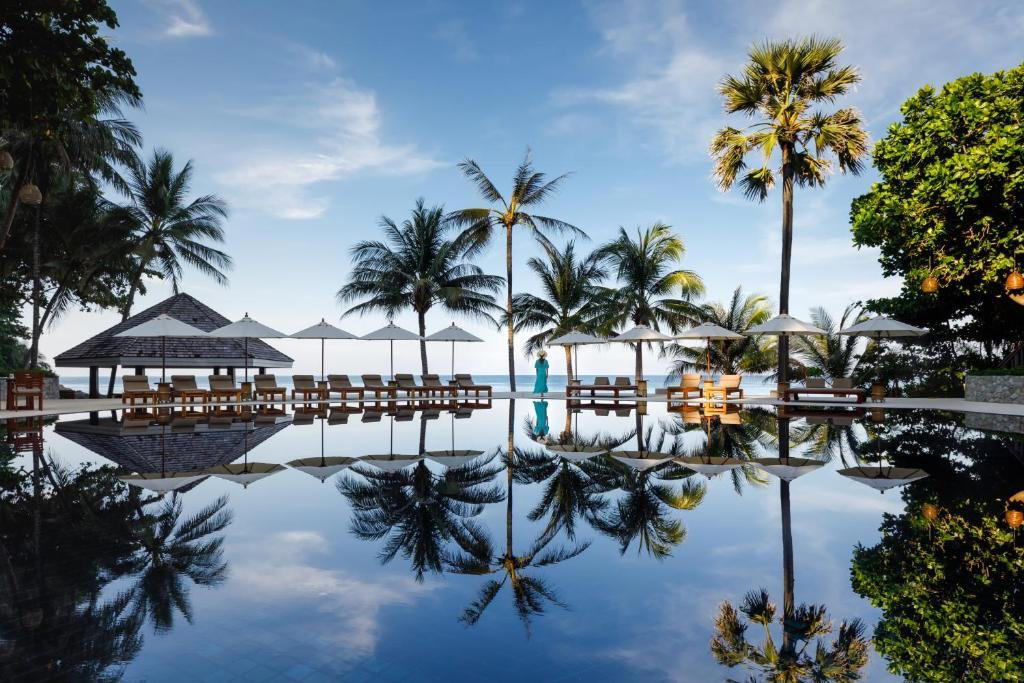
A Resort That Makes You Walk Through It
Phuket's premium hotel tier has long divided along a familiar axis: large international brands with full amenity stacks on one side, and smaller design-led properties that treat architecture and setting as the primary offering on the other. The Surin Phuket belongs firmly to the second group. At Pansea Beach in Choengtalay, on the island's quieter north-west coast, the resort was built into a tropical bay in a way that makes the terrain itself the organizing principle of the stay. There are no elevators. Movement between the property's levels happens via a network of stairs and walkways that thread through vegetation, follow the contours of the hillside, and deposit guests at the beach, the pool, or their accommodation according to the route taken. That decision — structural and deliberate — tells you almost everything about what kind of property this is.
Architecture as Editorial Statement
In an era when many luxury beach resorts flatten their sites with engineering, the commitment to stairs-only access at The Surin Phuket reads as a specific design philosophy. The walkway system is not an aesthetic flourish added on top of a conventional hotel plan; it is the hotel plan. Guests encounter the resort's landscape incrementally, through movement, rather than experiencing it as a backdrop glimpsed from a lobby or a pool deck. This approach places The Surin in a regional conversation about how tropical luxury properties engage with their physical environments, a conversation that also includes properties like Keemala in the Kamala hills and Amanpuri on the adjacent cape, both of which have made topography a feature rather than a problem to be solved.
The comparison with Amanpuri is worth pausing on. Aman's Phuket flagship occupies the same Pansea headland, and the two properties effectively share a geographic identity. Where Aman's version expresses that identity through a more formal architectural language and a globally recognised brand framework, The Surin takes a lower-key approach: the emphasis is on the bay, the vegetation, and the physicality of moving through a site that has not been entirely tamed for convenience. Neither approach is objectively superior, but they attract different travel styles, and the distinction matters when choosing between them.
Pansea Beach and the North-West Coast Context
Pansea Beach is one of the smaller, more sheltered coves on Phuket's north-west coast, sitting between the better-known Surin Beach and the cape shared with Amanpuri. The area sits within the Choengtalay and Thalang districts, which have emerged over the past decade as the preferred zone for Phuket's upper-tier resort development, drawing properties including Anantara Layan Phuket Resort and Andara Resort & Villas. The north-west corridor benefits from calmer seas during the dry season (roughly November through April), direct views of the Andaman sunset, and relative distance from the Patong-Kata strip that defines mass-market Phuket.
The beach itself is compact by Phuket standards, which reinforces the sense of enclosure and privacy that the resort's architecture pursues. Guests who want longer stretches of open sand can reach Surin Beach on foot or by a short drive, while the broader north-coast dining and nightlife scene around Cherngtalay's Boat Avenue commercial area sits within easy reach. For context on what else the island offers in this price tier, our full Phuket restaurants guide and hotel roundups cover the range from headland villas to family-format beach resorts.
Where The Surin Sits in the Regional Luxury Picture
Across Southeast Asia, the dominant tension in resort design has been between scale and intimacy. Larger properties, the InterContinental Phuket Resort on Kamala Beach, for instance, or the Rosewood Phuket at Patong's southern edge, offer comprehensive amenity programmes, multiple restaurants, and the logistical infrastructure that suits group travel, families with varied needs, or guests who want optionality within the property boundary. The Surin's stairs-and-walkways structure signals a different priority set: experiential cohesion over amenity breadth, physical engagement over convenience, a specific sense of place over brand-driven programming.
That positioning puts it in a peer group with properties that use physical design as the primary differentiator rather than F&B depth or room count. Regionally, that cohort includes Six Senses Yao Noi in Phang Nga Bay, which uses its island terrain similarly, and Pimalai Resort & Spa on Koh Lanta, where the hillside-to-beach gradient is likewise part of the guest experience rather than an inconvenience managed away. Further afield, Soneva Kiri in Trat and Samujana Villas on Koh Samui operate in related territory, where the resort's relationship with its landscape is treated as a product feature in its own right. Thailand's broader luxury hotel circuit, from Mandarin Oriental Bangkok to Four Seasons Resort Chiang Mai and Phulay Bay, A Ritz-Carlton Reserve in Krabi, skews toward the amenity-and-service model; The Surin's approach is a considered counterpoint to that direction.
Planning a Stay
The Surin Phuket's address at Pansea Beach, 118 Moo 3, Choengtalay, Thalang, places it roughly 25 kilometres north of Phuket Town and about 30 kilometres from Phuket International Airport via Route 402. The north-coast location means airport transfers take 35 to 50 minutes depending on traffic, with the journey easing considerably outside peak season arrival windows. Prospective guests should check the resort's official website directly for current room categories, rates, and availability, as pricing and package structures at this tier of property can shift substantially by season and booking lead time. The dry season window from November through April represents peak demand on this coast; booking well in advance for that period is standard practice across all properties in the Pansea and Surin Beach area, including peers such as Anantara Mai Khao Phuket Villas and Anantara Koh Yao Yai Resort & Villas.
Guests with mobility considerations should factor the stairs-only access structure into their planning decision before booking. The resort's design is a deliberate architectural choice and not a configuration that changes between room types. That said, for travellers who want a beach stay defined by physical connection to a tropical hillside rather than flat-grid resort convenience, the walkway system is precisely the point.
Cuisine Context
Comparable venues nearby, for context on price, style, and recognition.
| Venue | Cuisine | Price | Awards | Notes |
|---|---|---|---|---|
| The Surin PhuketThis venue — the venue you are viewing | Tropical luxury resort with cottage-style villas designed to blend seamlessly into natural landscape; emphasizes privacy, tranquility, and connection to nature through architectural integration with coconut groves and hillside terrain. | $300–500 | Michelin Selected · Design Hotels Member | Not listed |
| Anantara Mai Khao Phuket Villas | Exclusive all-pool-villa resort in Southern Thai village style | $300–500 | Michelin Selected · Virtuoso Luxury Hotel Partner | Thalang |
| SALA Phuket Mai Khao Beach Resort | Luxury beachfront resort blending Sino-Portuguese heritage with modern minimalist design. | $200–300 | Michelin Selected · Mr & Mrs Smith Seal of Approval | Mai Khao |
| Layan Residences by Anantara | Exclusive private pool residences blending privacy with resort luxury | Not listed | Virtuoso Luxury Hotel Partner | Thalang |
| V Villas Phuket - MGallery | Exclusive private pool villa resort with modernist architecture inspired by pearls, perched on a hilltop for panoramic bay views. | Not listed | Michelin Selected | Mueang Phuket |
| Kata Rocks | Luxury oceanfront resort with private Sky Pool Villas | Not listed | Michelin Selected · World Luxury Hotel Awards WLHA Regional Winner | Mueang Phuket |
Recognition history
Dated appearances from independent guides and award organizations, with the underlying list record or original source where available.
Michelin Selected
Michelin
Design Hotels Member
Design Hotels
Details
- Romantic
- Quiet
- Elegant
- Scenic
- Honeymoon
- Romantic Getaway
- Family Vacation
- Wellness Retreat
- Anniversary
- Beachfront
- Private Villa
- Destination Spa
- Waterfront
- Garden
- Terrace
- Panoramic View
- Wi Fi
- Pool
- Spa
- Fitness Center
- Room Service
- Concierge
- Beach Access
- Restaurant
- Bar
- Waterfront
- Garden
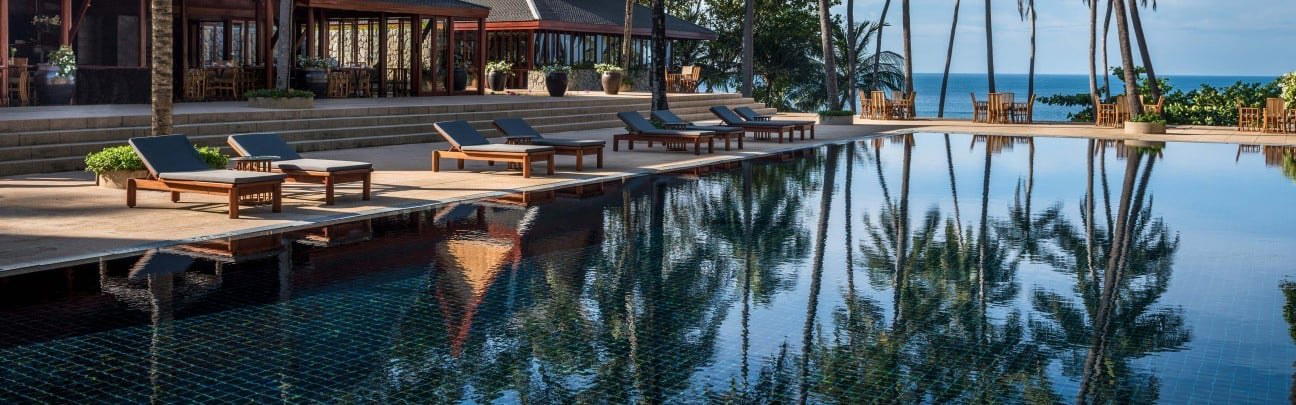
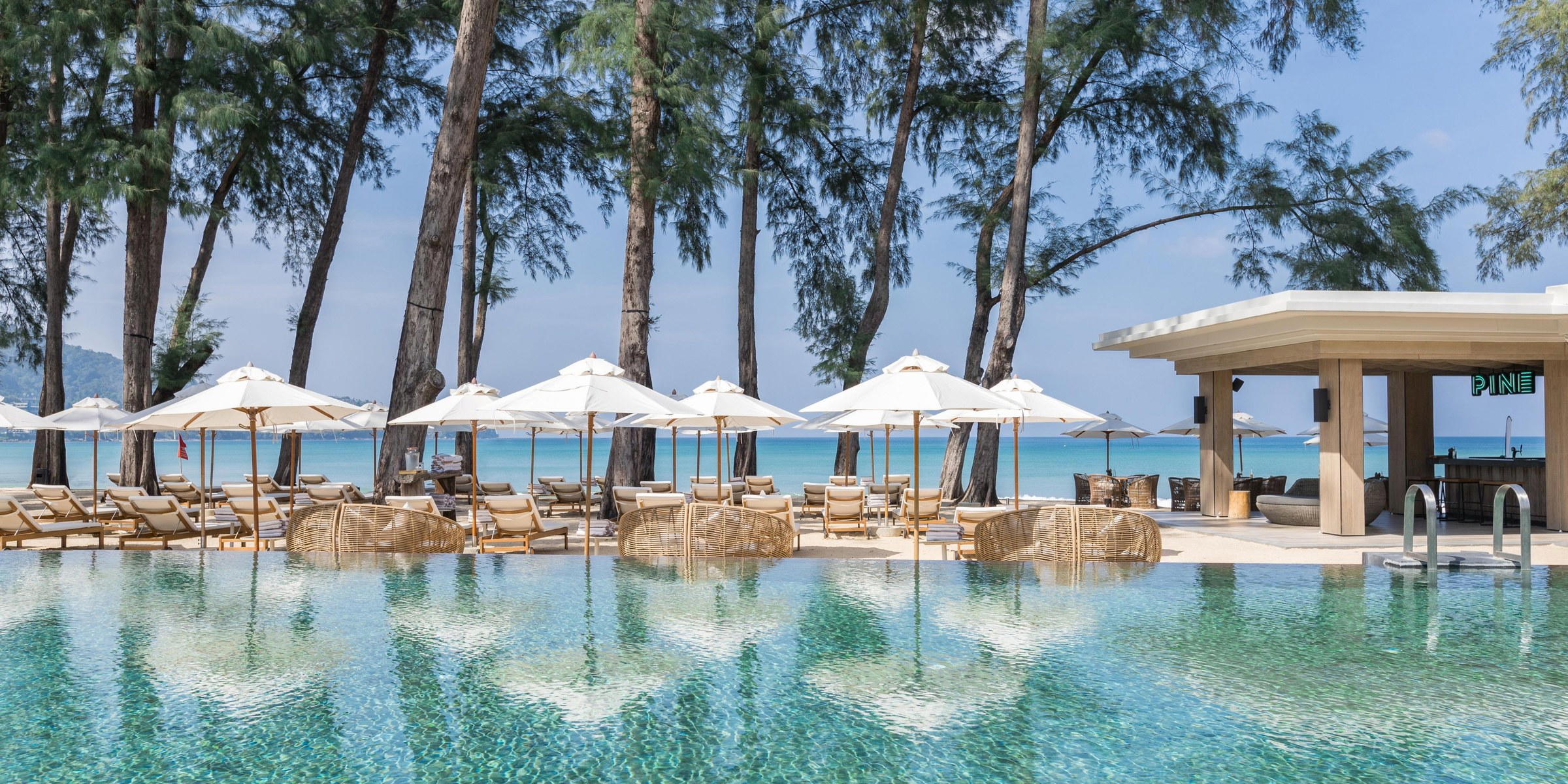
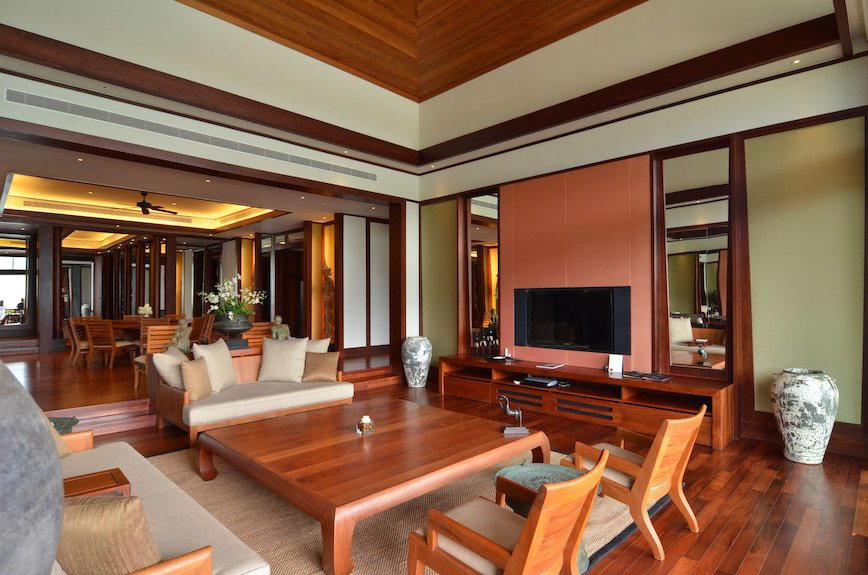
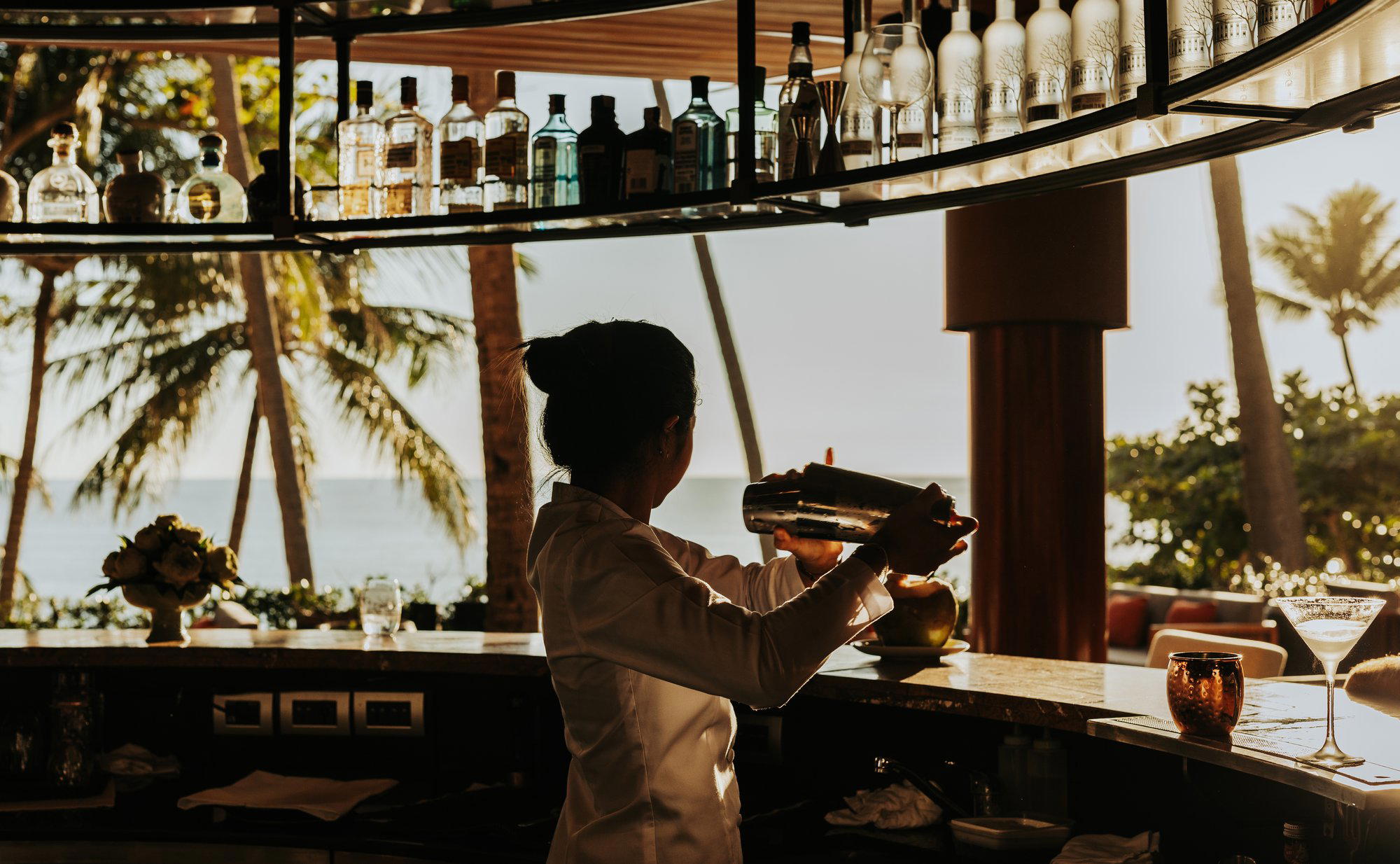
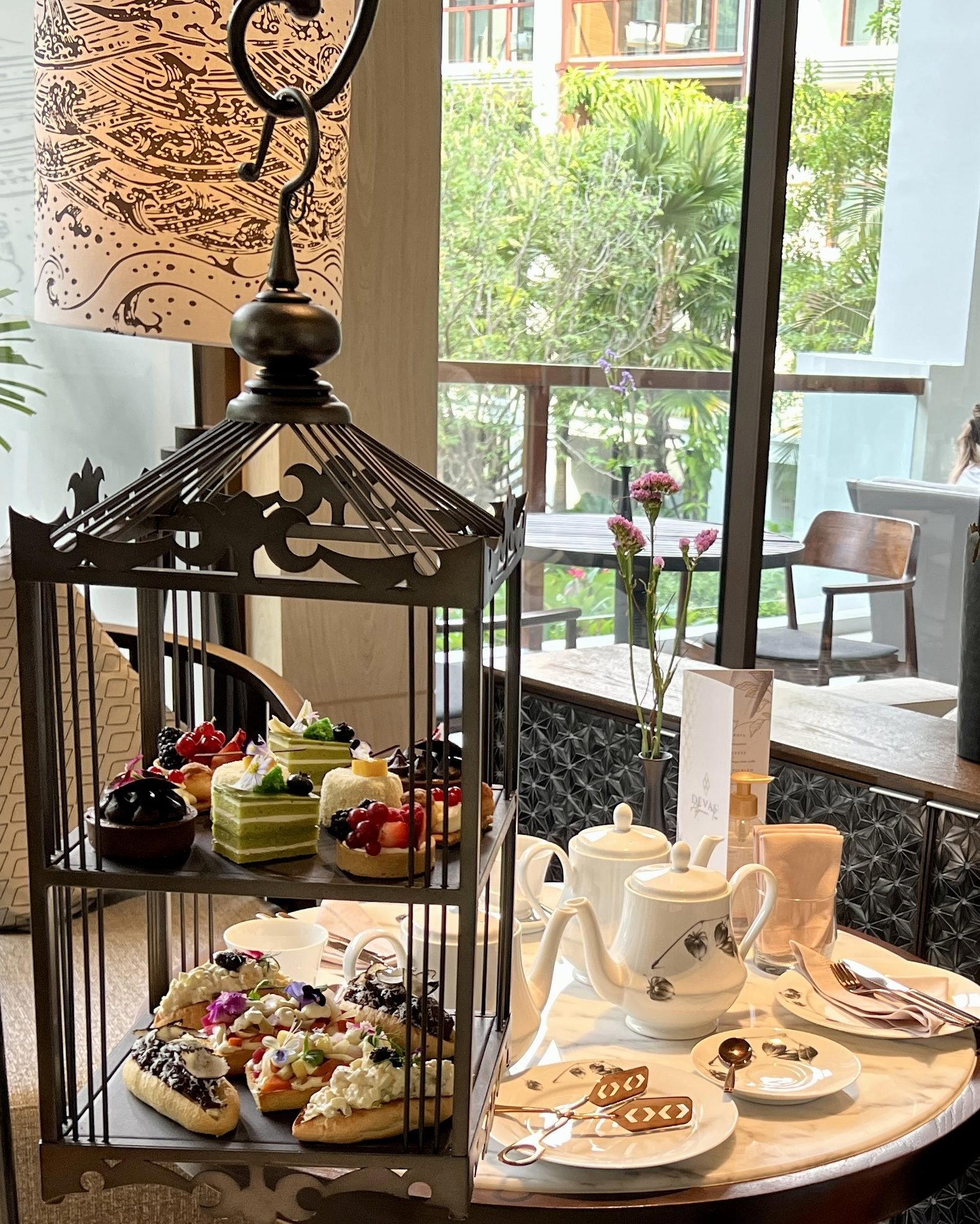
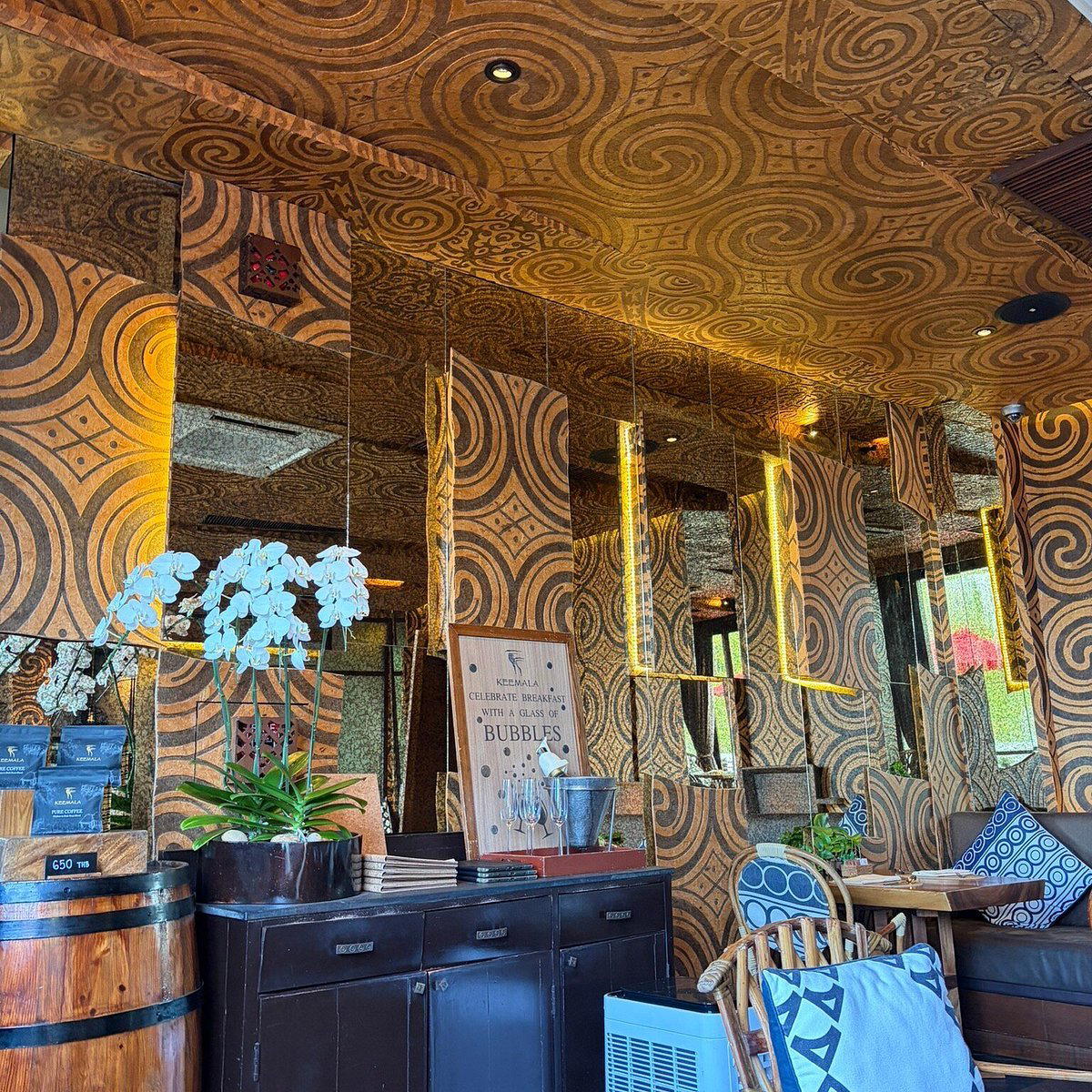
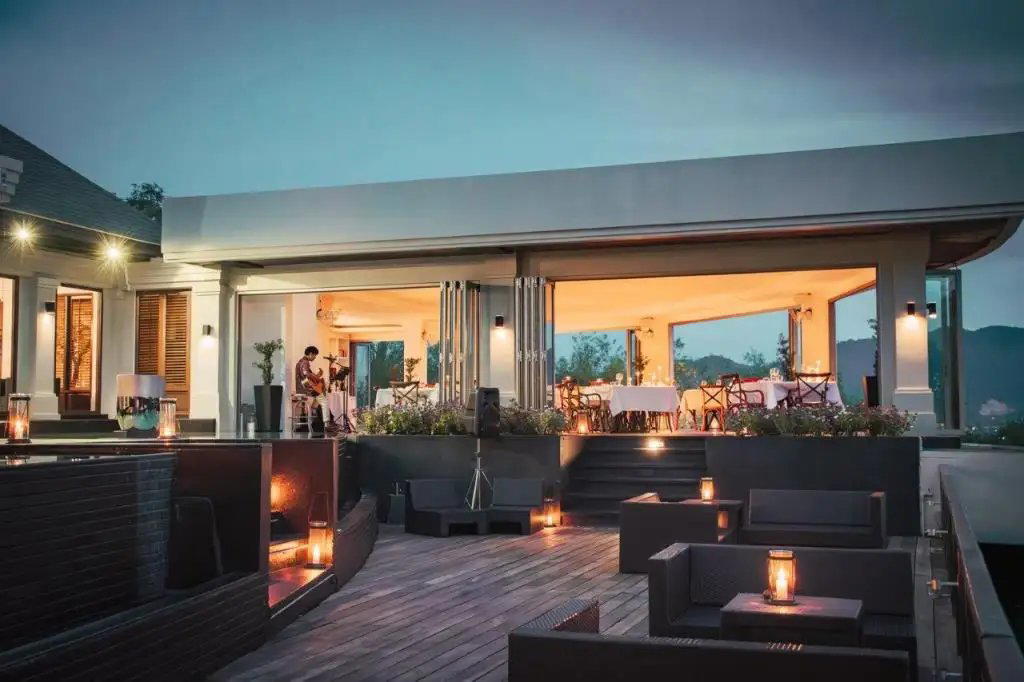
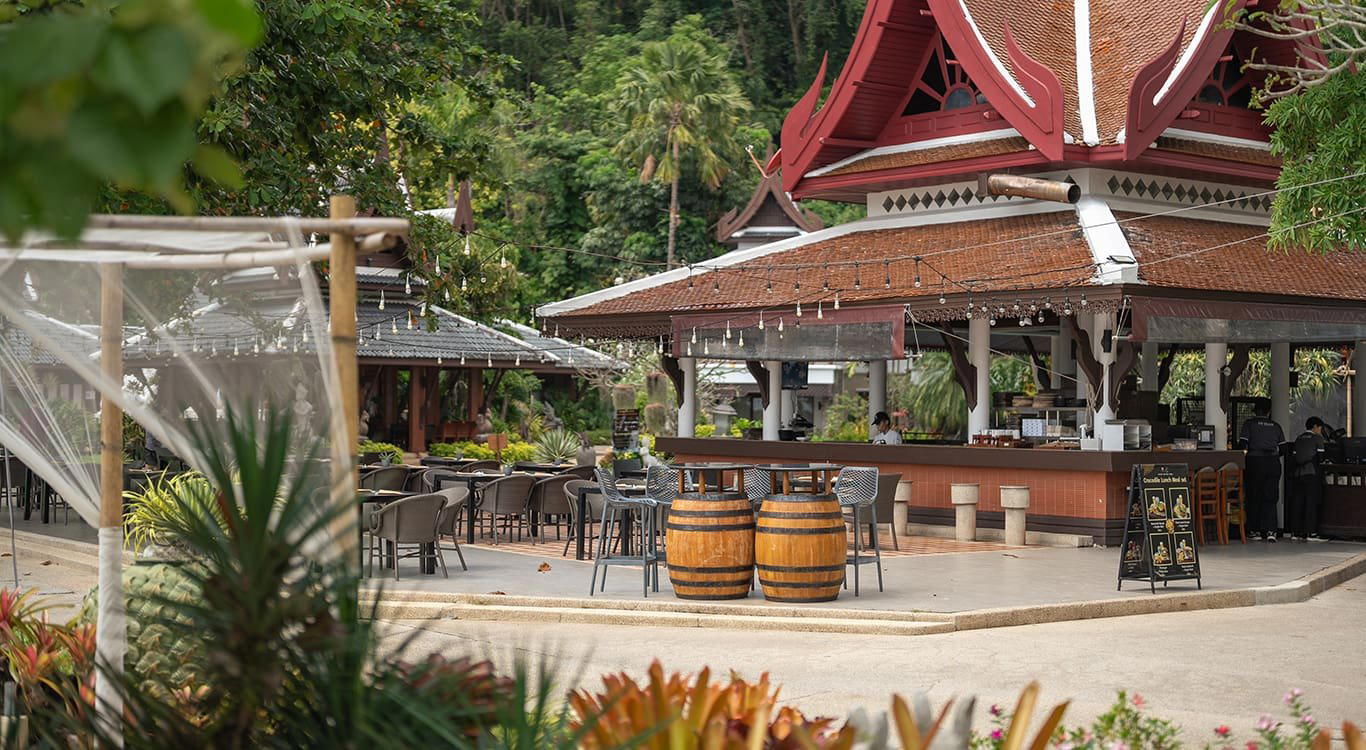
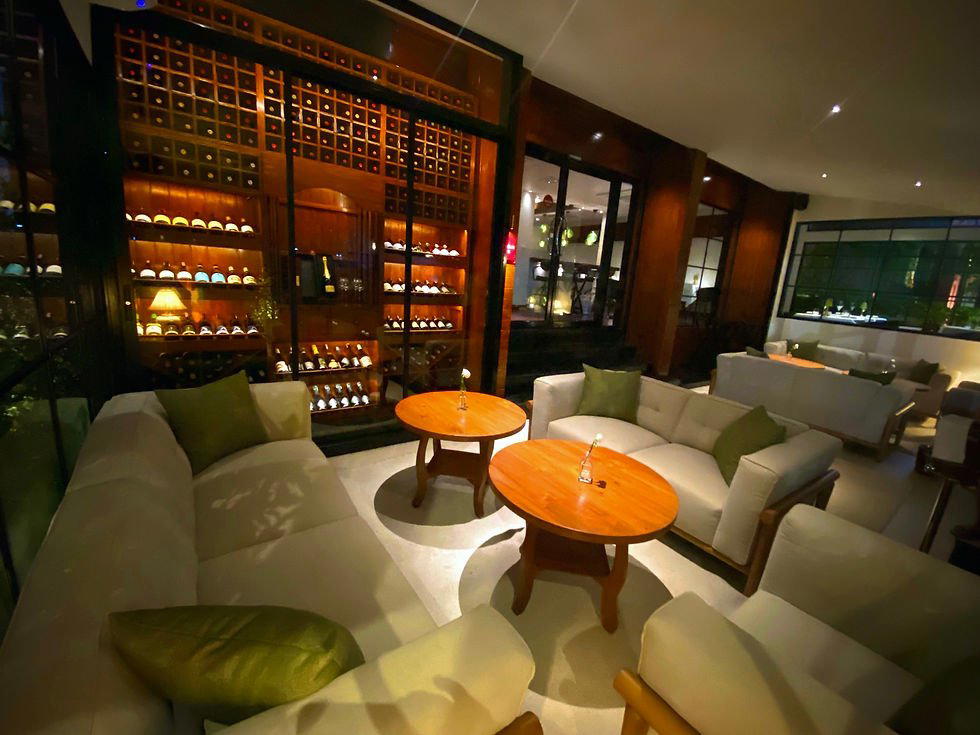
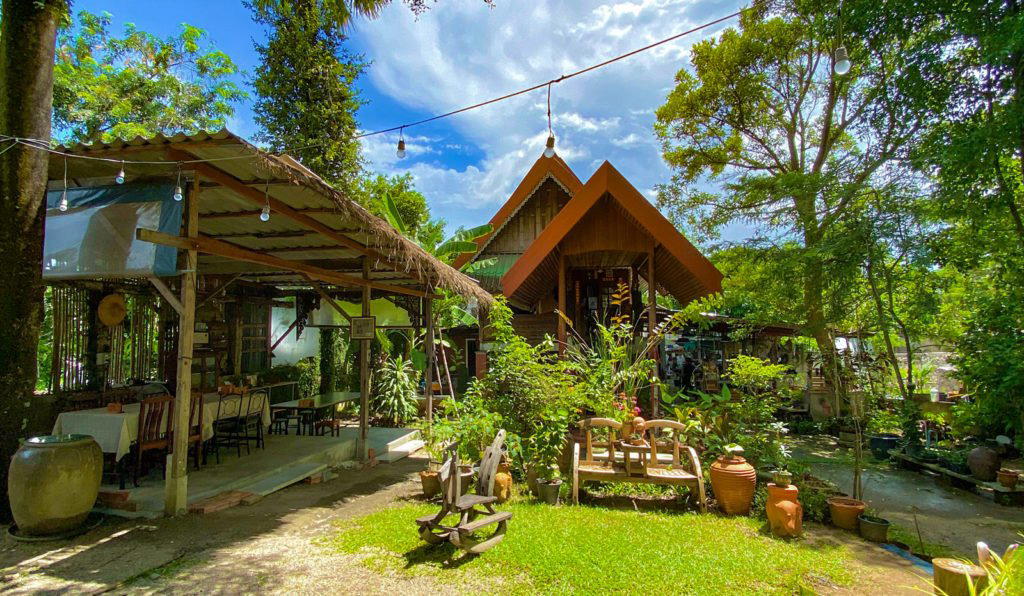
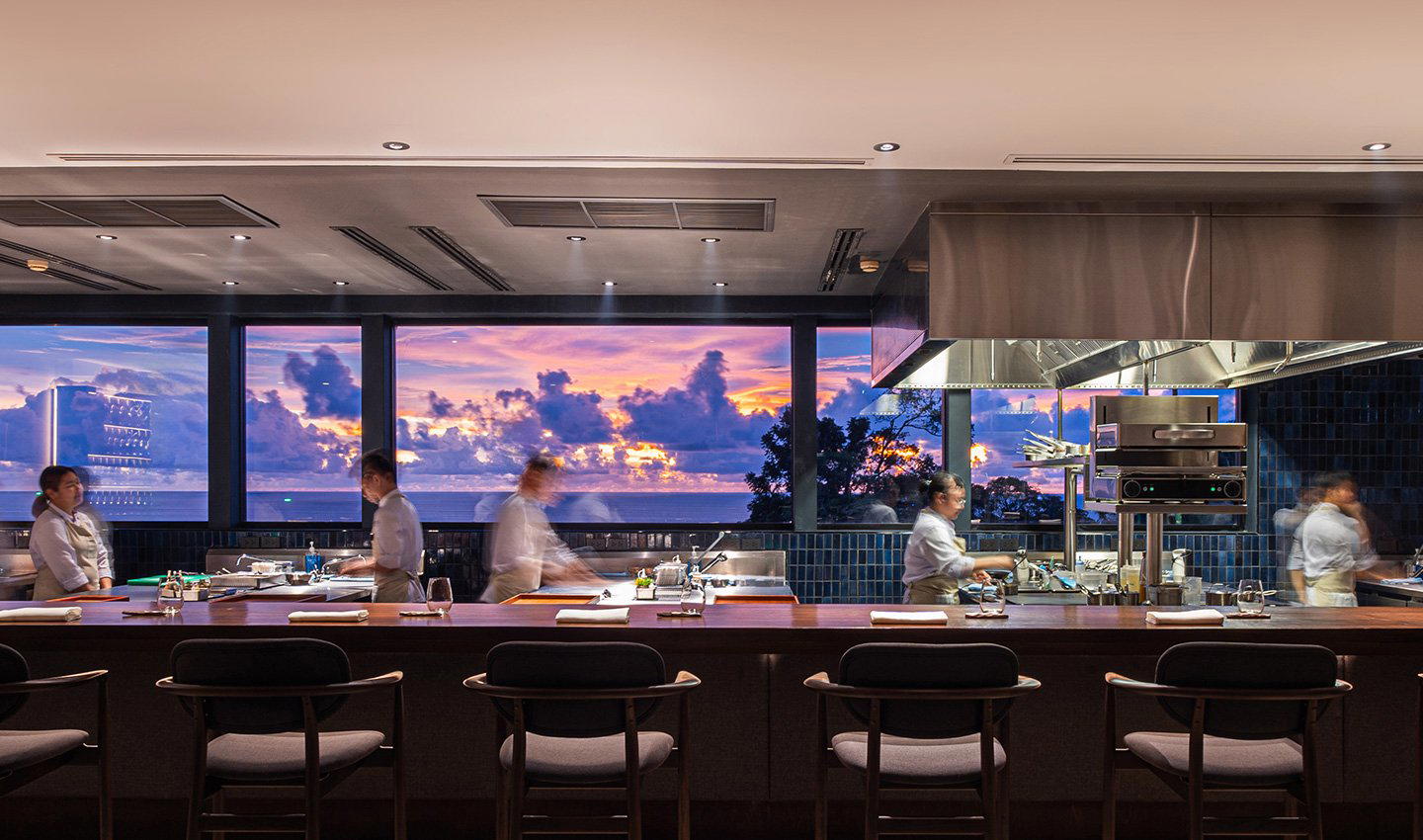
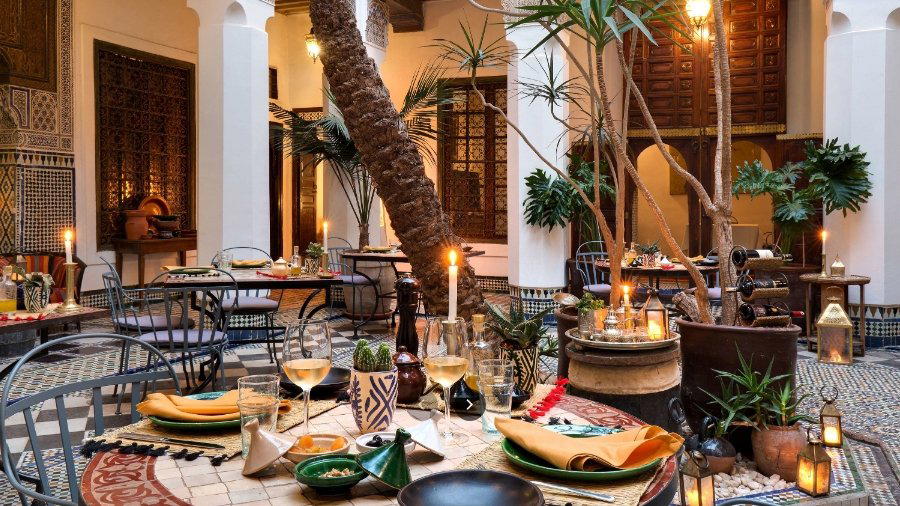
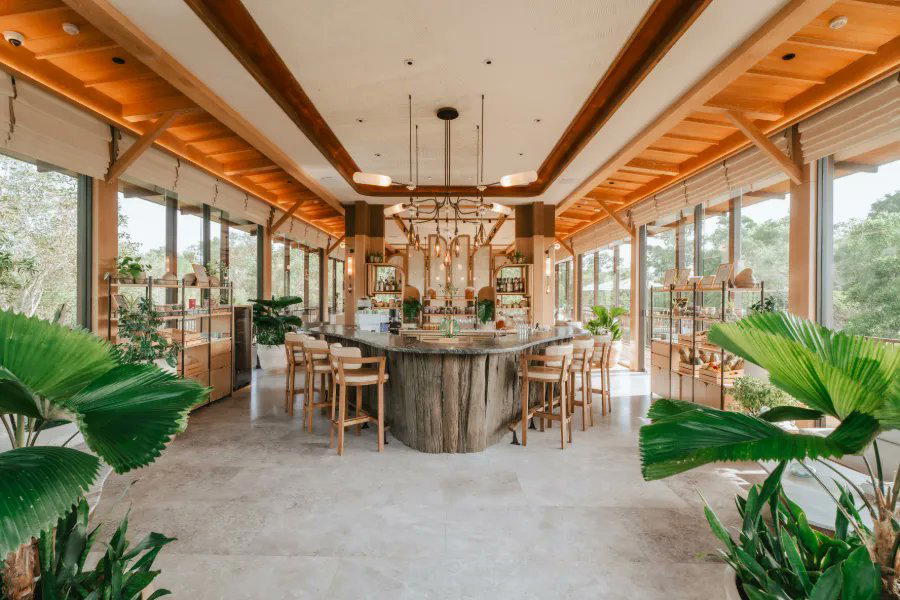
Serene and sophisticated with natural light filtering through shuttered doors, earth-toned interiors, and open-air pavilions overlooking turquoise waters; guests describe it as peaceful and zen-like with a tropical island atmosphere.