The St. Regis New York


.png)

A designated New York City landmark operating since 1904, The St. Regis New York sits at 55th Street and Fifth Avenue in the heart of Midtown, earning 97 points from La Liste's Top Hotels list in 2026. The butler-service model, King Cole Bar, and residential-style rooms place it among the city's most recognizable grand-hotel addresses, steps from Central Park, MoMA, and the Museum Mile.
Pearl is the En Primeur Club membership app — saves, bookings, and concierge access live there. Same editors, same standards.
- Address
- Two E 55th St, New York, NY 10022
- Phone
- +1 212-753-4500
- Website
- marriott.com
- Directions
- Get directions
 Saves & bookings on Pearl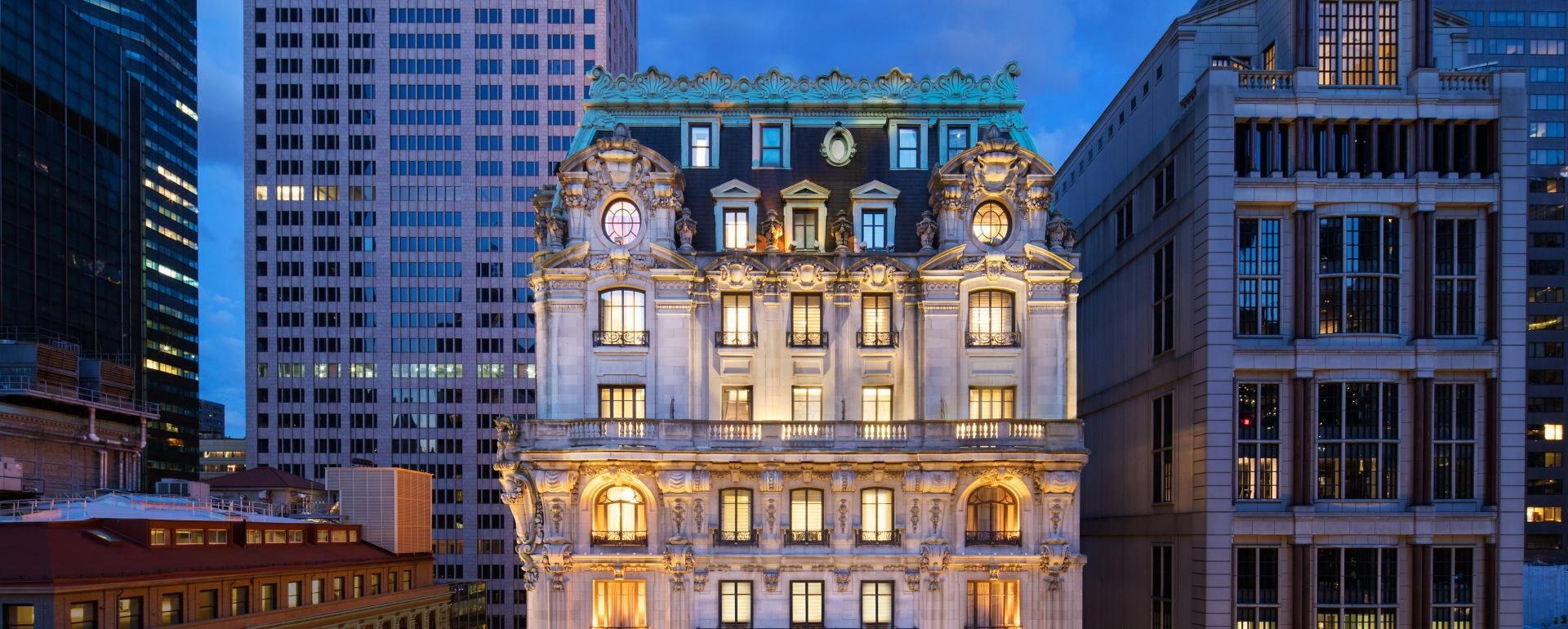
Midtown's Grand-Hotel Tradition, Anchored in Beaux-Arts Stone
New York's luxury hotel market has fractured considerably over the past two decades. On one side sit the newer design-forward independents, properties like Aman New York and Casa Cipriani New York, which trade on architectural drama and carefully limited access. On the other sits a much older tier: the grand Midtown hotel, where the architecture is a designated civic landmark and the service infrastructure has had over a century to calcify into something institutional. The St. Regis New York belongs firmly to that second category, and the distinction matters when calibrating expectations. This is not a boutique. It is a landmark hotel.
The building at Two East 55th Street has held New York City landmark status since it opened in 1904, commissioned by John Jacob Astor IV as a residential-style retreat for the city's social elite. That founding premise, luxury with the texture of a private home rather than a transient hotel, has shaped the property's identity through successive ownerships and renovations. Under Marriott International's St. Regis brand, the formal infrastructure remains: butler service assigned per room, concierge programming that extends to children's toy pre-stocking before arrival, and interiors that read more like Upper East Side apartments than hotel corridors. Among New York's legacy grand hotels, the comparable set includes The Carlyle, A Rosewood Hotel and The Mark, all three occupy the same Upper Fifth Avenue-adjacent geography and compete for the same guest profile, though each has carved a distinct register of formality.
The Room as the Main Event
The editorial angle for understanding The St. Regis New York runs through the room itself rather than through any restaurant, spa, or programming. This is, first and foremost, a hotel, a place where the overnight experience is the product. That framing is worth holding onto, because the room quality is where the property's La Liste score of 97 points (2026) becomes most legible.
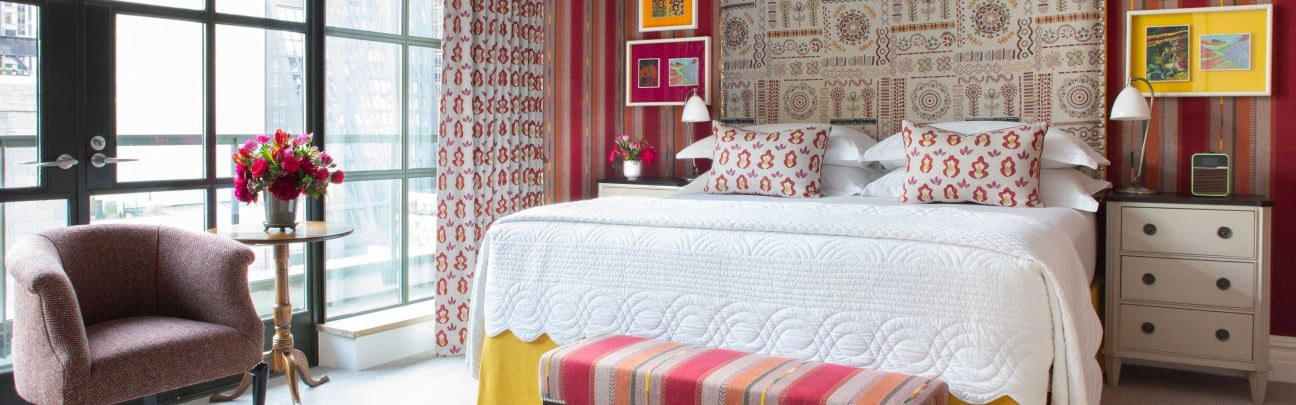
Most guest rooms work within a palette of soft baby blue, pale gray, and white, a restrained chromatic scheme that reads calmer than the heavy gilded interiors of comparable European grand hotels. The textural argument is made through the fabrics: silky brocades, rich upholstery, layered window treatments that dampen Midtown street noise more effectively than the single-pane windows of the building's age might suggest. The effect is residential in a way that differentiates the St. Regis from the more conspicuously theatrical luxury of newer Manhattan openings. The rooms do not announce themselves. They settle.
The bed is the centerpiece the property leans into. A pillow-leading mattress dressed in Egyptian cotton and topped with four king-sized feather pillows represents a fairly direct execution of the luxury-sleep arms race that most five-star brands entered seriously in the early 2000s. What tilts the balance here is the storage infrastructure: closets and additional shelved and drawered storage throughout the room are generous enough to fully unpack for a multi-night stay without the visual clutter of open luggage that plagues otherwise well-appointed hotel rooms. The residential-retreat logic Astor envisioned in 1904 is still most visible in this detail, the assumption that guests stay for more than two nights and expect to live in the room rather than camp in it.
For those weighing a Midtown room against the design-forward downtown alternatives, Crosby Street Hotel in SoHo or The Whitby Hotel further west, the tradeoff is clear. Downtown properties offer more expressive interiors and stronger food-and-beverage programming within the building. The St. Regis trades that energy for a composure that is harder to manufacture and easier to appreciate after a dense day of Midtown meetings or museum-hopping.
The Butler Proposition
The butler service that the St. Regis brand deploys across its properties is not distinctive to New York, but the Midtown context makes it more useful than at most sister properties. Each room is assigned a dedicated butler who handles wake-up calls, errands, and event coordination, including, per the hotel's own framing, the logistics of organizing a cocktail party in the room. In a city where the cost and complexity of running a private event can be prohibitive, having a fluent in-house operator with direct access to the room is a practical differentiator rather than a ceremonial one. For guests arriving for business travel, that translates into a kind of personal chief-of-staff function that larger corporate properties try and typically fail to replicate through concierge desks alone.
The King Cole Bar and What to Do About Peak Hours
The King Cole Bar carries one of the more verifiable claims in Manhattan cocktail history: the hotel's former bartender Fernand Petiot is credited with originating the Bloody Mary. Whether one finds that heritage charming or merely useful as trivia, the bar's physical presence is worth addressing separately from the drink program. The paneled, clubby interior reads as one of the last genuinely old-money Manhattan bar rooms, a contrast to the high-concept cocktail programming that now defines recognized programs at younger properties across the city.
Practical intelligence here is timing. The King Cole Bar compresses heavily during peak cocktail hours. Arriving before 6 p.m. or after 10 p.m. reduces both wait time and service friction considerably.
Location and What It Unlocks
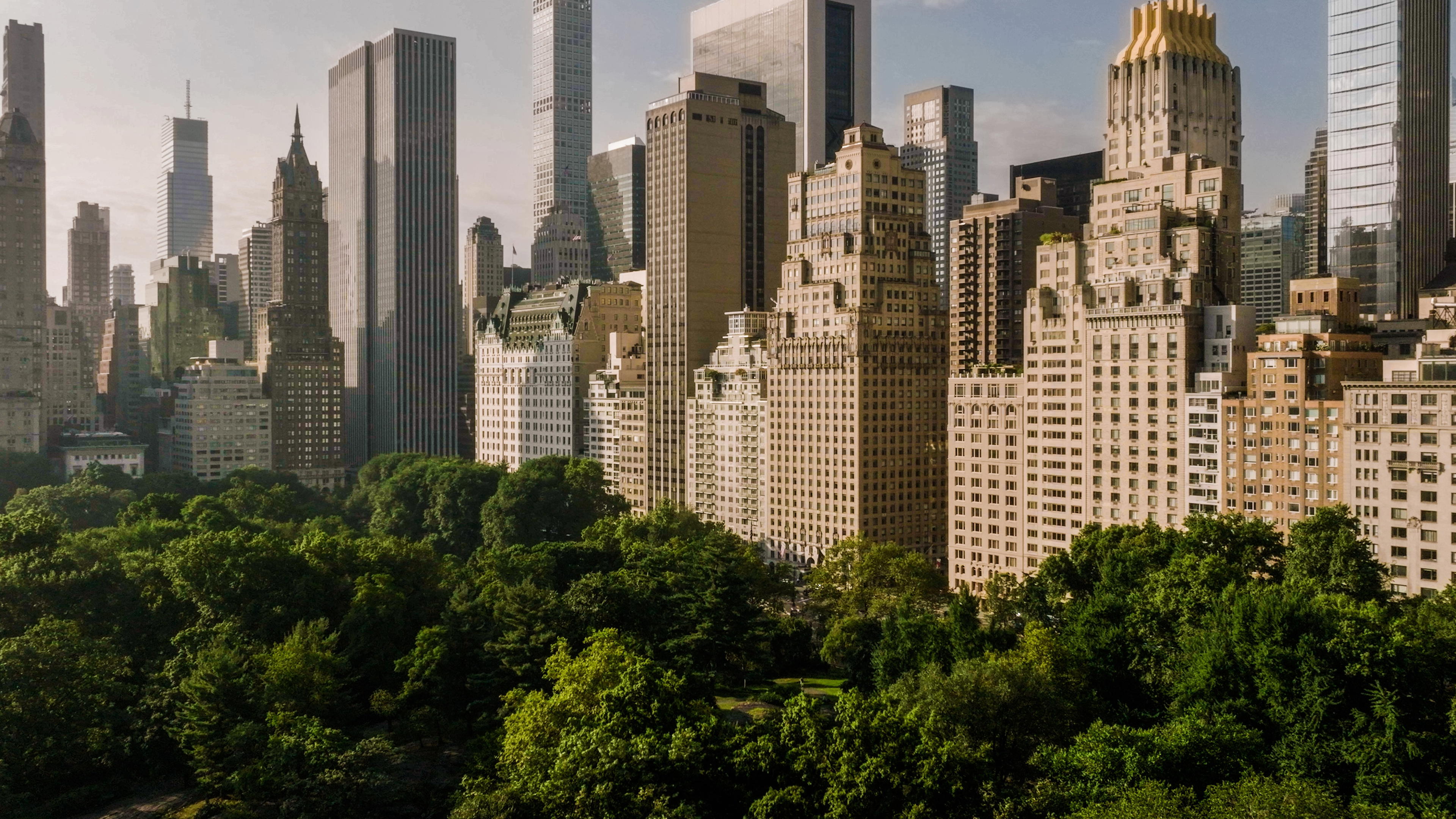
55th Street address places the hotel within walking distance of Central Park's southern edge, Fifth Avenue's concentrated retail corridor, the Museum of Modern Art, and the Museum Mile stretching up Fifth Avenue toward the Metropolitan. Broadway is accessible by cab or the M104 bus line. Lincoln Center sits roughly twenty blocks north. The geography is not accidental, Astor positioned the property at the intersection of where wealthy New Yorkers worked, shopped, and entertained, and that logic holds. For a city where neighborhood character can shift dramatically across six blocks, the St. Regis sits in the section of Manhattan with the fewest excuses to leave on foot and within cab range.
Travelers whose itineraries extend beyond New York will find the St. Regis useful as a point of comparison against the brand's wider portfolio and against the broader American luxury hotel field. The residential-formality register it occupies is replicated in different geographic contexts by properties like Auberge du Soleil in Napa, Hotel Bel-Air in Los Angeles, or internationally at Badrutt's Palace Hotel in St. Moritz and Aman Venice in Venice, all properties where history and a specific geography of privilege inform the guest experience in ways that newer builds cannot easily replicate. Those looking for contrast within New York's own luxury tier can reference The Fifth Avenue Hotel or The Greenwich Hotel for a sense of how differently the city's accommodation options read when address and age are removed from the equation.
Other US properties worth benchmarking against for comparable positioning: Four Seasons at The Surf Club in Surfside, Raffles Boston, and further afield, Amangiri in Canyon Point, Post Ranch Inn in Big Sur, SingleThread Farm Inn in Healdsburg, Troutbeck in Amenia, Sage Lodge in Pray, Canyon Ranch Tucson, Little Palm Island Resort & Spa in Little Torch Key, Kona Village, A Rosewood Resort in Kailua Kona, and 1 Hotel San Francisco, properties that collectively map the range of what American luxury hospitality looks like outside the grand urban-hotel format. For international comparison at the luxury end, Bvlgari Hotel Tokyo offers a useful reference point for how the heritage-brand hotel model translates across markets.
Know Before You Go
- Address: Two East 55th Street, New York, NY 10022
- Hotel Group: Marriott International (St. Regis brand)
- La Liste Score: 97 points, Leading Hotels 2026 (first listed 2016) 5 out of 5 (1,785 reviews)
- Landmark Status: Designated New York City landmark; operating since 1904
- Butler Service: Each room assigned a dedicated St. Regis butler
- King Cole Bar Timing: Before 6 p.m. or after 10 p.m. for better service and seating
- Family Notes: Contact concierge before arrival to pre-stock children's toys and games
- Nearby: Central Park (south entrance), MoMA, Fifth Avenue retail, Museum Mile, Lincoln Center
Cuisine Lens
Comparable venues nearby, for context on price, style, and recognition.
| Venue | Cuisine | Price | Awards | Notes |
|---|---|---|---|---|
| The St. Regis New YorkThis venue — the venue you are viewing | Historic luxury landmark with modern updates | $$$$ | 5-Star | Not listed |
| The William Vale | Contemporary luxury icon with polished green spaces and cultural events | $$$$ | 5-Star | Williamsburg |
| The Pierre, A Taj Hotel, New York | historic luxury residence | $$$$ | 5-Star | Upper East Side-Carnegie Hill |
| Four Seasons Hotel New York | Well-known Art Deco residential luxury tower | $$$$ | 5-Star | Midtown-Times Square |
| Waldorf Astoria New York | Well-known Art Deco luxury hotel blending timeless elegance with contemporary sophistication. | $$$$ | 5-Star | East Midtown-Turtle Bay |
| Royalton Park Avenue | Luxury boutique hotel positioned as the cornerstone of the NoMad neighborhood, blending contemporary design with upscale hospitality. | $$$$ | 5-Star | Midtown South-Flatiron-Union Square |
Recognition history
Dated appearances from independent guides and award organizations, with the underlying list record or original source where available.
La Liste Top Hotels
La Liste
AAA 5 Diamond
AAA
Forbes 5-Star
Forbes
Michelin Selected
Michelin
Continue exploring
More in New York City
Hotels in New York City
Browse all →
Bars in New York City
Browse all →
Restaurants in New York City
Browse all →





At a Glance
- Elegant
- Sophisticated
- Classic
- Ornate
- Well Known
- Romantic Getaway
- Business Trip
- Anniversary
- Celebration
- Historic Building
- Butler Service
- Panoramic View
- Wi Fi
- Fitness Center
- Room Service
- Concierge
- Business Center
- Valet Parking
- Skyline
- Street Scene
- Wi Fi
- Fitness Center
- Room Service
- Concierge
- Business Center
- Valet Parking
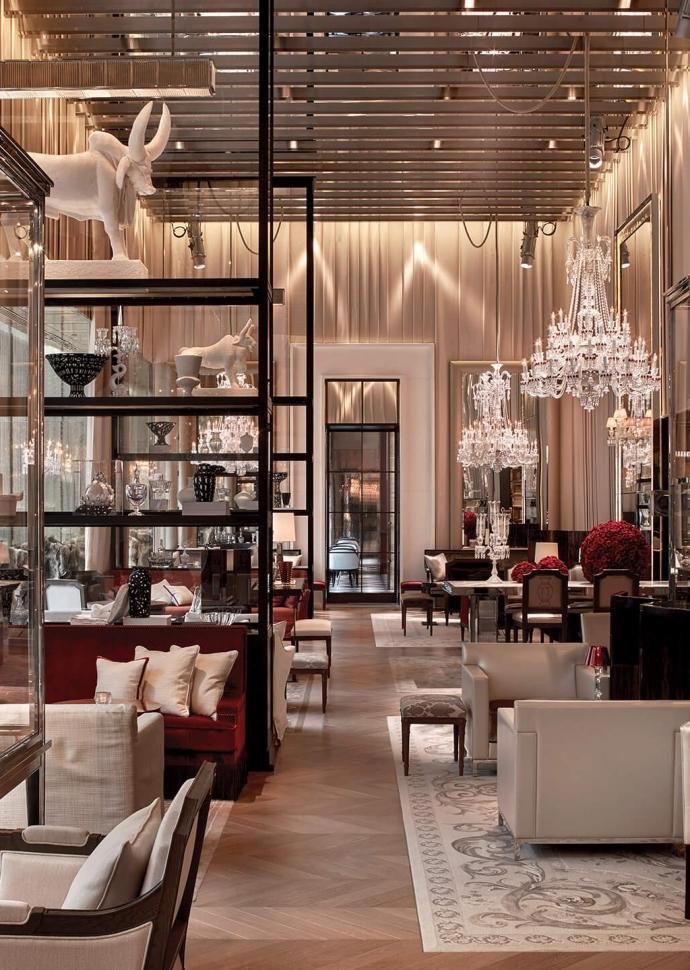
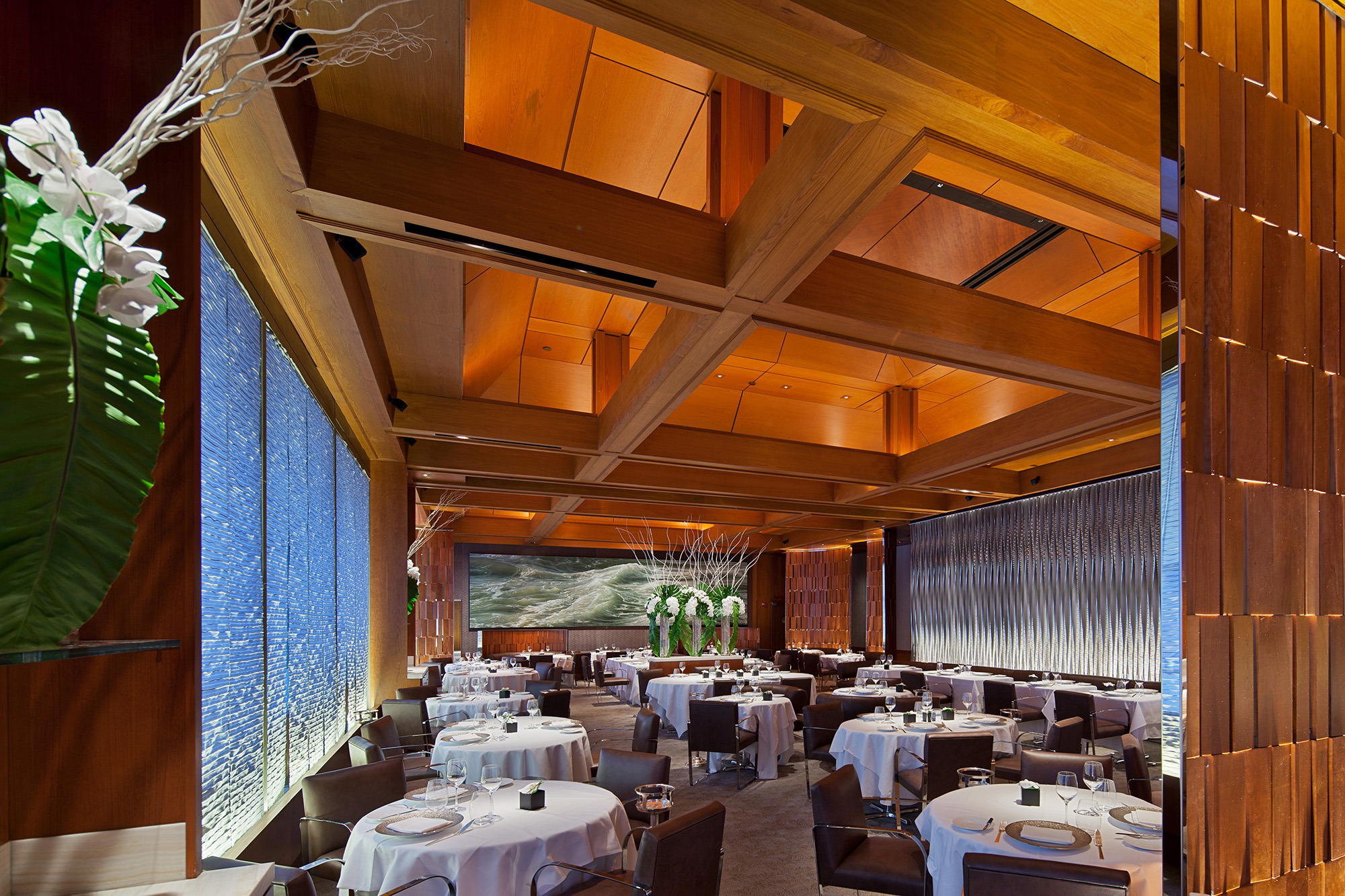
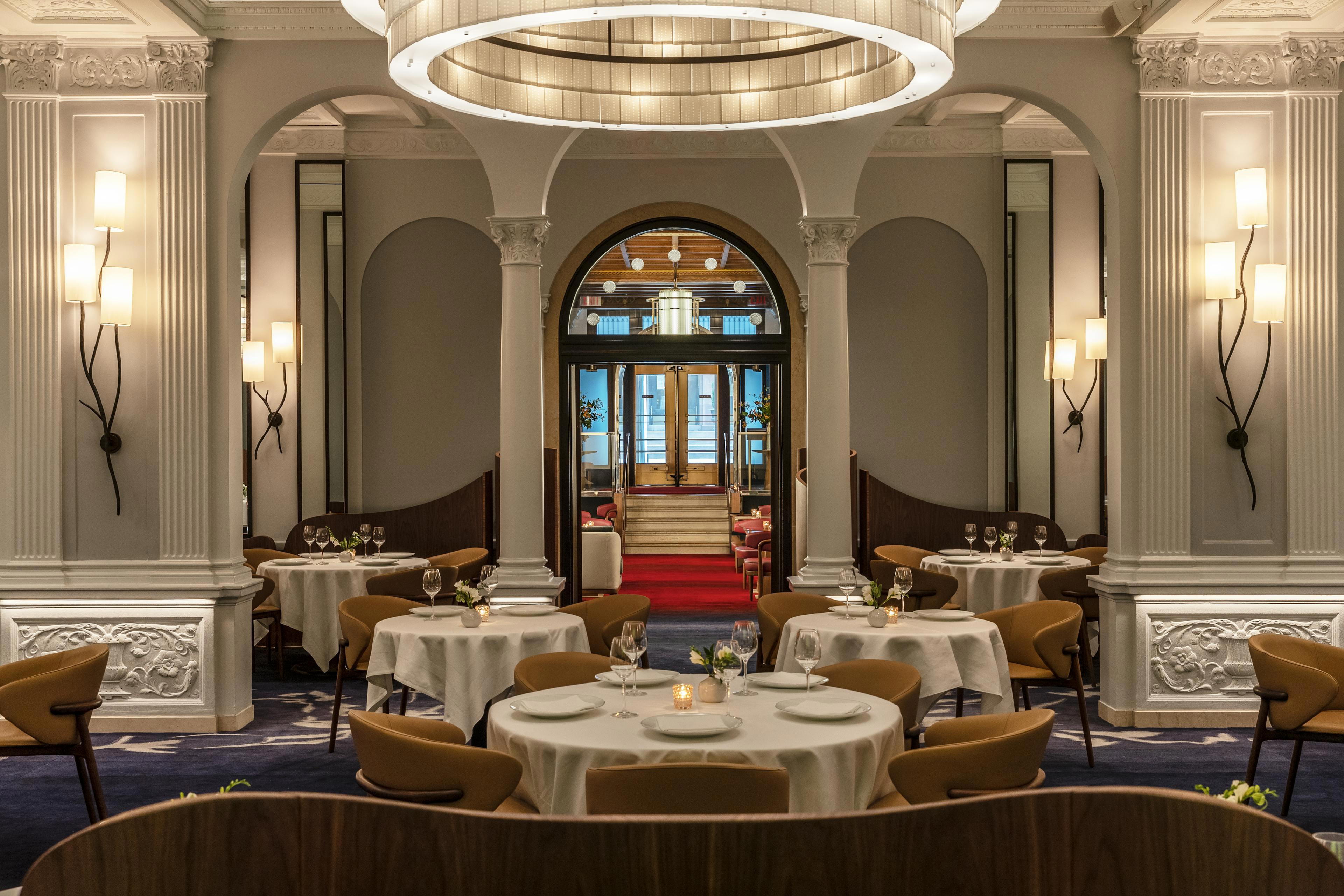
Elegant old-world glamour with crystal chandeliers, silk wall coverings, Art Deco moldings, and sophisticated lighting creating a regal, ornate atmosphere.