
Falstaff Winery - Listed
Azienda Agricola Russo belongs to Suvereto’s quieter agricultural tradition: a small family-run winery estate where wine sits alongside broader farm production rather than polished wine-tourism theatre. Its appeal is the Val di Cornia frame, still red and still white wines, sustainable practice, and a rural setting that keeps the focus on territory rather than spectacle.

Pearl is the En Primeur Club membership app, where members save venues, book tables and use the concierge.
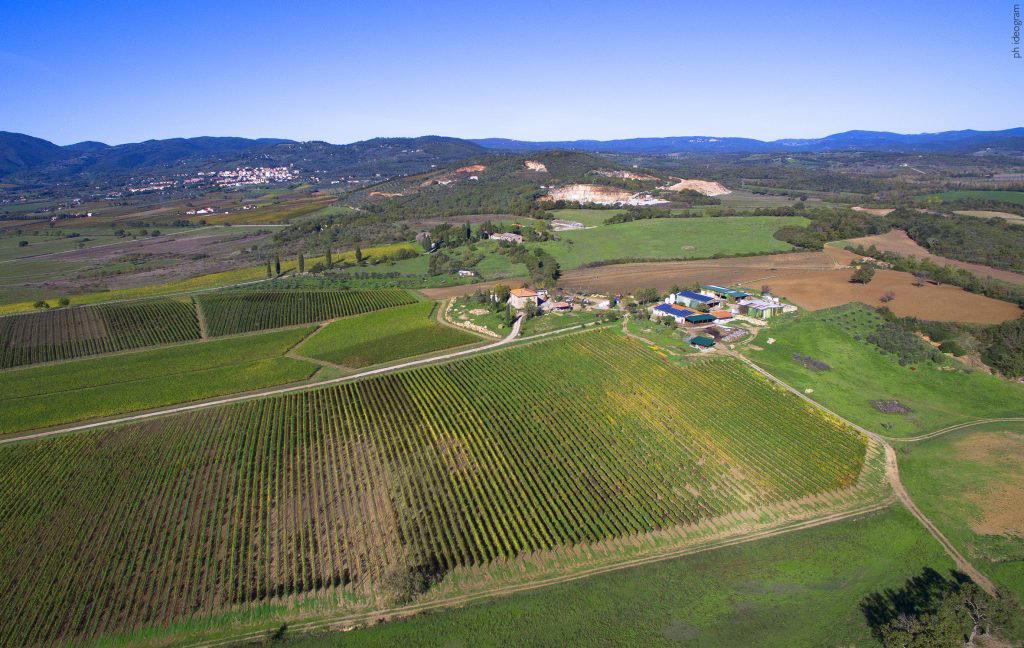
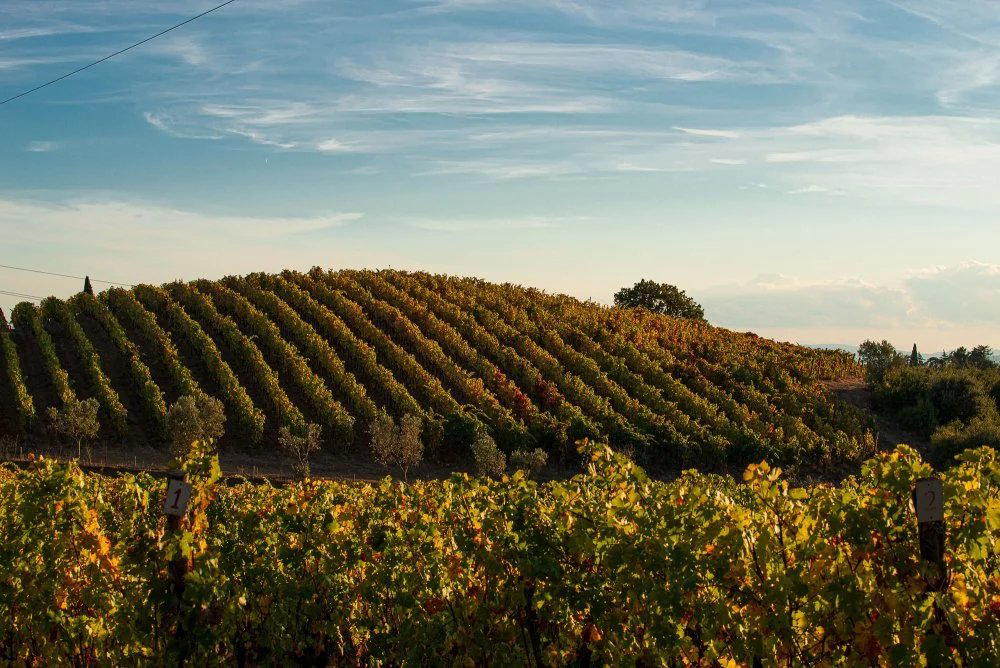
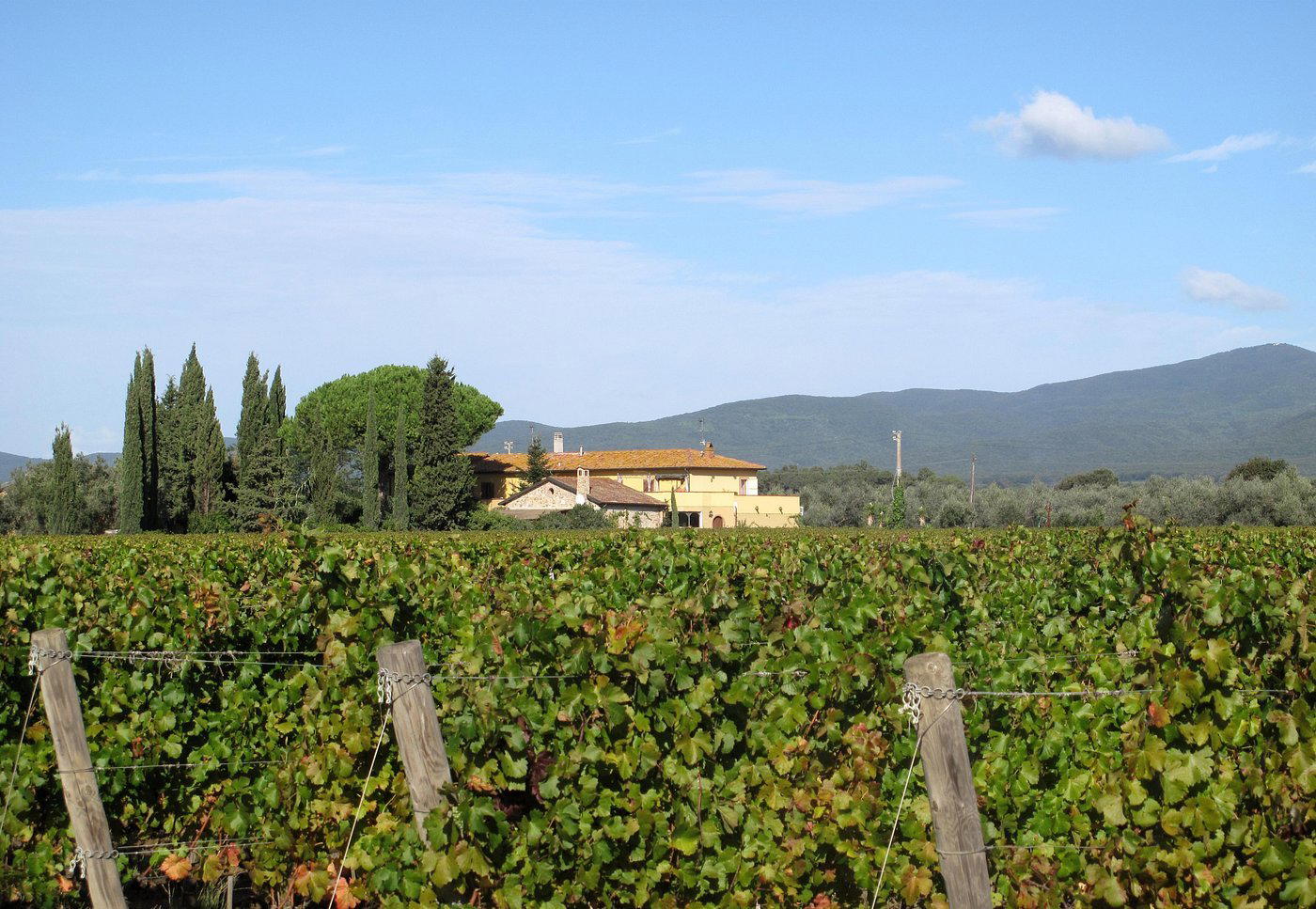
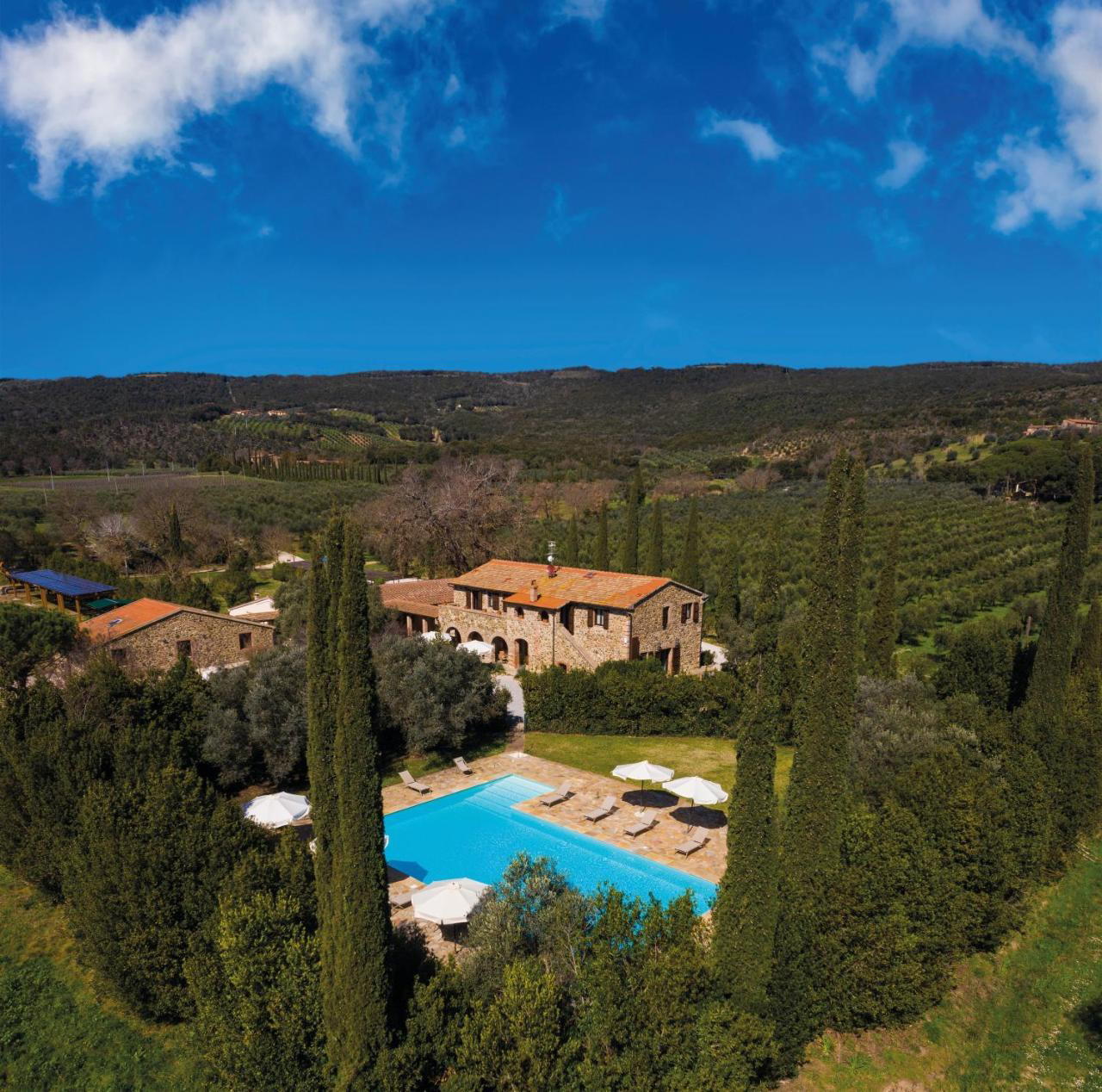
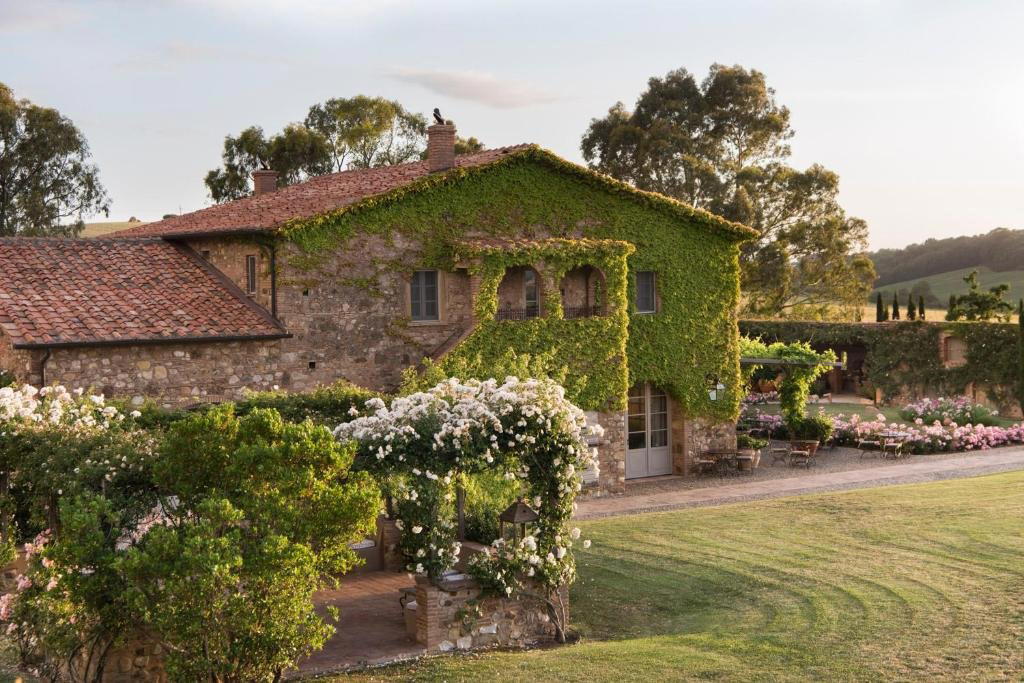
Approaching wine in Suvereto means reading the countryside before reading a label. The hills, farm tracks, vineyard rows, and working agricultural plots set the tone: this is coastal Tuscany with a rural pulse, not a stage set built around tasting-room polish. Azienda Agricola Russo fits that register closely, with a family-run estate atmosphere, a quiet rural setting, and a portfolio shaped around still red and still white wines from the Val di Cornia frame.
Suvereto sits in a part of Tuscany where wine often shares space with older mixed-farm habits. That matters. The region’s most persuasive bottles are not only about grape variety or cellar technique; they also carry the imprint of farms that historically raised animals, grew cereals, cultivated fruit and vegetables, and made bread, cheese, and cured meats as part of the same agricultural economy. At Russo, wine is presented as one part of that broader farm logic, which gives the estate a different rhythm from producers built mainly around hospitality architecture.
Val di Cornia character without the tasting-room theatre
The estate’s most useful context is appellation and scale. Russo is tied to DOC Val di Cornia, with vineyards in the Suvereto area and a production style that leans small, traditional, and sustainable. The range is compact: four red wines and one white wine, with labels including Pietrasca, Ceppitaio, Sassobucato, and Barbicone. That proportion says plenty about the local emphasis. This is a red-leaning corner of Tuscany, but not one where white wine is treated as an afterthought.
The red wines are described through Merlot, Cabernet Sauvignon, Petit Verdot, and Cabernet Franc, a variety set that places Russo inside the broader coastal Tuscan conversation rather than the Sangiovese-dominated image many travellers bring to the region. Sassobucato Toscana Rosso IGT 2016 is the clearest named example, built from that Bordeaux-variety vocabulary. The white side is framed in fresher terms, giving the portfolio a simple but useful contrast: power and texture on one side, freshness and crispness on the other.
Ceppitaio adds a local clue. Its name is linked to “Ceppite,” a plant associated with the estate’s hill vineyards, a reminder that rural naming traditions often reveal more about place than polished brand language. In Suvereto, details like that are not decorative. They show how vineyard culture, field memory, and family farming remain intertwined.
A working-farm model in a polished Tuscan wine region
Much of premium Tuscan wine tourism has moved toward appointment choreography, architectural tasting rooms, and cellar-door experiences designed for international itineraries. Russo occupies a more restrained category. The format is private tasting, the setting is a family-run winery estate, and the mood is quiet, casual, and agricultural. That makes it better suited to travellers interested in production context and territory than those looking for a high-gloss hospitality circuit.
The estate’s stated production philosophy is sustainable, and that is significant here because the farm context gives the word a practical meaning. Sustainability in a mixed rural estate is not only about vineyard inputs; it is also about keeping agriculture connected to place, family labour, and continuity of use. Russo’s identity is built around respect for the territory and traditional practice, which gives the wines a directness that aligns with the Val di Cornia setting.
There are no Michelin-style signals to lean on in this category, and that is not the point of a visit. The trust signal is format: a small-capacity, family-run winery estate with private tastings, vineyard context, and a portfolio anchored in named labels rather than anonymous bulk production. For travellers building a Suvereto wine day, that distinction matters more than a trophy cabinet.
How to place Russo in a Suvereto itinerary
Russo works well as the slower, more agricultural stop in a Suvereto wine itinerary. The estate suits solo exploration, wine education, and small-group visits where the conversation can stay close to vineyards, varieties, and the farm’s wider production habits. It is not a children-focused or dog-friendly stop, and the setting is better read as rural and quiet than social or event-led.
For broader Suvereto planning, keep Russo within the wine map rather than treating it as a standalone destination. EP Club’s Suvereto coverage can help frame the day across categories: Our full Suvereto wineries guide, Our full Suvereto restaurants guide, Our full Suvereto hotels guide, Our full Suvereto bars guide, and Our full Suvereto experiences guide give the practical scaffolding around meals, stays, drinks, and local programming.
Readers mapping Suvereto’s winery scene can also continue with nearby regional entries including Azienda Agricola Incontri, Bulichella, Gualdo del Re, Il Falcone, and La Fralluca. For a wider European wine lens beyond Tuscany, see 3GP SRL in Treviso, 47 Anno Domini in Trebaseleghe, A Mano Wine in Noci, »der Steiner« Hans Steiner in Podersdorf am See, and & Handwein in Mannheim.
The editorial case for Russo is clear: it gives Suvereto’s wine culture a working-farm counterweight. The draw is not spectacle, luxury signalling, or a long list of medals. It is the chance to understand how a small family estate in Val di Cornia turns mixed agricultural identity, sustainable practice, and coastal Tuscan red-wine structure into a compact, place-led portfolio.
Recognition history
Dated appearances from independent guides and award organizations, with the underlying list record or original source where available.
Falstaff Winery - Listed
Falstaff
Continue exploring
More in Suvereto
Wineries in Suvereto
All wineries in Suvereto →
Details
- Rustic
- Quiet
- Classic
- Wine Education
- Solo Exploration
- Special Occasion
- Estate Grounds
- Vineyard Tour
- Private Tasting
- Sustainable
- Vineyard
- Red Grapes
- White Grapes
- Still Red
- Still White
- Private Tasting
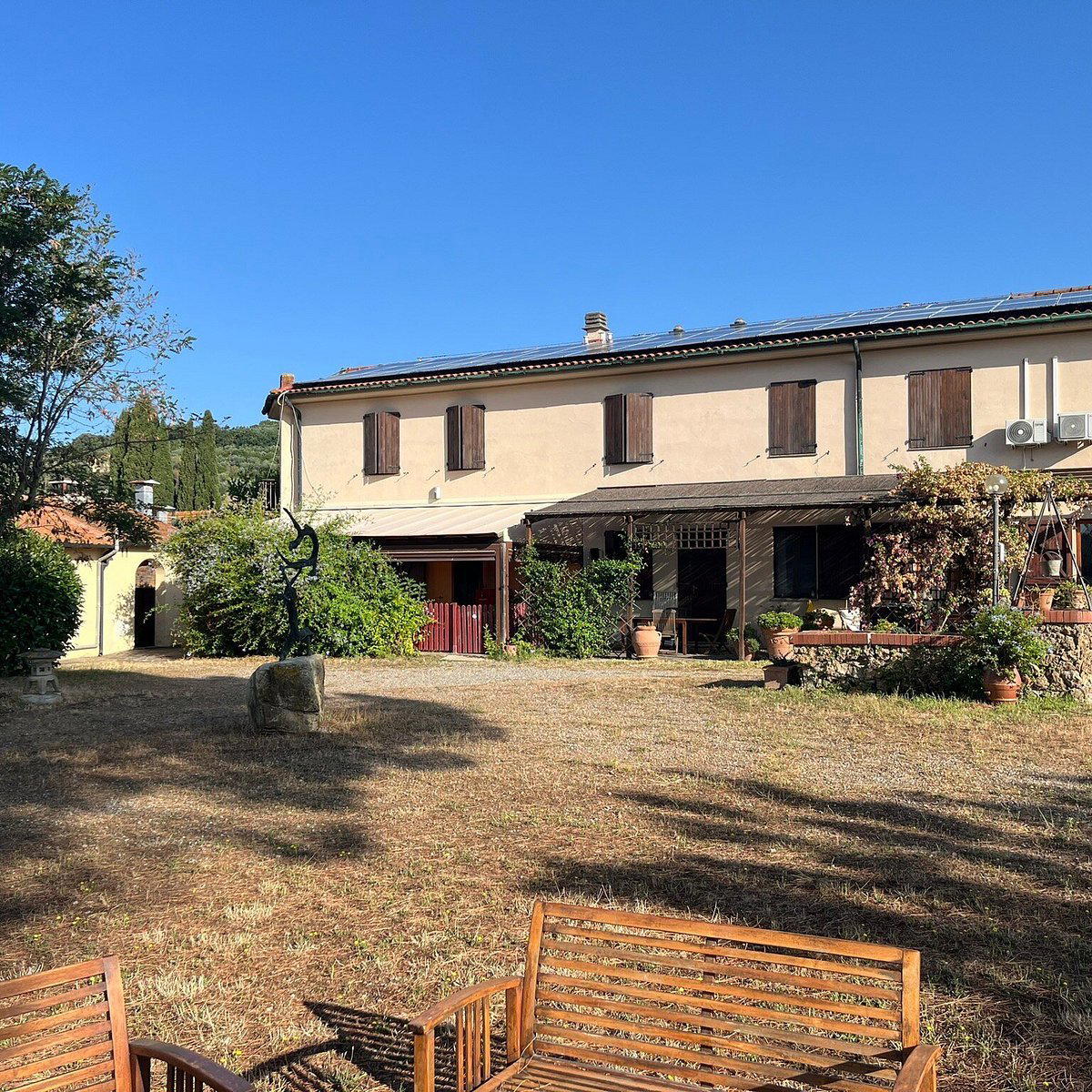
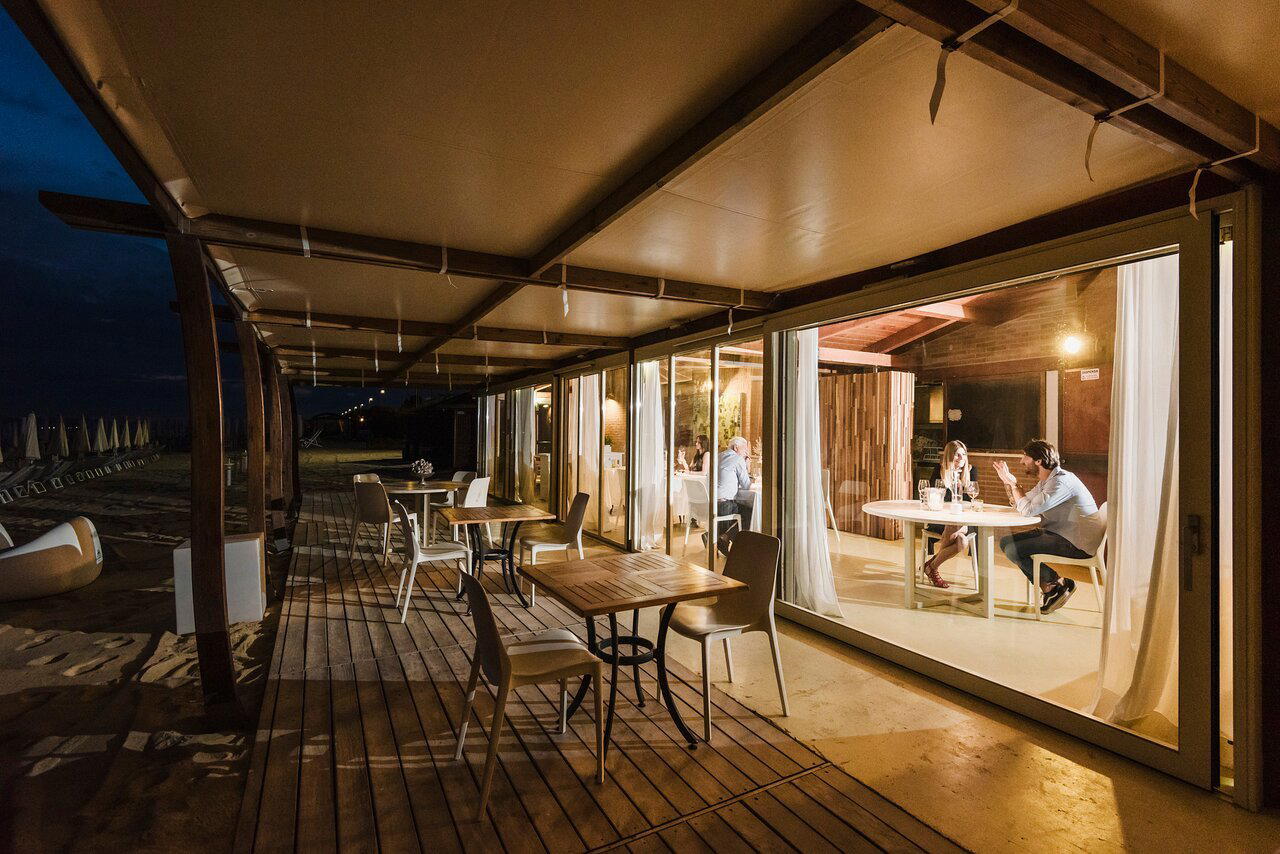
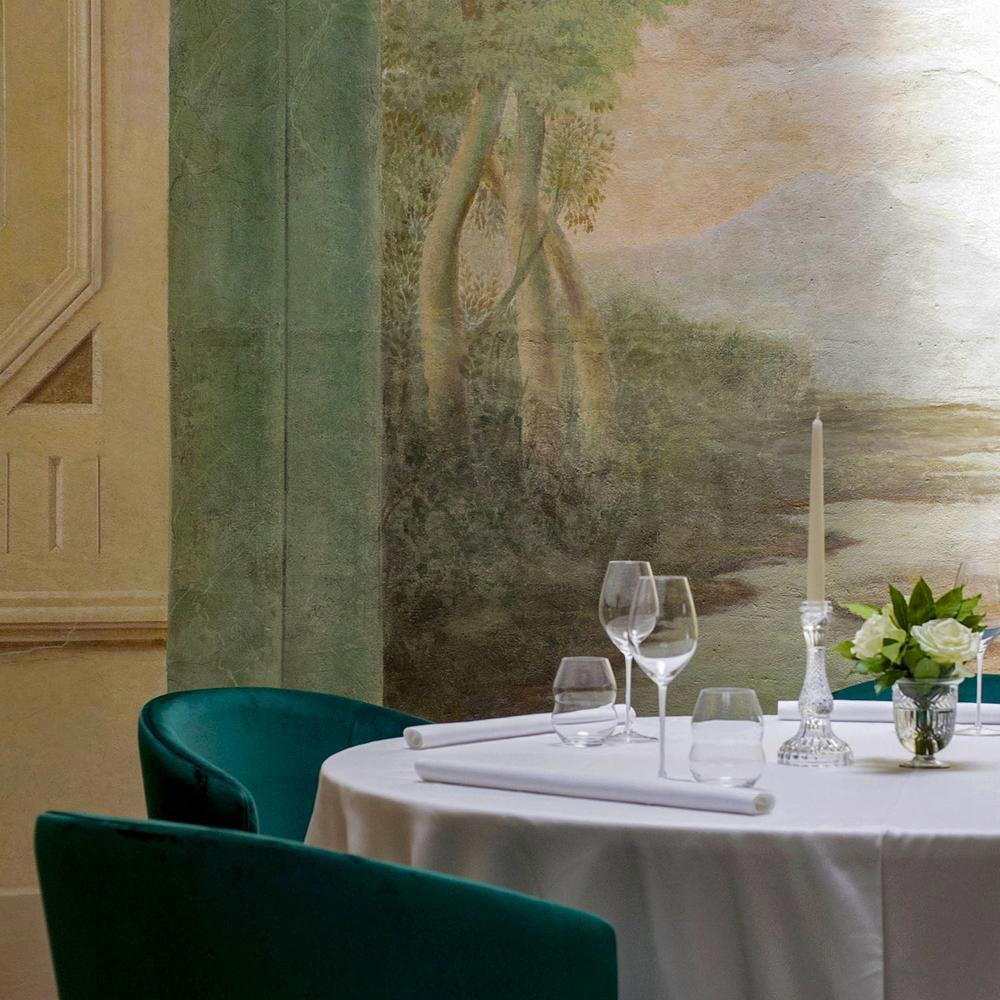
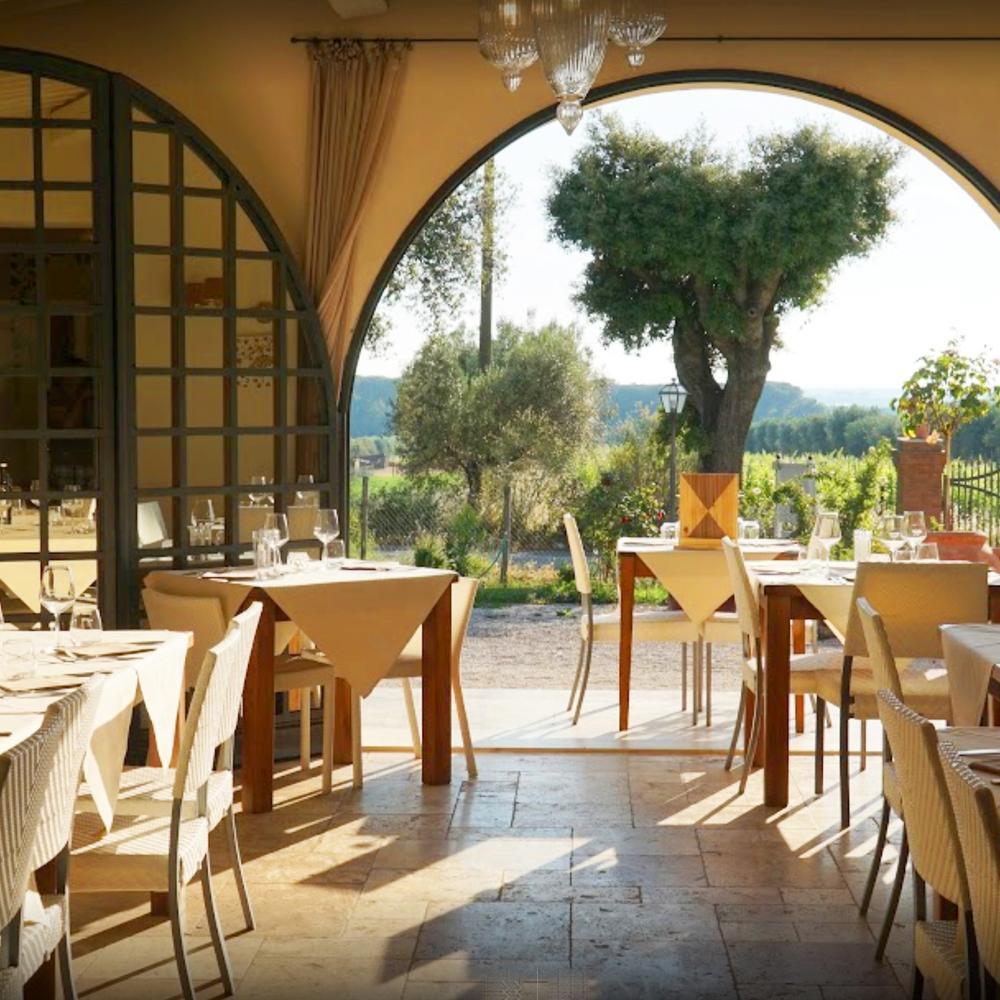
Traditional family-run winery atmosphere centered on authenticity, tradition, and respect for the territory, with a rural agricultural setting in Suvereto.