The Omnia Hotel Zermatt

1 Michelin Key
The Omnia Hotel Zermatt occupies a rock face above the village, reached by a private tunnel lift cut directly into the mountain. The property sits in a small tier of Zermatt hotels defined by architectural drama and limited keys rather than grand-lobby scale. For travellers whose priority is proximity to the Matterhorn without the conventions of resort-hotel format, it is a coherent and well-considered choice.

Pearl is the En Primeur Club membership app, where members save venues, book tables and use the concierge.
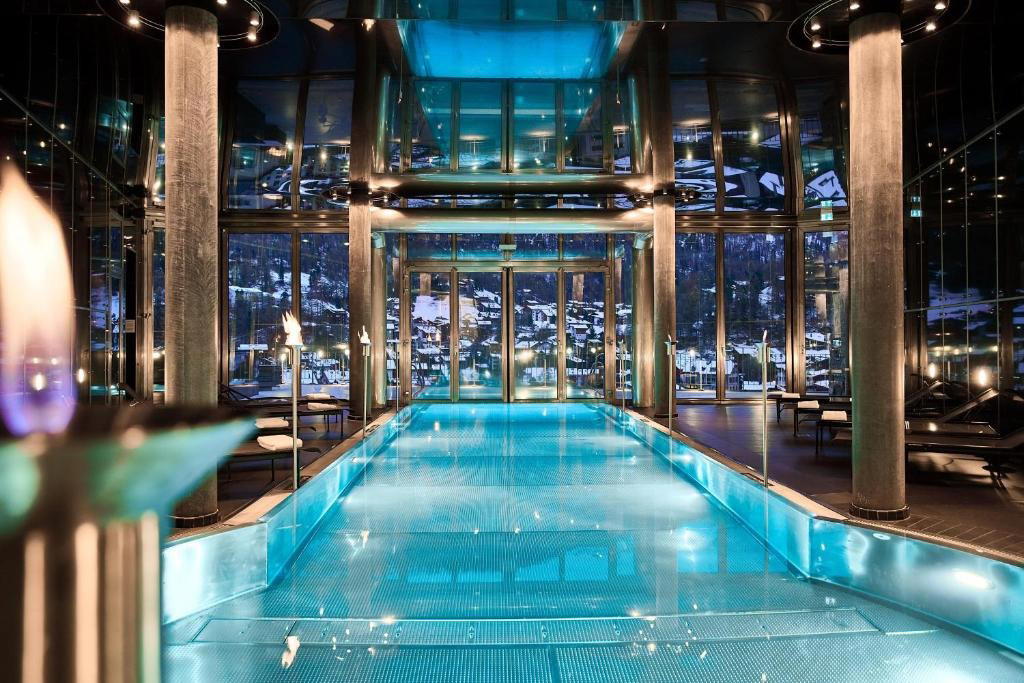
Rock, Elevation, and a Hotel That Earns Its Altitude
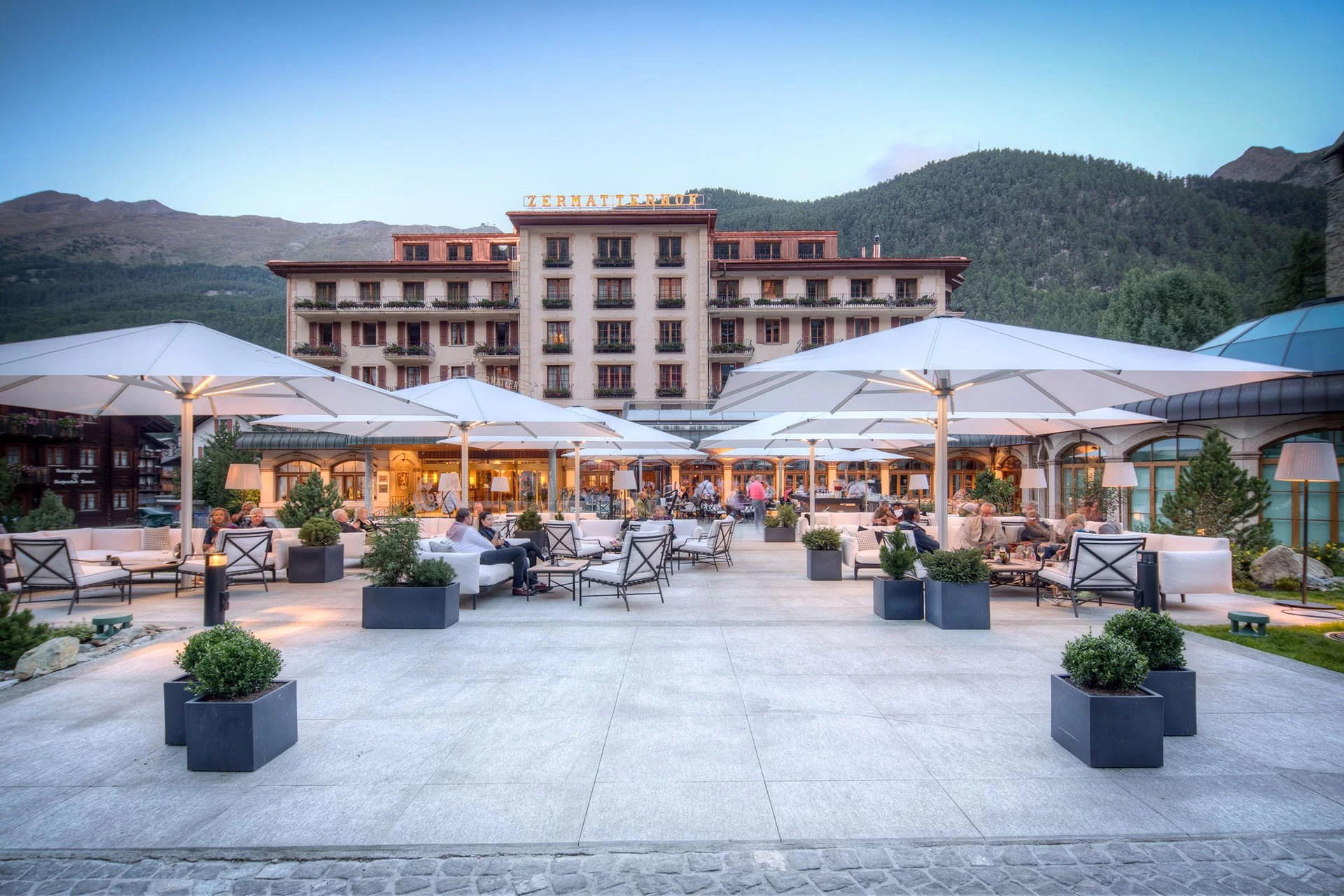
Zermatt's hotel market divides more cleanly than most Alpine destinations. On one side sit the grand palace properties, with their ballrooms, spa complexes, and century-old reputations, venues like the Grand Hotel Zermatterhof that trade on institutional scale and a full-service hospitality stack. On the other sits a smaller cluster of design-led properties where architectural specificity and limited capacity are the primary proposition. The Omnia Hotel Zermatt belongs firmly in the second group, and its physical premise is the most literal possible expression of that positioning: the hotel is built into a cliff face above the village, accessible not by a lobby entrance off a main street but by a private tunnel elevator cut through the rock itself.
That entrance sets expectations before a guest has seen a single room. The ascent through the mountain is brief, but it functions as a kind of editorial, by the time you emerge at the hotel level, you understand that the design logic here is about integration with the landscape rather than imposition on it. The Matterhorn is visible from this altitude in a way that the village streets do not allow, and the orientation of the property takes consistent advantage of that sightline.
Where The Omnia Sits in Zermatt's Accommodation Tier
Zermatt's car-free policy means that every hotel in the village operates within the same logistical frame, electric taxis, a cogwheel rail connection to Täsch, and a pedestrian core that compresses the geography considerably. Within that frame, properties differentiate on architecture, scale, and the kind of stay they're designed to produce.
What distinguishes The Omnia within that set is elevation, literally. The position above the village core trades the convenience of a central street-level location for something more spatially distinctive: unobstructed views, a degree of separation from the foot traffic below, and a physical arrival sequence that no flat-site property can replicate. Guests who have previously stayed at more conventional alpine options, say the BEAUSiTE Zermatt or the Chalet Hotel Schönegg, will notice the difference in siting immediately.
For wider Swiss context, The Omnia operates in a national market where design-conscious mountain properties have become a recognisable sub-category. Hotels like 7132 Hotel in Vals or The Alpina Gstaad have demonstrated the appetite for architecture-driven alpine stays at the premium end, and The Omnia's physical specificity places it in that broader conversation even if the scale and format differ.
The Experience Architecture: What the Property Is Built Around
Alpine hotels of this type tend to structure the guest experience around a core atmospheric proposition, with amenities arranged to reinforce rather than distract from it. At The Omnia, that proposition is the relationship between built space and mountain environment. The design uses natural materials and framing that direct attention outward, toward the Matterhorn and the surrounding peaks, rather than inward toward interior spectacle.
This is a meaningful distinction from the grand-hotel model employed by properties like Badrutt's Palace Hotel in St. Moritz or Baur au Lac in Zurich, where the interior architecture is itself a primary draw. At The Omnia, the interior serves the view rather than competing with it. Guests who arrive expecting palace-hotel grandeur will find a different register entirely: quieter, more spare, oriented toward the mountain outside the glass rather than the furnishings within the room.
That framing also applies to scale. With a limited key count, The Omnia operates closer to the boutique-lodge model than the resort model, which affects everything from the pace of service to the likelihood of encountering other guests in shared spaces. Properties like Backstage Hotel Vernissage and Boutique Hotel Matthiol occupy similar positions in Zermatt's smaller-property segment, each with its own design logic.
Planning a Stay: Practical Considerations
Zermatt is a year-round destination, but the two peak windows, high summer (July to August) and winter ski season (December to March), carry meaningfully different characters. Summer arrivals find the hiking networks open and the Matterhorn most consistently visible in the morning hours before afternoon cloud builds. Winter stays centre on the ski area, which reaches above 3,800 metres and offers some of the most reliable snow conditions in the Alps. For either season, booking well ahead of the target dates is advisable for any property in The Omnia's tier, where room counts are low enough that availability tightens early.
Arriving in Zermatt always follows the same sequence regardless of hotel choice: train to Täsch from Visp or Brig, then the Zermatterbahn to the village. From the village, The Omnia's tunnel-lift access makes its check-in process unlike any other property in town. That logistical detail is worth understanding before arrival, particularly for guests travelling with significant luggage.
For travellers who want to understand how The Omnia fits into Zermatt's full range of dining and accommodation options, our full Zermatt guide covers the wider scene. Those benchmarking Swiss mountain stays against other regional options should also consider Grand Hotel Kronenhof in Pontresina, Guarda Golf Hôtel in Crans-Montana, or Castello del Sole in Ascona for contrast in format and geography. Further afield, properties like Beau-Rivage Palace in Lausanne, Beau-Rivage Geneva, and Bürgenstock Resort represent different Swiss luxury registers against which The Omnia's mountain-specific proposition becomes clearer by contrast.
Fast Comparison
Comparable options at a glance, pulled from our tracked venues.
| Venue | Price | Awards |
|---|---|---|
| The Omnia Hotel ZermattThis venue (the venue you are viewing) | $1,000–1,500 | 1 Michelin Key |
| CERVO Mountain Resort | $200–300 | 2 Michelin Keys · Virtuoso Luxury Hotel Partner |
| Matterhorn FOCUS | $300–500 | 2 Michelin Keys |
| Chalet Hotel Schönegg | Not listed | Relais Chateaux Award |
| THE OMNIA Mountain Lodge | Not listed | La Liste Top Hotels · Forbes 4-Star |
| 22 SUMMITS Boutique Hotel | Not listed | 1 Michelin Key |
Recognition history
Dated appearances from independent guides and award organizations, with the underlying list record or original source where available.
Michelin 1 Key
Michelin
Full recognition history (2 entries)
Michelin 1 Key
Michelin
Continue exploring
More in Zermatt
Hotels in Zermatt
All hotels in Zermatt →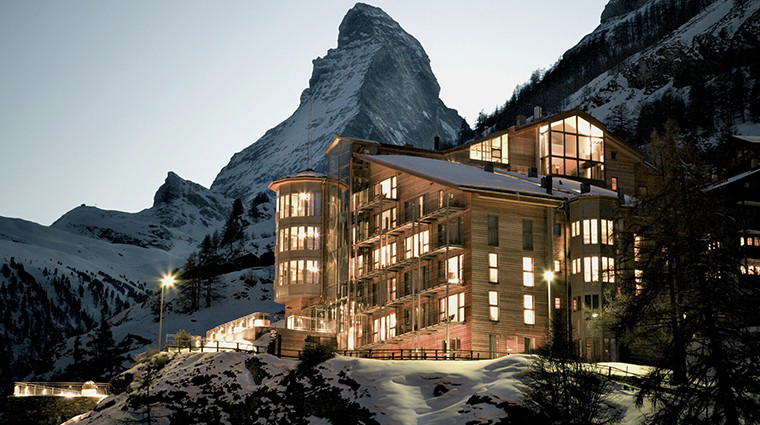
Bars in Zermatt
All bars in Zermatt →
Restaurants in Zermatt
All restaurants in Zermatt →

Details
- Minimalist
- Modern
- Elegant
- Quiet
- Sophisticated
- Scenic
- Romantic Getaway
- Weekend Escape
- Honeymoon
- Family Vacation
- Panoramic View
- Design Destination
- Destination Spa
- Ski In Ski Out
- Private Dining
- Wi Fi
- Pool
- Spa
- Fitness Center
- Restaurant
- Bar
- Room Service
- Concierge
- Hot Tub
- Mountain
- Wheelchair Accessible
- Elevator
- Accessible Restroom
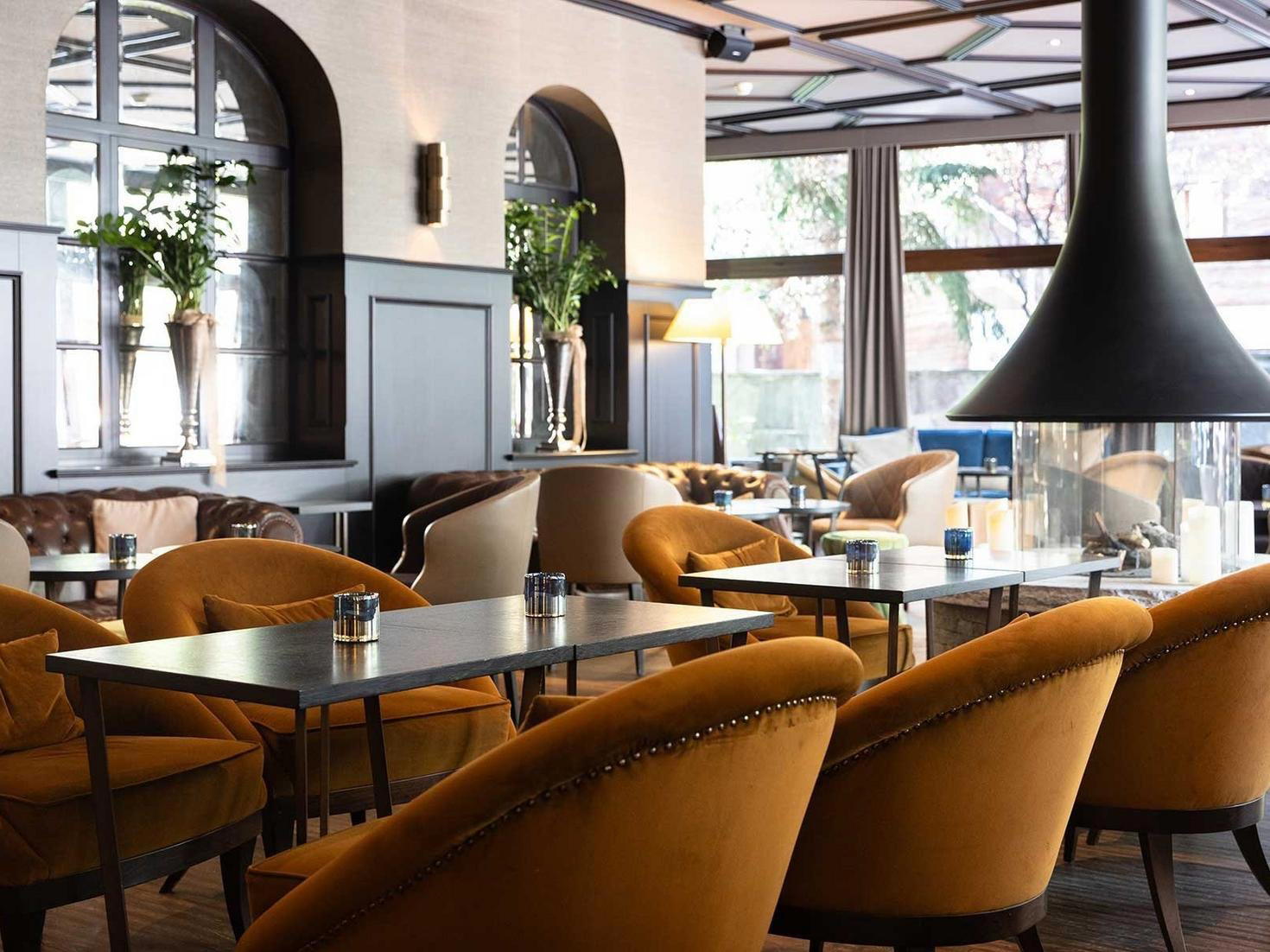
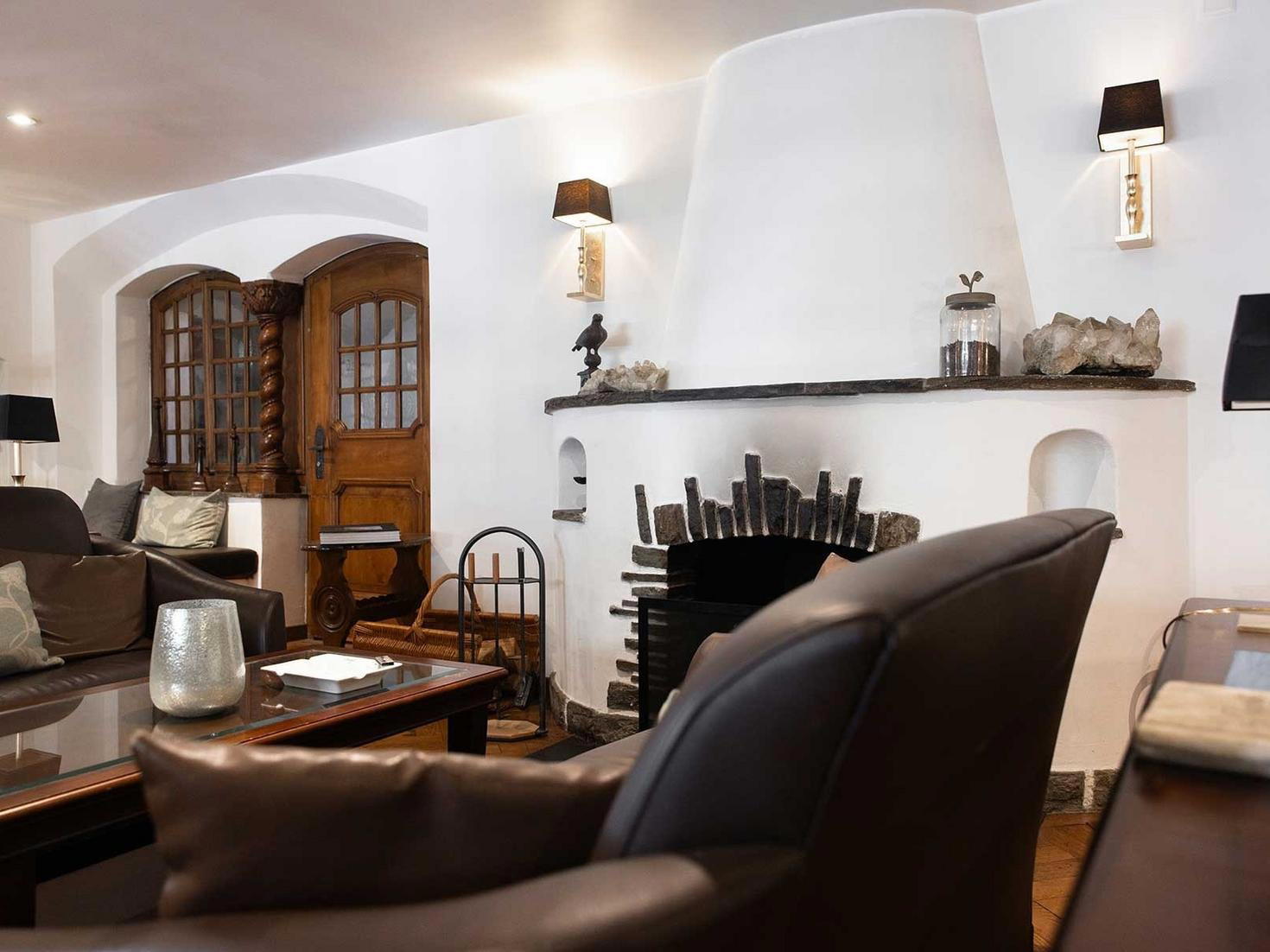
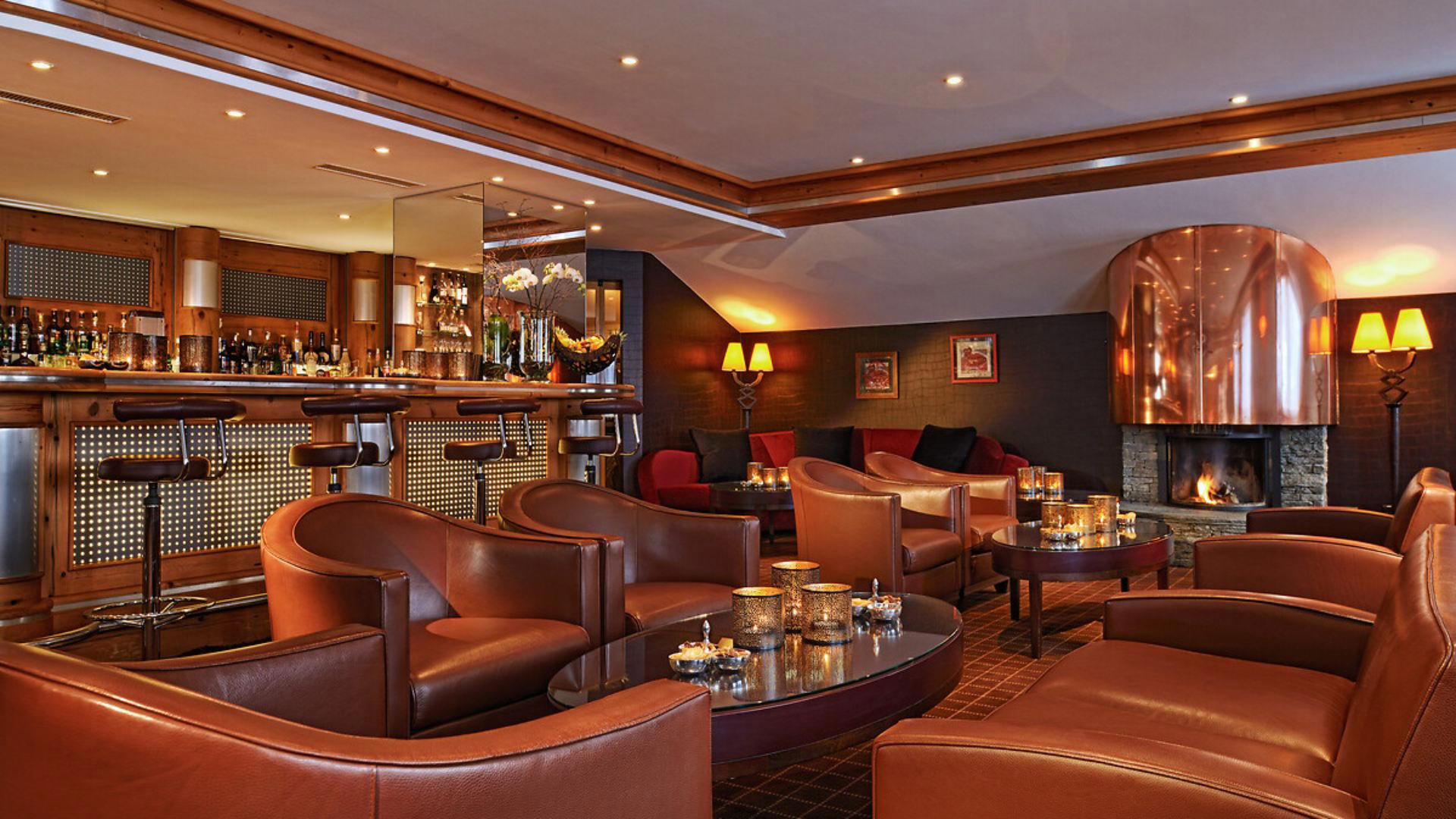
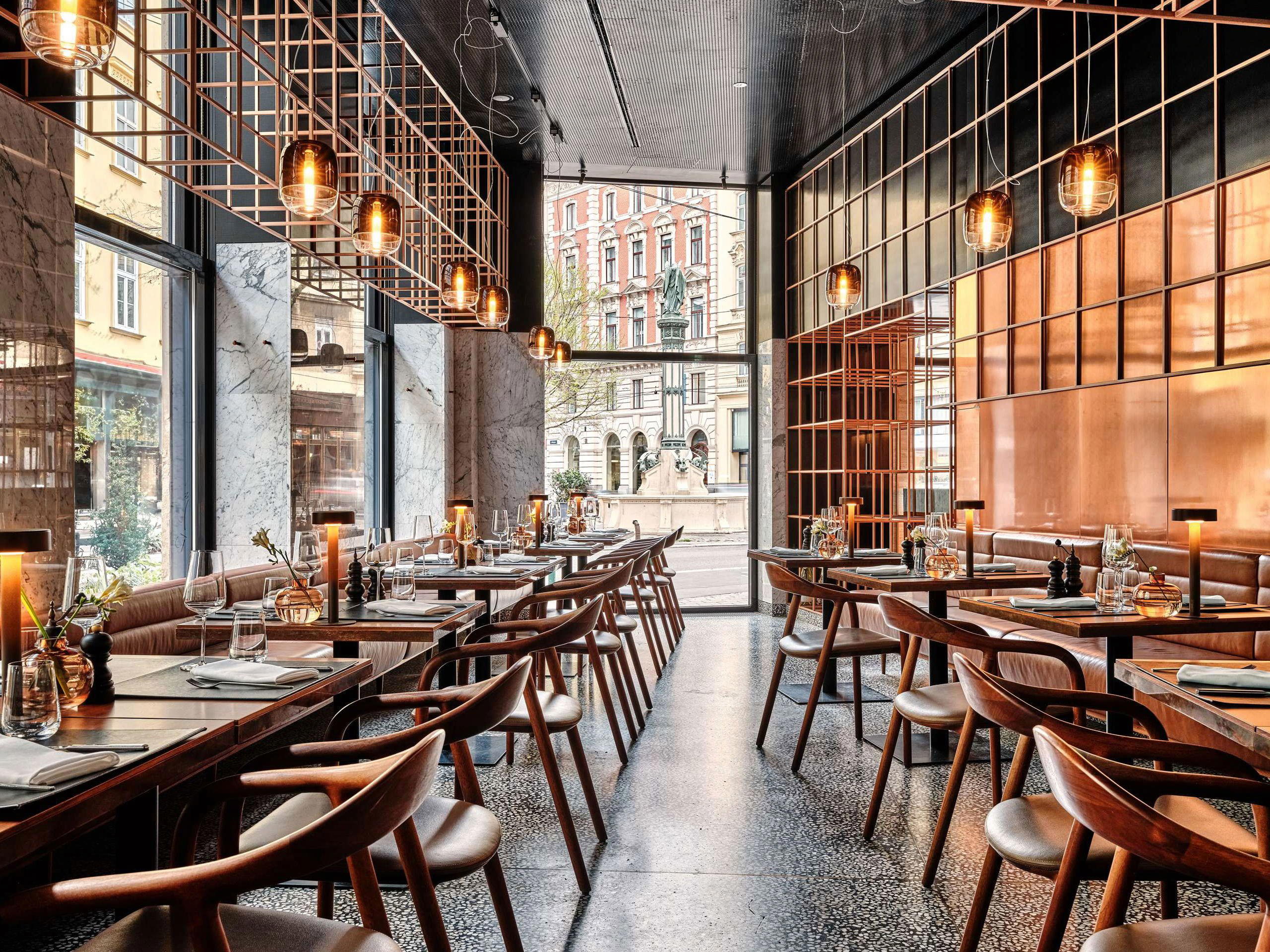
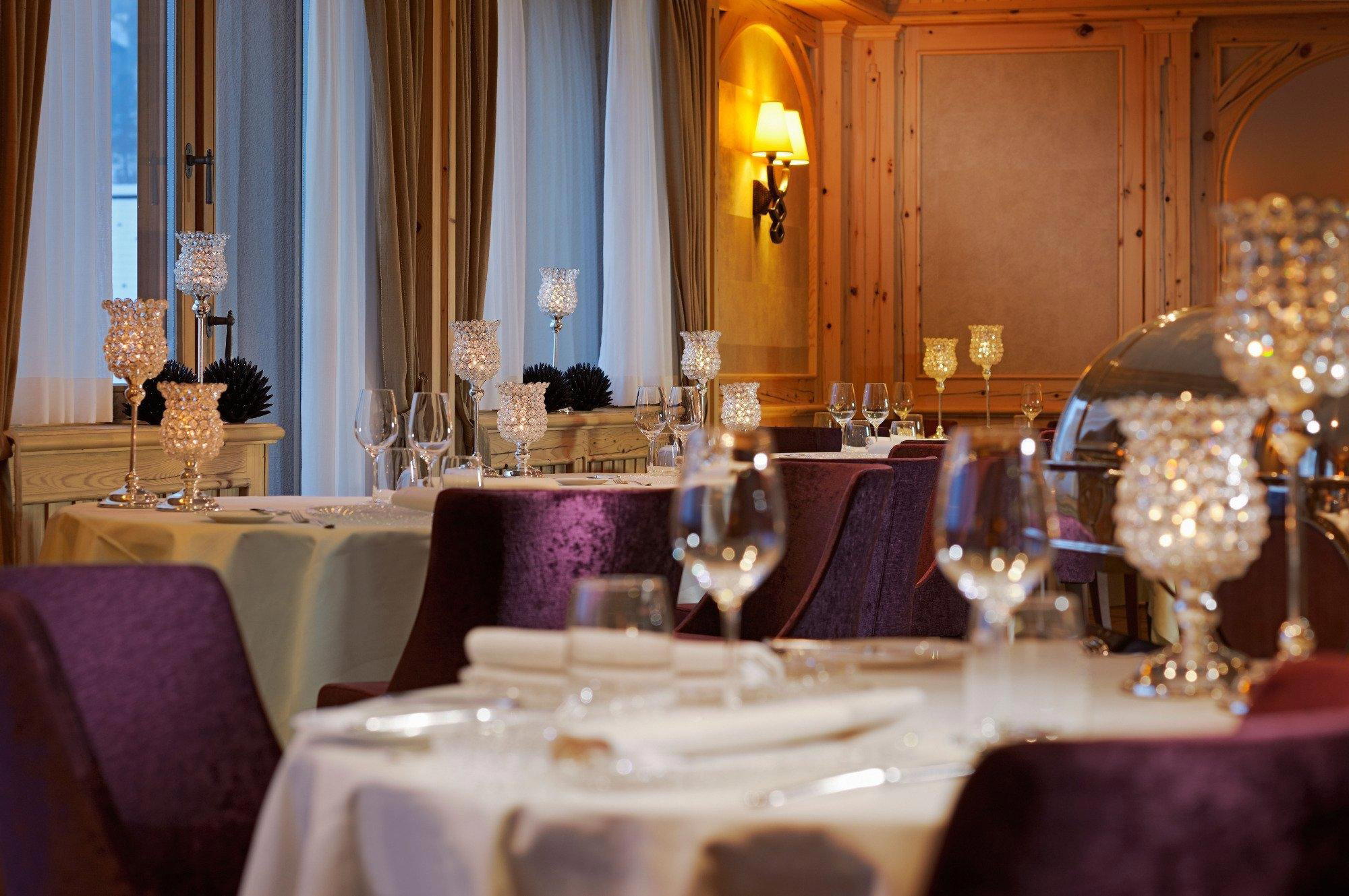
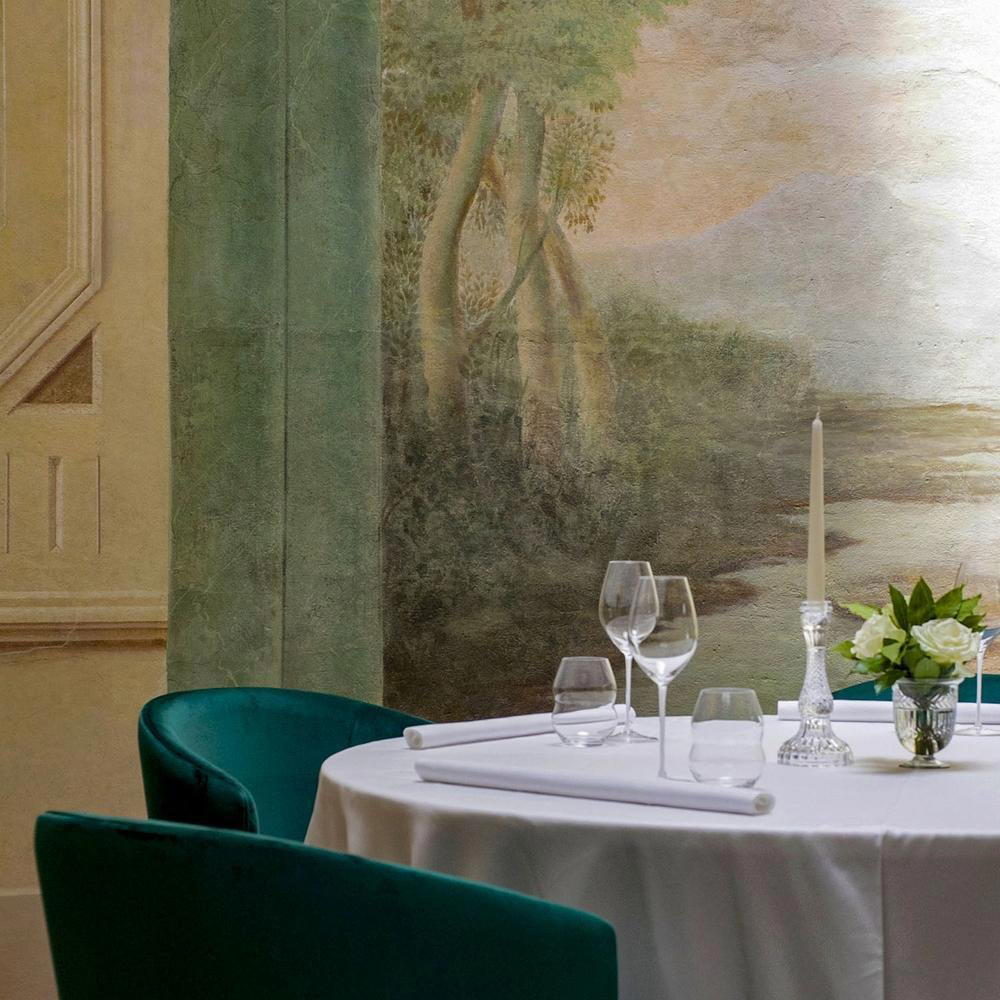
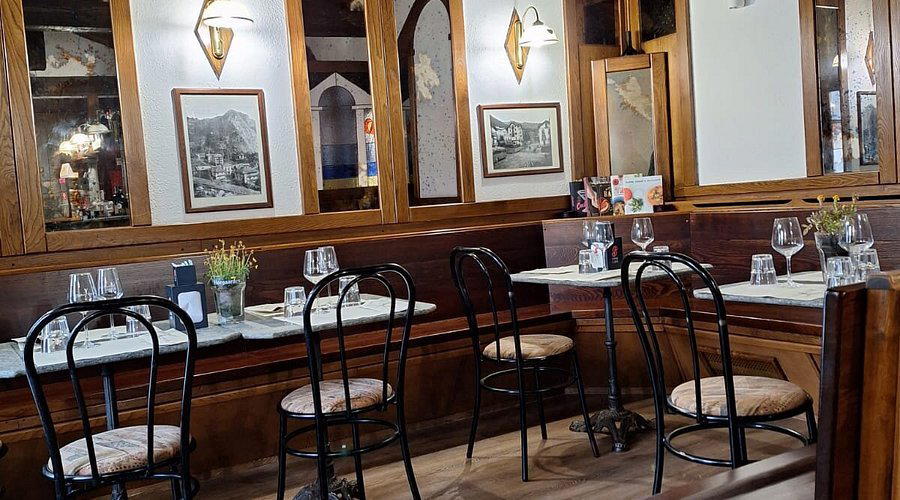
Warm, sophisticated minimalism with soaring timber interiors, floor-to-ceiling windows flooding natural light, crackling fireplaces, and leather furnishings creating an intimate yet expansive atmosphere.