BEAUSiTE Zermatt

Preferred Hotels L.V.X. Collection
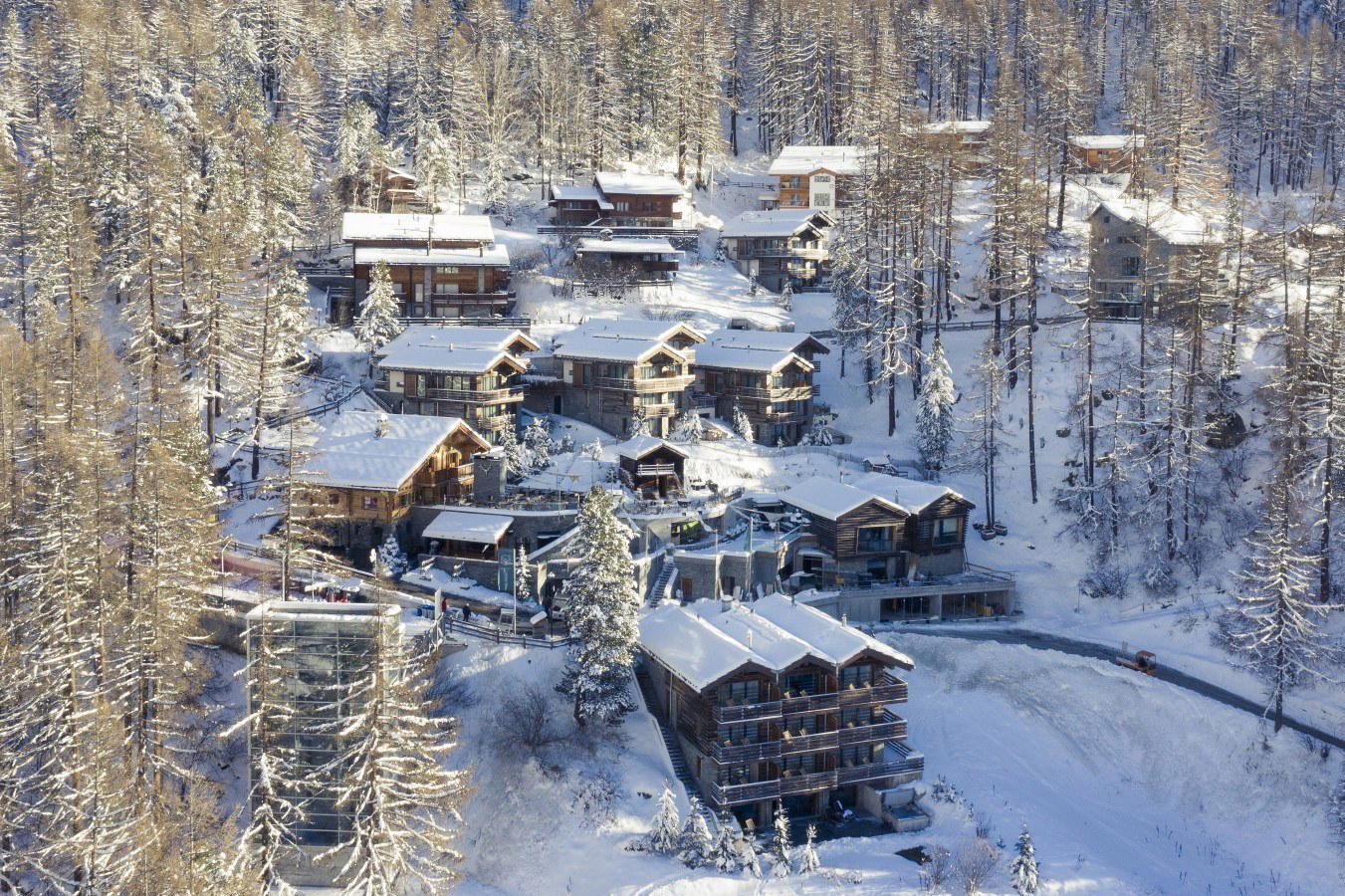
BEAUSiTE Zermatt occupies a quieter residential pocket of the village, positioning its 67 rooms as a mid-scale alternative to Zermatt's grander palace hotels. The property suits travellers who want proximity to the slopes and village centre without the formality of the larger flagships. It sits in a growing tier of independently minded Zermatt hotels that prioritise character over ceremony.

Pearl is the En Primeur Club membership app, where members save venues, book tables and use the concierge.
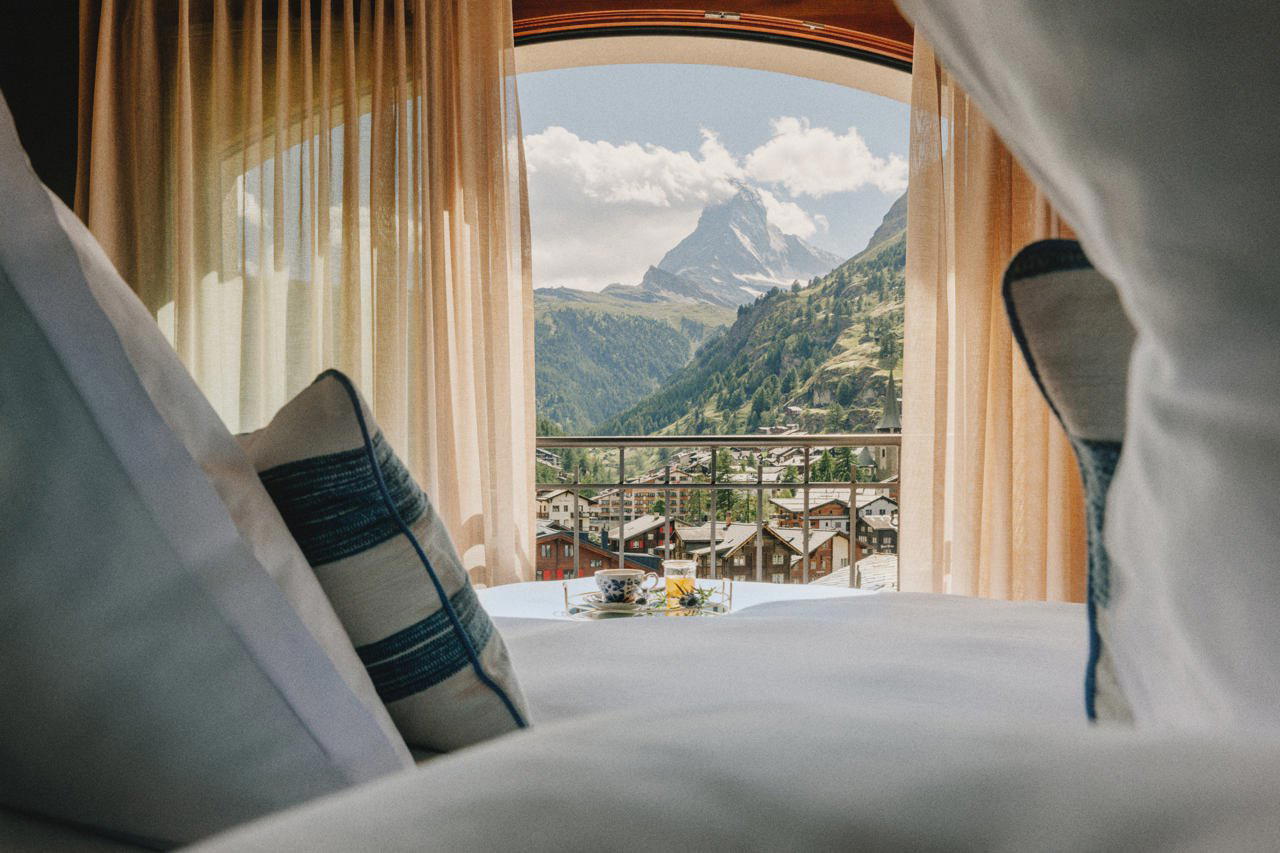
A Different Register in Zermatt's Hotel Hierarchy
Zermatt's accommodation market has long been anchored by a handful of grand palace-format hotels at one end and a sprawl of apartment rentals and budget chalets at the other. Over the past decade, a middle tier has grown with more definition: properties of genuine character that are neither trying to compete with the Grand Hotel Zermatterhof on formality nor content to be anonymous. BEAUSiTE Zermatt, with 67 rooms on Brunnmattgasse in a quieter residential cluster away from the main pedestrian artery, sits inside that middle tier. The address itself signals something: Brunnmattgasse is not where you end up by accident, and guests staying there have typically made a deliberate choice against the louder parts of the village.
That positioning matters in Zermatt specifically because the village is small enough that no hotel is genuinely inconvenient, but distinct enough in its pockets that the neighbourhood you choose shapes the texture of your stay. The central drag around Bahnhofstrasse moves fast, especially in high season. Brunnmattgasse does not.
67 Rooms and What That Number Implies
Scale is one of the more underappreciated factors in how a mountain hotel actually performs on service. Zermatt's larger properties, including the Mont Cervin Palace, manage well over 100 keys and operate with the staffing structures to match: departmentalised, professional, consistent, but inevitably less personal. Properties under 30 rooms, like the design-led Matterhorn FOCUS, sit at the opposite end, where personalisation is close to total but availability is correspondingly tight.
At 67 rooms, BEAUSiTE occupies a scale that allows for genuine staff-guest familiarity across a stay of several nights without the operational rigidity of a large hotel. In mountain resort contexts, this band tends to produce a particular kind of experience: staff know returning guests by name and preference within a day or two, the breakfast room does not feel like a canteen, and the rhythm of the place does not reset every morning with a mass check-in. This is the promise of the format, and it is what separates BEAUSiTE from both ends of the Zermatt spectrum.
For comparison, the 22 SUMMITS Boutique Hotel and Boutique Hotel Matthiol both operate with fewer keys and a sharper boutique identity, while Backstage Hotel Vernissage plays in a similar size category with a more pronounced art and design focus. CERVO Mountain Resort pitches at a higher price point with a more emphatic design-led identity. BEAUSiTE's competitive set is the informed-independent traveller who has already filtered out the palace tier but does not need the curated-every-detail intensity of the smallest boutique properties.
Service as the Primary Differentiator
In a resort town that freezes out private vehicles, and where the Matterhorn provides a permanent focal point that no hotel can meaningfully improve upon, the thing that actually separates a good stay from a mediocre one is usually staff. Zermatt guests are frequently multi-day or multi-week visitors, particularly skiers who return to the same resort season after season. That repeat-visitor culture places particular demands on service: the expectation is not just competence but recall. Does the hotel remember that you prefer a quieter table? That you are out early for first lifts and need breakfast available before the standard hour?
At properties in BEAUSiTE's size range, the logistical plausibility of that kind of service is higher than at either extreme of the market. A 67-room property with a stable, season-long team has the structural conditions to deliver anticipatory service rather than reactive service. Whether those conditions translate into actual performance is what repeat guests tend to report most clearly, and it is the axis on which mid-scale Zermatt hotels most differentiate themselves from one another. The Chalet Hotel Schönegg works a similar vein with a warmer, family-run character; BEAUSiTE's approach reads as more design-conscious without chasing the gallery-hotel category.
Zermatt as a Context for Choosing Any Hotel
Zermatt's car-free status is not a footnote; it is the organising fact of how you move through the village. Guests arrive by the Matterhorn Gotthard Bahn from Visp or Täsch, and from that point everything happens on foot, by electric taxi, or on the resort's own transport network. This means that the walk from any hotel to the gondola base stations is not theoretical, it is your actual morning every day of your stay. Brunnmattgasse's position within the village means guests should verify the walking time to their primary lift access before booking, since a few minutes' difference compounds over a week of early departures.
For those using Zermatt as a base for extended alpine touring rather than committed ski days, proximity to the village centre for restaurants and the pedestrian zone matters more than gondola proximity. Our full Zermatt restaurants guide maps the dining options by neighbourhood, which is useful for guests staying slightly off the main strip.
Switzerland's broader luxury hotel market, which includes properties like Badrutt's Palace Hotel in St. Moritz, Baur au Lac in Zurich, Beau-Rivage Geneva, and Bürgenstock Resort, tends to cluster at the formal end of the spectrum. Zermatt's mid-tier properties like BEAUSiTE exist partly as a corrective to that dominance, offering a different relationship with the alpine setting: less curated, more lived-in. The Alpina Gstaad, 7132 Hotel in Vals, and Grand Hotel Kronenhof in Pontresina each represent the grander Swiss alpine register; BEAUSiTE is consciously not competing in that space.
Planning Your Stay
Zermatt operates on two main seasons, winter (December through April) and summer (late June through September), with brief shoulder periods where the resort runs at reduced capacity and some facilities close for maintenance. High-season booking pressure in Zermatt is real: the town's car-free status and finite hotel stock mean that availability contracts faster than in comparable resorts with greater bed supply. A 67-room property in a quieter pocket of the village is likely to fill earlier in the booking window than larger hotels with more inventory to release. Guests travelling in late December, February half-term, or the first weeks of March should plan accordingly. For broader context on Swiss alpine properties across price tiers, the Grand Resort Bad Ragaz, Beau-Rivage Palace in Lausanne, and Guarda Golf Hôtel in Crans-Montana each illustrate the range available across the country.
Cuisine and Awards Snapshot
Comparable venues nearby, for context on price, style, and recognition.
| Venue | Cuisine | Price | Awards | Notes |
|---|---|---|---|---|
| BEAUSiTE ZermattThis venue (the venue you are viewing) | Historic design hotel blending British lifestyle with adventurous interiors | $300–500 | Preferred Hotels L.V.X. Collection | Not listed |
| The Omnia Hotel Zermatt | Contemporary alpine minimalism inspired by American modernism and Swiss precision, featuring modular USM Haller furniture and custom design elements. | $1,000–1,500 | 1 Michelin Key | Auf dem Fels, Zermatt |
| Hotel Bella Vista Zermatt | chalet-style | Not listed | Michelin Selected | Zermatt |
| Hotel ZERMAMA Zermatt | Modern alpine chalet with Art Deco elements | $300–500 | Michelin Selected | Zermatt center |
| Unique Hotel Post | Mountain lodge chic with regional natural materials and modern design | $1,000–1,500 | Michelin Selected | City Centre |
| Chalet Hotel Schönegg | traditional alpine chalet with modern wing | Not listed | Relais Chateaux Award | Riedweg |
Recognition history
Dated appearances from independent guides and award organizations, with the underlying list record or original source where available.
Preferred Hotels L.V.X. Collection
Preferred Hotels
Continue exploring
More in Zermatt
Hotels in Zermatt
All hotels in Zermatt →
Bars in Zermatt
All bars in Zermatt →
Restaurants in Zermatt
All restaurants in Zermatt →

Details
- Elegant
- Modern
- Scenic
- Sophisticated
- Romantic Getaway
- Honeymoon
- Wellness Retreat
- Panoramic View
- Wi Fi
- Pool
- Spa
- Fitness Center
- Room Service
- Concierge
- Sauna
- Massage
- Mountain
- Wheelchair Accessible
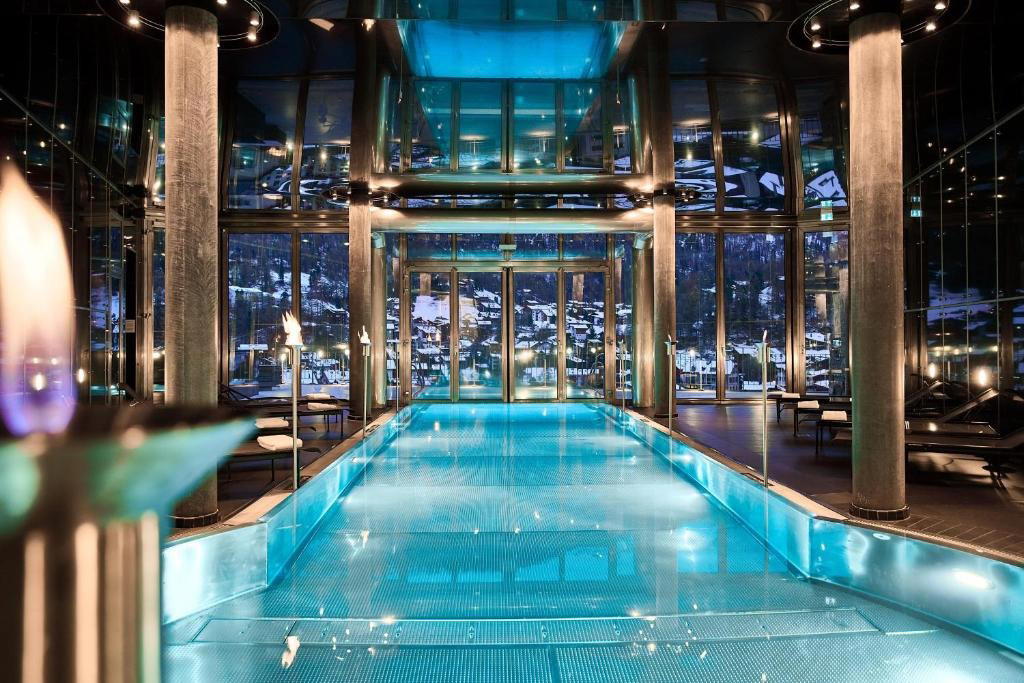
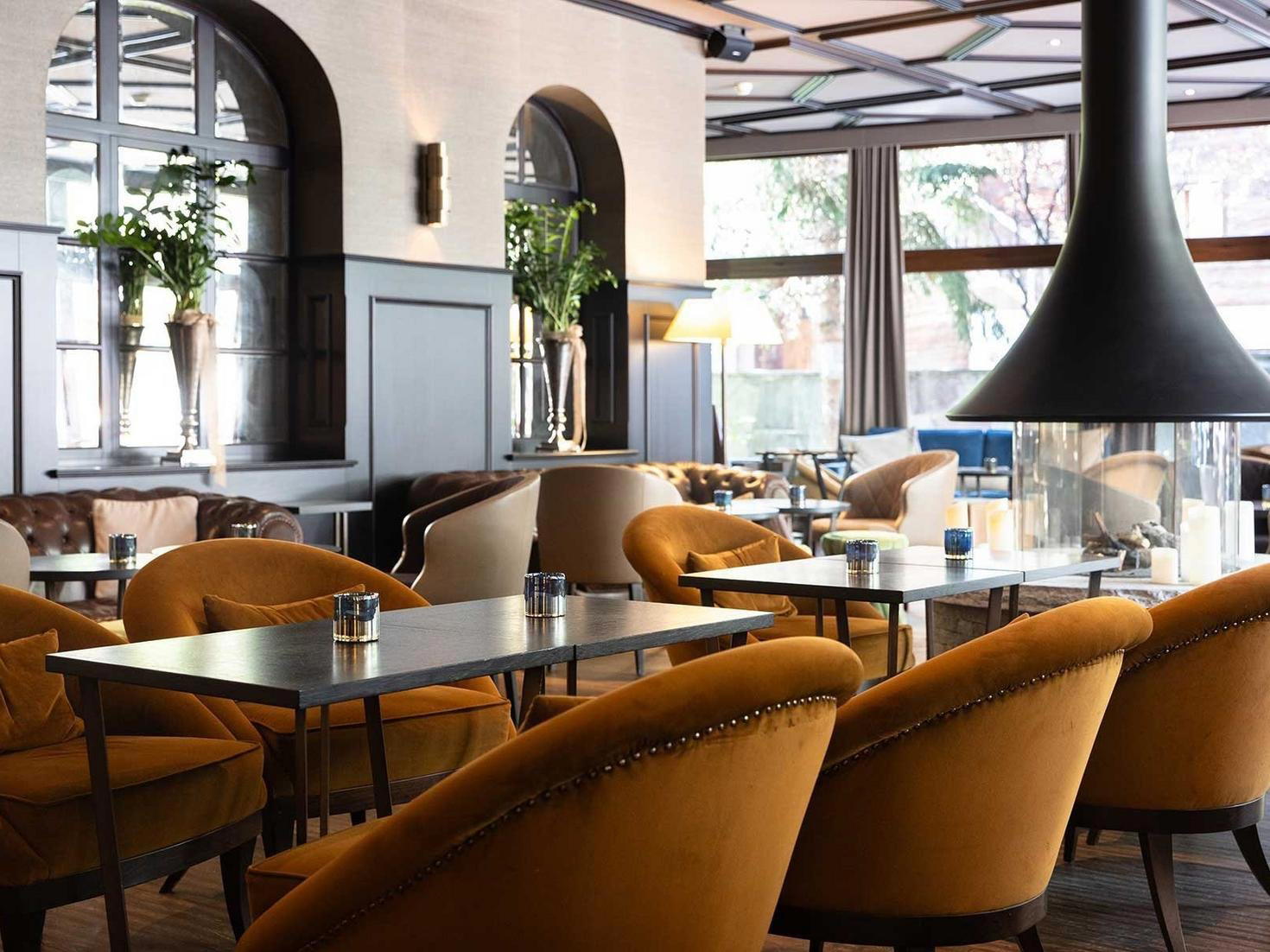
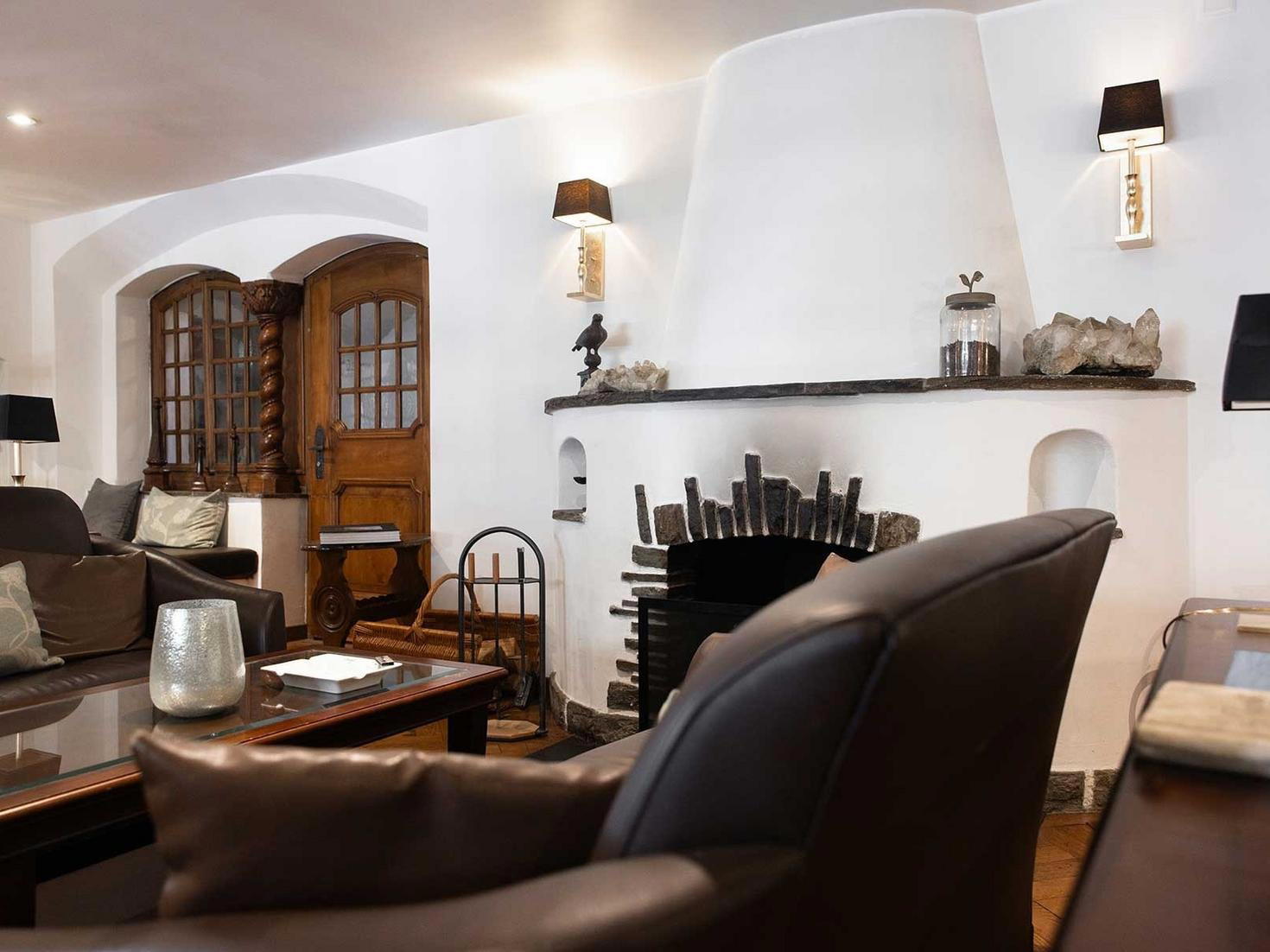
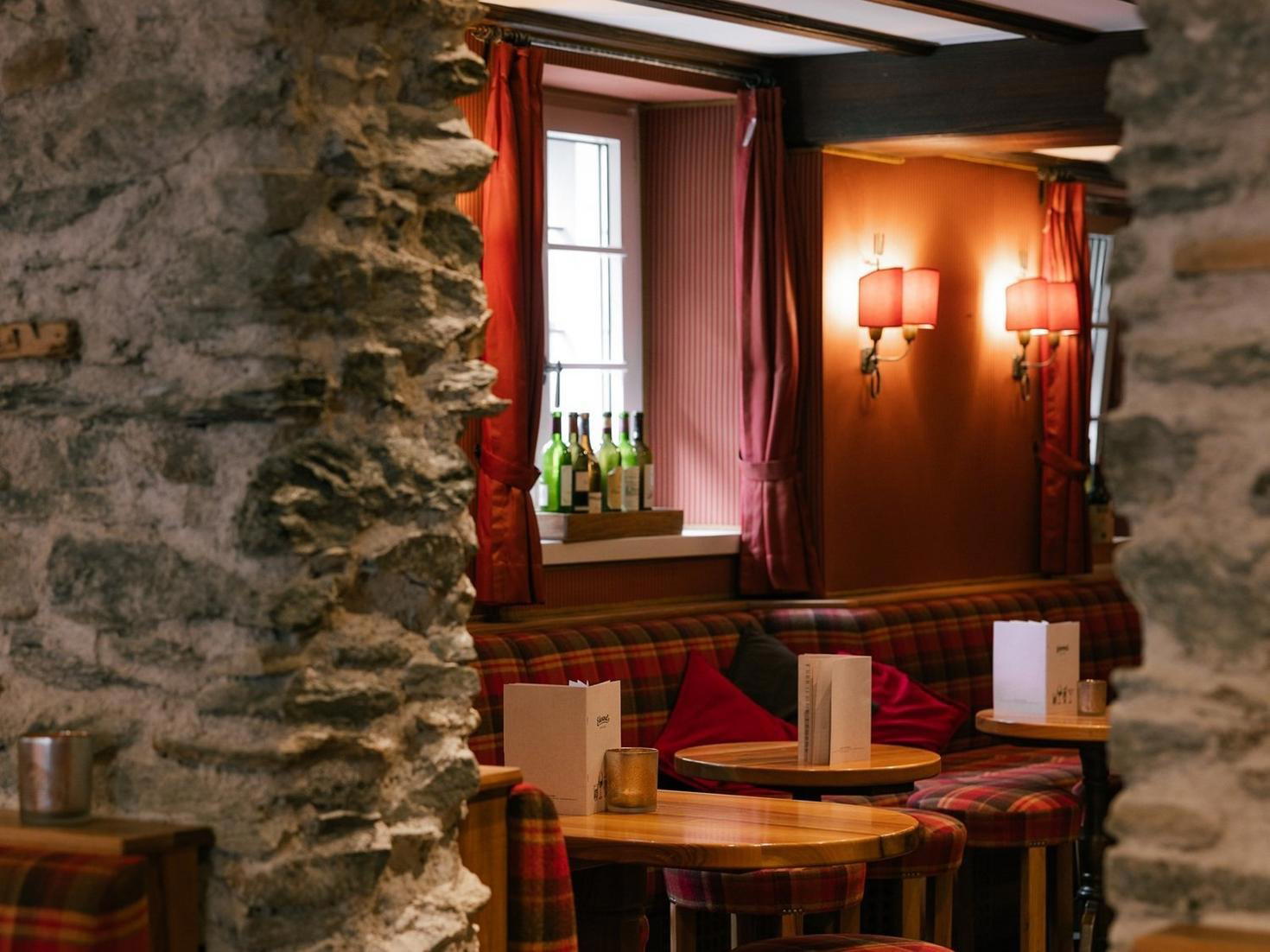
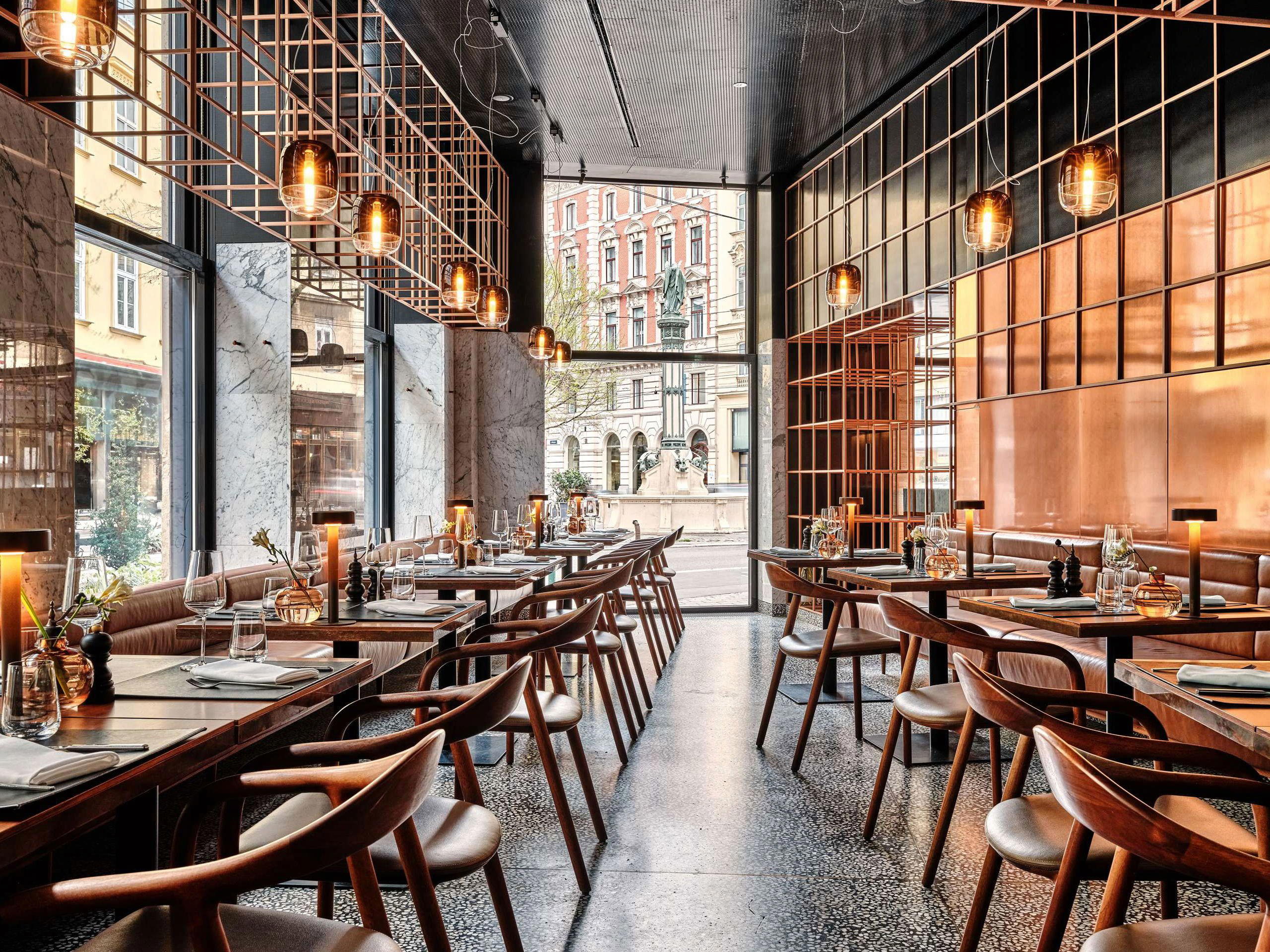
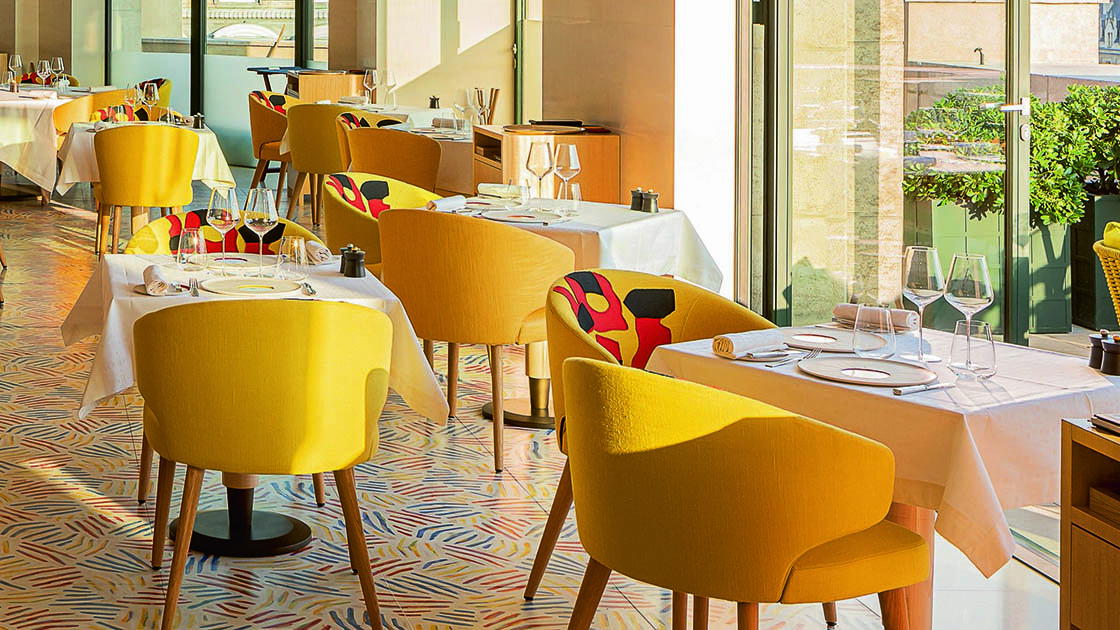
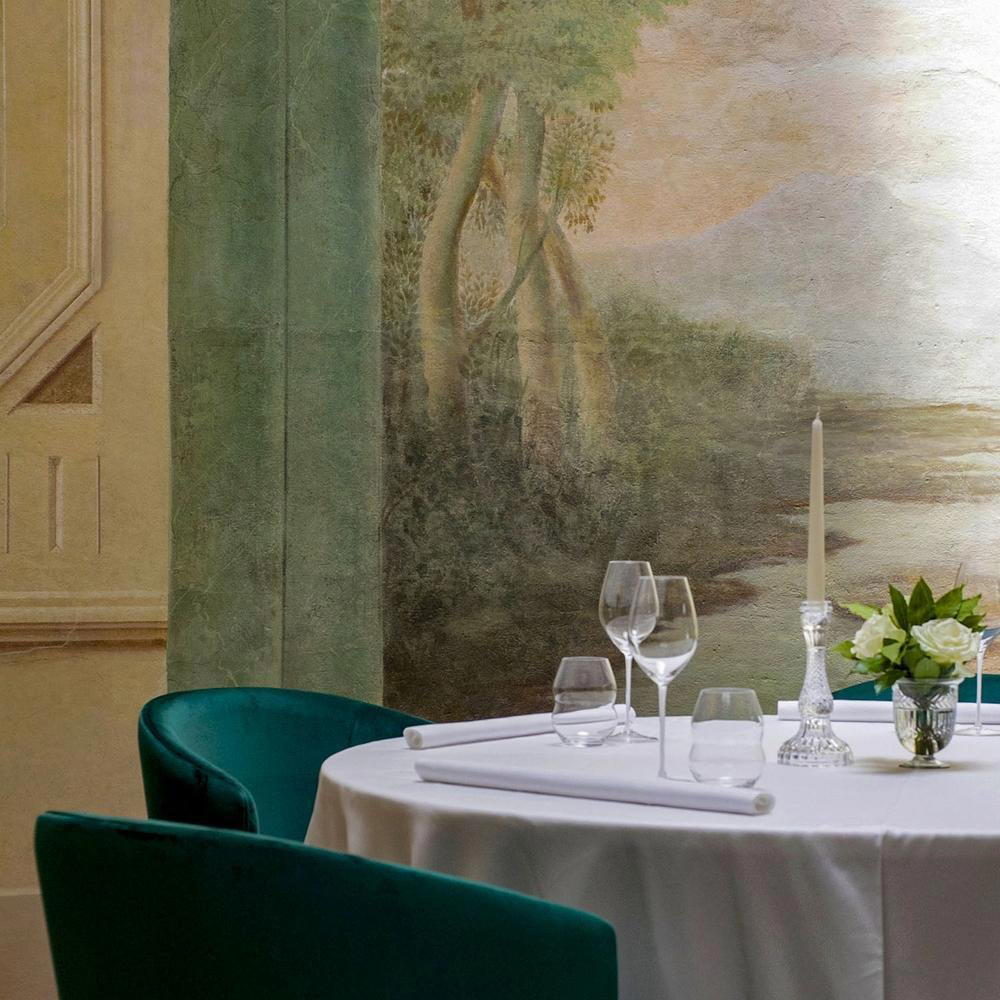
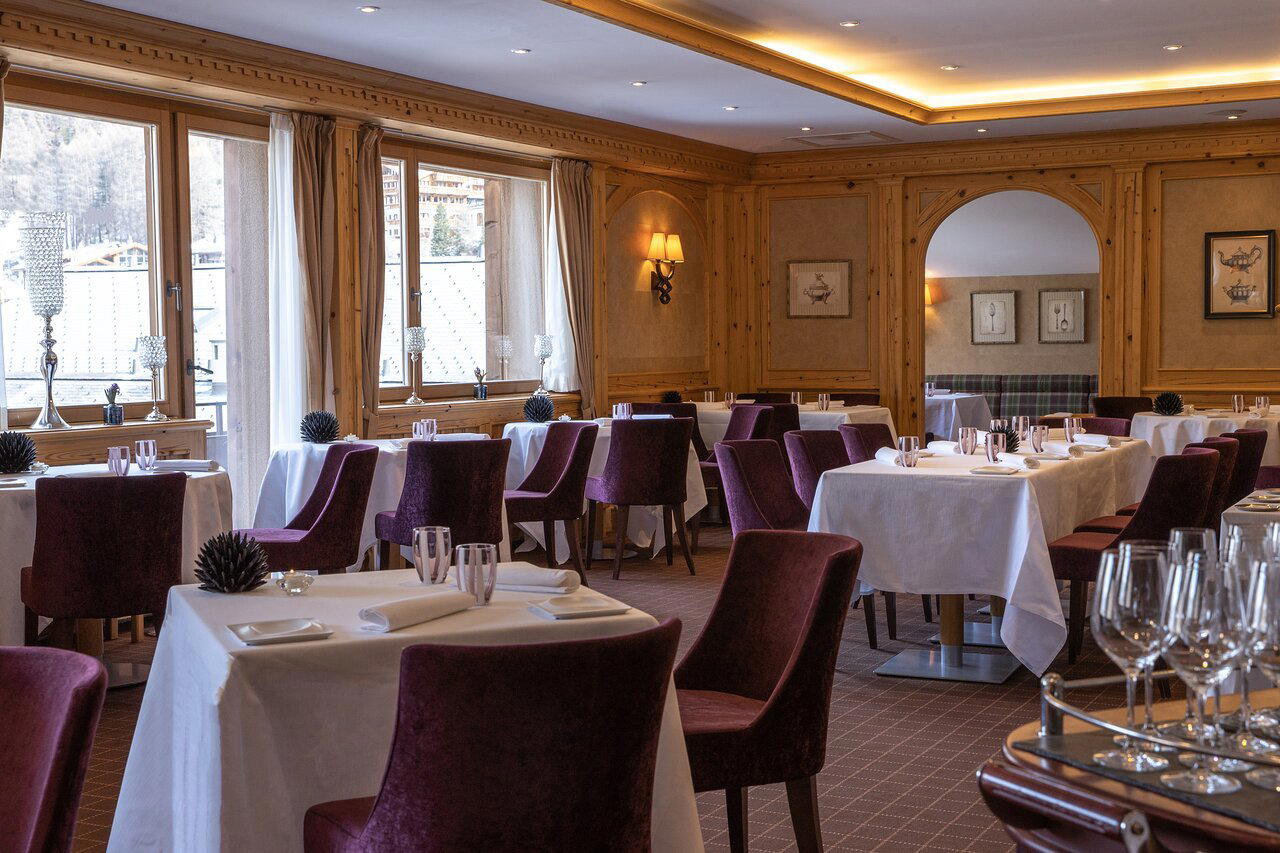
Lively and elegant with cozy lighting from the lobby fireplace, piano bar, and spa relaxation areas featuring mountain vistas.