Paradise Guest Ranch

Top 50 Ranches
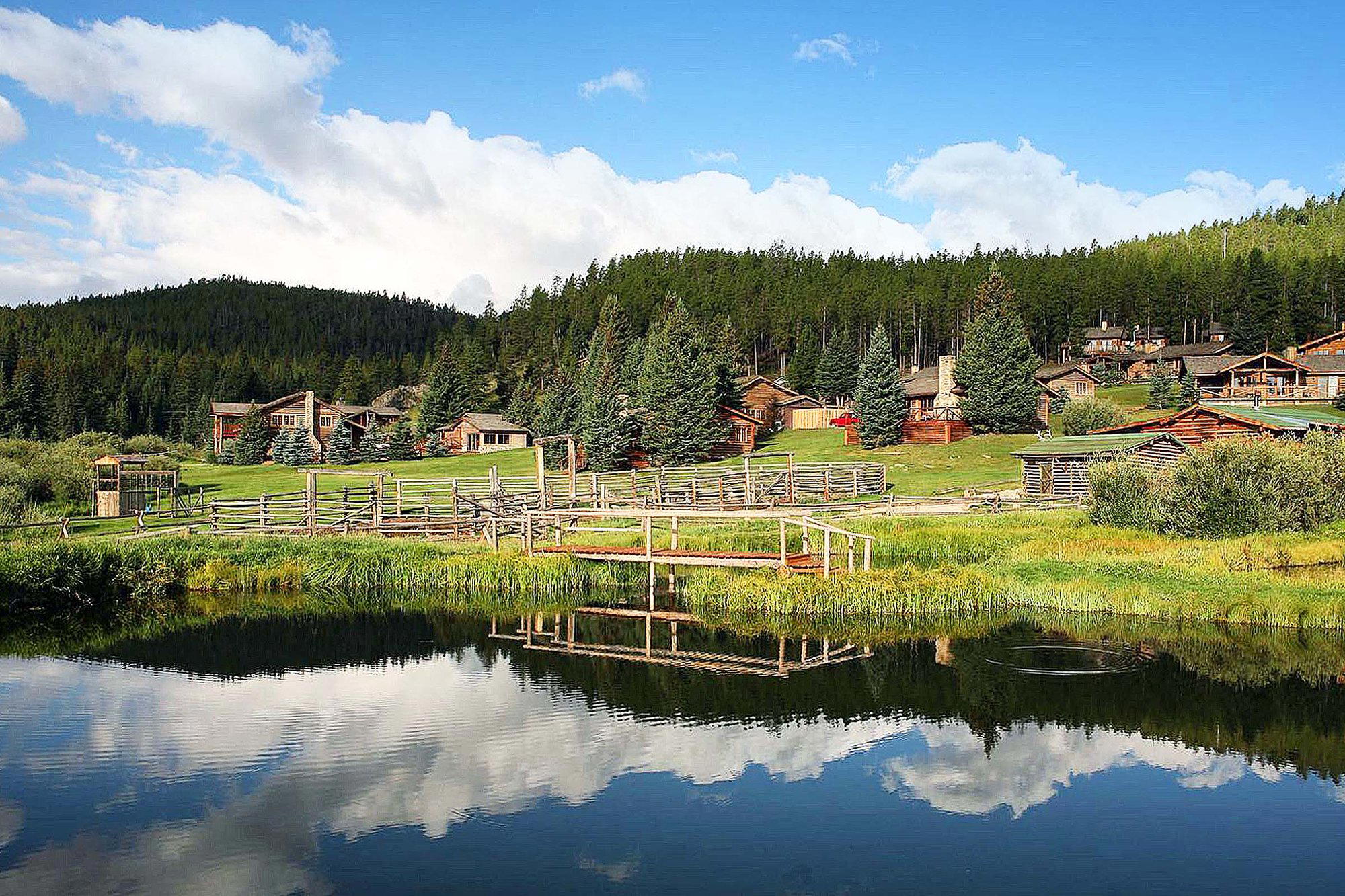
The property centers on fly fishing, with guided trips and lessons conducted on private ponds and the surrounding watershed. For travelers whose itinerary is built around the cast rather than the amenity list, the address does most of the work.

Pearl is the En Primeur Club membership app, where members save venues, book tables and use the concierge.
Where the Address Is the Amenity
In the American West, the most consequential decision a fishing property makes is where to put its front gate. Everything downstream, water quality, fish density, guide access, seasonal windows, follows from that single choice. The Bighorn Mountains rise to the west; the Powder River basin spreads east.
This positions Paradise Ranch differently from the broader category of Western guest ranches that have migrated toward spa programming, curated cuisine, and wellness calendars over the past decade. Properties like Canyon Ranch Tucson or Amangiri in Canyon Point have built their identities around landscape-as-backdrop rather than landscape-as-program. Paradise Ranch inverts that hierarchy: the fishing is the program, and the setting is the delivery mechanism.
The Water at the Center of It
Private trout ponds with guided access and lessons represent a specific tier within the fly fishing hospitality category. The distinction matters for anyone planning a serious fishing trip. Public water in Wyoming, the North Platte, the Green River, stretches of the Bighorn itself, can be extraordinary, but it carries the variables of public access: pressure, crowding during peak season, and the logistical overhead of coordinating permits and public-land access points. Private water, by contrast, compresses those variables. Guides know the fish, the hatches, and the holding lies with a precision that public-water guiding rarely matches.
For less experienced anglers, the private pond format also removes the performance anxiety that can make wading unfamiliar public water feel more stressful than instructive. Lessons conducted on controlled, fishable water, where a guide can position a student effectively and where takes are frequent enough to reinforce technique, produce faster improvement than casting clinics on lawn or parking lots. This is a practical distinction that separates purpose-built fishing properties from ranches where fly fishing appears as one bullet point in a longer activities list.
The surrounding waters broaden the program further. That range is part of what makes location so consequential in the fly fishing lodge category: a well-positioned property functions as a base camp for a wider watershed, not merely a single stretch of water. It sits on Interstate 90, which makes it accessible from Gillette to the east and from the Bighorn Basin to the west via US-16 over Powder River Pass, one of the more scenic highway crossings in the northern Rockies. The regional airport in Sheridan, approximately 35 miles north, handles connecting flights from Denver. Travelers arriving from larger Western cities should budget for a regional connection or a drive; this is not a property that slots into a weekend city-trip itinerary.
The Johnson County area occupies a distinct niche in Wyoming's hospitality geography. It lacks the ski-resort infrastructure of Jackson Hole and the concentrated dude-ranch tourism corridor further south, which keeps it quieter and less developed. For fishing-focused travelers, that lower profile is an asset: less competition for water, less seasonal congestion, and a local economy still oriented around ranching and agriculture rather than tourism services. Properties in the area operate in a different competitive register than the high-design Western resorts that have proliferated in gateway markets. For a point of contrast in the premium ranch lodging category, Sage Lodge in Pray, Montana, offers a useful reference point for what the design-led, amenity-heavy end of that spectrum looks like. Paradise Ranch occupies the opposite pole: the activity, not the architecture, is the draw.
Who This Property Suits
The guest profile for a fishing-centered Wyoming ranch is narrower than that of a full-service Western resort, and the booking logic follows accordingly. Travelers who arrive with specific angling goals, improving technique, accessing private water, fishing a new drainage system, get the most from the format. The private pond structure also makes the property workable for mixed-skill groups: a beginner can take a lesson while an experienced angler pursues more demanding water, with guides capable of calibrating to both.
Families with children old enough to hold a rod are a natural fit for private pond operations, where the controlled environment reduces frustration and keeps the experience constructive rather than punishing. The fly fishing lesson format has evolved considerably in the past two decades, with guides increasingly trained in instructional technique rather than purely in fish-finding; properties with dedicated lesson infrastructure reflect that shift. The city has functional lodging and dining at a practical rather than premium register.enprimeurclub.enprimeurclub.enprimeurclub.enprimeurclub.enprimeurclub.
Planning a Stay
Fly fishing in Wyoming follows a seasonal logic tied to snowmelt, water temperature, and insect activity. The most productive windows on freestone mountain streams typically run from late June through September, with midsummer hatches driving the most active dry-fly fishing. Spring runoff can make high-country streams unfishable into June depending on snowpack. Private ponds, by contrast, offer more calendar flexibility, as water levels and clarity are managed independently of snowmelt cycles. This extends the viable season at properties with dedicated pond infrastructure and makes early-season or fall visits more productive than they might be on purely public water.
For travelers building a wider Western itinerary around the fishing, properties like Alpine Falls Ranch in Superior offer comparable ranch-format accommodation in different terrain. Those looking at the broader category of destination lodges built around landscape access might also consider Post Ranch Inn in Big Sur or Troutbeck in Amenia for the eastern seaboard equivalent of the land-first lodging format. See our
Just the Basics
Comparable venues nearby, for context on price, style, and recognition.
| Venue | Cuisine | Price | Awards | Notes |
|---|---|---|---|---|
| Paradise Guest RanchThis venue (the venue you are viewing) | Not listed | Not listed | Top 50 Ranches | Not listed |
| Eatons' Ranch | Not listed | $200–300 | USA Today Best Ranches Best Ranches #5 | Bighorn Mountains, Historic dude ranch with simple western cabins. |
| BITTERROOT RANCH | Not listed | $500–750 | Top 50 Ranches | Dubois, Rustic working ranch with historic log cabin architecture, family-owned and operated since 1971, emphasizing authentic Western ranch experience over luxury amenities. |
| Anvil Hotel | Not listed | $100–200 | Michelin Selected | Town Square, Renovated 1950s motel into upscale cozy Western lodge |
| Mountain Modern Motel | Downtown Jackson, Mountain Modern motel | $100–200 | Michelin Selected | Not listed |
| The Wort Hotel | Not listed | Not listed | Preferred Hotels L.V.X. Collection | downtown Jackson, Historic Western lodge with contemporary hospitality standards; blends heritage charm with modern comfort. |
Recognition history
Dated appearances from independent guides and award organizations, with the underlying list record or original source where available.
Top 50 Ranches
Top 50 Ranches
Details
- Rustic
- Scenic
- Cozy
- Classic
- Family Vacation
- Romantic Getaway
- Group Retreat
- Destination Wedding
- Garden
- Panoramic View
- Historic Building
- Wi Fi
- Pool
- Hot Tub
- Restaurant
- Bar
- Kids Club
- Massage
- Laundry Service
- Mountain
- Wheelchair Accessible
Warm and welcoming with rustic log cabin charm, evening entertainment in the French Creek Saloon featuring country music and dancing, campfire gatherings, and family-style dining that encourages socializing among guests and staff.