The Chow Kit - an Ormond Hotel

A Michelin Selected hotel in the heart of Kuala Lumpur's Chow Kit district, the Ormond property occupies a building steeped in the neighbourhood's commercial and cultural history. Its position on Jalan Sultan Ismail places it within walking distance of the city's mid-century trading quarter, where the architecture still carries traces of the area's early twentieth-century character.
Pearl is the En Primeur Club membership app — saves, bookings, and concierge access live there. Same editors, same standards.
- Address
- 1012 Jalan Sultan Ismail, Kuala Lumpur, Malaysia
- Phone
- +60 3-2778 6666
- Website
- thechowkit.com
 Saves & bookings on Pearl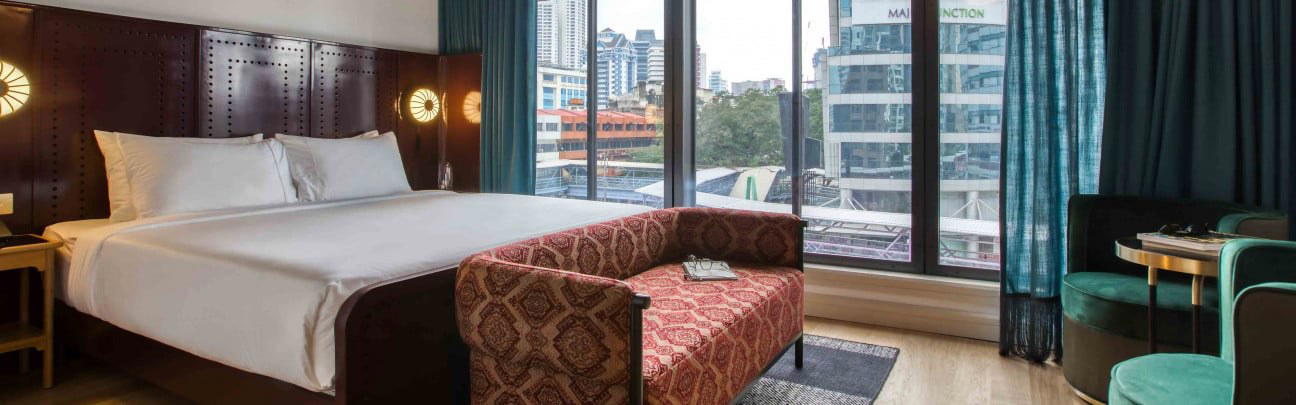
Where Chow Kit's Commercial Past Meets Considered Hospitality
Jalan Sultan Ismail cuts through one of Kuala Lumpur's most layered urban corridors, running past towers and low-rise shophouses that have traded hands across generations of Chinese, Malay, and Indian merchants. The Chow Kit district, which gives this hotel its name, was for much of the twentieth century the city's primary wet market zone and wholesale trading hub, a place where goods moved at street level before air-conditioned malls reshaped retail geography entirely. For a hotel to root its identity in that neighbourhood is a deliberate choice, one that positions it against the polished anonymity of KL's Golden Triangle corridor rather than within it.
The Ormond Group, which operates The Chow Kit, has built a small portfolio around precisely this kind of location-first logic. Rather than seeking towers adjacent to the KLCC or along the Bukit Bintang strip where brands like Four Seasons Hotel Kuala Lumpur, Banyan Tree Kuala Lumpur, and EQ Kuala Lumpur cluster, the Ormond approach draws on heritage neighbourhoods that carry genuine urban texture. The Chow Kit is one legible expression of that positioning in KL.
The Building and What It Carries
The hotel occupies a structure on Jalan Sultan Ismail that reflects the mid-rise commercial architecture of post-independence Kuala Lumpur, a period when the city was consolidating its identity as a capital city rather than a colonial administrative town. Streets like this one were working streets, provisioning blocks, hardware suppliers, textile merchants, and the physical scale of the buildings reflects that commercial pragmatism. There is nothing monumental about the proportions. What the hotel has done is work with that grain rather than against it.
This approach to heritage in KL hospitality occupies a growing niche. The city lacks the dense concentration of pre-war shophouse architecture that defines George Town in Penang (where Cheong Fatt Tze - The Qing Suites and The Prestige operate within a UNESCO-listed context), but pockets of Chow Kit and the surrounding districts retain enough physical memory of earlier commercial life to give a hotel genuine neighbourhood anchoring. The Chow Kit reads as a city hotel with a specific address rather than a property that could have been placed anywhere.
Michelin Selection and What It Signals
In the KL context, this selection positions the hotel alongside a peer group of properties recognised for something other than sheer scale or brand heritage. The Michelin hotel selection process does not rank by star tier in the way the restaurant guide operates, but inclusion on the 2025 list signals consistent delivery across the criteria evaluators apply: atmosphere, service quality, and the coherence between setting and offer.
For travellers cross-referencing options, this places The Chow Kit in a different conversation from the larger international chain properties. It sits closer in spirit to Else Kuala Lumpur than to the full-service tower hotels. Those looking for the conventions of a large international flag, including multiple food and beverage outlets, spa facilities, and extensive meeting infrastructure, will find them at properties like Crowne Plaza Kuala Lumpur City Centre or Alila Bangsar Kuala Lumpur. The Chow Kit is calibrated differently.
Neighbourhood as a Feature, Not a Compromise
The Chow Kit area functions as a working neighbourhood in a way that the tourist-facing zones around KLCC do not. The wet market on Jalan Raja Alang, a short walk from the hotel's address, operates from early morning and draws a genuinely local clientele. The streets around Jalan Sultan Ismail in this stretch are less manicured than the Golden Triangle, which is precisely what makes them interesting as a base for a certain kind of traveller: one interested in how the city actually operates rather than the version of KL that has been packaged for visitors.
This framing is relevant to timing. The morning hours in Chow Kit, when the market is active and street food stalls are running full service, represent the neighbourhood at its most concentrated. Guests staying at the hotel are a few minutes' walk from a density of hawker culture that is difficult to access from more isolated properties. For travellers arriving in KL between November and February, when the northeast monsoon brings intermittent but heavy afternoon rain, the compact walkability of the immediate area becomes practically valuable.
Planning a Stay
The hotel is located at 1012 Jalan Sultan Ismail, within the Chow Kit district north of the KLCC core. Travellers arriving from KL Sentral, which connects to KLIA via the ERL express, can reach the property by rail without relying on traffic-dependent road transfers, a meaningful consideration given the city's congestion patterns during peak hours.
Beach-oriented travellers consider Pangkor Laut Resort in Lumut or The Datai in Langkawi for their natural settings. East Malaysia options include Gayana Eco Resort in Kota Kinabalu. For a longer east coast itinerary, Tanjong Jara Resort in Dungun draws on Malay architectural heritage in a coastal setting. Those interested in wellness-focused stays might consider Bertam Wellness Spa and Villas in Penang. For Selangor-based options close to KL, Sunway Resort Hotel represents the larger integrated resort format. Jungle-oriented retreats include JapaMala Resort in Pahang. Airport transit stays are well served by Sama-Sama Hotel KL International Airport in Sepang. On the southern peninsula, Mandarin Oriental, Desaru Coast and Anantara Desaru Coast Resort and Villas in Johor anchor the Desaru Coast development. For extended stays requiring apartment-style facilities, Ascott Kuala Lumpur Jalan Pinang offers a serviced residence format. The highland resort option north of KL is covered by Crockfords at Resorts World Genting. For budget-conscious positioning in Bukit Bintang, WOLO Kuala Lumpur offers a compact alternative. Internationally, the Ormond model of heritage-rooted urban hospitality has parallels at properties like The Fifth Avenue Hotel in New York City, Badrutt's Palace Hotel in St. Moritz, and Hôtel de Paris Monte-Carlo, each of which uses a specific address and its history as a primary asset.
Peers in This Market
Comparable venues nearby, for context on price, style, and recognition.
| Venue | Cuisine | Price | Notes |
|---|---|---|---|
| The Chow Kit - an Ormond HotelThis venue — the venue you are viewing | Simplified luxury boutique hotel inspired by the neighborhood's 1970s-80s nightlife, blending nostalgic design with contemporary comfort and local storytelling. | $$$ | Not listed |
| The Kuala Lumpur Journal Hotel | stylish boutique hotel where nostalgia meets industrial chic | $$$ | Bukit Bintang |
| INNSiDE by Meliã Kuala Lumpur Cheras | Contemporary urban hotel designed for mixing work and play. | $$$ | Taman Cheras |
| Alila Bangsar Kuala Lumpur | design-forward urban oasis blending modern minimalism with natural elements | $$$$ | Brickfields |
| Banyan Tree Kuala Lumpur | Urban luxury sanctuary with high-floor reception and skyline views | $$$$ | Kampong Dollah |
| Lanson Place Bukit Ceylon KL | Contemporary serviced residences with home-like comfort and city luxury | $$$$ | City Centre |
Recognition history
Dated appearances from independent guides and award organizations, with the underlying list record or original source where available.
Mr & Mrs Smith Smith Seal of Approval
Mr & Mrs Smith
Michelin Selected
Michelin
Continue exploring
More in Kuala Lumpur
Hotels in Kuala Lumpur
Browse all →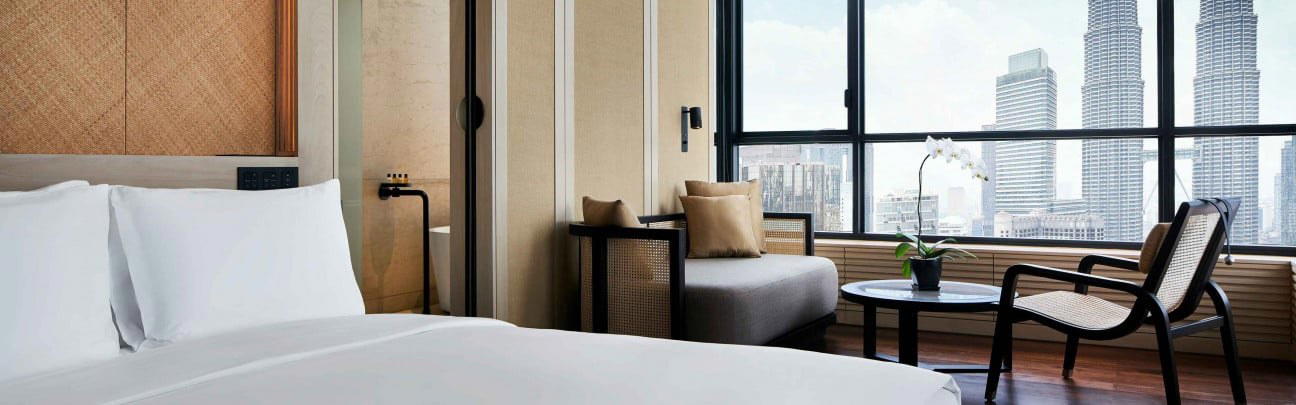
Bars in Kuala Lumpur
Browse all →
At a Glance
- Romantic
- Modern
- Intimate
- Elegant
- Cozy
- Romantic Getaway
- Weekend Escape
- Business Trip
- Rooftop Pool
- Design Destination
- Historic Building
- Panoramic View
- Terrace
- Wi Fi
- Restaurant
- Bar
- 24 Hour Front Desk
- Luggage Storage
- Skyline
- Street Scene
- Wi Fi
- Restaurant
- Bar
- 24 Hour Front Desk
- Luggage Storage
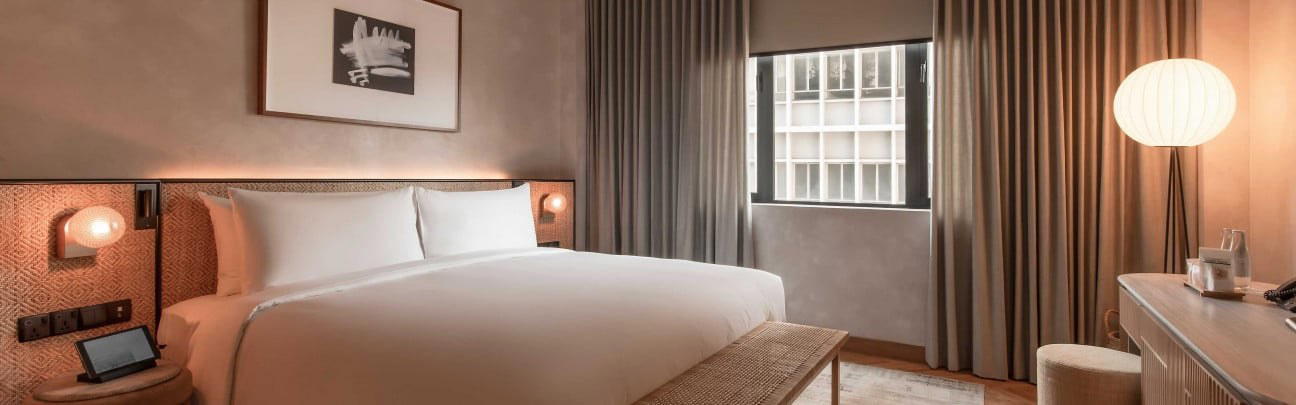
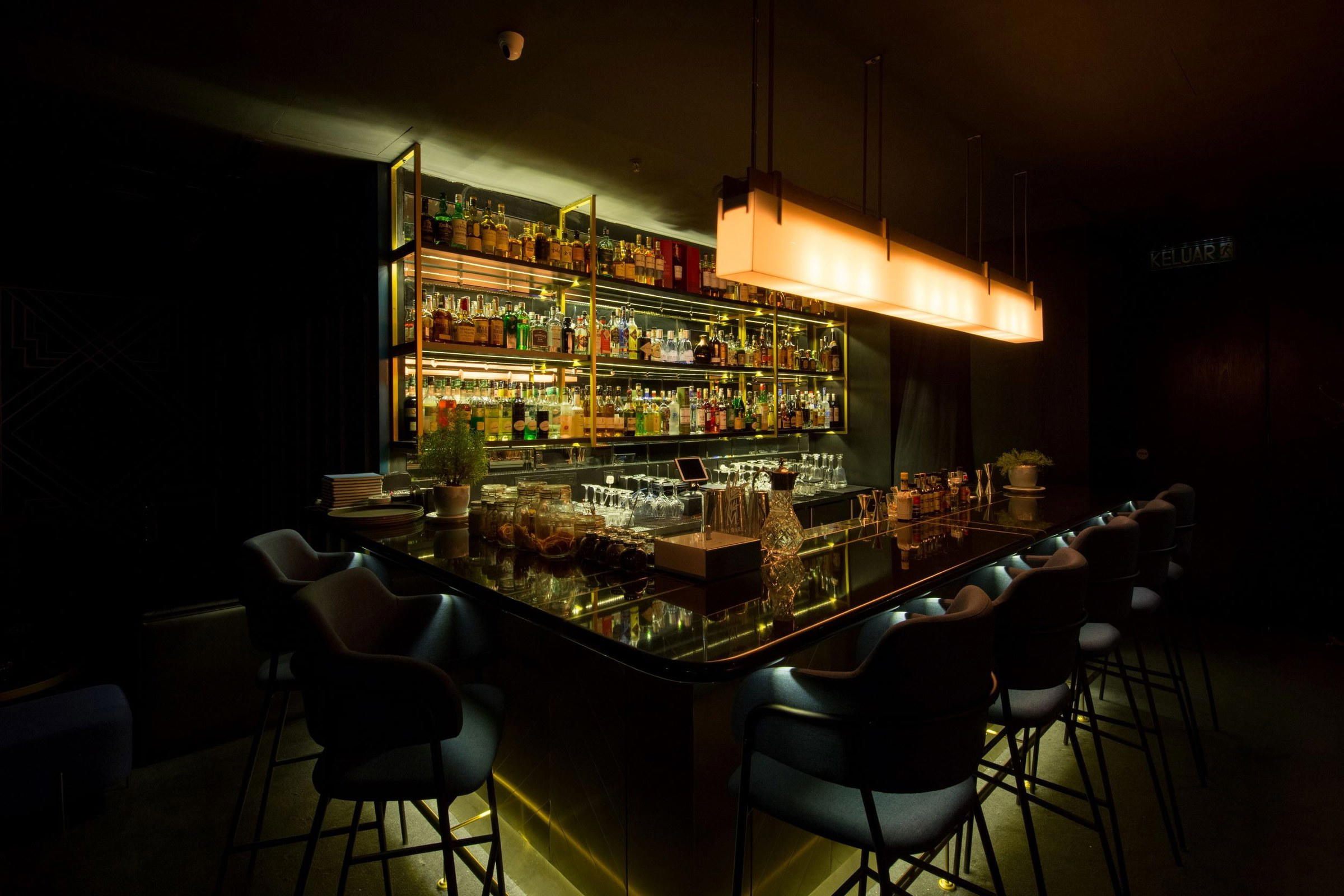
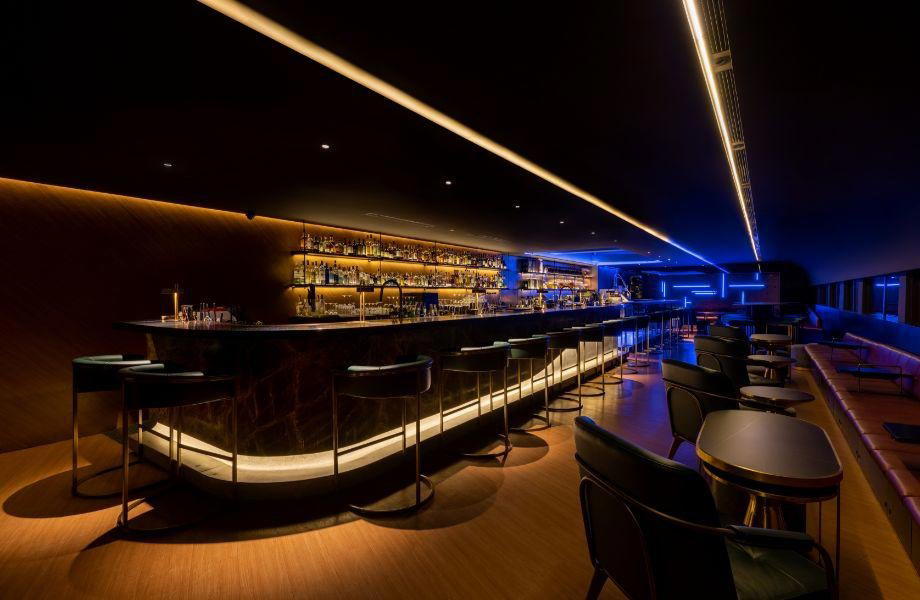
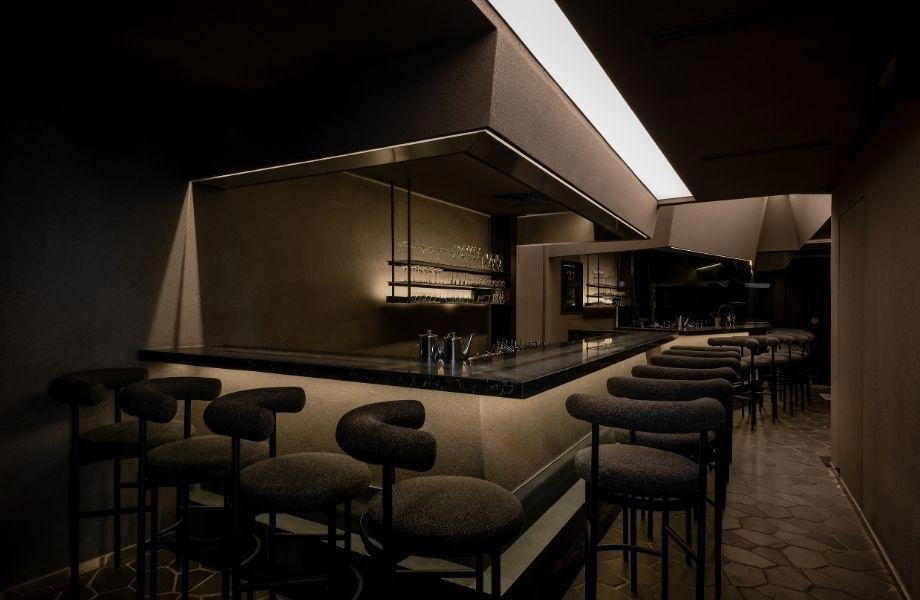
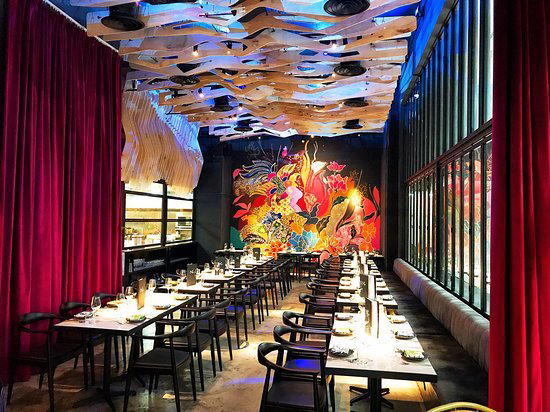
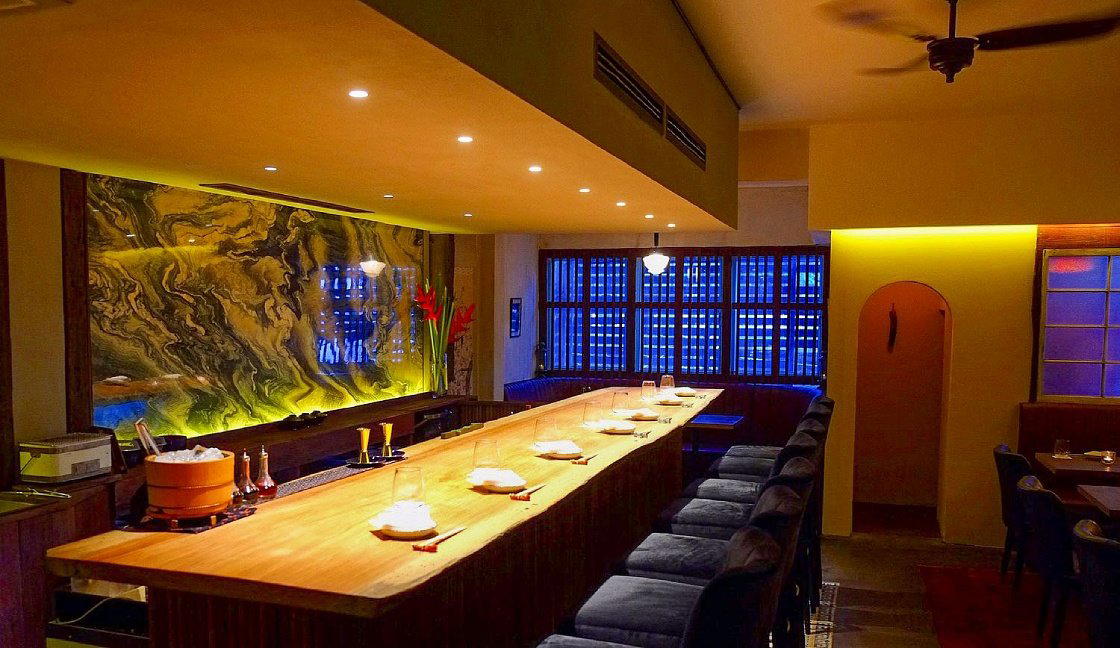
Warm, retro-grandeur atmosphere with romantic low lighting, rich velvet upholstery, exposed brick surfaces, and rattan touches that evoke the neighborhood's colonial-era opulence while maintaining intimate, cocooning spaces.