The Jefferson, Washington, DC



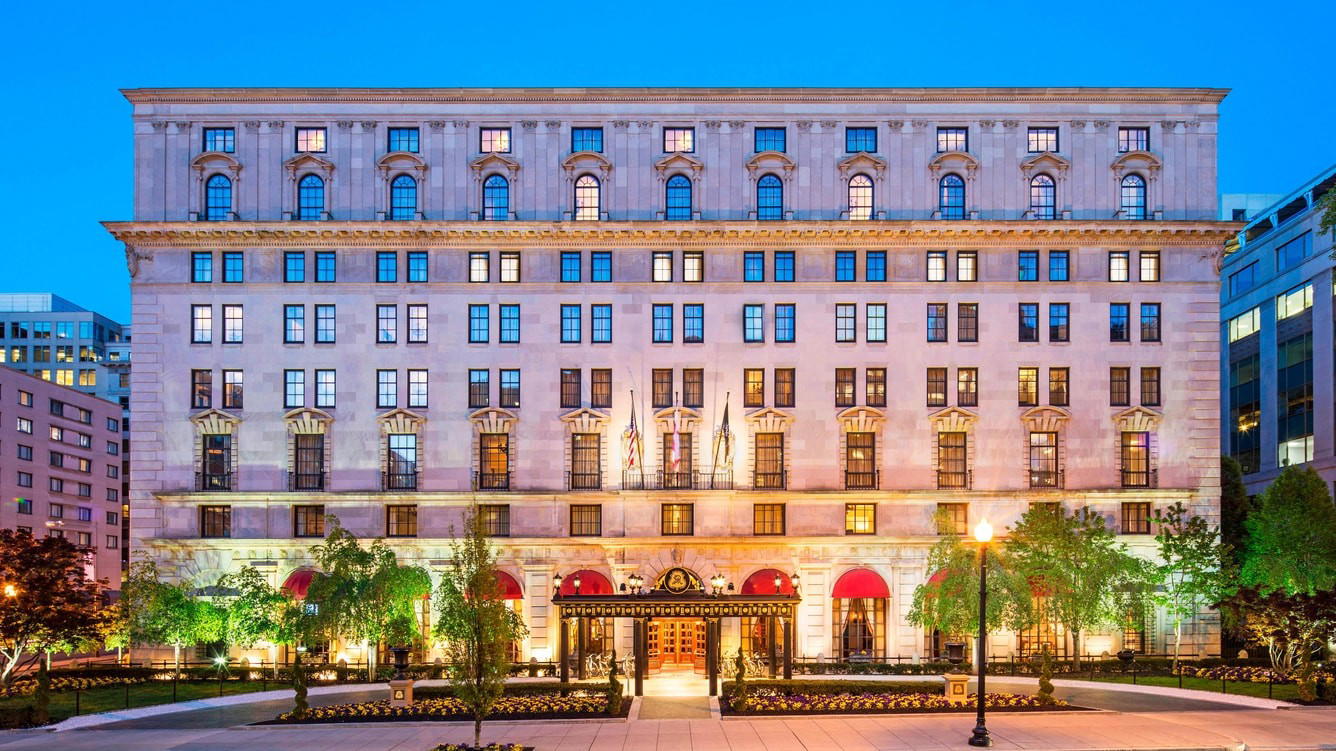
Operating from the corner of 16th and M Streets since 1923, The Jefferson is a Beaux Arts property four blocks from the White House that draws on its namesake's legacy through original Jefferson-signed documents, a dedicated Book Room, and dining at Quill and The Greenhouse. A 2009 renovation restored period details while modernising the public spaces, earning the hotel recognition from Star Wine List (2026) and a sustained reputation as Washington's leading boutique address.
 Discover on Pearl
Pearl is the En Primeur Club membership app — saves, bookings, and concierge access live there. Same editors, same standards.
- Address
- 1200 16th Street Northwest
- Phone
- 202-448-2300
- Website
- jeffersondc.com
A Century on 16th Street: How the Jefferson Became Washington's Benchmark Boutique Hotel
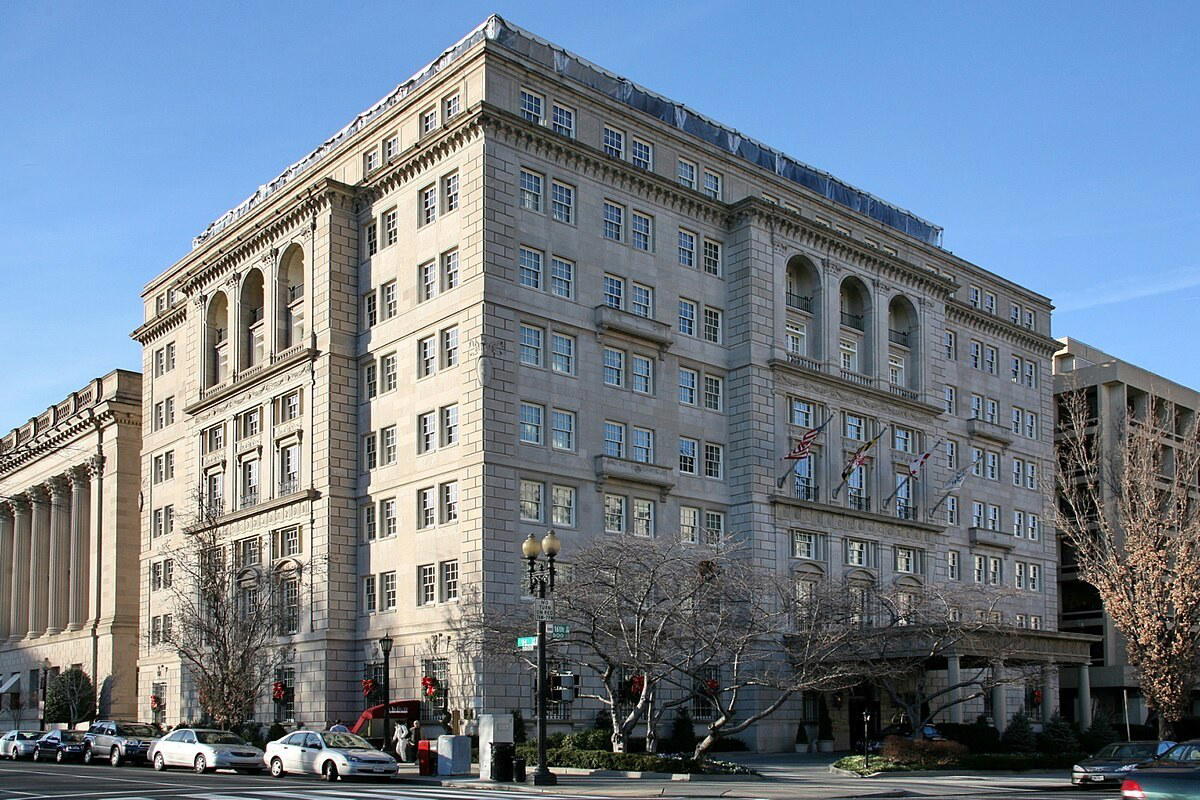
Washington hotels divide fairly cleanly between large-flag convention properties and a smaller tier of historically anchored boutique addresses where the building itself carries narrative weight. The Jefferson sits in that second category, and has for over a century. When the Beaux Arts structure at 1200 16th Street Northwest opened in 1923, it was designed as an apartment complex, the kind of address that attracted the city's more permanent residents rather than its passing visitors. The transition to hotel use came later, and with it a clientele defined less by convention schedules than by proximity to power and a preference for rooms that read more like a private residence than a managed property.
Four blocks from the White House, the address positions guests at the functional centre of the capital's political and diplomatic life. That geography has always shaped who stays here and what they expect from the experience. At the Jefferson, the formula is anchored specifically to Thomas Jefferson's legacy, which gives the property a thematic coherence that goes beyond the usual deployment of period furniture.
The 2009 Reinvention: Renovation as Editorial Statement
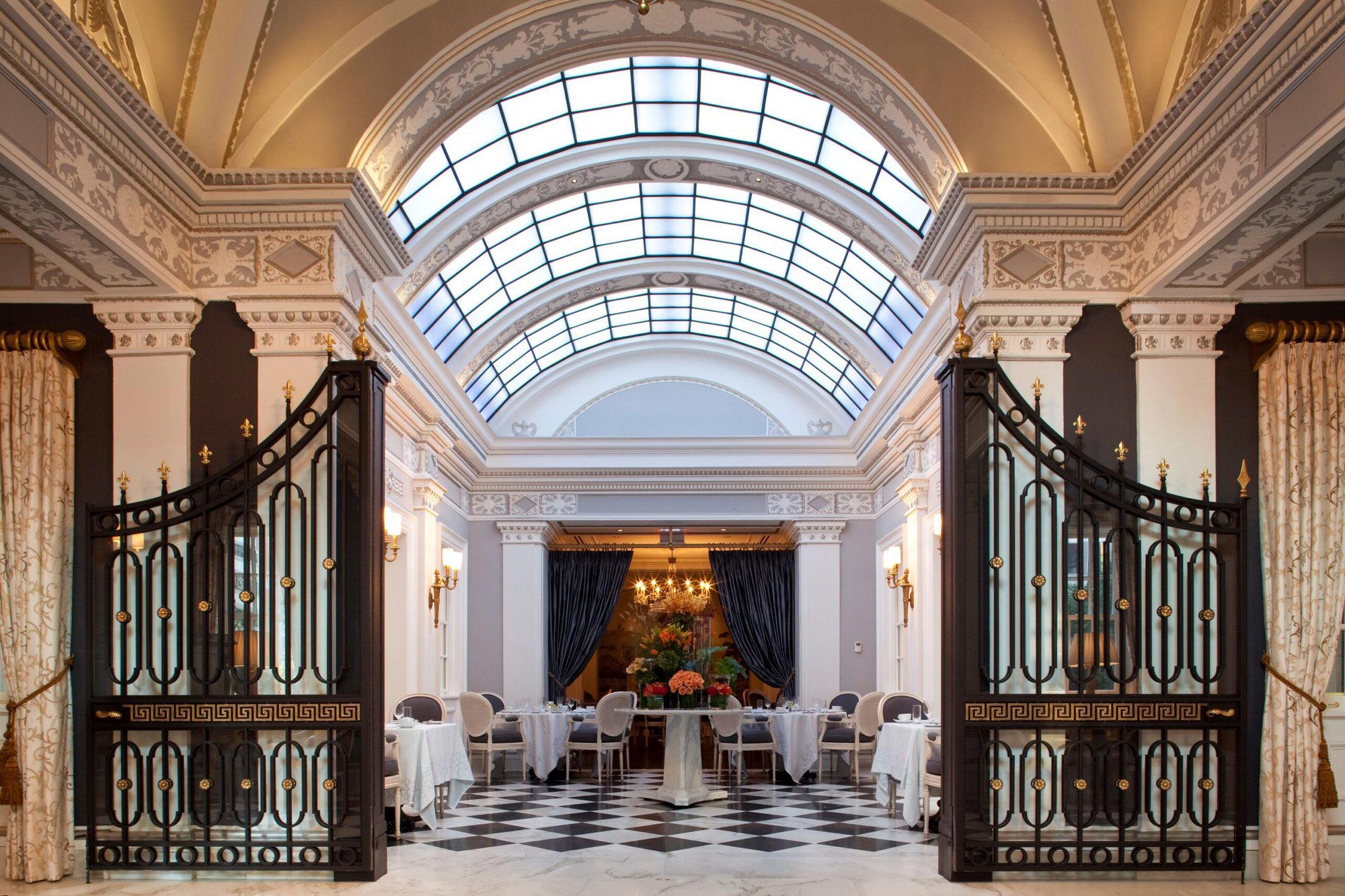
The hotel that exists today is substantially the product of a major renovation completed before its 2009 reopening. That project was not merely cosmetic. Among its most significant discoveries was an arched skylight dating to the 1920s, uncovered during works on the lobby and now a focal element of the arrival sequence. Skylight restorations of this kind tend to change the quality of natural light throughout a ground floor in ways that alter how a space reads at different times of day, and the Jefferson's lobby is no exception.
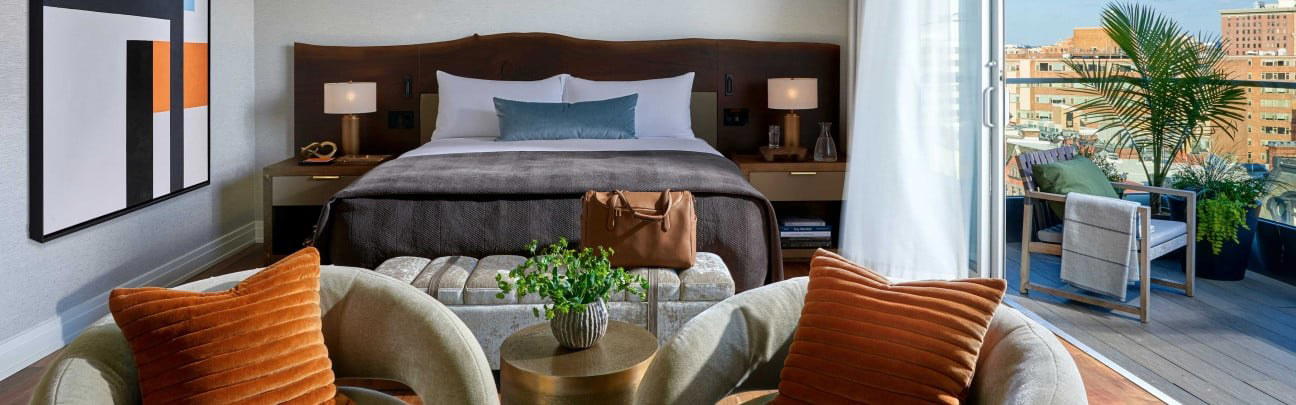
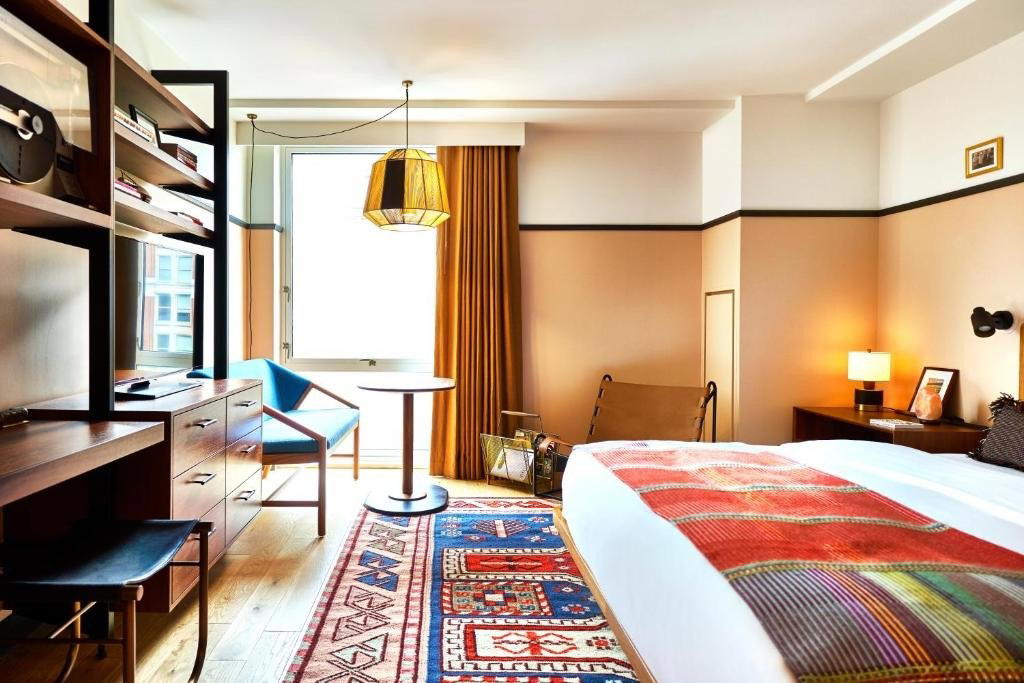
The 2009 reopening also set the direction for the property's current identity: European in register, Washingtonian in specificity. The rooms and suites draw on Jefferson's years in Paris and his attachment to Monticello in equal measure, producing interiors that are historically informed without feeling archival. Original Jefferson-signed documents are displayed throughout public areas, and a dedicated Book Room holds leather-bound volumes on Jefferson's subjects of interest alongside signed editions by contemporary authors who have stayed at the property. These are details that distinguish the Jefferson's approach from the decorative historicism that characterises many city-centre heritage hotels, where period references tend to be illustrative rather than substantive.
Within Washington's competitive set of premium boutique addresses, the post-2009 Jefferson sits alongside properties like The Hay-Adams Hotel and Riggs Washington DC in terms of historical character, while its service model, check-in conducted from a comfortable chair rather than a front desk, positions it closer to the residential hospitality approach you find at properties like Rosewood Washington, D.C. Properties like Pendry Washington DC at The Wharf and Eaton D.C. address a different kind of traveller, one drawn to neighbourhood energy and contemporary programming rather than institutional memory.
Quill, The Greenhouse, and the Hotel's Dining Position
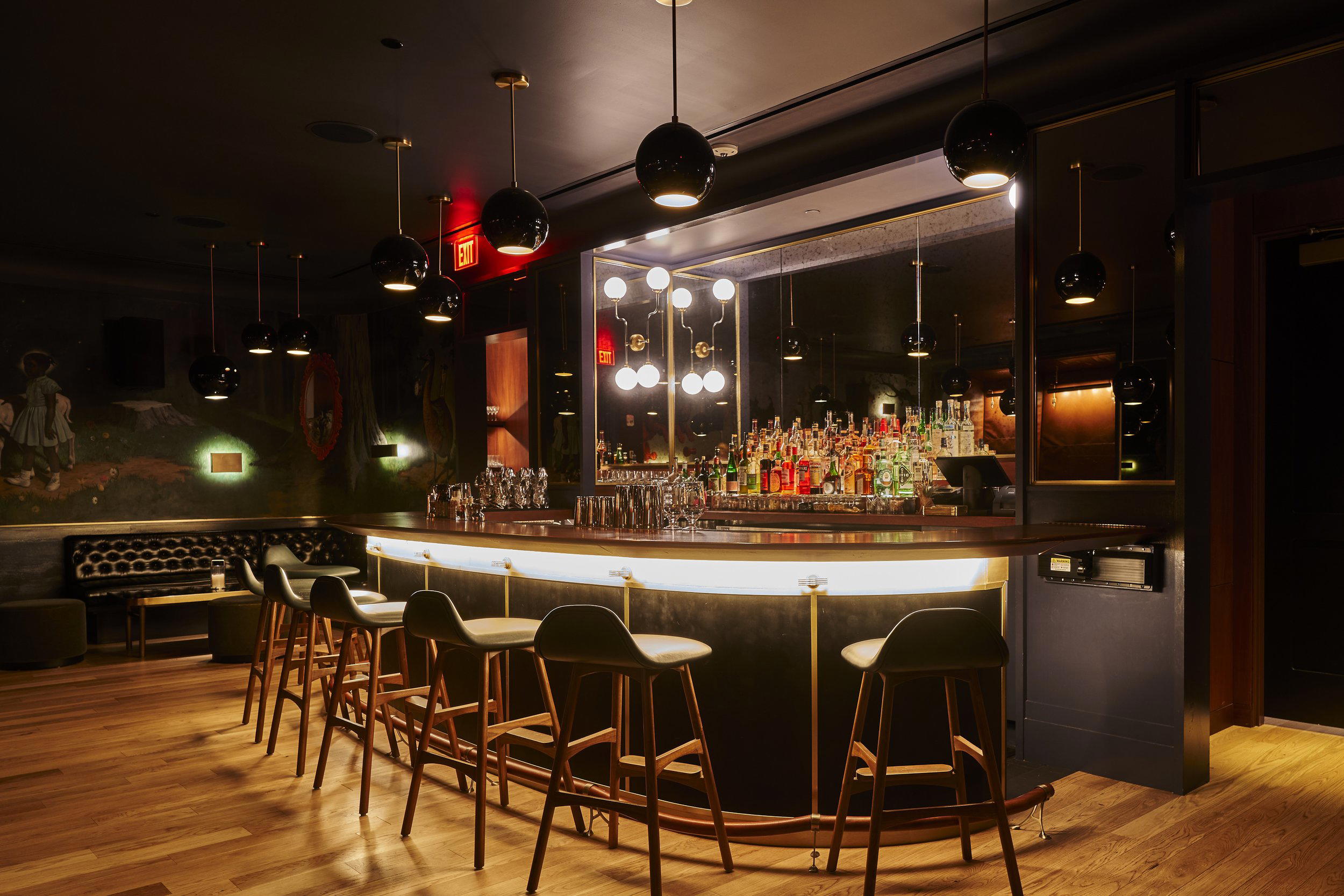
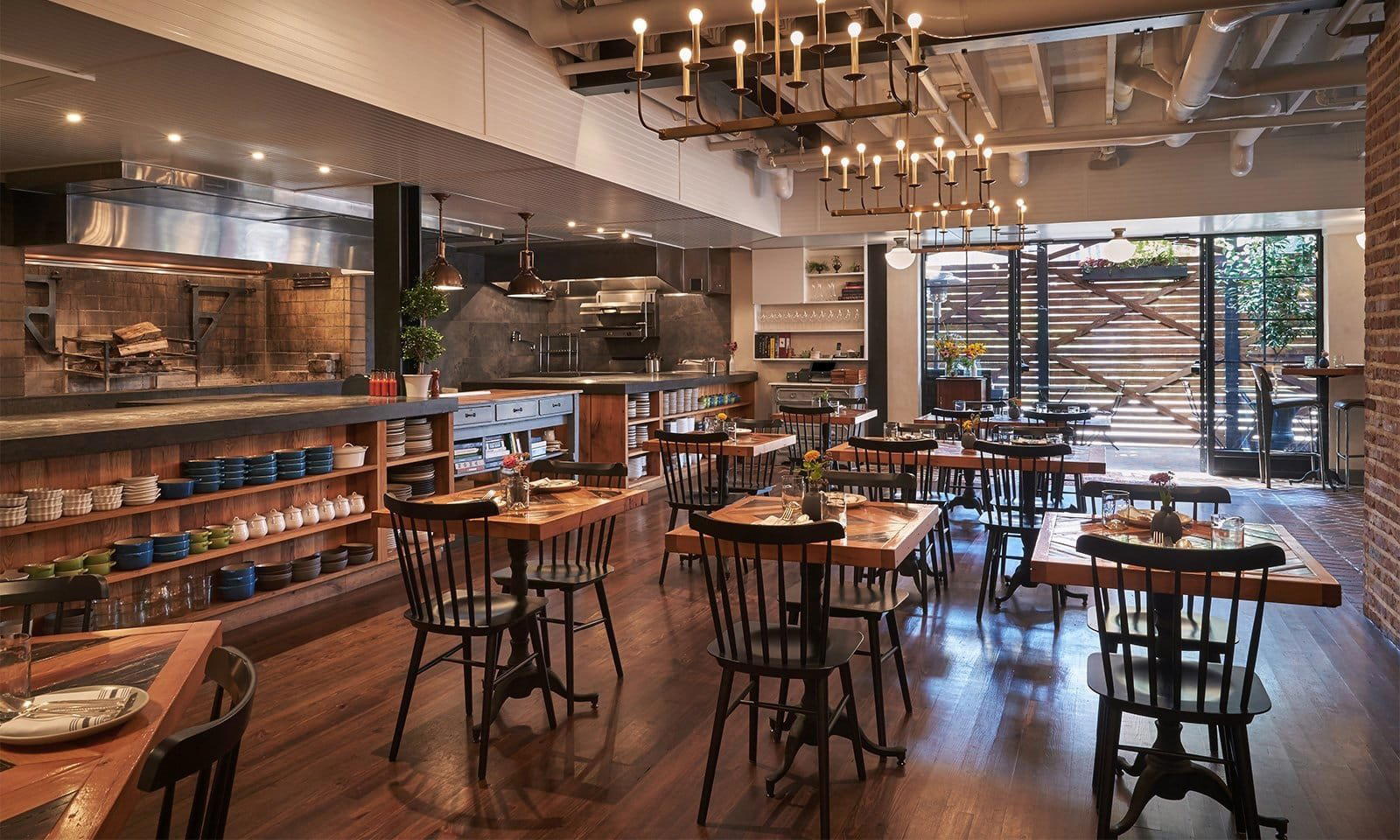
The Jefferson's dining program has consolidated around two distinct formats. Quill, the hotel's cocktail bar and lounge, operates as a creative bar program with a classic grill menu alongside lighter fare. Star Wine List recognised the hotel's beverage credentials in its 2026 awards, a signal that the drinks program is taken seriously within the hotel's overall offer rather than treated as ancillary. In Washington, hotel bars that earn specialist recognition tend to hold a different status in the broader dining conversation than those that exist primarily to serve guests who haven't left the building for the evening.
The Greenhouse operates on a different rhythm, covering breakfast, lunch, brunch, and afternoon tea. The connection to Monticello's gardens gives The Greenhouse a supply-chain narrative that aligns with broader shifts in American hotel dining toward ingredient provenance.
The Jefferson's two-venue structure covers different meal occasions without requiring a separate destination restaurant. This is a structurally sound approach for a boutique property whose primary identity is residential rather than gastronomic.
Planning a Stay: What to Know Before Booking
The Jefferson at 1200 16th Street Northwest is a walkable choice for the White House, Dupont Circle, and the stretch of K Street that serves the city's professional core. The The Dupont Circle Hotel sits nearby for comparison if neighbourhood positioning is the primary consideration. For travellers whose Washington stays include significant time on the Hill or at the State Department, the Jefferson's 16th Street location is more convenient than Wharf-district alternatives. The Mayflower Inn addresses a similar corridor at a different price point and scale.
Given the hotel's boutique footprint and the demand generated by its White House proximity, particularly during periods of political transition, legislative sessions, and the spring Cherry Blossom period when Washington hotel occupancy peaks sharply, advance booking is advisable. The hotel's residential service model, which treats individual guest needs as a close host would rather than processing them through a standardised protocol, works well when the property has time to prepare for arriving guests.
For context on how the Jefferson compares to luxury residential properties in other markets, the closest analogues in terms of format and philosophy are found at places like Hotel Bel-Air in Los Angeles, Troutbeck in Amenia, or internationally at Badrutt's Palace Hotel in St. Moritz, properties where historical architecture and service continuity define the offer more than amenity scale. The Jefferson, in its current form, represents a century-long accumulation of that kind of institutional character, renovated and redirected in 2009 but never fundamentally reinvented away from its original premise.
For wilderness-adjacent alternatives at the other end of the American luxury spectrum, properties like Amangiri in Canyon Point, Post Ranch Inn in Big Sur, Sage Lodge in Pray, SingleThread Farm Inn in Healdsburg, Canyon Ranch Tucson in Tucson, Little Palm Island Resort and Spa in Little Torch Key, Four Seasons at The Surf Club in Surfside, Kona Village, A Rosewood Resort in Kailua Kona, Aman New York in New York City, Auberge du Soleil in Napa, and Aman Venice in Venice represent the range of directions that premium American and international travellers typically consider alongside a Washington city stay.
Budget Reality Check
Comparable venues nearby, for context on price, style, and recognition.
| Venue | Price | Awards | Notes |
|---|---|---|---|
| The Jefferson, Washington, DCThis venue — the venue you are viewing | $$$$ | 5-Star | |
| Waldorf Astoria Washington DC | $$$$ | 5-Star | Federal Triangle, Historic luxury in restored landmark building |
| The Ritz-Carlton, Washington, D.C. | $$$$ | 5-Star | West End, Classic luxury hotel in DC's West End with Club Level exclusivity. |
| The St. Regis Washington, D.C. | $$$$ | 5-Star | Downtown, Restored historic palazzo with grand scale preservation blending classic elegance and contemporary luxury |
| The Hay-Adams | $$$$ | 5-Star | Golden Triangle, Historic residential-style luxury hotel |
| Four Seasons Hotel Washington, D.C. | $$$$ | 5-Star | Waterfront Georgetown, Timeless luxury with intuitive hospitality in Georgetown |
Continue exploring
More in Washington DC
Hotels in Washington DC
Browse all →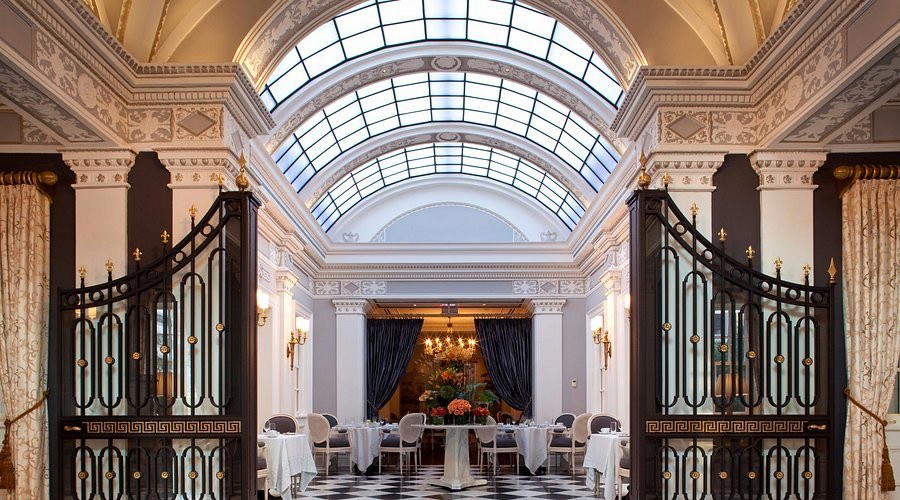
Bars in Washington DC
Browse all →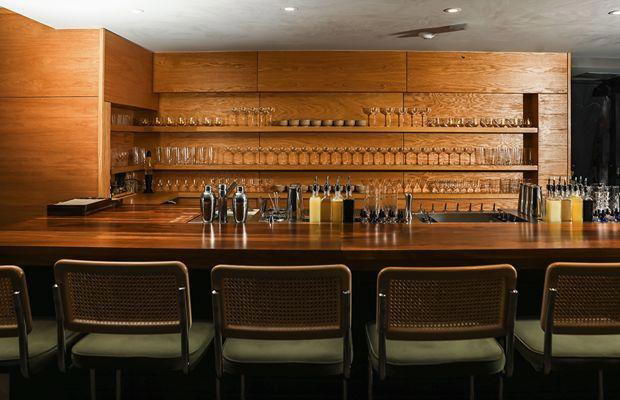
Restaurants in Washington DC
Browse all →
At a Glance
- Elegant
- Sophisticated
- Classic
- Iconic
- Business Trip
- Romantic Getaway
- Anniversary
- Weekend Escape
- Butler Service
- Historic Building
- Destination Spa
- Private Dining
- Garden
- Wifi
- Fitness Center
- Spa
- Room Service
- Concierge
- Valet Parking
- Ev Charging
- Library
- Pool Access
- Skyline
- Street Scene
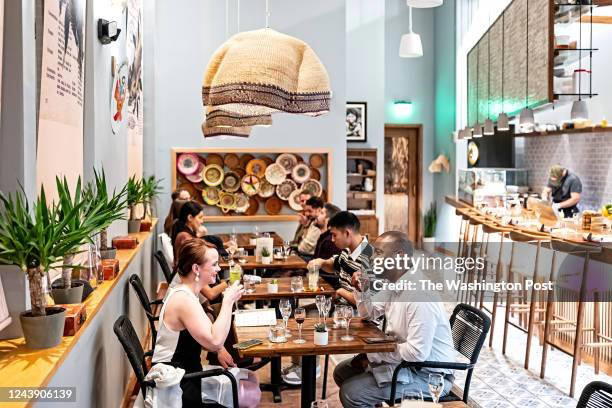
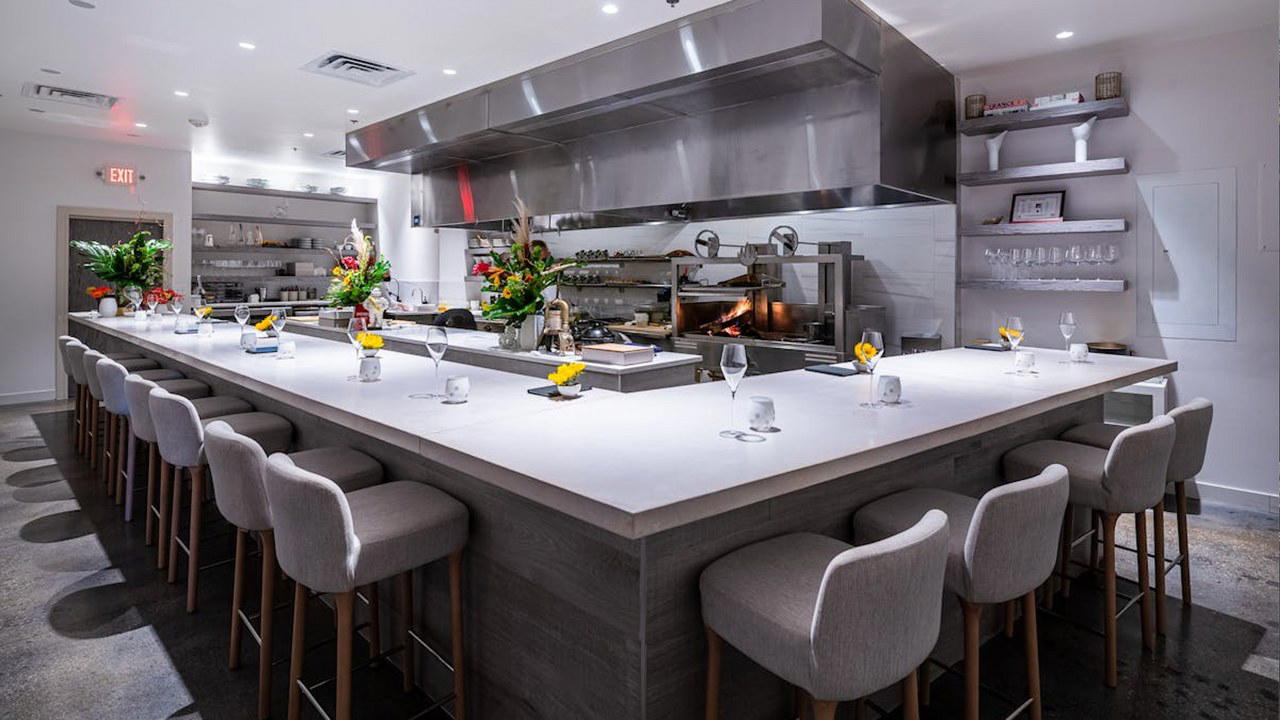
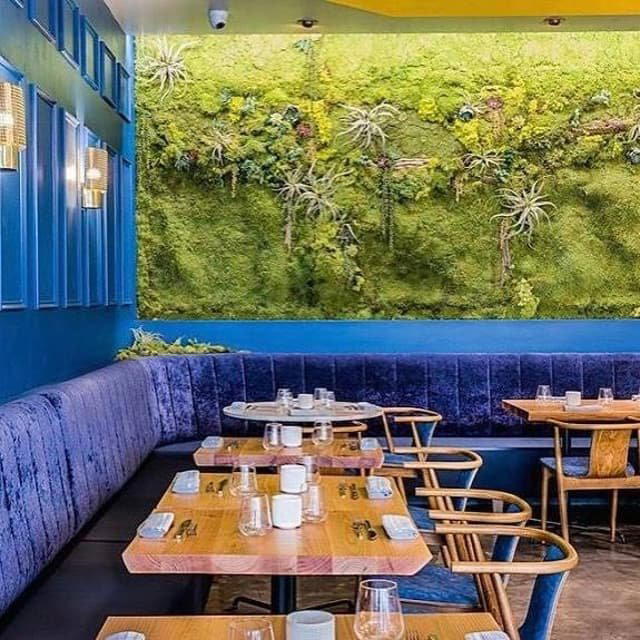
Refined Old World elegance with warm, attentive service; sophisticated yet inviting atmosphere featuring a sky-lit central restaurant, elegant library lounge, and amber-glowing glass bar creating a timeless, cultured environment.