The Hotel Paisano
A 1930s Spanish Colonial Revival building on Highland Street, the Hotel Paisano anchors Marfa's curious mix of ranching heritage and contemporary art culture. The property sits at the centre of a town that draws a disproportionate number of serious travellers for its size, and the architecture alone justifies the address. Plan accordingly: Marfa fills quickly around art weekends and the shoulder seasons are the most comfortable time to visit.
Pearl is the En Primeur Club membership app — saves, bookings, and concierge access live there. Same editors, same standards.
- Address
- 207 Highland St, Marfa, TX 79843
- Phone
- +1 432 729 3669
- Website
- hotelpaisano.com
- Directions
- Get directions
 Saves & bookings on Pearl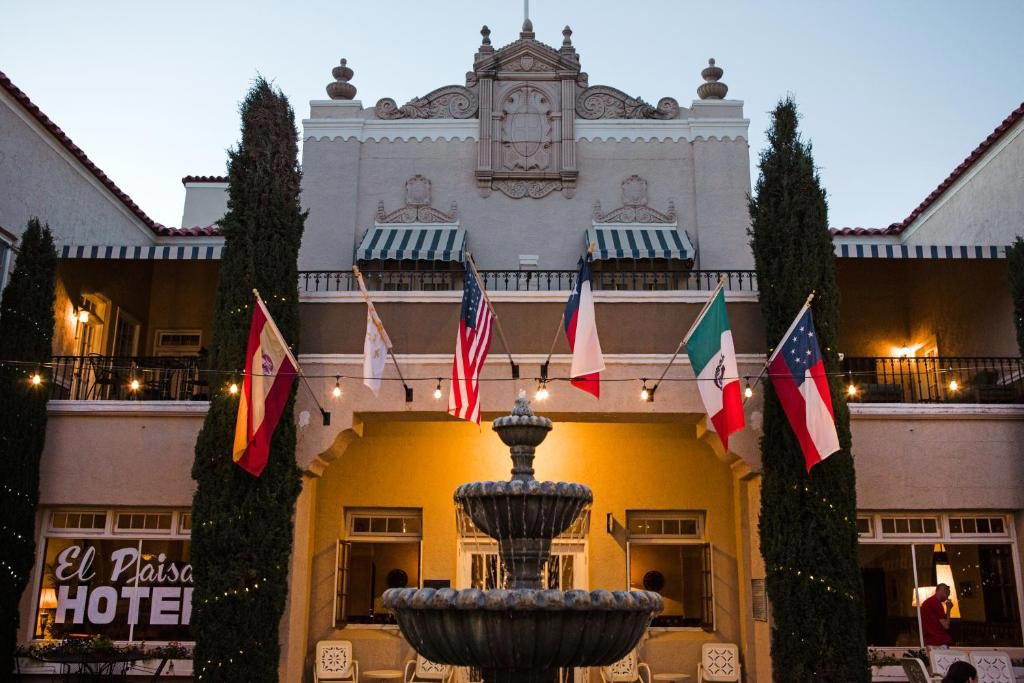
A Building That Predates the Art Scene by Several Decades
Marfa's reputation rests on a paradox: a remote high-desert town in the Trans-Pecos that became one of the more discussed addresses in contemporary art and design. The Hotel Paisano at 207 Highland Street exists at the centre of that paradox, physically and historically. The building is Spanish Colonial Revival, constructed in the 1930s, which means it was already a fixture of the town's civic identity long before Donald Judd arrived, long before Chinati Foundation drew its first pilgrimage crowd, and long before Marfa became the kind of place people plan trips around rather than pass through.
That architectural pedigree matters in a town where the built environment carries unusual cultural weight. Marfa's appeal is inseparable from the quality of its physical spaces, and the Paisano is the oldest operating hotel in that inventory. The arched colonnades, the courtyard geometry, the thick stucco walls calibrated to the desert's thermal swings: these are not decorative choices applied after the fact but structural facts of a specific regional building tradition. In that respect, the Paisano occupies a different category than the design-led properties that have opened across the American West in recent decades, places like Ambiente in Sedona or Amangiri in Canyon Point, which were conceived as design statements from the outset. The Paisano's aesthetic authority is a matter of record rather than intent.
What the Architecture Actually Delivers
Spanish Colonial Revival in the Trans-Pecos is a practical vernacular as much as a stylistic one. The thick masonry construction moderates temperature extremes that are significant in this part of Texas, where summer afternoons routinely exceed 95 degrees Fahrenheit and winter nights drop sharply. The central courtyard, a defining feature of the typology, creates a sheltered microclimate that functions differently from the open terraces common to resort properties elsewhere in the Southwest. It is a space for morning coffee before the heat arrives, not a pool deck designed for afternoon sun exposure.
The covered arcade that wraps the courtyard is one of the more photographed architectural details in Marfa, which says something in a town that attracts a high density of photographers and architects. The proportions are pre-war, the materials are regional, and nothing about the structure reads as renovated-to-within-an-inch-of-its-life. That restraint is consistent with the broader aesthetic ethic of Marfa, a place where the preference runs toward the unmediated and the durable over the polished and the curated.
Marfa's Accommodation Tier and Where the Paisano Sits
Marfa operates with a small and stratified accommodation market. At one end sit the design-forward properties and private rental homes that command premium rates during Chinati Weekend and the shoulder seasons. At the other end are the roadside motor courts that have served ranchers and highway travellers since the mid-century. The Hotel Paisano occupies the middle of that range, and arguably the most historically grounded position within it: a full-service hotel with identifiable architecture, a central location, and a connection to the town's pre-art-world identity.
For travellers calibrating against the wider American luxury hotel market, the relevant comparison is not with a property like The Fifth Avenue Hotel in New York or Hotel Bel-Air in Los Angeles, where service intensity and amenity depth are the primary differentiators. Marfa's appeal is predicated on scarcity and remoteness, and the Paisano's value proposition is anchored in its position within that context rather than in a direct comparison with urban luxury. The more instructive parallel might be Troutbeck in Amenia or Blackberry Farm in Walland: destination hotels where the physical setting and historical character carry more weight than the service program.
Planning a Stay: Timing, Access, and Context
Marfa is not incidental to any route. The nearest commercial airport is in Midland, roughly 160 miles northeast, and the drive in from any direction crosses open ranch country with limited services. That physical remove is part of the town's appeal to the travellers it attracts, but it requires advance planning of a kind that urban hotel stays do not. Flights into Midland-Odessa or El Paso connect through Dallas, Houston, or Denver, and rental car availability in Midland warrants booking well ahead of peak weekends.
Chinati Weekend, the annual open house for the Chinati Foundation held in October, is the single highest-demand period for accommodation in Marfa. The town's hotels, the Paisano included, book out months in advance for that weekend. Spring and early fall offer the most temperate conditions for walking the town and visiting the outdoor installations at Chinati and Prada Marfa, the latter approximately 36 miles northwest on US-90. Summer visits are workable in the mornings and evenings but require adjustment for midday heat. For a broader look at what the town offers in dining and culture, see our full Marfa restaurants guide.
Travellers drawn to the American West's roster of design-conscious hotels will find useful comparisons in properties like Amangani in Jackson Hole, Sage Lodge in Pray, and Post Ranch Inn in Big Sur. Each of those properties operates in a landscape-defined context where the setting is central to the offer. The Paisano's distinction within that cohort is its urban position within Marfa proper and its pre-existing historical status rather than a purpose-built relationship with a natural site.
| Venue | Cuisine |
|---|---|
| The Hotel PaisanoThis venue — the venue you are viewing | This venue |
| Aman New York | Michelin 3 Key, World's 50 Best |
| Amangiri | Michelin 3 Key, World's 50 Best |
| Hotel Bel-Air | Michelin 3 Key, World's 50 Best |
| The Beverly Hills Hotel | Michelin 3 Key, World's 50 Best |
| The Carlyle, A Rosewood Hotel | Michelin 2 Key, World's 50 Best |
Continue exploring
More in Marfa
Hotels in Marfa
Browse all →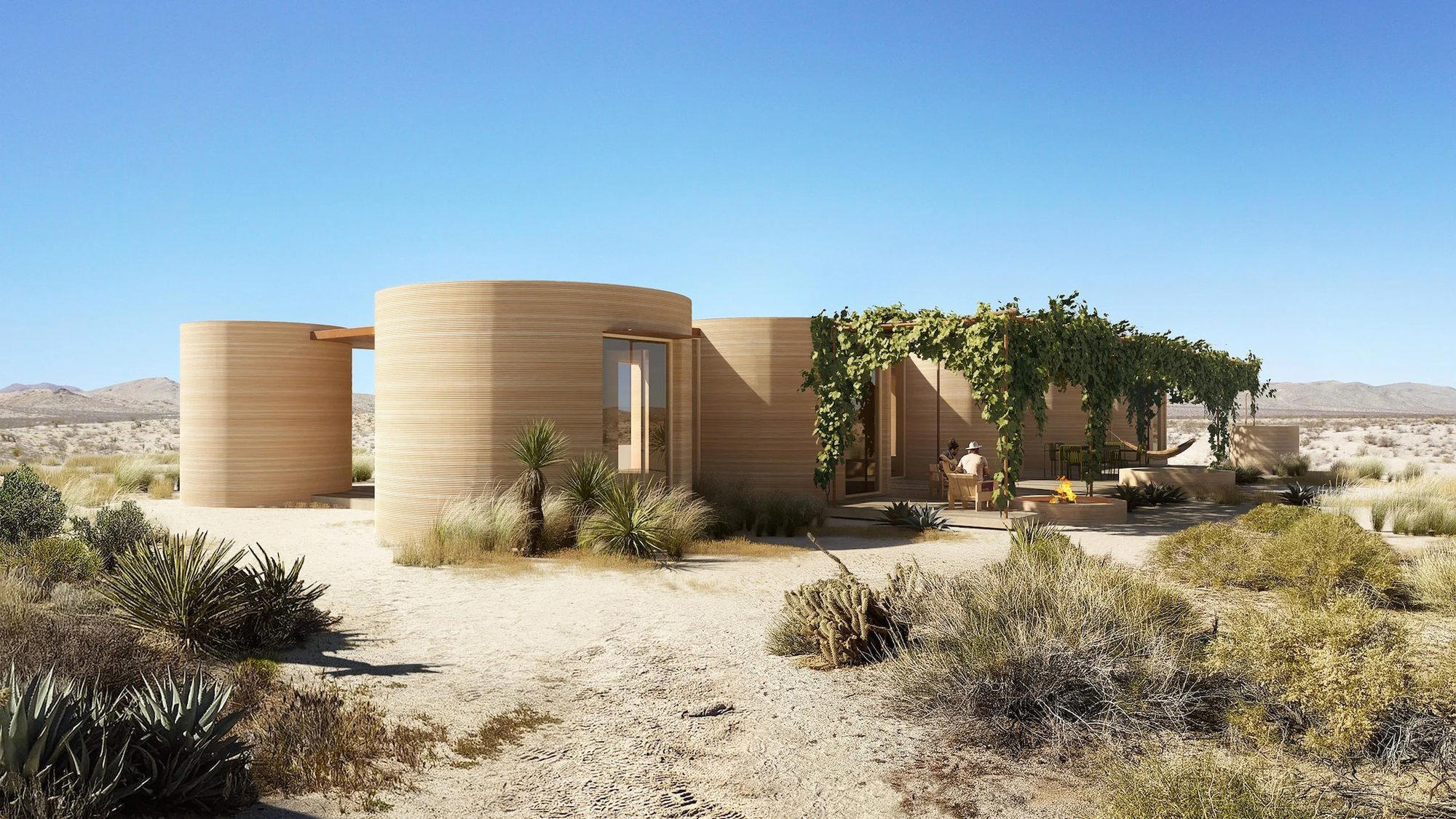
Bars in Marfa
Browse all →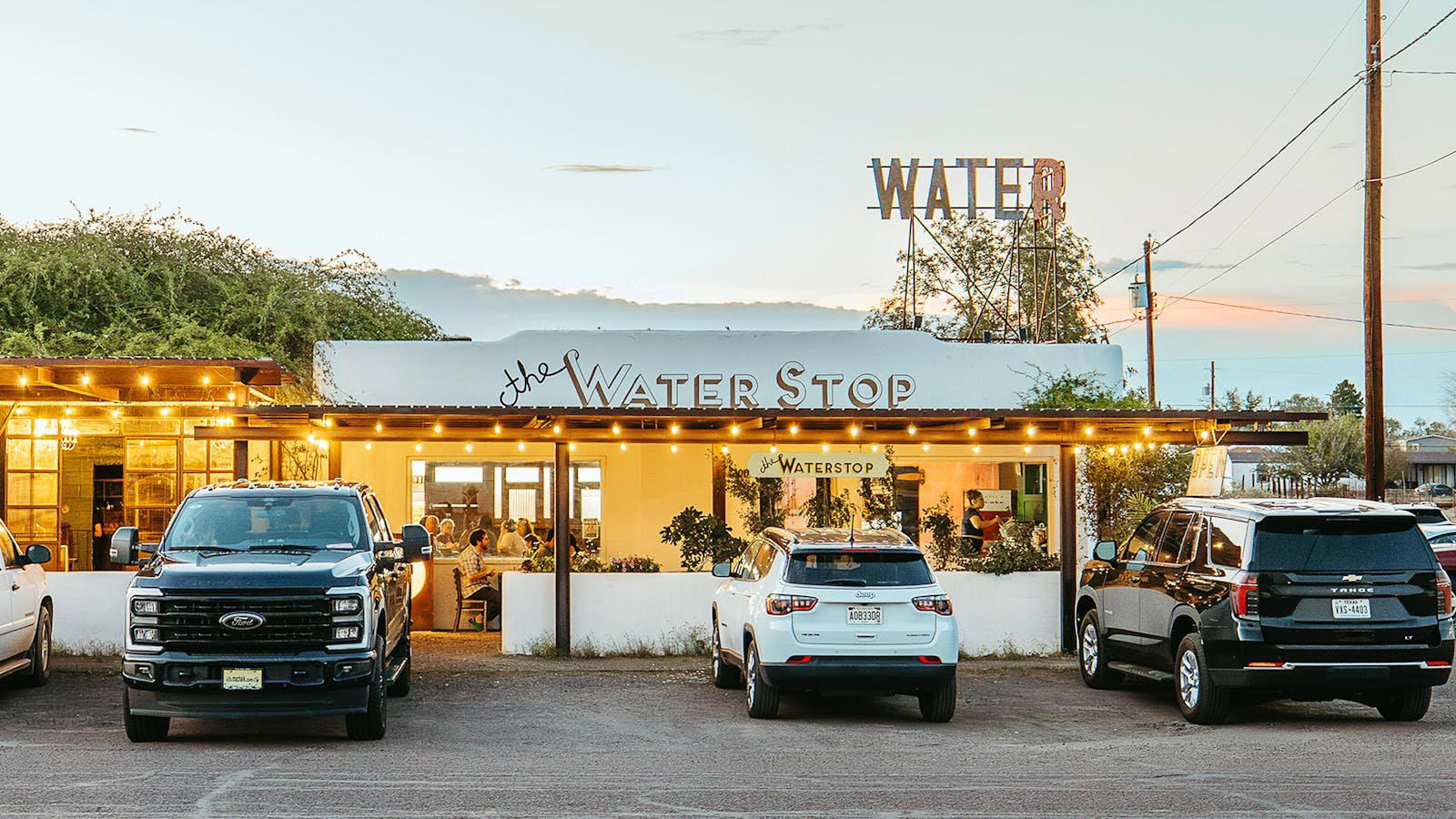
Restaurants in Marfa
Browse all →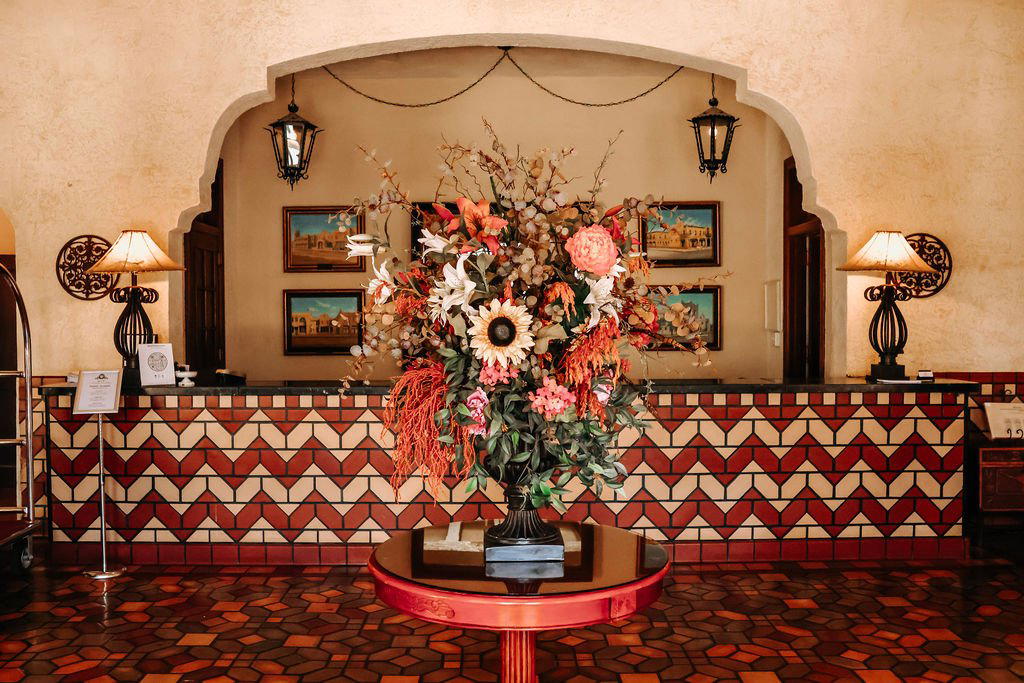
At a Glance
- Historic
- Rustic
- Well Known
- Cozy
- Elegant
- Romantic Getaway
- Weekend Escape
- Historic Building
- Terrace
- Pool
- Wi Fi
- Pool
- Wi Fi
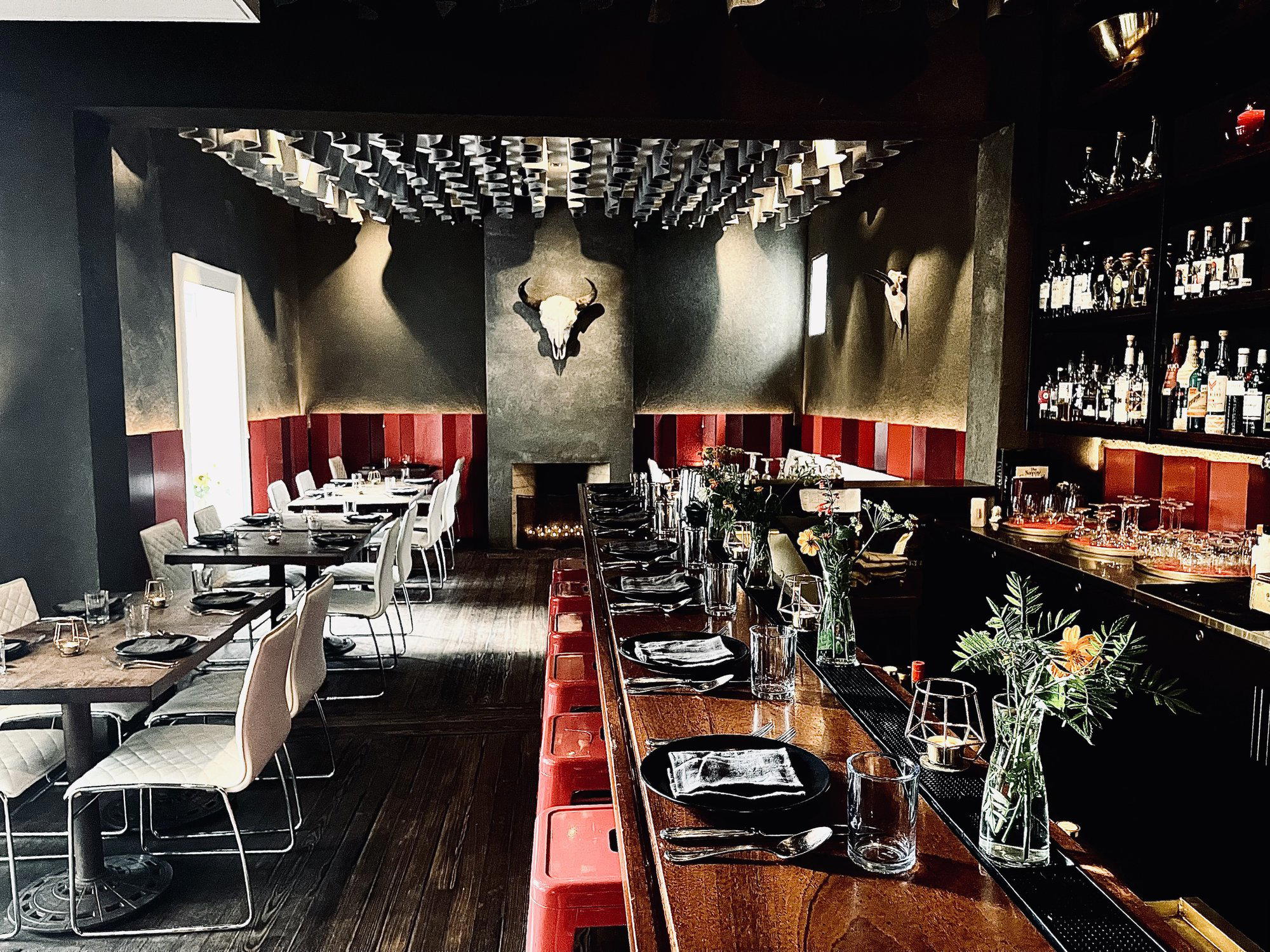
Charming Southwest Spanish Revival architecture with archways, painted beams, glazed tiles, courtyard fountain, and a rich-ranchy feel blending historic elegance and rustic Texas charm.
Know Before You Go
- Getting there
- 207 Highland St, Marfa, TX 79843